Introduction
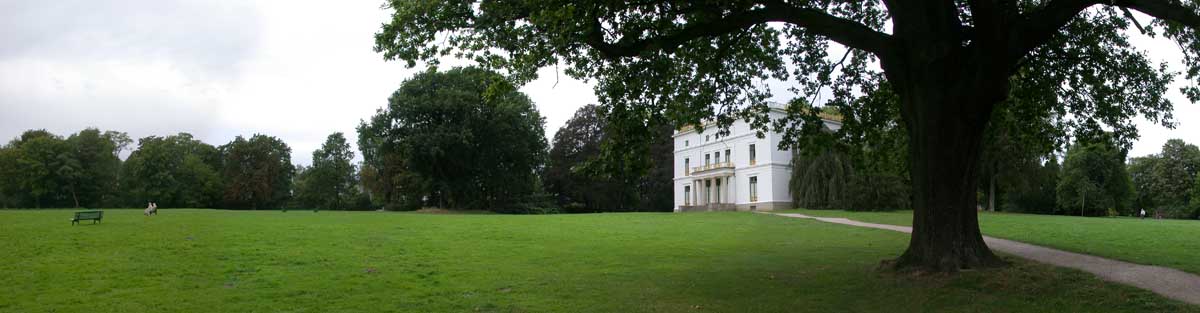
Heinepark, located in the heart of Hamburg, Germany, is not just another green space; it is a testament to the city's rich cultural and historical tapestry. Established in the early 19th century, the park is named after Heinrich Heine, a luminary in German literature, whose work continues to resonate through the ages. The park's transformation from a private estate into a public haven reflects Hamburg's broader urban development goals aimed at enhancing the quality of life for its residents (hamburg.com).
Heinepark's history is marked by periods of significant transformation, including its official opening in 1828 and its subsequent redesign influenced by the English landscape garden movement. The park's resilience is evident in its recovery from the extensive damage suffered during World War II, a period that saw many of its original features destroyed. However, the post-war reconstruction efforts in the 1950s and 1960s revitalized Heinepark, blending historical restoration with modern amenities to create a space that serves both recreational and cultural purposes.
Today, Heinepark stands as a vibrant cultural hub, featuring memorials and monuments dedicated to significant figures in German history, including the Heinrich Heine Memorial erected in 1981. The park's extensive facilities, ranging from playgrounds and sports fields to cafes and picnic areas, make it an ideal spot for visitors of all ages. Special events, guided tours, and the park's picturesque landscape further enhance its appeal, making it a must-visit destination for anyone exploring Hamburg (hamburg.com).
Exploring Heinepark - History, Visiting Hours, and Tips for Your Hamburg Visit
Origins and Early Development
Heinepark, located in the vibrant city of Hamburg, Germany, has a rich history that dates back to the early 19th century. Named after the famous German poet Heinrich Heine, who was born in Düsseldorf in 1797, the area that is now Heinepark was initially part of a larger estate owned by a wealthy Hamburg merchant family. In the early 1800s, the land was transformed into a public park as part of a broader urban development initiative aimed at providing green spaces for the city's residents.
19th Century - A Period of Transformation
During the 19th century, Hamburg underwent significant changes, and Heinepark was no exception. The park was officially opened to the public in 1828, coinciding with the city's efforts to modernize and expand its urban landscape. Influenced by the English landscape garden movement, Heinepark's design is characterized by its naturalistic style, winding paths, and picturesque scenery. This period also saw the construction of several key structures within the park, including a small pavilion and a series of ornamental gardens.
The Impact of World War II
World War II had a profound impact on Hamburg, and Heinepark was not spared from the devastation. The park suffered extensive damage during the Allied bombing raids, which targeted the city's industrial and residential areas. Many of the park's original features were destroyed, and it fell into a state of neglect in the immediate post-war years. However, the resilience of the local community and the city's commitment to restoration led to a concerted effort to rebuild and revitalize Heinepark in the decades that followed.
Post-War Reconstruction and Modernization
The post-war period marked a new chapter in the history of Heinepark. In the 1950s and 1960s, the park underwent extensive reconstruction, with efforts focused on restoring its historical features while also introducing modern amenities. This period saw the planting of new trees, the reconstruction of pathways, and the installation of recreational facilities such as playgrounds and sports fields. The park's restoration was part of a broader initiative to rebuild Hamburg and enhance the quality of life for its residents.
Cultural Significance and Memorials
Heinepark holds a special place in the cultural and historical landscape of Hamburg. It is not only a recreational space but also a site of cultural significance. The park features several memorials and monuments dedicated to notable figures and events in German history. One of the most prominent is the Heinrich Heine Memorial, which was erected in 1981 to honor the poet's contributions to German literature and culture. The memorial serves as a reminder of Heine's enduring legacy and his connection to the city of Hamburg.
Visitor Information and Tips
Visiting Hours and Tickets
Heinepark is open to visitors year-round, with visiting hours typically from 6 AM to 10 PM. Admission to the park is free, making it an accessible destination for everyone.
Travel Tips
The park is easily accessible by public transportation, with several bus and train routes serving the area. For those traveling by car, parking is available nearby, although it can be limited during peak times.
Nearby Attractions
While visiting Heinepark, be sure to explore nearby attractions such as the Altonaer Museum, which offers insights into the cultural history of Hamburg, and the scenic Elbstrand, a popular riverside promenade.
Special Events and Guided Tours
Heinepark hosts various special events throughout the year, including cultural festivals, outdoor concerts, and guided tours that delve into the park's history and features. Check the official Hamburg tourism website for the latest information on upcoming events.
Photographic Spots
For photography enthusiasts, Heinepark offers numerous picturesque spots, including its ornamental gardens, historic structures, and waterfront views. Early morning and late afternoon provide the best lighting conditions for capturing the park's natural beauty.
Recent Developments and Future Prospects
In recent years, Heinepark has continued to evolve, reflecting the changing needs and preferences of Hamburg's residents. The park has been the focus of several modernization projects aimed at enhancing its accessibility and sustainability. These initiatives include the installation of energy-efficient lighting, the creation of new walking and cycling paths, and the introduction of eco-friendly landscaping practices. The park's management has also placed a strong emphasis on community engagement, organizing events and activities that encourage public participation and foster a sense of ownership among local residents.
Visitor Experience and Tips
For visitors to Hamburg, Heinepark offers a unique blend of historical charm and modern amenities. Visitors can enjoy a leisurely stroll along the park's scenic pathways, explore its historical monuments, or participate in one of the many recreational activities available. The park also features several cafes and picnic areas, making it an ideal spot for a relaxing day out.
FAQ
What are the visiting hours for Heinepark?
Heinepark is open daily from 6 AM to 10 PM.
Do I need to buy tickets to enter Heinepark?
No, entry to Heinepark is free.
Are there guided tours available in Heinepark?
Yes, guided tours are available and can be booked through the official Hamburg tourism website.
What nearby attractions can I visit?
Nearby attractions include the Altonaer Museum and the Elbstrand promenade.
Listen to the full story in the app
Your Personal Curator, in Your Pocket.
Audio guides for 1,100+ cities across 96 countries. History, stories, and local insight — offline ready.
Audiala App
Available on iOS & Android
Join 50k+ Curators
Sources
- verified
- verified
- verified
Last reviewed: