Introduction
The Große Wallanlagen, translating to 'Great Ramparts,' is a historic park nestled in the heart of Hamburg, Germany. This remarkable site offers a rich tapestry of historical, cultural, and natural elements, making it a must-visit destination for history buffs, nature enthusiasts, and casual visitors alike. Initially constructed in the early 17th century under the expertise of Dutch engineer Johan van Valckenburgh, the Große Wallanlagen served as a series of fortifications designed to protect Hamburg from invaders (Wikipedia). Over centuries, these fortifications evolved into a public park, reflecting broader European trends of transforming military structures into recreational spaces. This transformation was spearheaded by landscape architect Isaak Altmann in the early 19th century (Hamburg Guide). Today, the Große Wallanlagen is not only a green oasis in the bustling city but also a cultural and historical landmark, hosting numerous events and adorned with various monuments, including the notable Japanese Garden and St. Michael’s Church. This guide delves into the park's rich history, provides essential visitor information, and shares tips to enhance your visit to one of Hamburg's most cherished sites.
Early Beginnings
The Große Wallanlagen date back to the early 17th century, initially constructed as a series of fortifications to protect the burgeoning city of Hamburg from potential invaders. Construction began in 1616 under the guidance of Dutch engineer Johan van Valckenburgh, commissioned by the city council to design a modern defense system. The fortifications included bastions, moats, and walls, which were state-of-the-art for their time.
Transformation into a Public Park
By the late 18th century, the military significance of the Große Wallanlagen had diminished. In 1820, the city decided to transform these fortifications into a public park, following a broader European trend of converting old military structures into recreational spaces. Landscape architect Isaak Altmann oversaw the transformation, aiming to create a green oasis in the heart of the city. The park officially opened to the public in 1821, providing a serene environment for Hamburg's residents and visitors.
The Role During World War II
During World War II, Hamburg suffered extensive damage due to Allied bombings, and the Große Wallanlagen were not spared. The park's infrastructure was significantly damaged, and many historical features were lost. However, the post-war period saw a concerted effort to restore the park to its former glory. Restoration work was completed in the 1950s, and the park once again became a central recreational area for the city's inhabitants.
Modern-Day Significance
Today, the Große Wallanlagen serve as a vital green space in Hamburg, offering a blend of historical significance and modern amenities. The park is home to several notable landmarks, including the Japanese Garden, added in the 1980s as a symbol of Hamburg's international relations. Various sculptures and monuments throughout the park commemorate different aspects of the city's history.
Cultural and Historical Landmarks
One of the most significant landmarks within the Große Wallanlagen is St. Michael’s Church, also known as Michel. This Baroque-style church, completed in 1786, is one of Hamburg's most famous buildings and offers panoramic views of the city from its tower. Another notable feature is the Old Elbe Tunnel, an engineering marvel completed in 1911, which connects the two sides of the city beneath the Elbe River.
Visitor Information
- Visiting Hours - The Große Wallanlagen are open daily from dawn until dusk. Specific attractions within the park may have different operating hours.
- Tickets - Entry to the park is free, but some attractions within the park may require tickets. Check the Hamburg Tourismus GmbH website for details.
- Best Time to Visit - The park is beautiful year-round, but the best time to visit is during the spring and summer months when the flowers are in full bloom.
- Guided Tours - To fully appreciate the historical significance of the park, consider joining a guided tour. Information on tours can be found on the Hamburg Tourismus GmbH website.
- Accessibility - The park is easily accessible by public transport. The nearest U-Bahn station is St. Pauli, which is a short walk from the park.
- Amenities - The park offers various amenities, including cafes, restrooms, and playgrounds, making it a family-friendly destination.
- Events - The park hosts numerous events throughout the year, including open-air concerts and cultural festivals. Check the official Hamburg events calendar for the latest updates.
- Photography Spots - Some of the best spots for photography include the Japanese Garden, St. Michael’s Church, and the picturesque walkways along the moats.
Nearby Attractions
- Planten un Blomen - Another beautiful park nearby, known for its botanical gardens and water light concerts.
- Hamburg Harbour - Explore the bustling port area and enjoy a boat tour of the Elbe River.
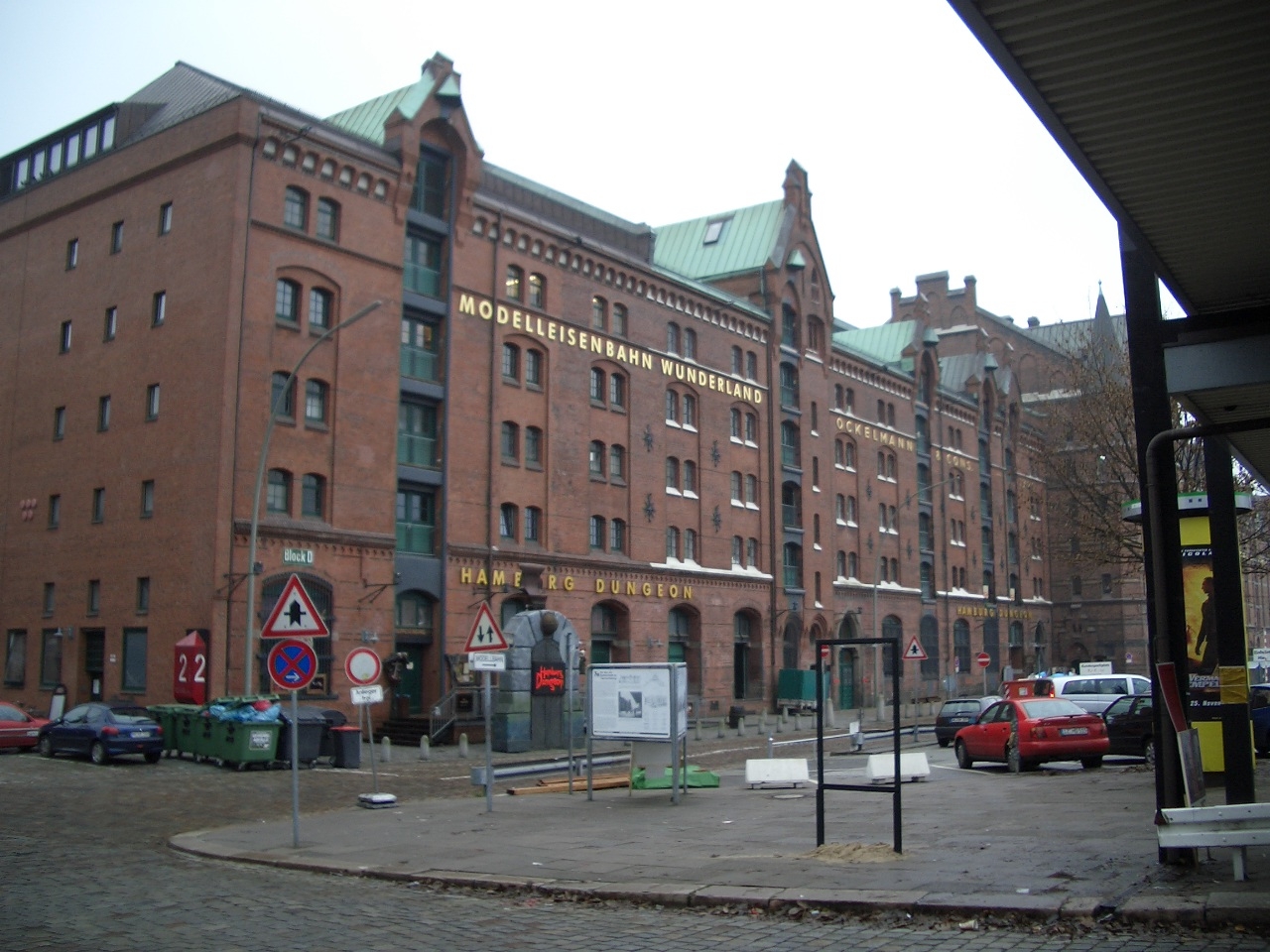
- Miniatur Wunderland - The world's largest model railway exhibition, located in the historic Speicherstadt district.
FAQ
- Is the Große Wallanlagen park pet-friendly? Yes, the park is pet-friendly, but pets should be kept on a leash.
- Are there picnic areas in the park? Yes, there are designated picnic areas where visitors can enjoy a meal surrounded by nature.
- Can I rent a bike to explore the park? Yes, bike rentals are available near the park. It's a great way to cover more ground and see more of the park.
Discover More
The Große Wallanlagen in Hamburg is more than just a park; it is a historical landmark that has evolved over centuries. From its origins as a defensive fortification to its current status as a beloved public park, the Große Wallanlagen offer a unique glimpse into Hamburg's past and present. Whether you're a history buff, a nature lover, or simply looking for a peaceful place to relax, the Große Wallanlagen is a must-visit destination in Hamburg. Don't forget to download the Audiala app for more travel tips and updates, and follow us on social media to stay connected!
Listen to the full story in the app
Your Personal Curator, in Your Pocket.
Audio guides for 1,100+ cities across 96 countries. History, stories, and local insight — offline ready.
Audiala App
Available on iOS & Android
Join 50k+ Curators
Sources
- verified
- verified
- verified
- verified
Last reviewed: