Introduction
The first thing that hits you in Hamburg is the smell of salt and diesel mixed with fresh bread from a Franzbrötchen stall. This port city on the Elbe doesn't whisper its contradictions. It shouts them from 37-metre-high plazas and 132-metre church towers.
Germany's second-largest city has spent centuries turning water into money. The Speicherstadt's red-brick warehouses still stand on oak piles driven into the mud in the 1880s. Yet right next door rises the Elbphilharmonie, its glass waves catching the light like something that floated in from the North Sea.
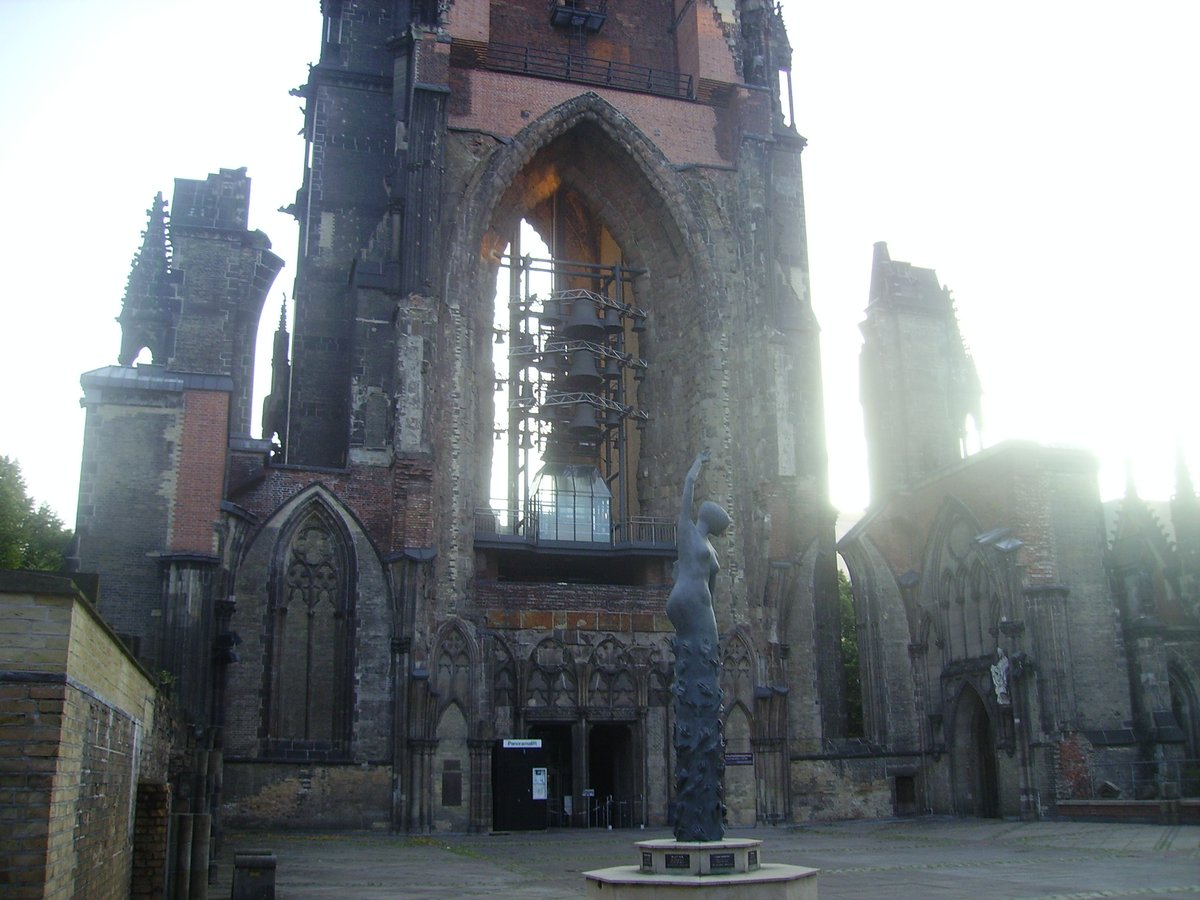
The city remembers its scars better than most. You can stand inside the ruined shell of St. Nikolai and feel the weight of the 1943 firestorm. Then walk five minutes and watch couples drinking coffee on the Alsterarkaden, the arcades built after the 1842 blaze that nearly wiped the city off the map.
What stays with you isn't any single landmark. It's the way Hamburg refuses to choose between its identities: the hard-working port, the brick-expressionist merchant city, and the surprisingly green place where locals disappear into parks the size of small towns.
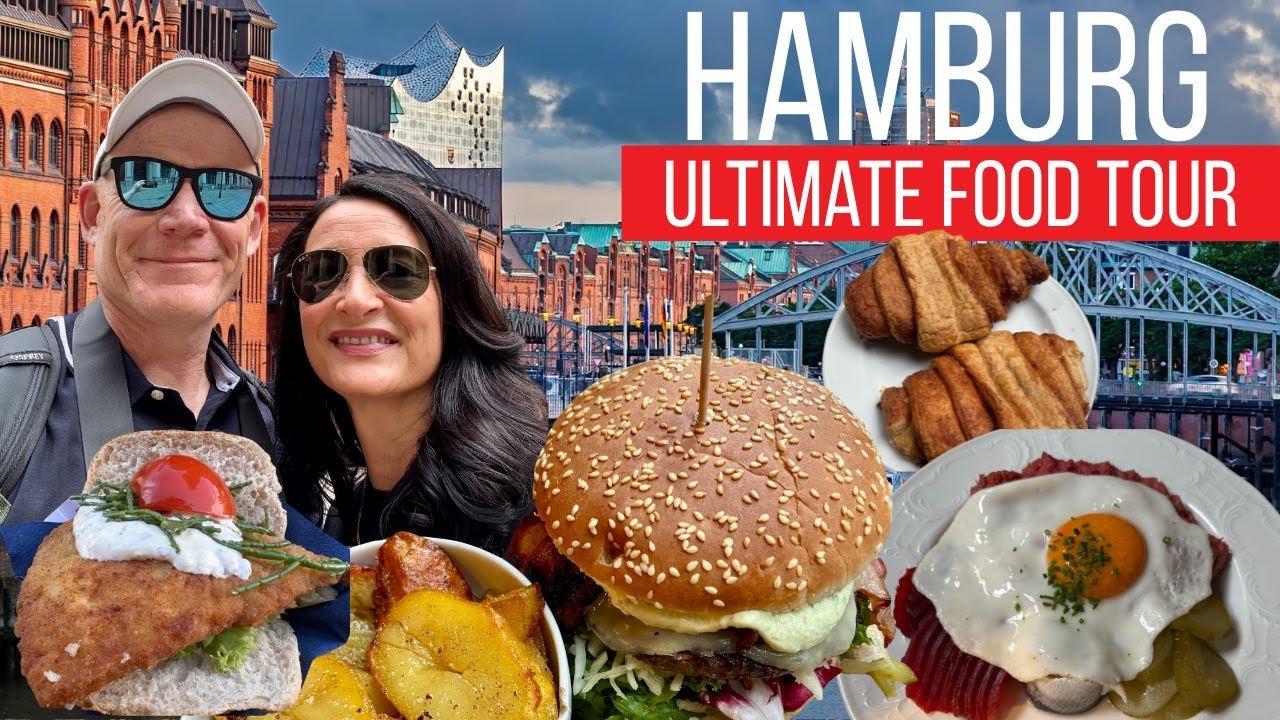
HAMBURG FOOD TOUR | Best Local Dishes To Try!
Traveling ExpatsPlaces to Visit
The Most Interesting Places in Hamburg
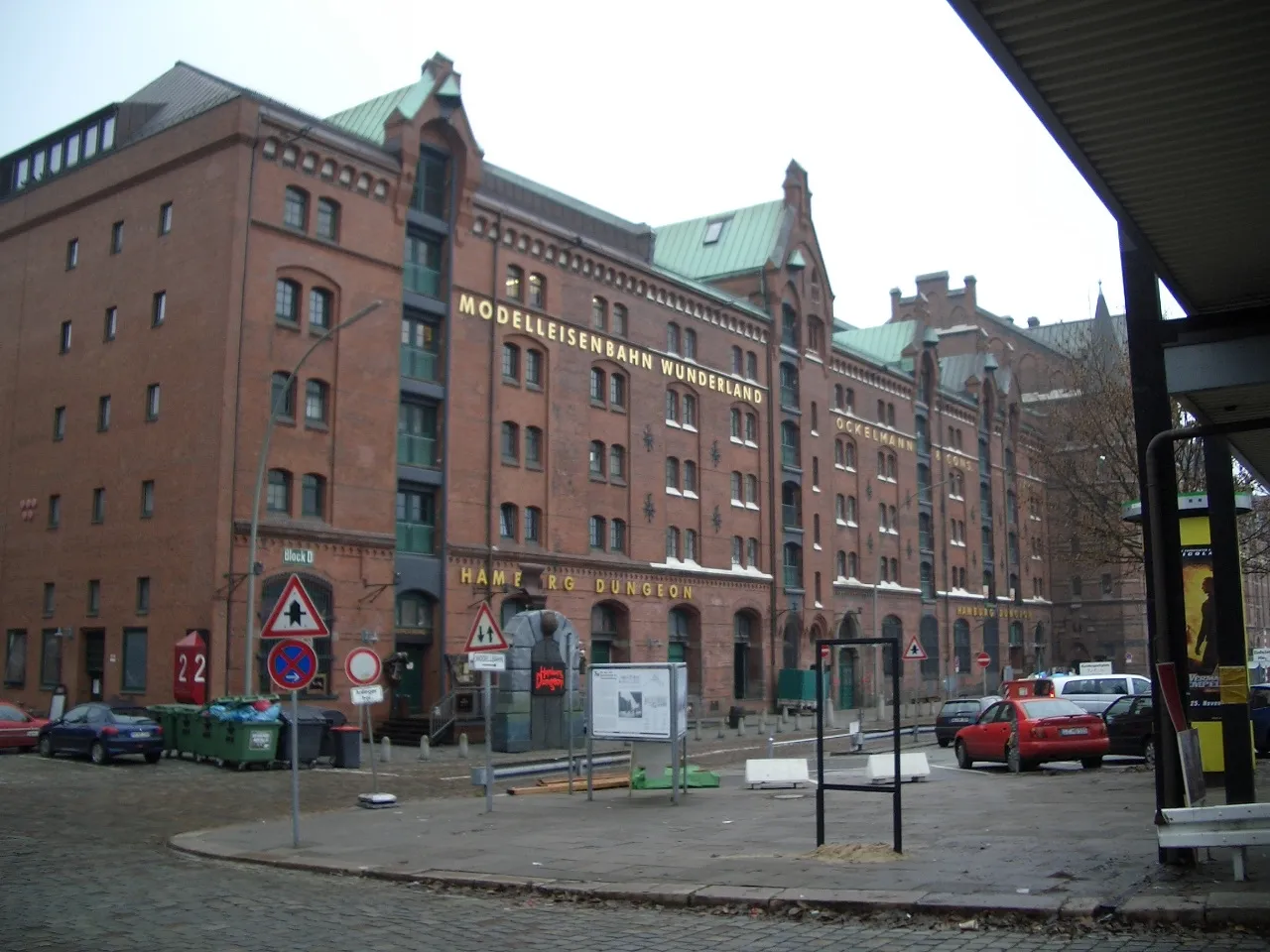
Miniatur Wunderland
Welcome to the ultimate guide to visiting Miniatur Wunderland, the world's largest model railway exhibit located in the heart of Hamburg, Germany.
Volksparkstadion
Volksparkstadion, located in Hamburg’s Bahrenfeld district within the scenic Altona Volkspark, is much more than a football stadium; it is a vibrant cultural…
Ohlsdorf Cemetery
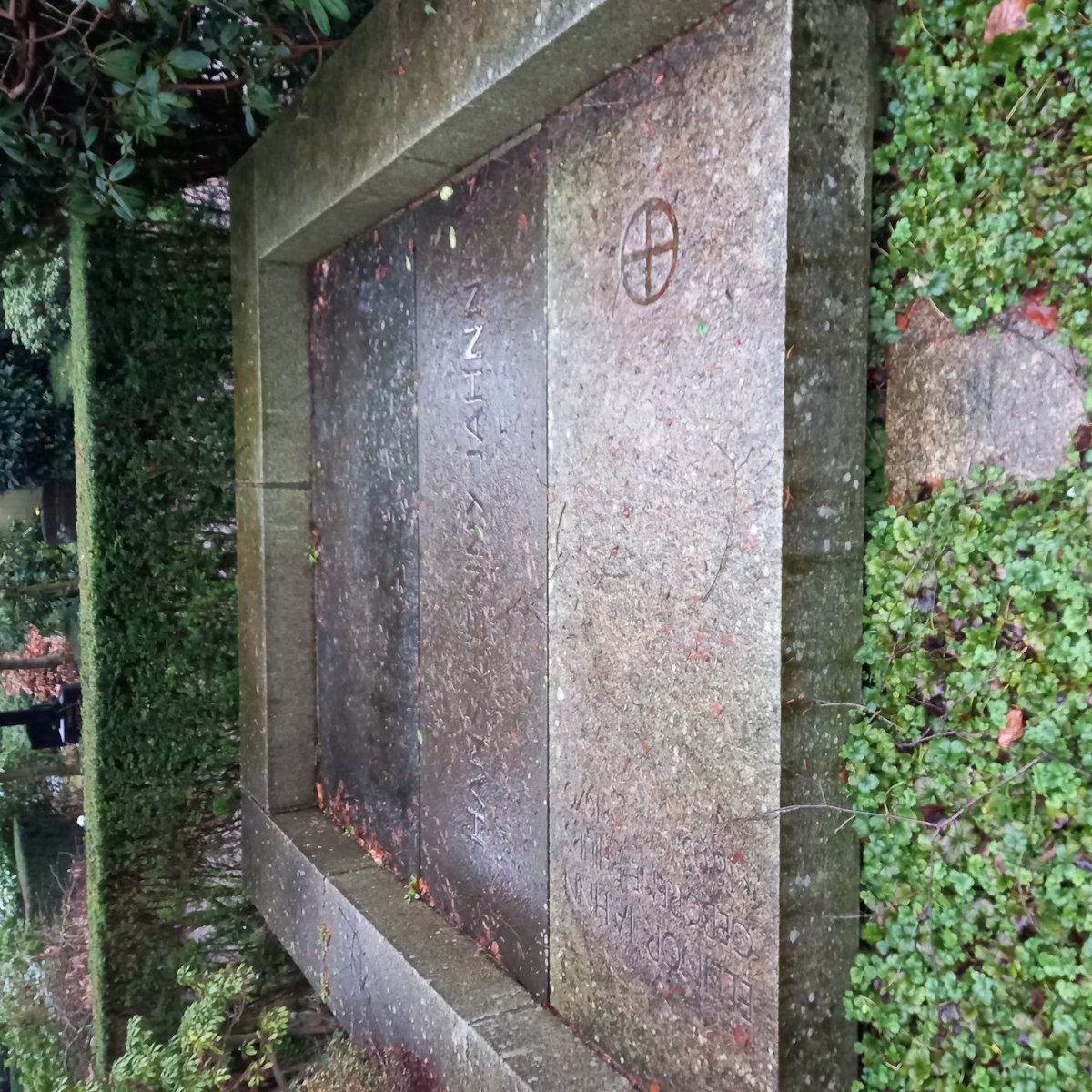
Nestled in the Ohlsdorf district of Hamburg, Germany, Ohlsdorf Cemetery stands as a remarkable convergence of history, culture, and nature.
Elbe Tunnel
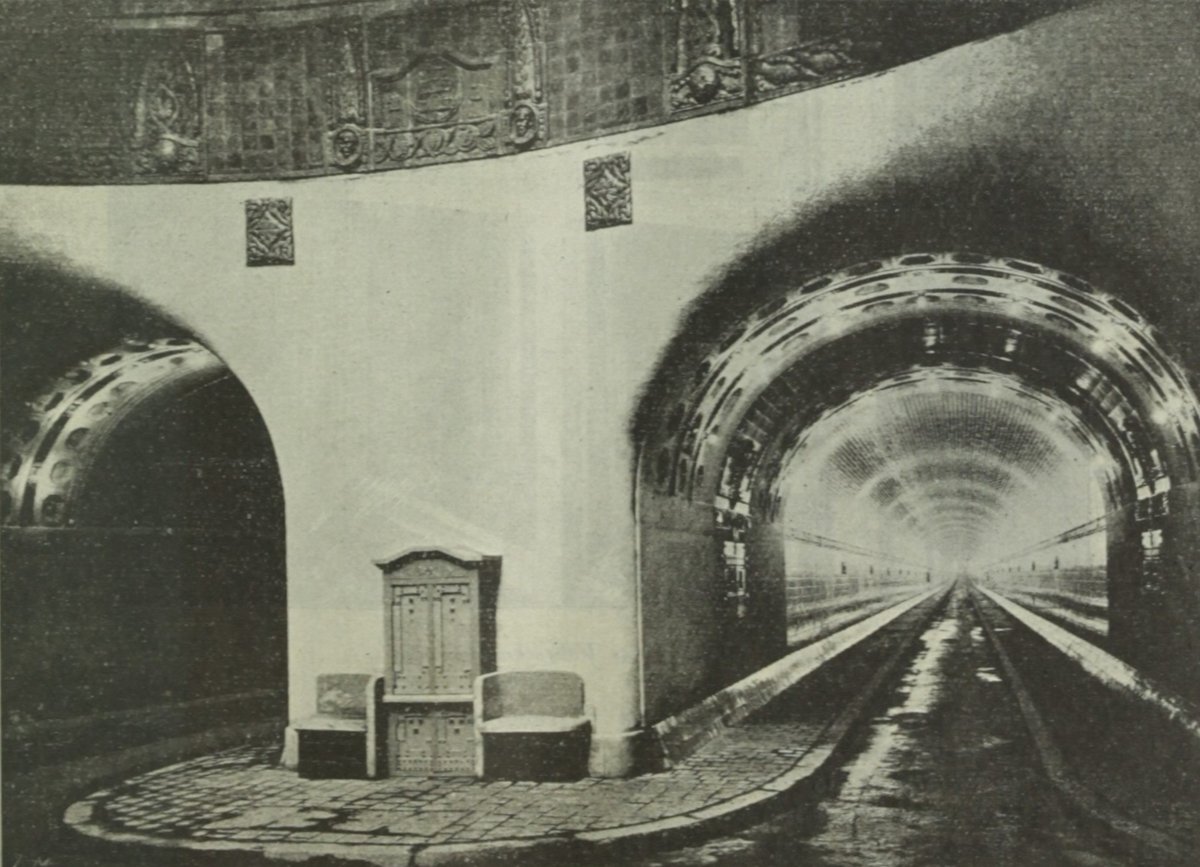
The St. Pauli-Elbtunnel, also known as the Old Elbe Tunnel, is an engineering marvel from the early 20th century, situated in Hamburg, Germany.
Planten Un Blomen
Welcome to the comprehensive guide to visiting Planten un Blomen, one of Hamburg's most cherished public parks.
St. Pauli Landing Stages
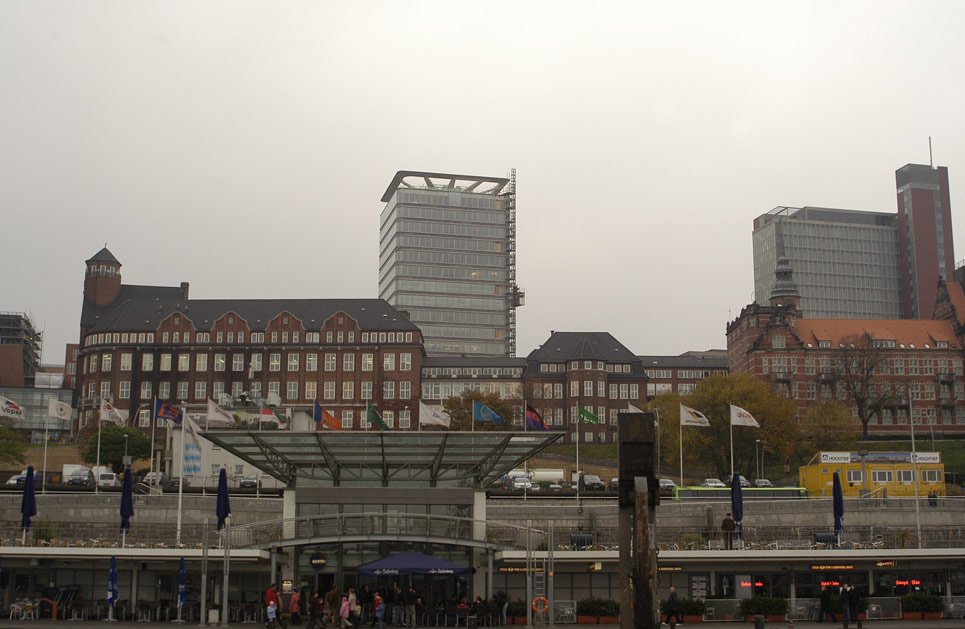
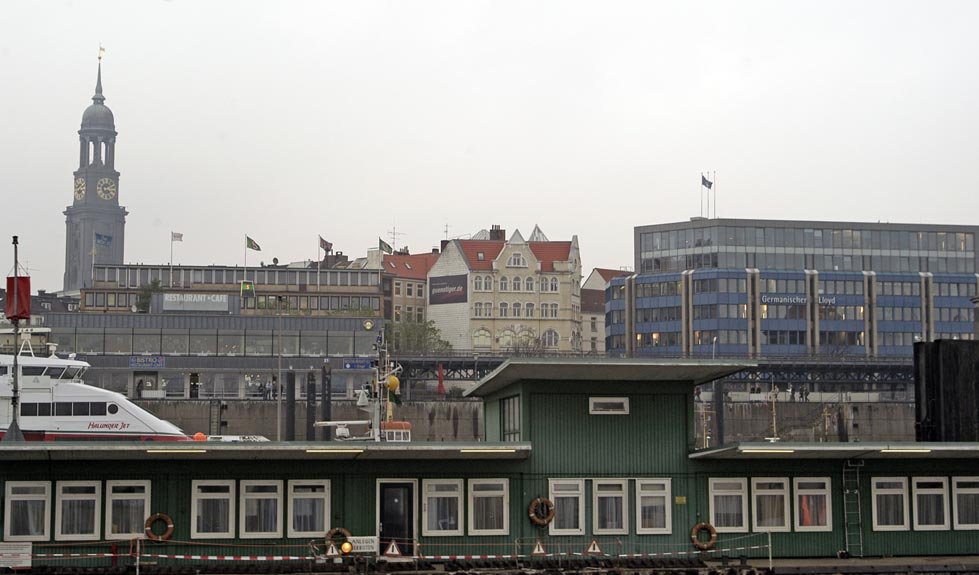
Landungsbrücken, located at the heart of Hamburg's port, is a vibrant and historic waterfront that offers a rich tapestry of cultural, historical, and…
Thalia Theater
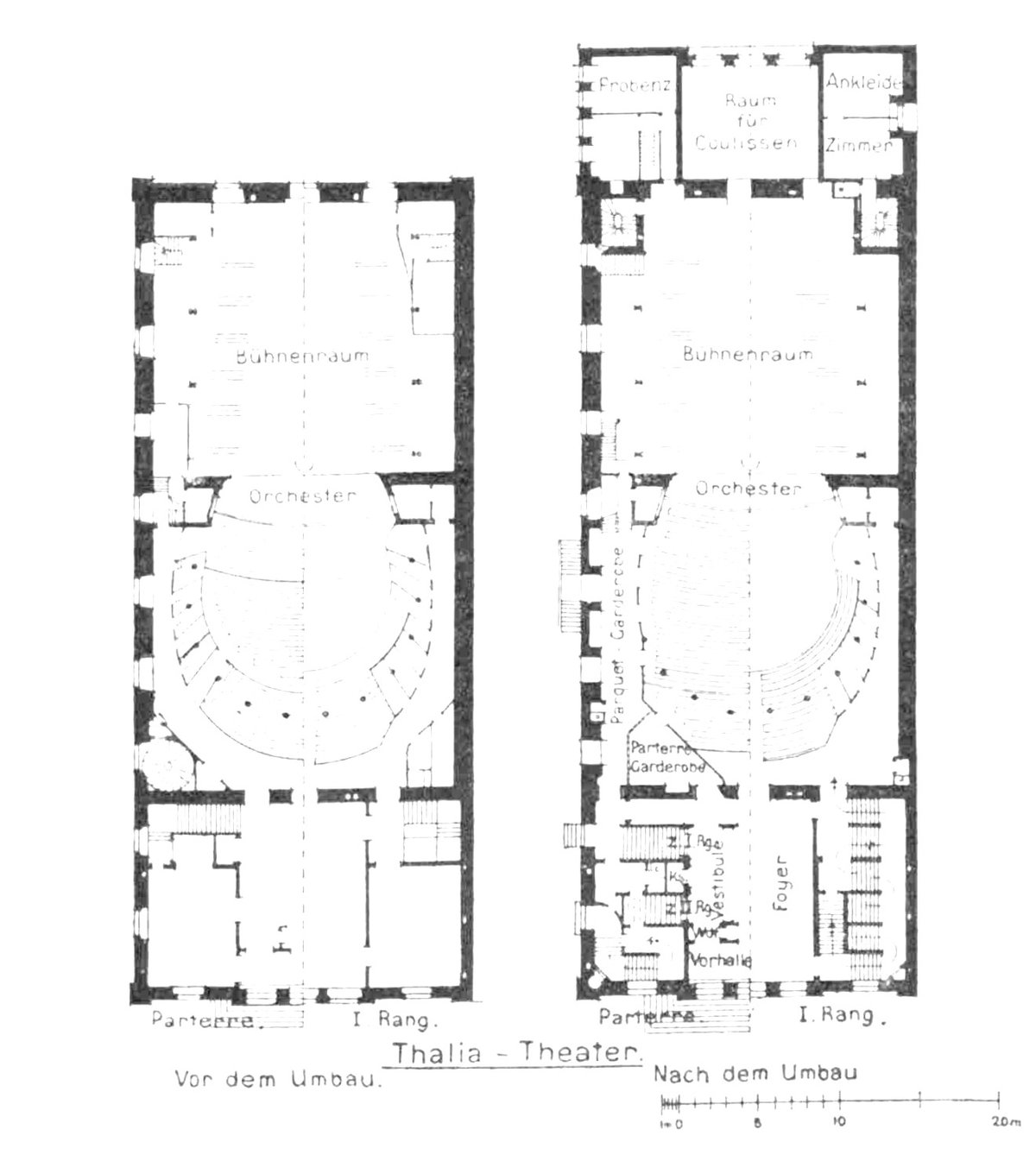
Nestled in the vibrant heart of Hamburg’s Altstadt district, the Thalia Theater stands as a cornerstone of Germany’s rich theatrical heritage and contemporary…
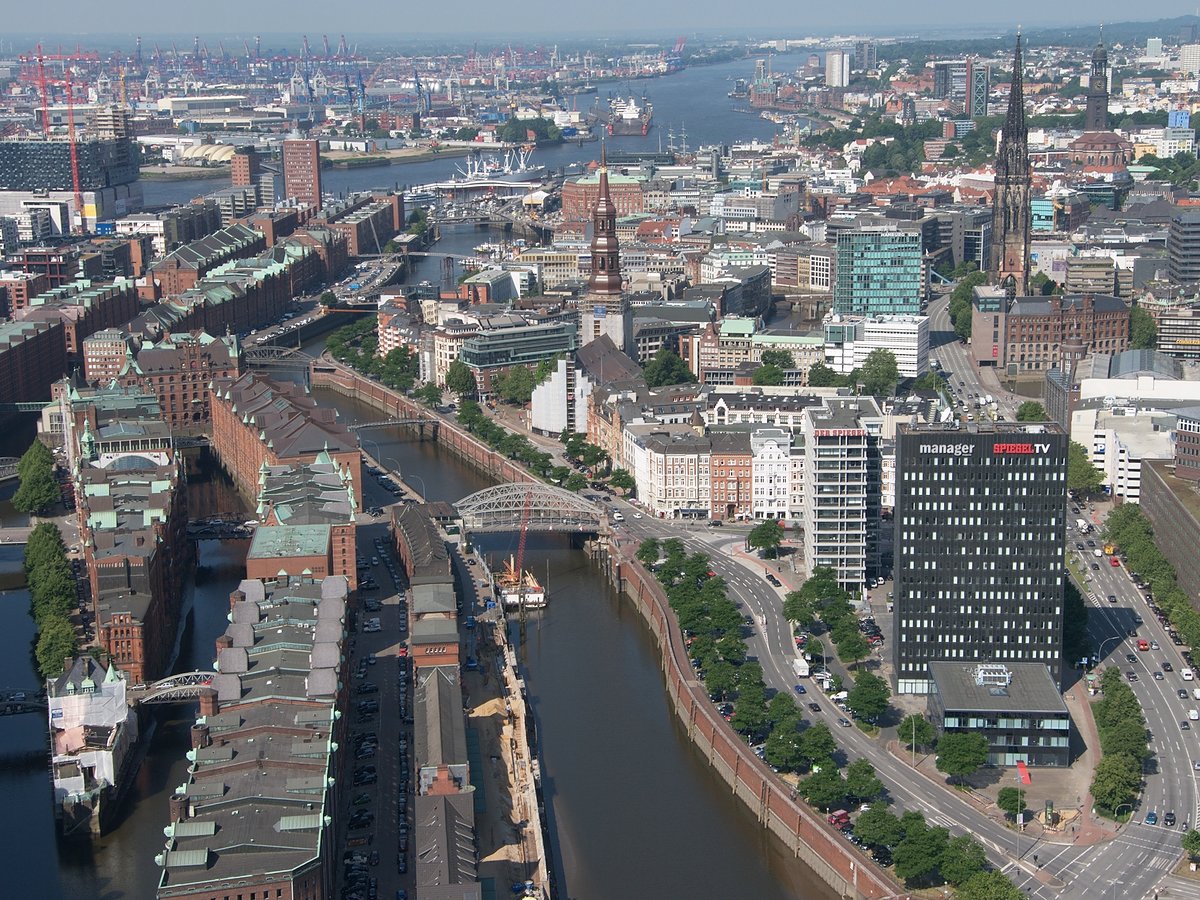
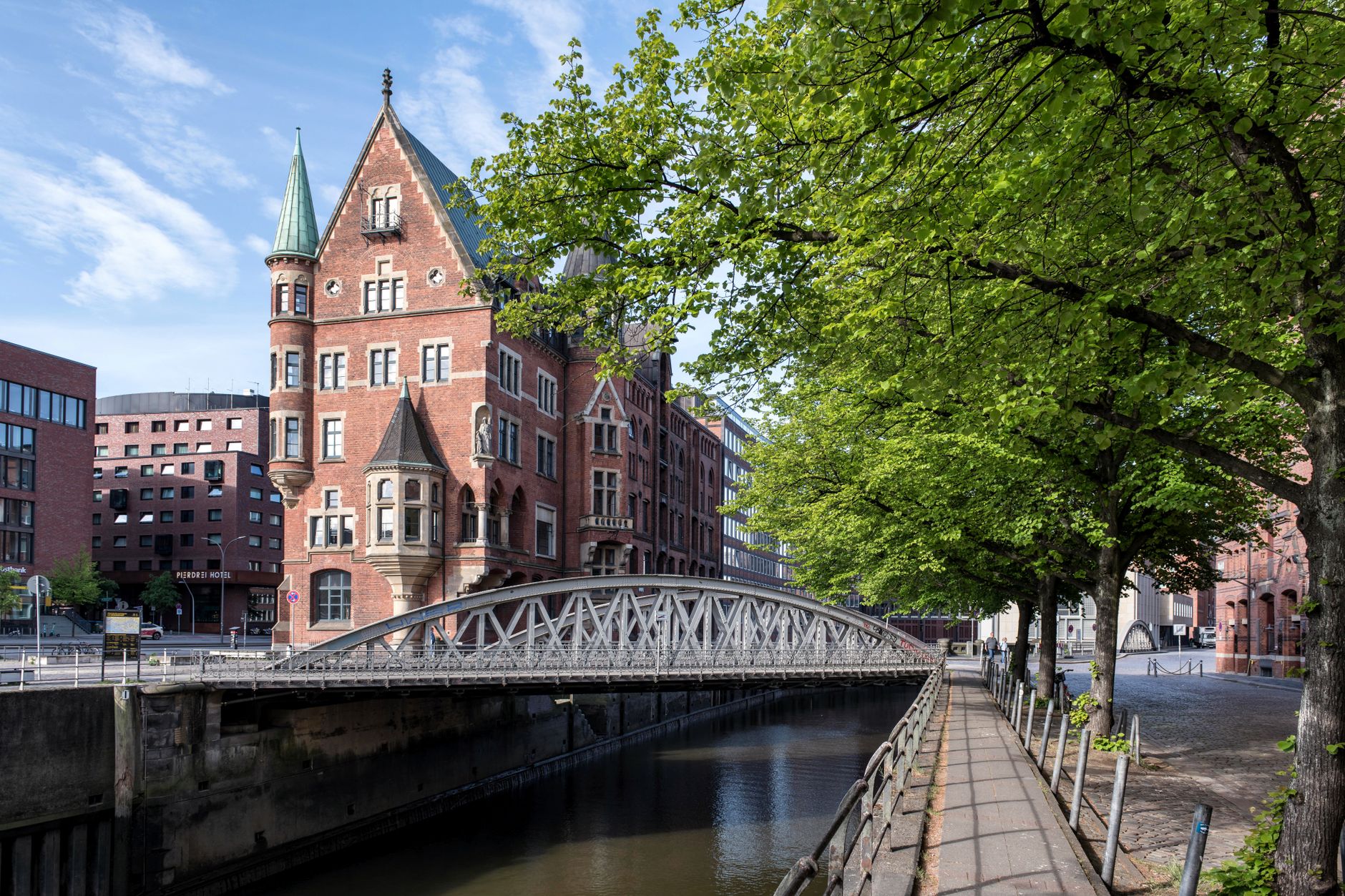
Speicherstadt
The Speicherstadt in Hamburg, Germany, is a historic warehouse district renowned for its stunning neo-Gothic architecture, intricate network of canals, and…
Museum of Art and Crafts Hamburg
The Museum für Kunst und Gewerbe Hamburg (MK&G), also known as the Museum of Art and Crafts Hamburg, stands as one of Germany’s most esteemed institutions…
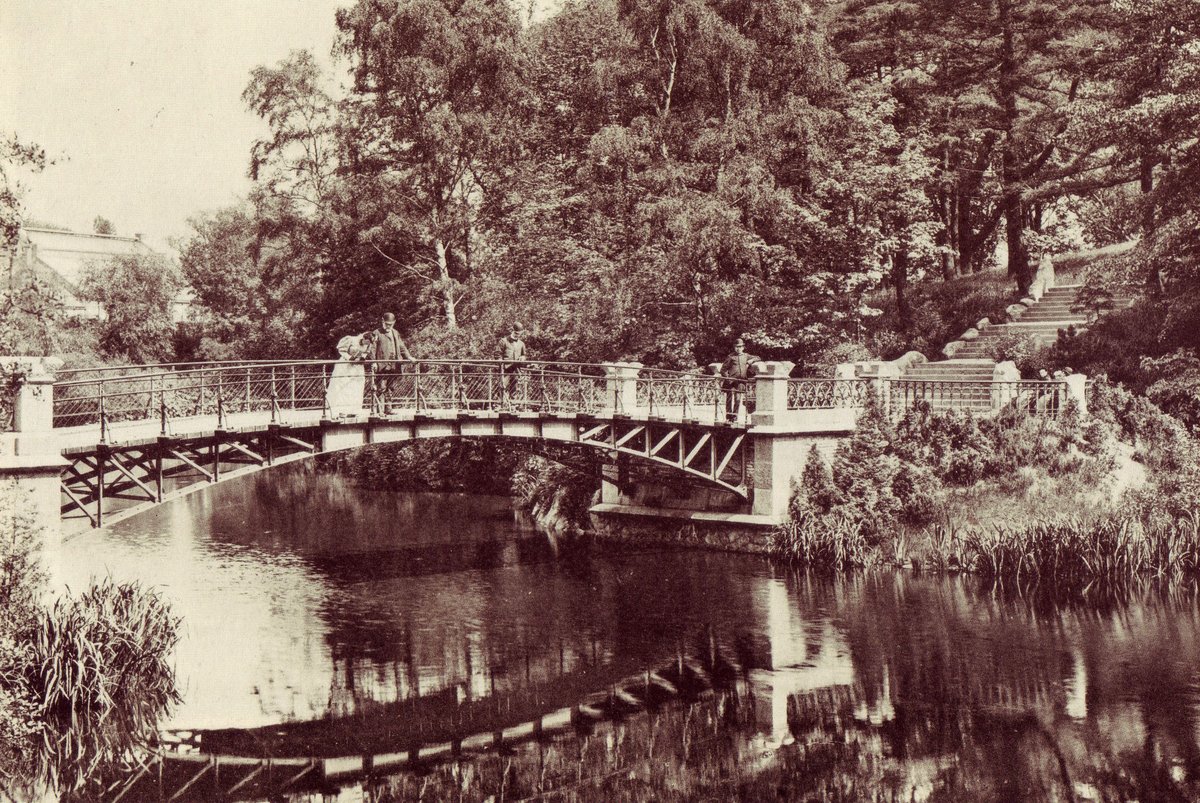
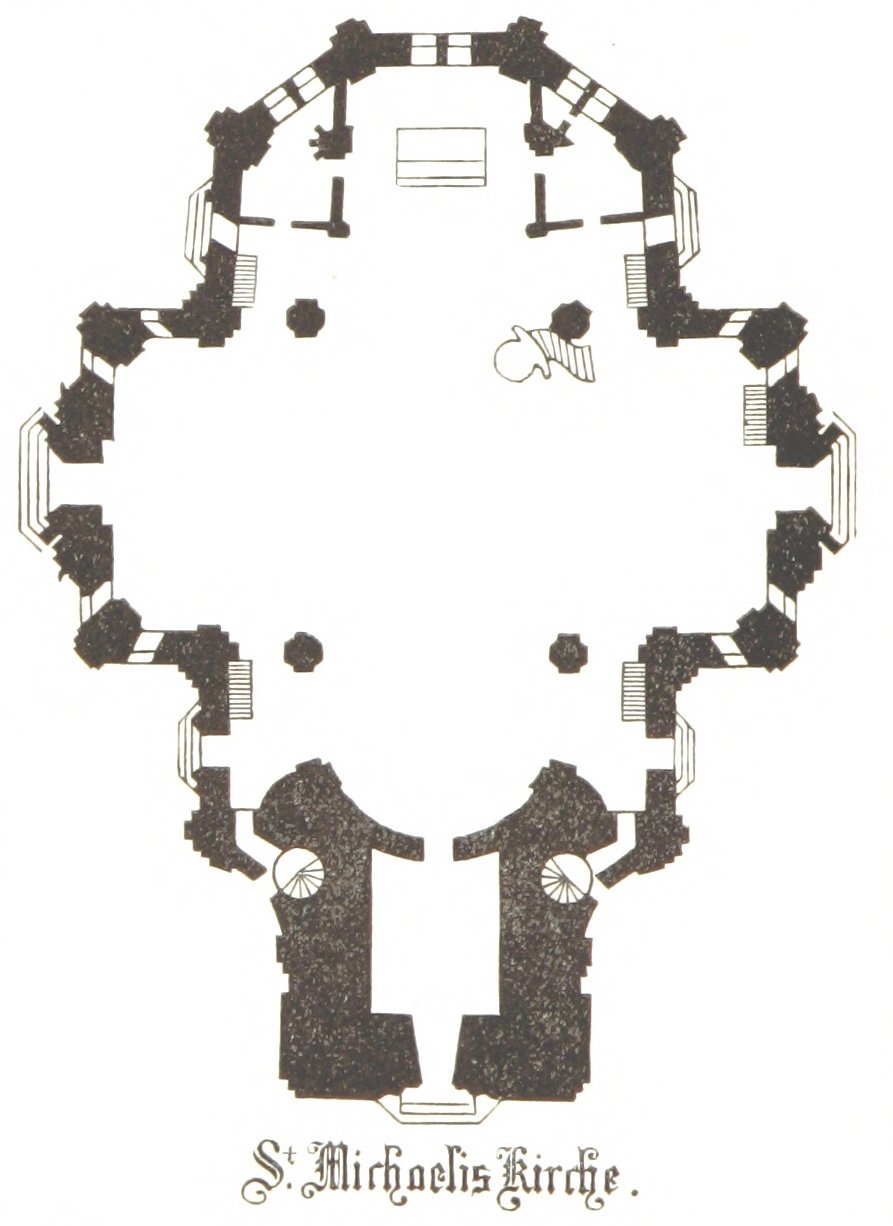
St. Michaelis Church, Hamburg
St. Michaelis Church, commonly known as "Der Michel," is one of Hamburg's most emblematic landmarks, renowned for its striking Baroque architecture, rich…
Chilehaus
Chilehaus in Hamburg, Germany, stands as an emblematic masterpiece of early 20th-century architecture and a vibrant testament to the city’s maritime heritage…
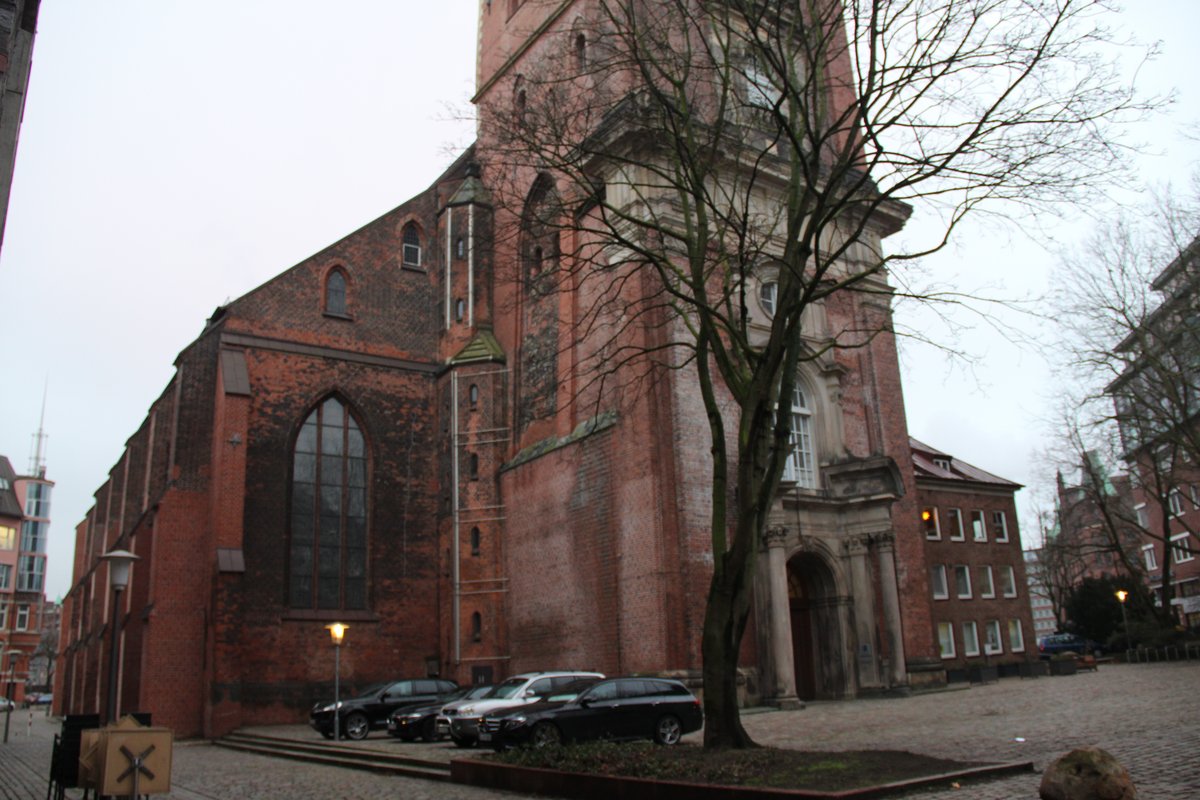
St. Nicholas' Church, Hamburg
Kirchenruine St. Nikolai, situated in the heart of Hamburg, Germany, is a landmark that intertwines the threads of history, architecture, and cultural…
What Makes This City Special
Brick and Water
Speicherstadt rises on 2,500 oak piles driven into the mud in the 1880s, the largest contiguous warehouse complex ever built. Walk its narrow canals at dusk and you’ll hear the low hum of history still stored inside those red-brick walls.
Elbphilharmonie Plaza
The Plaza sits 37 metres above the Elbe on the old Kaispeicher warehouse. Three million people a year ride the escalators just for the view; the light changes on the wave-like glass so dramatically that even repeat visitors stop and stare.
Unexpected Green
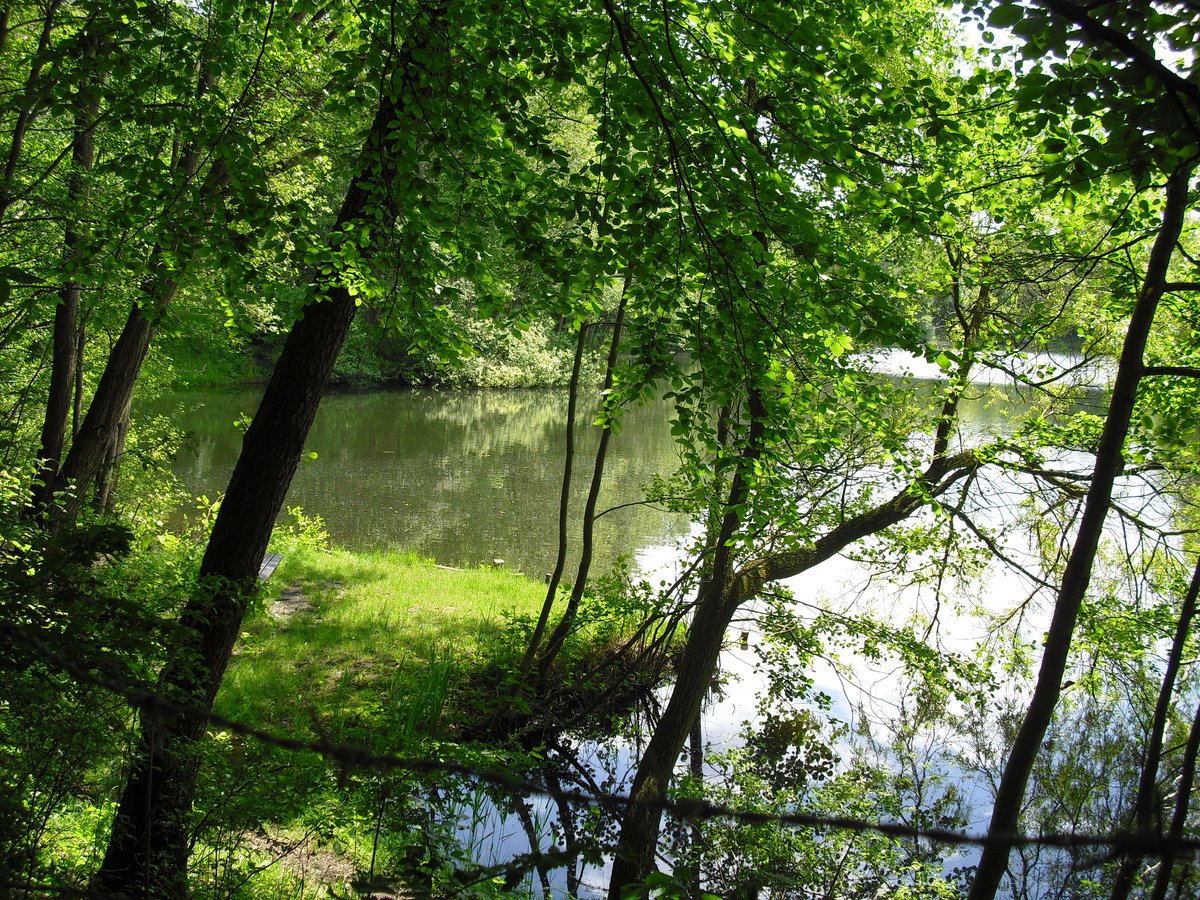
Hamburg keeps 450,000 square metres of Planten un Blomen and 205 hectares of Altonaer Volkspark inside city limits. The contrast is startling: one minute you’re photographing cranes, the next you’re in a Japanese garden listening to water.
Reeperbahn Reality
The street that once sent sailors to sea still pulses after midnight, but the real story sits one block behind it in the quiet courtyards and surviving 17th-century timber houses of Krameramtsstuben. Two worlds sharing the same postcode.
Historical Timeline
Hamburg, Where the River Writes the Rules
From Viking ashes to a warehouse symphony on the Elbe
Ansgar Builds the First Cathedral
Pope Gregory IV made Hamburg an archbishopric. Ansgar, the Apostle of the North, raised St. Mary's on the Hammaburg mound. The wooden church smelled of fresh pine resin and river mud. Within thirteen years Danish Vikings would burn it to the ground.
Vikings Burn Hammaburg
Danish raiders torched the settlement. The archbishop fled. Hamburg learned early that its river gave life and took it away with equal ease. The ashes marked the first of many destructions the city would survive.
The Forged Charter
Frederick Barbarossa supposedly granted Hamburg free navigation on the Elbe. The document was later proven a forgery. Yet that fake charter became the legal backbone of the port for centuries. Hamburg has always known how to make a good story work.
Alliance with Lübeck
Hamburg and Lübeck swore mutual protection against pirates and robbers. The pact became the seed of the Hanseatic League. Two cities decided trade mattered more than feudal loyalty. The decision shaped northern Europe for the next three hundred years.
The Great Medieval Fire
Flames devoured almost every house on 5 August. One building survived. Citizens rebuilt immediately, refusing to let fire have the last word. The smell of charred timber lingered in local memory for generations.
Black Death Halves the City
Roughly half the population died. More than six thousand souls. The plague carts rolled through streets that suddenly felt too wide. Hamburg kept trading even while burying its dead.
Störtebeker Executed
The pirate Klaus Störtebeker and his crew were beheaded on the Grasbrook on 21 October. Legend claims their headless bodies ran along the line of executioners. The story still haunts the harbour taverns.
Lutheranism Becomes Law
The city council adopted Johannes Bugenhagen’s church order on 15 May. Hamburg broke with Rome and restructured its entire religious life. The change was swift, bloodless, and permanent.
Germany’s Oldest Stock Exchange Opens
Merchants founded the Hamburg Börse. The building smelled of Baltic wax, spices, and wet wool. Trade had officially outgrown the old guild system.
Hamburg Bank Founded
The Bank of Hamburg opened its doors. It became one of northern Europe’s most trusted financial institutions. Merchants could now settle accounts without moving heavy coin across dangerous seas.
First Public Opera House in Germany
Citizens established a commercial opera company. The first privately run public opera house on German soil. Hamburg heard music that was paid for by ticket sales, not princes.
Telemann Becomes City Music Director
Georg Philipp Telemann arrived and took charge of music at Hamburg’s five principal churches. He stayed until his death in 1767. The city’s sound changed forever.
Fish Market Begins
The Sunday fish market started trading at dawn. Barkers still shout their prices in the same theatrical style more than three centuries later. The smell of herring and seawater remains unchanged.
Lightning Destroys St. Michael’s
The first Michel was struck by lightning and burned. Hamburg rebuilt it larger. The new tower would become the city’s most recognizable silhouette against the sky.
Brahms’s Future Tower Completed
The second St. Michael’s tower finished rising 132 metres above the rooftops. Johannes Brahms would grow up in its shadow. The church still rings its bells across the harbour.
Napoleon Annexes the City
French troops marched in. The Continental Blockade strangled the port. For eight years Hamburg learned what happens when politics overrides trade.
Liberation from French Rule
Allied forces freed the city. Trade resumed almost immediately. The port began its long climb back to European dominance.
Johannes Brahms Born
Brahms entered the world in the cramped Gängeviertel on 7 May. The narrow alleys and smoky taverns of his childhood never left his music. He carried Hamburg’s stubborn lyricism with him to Vienna.
The Great Fire Destroys the Core
Flames raged from 5 to 8 May. Twenty thousand people lost their homes. The old Rathaus, St. Nikolai, and entire quarters vanished. Citizens used the catastrophe to rebuild wider streets and better buildings.
Heinrich Hertz Born
The future discoverer of electromagnetic waves was born in Hamburg. He studied at the Johanneums before changing physics forever. The city still claims him even though his fame came elsewhere.
Speicherstadt Construction Begins
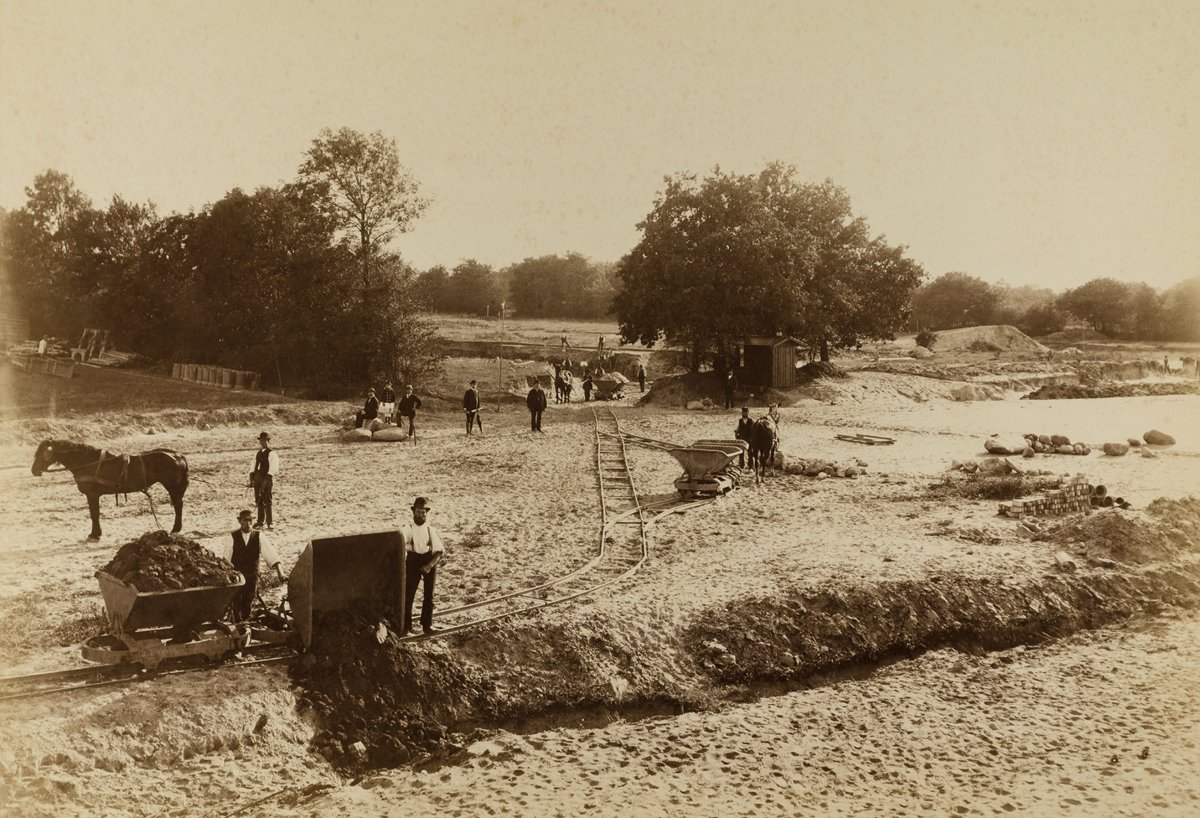
Twenty-four thousand residents were cleared to make way for the world’s largest warehouse district. Red-brick giants rose on thousands of oak piles driven into the mud. The project created both beauty and bitterness.
Cholera Epidemic Kills 8,600
The disease struck in August. Robert Koch arrived to confirm the diagnosis. Poor water filtration in the growing port proved deadly. The city finally built a modern water system afterward.
New Rathaus Inaugurated
The present city hall opened its doors on 26 October. Its lavish halls declared that Hamburg remained a proud republic inside the German Empire.
Old Elbe Tunnel Opens
Workers finished the 426-metre pedestrian tunnel 24 metres beneath the river. Dockers could now cross without waiting for ferries. The tiled corridors still echo with footsteps a century later.
Helmut Schmidt Born
The future chancellor entered the world in Barmbek. As interior senator he would later direct the 1962 flood rescue from the same city. Schmidt never stopped sounding like a Hamburger.
Operation Gomorrah
Allied bombers dropped fire on Hamburg between 24 July and 3 August. Around 35,000 died. The firestorm created winds strong enough to uproot trees. St. Nikolai’s ruined spire still stands as witness.
North Sea Flood
Water surged 5.73 metres above normal on the night of 16 February. Three hundred and seventeen people drowned in Hamburg alone. Helmut Schmidt coordinated the rescue and became a national figure overnight.
The Beatles Play Hamburg
Five Liverpool boys began their residencies in St. Pauli clubs. They played marathon sets in smoke-filled rooms until they found their sound. John Lennon later said he grew up in Hamburg, not Liverpool.
UNESCO Recognizes Speicherstadt
The warehouse district and Kontorhausviertel with Chilehaus gained World Heritage status. Red brick and green copper finally received official praise for telling the story of global trade.
Elbphilharmonie Opens
The glass wave on top of the old Kaispeicher warehouse welcomed its first audience on 11 January. Its plaza sits 37 metres above the Elbe. More than twenty-five million people have climbed those stairs since.
Notable Figures
Johannes Brahms
1833–1897 · ComposerBrahms grew up in the cramped alleys of the Gängeviertel and played his first piano pieces in Hamburg taverns. The city shaped his early discipline even after he left for Vienna. Today he would probably smile at the Elbphilharmonie concerts carrying his symphonies across the water he once knew only from the docks.
Carl Philipp Emanuel Bach
1714–1788 · ComposerHe moved to Hamburg in 1768 to take over from Telemann as music director of the five main churches and became so identified with the city that people called him the “Hamburg Bach.” For twenty years his keyboard experiments echoed through the same churches you can still visit. The port city's restless energy suited his forward-looking style.
Helmut Schmidt
1918–2015 · StatesmanBorn in Barmbek, Schmidt studied at Hamburg University and later ran the city’s interior ministry. His cool handling of the 1962 flood made him a national figure before he became Chancellor. Walk past the Rathaus today and you pass the building where his political character was forged.
John Lennon
1940–1980 · MusicianThe Beatles played hundreds of hours in Hamburg clubs when they were still learning how to be the Beatles. Lennon later said he might have been born in Liverpool but he grew up in St. Pauli. The Reeperbahn nights taught him stage stamina and the city still claims a piece of the band’s origin story.
Photo Gallery
Explore Hamburg in Pictures
The iconic red brick warehouses of Hamburg's Speicherstadt district line a tranquil canal, connected by industrial steel bridges.
Muhammed Hanefi on Pexels · Pexels License
The beautifully preserved Old Elbe Tunnel in Hamburg, Germaniya, showcases stunning early 20th-century engineering and tiled architectural details.
Wolfgang Weiser on Pexels · Pexels License
A sleek Hamburg U-Bahn train traverses the city's historic elevated iron railway against a backdrop of modern glass architecture and clear skies.
Wolfgang Weiser on Pexels · Pexels License
The magnificent Hamburg City Hall stands proudly along the canal, showcasing its intricate Neo-Renaissance architecture under a soft, overcast sky.
Naimish Verma on Pexels · Pexels License
The modern, sweeping glass canopy of the Elbbrücken station frames a train at the platform in Hamburg, Germaniya.
Tim Diercks on Pexels · Pexels License
The historic red brick architecture of the International Maritime Museum stands prominently along the waterfront in Hamburg, Germaniya, near a vintage harbor beacon.
Wolfgang Weiser on Pexels · Pexels License
A view of Hamburg, Germaniya.
Maisy Yates on Pexels · Pexels License
Videos
Watch & Explore Hamburg
1 DAY in HAMBURG: Must-See Attractions and Hidden Gems
Que ver y hacer en HAMBURGO 2026 | Guía de Hamburgo (Alemania)
TOP 25 Things To Do In Hamburg 🇩🇪 Travel Guide
Practical Information
Getting There
Hamburg Airport (HAM) lies 8 km north of the centre. The S1 S-Bahn runs every 10 minutes and reaches Hauptbahnhof in 25 minutes. Long-distance trains arrive at Hamburg Hauptbahnhof; the A7 and A1 motorways bring drivers straight into the city ring.
Getting Around
The HVV network runs four U-Bahn lines, five S-Bahn lines, 32 MetroBus routes and seven harbour ferry lines. A single ticket in zone AB costs €4.10, a day ticket €8.20. The Hamburg CARD from €12.90 includes unlimited transport and attraction discounts. Bikes travel free outside rush hour.
Climate & Best Time
Summer highs reach 21 °C in July yet rain falls on 15 days a month. Winters hover around 3 °C with less daylight. May and September offer the best balance of milder temperatures and fewer crowds. Bring layers: the wind off the Elbe rarely rests.
Safety
Pickpockets work Hauptbahnhof, Reeperbahn and crowded ferry piers. Police maintain weapon-free and alcohol-free zones around the station and Landungsbrücken. Keep valuables zipped and avoid setting phones on restaurant tables after dark.
Where to Eat
Don't Leave Without Trying
Panthera Rodizio
local favoriteOrder: The all-you-can-eat churrascaria experience with skewered meats brought tableside — this is Hamburg's go-to for proper Brazilian rodizio, not a tourist trap.
With over 11,000 reviews, this is the city's most-loved serious restaurant. It's where locals celebrate; the Hafen location and consistent execution make it worth the trip.
Krameramtsstuben
local favoriteOrder: The Labskaus — Hamburg's signature dish of corned beef, potatoes, and beetroot. This is one of the city's official homes for the classic.
A genuine old Hanseatic dining room in the Speicherstadt, where traditional Hamburg cooking is taken seriously and the room itself feels like stepping into the 1920s.
Das Feuerschiff LV 13
local favoriteOrder: Fresh fish specials and a cold beer — this is a lightship converted into a restaurant, so order whatever the harbor delivers that day.
Eating on an actual moored lightship in the harbor is pure Hamburg theater, but it's not kitsch; locals use it as a proper casual spot for drinks and seafood.
Fleetschlösschen by Daniel Wischer
cafeOrder: The seasonal cafe menu — expect thoughtful small plates and excellent coffee. This is where Hamburg's creative class actually sits down for lunch.
A designer's touch in a historic warehouse on the Fleet canal; it's the kind of place that feels both polished and genuinely local at the same time.
barca - on the Alster
local favoriteOrder: Aperitivo with a view of the Alster — this is a serious bar program, not just tourist drinks. Order wine and small plates.
Right on the inner Alster with a sophisticated but unpretentious vibe; locals come here to actually use the waterfront rather than just photograph it.
Piccolo Paradiso Vegetarisches Bio Restaurant
local favoriteOrder: The seasonal vegetable plates and organic wine pairings — this is serious vegetarian cooking, not an afterthought.
A genuine neighborhood gem in the Altstadt that takes organic, seasonal vegetables as seriously as any meat restaurant takes protein. The wine list is thoughtful.
Effenberger Vollkornbäckerei Showcase Bakery
cafeOrder: The Franzbrötchen — Hamburg's iconic cinnamon pastry — or any of the whole-grain sourdough breads. This is where serious bread-heads go.
A proper artisanal bakery that doesn't compromise on ingredients or technique; this is the kind of place locals queue for on weekend mornings.
Gregor`s Superfood
quick biteOrder: The superfood bowls and fresh-pressed juices — this is health-conscious eating done with real technique, not just Instagram aesthetics.
The highest rating of any restaurant in this guide (4.9), though limited hours mean you need to plan around it. This is where Hamburg's conscious eaters actually go.
Dining Tips
- check Sunday mornings: hit the Fischmarkt early (Apr-Oct 05:00-09:30, Nov-Mar 07:00-09:30) for the real Hamburg market experience, not just tourists.
- check Schanze and Ottensen neighborhoods are where locals actually eat — small plates, natural wine, and falafel dominate over fine dining.
- check Many neighborhood spots like Azeitona are cash-only; carry euros.
- check Dinner reservations are advised at popular spots, especially on weekends.
Restaurant data powered by Google
Tips for Visitors
Visit in May or September
May and September deliver mild temperatures around 17°C with fewer crowds than June-August. You'll still catch the Hafengeburtstag in early May and enjoy the Elbe ferries without fighting peak-summer queues.
Get the Hamburg CARD
Buy the Hamburg CARD for unlimited AB-zone travel including the S1 from the airport plus discounts at 150+ attractions. At €12.90 for one day it pays for itself after two museums and a few ferry rides.
Watch for pickpockets
Keep valuables zipped and off tables around Hauptbahnhof, Reeperbahn and crowded ferry piers. Police specifically flag these spots where distraction thieves work the crowds.
Eat Fischbrötchen standing
Head to Brücke 10 at Landungsbrücken for a herring or smoked-fish roll. Eat it outside with the gulls overhead rather than at a table — that's how locals do it.
Use the S1 from airport
Take the S1 S-Bahn every 10 minutes from Hamburg Airport to Hauptbahnhof in 25 minutes. It's cheaper and simpler than a taxi unless you have lots of luggage.
Try a Franzbrötchen early
Get your Franzbrötchen from Franz & Friends or Backecht before 10 a.m. The buttery, cinnamon-filled pastry goes fast and tastes best still warm from the oven.
Explore the city with a personal guide in your pocket
Your Personal Curator, in Your Pocket.
Audio guides for 1,100+ cities across 96 countries. History, stories, and local insight — offline ready.
Audiala App
Available on iOS & Android
Join 50k+ Curators
Frequently Asked
Is Hamburg worth visiting? add
Yes, if you like ports, modern architecture and maritime atmosphere. The Elbphilharmonie Plaza alone, 37 metres above the Elbe with 25 million visitors since opening, changes how you see the city. Add the UNESCO-listed Speicherstadt warehouses and you have a place that feels like both old Hanseatic port and confident 21st-century city.
How many days do you need in Hamburg? add
Three full days works for the main sights. Four days lets you add a slow Speicherstadt wander, a harbour ferry ride and an evening in Sternschanze. Five days gives breathing room for the Kunsthalle and a trip through the Old Elbe Tunnel.
How do you get from Hamburg Airport to the city center? add
The S1 S-Bahn runs every 10 minutes and takes 25 minutes to Hauptbahnhof. It costs less than €4 with a single ticket or is free with the Hamburg CARD. Taxis wait outside both terminals and accept cards.
Is Hamburg safe for tourists? add
Hamburg is generally safe but pickpockets work crowded areas like Hauptbahnhof, Reeperbahn and ferry piers. Stick to normal city caution. Official weapon-free zones exist around the station and Landungsbrücken.
When is the best time to visit Hamburg? add
May to September offers the best weather for walking and harbour ferries. May and September balance temperature and crowd levels. June-August is warmest but also the wettest months.
Do I need to book Miniatur Wunderland in advance? add
Yes. The world's largest model railway regularly sells out. Book timed tickets online, especially on weekends and during school holidays.
Sources
- verified Hamburg Official Tourism Portal — Core information on attractions, transport, food and practical visitor advice.
- verified Elbphilharmonie Official Site — Plaza access details and visitor statistics including the 25 millionth visitor milestone.
- verified hvv Hamburg Public Transport — Current ticket prices, Hamburg CARD details and network information as of 2026.
- verified DWD Climate Data Hamburg-Fuhlsbüttel — Official monthly temperature and rainfall averages used for best visiting months.
Last reviewed: