Origins and Architectural Vision
The Großmarkthalle was conceived as part of the “Neues Frankfurt” program, a radical transformation of the city’s infrastructure under Mayor Ludwig Landmann and planner Ernst May. Architect Martin Elsaesser’s design was groundbreaking, featuring a 220-meter-long, 50-meter-wide, and up-to-23-meter-high hall with 15 barrel vaults made of only 7 cm thick reinforced concrete, using the Zeiss-Dywidag system. This allowed for a vast, column-free interior—a marvel of engineering at the time (Wikipedia; Bollinger+Grohmann).
Facilities included loading ramps, direct rail links, cooling cellars, and logistical command spaces, making it Europe’s largest and most modern market hall upon its completion (Jüdisches Museum Frankfurt).
Economic and Cultural Significance
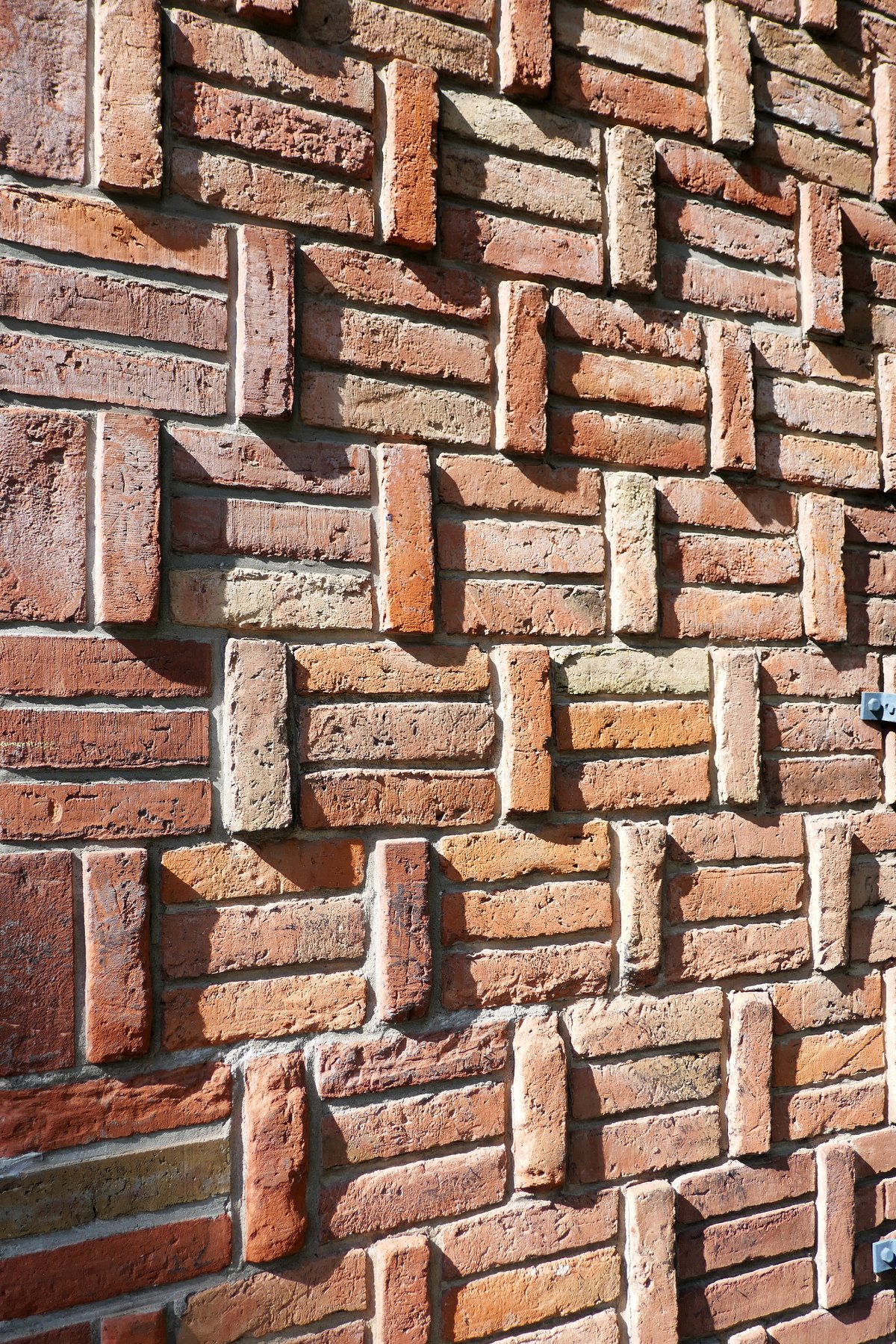
For over 75 years, the Großmarkthalle was Frankfurt’s central fruit and vegetable wholesale market (Tripomatic). It supplied fresh produce to businesses and residents, acting as a vital economic and social hub. The hall’s monumental scale and rhythmic brickwork earned it the affectionate nickname “Gemieskerch” (“vegetable church”) (minddesign.info).
Internationally acclaimed, it influenced market hall designs across Europe and embodied the ideals of efficiency and progress championed by the Neues Frankfurt movement (Bollinger+Grohmann).
The Großmarkthalle During the Nazi Era
Between 1941 and 1945, the hall’s cellar became a site of tragedy. The Gestapo used it as the deportation assembly point for nearly 10,000 Jewish men, women, and children from Frankfurt, who were sent to ghettos and extermination camps in Eastern Europe (Jüdisches Museum Frankfurt; Museum Judengasse). This chapter is commemorated on-site with a memorial, making the hall a place of reflection and remembrance.
Visiting Information
Visiting Hours
- General Access The Großmarkthalle is part of the ECB complex and not open for daily public visits. Access is possible during scheduled guided tours and special events.
- Memorial The outdoor memorial areas are publicly accessible 24/7. Entry to cellar vaults and exhibition spaces is possible only during guided tours (Frankfurter Architektouren).
Tickets
- Guided Tours Tickets must be booked in advance—usually via email ([email protected]) for architecture tours or through the Jüdisches Museum for memorial tours.
- Fees As of 2025, architecture tours are €20 per person, payable by bank transfer.
Accessibility
- Mobility The ground floor and outdoor memorial are wheelchair accessible. Some areas, especially cellar vaults, may be less accessible.
- Facilities Ramps and elevators are available where possible.
Getting There
- Public Transport Best reached by U-Bahn (Ostbahnhof, U6/U7), tram (lines 11 and 14), or S-Bahn (Ostendstraße). Limited parking is available; public transport is recommended (visitfrankfurt.travel).
- Address Philipp-Holzmann-Weg, 60314 Frankfurt am Main.
Guided Tours and Special Events
- Architecture Tours Explore the hall’s history, structure, and integration into the ECB.
- Memorial Tours Focus on Holocaust history and remembrance; available through the Jüdisches Museum.
- Languages German is standard; English tours available on request.
- Security ID is required and security checks are similar to airport screenings. Arrive early.
Nearby Attractions
- Osthafen District Revitalized harbor with cafes and cultural events.
- Museum Angewandte Kunst Contemporary art museum.
- Frankfurt Zoo Family-friendly and nearby.
Photographic and Virtual Tours
- Photography Permitted in public and memorial areas, subject to restrictions.
- Virtual Tours Occasionally available through official museum or ECB websites.
Architectural Highlights
Historical Context
The Großmarkthalle was designed as a central node in Frankfurt’s modernization, integrating with the Osthafen for seamless goods transport (Wikipedia).
Structural Innovation
Its 15 reinforced concrete barrel vaults, each spanning 36.9 meters, created Europe’s largest column-free market space at the time. The Zeiss-Dywidag construction method allowed for extremely thin yet robust vaults (Wikipedia).
Aesthetic and Symbolic Features
The hall’s monumental arches, rhythmic brickwork, and luminous interior evoke a sacred, “cathedral of commerce” atmosphere (minddesign.info).
ECB Integration and Heritage Protection
Since 2002, the hall has been integrated into the European Central Bank’s headquarters, with new towers by Coop Himmelb(l)au. Sensitive restoration preserved the structure while adapting it for contemporary use (ECB).
Memorial and Cultural Layering
A memorial on the site honors victims of Nazi deportations, making the Großmarkthalle a key place of remembrance and education (Museum Judengasse).
Practical Visitor Guide
Essential Information Checklist
- Book tickets for tours in advance.
- Bring valid ID matching your booking.
- Arrive early for security screening.
- Dress comfortably; be prepared for outdoor and indoor areas.
- Use public transport to reach the site.
- Observe respectful behavior in memorial spaces.
Frequently Asked Questions (FAQ)
What are the Großmarkthalle visiting hours?
The outdoor memorial is open 24/7; guided tours are scheduled, typically once a month.
Are tickets required?
Yes, for guided tours—book in advance.
Is the site wheelchair accessible?
Ground floor and outdoor areas are accessible; some restrictions apply in basement vaults.
Can I visit independently?
Access is only possible via scheduled tours.
Is there parking?
Limited on-site; public transport is strongly recommended.
Are tours available in English?
English tours can be arranged with advance notice.