Plan and listen to Kaiserpfalz Kaiserswerth with Audiala.
Audio guide in your pocket, itinerary in your browser. Built for the way you actually visit.
Introduction
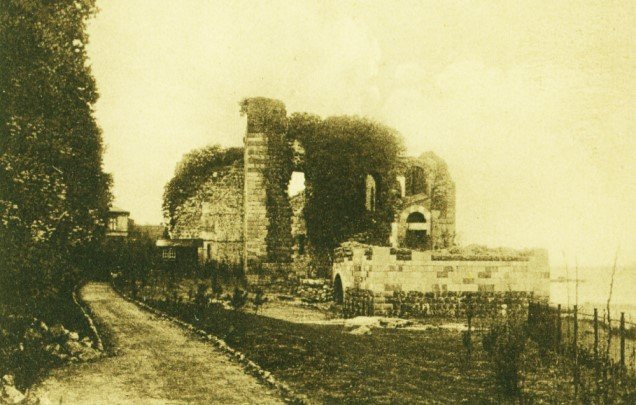
Nestled on the eastern bank of the Rhine River, the Kaiserpfalz in Düsseldorf, Germany, is a historical gem that offers a captivating blend of ancient ruins, grand architecture, and rich cultural significance. Originally erected in the 10th century by Emperor Otto I as a fortified tower, the site evolved into a prominent imperial residence under Emperor Frederick I Barbarossa in the 12th century. The Kaiserpfalz stands as a testament to the Holy Roman Empire's influence on the region, featuring Romanesque architectural styles characterized by thick walls, round arches, and sturdy pillars. Although the site faced a decline in the late 14th century and was left in ruins after a devastating fire in 1494, it has been partially reconstructed and now houses a museum that showcases artifacts unearthed from the site, offering a tangible link to the past. (source)
Today, the Kaiserpfalz is more than just a collection of ruins; it is a portal to a bygone era. Its historical and architectural significance, coupled with its accessible location and informative exhibits, make it a must-visit destination for anyone interested in unraveling the layers of history that have shaped Düsseldorf and the Holy Roman Empire. This comprehensive guide will provide you with essential information, including visiting hours, ticket prices, travel tips, and nearby attractions, ensuring you make the most of your visit to this historical landmark. (source)

Historical and Architectural Significance
Early Beginnings and Imperial Significance
The story of the Kaiserpfalz begins in the 10th century, with a fortified tower erected by Emperor Otto I around 940. This initial structure, strategically positioned at the confluence of the Rhine and Düssel rivers, served as a vital defense point against the Magyars.
Over the centuries, the Kaiserpfalz underwent several transformations, reflecting its evolving role and the ambitions of its rulers. Emperor Frederick I Barbarossa, a prominent figure in the 12th century, significantly expanded the complex, adding a palace and chapel, transforming it into an imperial residence. This period marked the Kaiserpfalz's zenith, witnessing imperial diets, courtly gatherings, and significant political events.
A Symbol of Power and Decline
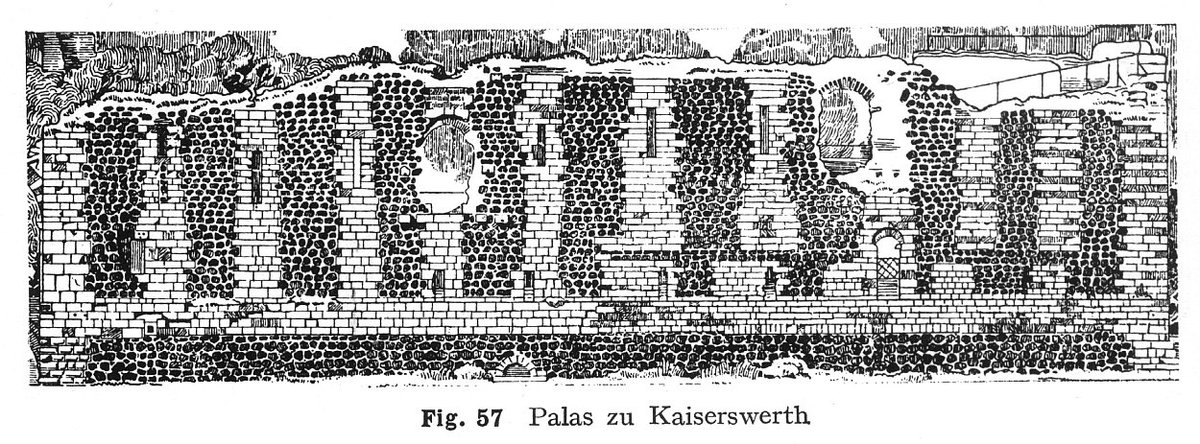
The architectural style of the Kaiserpfalz, particularly during its expansion under Barbarossa, reflected the prevailing Romanesque architecture of the era. Characterized by its imposing scale, thick walls, round arches, and sturdy pillars, the Romanesque style embodied strength and authority, befitting an imperial palace.
However, the Kaiserpfalz's prominence began to wane in the late 14th century as the imperial focus shifted away from Düsseldorf. The decline culminated in a devastating fire in 1494, leaving the once-grand complex in ruins.
Reconstruction and Modern Significance
Despite its turbulent past, the Kaiserpfalz was not forgotten. The 19th century saw a renewed interest in the site, leading to archaeological excavations and partial reconstruction efforts. The most significant reconstruction occurred in the 20th century, following the devastation of World War II.
Today, the Kaiserpfalz stands as a poignant reminder of Düsseldorf's imperial past. The reconstructed Palace Tower houses a museum, showcasing artifacts unearthed from the site and offering insights into the lives of those who lived and worked within its walls. The museum's exhibits provide a tangible link to the past, allowing visitors to delve into the daily routines, customs, and artistry of the Holy Roman Empire.
Architectural Highlights
While only a fraction of the original complex remains, the Kaiserpfalz still boasts notable architectural features:
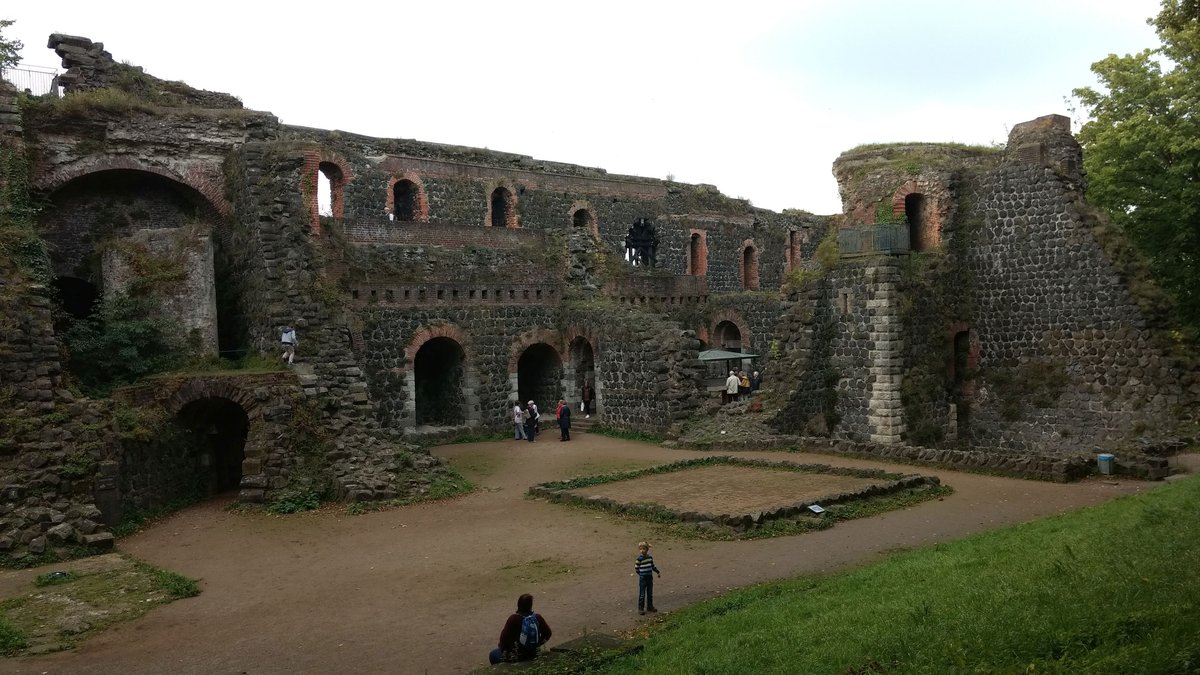
- The Palace Tower: This imposing structure, the most prominent remnant of the original complex, has been meticulously reconstructed. Its Romanesque features, including the characteristic round arches and thick walls, are readily apparent. Today, it houses the museum, offering panoramic views of the city from its top floor.
- The Foundations: The excavated foundations of the former palace, chapel, and other structures provide a tangible outline of the complex's former grandeur. Walking among these remnants allows visitors to visualize the scale and layout of the Kaiserpfalz during its heyday.
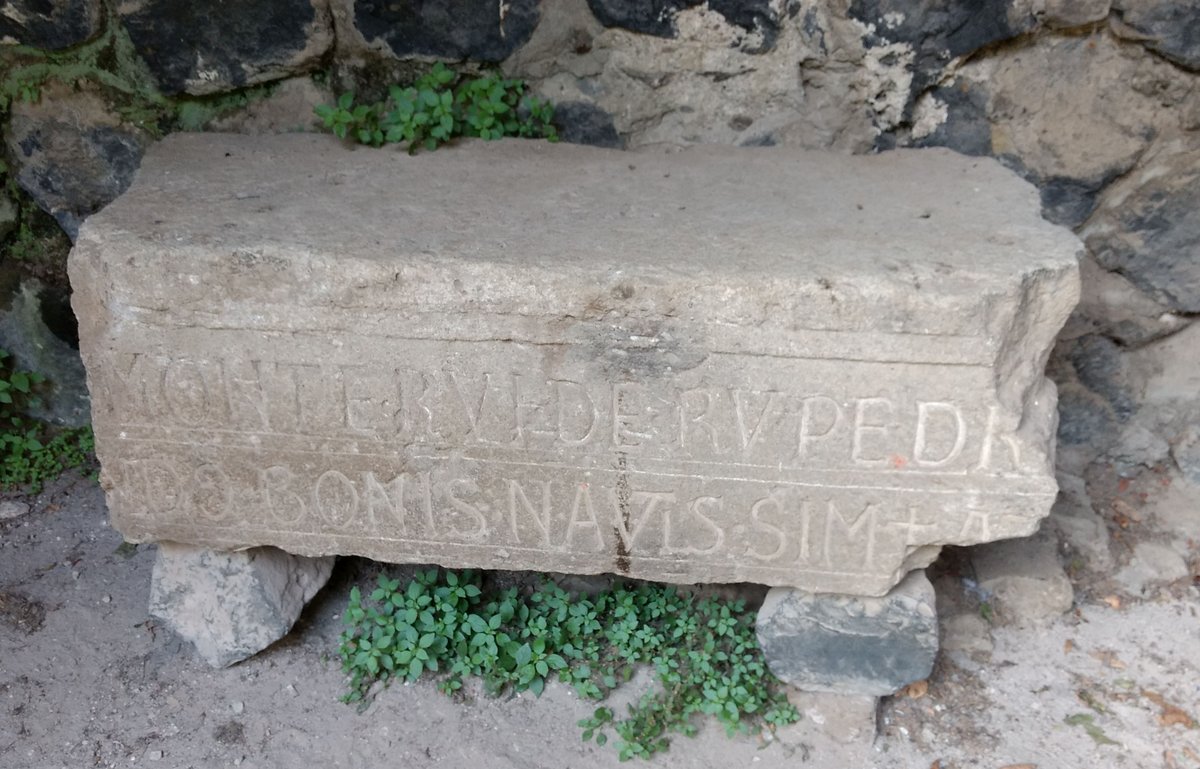
- The Lapidarium: Located within the palace grounds, the Lapidarium houses a collection of architectural fragments, sculptures, and other artifacts recovered from the site. These remnants offer further glimpses into the craftsmanship and artistry of the period.
Visitor Information
To plan your visit to the Kaiserpfalz, here's what you need to know:
- Opening Hours: The site is open daily from 10:00 AM to 6:00 PM.
- Ticket Prices: Admission is free, making it an accessible destination for all.
- Accessibility: The site is partially accessible to visitors with disabilities. The museum in the Palace Tower has an elevator for easier access.
- Guided Tours and Special Events: Guided tours are available and highly recommended for a deeper understanding of the site's history. Special events are occasionally held at the Kaiserpfalz, so check the official website for updates.
Tips for a Memorable Visit
- Allow ample time: While the remaining structures may seem modest, the rich history and the museum exhibits warrant at least a couple of hours to fully appreciate the site.
- Explore the museum: The museum within the Palace Tower is a must-visit, offering valuable context and showcasing artifacts that bring the history of the Kaiserpfalz to life.
- Take a guided tour: For a more immersive experience, consider joining a guided tour. Local guides can provide fascinating anecdotes and insights that might not be readily apparent from information boards.
- Combine with a visit to the Altstadt: The Kaiserpfalz's proximity to Düsseldorf's charming Altstadt makes it easy to combine your visit with a stroll through the historic city center, enjoying its traditional breweries, shops, and architecture.
Nearby Attractions
While visiting the Kaiserpfalz, consider exploring other nearby historical sites and attractions:
- Düsseldorf Altstadt: Known as the 'longest bar in the world,' this historic area is filled with traditional breweries, shops, and beautiful architecture.
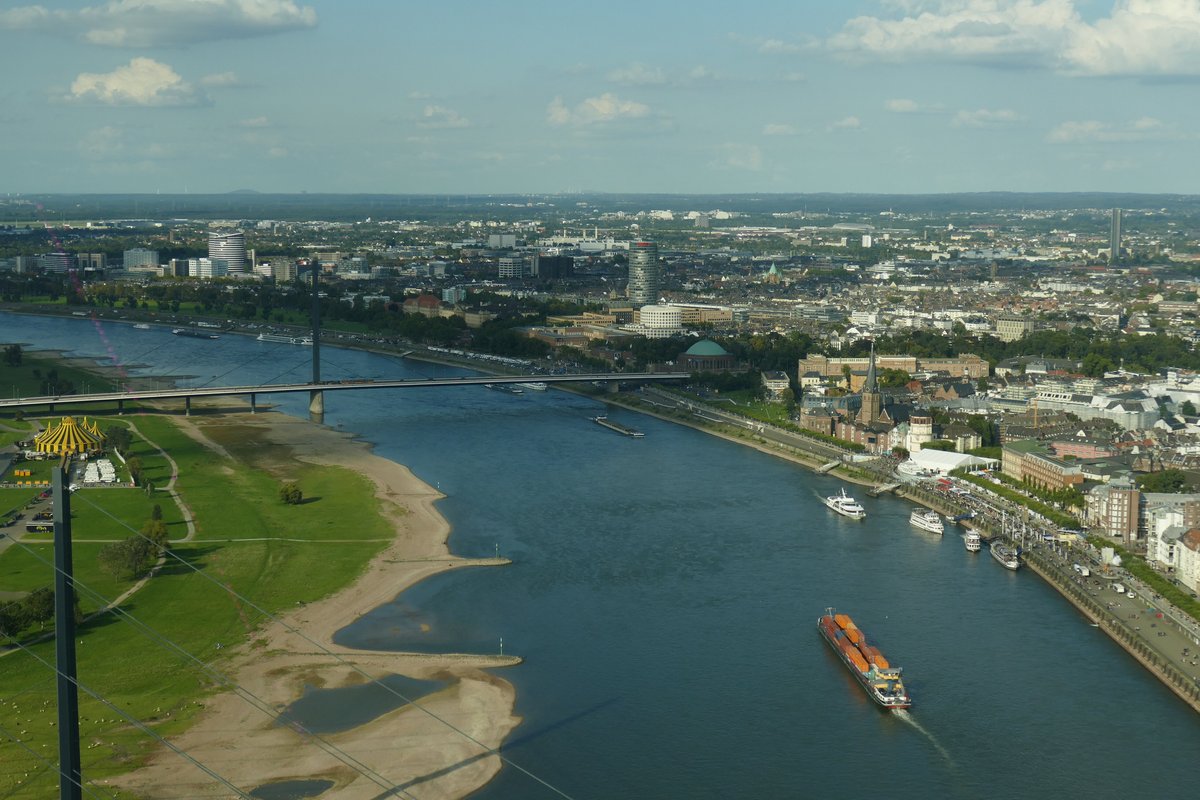
- Rhine Promenade: Enjoy a leisurely walk along the Rhine River, offering stunning views and numerous cafes.
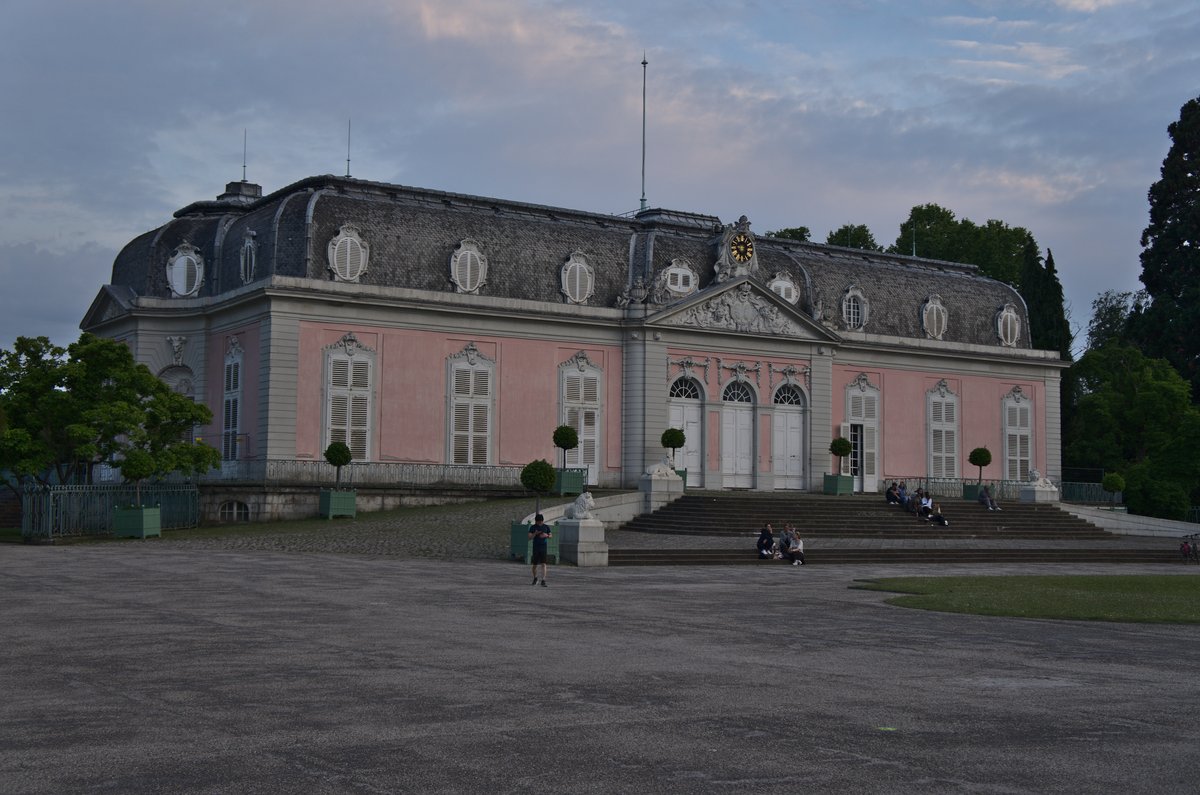
- Schloss Benrath: A beautiful Baroque palace located just a short drive from the Kaiserpfalz.
FAQ
- What are the opening hours of the Kaiserpfalz? The site is open daily from 10:00 AM to 6:00 PM.
- How much do tickets to the Kaiserpfalz cost? Admission is free for all visitors.
- Is the Kaiserpfalz accessible for visitors with disabilities? The site is partially accessible, and the museum in the Palace Tower has an elevator.
- Are guided tours available at the Kaiserpfalz? Yes, guided tours are available and highly recommended.
Visuals and Media

Internal and External Links
Listen to the full story in the app
The whole Kaiserpfalz Kaiserswerth,
told well.
Audio guides for 1,100+ cities across 96 countries. History, stories, and local insight — offline ready.
Verified, and shown.
Researched and written by the Audiala editorial team from historical records, architectural archives, and local expertise.
Researched from Wikidata, Wikipedia & official sources · fact-checked · How we make our guides →