Plan and listen to Hans-Albers-Statue with Audiala.
Audio guide in your pocket, itinerary in your browser. Built for the way you actually visit.
Introduction
The Hans-Albers-Statue in Düsseldorf stands as a prominent cultural landmark, melding Germany’s vibrant artistic heritage with its contemporary urban identity. Originally created by the celebrated sculptor Jörg Immendorff in 1986, the statue commemorates Hans Albers (1891–1960)—an iconic German actor and singer best known for his maritime-themed songs and classic films such as “Große Freiheit Nr. 7” and “Münchhausen.” Though the statue was initially installed in Hamburg’s St. Pauli district, it now resides in Düsseldorf’s MedienHafen, symbolizing the ongoing cultural exchange between two of Germany’s most creative cities (Reeperbahn.com).
This comprehensive guide explores the statue’s history, artistic significance, practical visiting details, and its role within Düsseldorf’s dynamic cultural landscape. Whether you’re an art lover, history enthusiast, or casual tourist, the Hans-Albers-Statue offers an enriching experience that bridges tradition and modernity.
Historical and Artistic Background
The Statue’s Origins and Journey
Jörg Immendorff’s Hans-Albers-Statue was first unveiled in 1986 at Hamburg’s Hans-Albers-Platz—an area long associated with Albers’ cinematic and musical legacy. Immendorff, a key figure in German Neo-Expressionism and a notable presence in both the Düsseldorf and Hamburg art scenes, crafted the statue as a personal homage to Albers. The original statue depicted Albers standing atop a seagull, holding an accordion, evoking his maritime persona and connection to Germany’s seafaring folklore (Reeperbahn.com, komoot.com).
Following a dispute with Hamburg’s city senate, the original statue was removed and relocated to Düsseldorf’s MedienHafen. Hamburg subsequently commissioned a replica, while Düsseldorf became the home of Immendorff’s original work, reinforcing the city’s reputation as a center for contemporary art and cultural innovation (RP Online).
Artistic Features and Symbolism
The statue’s lifelike yet expressive style reflects Immendorff’s Neo-Expressionist vision. Albers is portrayed in a relaxed stance, hands in pockets, with his gaze directed across the urban landscape—an embodiment of confidence and accessibility. The inclusion of the accordion and seagull alludes to Albers’ musical legacy and maritime themes, while the choice of bronze as a medium ensures durability and a dignified patina that evolves with time (Monumente Online).
Location and Setting: MedienHafen, Düsseldorf
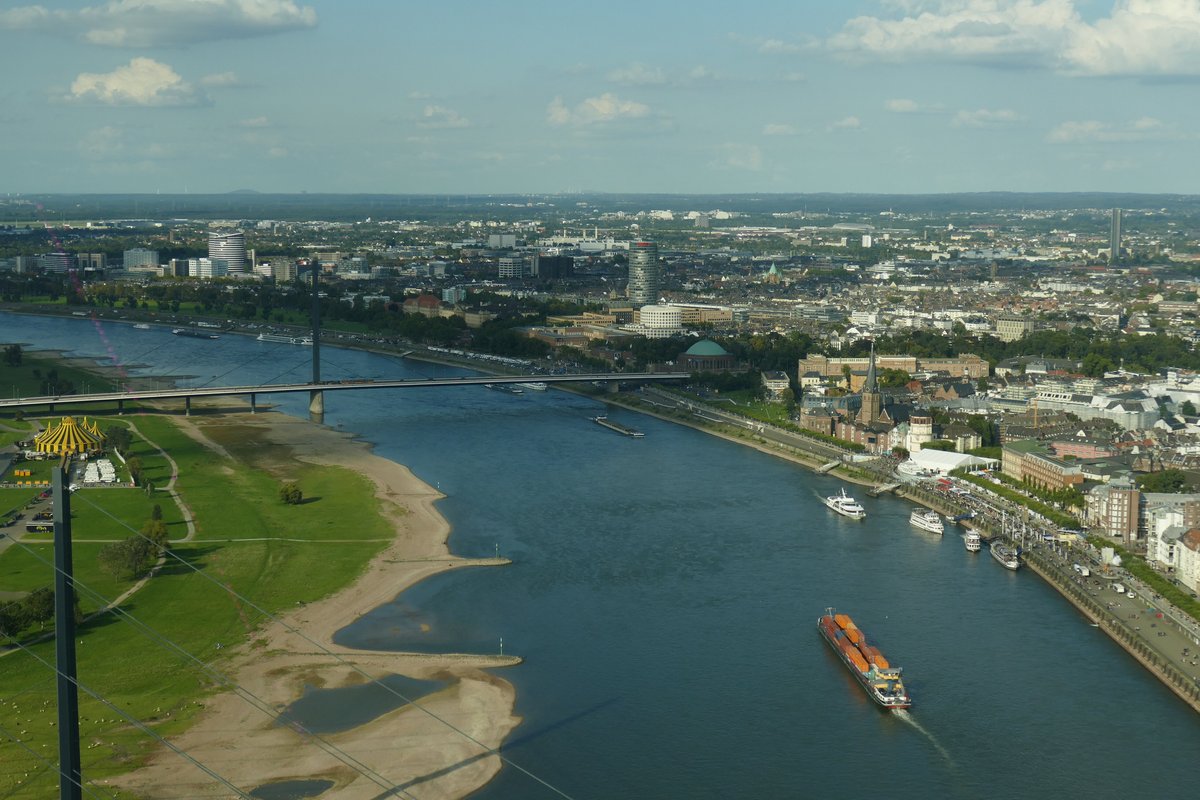
The Hans-Albers-Statue is located in the heart of Düsseldorf’s MedienHafen (Media Harbor), a district renowned for its innovative architecture, creative industries, and lively waterfront. Surrounded by striking buildings designed by international architects such as Frank Gehry, the statue stands as a compelling contrast between traditional cultural memory and avant-garde urban design (PlanetWare Düsseldorf). The area is fully pedestrianized, with wide promenades and river views, making it an inviting destination for both locals and visitors.
Practical Visitor Information
Visiting Hours and Tickets
- Accessibility: The Hans-Albers-Statue is situated outdoors in a public space and is accessible 24 hours a day, year-round.
- Admission: No ticket or entry fee is required—visiting the statue is completely free.
- Best Times to Visit: The statue can be enjoyed at any time, but daylight hours and early evenings are ideal for photography and appreciating the architectural surroundings.
Getting There
- Public Transport: MedienHafen is easily reached by tram and bus. The nearest stops are “Speditionstraße” and “Franziusstraße.” Düsseldorf Hauptbahnhof (main train station) is also within a short distance.
- By Car: Parking is available in nearby garages, though public transport is recommended due to limited spaces and the district’s pedestrian-friendly design.
- On Foot or by Bike: The statue is within walking distance from Düsseldorf’s Altstadt (Old Town) and is accessible via scenic riverside promenades (Timeout Düsseldorf).
Accessibility
The MedienHafen district is equipped with smooth, paved walkways, ramps, and elevators, ensuring wheelchair access and ease of movement for all visitors.
Nearby Attractions
Combine your visit to the Hans-Albers-Statue with these MedienHafen highlights:
- Gehry Buildings (Neuer Zollhof): Landmark deconstructivist architecture by Frank Gehry.
- Rhine Tower (Rheinturm): Offers panoramic city and river views.
- Kunst im Tunnel (KIT): Contemporary underground art gallery along the Rhine promenade.
- Kunstsammlung Nordrhein-Westfalen: Major modern art museum with rotating exhibitions (Düsseldorf Tourism).
- Restaurants and Bars: MedienHafen boasts a vibrant selection of dining and nightlife options.
The Statue’s Role in Düsseldorf’s Cultural Landscape
As a focal point for community events, guided tours, and artistic performances, the Hans-Albers-Statue is more than a static monument; it is a living symbol of Düsseldorf’s commitment to public art and cultural dialogue. It is featured in city art walks, music festivals, and serves as a popular meeting point for both locals and tourists (Stadt Düsseldorf).
Cultural and Historical Significance
Hans Albers remains a legendary figure in German cinema and music, celebrated for his roles in films like “Große Freiheit Nr. 7” and for songs that evoke freedom and maritime adventure (Deutsche Kinemathek). The statue’s migration from Hamburg to Düsseldorf encapsulates themes of urban identity, artistic freedom, and the enduring power of cultural icons to connect different cities and generations.
Frequently Asked Questions (FAQ)
Q: What are the visiting hours for the Hans-Albers-Statue?
A: The statue is outdoors and accessible 24/7 with no admission fee.
Q: Do I need a ticket to visit?
A: No tickets are required—visiting the statue is free.
Q: Is the statue wheelchair accessible?
A: Yes, the area features paved walkways and ramps.
Q: Are guided tours available?
A: Yes, several walking tours of MedienHafen include the Hans-Albers-Statue as a highlight (Visit Düsseldorf).
Q: What else can I see nearby?
A: The Gehry Buildings, Rhine Tower, KIT art space, and numerous restaurants and bars are all within walking distance.
Tips for Visitors
- Photography: Early morning and late afternoon provide optimal lighting for photos.
- Events: Check local listings for cultural festivals and art events in MedienHafen.
- Public Transport: Validate your ticket when using trams or buses—random checks are common.
- Accessibility: MedienHafen is fully accessible for wheelchairs and strollers.
Listen to the full story in the app
The whole Hans-Albers-Statue,
told well.
Audio guides for 1,100+ cities across 96 countries. History, stories, and local insight — offline ready.

Verified, and shown.
Researched and written by the Audiala editorial team from historical records, architectural archives, and local expertise.
Hans-Albers-Statue
Der Hans-Albers-Platz in der Altstadt
Hans-Albers-Platz History and Statue
Things to do in Düsseldorf
Tourist Attractions in Düsseldorf
Hans Albers Archives
Public Art in Düsseldorf
Hans-Albers-Statue Cultural Impact
Public Art and Cultural Events
Hans-Albers-Statue Artistic Techniques
Tourist Arrivals in Düsseldorf
Researched from Wikidata, Wikipedia & official sources · fact-checked · How we make our guides →