Plan and listen to Golzheimer Friedhof with Audiala.
Audio guide in your pocket, itinerary in your browser. Built for the way you actually visit.
Introduction: Düsseldorf’s Oldest Cemetery and Its Enduring Legacy
Golzheimer Friedhof, nestled in the Golzheim district of Düsseldorf, represents a profound intersection of the city’s urban evolution, artistic heritage, and communal memory. Established in 1805 in response to the city’s growth and public health reforms, it was Düsseldorf’s first municipal, non-denominational cemetery, reflecting Enlightenment ideals of rational design and natural beauty. Today, Golzheimer Friedhof stands as a significant green space and open-air museum, offering a peaceful retreat amidst centuries-old monuments and mature trees. Its preservation is the result of ongoing civic engagement and community stewardship, making it an essential destination for anyone interested in Düsseldorf’s history, culture, and urban landscape (Stadt Düsseldorf; Wikipedia).
- Overview and Historical Context
- Architecture and Landscape Design
- Notable Burials and Artistic Monuments
- Visiting Information
- Cultural and Community Significance
- Preservation and Community Engagement
- Frequently Asked Questions (FAQ)
- Visitor Recommendations and Practical Tips
- References
Golzheimer Friedhof was founded at the dawn of the 19th century, as Düsseldorf responded to urban growth and shifting social attitudes towards burial practices. Moving away from traditional churchyards, the city created this municipal cemetery to embody Enlightenment values—openness, order, and the integration of nature. Its location, then on the outskirts, and its division into Protestant, Catholic, and Jewish sections, underscore the city’s evolving religious and demographic landscape (Stadt Düsseldorf; Jüdische Friedhöfe Düsseldorf).
Throughout the 19th century, the cemetery expanded alongside Düsseldorf’s industrial and cultural rise, eventually spanning nearly 6 hectares. It remained the city’s main burial ground until closure for new interments in 1948, though family plots occasionally remain active.


2. Architecture and Landscape Design
The cemetery’s landscape, designed by Maximilian Friedrich Weyhe, exemplifies early 19th-century garden cemetery principles, blending formal avenues with lush tree canopies and hedges. Architectural features such as wrought-iron entrance gates and stone pillars highlight its neoclassical origins, while the varied gravestones and mausoleums reflect evolving tastes—from Neoclassicism and Romanticism to Historicism.
The grounds are organized with broad, tree-lined paths, mature plantings, and over 350 preserved grave monuments, offering both historical insight and a tranquil environment for visitors (duesseldorf-fuer-kinder.de; lifeinduesseldorf.com).
3. Notable Burials and Artistic Monuments
Golzheimer Friedhof is the resting place of over 16,000 individuals, including numerous artists, intellectuals, and public figures. Highlights include:
- Friedrich Heinrich Jacobi (1743–1819): Enlightenment philosopher.
- Johann Peter Melchior (1747–1825): Noted porcelain sculptor.
- Wilhelm von Schadow (1788–1862): Director of the Düsseldorf Art Academy and founder of the Düsseldorf School of Painting.
- Alfred Rethel (1816–1859): Celebrated painter and graphic artist.
- Friedrich August Burgmüller (1806–1874): Renowned pianist and composer.
- Sophie Hasenclever (1823–1892): Poet and writer.
- Mendelssohn family members: Influential bankers and art patrons.
- Relatives of Heinrich Heine: While Heine is buried in Paris, his family rests here.
Monuments range from intricately carved mausoleums to solemn war memorials for the Franco-Prussian and World Wars, providing a window into Düsseldorf’s cultural and social history (Wikipedia).
4. Visiting Information
Hours and Admission
- Opening Hours: Daily from sunrise to sunset (typically 8:00 AM to dusk; some sources note 9:00 AM to 6:00 PM, but daylight hours apply—always check the official page for seasonal updates).
- Admission: Free entry for all visitors; guided tours may require advance booking and a small fee.
Accessibility
- The main paths are flat and suitable for wheelchairs and strollers, although some historic areas have uneven terrain.
- The grounds are divided by a street, aiding orientation without detracting from the tranquil atmosphere.
Directions and Transportation
- By Public Transit: U-Bahn lines U78/U79 (Victoriaplatz/Klever Straße station), tram lines 701/705/706/709, or buses 732/736. Stops are a short walk from the entrance (duesseldorf-fuer-kinder.de).
- By Car: Limited street parking is available in the vicinity.
Guided Tours
- Seasonal Tours: The city’s Office for Green Spaces and Environmental Protection and the association “Der Golzheimer Friedhof soll Leben e.V.” offer thematic tours focusing on art history, notable burials, and the cemetery’s evolution (Stadt Düsseldorf: Führungen; der-golzheimer-friedhof-soll-leben.de).
5. Cultural and Community Significance
Golzheimer Friedhof is more than a burial ground; it is a living cultural site. Traditionally popular for Sunday strolls, it continues to serve as a green oasis, a venue for community events, and a vital part of Düsseldorf’s park network. Its landscape and monuments offer inspiration for photographers, artists, and those seeking quiet reflection (lifeinduesseldorf.com).
6. Preservation and Community Engagement
Legal Protection and Restoration
- Monument Status: Designated a protected historical site in 1982, ensuring its conservation under strict heritage guidelines (Denkmalliste Düsseldorf).
- Restoration Efforts: A dedicated foundation, supported by city and private funds, manages restoration of grave monuments, pathways, and infrastructure (der-golzheimer-friedhof-soll-leben.de).
- Community Involvement: The association “Der Golzheimer Friedhof soll Leben e.V.” organizes cleaning days, grave sponsorships (Patenschaftsmodell), and educational tours, with over 50 active sponsors as of 2024.
Volunteer Opportunities
- Grave Sponsorship: Locals and visitors help maintain specific graves, fostering a sense of stewardship.
- Events: Annual participation in “Tag des offenen Denkmals” (Open Monument Day) raises awareness and welcomes new visitors (rp-online.de).
7. Frequently Asked Questions (FAQ)
Q: What are the current visiting hours?
A: Generally sunrise to sunset (approx. 8:00 AM–dusk), but check the official website for updates.
Q: Is there an entrance fee?
A: No, entry is free.
Q: Are guided tours available?
A: Yes, seasonally and by appointment. Some may require a fee.
Q: Is the site wheelchair accessible?
A: Most main paths are accessible, but some older sections may be uneven.
Q: Are dogs allowed?
A: Yes, but they must be kept on a leash.
Q: Can I take photographs?
A: Yes, photography is permitted. Please be respectful of the site and other visitors.
8. Visitor Recommendations and Practical Tips
- Plan one to two hours for your visit to fully appreciate the cemetery’s historical and natural features.
- Join a guided tour for in-depth history and stories of notable figures.
- Bring a camera or sketchbook to capture the landscape and monuments.
- Wear comfortable footwear suitable for uneven ground.
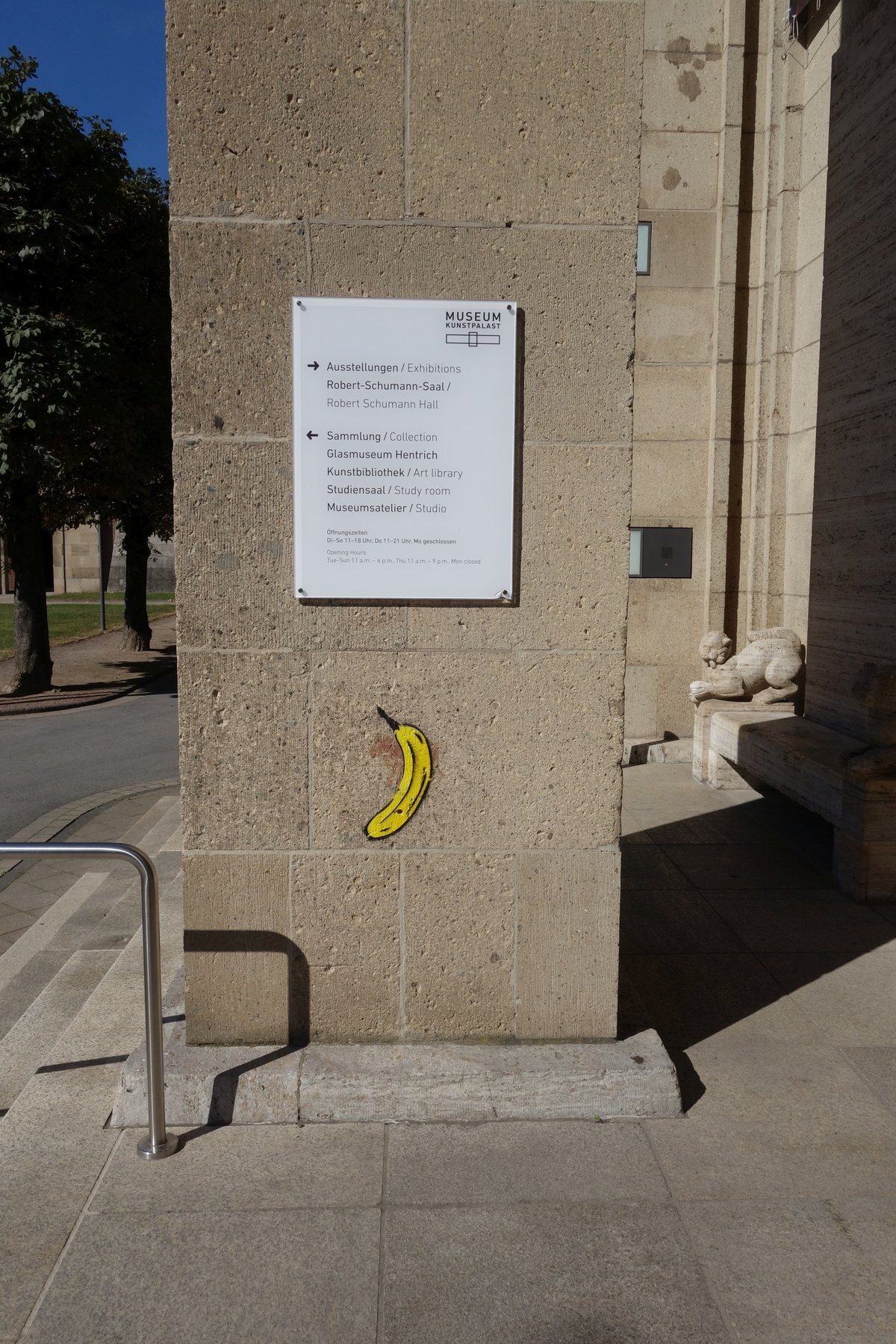
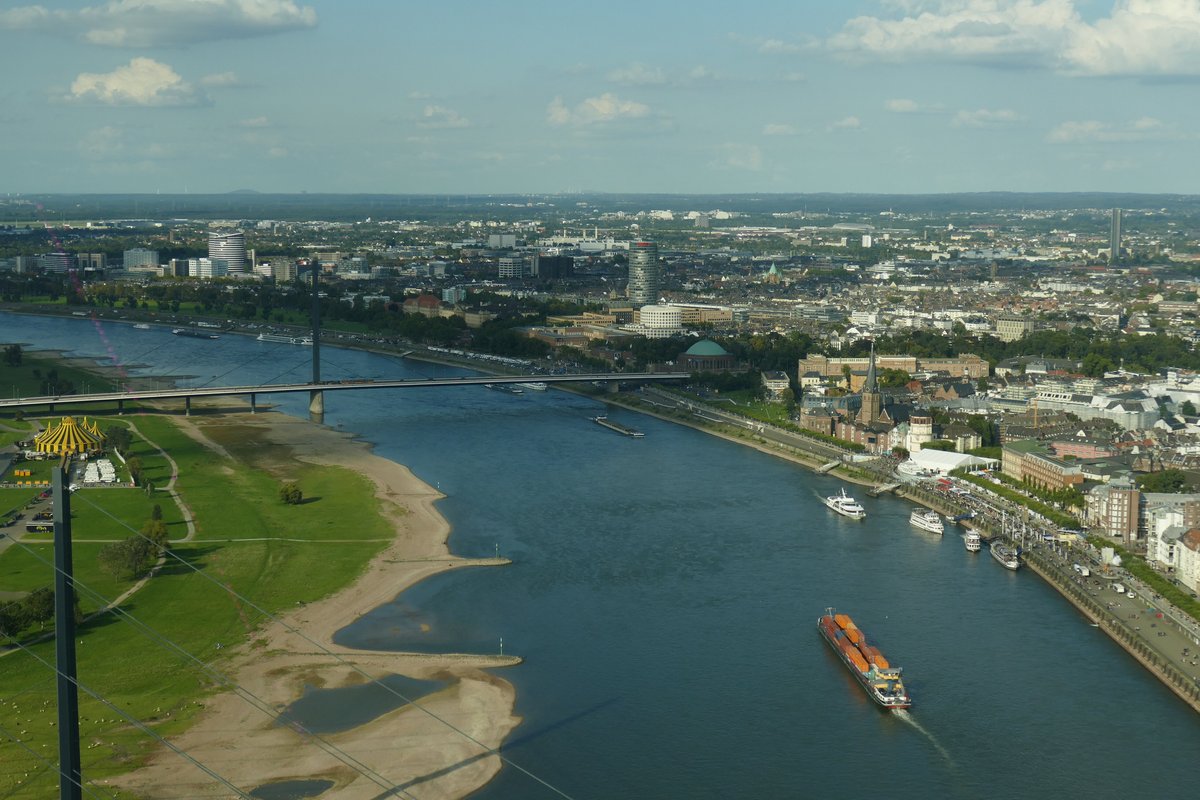
- Combine your visit with nearby attractions such as the Rhine promenade, Kunstpalast Museum, or Hofgarten park.
- Download the Audiala app for audio guides and interactive maps.
Visitor Etiquette
- Maintain quiet and decorum appropriate to a site of remembrance.
- Do not disturb monuments or ongoing restoration work.
- Keep the grounds clean and respect posted rules.
Listen to the full story in the app
The whole Golzheimer Friedhof,
told well.
Audio guides for 1,100+ cities across 96 countries. History, stories, and local insight — offline ready.
Verified, and shown.
Researched and written by the Audiala editorial team from historical records, architectural archives, and local expertise.
Researched from Wikidata, Wikipedia & official sources · fact-checked · How we make our guides →