Plan and listen to Düsseldorf North Cemetery with Audiala.
Audio guide in your pocket, itinerary in your browser. Built for the way you actually visit.
Introduction
Düsseldorf North Cemetery (Nordfriedhof) is the city’s largest and most significant burial ground, seamlessly blending solemn commemoration with the beauty of a landscaped park. Established in 1884 and designed by renowned landscape architect Eduard Hoppe, Nordfriedhof is not only a final resting place for over 200,000 individuals but also a living chronicle of Düsseldorf’s cultural, social, and architectural evolution. Its grounds bear witness to the city’s history, from industrial expansion and social change to the tragedies of world wars and the ongoing effort to honor and remember diverse communities. This guide provides a comprehensive overview of Nordfriedhof’s origins, architectural highlights, war memorials, accessibility, and practical visiting information, equipping you to make the most of your visit.

Origins and Establishment
Nordfriedhof was established in 1884 as Düsseldorf’s population soared due to industrialization. The city held a design competition in 1882, won by Eduard Hoppe from Berlin, who envisioned a “garden cemetery” reflecting the 19th-century movement to create tranquil, park-like burial grounds. Initially known as “Friedhof hinter dem Tannenwäldchen” (Cemetery behind the Pine Grove), its role grew after the closure of Golzheimer Friedhof, and it was renamed Nordfriedhof in 1904. A significant redesign in 1908 gave the cemetery its current geometric layout (de.wikipedia.org).
Growth and Urban Context
Situated in the Derendorf district, Nordfriedhof is bordered by Ulmenstraße, Hugo-Viehoff-Straße, Danziger Straße, and Thewissenweg, making it accessible from key neighborhoods like Golzheim and Unterrath. Today, it covers nearly 70 hectares, with approximately 50,000 grave sites and more than 220,000 interments, mirroring Düsseldorf’s growth into a major cultural and economic center (wikidata.org).
Architectural and Artistic Heritage
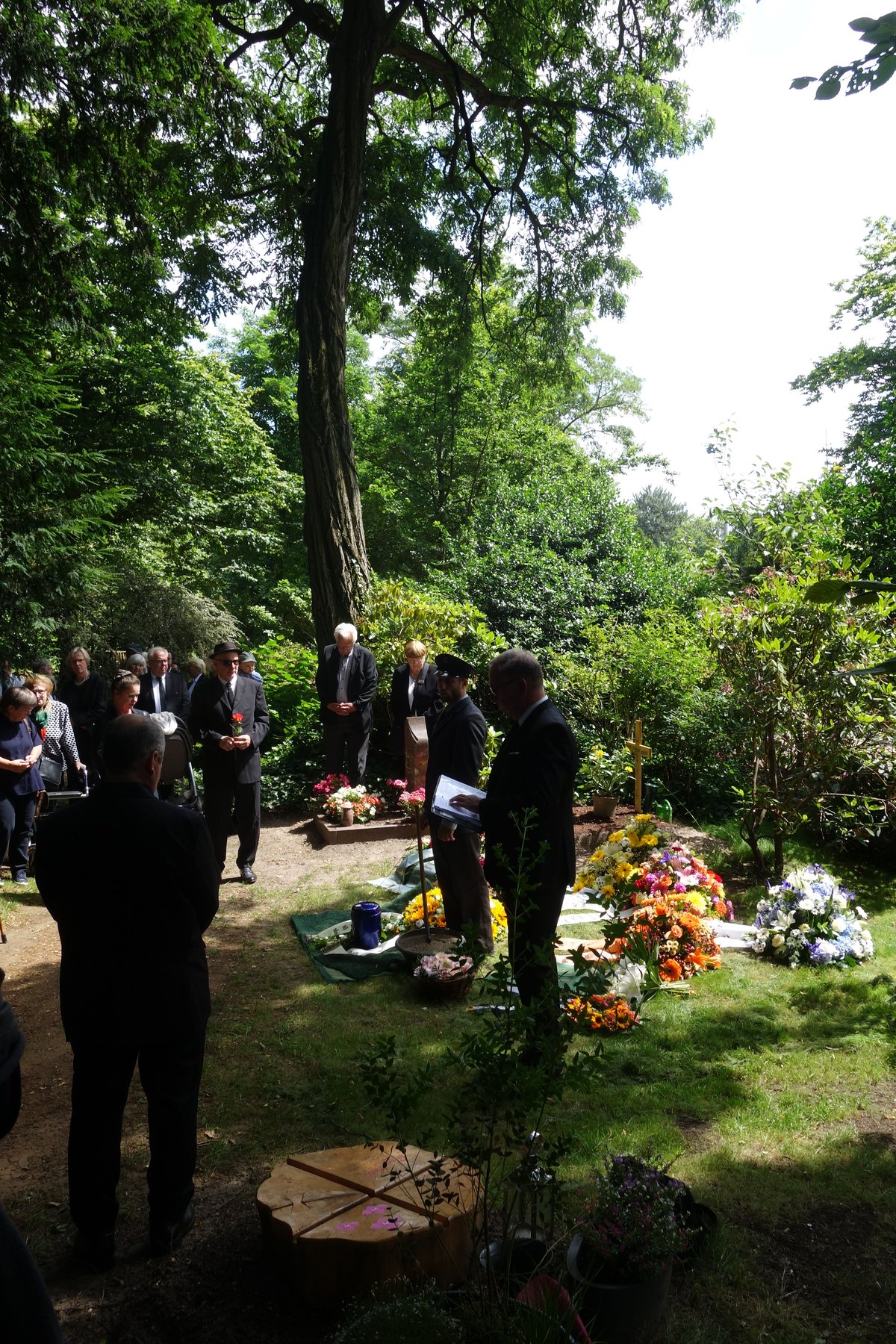
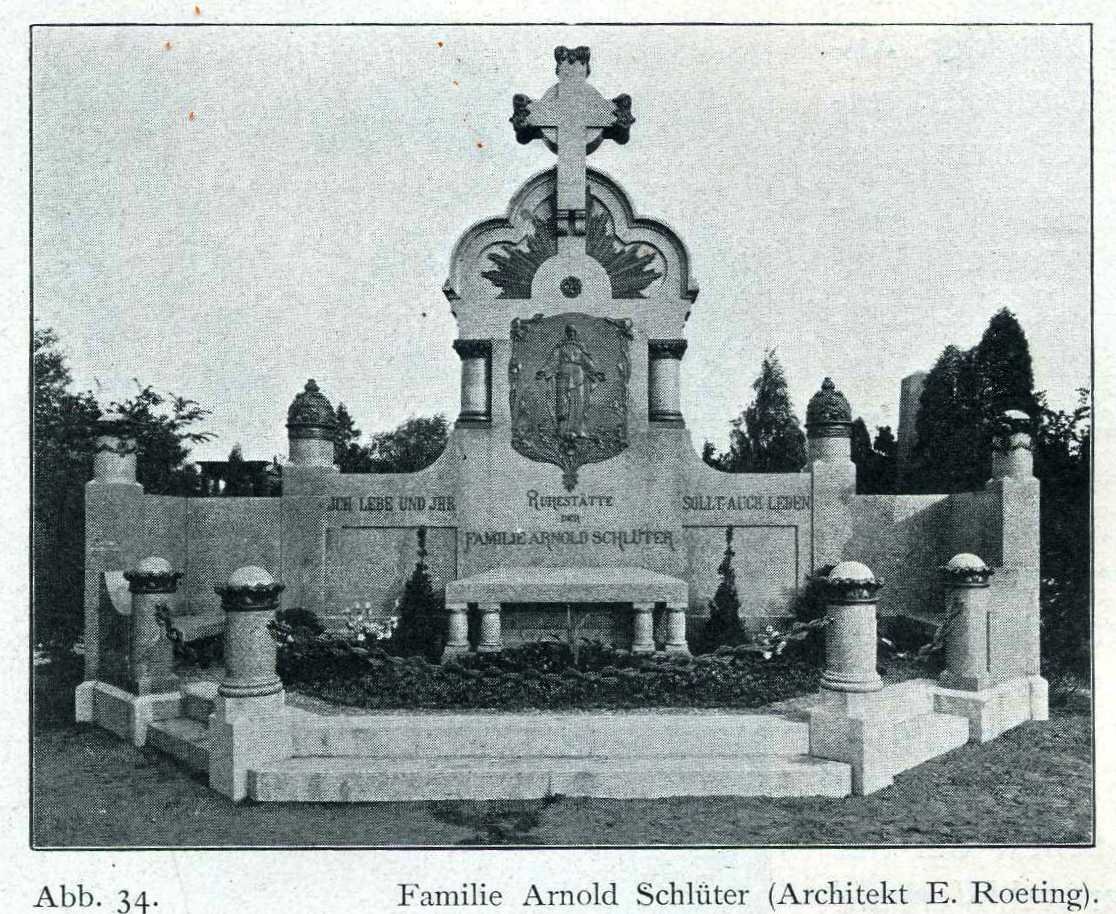
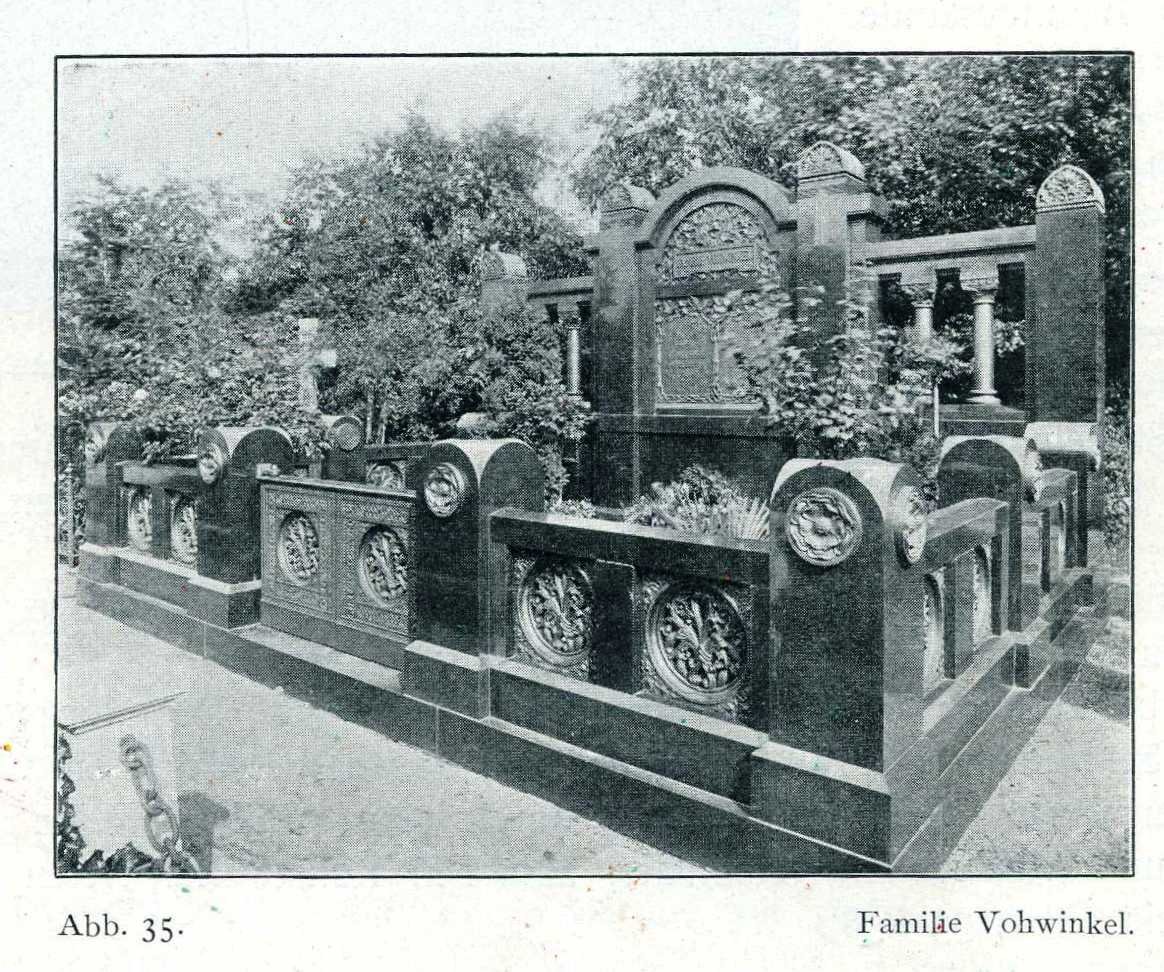
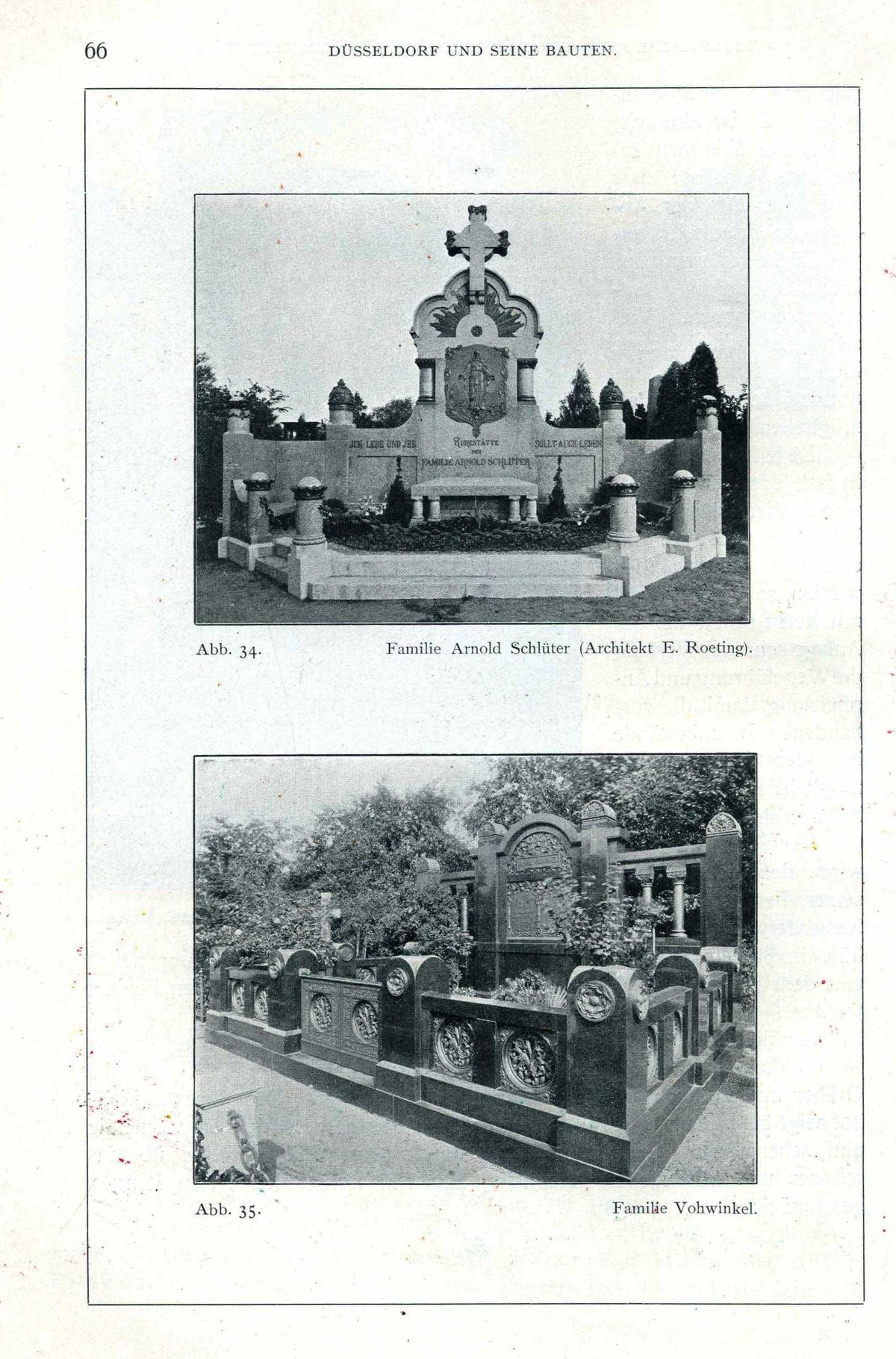
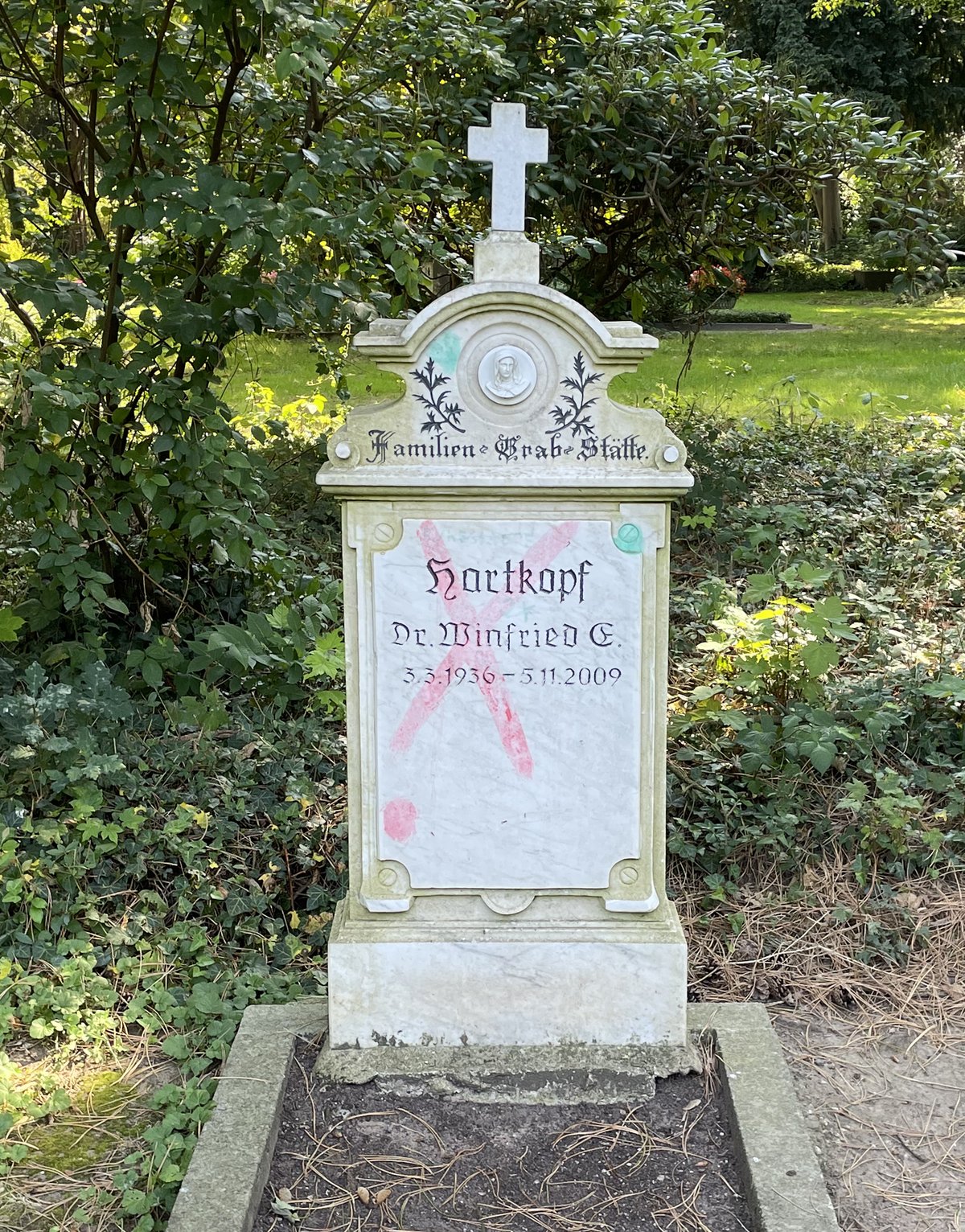
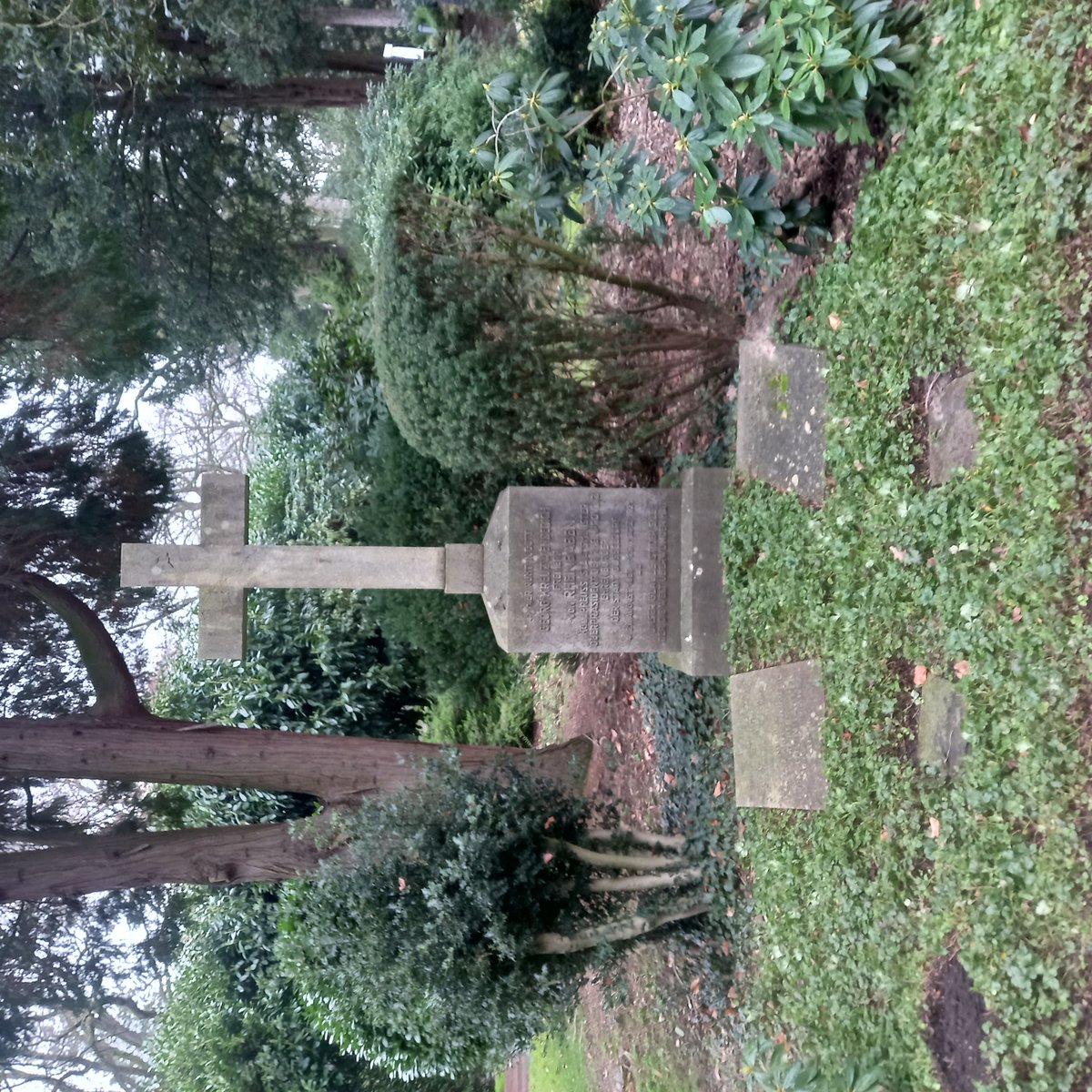
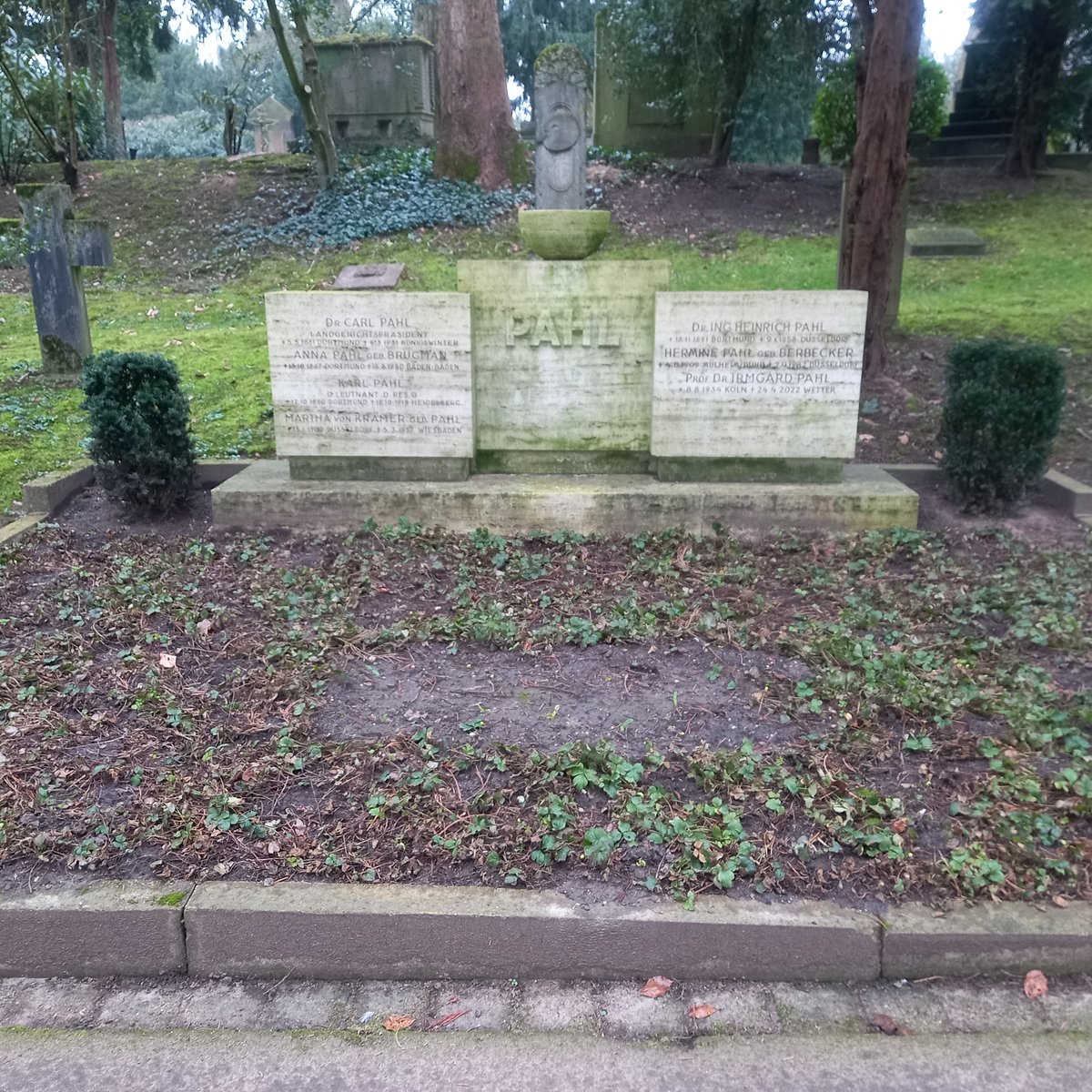
Nordfriedhof is renowned for its diverse architectural styles and artistic gravestones, particularly in the “old cemetery” near the Danziger Straße/Johannstraße entrance—a protected monument since 1987. The centerpiece is the “Millionenhügel” (Millionaires’ Hill), a hillside adorned with elaborate mausoleums and gravestones crafted by the city’s leading sculptors and architects. These tombs reflect the wealth and influence of Düsseldorf’s industrialists, artists, and politicians, underscoring the city’s rich artistic legacy (de.wikipedia.org).
Memorials and War Graves
World War I and II Graves
A defining feature of Nordfriedhof is its extensive war graves. Fields 111, 112, and 118 are the burial sites for thousands of victims and soldiers from World Wars I and II, including over 3,800 war graves from WWII, with many belonging to foreign nationals (Russian, Polish, Dutch, and others) as well as Germans (tracesofwar.com). Memorials in these fields, designed by noted artists such as Hermann Goerke and Jupp Rübsam, serve as poignant reminders of the cost of war.
Commemorative Monuments
Throughout the cemetery, monuments honor the fallen and victims of violence, including:
- Memorials for those lost in the Franco-Prussian War (1870–1871)
- Stones for unknown soldiers and civilians
- Remembrance stones for victims of air raids and Nazi persecution
Annual ceremonies, such as Volkstrauertag, draw citizens and international representatives to pay tribute and promote reconciliation (Trek Zone).
The Jewish Cemeteries
Adjacent to Nordfriedhof is the new Jewish cemetery, established in 1923 as the burial needs of Düsseldorf’s Jewish community grew. It features a dedicated cemetery hall and memorial, and is managed independently, closing on the Sabbath and Jewish holidays (de.wikipedia.org). The old Jewish cemetery, located across Ulmenstraße, is preserved but closed to the public, reflecting the city’s diverse religious heritage and the somber history of the Holocaust (juedische-friedhoefe.info).
Practical Visitor Information
Visiting Hours and Admission
Nordfriedhof is generally open daily with extended hours:
- Monday, Tuesday, Wednesday, Sunday: 09:00–17:00
- Thursday, Friday, Saturday: Open 24 hours
Entry is free; no tickets are needed (bestattung-information.de; wo-sie-ruhen.de).
Getting There and Accessibility
- Address: Am Nordfriedhof 1, 40468 Düsseldorf
- Public Transport: Tram lines 715 and 707 (Großmarkt stop), bus lines 722, 729, 756, 834 (Nordfriedhof stop)
- Parking: Limited parking available near main entrances; public transport recommended (bestattung-information.de).
- Accessibility: Main paths are paved and wheelchair-friendly, with benches for rest. For assistance, contact the cemetery office (duesseldorf.de).
Facilities and Maps
- Restrooms: Near the main entrance.
- Cemetery Office: Open weekdays 8:00–12:00, and by appointment. Staff provide maps and accessibility support.
- Site Maps: Available online and at the entrance for navigation.
Guided Tours and Special Events
Guided tours focusing on art, architecture, and notable burials are occasionally organized by the city or local historical societies—especially around memorial days. Self-guided exploration is supported by available maps and staff guidance (Visit Düsseldorf).
Nearby Attractions and Photographic Spots
Combine your visit with nearby sights such as Nordpark, the Japanese Garden, Aquazoo Löbbecke Museum, the Rhine promenade, Kunstpalast Museum, and Düsseldorf’s Old Town (planetware.com). The cemetery’s Millionenhügel, mausoleums, and tree-lined avenues offer excellent photography opportunities.
Notable Burials and Cultural Significance
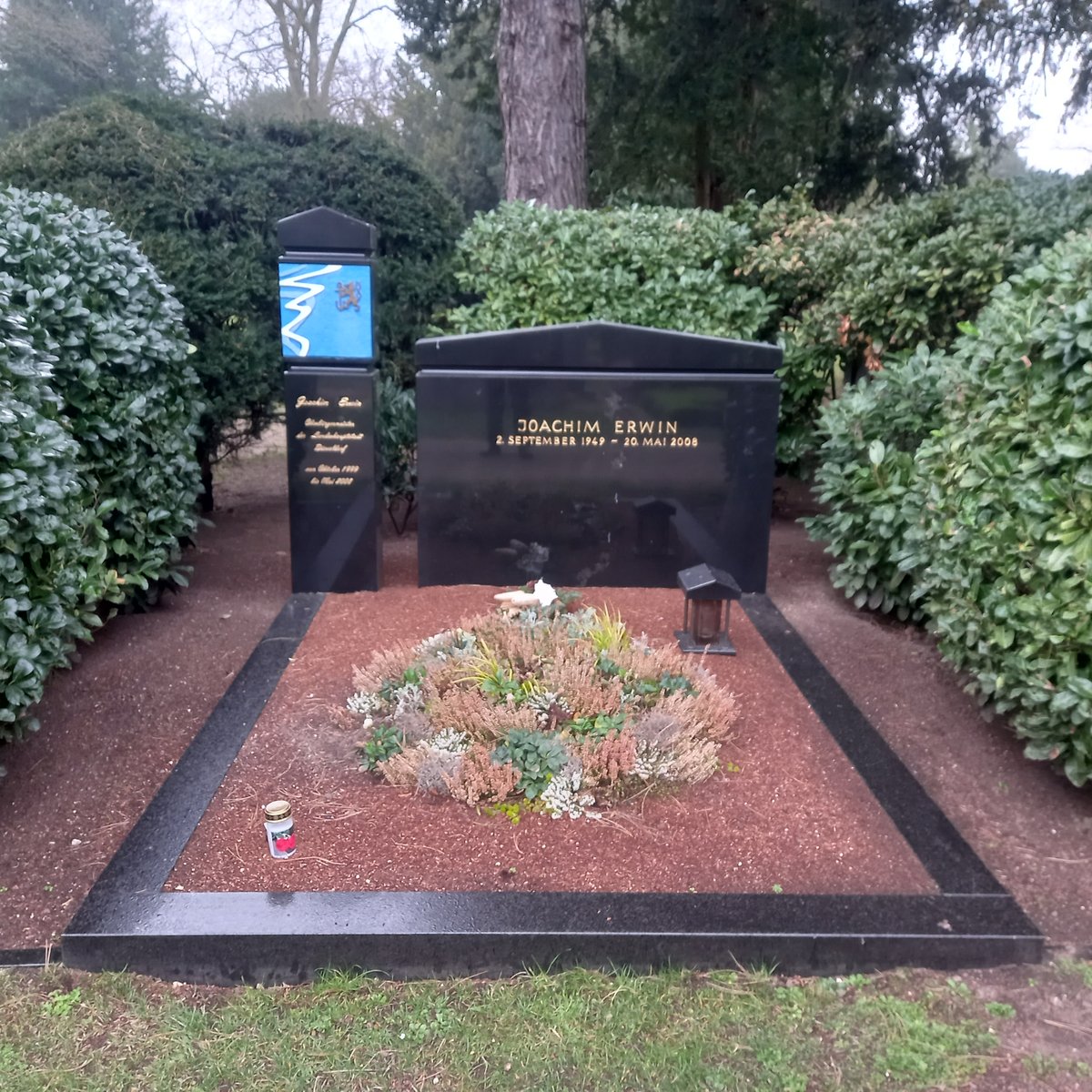
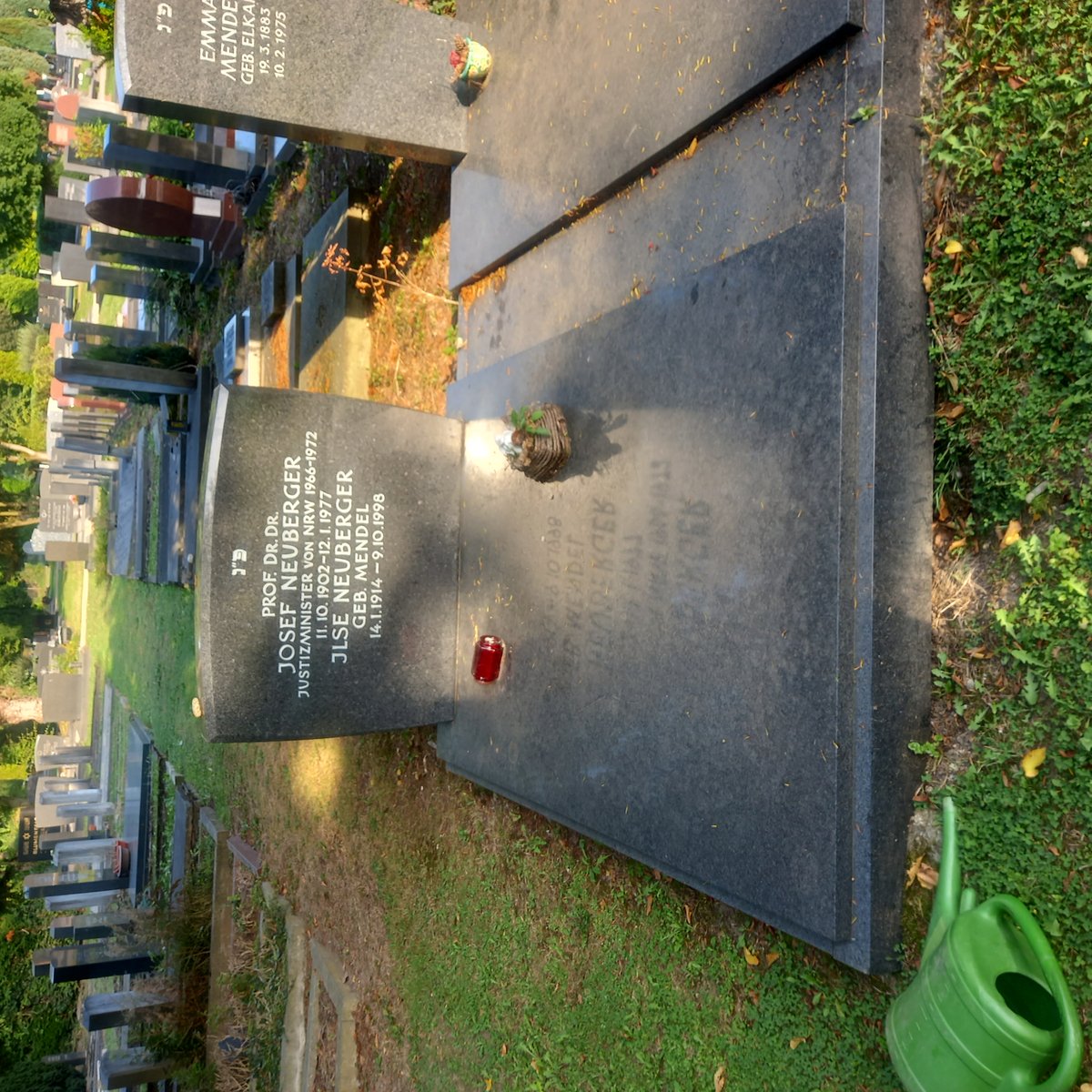
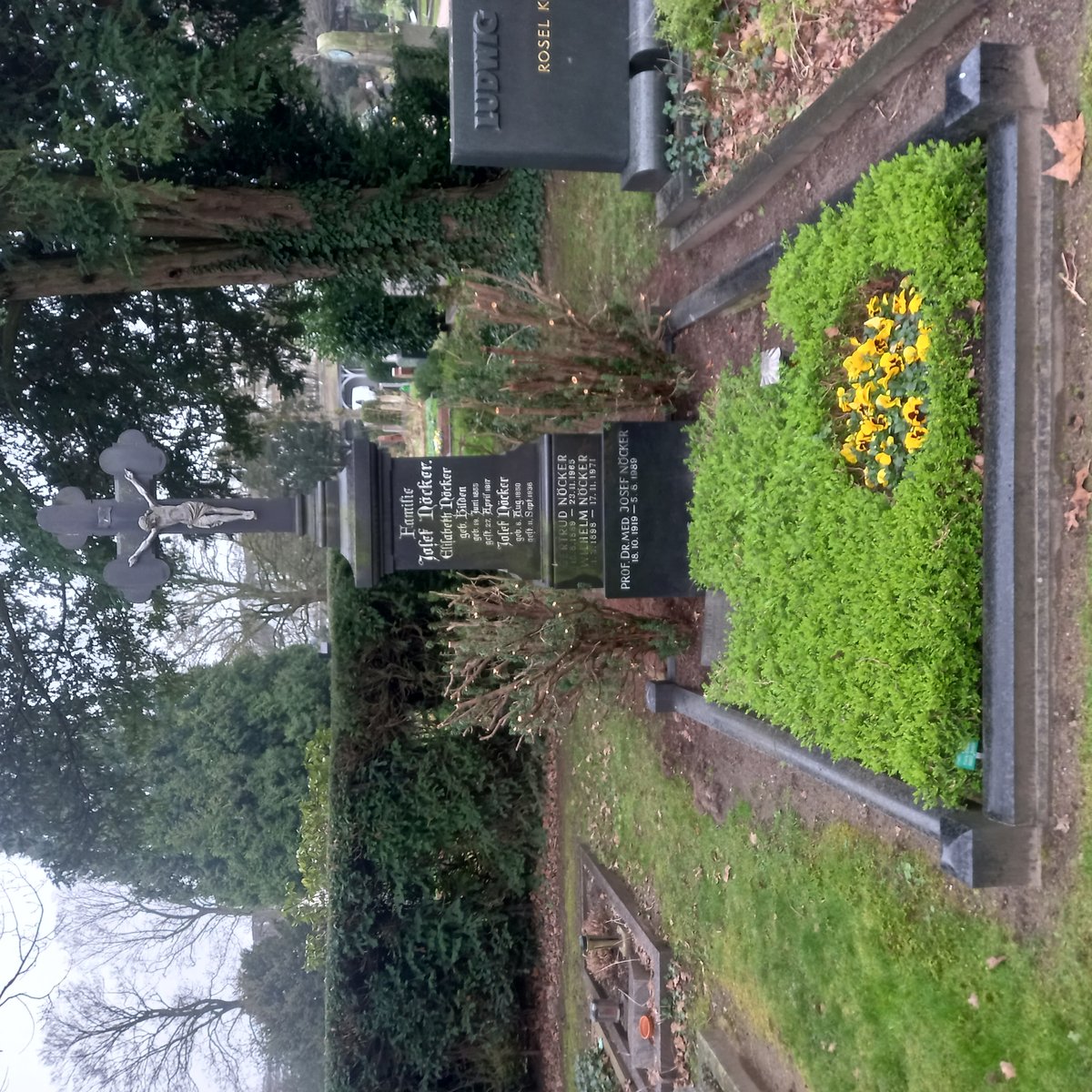
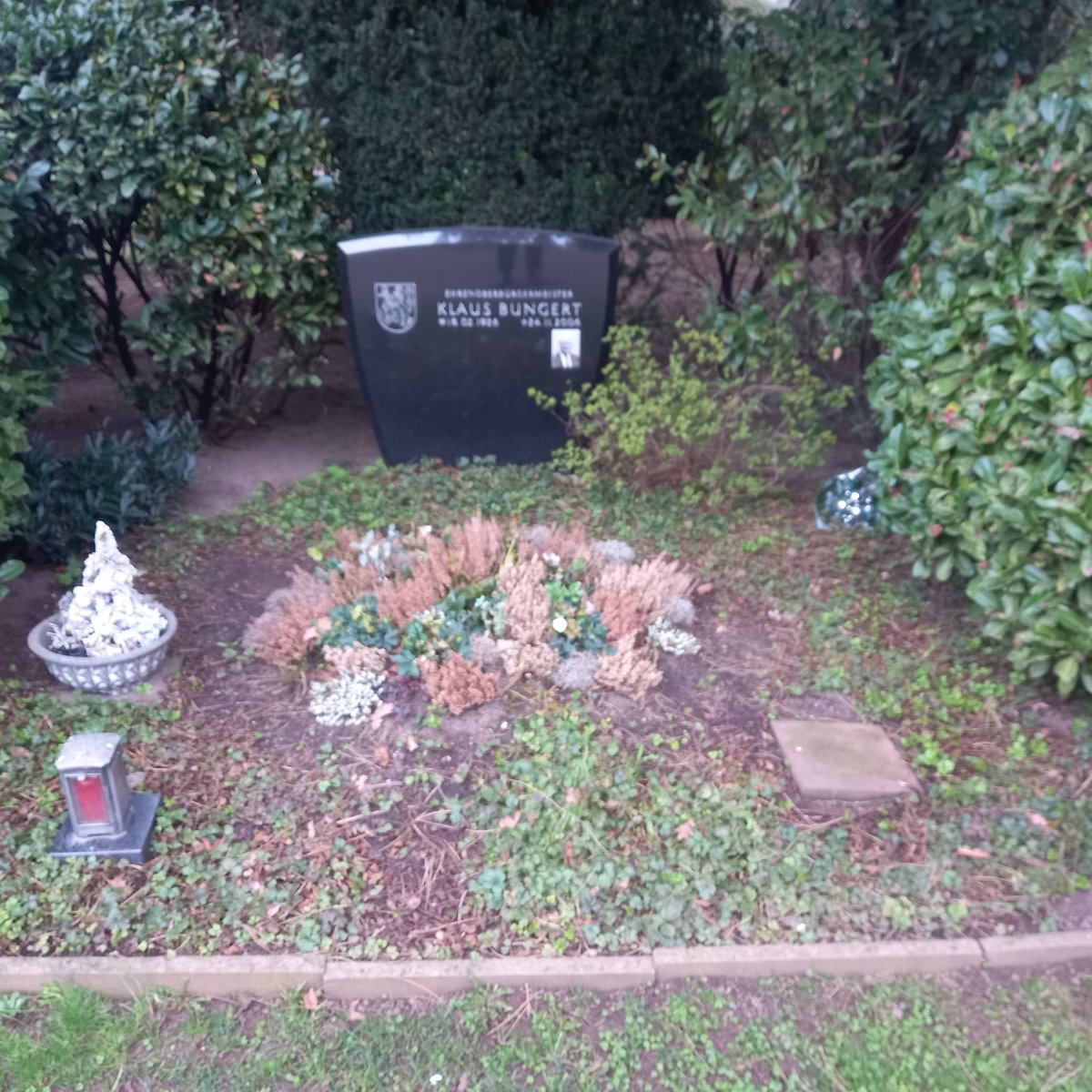
Nordfriedhof is the final resting place for leading politicians, artists, entrepreneurs, and community figures. The diversity of its graves—Jewish, Catholic, Protestant, and secular—reflects Düsseldorf’s pluralism and cosmopolitan spirit. The Jewish section, with gravestones marking the tragedies of the Holocaust, is especially poignant (juedische-friedhoefe.info).
Preservation and Challenges
Despite its protected status, Nordfriedhof faces ongoing preservation challenges, including theft of metal sculptures and weather-related deterioration. The city and community organizations actively maintain and restore significant graves and monuments to safeguard the cemetery’s heritage for future generations (de.wikipedia.org).
Frequently Asked Questions (FAQ)
Q: What are the visiting hours of Nordfriedhof?
A: Monday, Tuesday, Wednesday, Sunday: 09:00–17:00; Thursday, Friday, Saturday: open 24 hours.
Q: Is there an admission fee?
A: No, entry is free.
Q: Are guided tours available?
A: Occasional guided tours are available; check with the cemetery office or city tourist information.
Q: Is Nordfriedhof wheelchair accessible?
A: The main paths are paved and accessible; some older sections may be uneven.
Q: Can I take photos?
A: Photography is generally permitted—please be respectful, particularly near new graves or ceremonies.
Q: Are there nearby attractions?
A: Yes, including Nordpark, Aquazoo, the Rhine promenade, and museums.
Listen to the full story in the app
The whole Düsseldorf North Cemetery,
told well.
Audio guides for 1,100+ cities across 96 countries. History, stories, and local insight — offline ready.
Verified, and shown.
Researched and written by the Audiala editorial team from historical records, architectural archives, and local expertise.
Researched from Wikidata, Wikipedia & official sources · fact-checked · How we make our guides →