Plan and listen to Consulate General Of The United States, Düsseldorf with Audiala.
Audio guide in your pocket, itinerary in your browser. Built for the way you actually visit.
Introduction
The U.S. Consulate General in Düsseldorf stands as a vital symbol of transatlantic diplomacy and modern architectural heritage, situated in the heart of North Rhine-Westphalia’s capital. Established in 1953 during the reconstruction of post-World War II Europe, the consulate not only facilitates essential diplomatic services but also contributes to Düsseldorf’s urban and cultural landscape. Designed by Skidmore, Owings & Merrill (SOM) and executed locally by Otto Apel, the building is a distinguished example of International Style architecture, later renovated with a focus on sustainability by Christoph Ingenhoven (Ingenhoven Architects).
Visitors should be aware that access is strictly by appointment, with rigorous security procedures. The consulate’s setting, adjacent to Düsseldorf’s green belts and near landmarks like the Rhine River promenade and Medienhafen, makes it a notable stop for those interested in architecture, history, or cultural exploration. This comprehensive guide covers visiting hours, accessibility, entry protocols, nearby attractions, and practical tips to ensure a smooth and informative visit. For up-to-date details, consult official resources such as the U.S. Embassy & Consulates in Germany and Ingenhoven Architects.

Historical Development of the U.S. Consulate General in Düsseldorf
Postwar Origins and Diplomatic Context
The establishment of the U.S. Consulate General in Düsseldorf in 1953 marked a significant chapter in U.S.-German relations, underscoring the importance of North Rhine-Westphalia as an economic and political center in postwar Europe. The consulate’s location in Düsseldorf reflected the city’s emerging role as a hub for industry and governance (auslanderblog.com).
Architectural Evolution and Modernization
Originally designed in the International Style by SOM and realized by Otto Apel, the consulate’s steel skeleton and natural stone façade symbolized the optimism and transparency of the era (Wikipedia). In the late 1980s, the consulate temporarily relocated, but the original building remained a landmark. A comprehensive renovation from 1997 to 2001 led by Christoph Ingenhoven modernized the structure, expanding its footprint and integrating sustainable energy systems while preserving its historic character (Ingenhoven Architects).
Architectural Significance
International Style and American Influence
The Düsseldorf consulate is a prime example of International Style architecture, characterized by clean lines, functional design, and the use of steel and glass. Its minimalist aesthetic echoes American postwar ideals of openness and progress, while seamlessly integrating into Düsseldorf’s green urban landscape (Wikipedia; Ingenhoven Architects).
Sustainable Design and Modern Renovation
Ingenhoven’s award-winning renovation introduced a contemporary extension and state-of-the-art energy-efficient technologies, making the consulate a model for sustainable diplomatic architecture (Ingenhoven Architects). The project was recognized with honors including the BDA Auszeichnung Guter Bauten (2000) and Architekturpreis Nordrhein-Westfalen (2001).
Location and Urban Context
Nestled in Düsseldorf’s Golzheim district near the Rhine, the consulate is surrounded by important city landmarks like the K21 Museum and the Medienhafen district, reflecting the city’s blend of historic and innovative architecture (auslanderblog.com).
Visitor Information
Visiting Hours and Appointment Policy
- Hours: Monday to Friday, 8:00 AM – 4:30 PM
- Access: By appointment only; no walk-ins allowed. Appointments must be scheduled via the official website.
- Arrive: At least 15 minutes early for security screening.
Tickets and Entry
- Admission: No tickets are required; entry is free but strictly limited to those with appointments for consular services.
- ID: Government-issued photo identification is mandatory.
Accessibility
- The consulate is fully accessible, with barrier-free entry and elevators equipped with Braille. Accessible restrooms are available; however, doors do not have automated openers.
- For additional accommodations (e.g., sign language interpretation), contact the consulate in advance at [email protected].
Security Guidelines
- Bags: Large bags, backpacks, and suitcases are prohibited. No on-site storage.
- Screening: All visitors are subject to security screening.
- Photography: Allowed outside; interior photography is restricted without permission.
Nearby Attractions & Travel Tips
Enhance your visit by exploring Düsseldorf’s cultural and historical sites:
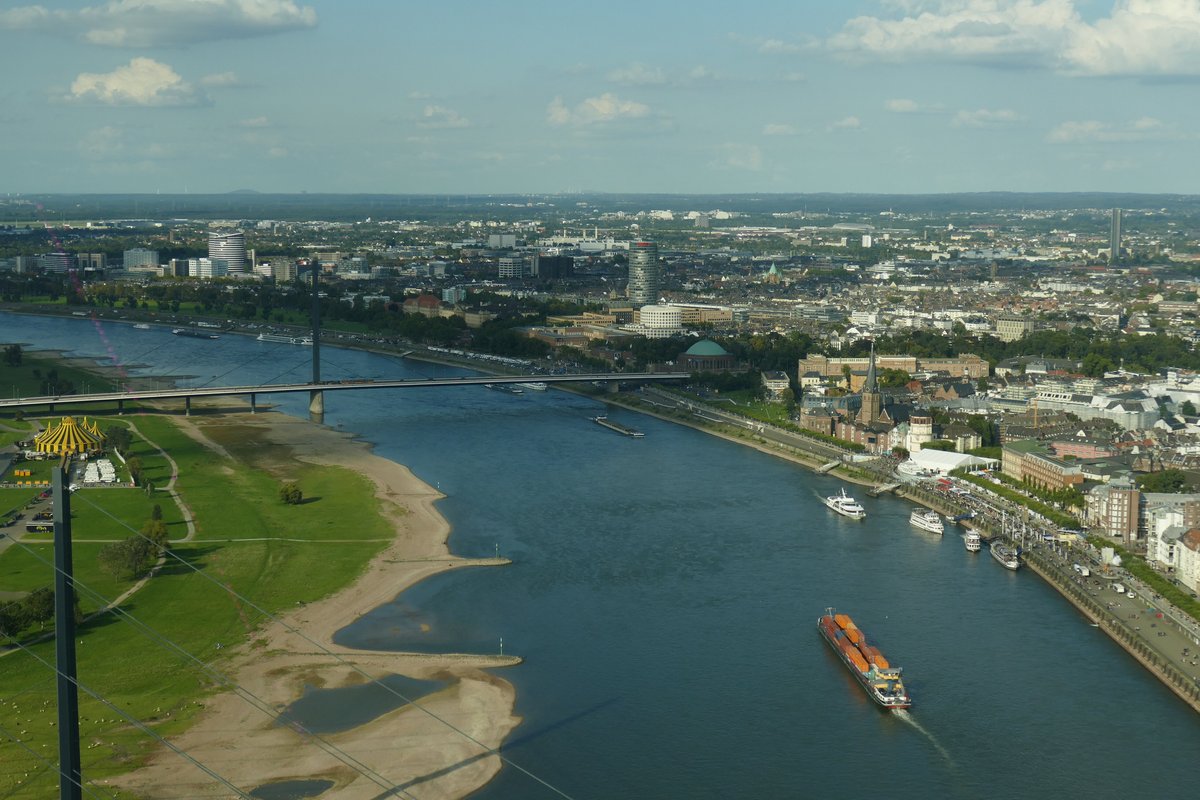
- Rhine River Promenade: Ideal for scenic walks and city views.
- K21 Kunstsammlung NRW: Contemporary art museum nearby.
- Medienhafen: Modern architecture and waterfront dining.
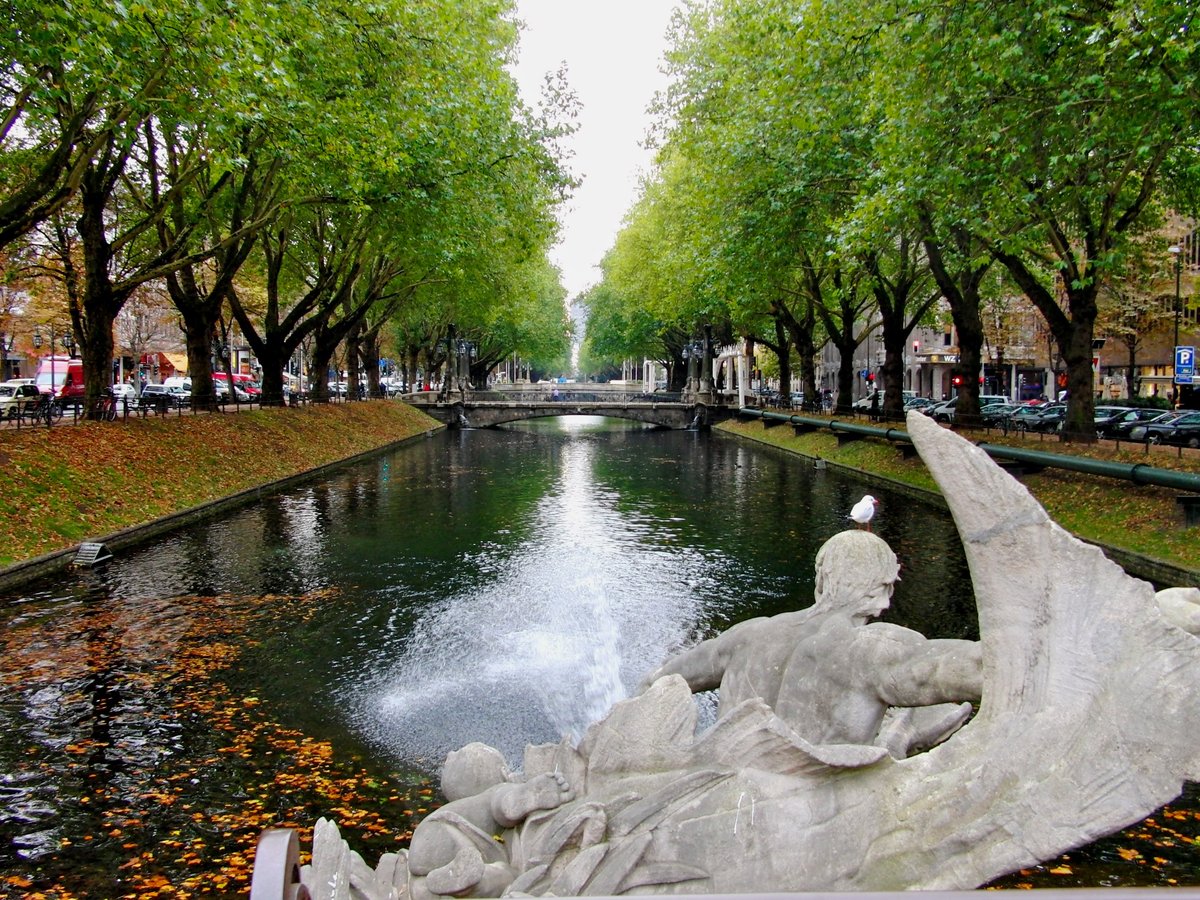
- Königsallee (“Kö”): Luxury shopping and stylish cafés (The Crazy Tourist).
- Altstadt (Old Town): Historic breweries, St. Lambertus Church, and nightlife (Holidify).
- Carlsplatz Market: Local delicacies and fresh produce.
- Rhine Tower (Rheinturm): Observation deck with panoramic views.
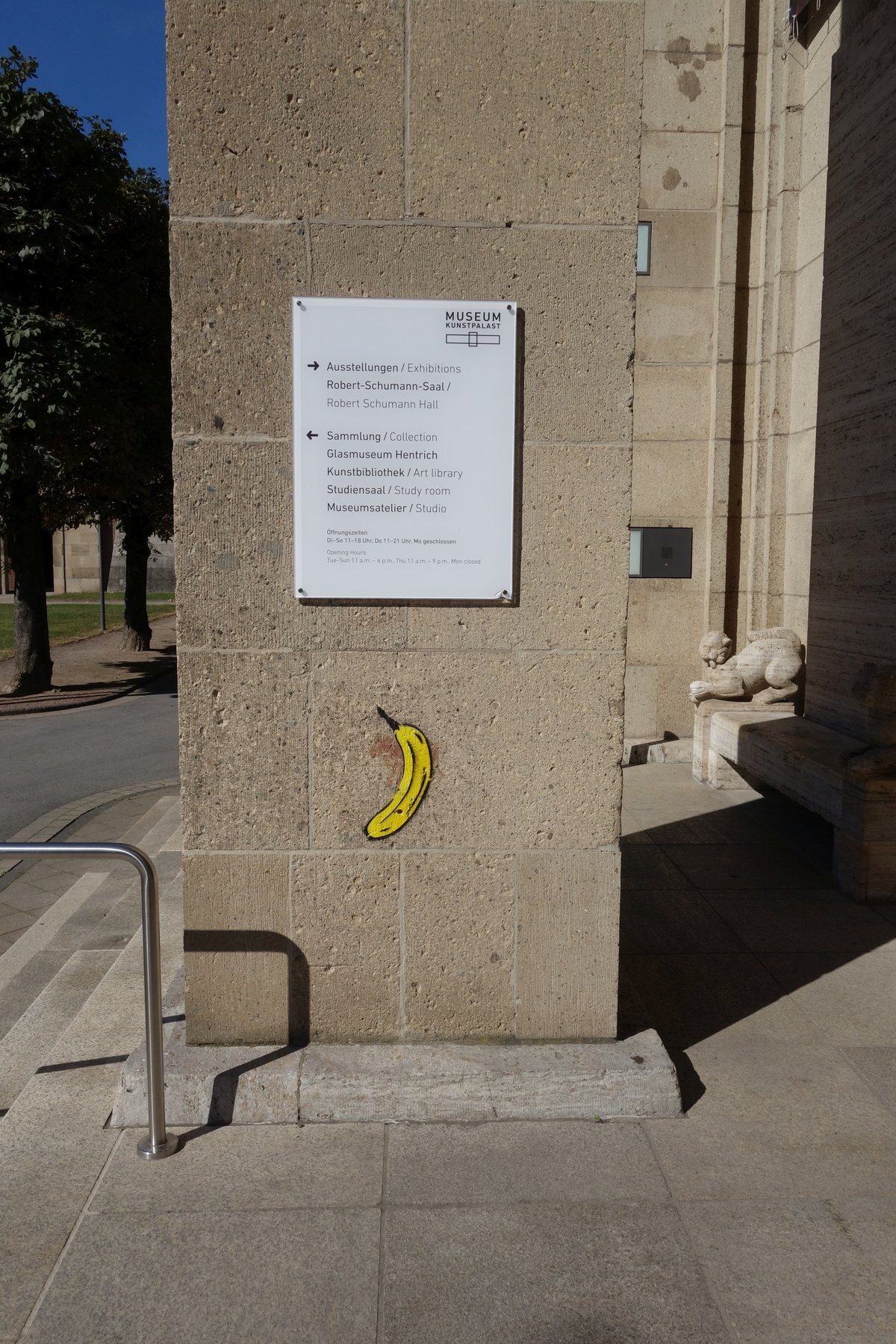
- Museum Kunstpalast: Art collections spanning centuries.
- Hofgarten: Düsseldorf’s oldest public park.
Transportation
- Public Transport: Easily accessible via tram and bus; nearest major stop is Düsseldorf Hauptbahnhof.
- Parking: Public garages nearby; accessible spaces available (check ahead).
Frequently Asked Questions (FAQ)
Q: Can I visit the U.S. Consulate General without an appointment?
A: No, all visitors require a scheduled appointment.
Q: Is there an entry fee?
A: No, access is free for those with appointments.
Q: Is the building accessible for people with disabilities?
A: Yes, with barrier-free entry, elevators with Braille, and accessible restrooms. For special needs, contact the consulate in advance.
Q: What documents should I bring?
A: A valid government-issued photo ID and all documents required for your consular service.
Q: Are guided tours available?
A: No public tours are offered; exterior viewing is possible.
Notable Architectural Details
- Original Construction: 1953
- Architects: Skidmore, Owings & Merrill (SOM); local execution by Otto Apel
- Major Renovation: 1997–2001, Christoph Ingenhoven
- Gross Floor Area: ~5,000 m²
- Awards: BDA Auszeichnung Guter Bauten (2000), Architekturpreis Nordrhein-Westfalen (2001)
- Key Features: Steel skeleton, natural stone façade, modern extension, energy-efficient systems

Listen to the full story in the app
The whole Consulate General Of The United States, Düsseldorf,
told well.
Audio guides for 1,100+ cities across 96 countries. History, stories, and local insight — offline ready.
Verified, and shown.
Researched and written by the Audiala editorial team from historical records, architectural archives, and local expertise.
Embassy & Consulates in Germany, Official Website [https://de.usembassy.gov/]
Consulate Project [https://www.christophingenhovenarchitects.com/projects/us-consulate-general-d%C3%BCsseldorf]
Embassy & Consulates in Germany [https://www.germany.info/us-en/embassy-consulates]
Researched from Wikidata, Wikipedia & official sources · fact-checked · How we make our guides →