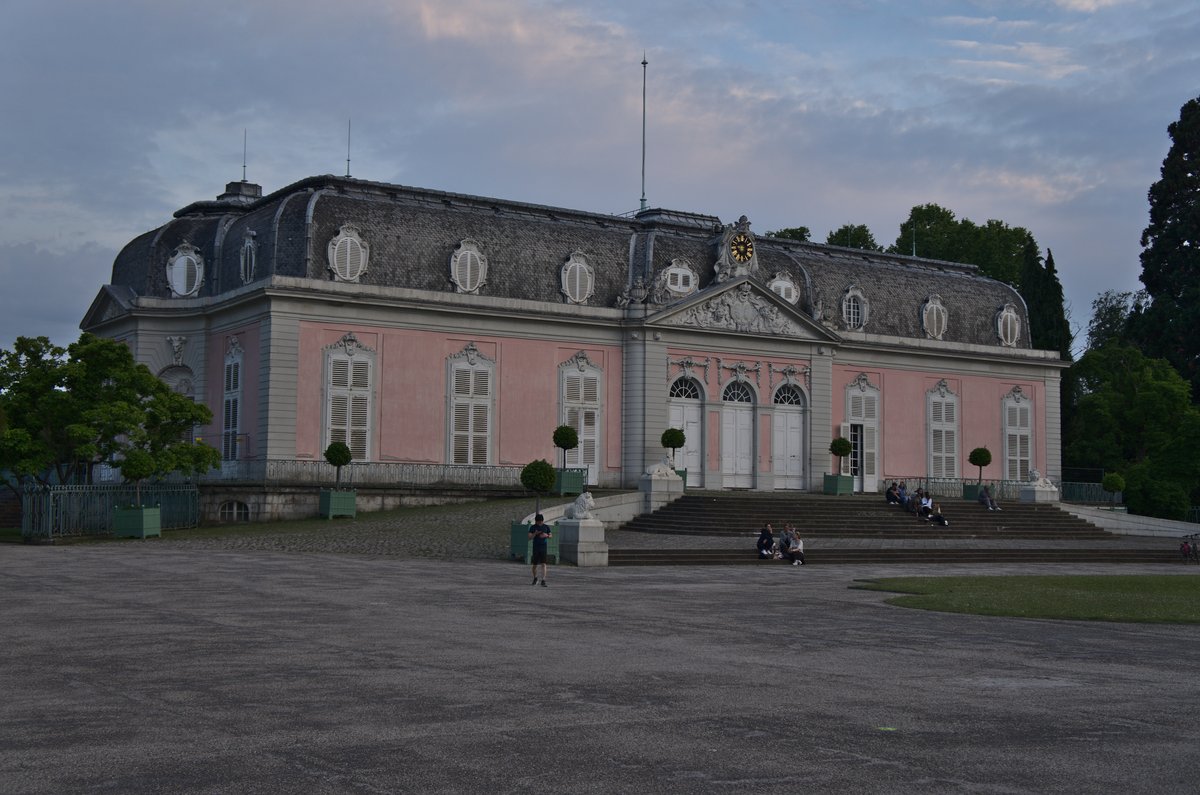
Plan and listen to Benrath Palace with Audiala.
Audio guide in your pocket, itinerary in your browser. Built for the way you actually visit.
Introduction
Discover the grandeur and historical significance of Schloss Benrath, a stunning example of Baroque architecture in Düsseldorf. This guide covers everything from its rich history and cultural significance to practical visitor information such as visiting hours, ticket prices, and nearby attractions.

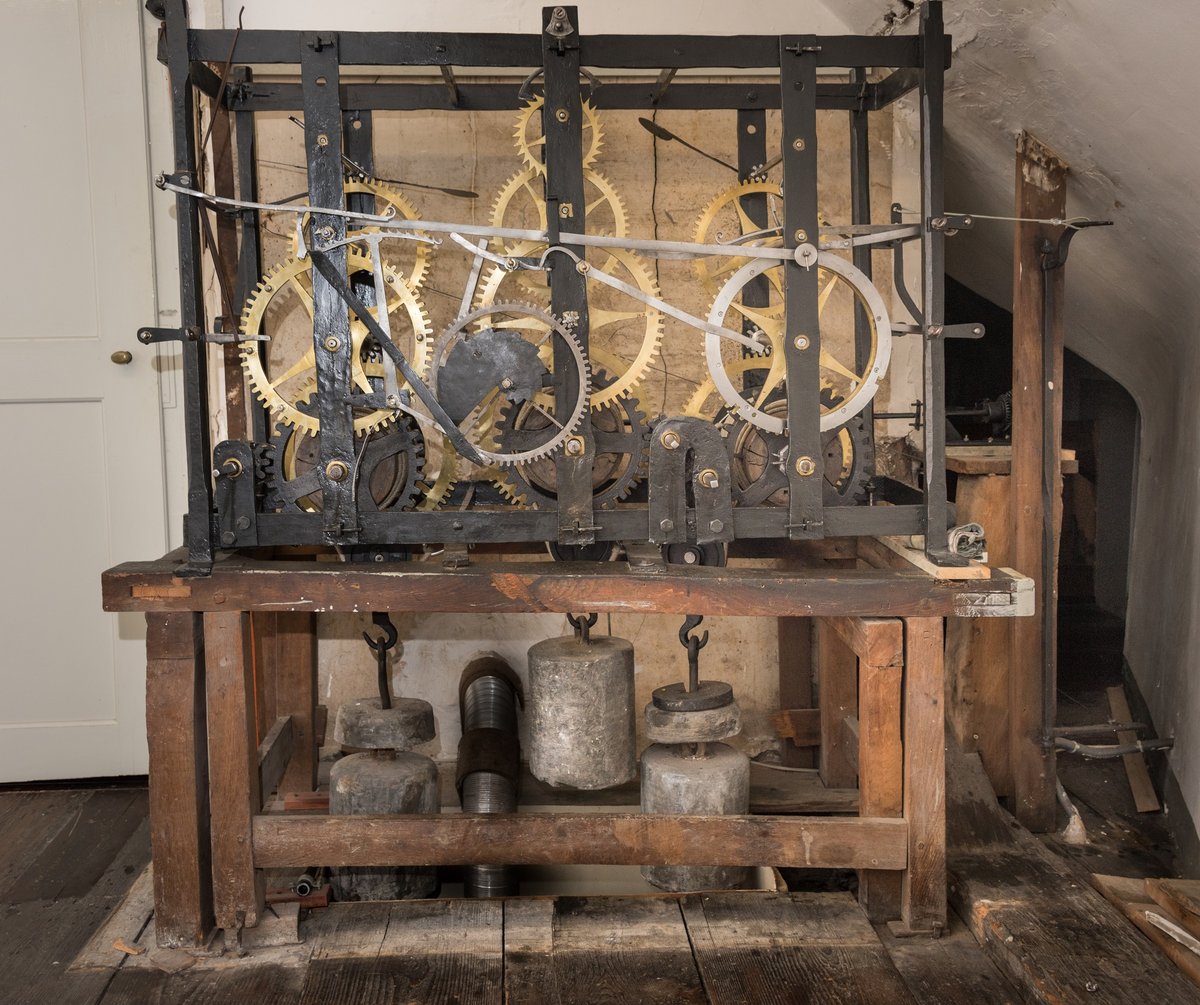
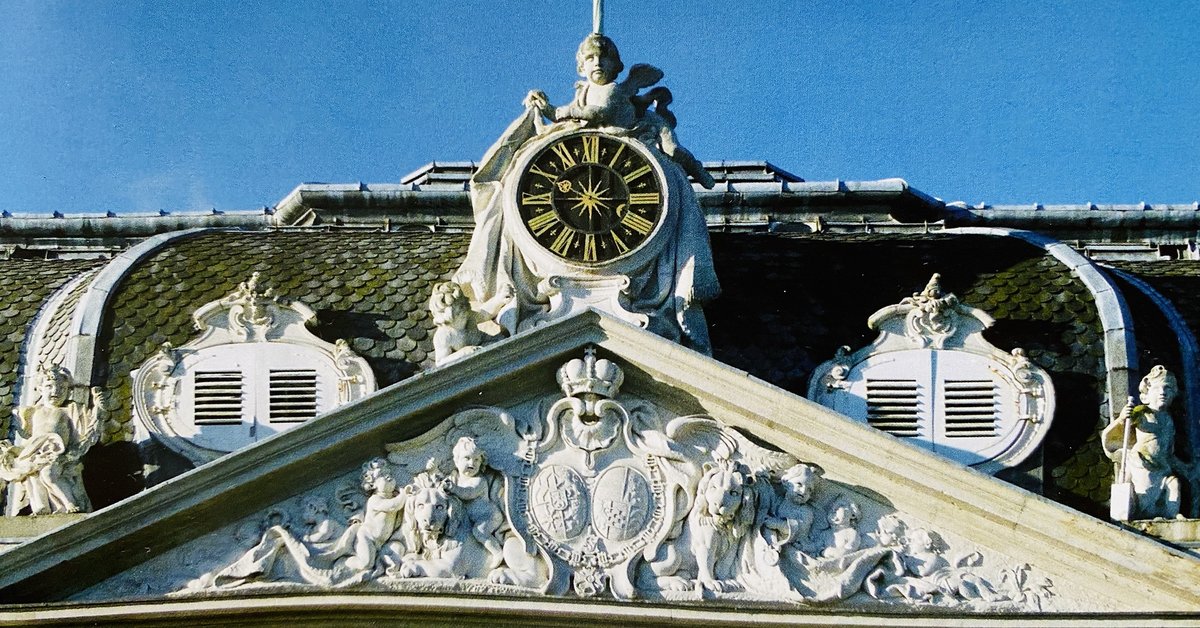
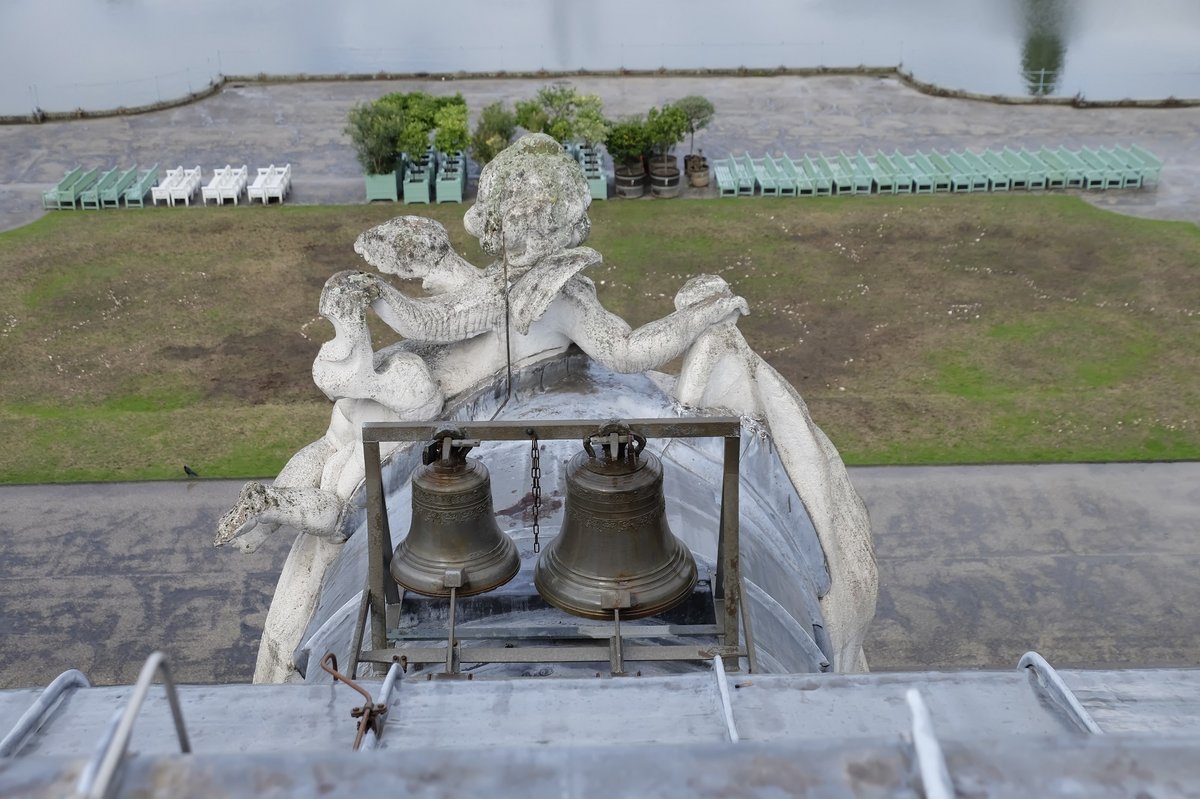
Origins and Construction
Schloss Benrath, located in Düsseldorf, Germany, is a stunning example of Baroque architecture and landscape design. The palace was commissioned by Elector Palatine Charles Theodor and designed by the French architect Nicolas de Pigage. Construction began in 1755 and was completed in 1770. The palace was intended as a hunting lodge and summer residence, reflecting the opulence and grandeur of the era.
The design of Schloss Benrath is a testament to the Rococo style, characterized by elaborate ornamentation, pastel colors, and intricate detailing. The main building, known as the Corps de Logis, is flanked by two symmetrical wings, creating a harmonious and balanced aesthetic. The palace is surrounded by extensive gardens, which were designed to complement the architecture and provide a serene and picturesque setting.
Architectural Significance
Schloss Benrath is renowned for its architectural significance, particularly its embodiment of the transition from Baroque to Rococo styles. The palace's design emphasizes symmetry, proportion, and the integration of architecture with the surrounding landscape. The Corps de Logis features a central domed hall, which serves as the focal point of the building. This hall is adorned with elaborate stucco work, frescoes, and gilded decorations, showcasing the craftsmanship and artistic talent of the period.
The palace's wings, known as the East and West Pavilions, were designed to house the private apartments of the Elector and his family. These pavilions are connected to the main building by colonnaded galleries, which provide a sense of continuity and flow. The interiors of the pavilions are equally lavish, with ornate ceilings, marble fireplaces, and richly decorated rooms.
Historical Events and Usage
Throughout its history, Schloss Benrath has played host to numerous significant events and figures. During the 18th century, the palace was a center of cultural and social life, hosting lavish parties, concerts, and hunting expeditions. Elector Palatine Charles Theodor was known for his patronage of the arts, and Schloss Benrath became a hub for artists, musicians, and intellectuals of the time.
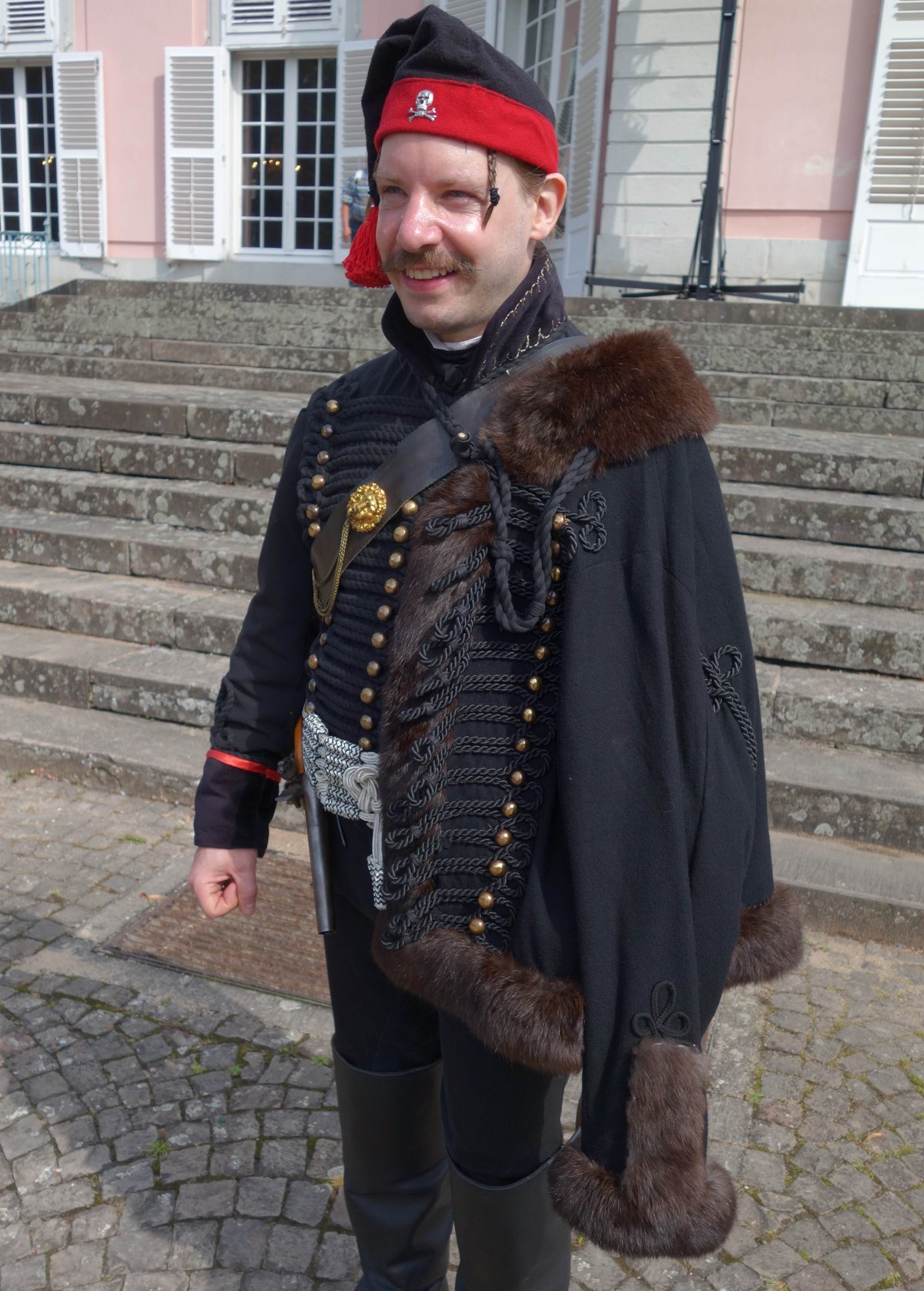
In the 19th century, the palace underwent several changes in ownership and usage. After the dissolution of the Holy Roman Empire in 1806, Schloss Benrath became part of the Kingdom of Prussia. The palace was used for various purposes, including as a military hospital during the Napoleonic Wars and as a residence for Prussian officials.
Preservation and Restoration
The 20th century saw significant efforts to preserve and restore Schloss Benrath to its former glory. During World War II, the palace suffered damage from bombing raids, but extensive restoration work was carried out in the post-war years. Today, Schloss Benrath is a protected cultural monument and a popular tourist attraction.
The restoration efforts have focused on maintaining the historical integrity of the palace and its gardens. This includes the meticulous restoration of the interior decorations, the preservation of original architectural features, and the reconstruction of the gardens based on historical plans and documents. The goal has been to provide visitors with an authentic experience of the palace as it would have appeared in the 18th century.
Modern-Day Significance
Today, Schloss Benrath serves as a museum and cultural center, offering visitors a glimpse into the opulent lifestyle of the 18th-century European aristocracy. The palace houses three museums: the Museum of European Garden Art, the Museum of Natural History, and the Museum of the Corps de Logis. Each museum provides a unique perspective on the history, art, and culture of the period.
The Museum of European Garden Art is particularly noteworthy, as it explores the history and development of garden design in Europe. The museum's exhibits include historical plans, drawings, and models of gardens, as well as a collection of garden-related artifacts. Visitors can also explore the palace gardens, which have been meticulously restored to reflect their original 18th-century design.
The Museum of Natural History focuses on the natural environment of the region, with exhibits on local flora and fauna, geology, and ecology. The museum's collections include specimens of plants, animals, and minerals, providing a comprehensive overview of the natural history of the area.
The Museum of the Corps de Logis offers a detailed look at the architecture and interior design of the palace. Visitors can explore the lavishly decorated rooms, including the central domed hall, the private apartments, and the state rooms. The museum's exhibits include original furniture, paintings, and decorative arts, providing a rich and immersive experience of the palace's history.
Visitor Information
Visiting Hours and Tickets
Schloss Benrath is open to visitors year-round, with varying hours depending on the season. It is advisable to check the official Schloss Benrath website for the most up-to-date visiting hours and ticket prices. Guided tours are available in multiple languages and can be booked in advance.
Travel Tips
When planning your visit to Schloss Benrath, consider using public transportation, as the palace is well-connected by bus and train services from Düsseldorf. The palace grounds are extensive, so comfortable walking shoes are recommended. Photography is allowed in most areas, but be sure to check for any restrictions.
Nearby Attractions
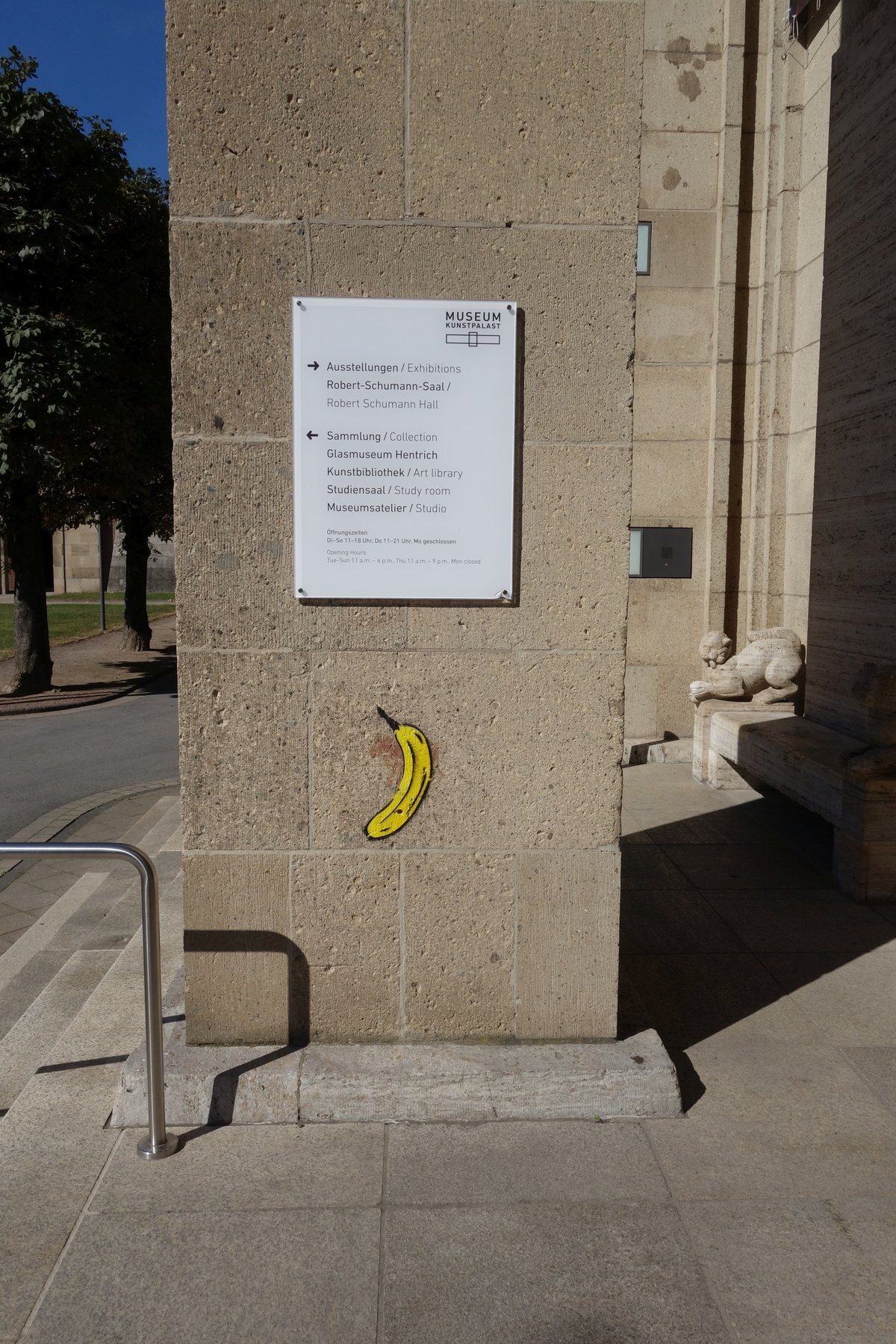
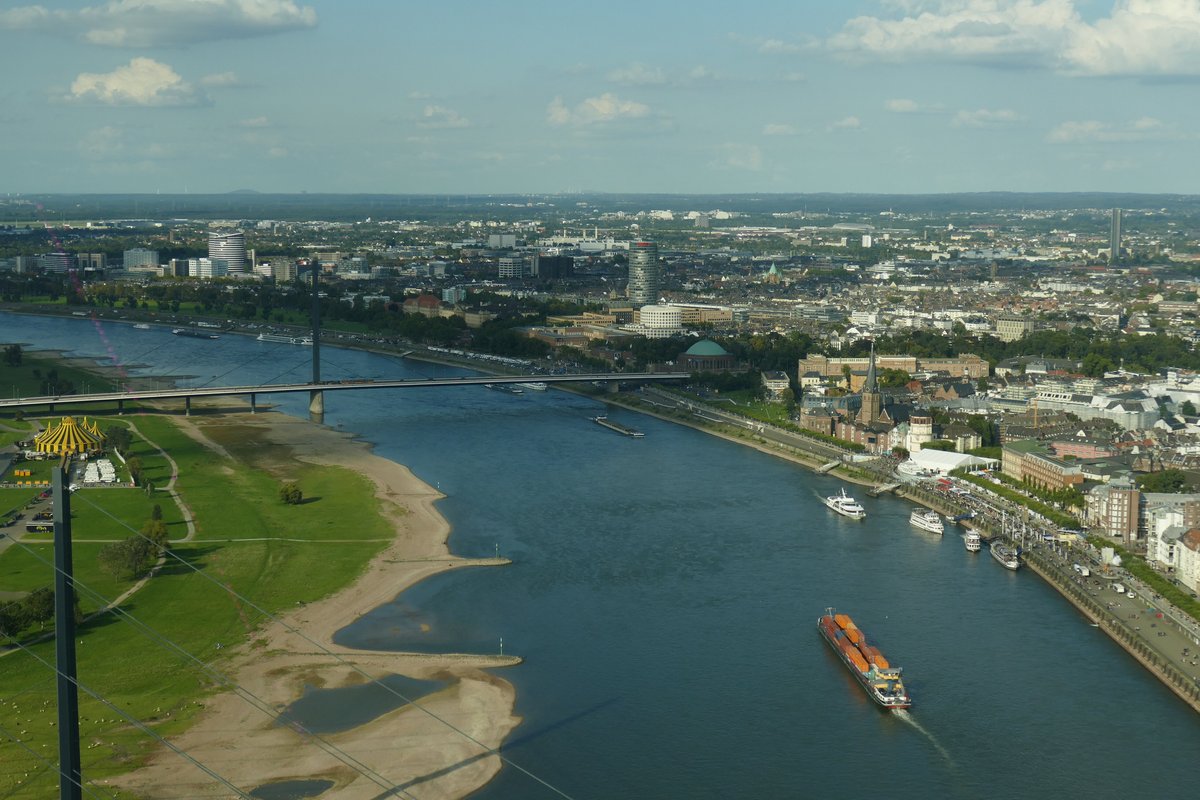
While in Düsseldorf, take the opportunity to visit other historical sites and attractions. Nearby, you'll find the beautiful Rhine River Promenade, the historic Altstadt (Old Town), and the Kunstpalast Museum, which houses an impressive collection of art and artifacts.
Accessibility
Schloss Benrath is committed to providing access to all visitors. The palace and gardens have been made accessible to individuals with mobility impairments, with ramps and accessible pathways available. For more detailed information on accessibility, refer to the official website.
Educational and Recreational Value
Schloss Benrath offers immense educational and recreational value to visitors. The palace and its museums provide a wealth of information on the history, art, and culture of the region, making it an ideal destination for students, researchers, and history enthusiasts. The guided tours and educational programs offered by the palace are designed to enhance visitors' understanding and appreciation of its historical and cultural significance. In addition to its educational value, Schloss Benrath also offers a range of recreational activities, including boat rides on the Grand Canal, picnics in the gardens, and cultural events such as concerts and exhibitions. These activities provide visitors with a unique and enjoyable experience, allowing them to immerse themselves in the beauty and tranquility of the palace and its surroundings.
Visitor Experience
Visiting Schloss Benrath is a memorable experience, offering a unique blend of history, culture, and natural beauty. The palace is open to visitors throughout the year, with guided tours available in multiple languages. The tours provide an in-depth exploration of the palace's history, architecture, and cultural significance, offering valuable insights and fascinating anecdotes. The museums within the palace offer a diverse range of exhibits, catering to different interests and age groups. The gardens and landscape provide a peaceful and scenic environment, perfect for leisurely walks, picnics, and photography. The palace also hosts a variety of cultural events, including concerts, exhibitions, and festivals, adding to the vibrancy and charm of the visitor experience.
FAQ
- What are the visiting hours for Schloss Benrath?
- Schloss Benrath's opening hours vary by season. Please check the official website for the latest information.
- How much are the tickets for Schloss Benrath?
- Ticket prices vary depending on the type of tour or museum visit. Refer to the official website for detailed pricing.
- Are there guided tours available at Schloss Benrath?
- Yes, guided tours are available in multiple languages and can be booked in advance.
- Is Schloss Benrath wheelchair accessible?
- Yes, Schloss Benrath is equipped with ramps, elevators, and accessible restrooms to accommodate wheelchair users.
- How can I get to Schloss Benrath?
- Schloss Benrath is easily accessible by public transport. Regular bus and tram services connect the palace to the city center of Düsseldorf. For visitors traveling by car, ample parking facilities are available near the palace grounds.
Tickets & tours.
These are guided options from our partners — same price as booking direct.
Prices are indicative — final pricing and availability are confirmed at checkout. Audiala may earn a commission from bookings made through these links.
Listen to the full story in the app
The whole Benrath Palace,
told well.
Audio guides for 1,100+ cities across 96 countries. History, stories, and local insight — offline ready.
Verified, and shown.
Researched and written by the Audiala editorial team from historical records, architectural archives, and local expertise.
Researched from Wikidata, Wikipedia & official sources · fact-checked · How we make our guides →