
History of Wolfshügelturm
Origins and Construction
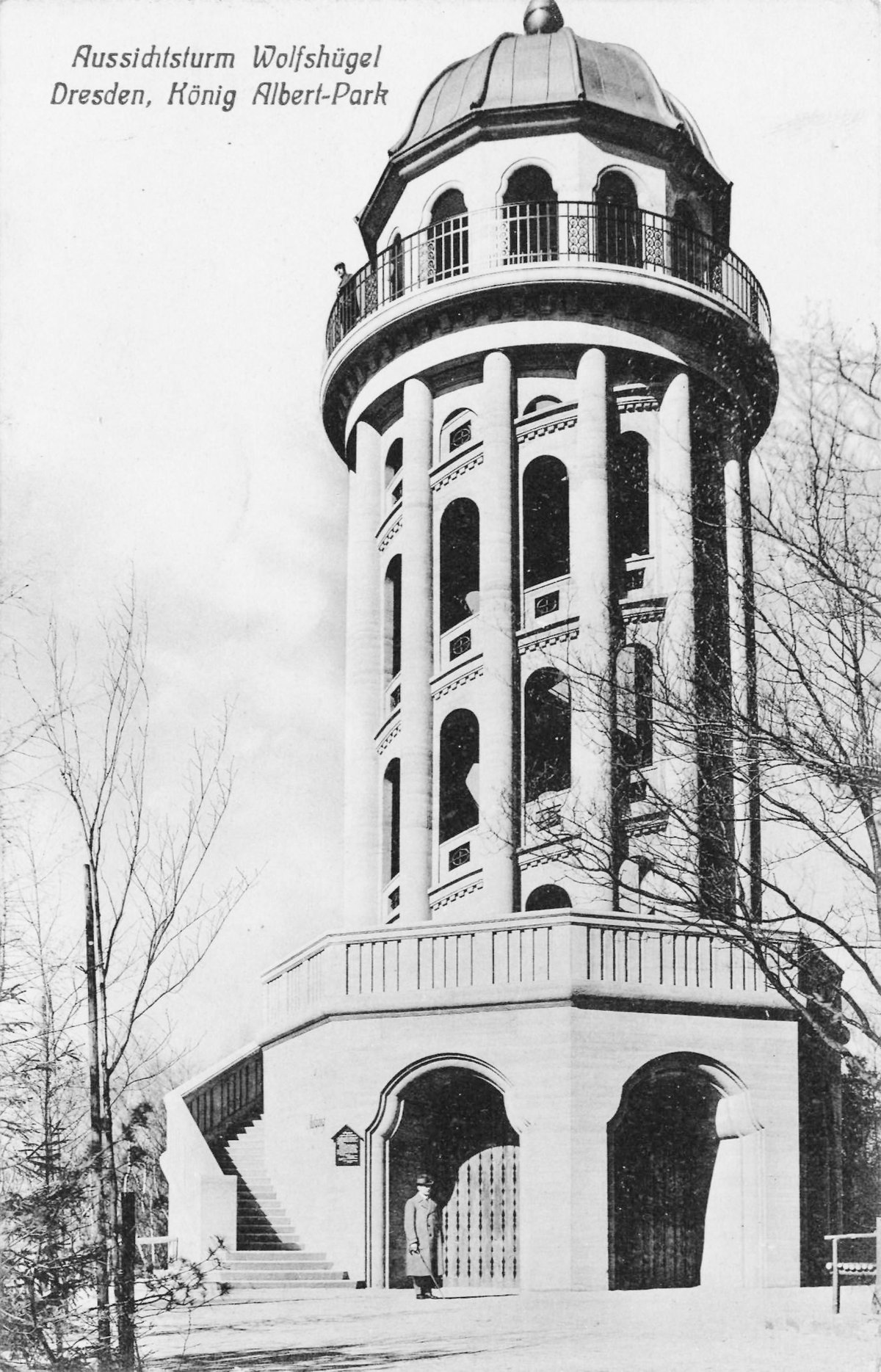
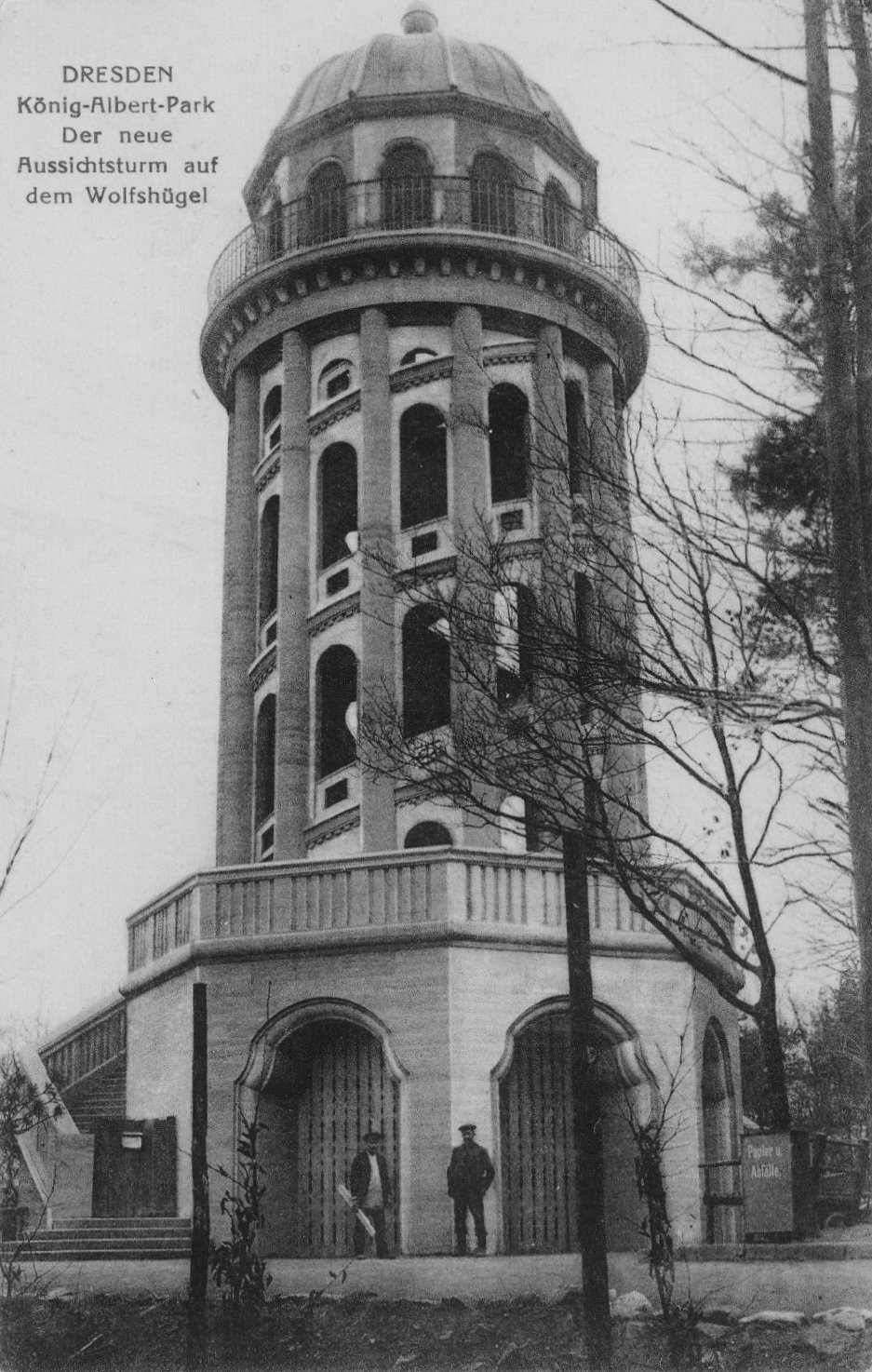
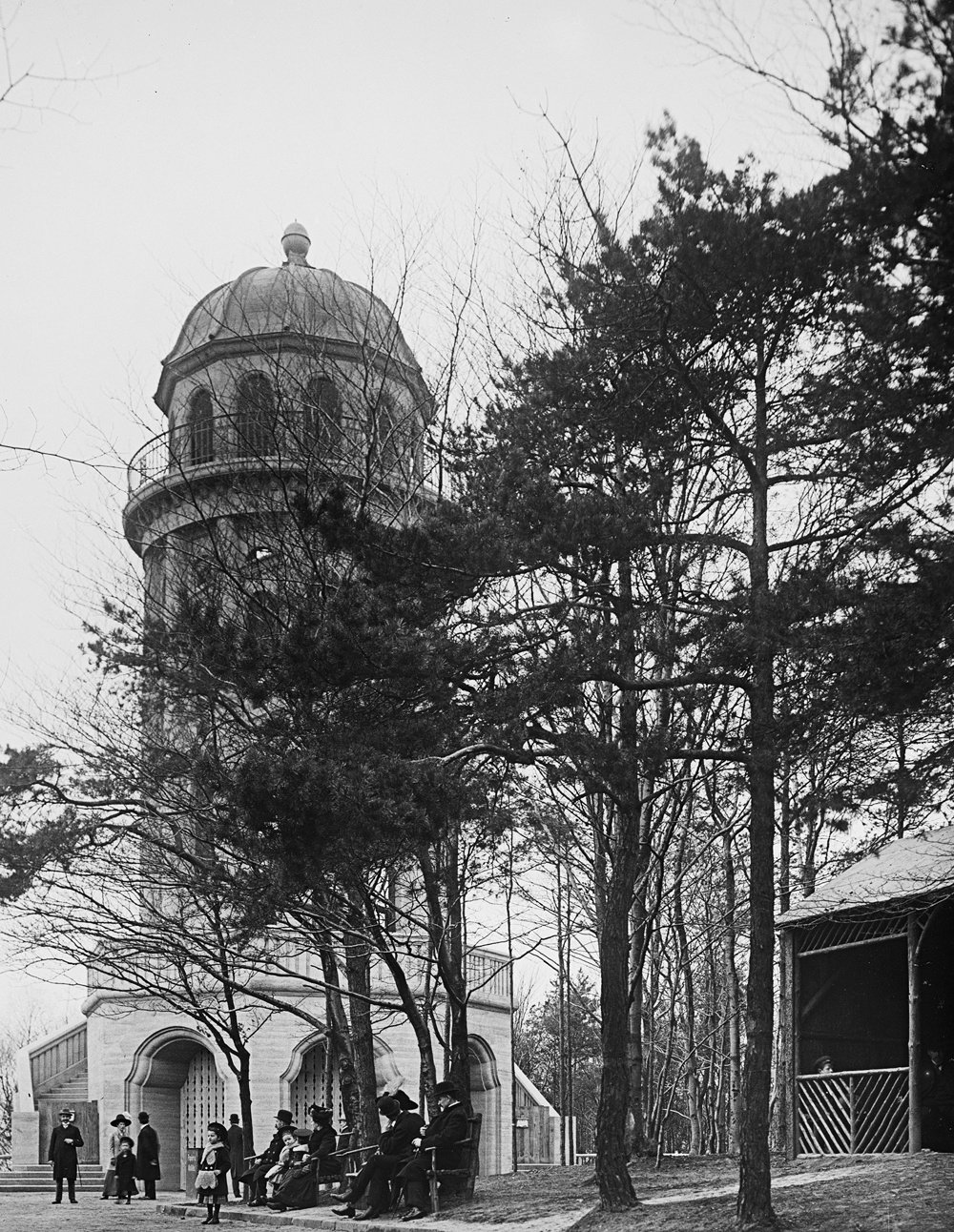
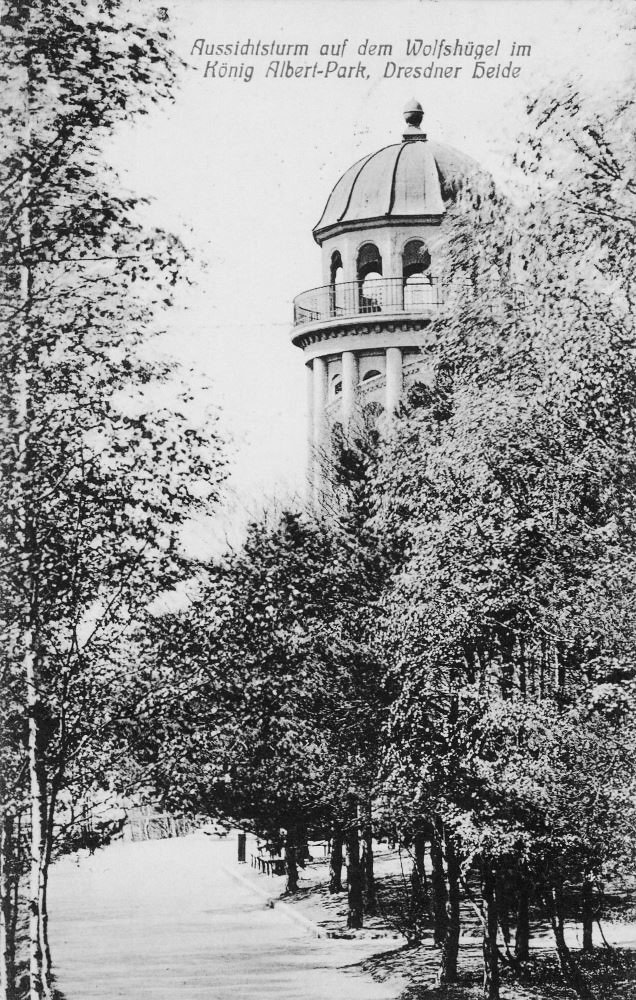
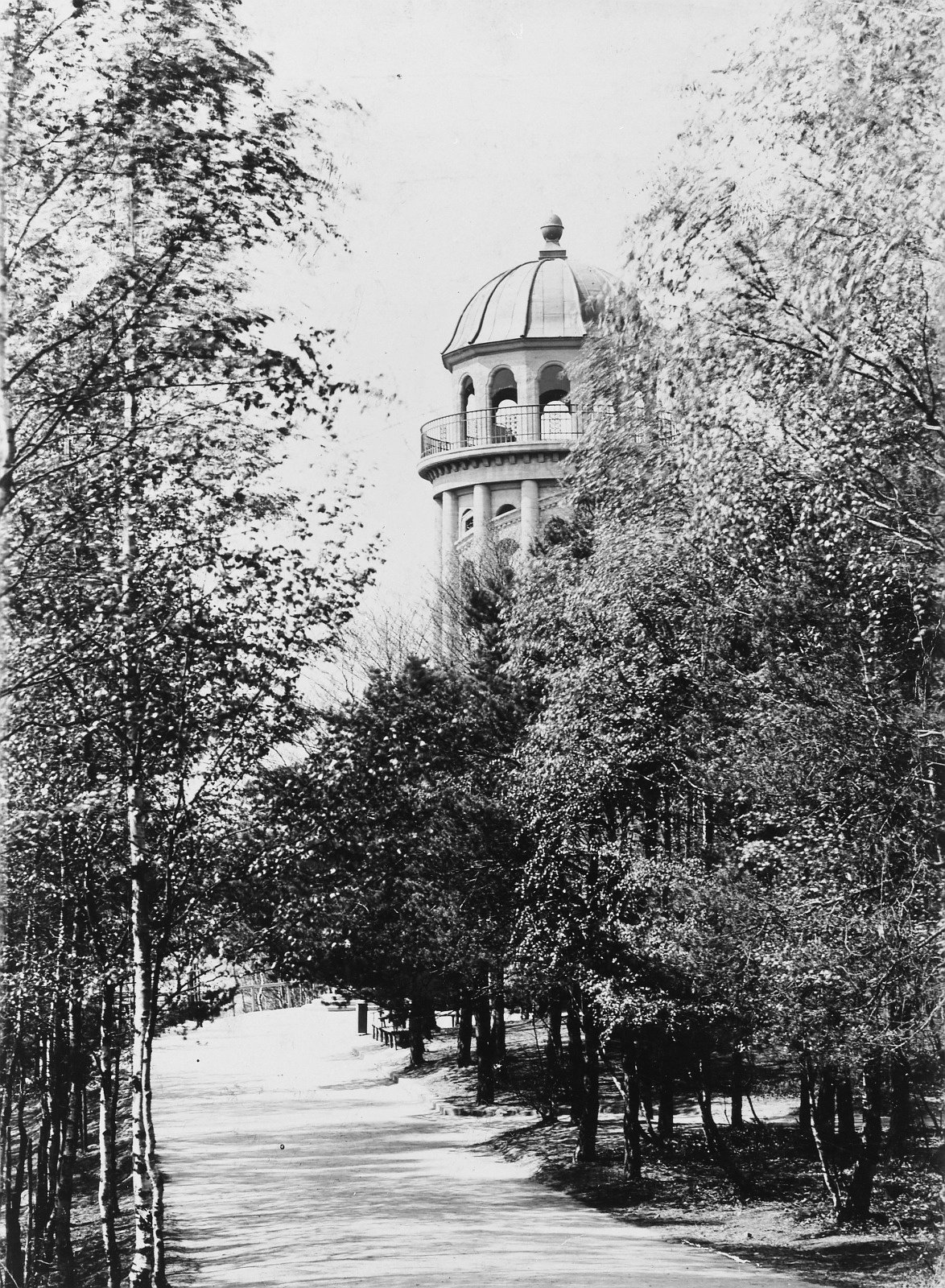
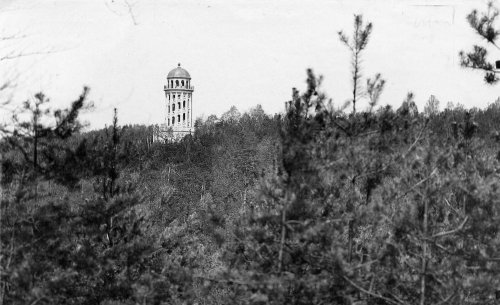
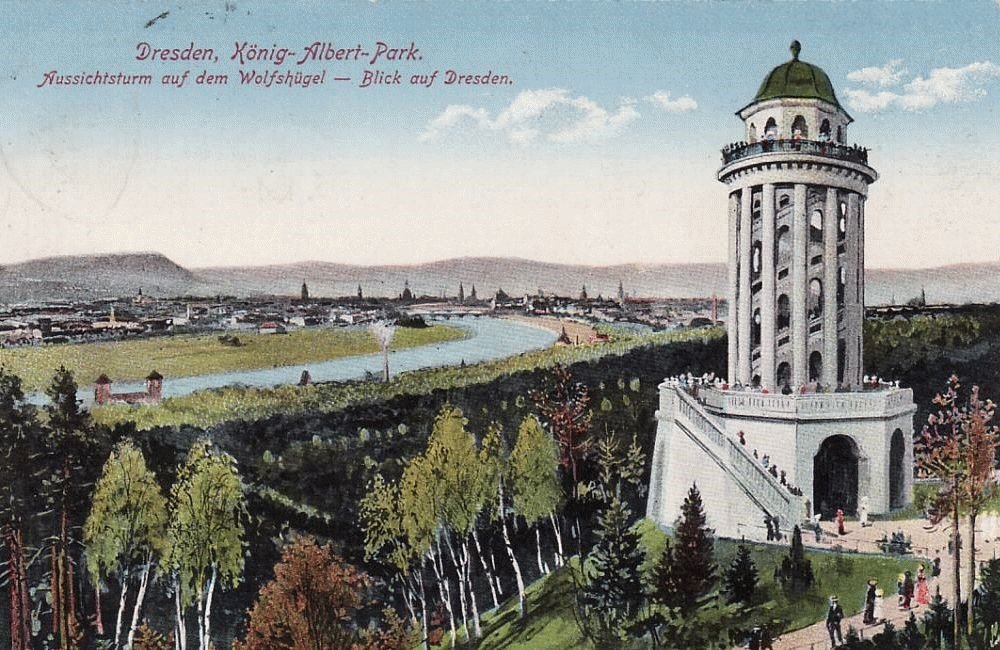
The Wolfshügelturm, a notable landmark in Pirna, Germany, has a rich history dating back to the early 20th century. It was constructed in 1905, during a period when observation towers were popular in Germany for their panoramic views and as symbols of regional pride. The name "Wolfshügelturm" translates to "Wolf's Hill Tower," indicative of its location on a hill historically associated with wolves.
Architectural Design
The architectural design of the Wolfshügelturm reflects the styles prevalent at the time of its construction. The tower is built primarily from local sandstone, a material that is both durable and aesthetically pleasing. The use of sandstone also ties the structure to the natural landscape of the Elbe Sandstone Mountains, a region known for its unique geological formations. The tower stands at a height of approximately 20 meters, providing visitors with expansive views of the surrounding countryside and the town of Pirna.
Historical Significance
The Wolfshügelturm holds significant historical value for the local community. It was constructed as part of a broader movement to promote tourism and local pride in the early 1900s. The tower quickly became a popular destination for both locals and tourists, offering a vantage point to appreciate the natural beauty of the region. During World War II, the tower was used as an observation post, adding to its historical importance.
Preservation Efforts
Over the years, the Wolfshügelturm has undergone several restoration projects to preserve its structural integrity and historical significance. The most recent restoration took place in the early 2000s, funded by both public and private contributions. These efforts have ensured that the tower remains a safe and attractive destination for visitors. The restoration work focused on repairing weather-related damage and reinforcing the tower's foundation to withstand future wear and tear.
Visitor Tips
Getting There
The Wolfshügelturm is easily accessible from the town of Pirna. Visitors can reach the tower by car, bicycle, or on foot. For those driving, there is a small parking area at the base of the hill. Cyclists can take advantage of the well-maintained bike paths that connect Pirna to the surrounding countryside. For those who prefer to walk, a scenic hiking trail leads from the town center to the tower, offering an enjoyable way to experience the natural beauty of the area.
Best Time to Visit
The best time to visit the Wolfshügelturm is during the spring and summer months, from April to September. During this period, the weather is generally mild and pleasant, making it ideal for outdoor activities. The tower is open to visitors year-round, but it is advisable to check the local weather forecast before planning a visit, especially during the winter months when the trail can be slippery and challenging to navigate.
What to Bring
Visitors are encouraged to bring comfortable walking shoes, especially if they plan to hike to the tower. A camera is also recommended to capture the stunning views from the top of the tower. Additionally, bringing a bottle of water and some snacks can make the visit more enjoyable, particularly for those who plan to spend an extended period exploring the area.
Significance
Cultural Importance
The Wolfshügelturm is more than just an observation tower; it is a cultural landmark that embodies the history and heritage of Pirna. The tower is a symbol of the town's connection to its natural surroundings and its historical roots.
Educational Value
The tower offers educational value for visitors interested in learning about the region's history and geology. Informational plaques and guided tours provide insights into the construction of the tower, its historical uses, and the natural features of the Elbe Sandstone Mountains.
Recreational Opportunities
In addition to its historical and cultural significance, the Wolfshügelturm provides numerous recreational opportunities. The surrounding area is ideal for hiking, cycling, and picnicking. The tower itself is a popular spot for birdwatching, as the elevated position offers a unique vantage point to observe local wildlife.
Everything Tourists Need to Know
Accessibility
The Wolfshügelturm is accessible to visitors of all ages, but it is important to note that the hike to the tower can be moderately challenging. The trail is well-maintained, but it includes some steep sections that may be difficult for those with limited mobility. For visitors who are unable to hike, the tower can be reached by car, with a short walk from the parking area to the base of the tower.
Nearby Attractions
Visitors to the Wolfshügelturm can also explore other nearby attractions in Pirna. The historic old town, with its well-preserved medieval architecture, is a must-see. Notable sites include the Church of St. Mary and the Canaletto-Haus, which offers insights into the life and work of the famous painter Bernardo Bellotto, also known as Canaletto. The Elbe Cycle Route and the Saxon Wine Route are also popular options for those looking to explore the region further.
Local Amenities
Pirna offers a range of amenities to make your visit to the Wolfshügelturm comfortable and enjoyable. There are several restaurants and cafes in the town center where visitors can enjoy local cuisine. Accommodation options range from charming guesthouses to modern hotels, catering to a variety of preferences and budgets. The local tourist information center, located in the Canaletto-Haus, provides maps, brochures, and additional information to help visitors plan their stay.
Safety Tips
While visiting the Wolfshügelturm, it is important to follow basic safety guidelines. Visitors should stay on marked trails and avoid venturing off-path, especially in areas with steep or uneven terrain. It is also advisable to carry a mobile phone in case of emergencies. During the summer months, wearing sunscreen and a hat can help protect against sunburn, while in the winter, dressing in layers and wearing appropriate footwear can help prevent cold-related issues.
Practical Information
Visiting Hours
The Wolfshügelturm is open daily from 9:00 AM to 6:00 PM. However, hours may vary seasonally, so it is recommended to check the official website or contact the local tourist information center for the most up-to-date information.
Ticket Prices
Admission to the Wolfshügelturm is free. Donations are appreciated to help with ongoing preservation efforts.
Special Events and Guided Tours
Throughout the year, the Wolfshügelturm hosts various events such as historical reenactments, nature walks, and photography workshops. Guided tours are also available by appointment, offering deeper insights into the history and significance of the tower.
Photographic Spots
The top of the tower offers the best photographic opportunities, with sweeping views of the Elbe Sandstone Mountains and the town of Pirna. For the best lighting, visit during the early morning or late afternoon.
FAQ
- What are the visiting hours for Wolfshügelturm?
- The tower is open daily from 9:00 AM to 6:00 PM, but hours may vary seasonally.
- How much do tickets to Wolfshügelturm cost?
- Admission is free, with donations appreciated for preservation efforts.
- What are the best times to visit Wolfshügelturm?
- The best times to visit are during the spring and summer months, from April to September, when the weather is mild and pleasant.