Plan and listen to Staatsschauspiel Dresden with Audiala.
Audio guide in your pocket, itinerary in your browser. Built for the way you actually visit.
Introduction: Staatsschauspiel Dresden and Its Cultural Significance
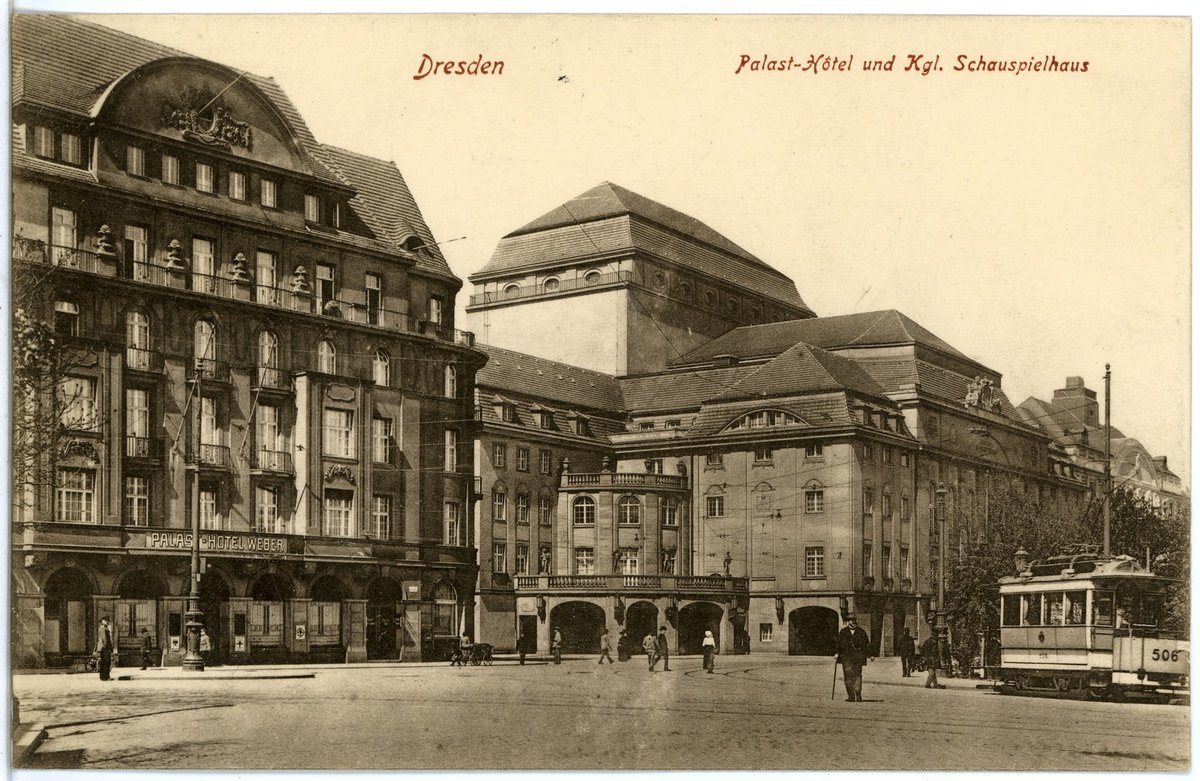
Located in the heart of Dresden, Germany, Staatsschauspiel Dresden is a cornerstone of the city’s rich cultural landscape. As one of Germany’s leading state theaters, it seamlessly merges over a century of dramatic tradition with innovative contemporary productions. Its roots, dating back to the early 20th century and the legacy of the Königliches Hoftheater, reflect Dresden’s resilience, especially through periods of war, reconstruction, and cultural renewal (Wikipedia).
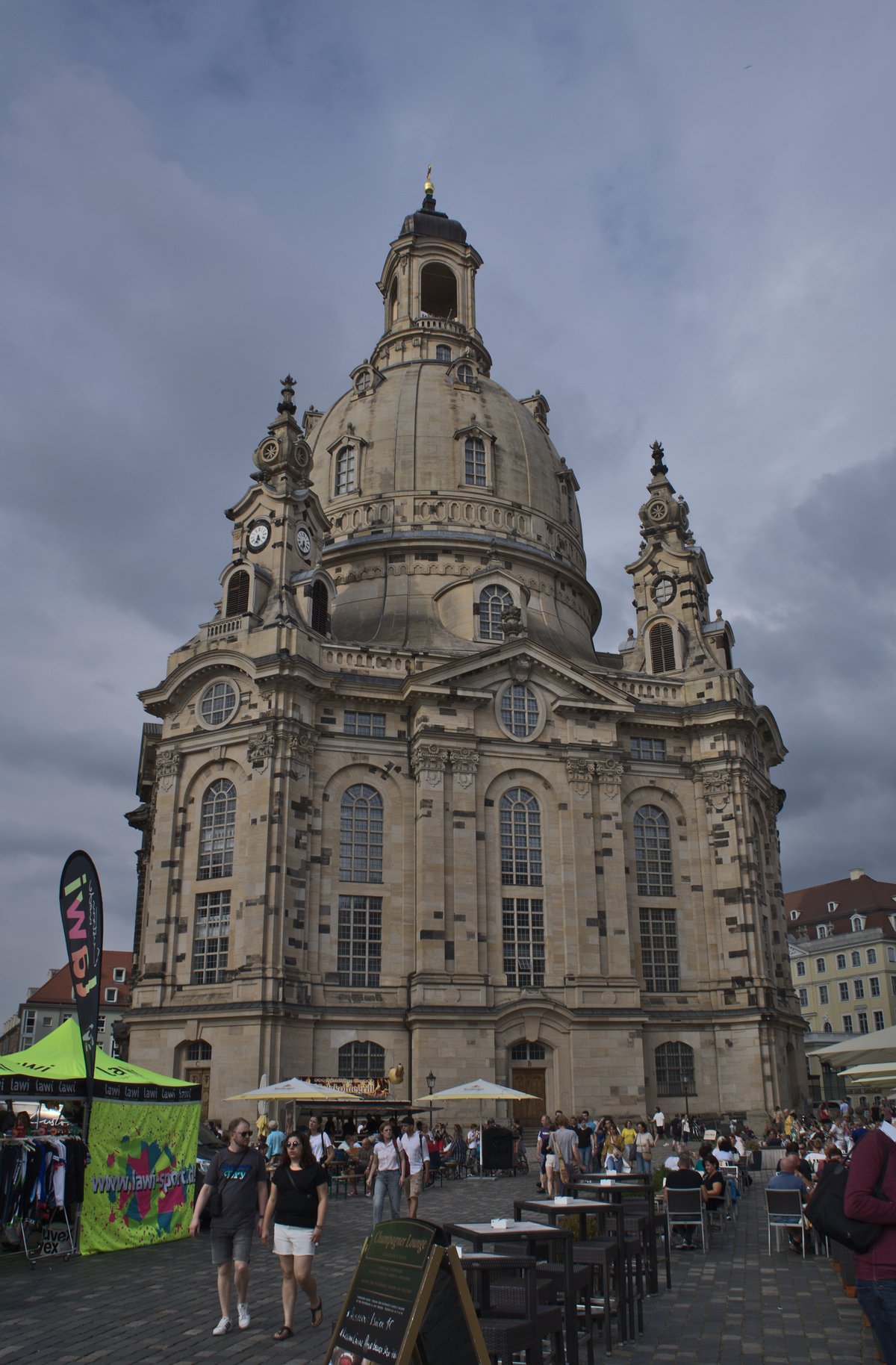
The theater’s two main venues—the grand Schauspielhaus and the more intimate Kleines Haus—offer a broad spectrum of performances. Through initiatives like the Bürgerbühne, which invites local citizens to participate onstage, Staatsschauspiel Dresden maintains a dynamic connection with its community and visitors. Its central location places it within walking distance of Dresden’s famed architectural treasures, such as the Zwinger Palace, Semperoper, and Frauenkirche (Sachsen Tourismus; Dresden Central).
This guide provides everything you need to know—from ticketing and visiting hours to accessibility and travel tips—to help you make the most of your visit and explore Dresden’s broader historical offerings.

History & Heritage: From Royal Court Theatre to Modern Landmark
Foundations and Early Years
Staatsschauspiel Dresden traces its origins to the early 20th century, established in 1909 through the civic efforts of Dresden’s burgeoning bourgeoisie. With influential figures like Otto Beutler and Georg Arnhold leading the charge, the theater was built to embody the city’s cultural aspirations (Wikipedia).
Evolution Through Change
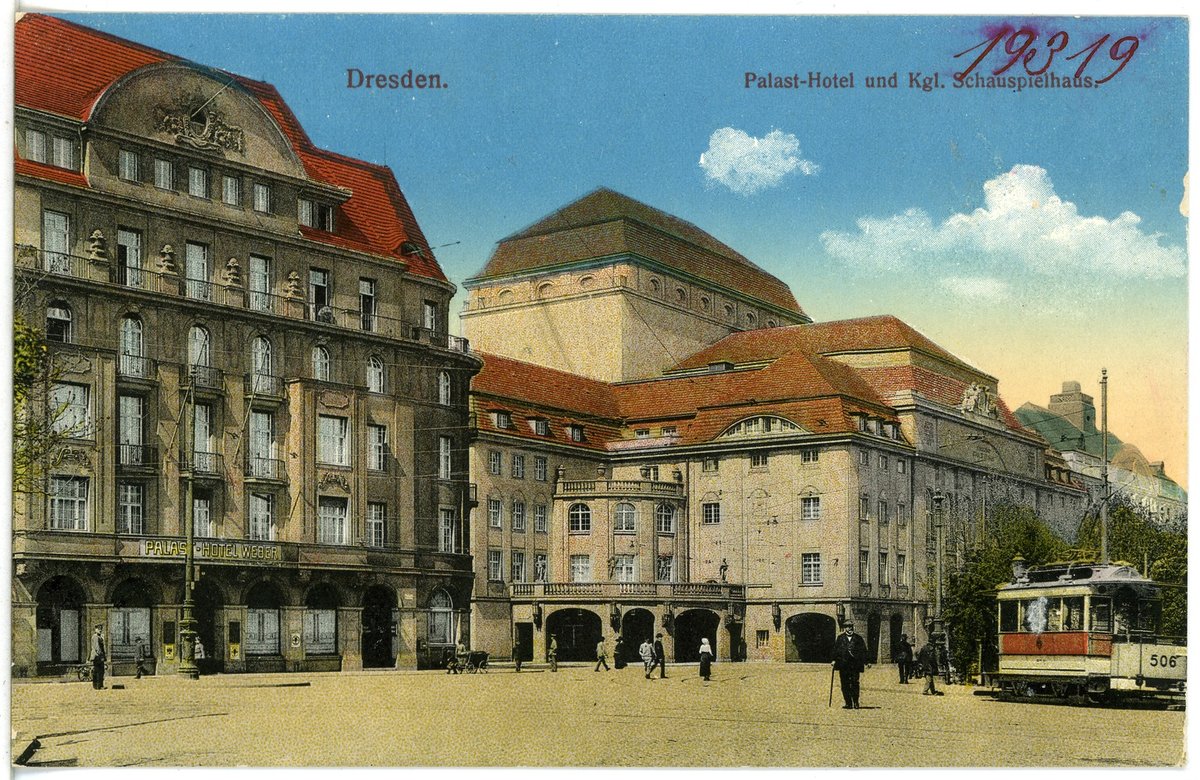
Evolving from the Königliches Hoftheater, the institution has undergone several transformations—becoming the Sächsisches Landestheater, then the Staatstheater Dresden, and finally adopting its current name in 1983. Each era reflects broader shifts in Dresden’s artistic and political life, with the theater continually adapting to new challenges and opportunities.
War, Reconstruction, and Renewal
The devastation of WWII left the theater in ruins, but it was among the first in Germany to be rebuilt and reopen, symbolizing the city’s cultural rebirth. Throughout the GDR period, Staatsschauspiel Dresden remained a vital center for artistic expression, balancing state oversight with creative autonomy. Continuous renovations have ensured its facilities remain world-class, blending historical architecture with modern amenities.
Visiting Staatsschauspiel Dresden: Essential Information
Venues and Location
- Schauspielhaus: Theaterstraße 2, 01067 Dresden (Altstadt/Old Town)
- Kleines Haus: Glacisstraße 28, 01099 Dresden (Neustadt)
- Both venues are centrally located and easily accessible by public transport. The Schauspielhaus is close to major historical sites, making it ideal for combining theater visits with sightseeing (Kulturkalender Dresden).
Visiting Hours and Box Office
- Schauspielhaus Box Office:
Monday–Friday: 10:00–18:30
Saturday: 10:00–14:00 - Kleines Haus Box Office:
Monday–Friday: 14:00–18:30 - Evening Box Offices: Open one hour before showtime; advance sales are limited during this period.
- Performance Times: Typically evenings (19:00 or 19:30), with weekend matinees and special events.
Ticketing and Reservations
- Online: Official website ticket shop
- Phone: +49 351 49 13-555
- Email: [email protected]
- In Person: At both venues’ box offices
- Prices: Standard tickets range from €15–€45; reduced rates for students, seniors, and people with disabilities. Group and school bookings available.
- Subscriptions: Multiple packages for frequent visitors offer savings and exclusive perks (Staatsschauspiel Dresden – Abonnement).
- Public Transport: Theater tickets double as free local public transport passes (VVO network, 4 hours before until 8 hours after the show) (Staatsschauspiel Dresden Ticket Info).
Accessibility
Both venues are fully accessible, offering:
- Wheelchair spaces
- Accessible restrooms
- Assistive listening devices
- Advance arrangements for additional support (Sachsen Tourismus)
Programming: Performances, Festivals, and Community Initiatives
Repertoire and Artistic Focus
Staatsschauspiel Dresden presents a vibrant mix of classic and contemporary drama, staging around 25 premieres each season. The repertoire includes German and international classics, innovative new works, and experimental theater. The 2025 season features highlights like “Macbeth,” “Ein Sommernachtstraum,” and “Dantons Tod” (Staatsschauspiel Dresden – Spielplan).
Bürgerbühne and Community Engagement
The Bürgerbühne (“citizens’ stage”), based at the Kleines Haus, involves Dresden residents directly in the creative process, fostering inclusivity and social dialogue. This groundbreaking initiative has inspired similar projects across Germany and beyond (Sachsen Tourismus).
Special Events and Festivals
Annual highlights include the Dresdner Reden (Dresden Speeches), featuring prominent speakers, and the “Fast Forward” festival for emerging European theater-makers (Dresdner Reden 2025).
Guided Tours and Educational Programs
Backstage tours and educational workshops are offered throughout the year, providing insights into the theater’s history and operations (Dresden.de). Advance booking is recommended.
Architectural Highlights
Schauspielhaus
Built between 1911 and 1913 in Neo-Baroque and Art Nouveau style, the Schauspielhaus is an architectural landmark. Its striking façade, elegant auditorium, and state-of-the-art technical facilities combine history with modern comfort (Wikipedia; Musik Dresden).
Kleines Haus
The Kleines Haus offers a contrasting contemporary atmosphere, ideal for experimental and participatory theater. Its design encourages close interaction between performers and audience (Dresden Central).
Visitor Experience and Practical Tips
- Dress Code: Smart casual for regular performances; some opt for formal attire at premieres.
- Arrive Early: At least 30 minutes before showtime for ticket collection and seating.
- Refreshments: Foyer bars at both venues offer drinks and snacks pre-show and during intermissions.
- Language: Most performances are in German; select shows may have English surtitles or program notes.
- Photography: Not permitted during performances.
- Family-Friendly Shows: Age recommendations are provided in the program.
Exploring Dresden: Nearby Historical Sites
Enhance your theater visit with a tour of Dresden’s iconic landmarks, all within walking distance of the Schauspielhaus:
- Zwinger Palace: Baroque museum complex directly opposite the theater (Germany Footsteps)
- Semperoper: The world-renowned Dresden opera house
- Frauenkirche: Symbol of Dresden’s post-war rebirth
- Dresden Castle (Residenzschloss): Home to the Green Vault and art collections
- Brühl’s Terrace: Riverside promenade with stunning city views
For sightseeing tips and discounts, consider the Dresden Welcome Card for free public transport and attraction deals (The Travel Folk).
Frequently Asked Questions (FAQ)
Q: What are the box office hours?
A: Schauspielhaus: Monday–Friday 10:00–18:30, Saturday 10:00–14:00; Kleines Haus: Monday–Friday 14:00–18:30.
Q: How do I buy tickets?
A: Online via the official website, by phone, email, or at the box offices.
Q: Are there accessible facilities?
A: Yes, both venues offer wheelchair spaces, accessible restrooms, and assistive devices.
Q: Can I use my theater ticket on public transport?
A: Yes, it serves as a free pass on the VVO network (4 hours before to 8 hours after your show).
Q: Is there English-language support?
A: Some productions offer English surtitles or notes; check the program or contact the theater in advance.
Q: Can I combine my visit with sightseeing?
A: Absolutely. The theater’s central location makes it easy to visit Dresden’s most important historical sites.
Listen to the full story in the app
The whole Staatsschauspiel Dresden,
told well.
Audio guides for 1,100+ cities across 96 countries. History, stories, and local insight — offline ready.
Verified, and shown.
Researched and written by the Audiala editorial team from historical records, architectural archives, and local expertise.
Researched from Wikidata, Wikipedia & official sources · fact-checked · How we make our guides →