Plan and listen to Leipziger Bahnhof with Audiala.
Audio guide in your pocket, itinerary in your browser. Built for the way you actually visit.
Introduction
Leipziger Bahnhof Dresden is a landmark of profound historical, architectural, and cultural significance. Established in 1839 as the terminus of Germany's first long-distance railway line connecting Leipzig and Dresden, this site reflects both pioneering achievements in German transportation and the evolving urban and social landscape of Dresden (Wikiwand; Dresden.de). Beyond its railway legacy, the site also serves as a place of remembrance for its role during the Nazi era, and is currently the focus of ambitious urban redevelopment aimed at blending heritage preservation with modern, sustainable city planning (Dresden.de; Pieschen Aktuell).
This guide offers a detailed overview of Leipziger Bahnhof's history, practical visitor information, travel tips, and highlights nearby Dresden attractions, ensuring you make the most of your visit to this multifaceted site.
Early Foundations and the Birth of German Railways
Leipziger Bahnhof was established as the terminus of Germany’s first long-distance railway. Construction began in 1837, and the station officially opened on April 7, 1839, symbolizing a new era for German transportation. The choice of location in Dresden-Neustadt, while initially controversial, provided favorable topography for railway operation. The Saxon royal family attended the opening, emphasizing the station's importance in national infrastructure (Wikiwand; David Adam).
Architectural Expansion and Development
The original station quickly became insufficient as railway traffic increased. In 1847, a new reception building was constructed, followed by auxiliary buildings such as machine houses, goods sheds, and customs facilities. Between 1852 and 1857, a significant expansion was completed, highlighted by King Johann’s ceremonial departure in 1857. Further additions in the late 19th century included locomotive sheds and workshops, reflecting the growing operational needs (Wikiwand).
Integration into Saxon State Railways
On January 1, 1876, the station was incorporated into the Saxon State Railways, allowing through-train operations and maintaining its status as a key node in Dresden’s rail network (Wikiwand; Wikipedia).
Transition to Freight and 20th-Century History
By the late 19th century, with further expansion of Dresden’s rail network, the station ceased passenger services (the last passenger train departed on March 1, 1901) and became a freight yard, a function it maintains today (Wikiwand). The station also played a somber role during the Nazi era, serving as a deportation point for Saxon Jews, a history now commemorated with memorial events and installations (David Adam; Dresden.de).
Current Location, Layout, and Structures
Leipziger Bahnhof was originally situated between Großenhainer and Leipziger Straße, with the railway facilities extending northeast. Today, much of the historic site has been demolished or repurposed, but elements like the reception complex and some locomotive sheds remained until recent redevelopment (Wikiwand). The 27-hectare site is now one of Dresden’s largest inner-city brownfields, poised for transformation (lenakotonski.de).
Visiting Leipziger Bahnhof Today
Hours and Access
Leipziger Bahnhof is not a functioning passenger station but rather an open urban area. There are no official visiting hours or entry fees. The site is accessible to the public for exploration, remembrance, and occasional cultural events. Always check local event calendars for special openings or guided tours (Pieschen Aktuell).
Accessibility
- The area is accessible via tram, bus, and on foot from Dresden-Neustadt station (about a 10-minute walk).
- Some paths may be uneven or under construction due to redevelopment, so visitors with mobility needs should check current conditions.
Nearby Attractions
- Dresden-Neustadt station: A major rail hub nearby.
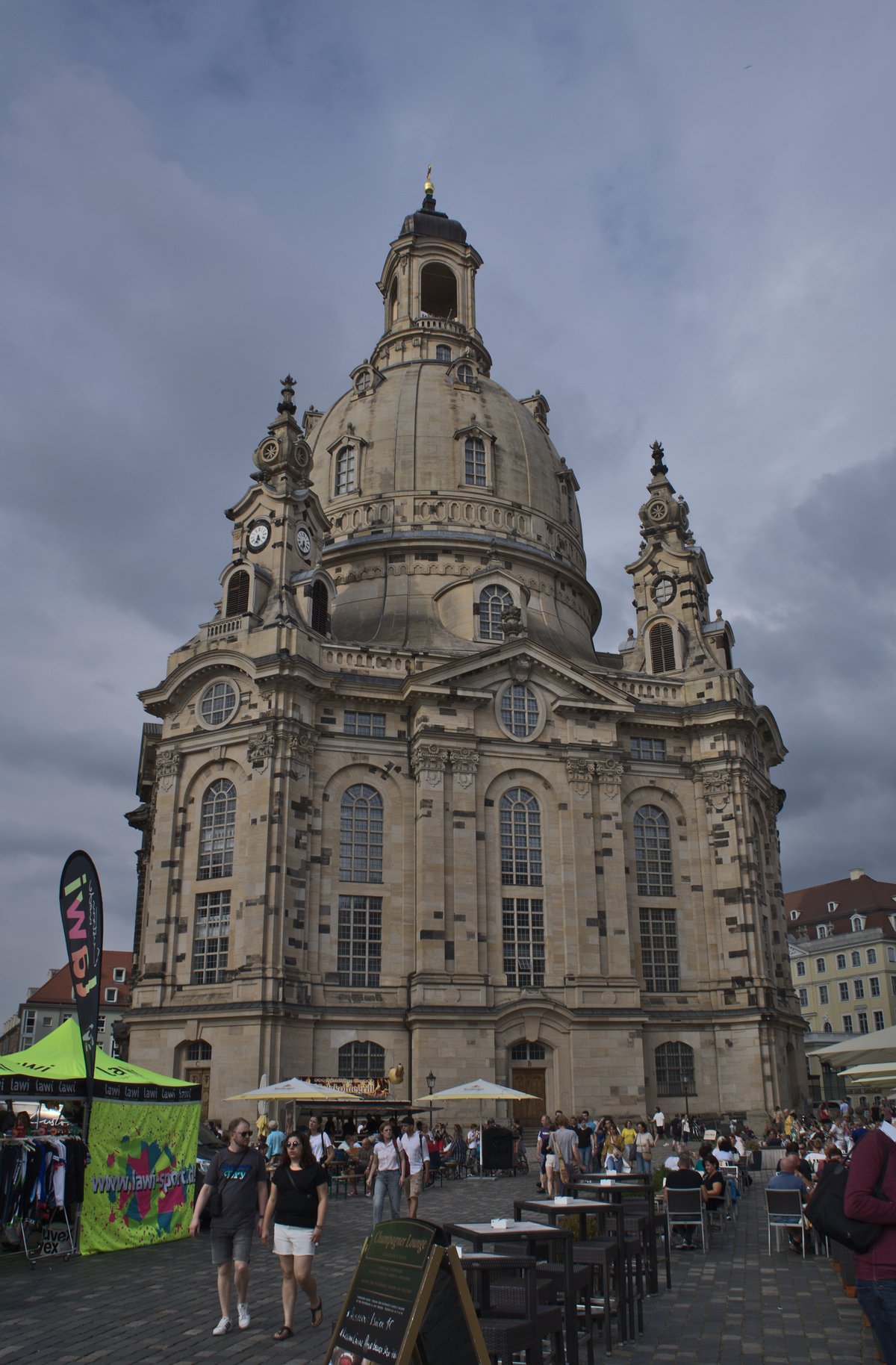
- Altstadt (Old Town): Home to the Frauenkirche, Zwinger Palace, and Semperoper, easily reached by tram.
- Kunsthofpassage: An artistic courtyard complex in Neustadt (Ecobnb).
- Elbe River Promenade: A scenic area for walking and cycling.
Special Events and Guided Tours
- Memorial events, especially on January 21, commemorate the deportations during the Nazi era (Dresden.de).
- Occasional guided tours and exhibitions are organized by local cultural groups and remembrance societies.
Urban Redevelopment and Community Engagement
Since the end of freight operations, Leipziger Bahnhof has become a site for cultural initiatives and alternative living projects. The City of Dresden's master plan (approved in May 2024) envisions a green, inclusive urban district with a mix of housing, parkland, a market hall, and direct Elbe access (Dresden.de). The area’s transformation is ongoing, with active negotiations around property use and community involvement (Sächsische Zeitung; Pieschen Aktuell).
Legacy and Relevance
Leipziger Bahnhof is central to Dresden's remembrance culture and a symbol of the city's commitment to combining heritage preservation with modern urban development. The planned Gedenk-, Bildungs- und Begegnungsort (remembrance, education, and meeting place) will further anchor the site's historical importance (Dresden.de; DNN).
Visitor FAQs
What are the visiting hours?
There are no formal opening or closing times; the site is accessible during daylight hours.
Is there an entry fee?
No, visiting the site is free.
Are guided tours available?
Guided tours are occasionally offered for special events; check local listings.
Is the site accessible for wheelchair users?
Parts of the site may not be fully accessible due to uneven terrain and redevelopment; verify current access locally.
How do I get there by public transport?
Take a tram or bus to Dresden-Neustadt station, then walk about 10 minutes to the site.
Are there facilities on site?
There are currently no public restrooms, cafés, or visitor centers on the site.
Final Tips and Recommendations
- Combine your visit with nearby attractions in Neustadt or Altstadt.
- Attend the annual memorial event on January 21 for a meaningful experience.
- Respect the site's historical significance—especially during commemorative events.
- Stay updated on redevelopment and public events via the City of Dresden’s official website.
Listen to the full story in the app
The whole Leipziger Bahnhof,
told well.
Audio guides for 1,100+ cities across 96 countries. History, stories, and local insight — offline ready.

Verified, and shown.
Researched and written by the Audiala editorial team from historical records, architectural archives, and local expertise.
Researched from Wikidata, Wikipedia & official sources · fact-checked · How we make our guides →