Plan and listen to Landhaus with Audiala.
Audio guide in your pocket, itinerary in your browser. Built for the way you actually visit.
Introduction
Nestled in the heart of Dresden’s Altstadt, the Landhaus Dresden is a striking symbol of the city’s rich Baroque heritage and enduring spirit. Originally constructed between 1770 and 1776 under architect Friedrich August Krubsacius, this late Baroque masterpiece served as the seat of the Saxon Landtag and a central administrative hub. Over the centuries, it has witnessed pivotal moments in Dresden’s political and civic evolution, survived wartime destruction, and been meticulously restored to serve as the home of the Dresden City Museum since 1986.
Today, the Landhaus is not only a cherished architectural monument but also a vibrant cultural institution. Its exhibitions chronicle more than 800 years of Dresden’s history, making it an essential destination for anyone seeking to understand the city’s unique character. Its central location—just steps from the Frauenkirche, Zwinger Palace, and Residenzschloss—makes it an ideal starting point for exploring Dresden’s wealth of historical sites (Stadtmuseum Dresden website, Eupedia, Visit Dresden Elbland).
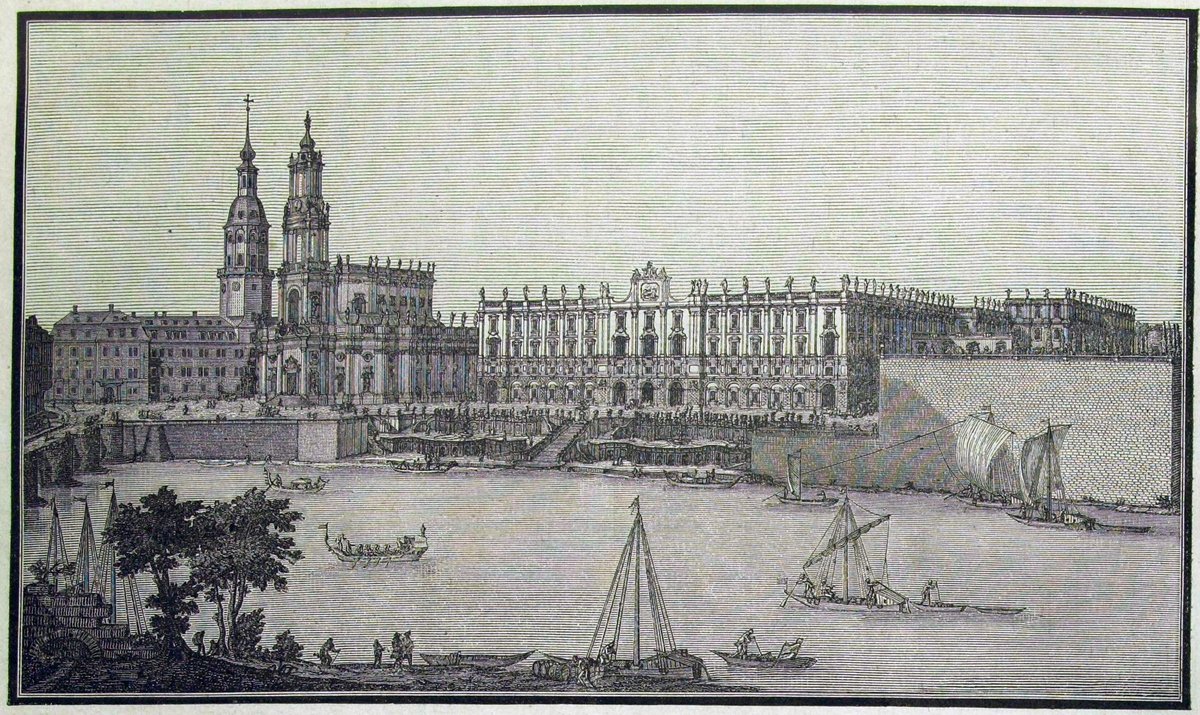
The Landhaus Dresden is a quintessential example of late Baroque architecture, harmoniously blended with Rococo and early Neoclassical elements. Designed by Friedrich August Krubsacius, the building’s symmetrical façade, grand staircase, and ornate stucco work reflect the transition from Baroque exuberance to Neoclassical restraint. Its construction was part of an 18th-century urban modernization initiative, symbolizing Dresden’s status as the capital of Saxony and serving as a proud civic landmark (Eupedia).
The Landhaus’s innovative features—such as spacious assembly halls and advanced ventilation—were considered cutting-edge in their era. Its central position in the Altstadt placed it at the heart of Dresden’s administrative and cultural life.


Political and Civic Heritage
For much of its early history, the Landhaus was the epicenter of Saxony’s political life. It hosted sessions of the Landtag and key political debates, and was integral to the city’s shift towards constitutional governance in the 19th century. The building’s role during the revolutionary period of 1848 and its continued use for public gatherings underscored its significance in the civic consciousness of Dresden’s citizens (Stadtmuseum Dresden).
Wartime Destruction and Restoration
Like much of central Dresden, the Landhaus suffered severe damage during the Allied bombings of February 1945. Despite the devastation, restoration efforts begun in the 1950s and 1960s succeeded in preserving its historic façade and reconstructing key interior spaces. The process was informed by surviving architectural plans and photographs, and was completed with careful attention to historical accuracy while adapting the building for modern museum use (Visit Dresden Elbland).
Transformation into the Dresden City Museum
With administrative functions relocated, the Landhaus began a new chapter as the Dresden City Museum (Stadtmuseum Dresden) in 1986. Its transformation into a museum preserved the building’s architectural grandeur while making it accessible to the public as a repository of Dresden’s collective memory.
The museum’s permanent exhibition occupies several halls and features over 1,000 artifacts, including medieval relics, artworks, documents, and multimedia installations. These exhibits trace Dresden’s evolution from its medieval roots through periods of artistic flourishing, wartime destruction, and postwar revival (Stadtmuseum Dresden).
Visiting Information
Opening Hours
- Tuesday to Sunday: 10:00 AM – 6:00 PM
- Fridays: Extended hours until 7:00 PM
- Closed: Mondays, 24 & 25 December, 31 December
- New Year’s Day (1 January): Open from 1:00 PM – 6:00 PM
Check the official website for updates or special closures.
Tickets and Booking
- Standard admission: Approximately €8 for adults
- Reduced admission: Around €5 for students, seniors, and eligible visitors
- Free admission: Fridays from 12:00 onward (except public holidays), children under 7, and Dresden-Pass holders
- Family and group tickets: Available at the ticket desk
- Online booking: Tickets are typically purchased on-site, but some museums offer online or print-at-home options
Accessibility
- Fully wheelchair accessible with ramps and elevators
- Accessible restrooms and barrier-free main entrance
- Free audio guides and headphones in multiple languages
- Assistance animals permitted
Getting There
- Address: Wilsdruffer Straße 2, 01067 Dresden (main entrance on Landhausstraße)
- Public transport: Nearest tram and bus stop at Pirnaischer Platz; parking is limited, so public transit is recommended
Exhibitions and Visitor Experience
Permanent Exhibition: 800 Years of Dresden
The museum’s core exhibition, “800 Jahre Dresden – Geschichte(n) von den Anfängen bis zur Gegenwart,” immerses visitors in the city’s journey from its medieval beginnings to present day. Over 1,000 artifacts, city models, and multimedia stations provide a vivid narrative of Dresden’s development, covering themes like:
- Medieval trade and cultural growth
- The Baroque golden age
- Industrialization and urban expansion
- Wartime destruction and postwar rebuilding
- The GDR era and peaceful revolution
- Modern cultural renaissance
Special Exhibitions
The Landhaus hosts rotating exhibitions on topics such as local art, photography, and partnerships with other European cities. Highlights for 2025 include retrospectives on Dresden artists, explorations of literary connections, and commemorations of the 1945 air raids (Museum Exhibition Program).
Städtische Galerie Dresden
Located within the Landhaus, the Städtische Galerie Dresden showcases modern and contemporary art, featuring works from 1900 to the present and highlighting the city’s vibrant creative scene.
Facilities
- Audio guides: Free and available in several languages
- Museum shop: Books, souvenirs, and local crafts
- Café and garden: Open during events for refreshments and relaxation
- Cloakroom and lockers: Available for visitor use
- Free Wi-Fi: Throughout the building
Nearby Attractions
The Landhaus’s central location allows easy access to many of Dresden’s top sights:
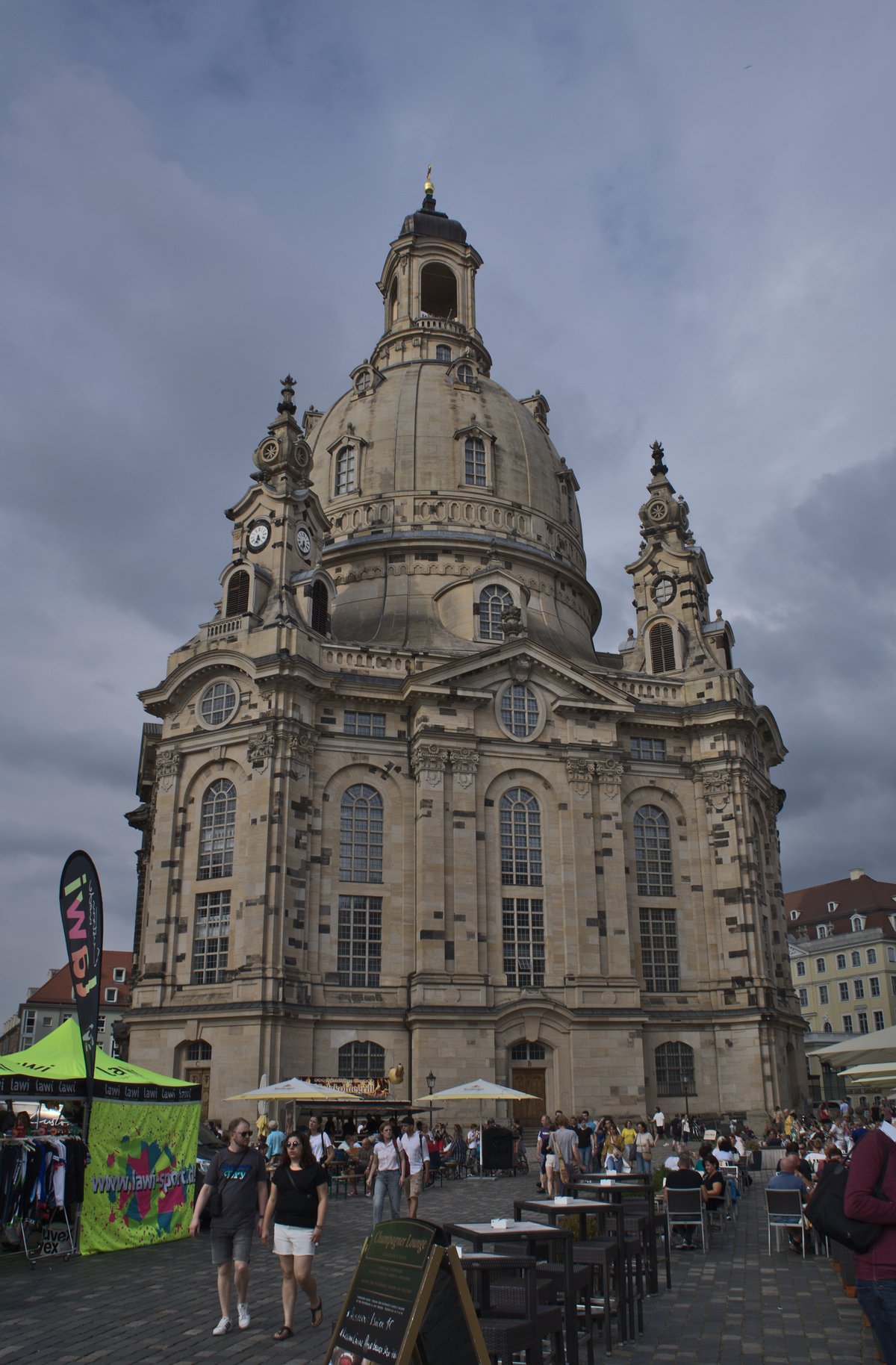
- Frauenkirche: Rebuilt Baroque church and city icon
- Zwinger Palace: Renowned for its art collections and gardens
- Residenzschloss: Former royal palace with multiple museums
- Semperoper: Historic opera house
- Albertinum, Altmarkt, Kreuzkirche, Brühl’s Terrace: All within walking distance
For a full cultural experience, combine your museum visit with a stroll through the Altstadt or along the Elbe.
Events and Educational Programs
The Landhaus Dresden is a hub for cultural engagement, offering:
- Guided tours: In German and English, for individuals and groups
- Workshops and family days: Hands-on activities for children and adults
- Lectures and concerts: Hosted in the historic ballroom
- Museum Night: Annual event with live music, performances, and activities in the garden
- Educational resources: Thematic tours and workshops tailored to school groups and families
Check the museum’s event program for current offerings.
Frequently Asked Questions (FAQ)
Q: What are the Landhaus Dresden opening hours?
A: Tuesday to Sunday, 10:00 AM – 6:00 PM (Fridays until 7:00 PM), closed Mondays.
Q: How much are tickets?
A: Standard admission is about €8; reduced rates are available; free entry on Fridays after 12:00 (except holidays).
Q: Are guided tours available?
A: Yes, in German and English. Booking in advance is recommended.
Q: Is the museum wheelchair accessible?
A: Yes, the Landhaus is fully accessible.
Q: Can I take photos inside?
A: Non-flash photography is allowed for personal use. Restrictions may apply for special exhibitions.
Q: Are there family-friendly activities?
A: Yes, interactive exhibits, workshops, and family days are regularly offered.
Listen to the full story in the app
The whole Landhaus,
told well.
Audio guides for 1,100+ cities across 96 countries. History, stories, and local insight — offline ready.
Verified, and shown.
Researched and written by the Audiala editorial team from historical records, architectural archives, and local expertise.
Researched from Wikidata, Wikipedia & official sources · fact-checked · How we make our guides →