Plan and listen to Kurländer Palais with Audiala.
Audio guide in your pocket, itinerary in your browser. Built for the way you actually visit.
Introduction
Nestled in the heart of Dresden’s historic Altstadt, the Kurländer Palais is a testament to Saxony’s architectural and cultural heritage. As Dresden’s first true Rococo building, the palace embodies centuries of artistic evolution and resilience, from its Enlightenment-era beginnings to its postwar reconstruction and vibrant modern revival. Today, it welcomes visitors to explore stunning interiors, lush courtyards, and a dynamic program of cultural events, making it a must-see for history enthusiasts, architecture admirers, and travelers alike (Wikipedia; Stadtwiki Dresden; archiv.neumarkt-dresden.de; kurlaender-palais.com; dresden.de).
This comprehensive guide provides everything you need for a memorable visit: historical background, architectural highlights, practical information about visiting hours and tickets, accessibility details, and tips on nearby attractions.


Early Origins and Rococo Genesis
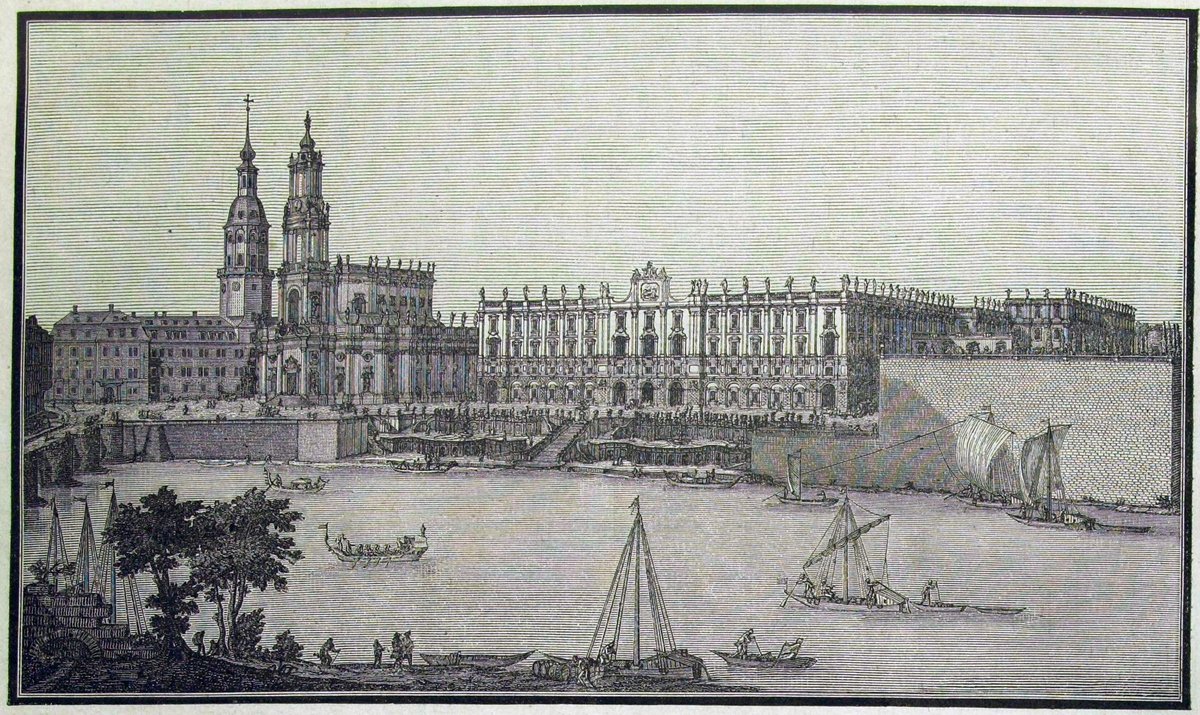
The Kurländer Palais’s story begins with a residence on this site dating back to 1575. Its transformation into a grand city palace occurred in 1718, when Count August Christoph von Wackerbarth commissioned Johann Christoph Knöffel to design a new building in the emerging Baroque style. Knöffel’s work, completed in 1728–1729, introduced innovative, asymmetrical spatial arrangements and a restrained façade—qualities that set the standard for Dresden’s Rococo architecture (Wikipedia; Stadtwiki Dresden).
Enlightenment-Era Center
In the 18th century, the palace was a hub for courtly life and Enlightenment salons, notably hosting the “Gesellschaft von Nüchternheitsgegnern,” a convivial club founded by Augustus the Strong. The palace’s cellars were sites of memorable gatherings and socializing, reflecting the period’s spirit (archiv.neumarkt-dresden.de).
The Kurland Connection
In 1773, Prince Karl of Saxony, former Duke of Courland, acquired the palace, lending it its current name. Under his ownership, the palace’s interiors were elegantly remodeled, solidifying its reputation as Dresden’s most beautiful residence. After his death, the palace passed into royal hands and functioned as a royal residence, with its cellars serving the court as wine and spirits storage until the late 19th century (Wikipedia).
Medical and Military Uses
Throughout the 19th century, the Kurländer Palais adapted to new functions, including its use as a military hospital during the Napoleonic Wars and as the site of the Royal Surgical-Medical Academy from 1845. These roles contributed to Saxony’s medical history, with figures such as Karl May among its notable patients (Factsheet Kurländer Palais).
War Destruction and Survival
The palace was severely damaged during the Allied bombing of Dresden in 1945. For decades, its ruins stood as a poignant memorial to wartime losses and the importance of heritage preservation. Efforts by preservationists ultimately saved the structure from demolition, and its postwar survival symbolized Dresden’s architectural resilience (archiv.neumarkt-dresden.de).
Restoration and Modern Revival
Comprehensive restoration between 2006 and 2008, led by contemporary architects and historical experts, revived the palace’s Rococo splendor. The restored building now serves as a venue for concerts, exhibitions, and private functions, including the renowned Jazzclub Tonne (kurlaender-palais.com; dresden.de).
Architectural Significance
Design and Features
The Kurländer Palais features a two-story central section flanked by three-story wings—an asymmetrical layout dictated by the city’s historic fortifications. The façade is characterized by Knöffel’s signature pilaster style, horizontal divisions, and subtle decorative elements. Inside, innovative spatial arrangements prioritize comfort and function, with richly decorated halls, stucco ceilings, and period parquet floors (Wikiwand).
Restoration Challenges
The restoration relied on historical plans, surviving architectural elements, and comparative studies of buildings like Schloss Zabeltitz. Modern requirements for safety and event use were seamlessly integrated, ensuring both authenticity and functionality (Wikiwand).
Visiting Hours, Tickets, and Accessibility
Opening Hours
- Monday–Sunday: 10:00 AM – 6:00 PM (for events and guided tours)
- Closed: Major public holidays and certain private events
Note: Public access is generally during scheduled events or guided tours. Always confirm on the official website before visiting.
Ticket Information
- General Entry (event or tour): €8–€15
- Concerts/Exhibitions: €15–€40 (depending on program)
- Students/Seniors: Reduced rates available
- Children under 12: Free (unless otherwise stated)
- Group Tours: By appointment, special rates apply
Advance booking is strongly recommended, especially during peak seasons and for popular concerts.
Accessibility
- Fully wheelchair accessible (ramps and elevators)
- Accessible restrooms available
- Assistance for visitors with special needs upon request
Events, Guided Tours, and Cultural Programs
- Guided Tours: Available in German and English; provide access to key architectural features and historical insights. Advance booking required.
- Jazzclub Tonne: Located in the palace’s vaulted cellars; hosts regular jazz concerts and is a highlight of Dresden’s cultural calendar.
- Art Exhibitions & Concerts: Diverse programming includes classical music, contemporary art, and special festivals.
- Private Events: The palace is a favored venue for weddings, galas, and corporate functions, offering historic ambiance and modern amenities.
For current schedules and ticketing, consult the official website.
Location, Arrival, and Nearby Attractions
Address
Kurländer Palais
Tzschirnerplatz 3–5
01067 Dresden
Getting There
- Tram: Lines 1, 2, 4; stops at “Altmarkt” or “Pirnaischer Platz” (both <10 min walk)
- Parking: Public garages at “Q-Park Frauenkirche” and “Parkhaus Altmarkt”
- On Foot: Frauenkirche, Zwinger, Brühl’s Terrace, and Dresden Castle are all within walking distance
Nearby Attractions
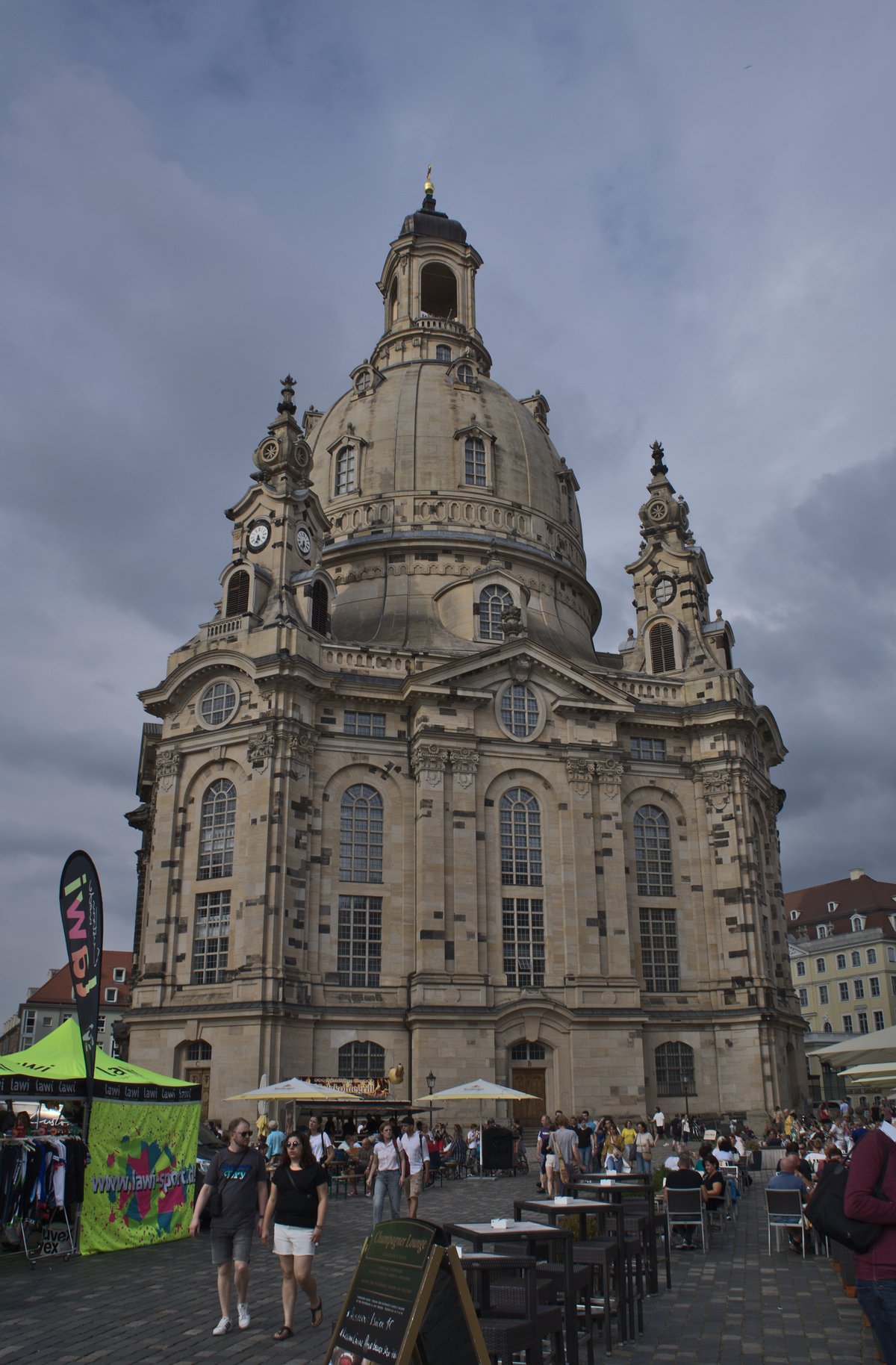
- Frauenkirche: Dresden’s iconic Baroque church
- Zwinger Palace: Masterpiece of Baroque architecture and museum complex
- Brühl’s Terrace: Scenic promenade overlooking the Elbe
- Albertinum: Renowned art museum
Practical Visitor Tips
- Reservations: Book tickets online in advance, especially for events.
- Dress Code: Smart casual recommended for concerts and formal events.
- Photography: Permitted in public spaces (no flash/tripods); may be restricted during performances.
- Amenities: Café/bar during events, cloakroom, free Wi-Fi in main areas.
- Language: Guided tours and signage available in German and English.
Frequently Asked Questions (FAQ)
Q: What are the palace’s visiting hours?
A: Access is event-based; check the official website for current schedules.
Q: How do I buy tickets?
A: Purchase via the official website or at the venue (subject to availability).
Q: Is the palace wheelchair accessible?
A: Yes, all public areas are accessible.
Q: Are there English-language tours?
A: Yes, but availability varies; check in advance.
Q: Can I take photos?
A: Non-flash photography is generally permitted in public spaces.
Q: Are dining options available?
A: Café/bar operates during most events; numerous restaurants are nearby.
Visual Gallery


Listen to the full story in the app
The whole Kurländer Palais,
told well.
Audio guides for 1,100+ cities across 96 countries. History, stories, and local insight — offline ready.
Verified, and shown.
Researched and written by the Audiala editorial team from historical records, architectural archives, and local expertise.
Researched from Wikidata, Wikipedia & official sources · fact-checked · How we make our guides →