Plan and listen to Kupferstich-Kabinett Dresden with Audiala.
Audio guide in your pocket, itinerary in your browser. Built for the way you actually visit.
Introduction
Located in the heart of Dresden’s historic Residenzschloss, the Kupferstich-Kabinett Dresden stands as one of the world’s leading museums dedicated exclusively to works on paper. Founded in 1720 by Augustus the Strong, it is the oldest institution of its kind in the German-speaking world and houses an outstanding collection of over 515,000 works by more than 20,000 artists. Masterpieces by Old Masters such as Albrecht Dürer, Rembrandt, and Michelangelo are displayed alongside pivotal works by Romantic, modern, and contemporary artists including Caspar David Friedrich, Pablo Picasso, Gerhard Richter, and Wolfgang Tillmans. The museum’s holdings also extend to significant graphic art from Asia, highlighting its global cultural reach.
As a core member of the Staatliche Kunstsammlungen Dresden (SKD), a consortium of fifteen museums, the Kupferstich-Kabinett plays a pivotal role in preserving and promoting the heritage of graphic arts. This guide presents essential information on visiting hours, ticketing, accessibility, travel tips, historical context, collection highlights, current exhibitions, and the museum’s cultural significance both in Dresden and internationally.
For more details, visit the official museum website (Kupferstich-Kabinett Dresden) and see the latest press releases (SKD Press).





Origins and Early Development (16th–18th Centuries)
The Kupferstich-Kabinett’s origins date to the mid-16th century, when Saxon electors began assembling a Kunstkammer (cabinet of curiosities) in Dresden. This early collection included technical, scientific, and artistic objects (SKD History). Notably, in 1573, Jacopo Strada contributed Italian drawings that became foundational for the museum (SKD Forschung PDF).
A defining moment arrived in 1720, when Augustus the Strong decreed the separation of prints and drawings from the broader Kunstkammer, establishing the Kupferstich-Kabinett as an independent museum (Wikipedia; SKD Collection). Johann Heinrich von Heucher was appointed the first director, tasked with cataloguing and expanding the collection (SKD Forschung PDF).
Expansion and Internationalization (18th–19th Centuries)
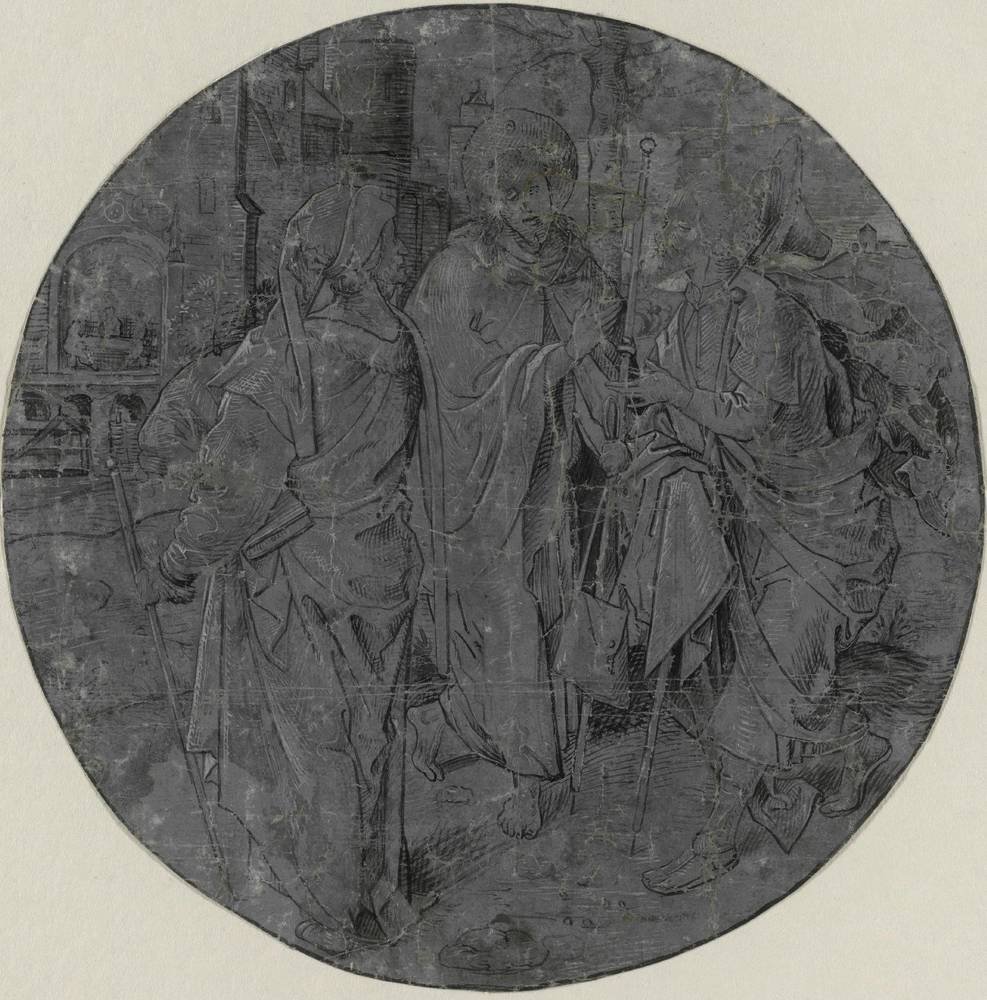
The Kupferstich-Kabinett flourished under the patronage of Saxon rulers, acquiring masterpieces from across Europe and expanding its media spectrum to include lithography and photography. Works by Dürer, van Eyck, Rembrandt, Michelangelo, and Cranach the Elder became collection highlights (Google Arts & Culture). The museum became a hub for the study and conservation of works on paper.
20th Century: War, Loss, and Recovery
World War II posed grave dangers. Despite evacuation efforts, Dresden’s Kupferstich-Kabinett suffered losses and displacement (Wikipedia). The postwar period saw significant recovery initiatives, and the museum gradually rebuilt its collection and reputation. The latter 20th century also marked an embrace of modern and contemporary art, with acquisitions of works by Picasso, Kirchner, Kollwitz, Richter, and Tillmans (Kulturkalender Dresden).
21st Century: Modernization and Global Significance
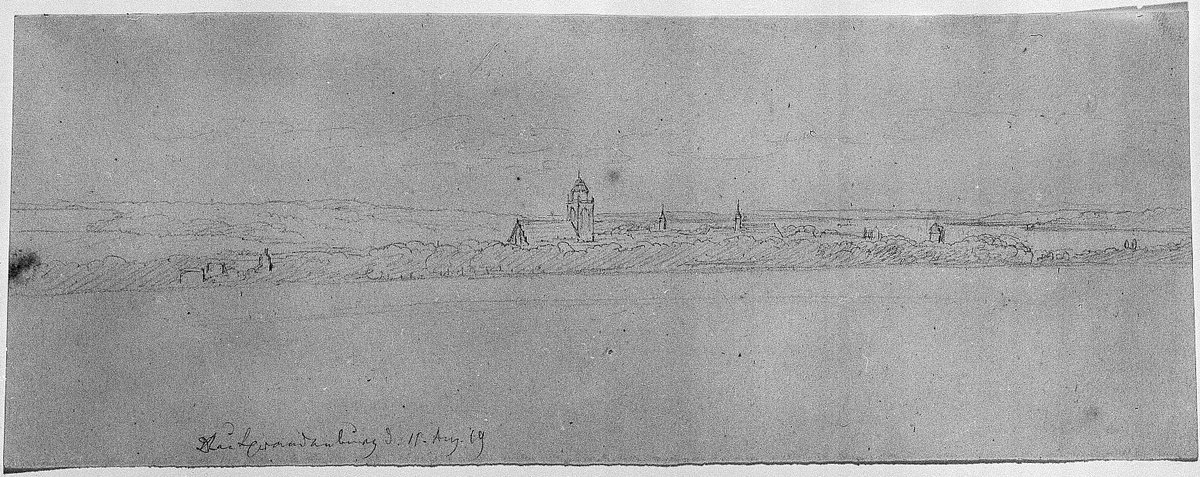
Since 2004, the Kupferstich-Kabinett has been housed in the Residenzschloss with state-of-the-art facilities (Kupferstich-Kabinett Visit). Today, it is celebrated as a world-class center for graphic arts, with an expanding global collection, including recent acquisitions such as eleven papercuts by Philipp Otto Runge and Caspar David Friedrich’s “Karlsruher Skizzenbuch” (SKD Press Release; Kupferstich-Kabinett News).
Visitor Information
Opening Hours
- Tuesday to Sunday: 10:00 AM – 6:00 PM
- Closed Mondays and select public holidays
(Kupferstich-Kabinett Tickets)
Tickets
- Adults: €8
- Reduced (students, seniors): €5
- Children under 18: Free
- Family and group rates available
- Tickets available online and at the museum entrance
Guided Tours & Special Events
Guided tours in German and English offer insights into key artworks and exhibitions. Special events, lectures, and workshops are hosted regularly. Check the museum’s official calendar for current offerings.
Accessibility
The museum is fully wheelchair accessible, with elevators and accessible restrooms. Assistance is available upon request—contact the museum in advance for specific needs.
Getting There
- Address: Residenzschloss, Taschenberg 2, 01067 Dresden
- Public Transport: Tram lines 3, 4, and 8 (Stop: Theaterplatz)
- Parking: Limited; public transport is recommended
Nearby Attractions
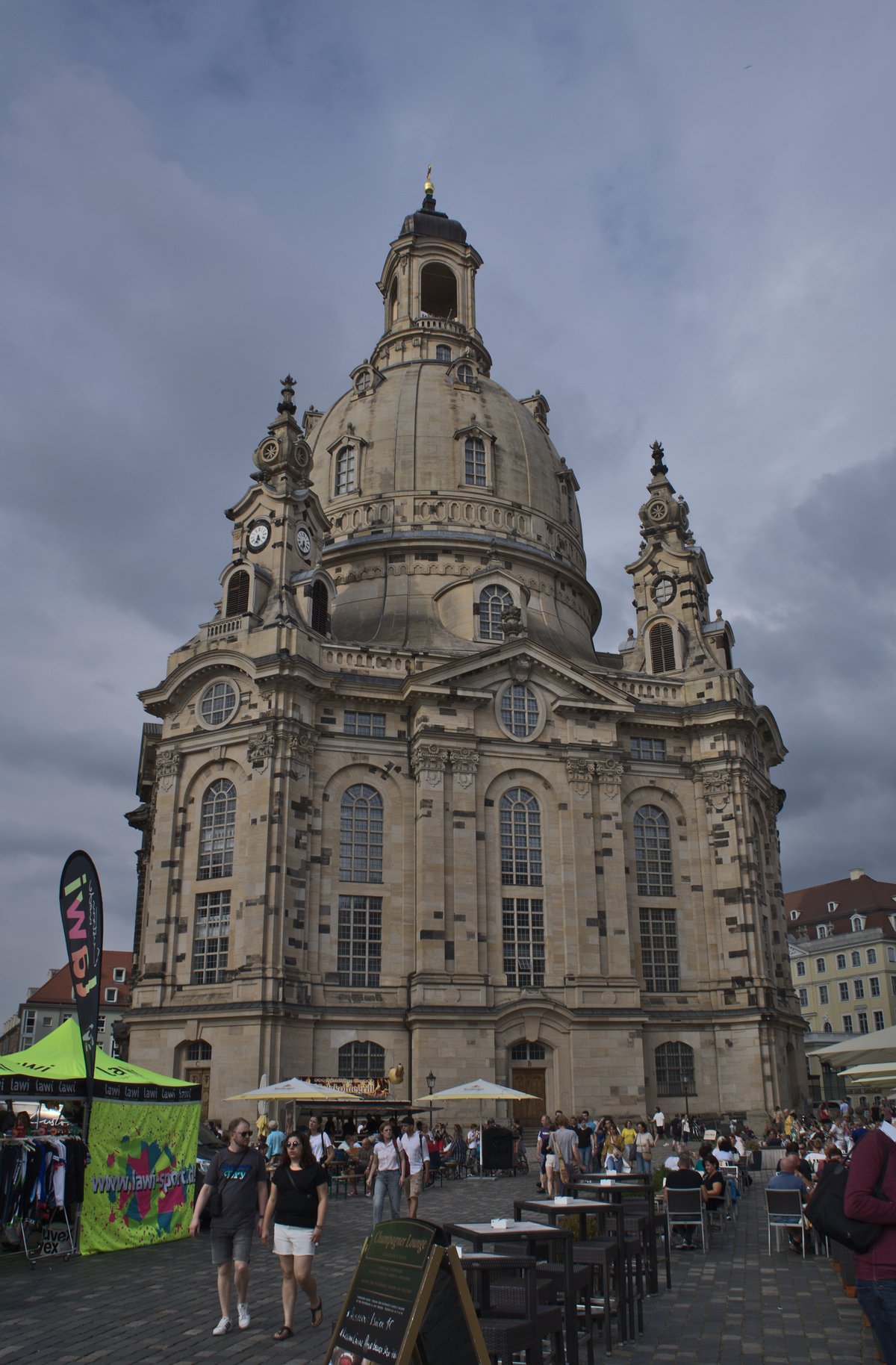
Explore nearby landmarks such as the Zwinger Palace, Semperoper, Frauenkirche, and other SKD museums within walking distance.
Collection Highlights
The Kupferstich-Kabinett’s collection is renowned for its breadth and depth:
- Old Masters: Dürer, van Eyck, Rembrandt, Michelangelo, Cranach
- Romantic & Modern Artists: Caspar David Friedrich, Fragonard, Toulouse-Lautrec, Picasso, Baselitz
- Contemporary Art: Gerhard Richter, Wolfgang Tillmans
- Non-European Art: Japanese woodblock prints, Chinese and Indian works
- Diverse Media: Drawings, watercolors, etchings, lithographs, engravings, illustrated books, posters, photographs (Kupferstich-Kabinett Collection)
Themes range from biblical and mythological narratives to portraits, landscapes, scientific illustrations, and more (Google Arts & Culture).
Exhibitions & Initiatives
Special Exhibitions
The Kupferstich-Kabinett features dynamic rotating exhibitions, with recent and upcoming highlights such as:
- “Caspar David Friedrich. Where it all started” (Aug–Nov 2024): Jointly with the Albertinum, focusing on Friedrich’s graphic works (SKD exhibition announcement)
- “Adrian Ghenie. Drawings and Collages” (Dec 2024–Mar 2025): Contemporary works in partnership with Galerie Judin (Kupferstich-Kabinett exhibitions)
- “Weiße Pferde und Schützengräben. Expressionisten neu gesammelt” (Dec 2024–Mar 2025): Expressionist masterpieces, including works by Otto Dix and Adrian Ghenie
The museum also hosts research and restoration projects, and a significant portion of its collection is accessible online (Kupferstich-Kabinett online collection).
Study Room & Research
The Studiensaal (study room) offers scholars and visitors access to original works by appointment. The Josef-Hegenbarth-Archive presents rotating exhibitions and houses valuable sketchbooks and illustrations.
Facilities & Services
- Visitor Center: Maps, information, and ticket sales are available at the Art & Info Visitor Center (Schlossstr./Ecke Taschenberg), open daily 10:00–18:00.
- Cloakrooms/Lockers: Secure storage for coats, bags, and umbrellas.
- Museum Shop: Catalogs, art books, postcards, and gifts.
- Restrooms: Modern, accessible facilities.
- Wi-Fi: Free Wi-Fi (network: MUSEUM_SKD).
- Photography: Permitted without flash, tripod, or selfie-stick for private use, unless otherwise indicated.
Planning Your Visit
- Best Times: Weekdays, lunchtime, or late afternoons are less crowded (germanyfootsteps.com).
- Duration: 1–2 hours is recommended for a standard visit.
- Language Support: Labels in German and English; audio guides may be available.
- Children & Groups: Free entry for children under 17; group discounts and family-friendly programs available.
Frequently Asked Questions (FAQ)
Q: What are the Kupferstich-Kabinett visiting hours?
A: Tuesday to Sunday, 10:00 AM – 6:00 PM; closed Mondays.
Q: How much are tickets?
A: Adults €8; reduced €5; children under 18 free.
Q: Is the museum wheelchair accessible?
A: Yes, with full accessibility features.
Q: Are guided tours available?
A: Yes, in German and English. Check the website for schedules.
Q: Can I take photographs?
A: Photography for private use is allowed, without flash or tripods.
Q: How do I get there?
A: Located in the Residenzschloss, accessible via tram lines 3, 4, and 8 (Theaterplatz).
Q: What other attractions are nearby?
A: Zwinger Palace, Semperoper, Frauenkirche, and other SKD museums are all within walking distance.
Contact & Additional Information
- Address: Staatliche Kunstsammlungen Dresden, Taschenberg 2, 01067 Dresden, Germany
- Phone: +49 351 49142000
- Email: [email protected]
- Official Website: kupferstich-kabinett.skd.museum
Discover More
The Kupferstich-Kabinett Dresden offers a singular experience for visitors interested in the evolution of graphic arts. Its vast collection, innovative exhibitions, and commitment to education and accessibility make it a cultural highlight in Dresden. Set amid the city’s historic attractions, the museum is an essential stop for anyone exploring European art and heritage. For up-to-date information, visit the official website, and consider downloading the Audiala app for interactive guides to enhance your visit.
Plan your visit today and immerse yourself in the extraordinary world of graphic arts at the Kupferstich-Kabinett Dresden.
Listen to the full story in the app
The whole Kupferstich-Kabinett Dresden,
told well.
Audio guides for 1,100+ cities across 96 countries. History, stories, and local insight — offline ready.
Verified, and shown.
Researched and written by the Audiala editorial team from historical records, architectural archives, and local expertise.
Researched from Wikidata, Wikipedia & official sources · fact-checked · How we make our guides →