Plan and listen to Dresden Porcelain Collection with Audiala.
Audio guide in your pocket, itinerary in your browser. Built for the way you actually visit.
Introduction
Nestled within the spectacular Baroque architecture of Dresden’s Zwinger Palace, the Dresden Porcelain Collection (Porzellansammlung) is celebrated as one of the world’s preeminent museums dedicated to porcelain artistry. With over 20,000 objects spanning centuries and continents, the collection provides a remarkable journey through cultural exchange, artistic innovation, and royal ambition. Established by Augustus the Strong in the early 18th century, the museum bridges the heritage of East Asian masterpieces and pioneering European porcelain, most notably Meissen. This guide presents everything you need to know for your visit—including history, highlights, visiting hours, ticket information, accessibility, and expert tips—to ensure a memorable experience. For up-to-date details, visit the official Porzellansammlung SKD website or explore further insights at Dresden-Guide.info.


Historical Background
The Origins and Royal Passion
The Dresden Porcelain Collection owes its existence to Augustus the Strong, Elector of Saxony and King of Poland. Obsessed with porcelain—then called “white gold”—Augustus amassed a vast array of Chinese and Japanese ceramics, seeking to rival the finest collections of his European counterparts (Dresden-Guide.info). His ambition led to a transformative moment in European art: the founding of the Meissen Porcelain Manufactory in 1710, after Johann Friedrich Böttger successfully produced Europe’s first hard-paste porcelain (Metropolitan Museum of Art).
From East Asia to Meissen: Cultural Exchange and Innovation
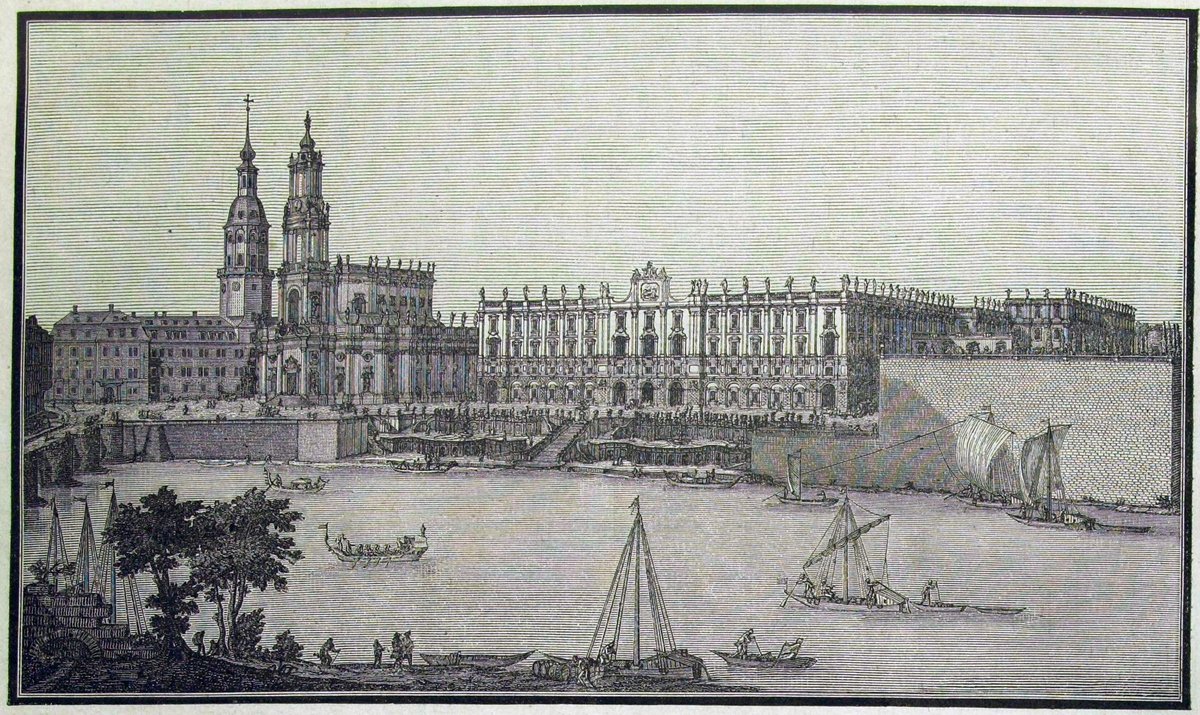
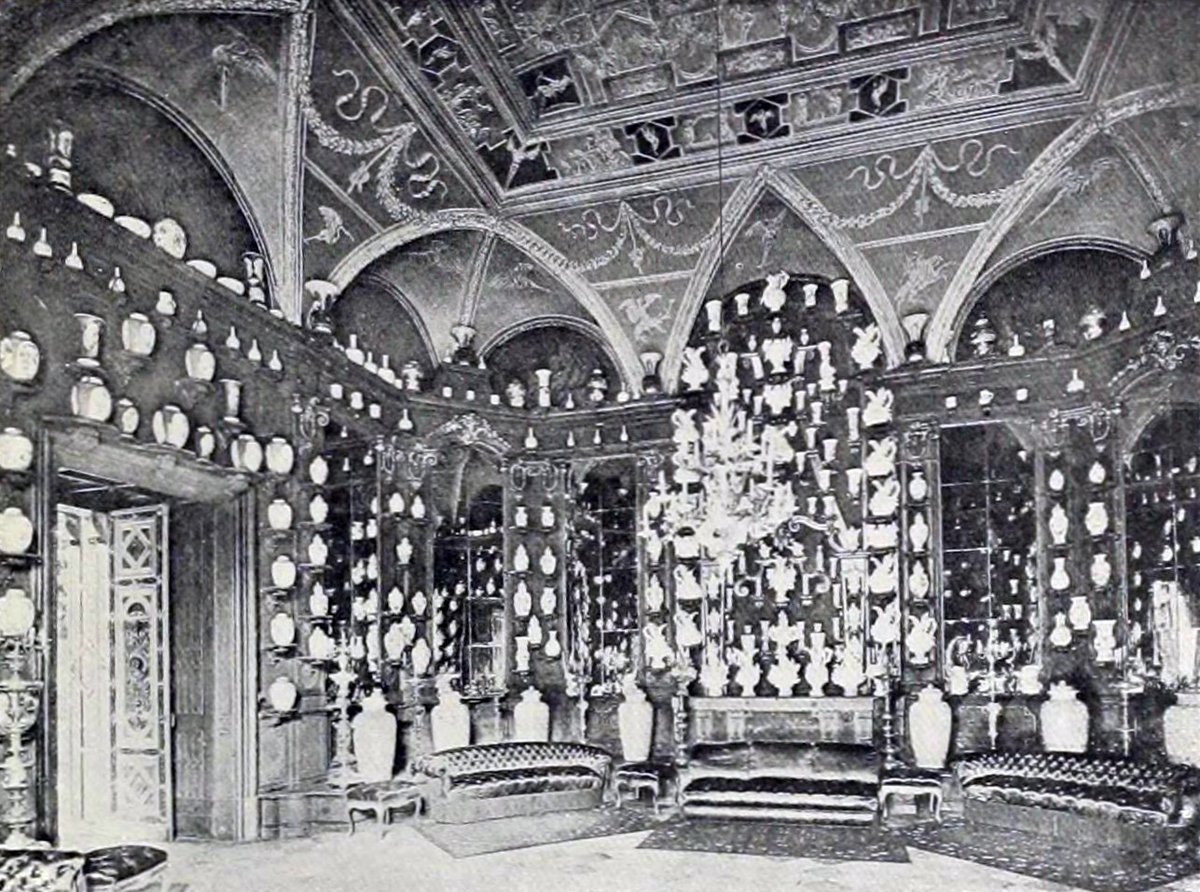
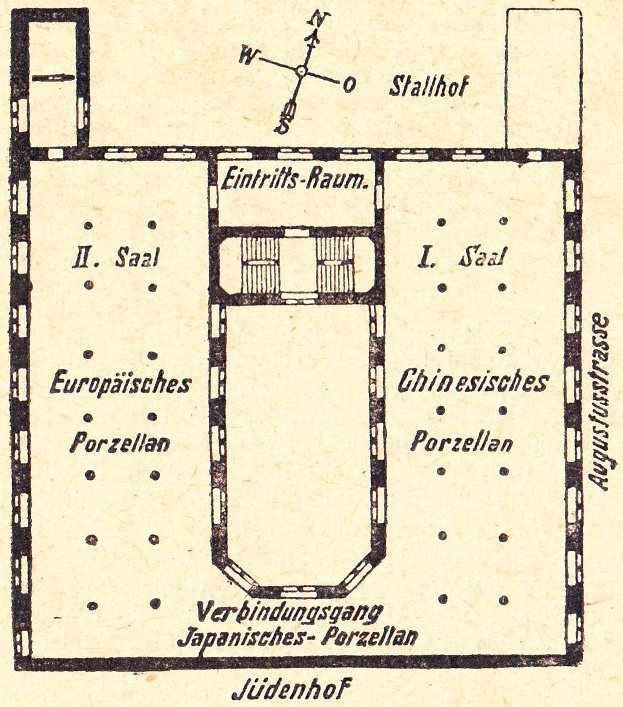
Initially, the collection featured prized Ming and Qing dynasty Chinese porcelain and Japanese Imari wares, reflecting Europe’s fascination with Asian craft and aesthetics. With Meissen’s technological breakthroughs, European porcelain entered a new era, blending Asian inspiration with local artistry. Augustus’s collection grew to include monumental vases, tableware, and animal sculptures, many displayed in the Japanese Palace before being relocated to the Zwinger (Frolicking Wanderer).
Survival Through Turbulent Times
Despite the devastation of World War II, the Dresden Porcelain Collection was preserved through evacuation and restoration, embodying resilience and the enduring significance of cultural heritage (Dresden-Guide.info).
Planning Your Visit
Visiting Hours
- Tuesday–Sunday: 10:00 AM – 6:00 PM
- Closed on Mondays and selected public holidays
- Last admission: 30 minutes before closing
Please consult the official website for any changes or special opening hours.
Ticket Prices
- Adults: €12
- Reduced (students, seniors): €8
- Children under 18: Free
- Family and group tickets: Available
Tickets can be purchased online in advance or at the museum entrance. Early booking is recommended, especially during peak seasons.
Location & Transportation
- Address: Zwinger Palace, Sophienstraße 1, 01067 Dresden, Germany
- Tram: Lines 3, 7, or 8 to Theaterplatz stop
- Bus: Lines 62 and 63
- Walking: About 10 minutes from Dresden Hauptbahnhof
Accessibility
- The Zwinger Palace and Porzellansammlung are fully wheelchair accessible, with elevators, ramps, and accessible restrooms.
- Assistance dogs are permitted.
- The museum provides additional support for visitors with disabilities upon request.
Guided Tours and Special Events
- Guided tours are available regularly in German and English and can be booked in advance (Dresden-Stadtfuehrer.de).
- Special exhibitions, workshops, and lectures occur throughout the year; check the museum’s website for current programming.
Collection Highlights
Chinese Porcelain
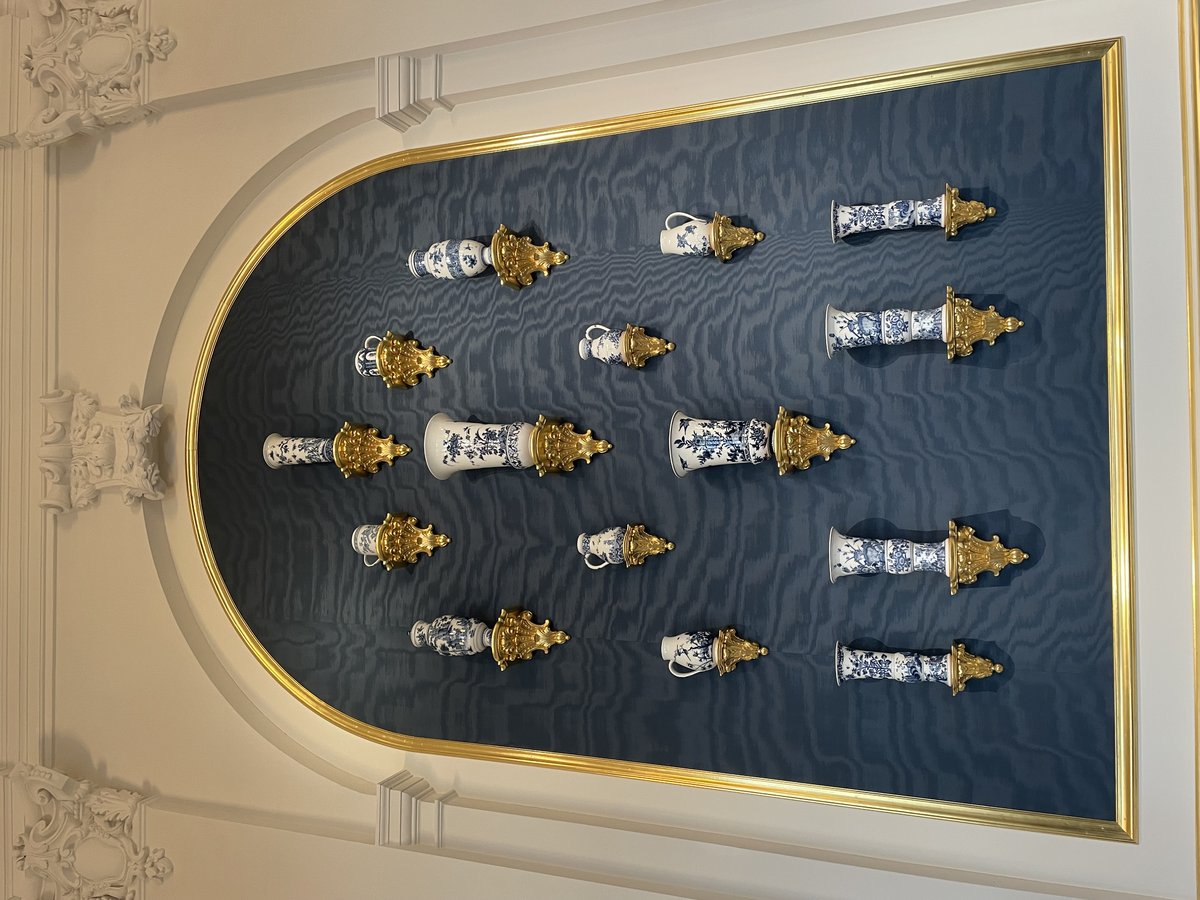
- Features Ming and Qing dynasty masterpieces, including blue-and-white vases, plates, and intricately decorated vessels.
- Many pieces were acquired in the early 18th century, representing the height of European demand for Asian porcelain.
Japanese Porcelain
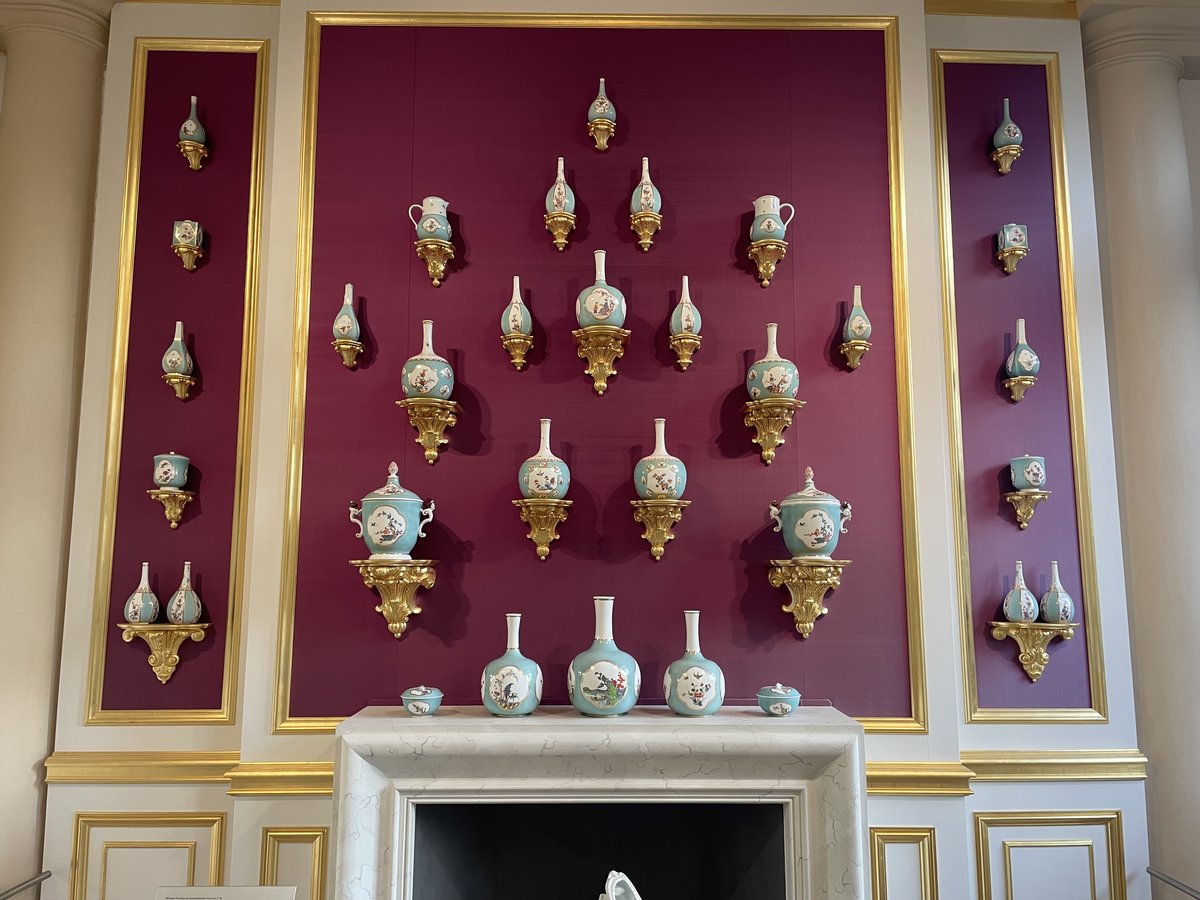
- Includes Imari and Kakiemon wares from the 17th and 18th centuries, celebrated for vibrant colors and refined shapes.
- These objects reflect both the technical prowess of Japanese potters and the European fascination with “Chinoiserie.”
Meissen Porcelain
- The first true European hard-paste porcelain, produced after the Meissen Manufactory’s founding in 1710.
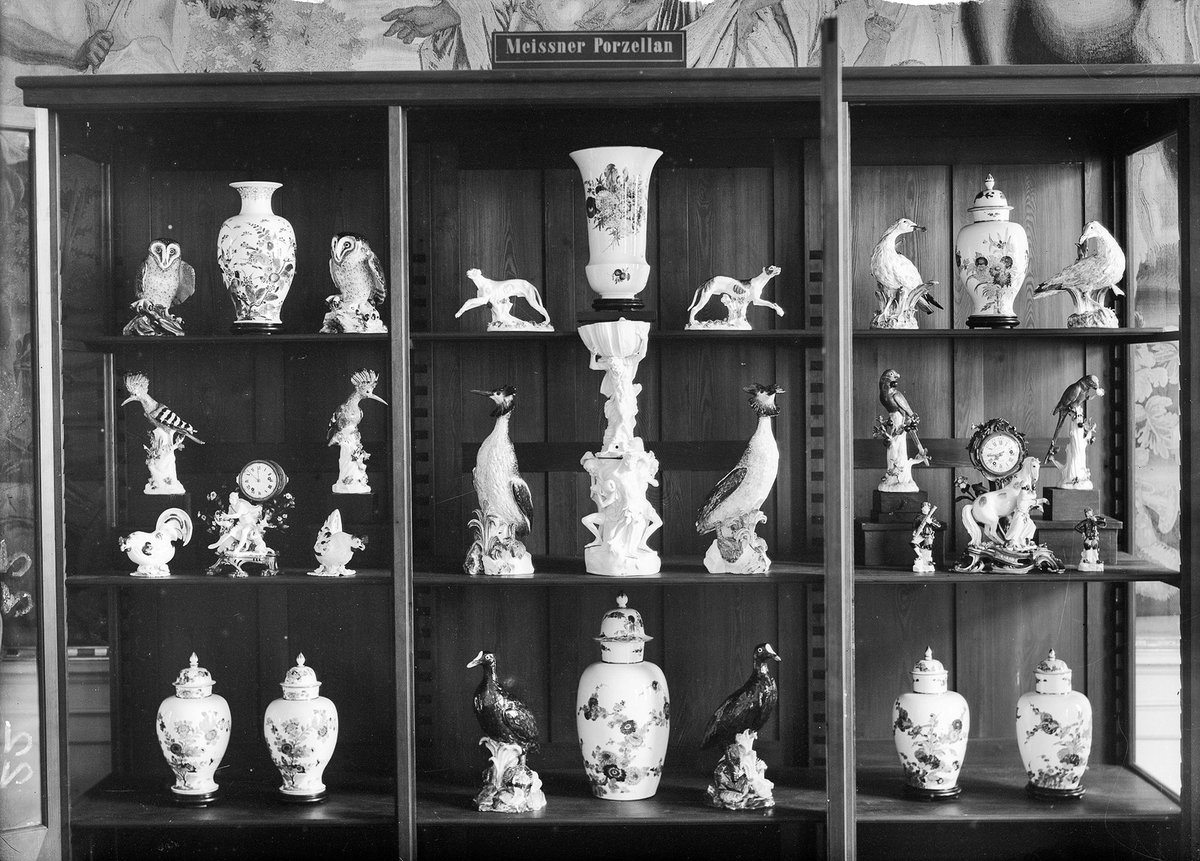
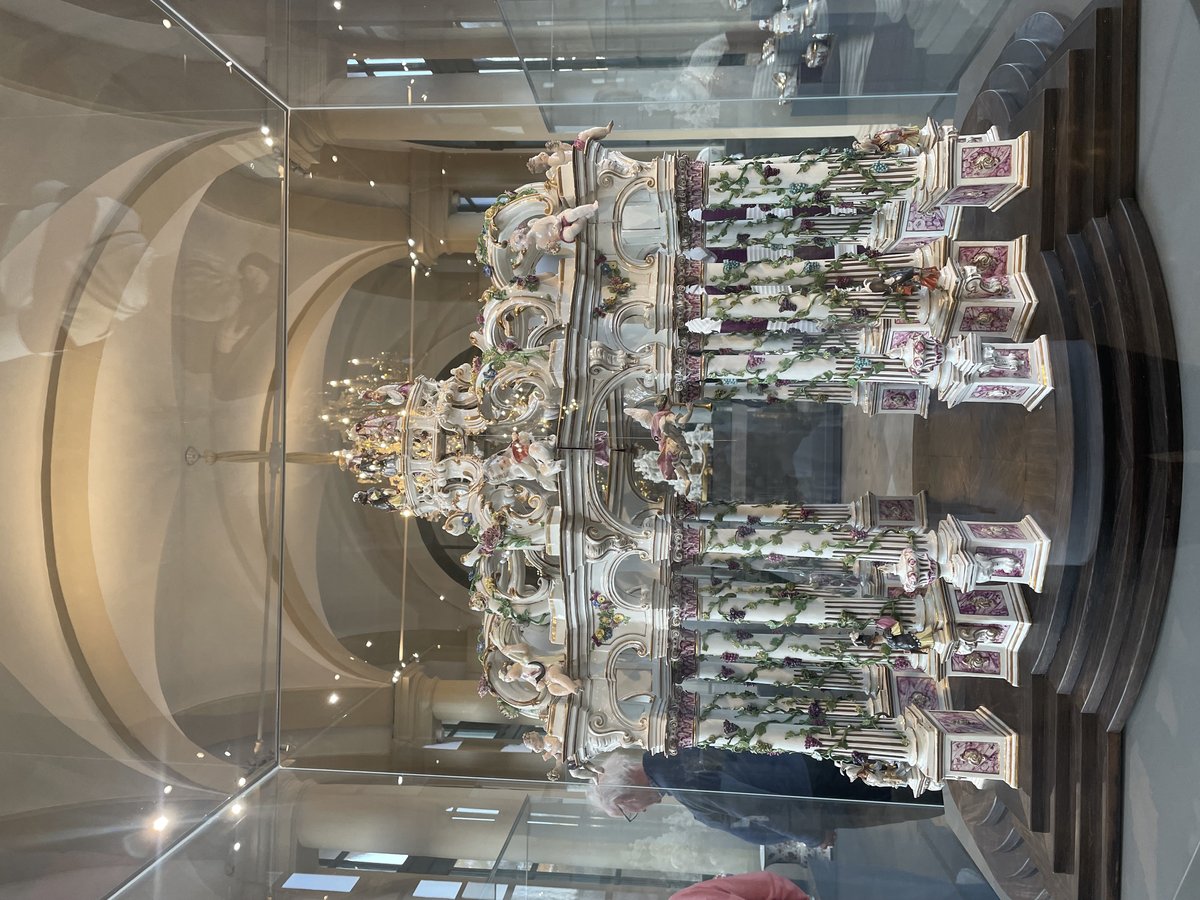
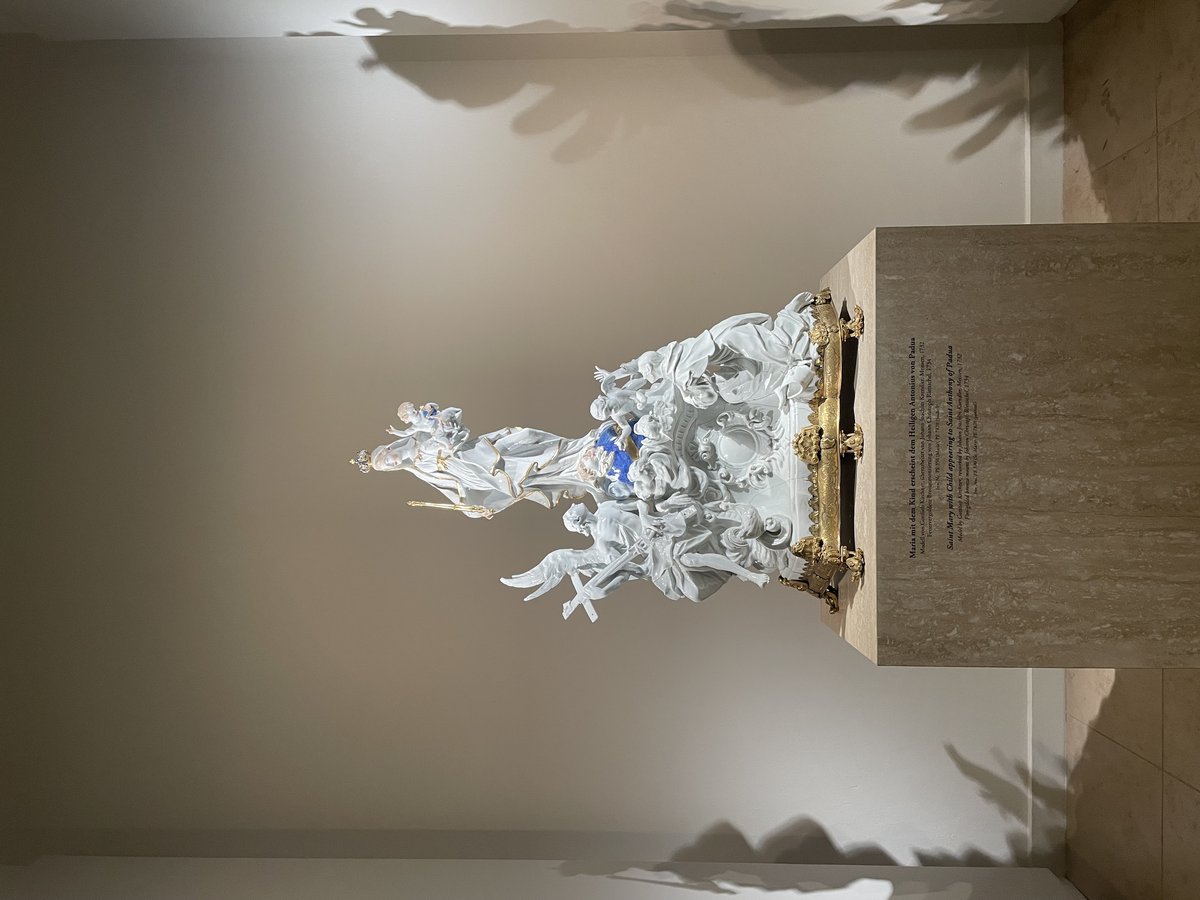
- Highlights include monumental vases, early Böttger stoneware, Rococo figurines, and elaborate table services (Metropolitan Museum of Art).
Porcelain Animals (Tiersaal)
- The Tiersaal (Animal Hall) features a striking display of Meissen porcelain animals, such as monkeys, lions, and peacocks, crafted by Johann Joachim Kaendler.
- These lifelike sculptures were originally commissioned for Augustus’s Japanese Palace (artsandculture.google.com).

Visitor Experience and Amenities
Exhibition Design
- The collection is arranged thematically, guiding visitors from early Asian imports to the evolution of European porcelain.
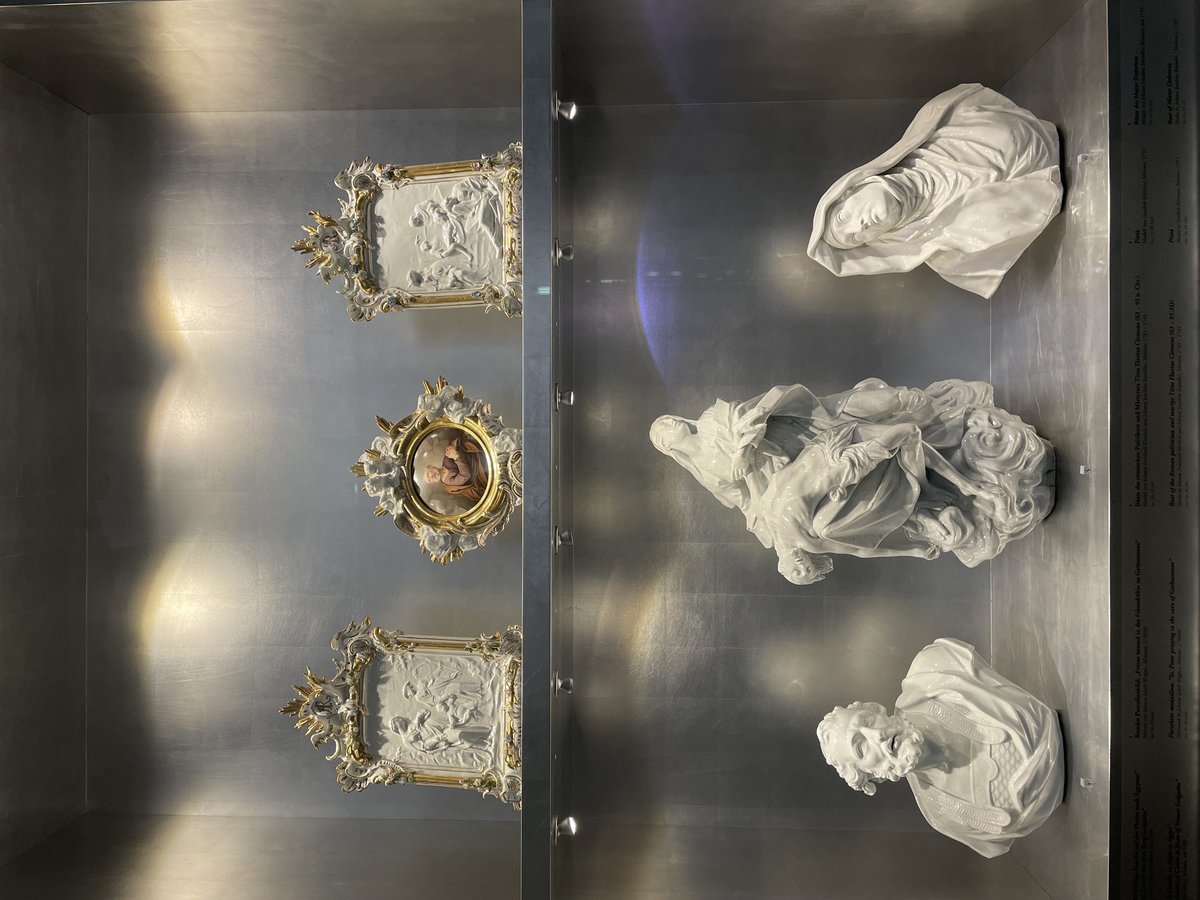
- Baroque galleries are enhanced with contemporary design elements—silk wallpapers, gilded pavilions, and dramatic lighting—offering an immersive experience (artsandculture.google.com).
Visitor Amenities
- Wheelchair accessibility throughout the museum
- Restrooms, cloakroom, and museum shop on site
- Photography: Non-flash photography is generally allowed for personal use; tripods and commercial photography require permission
- Audio guides and exhibit panels in German and English
Educational and Interactive Opportunities
- Restoration workshops and live demonstrations are occasionally available (travelsetu.com).
- Digital platform: Offers virtual tours, interactive maps, and detailed object views, awarded for digital innovation in 2024.
Visitor Tips
- Visit on weekday mornings or off-peak months for a quieter experience.
- Allocate 1.5–2 hours for a comprehensive visit.
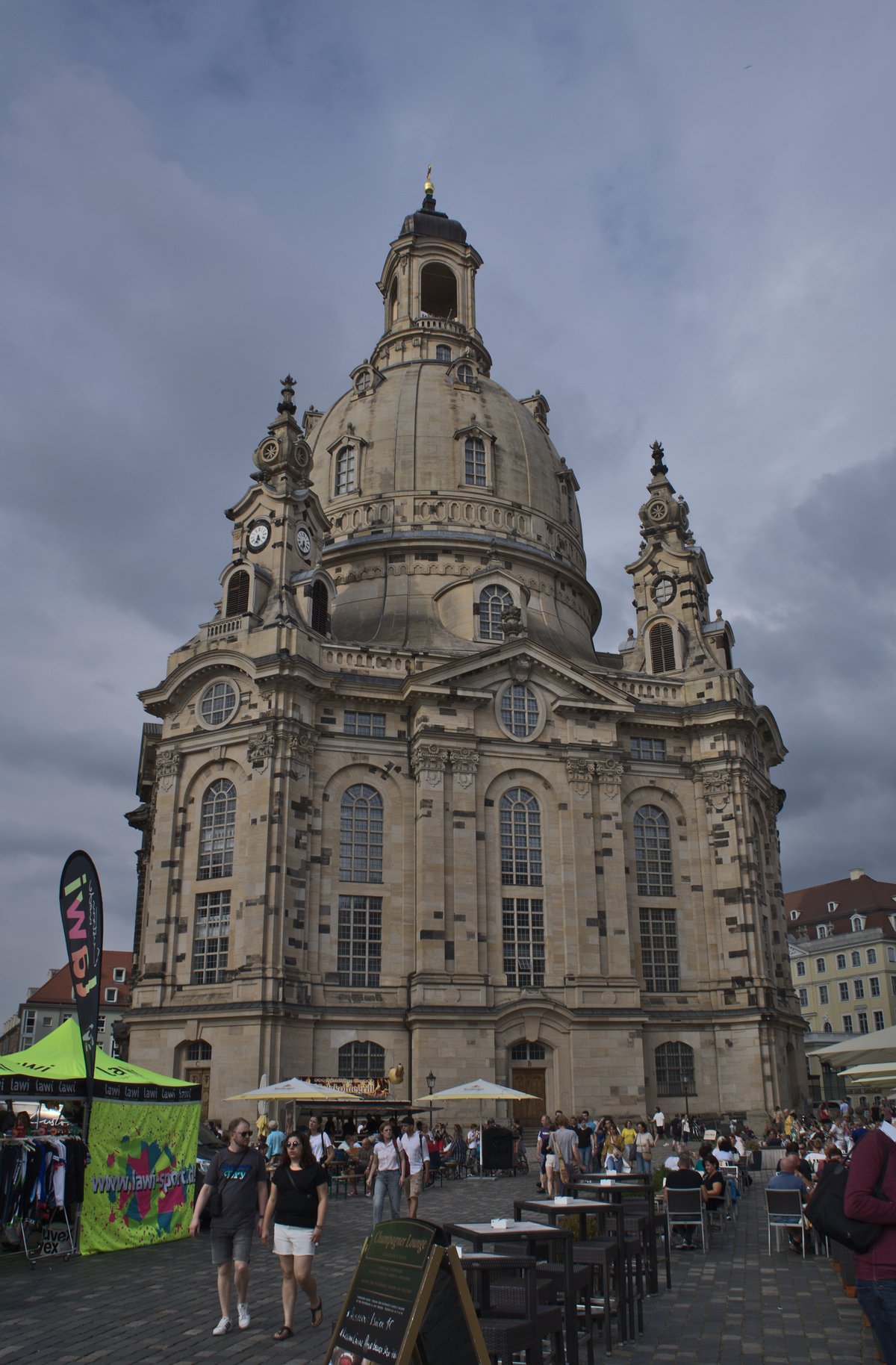
- Combine your visit with other nearby sites like the Semper Opera House, Frauenkirche, and Dresden Castle.
- Enjoy local cuisine at nearby restaurants such as the Alte Meister (travellingking.com).
Frequently Asked Questions (FAQ)
Q: What are the Dresden Porcelain Collection opening hours?
A: Tuesday to Sunday, 10:00 AM–6:00 PM; closed Mondays.
Q: How much are tickets?
A: Adult tickets €12; reduced €8; children under 18 free.
Q: Is the museum wheelchair accessible?
A: Yes, with ramps, elevators, and accessible restrooms.
Q: Are guided tours available?
A: Yes, in German and English. Advance booking recommended.
Q: Can I take photos in the museum?
A: Non-flash photography for personal use is allowed; commercial photography requires permission.
Q: Are there virtual tours?
A: Yes, through the museum’s acclaimed digital platform.
Listen to the full story in the app
The whole Dresden Porcelain Collection,
told well.
Audio guides for 1,100+ cities across 96 countries. History, stories, and local insight — offline ready.
Verified, and shown.
Researched and written by the Audiala editorial team from historical records, architectural archives, and local expertise.
Researched from Wikidata, Wikipedia & official sources · fact-checked · How we make our guides →