Plan and listen to Dresden Museum Of Ethnology with Audiala.
Audio guide in your pocket, itinerary in your browser. Built for the way you actually visit.
Introduction
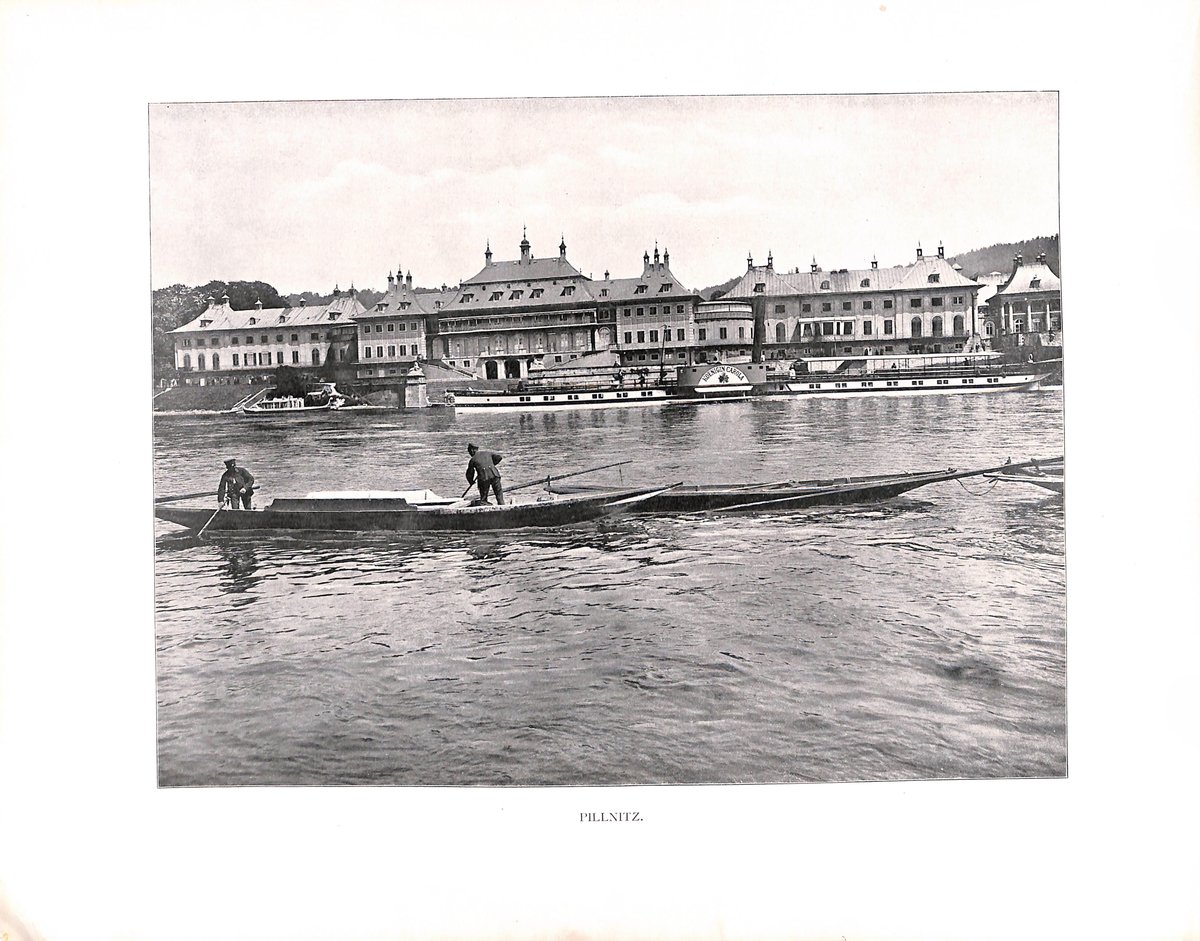
The Dresden Museum of Ethnology (Museum für Völkerkunde Dresden) is one of Germany’s foremost cultural institutions. Situated in the architecturally stunning Japanisches Palais and also integrated into the Dresden Royal Palace (Residenzschloss), the museum offers an unparalleled journey through global cultural heritage. Boasting a collection that spans over 90,000 artifacts from Africa, Asia, Oceania, the Americas, and Europe, the museum serves as a dynamic hub for exploring humanity’s cultural diversity, creativity, and historical complexity. Its holdings reflect centuries of collecting, from the royal Kunstkammer of the 16th century to modern, ethically reflective acquisition and exhibition strategies.
This guide provides a comprehensive overview: from the museum’s origins and collection highlights to practical visitor information, accessibility, and travel tips. Whether you are a first-time visitor or a seasoned museum-goer, this resource will help you plan a meaningful visit to one of Dresden’s most significant historical sites.
For the latest exhibition details, ticketing, and events, always refer to the official museum websites and up-to-date cultural resources (Petrou, 2023; SKD Official; watchilove.com, 2025).

Historical Foundations and Early Collecting
The roots of the Dresden Museum of Ethnology reach back to the 16th century, when Elector Augustus I of Saxony established the Kunstkammer, a collection of curiosities that laid the groundwork for the city’s ethnographic and scientific collecting traditions. During the 18th and 19th centuries, figures like Augustus the Strong expanded Dresden’s holdings through expeditions and acquisitions, focusing on objects from Africa, Asia, and the Americas (Petrou, 2023). By the late 19th century, under directors such as A. B. Meyer, the museum’s mission shifted towards systematic, scientific collection, mirroring the rise of anthropology as a discipline.
Colonial Entanglements and the Benin Bronzes
A defining chapter in the museum’s history is its acquisition of Benin Bronzes in the aftermath of the 1897 British expedition to Benin. Between 1898 and 1903, the museum obtained around 200 Benin artworks through donations and purchases, largely facilitated by ethnologist Arthur Baessler. These masterpieces, now totaling over 260 pieces, are central to the museum’s holdings and serve as focal points for ongoing dialogue about provenance, colonial history, and restitution (Petrou, 2023).
Collection Expansion and Institutional Rivalries
The museum’s collections grew further through significant donations (such as Baessler’s 1,100 South Seas objects) and targeted acquisitions, particularly from Southeast Asia and Oceania. This expansion was partly driven by competition with other German museums, notably the Museum für Völkerkunde in Leipzig, and challenges such as limited budgets and missed opportunities like the acquisition of Gustav Klemm’s collection (Petrou, 2023).
Modern Museum Philosophy and Community Engagement
Today, the Dresden Museum of Ethnology operates under the umbrella of the Staatliche Kunstsammlungen Dresden (SKD), emphasizing ethical stewardship, transparency, and responsible restitution practices. International collaborations, such as exhibitions with Korean partners and participatory programs, reflect the museum’s commitment to intercultural dialogue (Dresden State Art Collections). The museum’s mission embraces inclusivity, transparency, and collaborative knowledge creation with source communities and visitors (EPALE; The Museum Scholar).
Collection Highlights
The museum’s holdings offer a global panorama across time and culture (official website). Key highlights include:
- Benin Bronzes: Iconic artworks from Nigeria, central to debates on restitution and colonial history.
- African Masks and Sculptures: Notable for artistry and ritual significance.
- Asian Ceramics, Textiles, and Lacquerware: Showcasing craftsmanship from China, Japan, and Southeast Asia.
- Oceanic Canoes and Totems: Demonstrating maritime traditions of the Pacific.
- Pre-Columbian Artifacts: Pottery and ritual objects from ancient American civilizations.
- European Folk Art: Costumes and masks reflecting Saxon traditions.
- Musical Instruments and Tools: Illustrating daily life and ceremonial practices across cultures.
Exhibitions like "Tales of People, Things and Places" invite visitors to reflect on the journeys of objects and the ethical dimensions of collecting (museum-euroregion-elbe-labe.eu).
Practical Visitor Information
Location and Accessibility
- Address: Japanisches Palais, Palaisplatz 11, 01097 Dresden, Germany.
- Public Transport: Tram lines 3, 7, 8 (stop: Palaisplatz) and bus routes serve the area. The museum is also near the Dresden Hauptbahnhof (main train station), approximately 15 minutes by tram or taxi.
- Physical Access: Wheelchair accessible; elevators and accessible restrooms are available. Some historical areas may have limited accessibility—contact the museum for detailed assistance.
Visiting Hours and Tickets
- Opening Hours: Tuesday to Sunday, 10:00 AM – 6:00 PM. Closed Mondays. (Check for holiday schedule updates: SKD Official)
- Admission Prices:
- Adults: €8
- Reduced (students, seniors): €5
- Children under 18: Free
- Free Entry: First Wednesday of every month
- Family and group tickets available
- Ticket Purchase: At the museum entrance or online via the official website.
Guided Tours and Educational Programs
- Regular guided tours (mainly German, with select English tours) offer deeper insights.
- Workshops, lectures, and cultural festivals cater to all ages and backgrounds.
- Assisted listening devices and accessible programming are available on request.
Visitor Amenities and Nearby Attractions
- On-site Facilities: Restrooms, cloakrooms, and a gift shop.
- Food and Drink: No on-site café, but numerous dining options are nearby.
- Nearby Sites: The Green Vault, Old Masters Picture Gallery, Semper Opera House, and other Dresden historical attractions are within walking distance, making the area ideal for a full day of cultural exploration (northabroad.com).
Frequently Asked Questions (FAQs)
Q: What are the Dresden Museum of Ethnology visiting hours?
A: Tuesday to Sunday, 10:00 AM – 6:00 PM; closed on Mondays. Always check the official website for the latest updates.
Q: How much do tickets cost?
A: Adults €8; reduced €5; free for children under 18 and on the first Wednesday of each month.
Q: Is the museum accessible for visitors with disabilities?
A: Yes, most main areas are accessible. Some historic sections may be limited; contact the museum in advance for assistance.
Q: Are guided tours available?
A: Yes, regularly in German and occasionally in English. Book in advance if possible.
Q: Can I take photographs inside the museum?
A: Non-flash photography is generally permitted for personal use; confirm current policies at the entrance.
Q: How do I get to the museum by public transport?
A: Use tram lines 3, 7, or 8 to Palaisplatz; multiple bus routes also serve the area.
Plan Your Visit
Discover the Dresden Museum of Ethnology’s world-class collections and innovative exhibitions on your next trip to Saxony. For current visiting hours, tickets, and event updates, visit the official SKD website.
Enhance your visit with the Audiala app, offering audio guides and museum information, or follow the museum on social media for the latest news. Pair your museum experience with other nearby Dresden historical sites for a truly immersive cultural day.
Listen to the full story in the app
The whole Dresden Museum Of Ethnology,
told well.
Audio guides for 1,100+ cities across 96 countries. History, stories, and local insight — offline ready.
Verified, and shown.
Researched and written by the Audiala editorial team from historical records, architectural archives, and local expertise.
Researched from Wikidata, Wikipedia & official sources · fact-checked · How we make our guides →