Plan and listen to Dresden City Museum with Audiala.
Audio guide in your pocket, itinerary in your browser. Built for the way you actually visit.
Introduction
Nestled in Dresden’s historic center, the Dresden City Museum (Stadtmuseum Dresden) is a gateway to over 800 years of the city’s history. Housed in the architecturally significant Landhaus—a late 18th-century building once home to the Saxon Parliament—the museum fuses Baroque, Rococo, and Classical styles, offering visitors a unique convergence of historical narrative and cultural heritage. Its extensive collections, immersive exhibitions, and dynamic programming make it a vital stop for anyone wishing to understand Dresden's evolution from medieval origins through wartime devastation to modern resilience. This comprehensive guide covers everything you need for your visit: opening hours, ticketing, accessibility, highlights, and practical tips for exploring one of Dresden’s premier historical sites. (Spotting History, Stadtmuseum Dresden, Museen Dresden)



Origins and Evolution
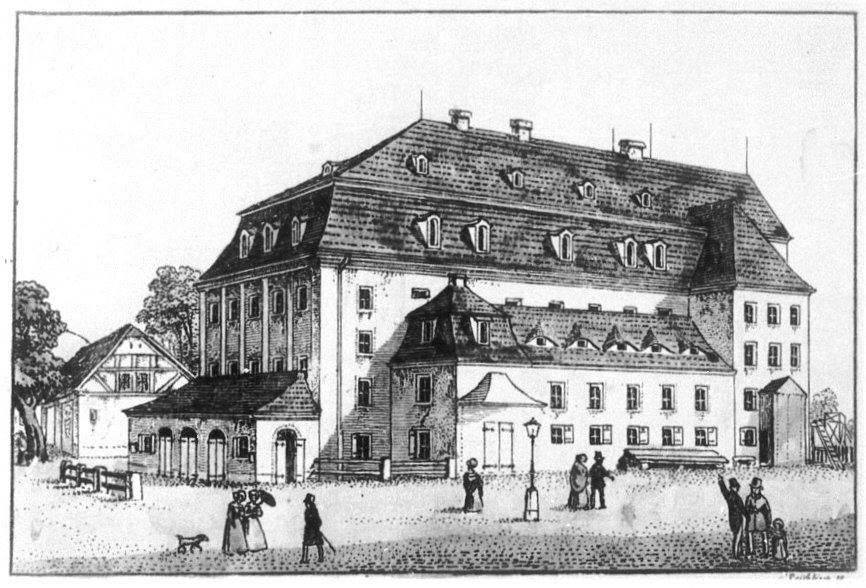
The Dresden City Museum chronicles the city’s journey from its medieval foundation to its present-day status as a vibrant metropolis. Established in the Landhaus, built between 1770 and 1776 by Friedrich August Krubsacius, the building originally served as the Saxon Parliament until 1907. Its transformation into a museum reflects Dresden’s enduring civic spirit and commitment to preserving its multifaceted heritage. (Spotting History)
Preserving Dresden’s Heritage
As the largest of Dresden’s municipal museums, the Stadtmuseum dedicates its 1,800 square meters of exhibition space to artifacts and narratives that illuminate key moments in Dresden’s history—from medieval charters to the destruction and reconstruction following World War II. The museum not only displays these treasures, but also serves as a research center with vast photographic archives and scientific collections. (Spotting History, whichmuseum.com)
Architectural Significance of the Landhaus
Design and History
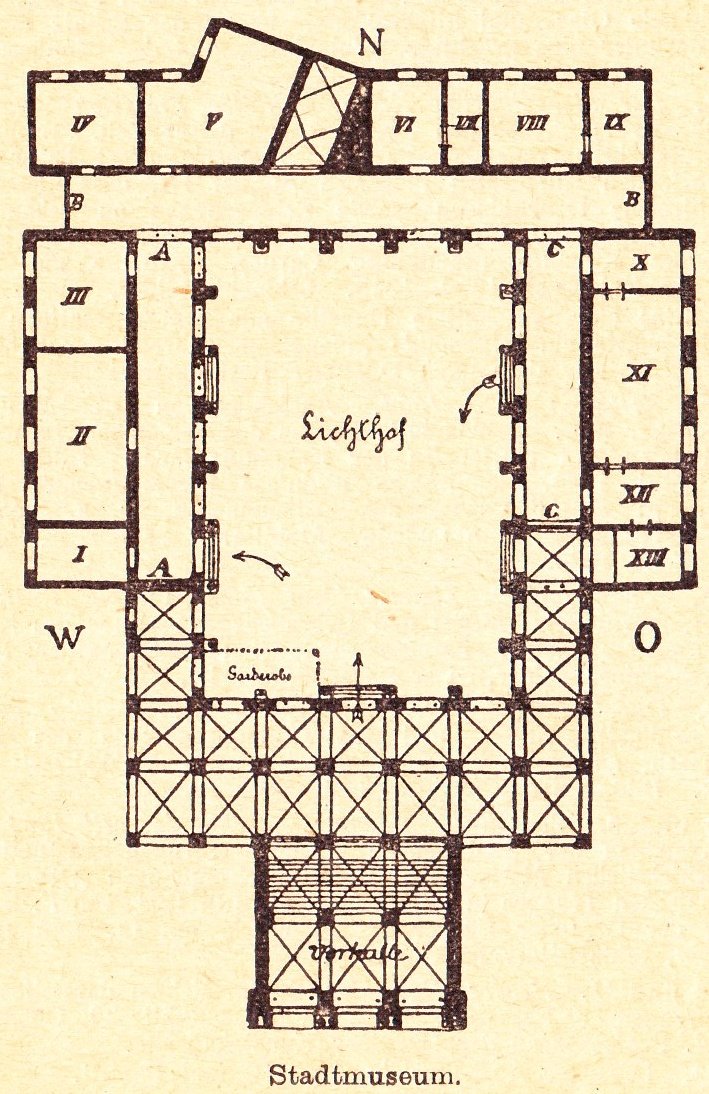
The Landhaus is an architectural gem, harmonizing Baroque, Rococo, and early Classicist elements. Its elegant façade, grand ballroom, and ornate details reflect the civic pride of 18th- and 19th-century Dresden. Miraculously surviving World War II, the building stands as a testament to Dresden’s resilience and ongoing commitment to cultural preservation. (Spotting History)
Integration with Dresden’s Urban Landscape
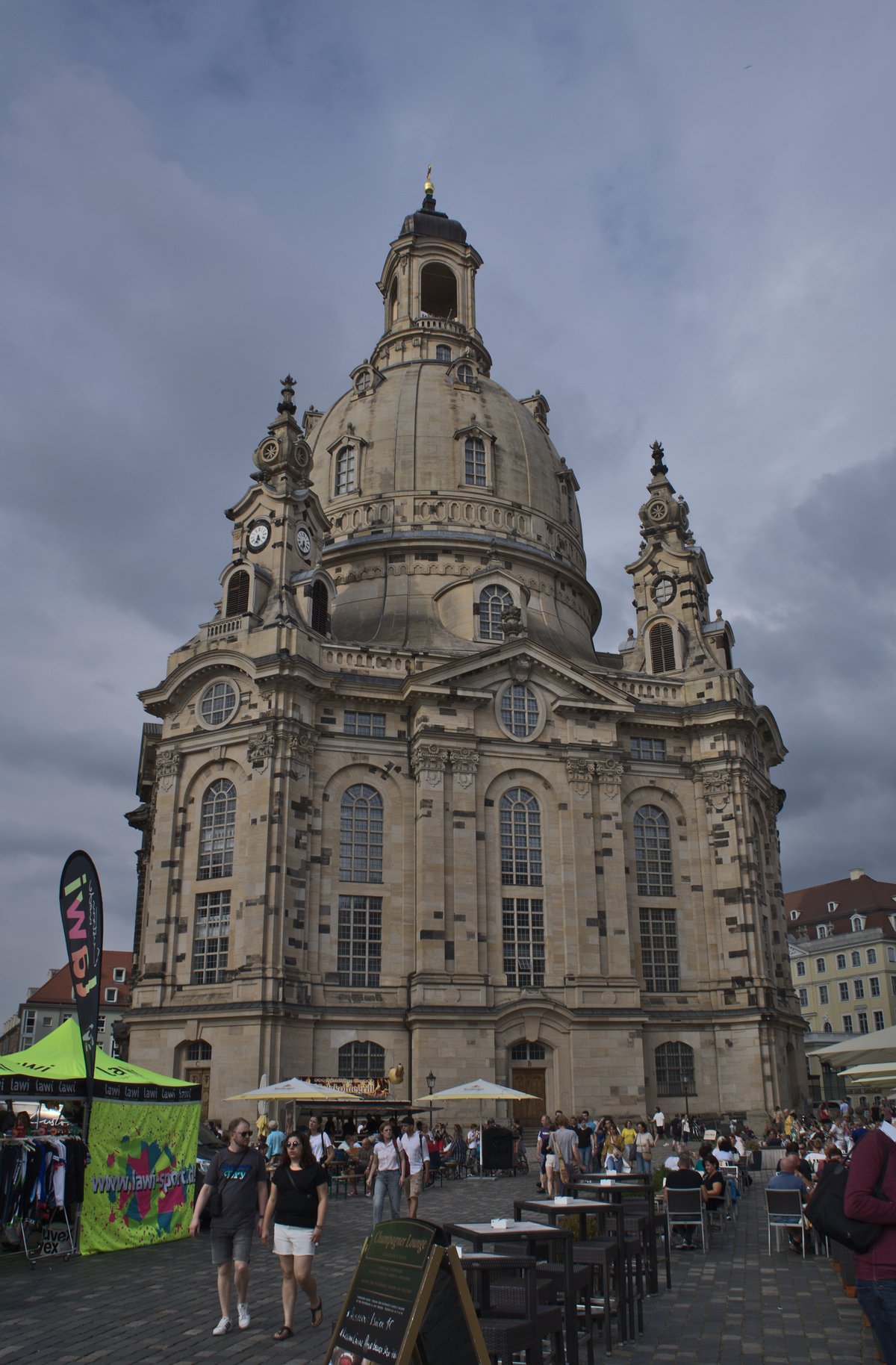
Located among iconic landmarks like the Frauenkirche, Zwinger Palace, and Semperoper, the Landhaus is central to Dresden’s urban identity. Its proximity to these sites makes the museum an ideal starting point for exploring the city’s historical and architectural treasures. (Wanderlog)
Essential Visitor Information
Dresden City Museum Visiting Hours
- Tuesday to Sunday: 10:00 AM – 6:00 PM
- Fridays: Extended hours until 7:00 PM
- Closed Mondays (except some public holidays)
- Special Hours: Closed December 24th, 25th, 31st; open 1:00 PM – 6:00 PM on January 1st
(Stadtmuseum Dresden)
Tickets and Admission
- Adults: €8
- Reduced (students, seniors): €5
- Children under 18: Free
- Family tickets: Available
- Group and annual passes: Available
- Purchase: On-site or online via official website
- Vouchers: For entry and museum shop
Collections and Exhibition Highlights
Permanent Exhibitions
Organized chronologically, the museum’s exhibition covers:
- Medieval foundation and growth
- Baroque and Rococo splendor
- Industrialization and urban expansion
- WWII destruction and post-war reconstruction
- The GDR era and German reunification
- Contemporary city life
Highlights include:
- The oldest city seal (1309)
- Detailed city models and a 2x1.5m relief of the Elbe Valley
- Rare photographs, daguerreotypes, and archives (200,000+ images)
- A baroque fire pump (1759)
- Artifacts related to the 1945 Dresden bombing
Interactive Features:
Twenty multimedia stations, aerial photo walkways, and immersive displays make the collection engaging for all ages. Temporary exhibitions and cultural events are regularly held in the grand ballroom. (Museen Dresden, Wikipedia – Dresden City Museum)
Accessibility and Visitor Services
- Wheelchair accessible: Step-free entry, elevators, accessible restrooms
- Audio guides: Free, available in multiple languages
- Multilingual signage: German and English throughout major displays
- Cloakroom and lockers: Free; refundable coin deposit required
- Wi-Fi: Free throughout the museum
- Museum shop: Books, souvenirs, and educational materials
- Guided tours: Regularly available in German and, on request, English or other languages
- Educational programs: For schools, families, and groups (Stadtmuseum Dresden)
Practical Tips for Your Visit
- Best times: Weekday mornings or late afternoons to avoid crowds. Fridays offer extended hours.
- Recommended visit duration: 1.5 – 2 hours for main exhibits; longer for tours or temporary exhibitions.
- Photography: Permitted for personal use (no flash, tripods, or selfie sticks).
- Food and drink: Not allowed in exhibit areas; numerous cafés and restaurants nearby.
- Souvenirs: Unique Dresden-themed gifts available in the shop.
- Connectivity: Free Wi-Fi and seating for rest throughout the building.
Connectivity with Other Dresden Sites
The museum’s central location places it within a 10-minute walk of:
- Frauenkirche
- Zwinger Palace
- Semperoper
- Dresden Castle and State Art Collections
- Brühl’s Terrace
Combination tickets and city cards may offer savings for those planning to visit multiple sites. Staff can provide recommendations for further exploration. (The Travel Folk)
Frequently Asked Questions (FAQ)
Q: What are the Dresden City Museum’s visiting hours?
A: Tuesday to Sunday, 10:00 AM – 6:00 PM; Fridays until 7:00 PM; closed Mondays.
Q: How much are tickets?
A: Adults €8, reduced €5, free for children under 18. Family and group tickets available.
Q: Is the museum wheelchair accessible?
A: Yes, with step-free entry and accessible facilities.
Q: Are guided tours available?
A: Yes, in German and, on request, English or other languages.
Q: Can I take photos?
A: Yes, for personal use (with restrictions in some special exhibitions).
Q: Are there activities for families and children?
A: Yes, with interactive displays, workshops, and family tickets.
Tickets & tours.
These are guided options from our partners — same price as booking direct.
Prices are indicative — final pricing and availability are confirmed at checkout. Audiala may earn a commission from bookings made through these links.
Listen to the full story in the app
The whole Dresden City Museum,
told well.
Audio guides for 1,100+ cities across 96 countries. History, stories, and local insight — offline ready.
Verified, and shown.
Researched and written by the Audiala editorial team from historical records, architectural archives, and local expertise.
Researched from Wikidata, Wikipedia & official sources · fact-checked · How we make our guides →