Plan and listen to Dresden Cathedral with Audiala.
Audio guide in your pocket, itinerary in your browser. Built for the way you actually visit.
Introduction
Dresden Cathedral, officially known as the Katholische Hofkirche or Cathedral of the Holy Trinity, stands as a striking symbol of faith and resilience in the heart of Dresden’s Altstadt. As both a masterpiece of Baroque architecture and a living center of Catholic worship, the cathedral captivates visitors with its soaring spire, rich artistic heritage, and deep historical roots. This guide provides comprehensive information for planning your visit—covering history, architectural highlights, Dresden Cathedral visiting hours, ticket details, accessibility, guided tours, nearby attractions, and essential travel tips. For official updates and further insights, see A View on Cities, Spotting History, and the official Dresden Cathedral website.

Origins and Baroque Construction
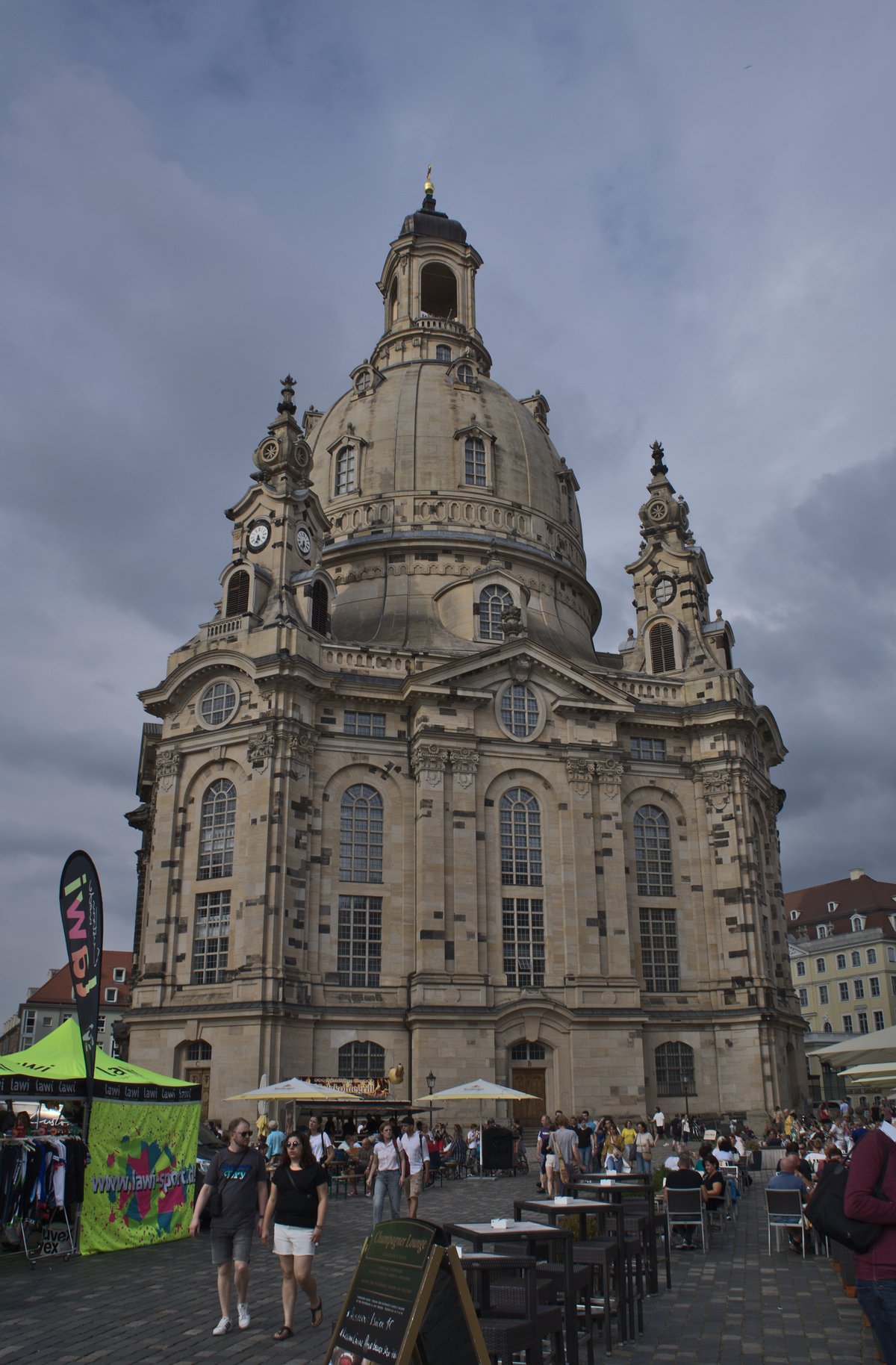
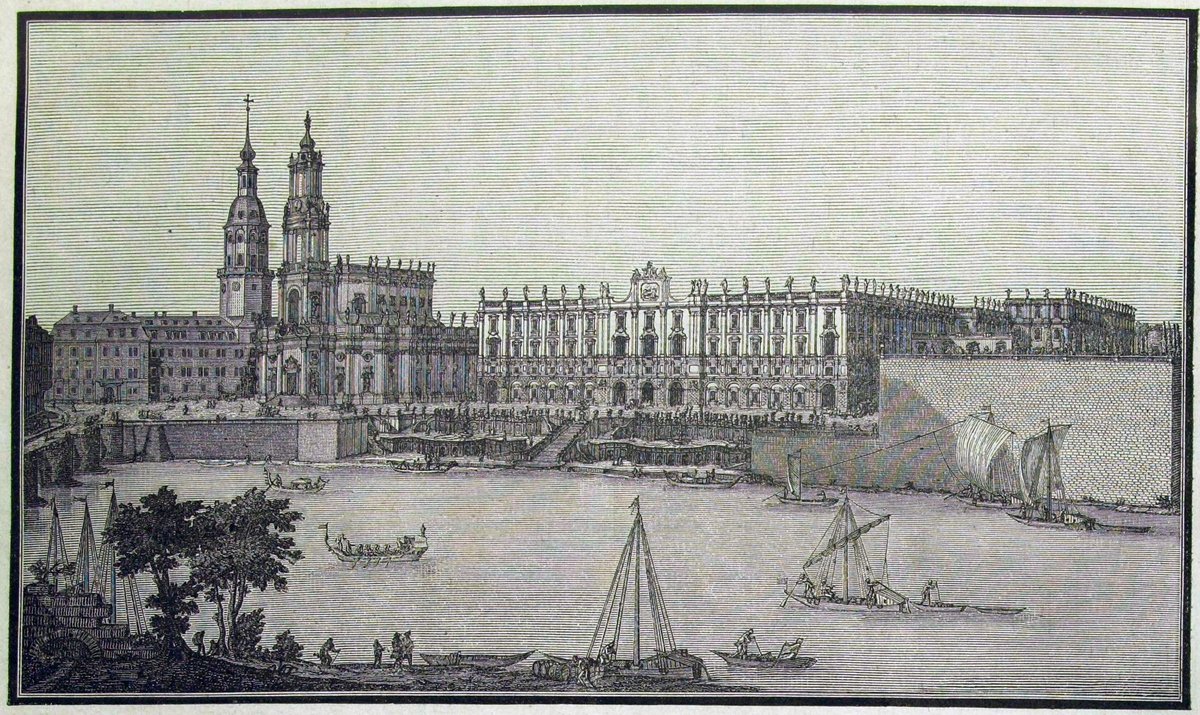
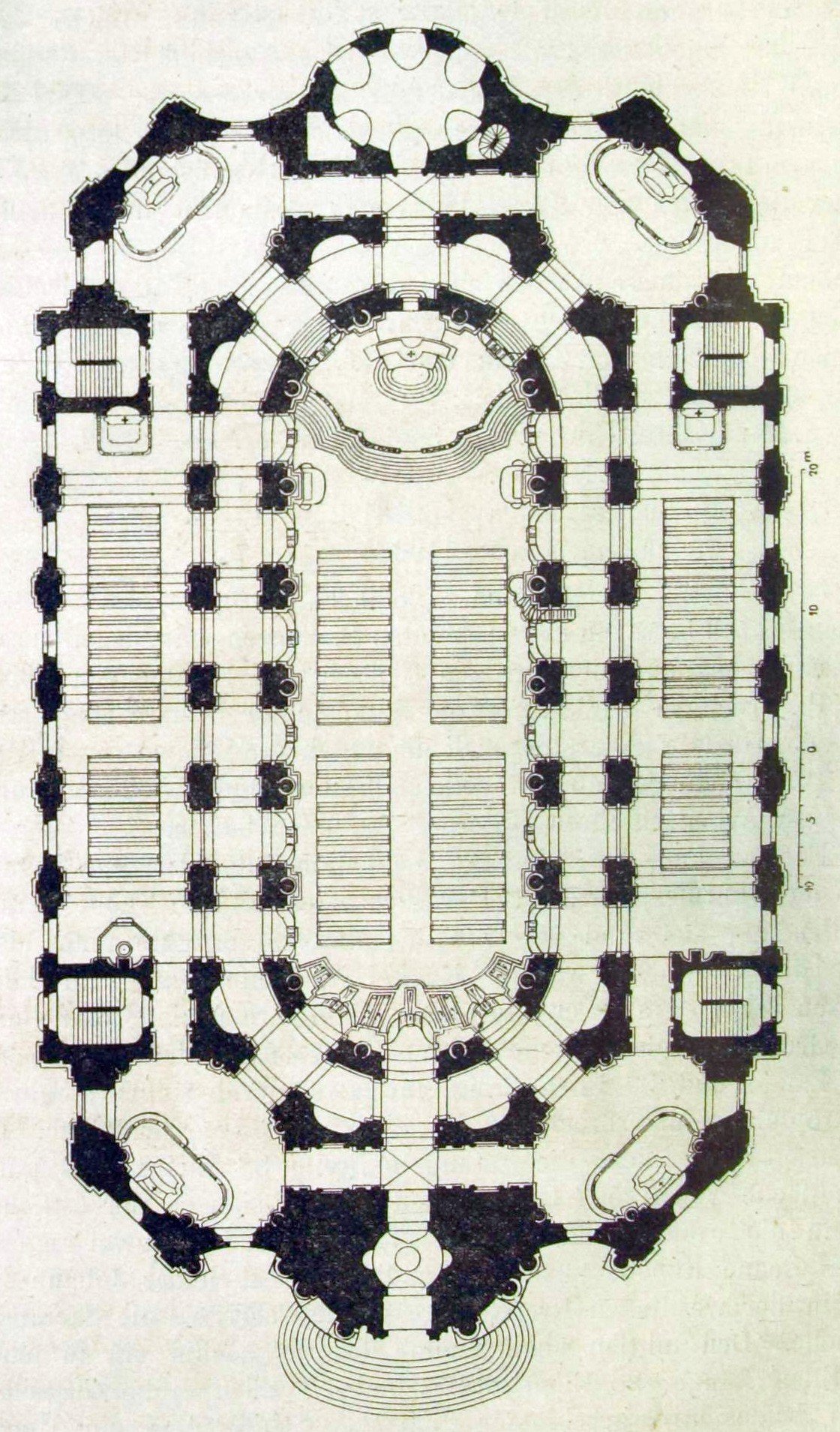
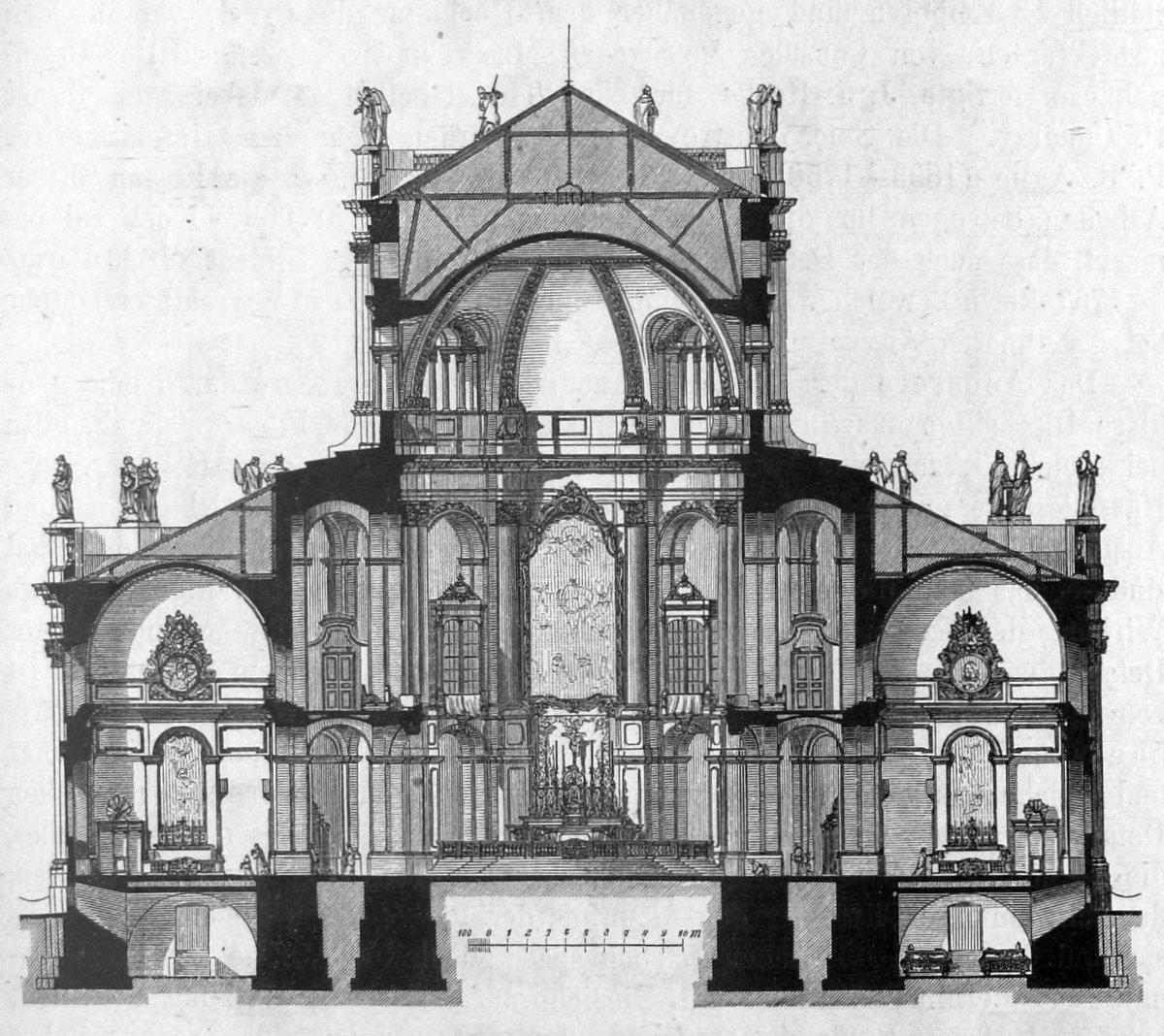
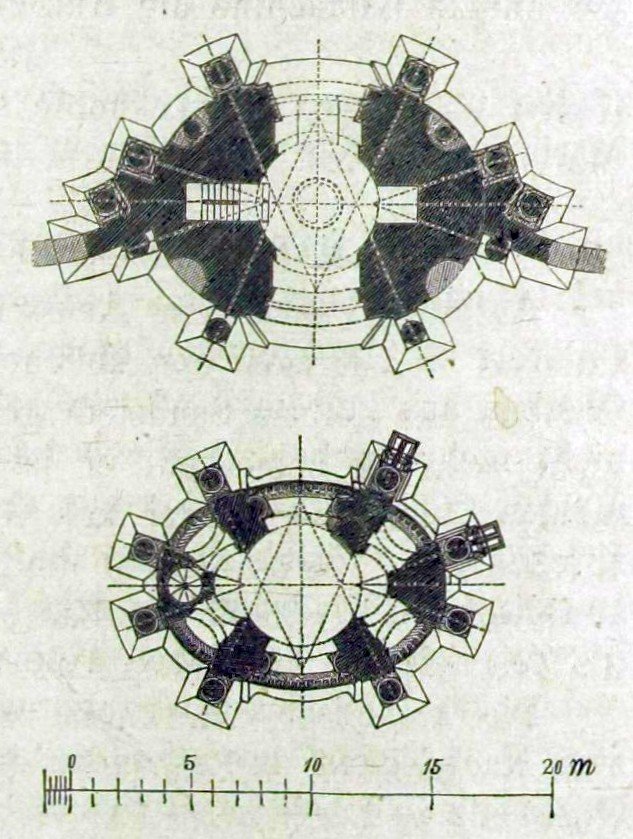
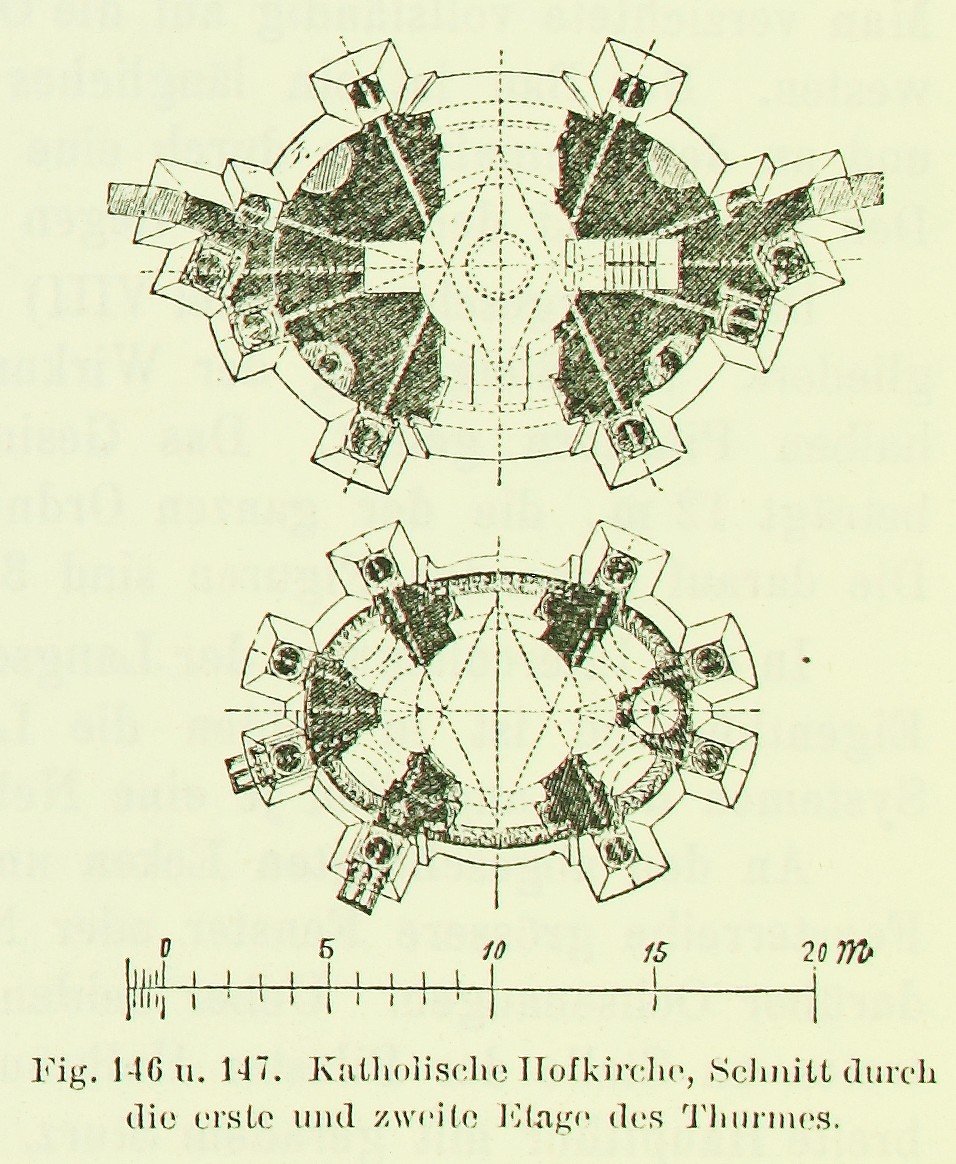
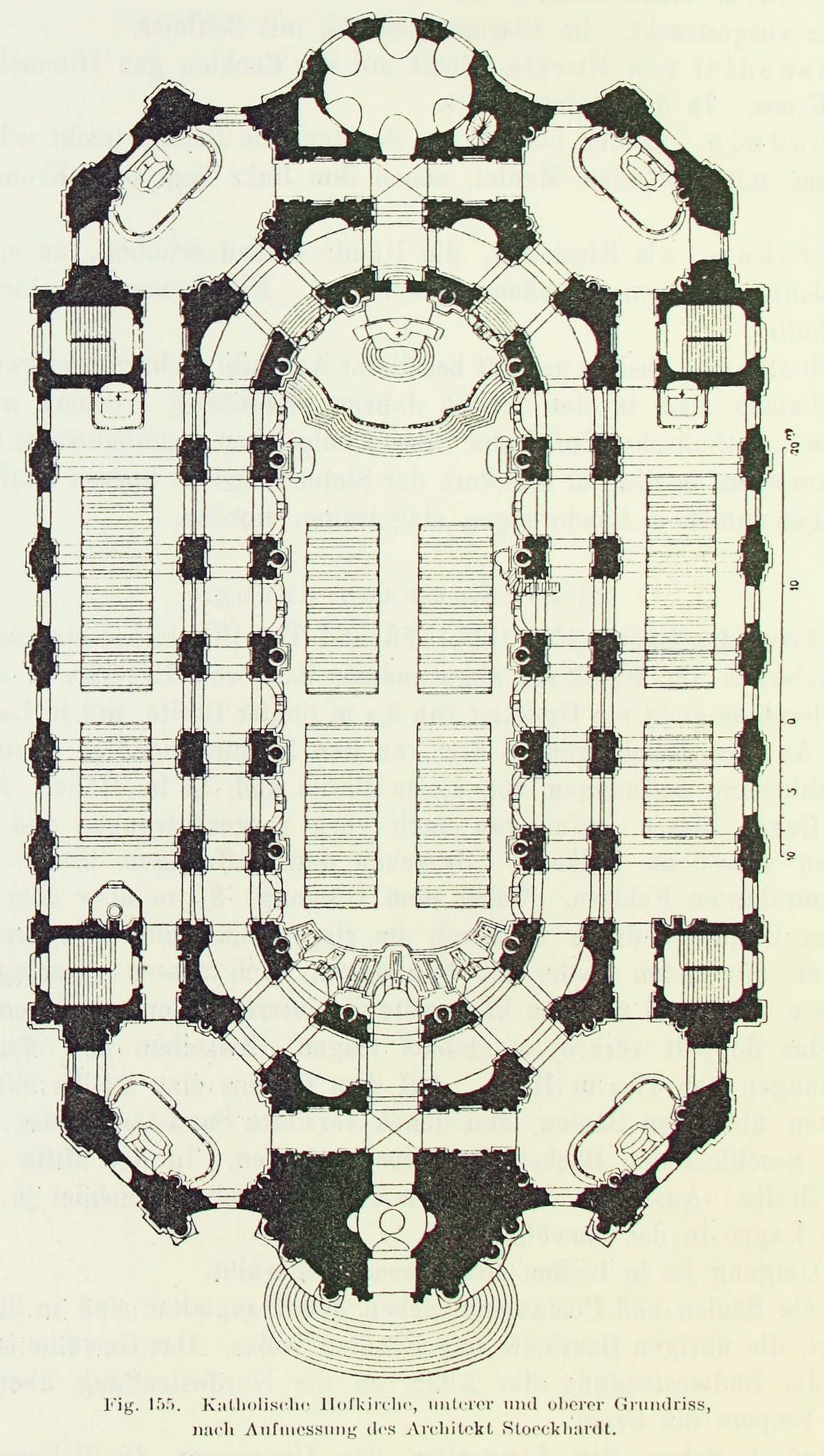
Dresden Cathedral owes its existence to the ambitions of the Wettin dynasty, especially Augustus II the Strong and Augustus III, who sought to establish a powerful Catholic presence in a predominantly Protestant city. Construction began in 1738 under Italian architect Gaetano Chiaveri and concluded in 1751, resulting in one of the last great Baroque churches in Europe. The cathedral’s design, with its dramatic oval nave and 83-meter belfry, was intentionally grand to rival the nearby Protestant Frauenkirche (A View on Cities; Spotting History).
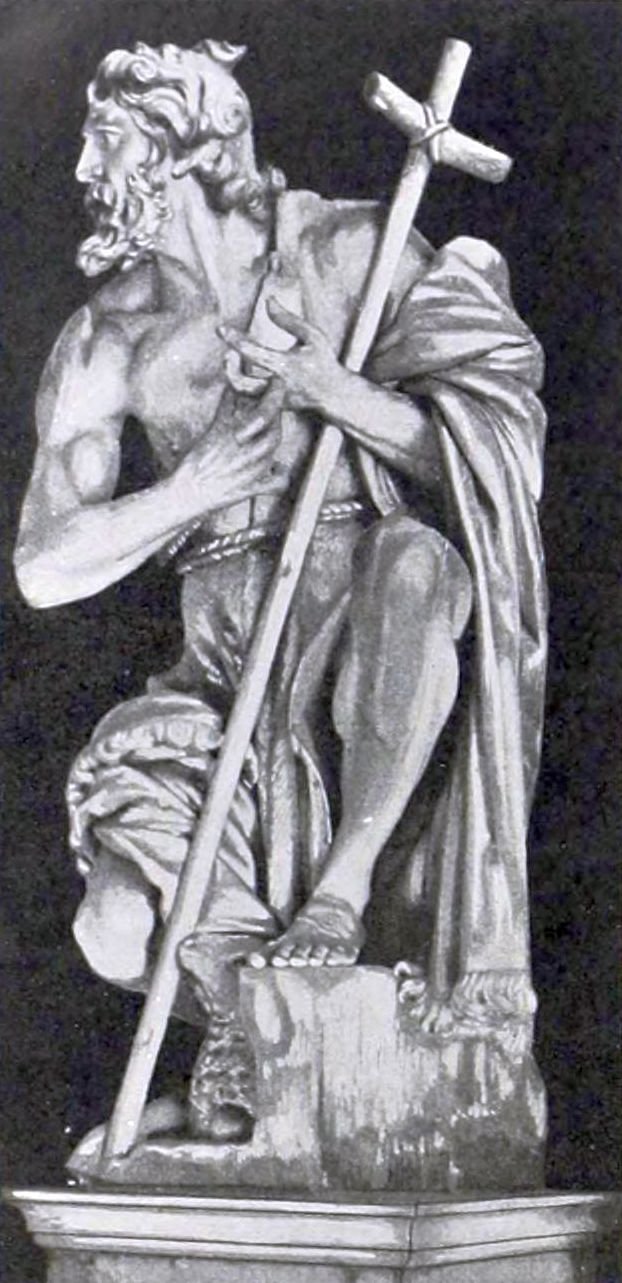
The cathedral’s balustrade is adorned with 78 statues of saints and historical figures, gazing over the city—a powerful visual statement of Catholic faith in Saxony. Its interior features a Rococo pulpit by Balthasar Permoser and the final organ crafted by master builder Gottfried Silbermann, both testaments to the artistic excellence of its era (The Creative Adventurer).
Religious and Dynastic Significance
The Hofkirche was conceived as both a spiritual and political monument, serving as the court church for the Saxon electors—who were also Kings of Poland—and as a public assertion of Catholic identity (Wikipedia). In 1980, it became the seat of the Roman Catholic Diocese of Dresden-Meissen, reinforcing its prominence in regional Catholic life.
Beneath the cathedral lies the crypt of the Wettin dynasty, housing the remains of 49 family members, including the heart of Augustus the Strong. The tradition of heart burial signifies the dynasty’s enduring ties to both Saxony and Poland (Spotting History).
Wartime Destruction and Restoration
Severely damaged in the 1945 Allied bombing of Dresden, the cathedral’s roof collapsed and much of its interior art was destroyed. Restoration, initiated in 1979 and completed in the 1980s, meticulously revived the cathedral using historic plans and salvaged artifacts. This effort stands as a powerful symbol of Dresden’s cultural revival and resilience (TravelSetu).
Architectural and Artistic Highlights
- Exterior: 83-meter belfry with a copper onion dome, statues by Lorenzo Mattielli and others, and a distinctive oval nave.
- Interior: Rococo pulpit, Silbermann organ, marble and bronze altars, frescoes, and stained glass illuminating the vast nave.
- Crypt: Burial site of the Wettin dynasty, including Saxon kings and notable royal consorts.
- Sacred Relics: Fragments of the True Cross, relics of St. Benno, and a modern Meissen porcelain Pietà commemorating WWII victims.
The cathedral’s harmonious integration with neighboring royal buildings and its Italianate Baroque style have earned Dresden the nickname “Florence on the Elbe” (Wikipedia).
Spiritual and Cultural Role
As the mother church of the Diocese of Dresden-Meissen, the cathedral remains an active center of worship, hosting daily Mass, Sunday services, and major liturgical celebrations. Its renowned Silbermann organ continues to draw audiences for concerts, including works by J.S. Bach, who performed here during his lifetime (visit-dresden-elbland.de).
The cathedral also serves as a focal point for ecumenical dialogue, interfaith events, and community engagement—reflecting its historic role as a symbol of religious tolerance in a culturally diverse city (northabroad.com).
Practical Visitor Information
Location and Access
- Address: Schlossplatz 1, 01067 Dresden, Germany (Trek Zone)
- Public Transport: Close to Theaterplatz (tram lines 1, 2, 4, 8, 9, 11); buses and parking garages nearby.
- Accessibility: Wheelchair-accessible main nave, ramps, elevators; assistance available upon request. Some areas, like the crypt and dome climb, have limited accessibility.
Visiting Hours
- Monday to Saturday: 10:00–17:00
- Sunday & Public Holidays: 12:00–17:00
- Hours may change for religious services or special events—check the official website before your visit.
Tickets and Admission
- Cathedral Entry: Free; donations are encouraged.
- Guided Tours/Dome Climb: Tickets required (approx. €5–€10 for adults, discounts for children and students).
- Concerts/Special Events: Tickets available online or at the box office.
- Audio Guides: Available for rent in multiple languages.
Guided Tours
- Languages: Several, including German and English.
- Duration: Typically 45–60 minutes.
- Booking: Reserve on-site or via official platforms; group tours should be booked in advance (GPSmyCity; evendo.com).
Dome Climb
- Tickets: Sold at the entrance.
- Accessibility: Not suitable for wheelchairs or those with limited mobility.
- Photo Opportunities: Panoramic views of Dresden and the Elbe River.
Dress Code and Visitor Etiquette
- Modest attire: shoulders and knees covered.
- Maintain silence, especially during services.
- Photography without flash and tripods is permitted, unless otherwise indicated.
Facilities and Amenities
- Restrooms, cloakroom/lockers, gift shop with religious souvenirs, and nearby cafés/restaurants.
Events, Concerts, and Liturgical Life
- Mass and Services: Open to visitors; check schedules for special liturgical events.
- Concerts: Regular organ recitals and choral performances, especially during festivals and holidays.
- Event Calendar: Available on the official website.
Travel Tips
- Visit early or late afternoon to avoid crowds.
- Allow time for exploring nearby attractions—Zwinger Palace, Semper Opera House, Frauenkirche, and Dresden Castle are all within walking distance.
- Combine your visit with a stroll along the Elbe River for memorable city views.
- Most signage and staff communication are available in German and English.
Frequently Asked Questions (FAQs)
What are Dresden Cathedral’s visiting hours?
Monday to Saturday: 10:00–17:00; Sunday and public holidays: 12:00–17:00. Confirm on the official site.
Is entrance free?
Entry to the main nave is free; tickets are needed for tours, concerts, and dome climb.
Are guided tours available?
Yes, in multiple languages; book in advance for groups.
Is the cathedral wheelchair accessible?
The main nave is accessible; some areas (crypt, dome) have restricted access.
Can I take photos?
Yes, without flash or tripod; respect posted rules, especially during services.
Nearby Historical Sites & Attractions
- Zwinger Palace: Baroque palace and museums (3 min walk)
- Semper Opera House: Renowned opera venue (2 min walk)
- Frauenkirche: Iconic Protestant church (5 min walk)
- Dresden Castle: Royal residence and museum complex (5 min walk)
- Dresden Transport Museum: Exhibits on the history of mobility (4 min walk)
(Trek Zone)
Summary and Recommendations
Dresden Cathedral is a must-visit landmark, offering a harmonious blend of architectural splendor, sacred art, historical depth, and vibrant spiritual life. Whether your interest lies in its Baroque design, dynastic crypt, musical heritage, or role in Dresden’s cultural revival, the cathedral provides a rewarding experience. Plan your visit using this guide, check for up-to-date information on the official Dresden Cathedral website, and consider exploring other nearby Dresden historical sites for a full cultural immersion.
Enhance your visit with the Audiala app for guided audio tours and follow us on social media for the latest updates and travel inspiration.
Listen to the full story in the app
The whole Dresden Cathedral,
told well.
Audio guides for 1,100+ cities across 96 countries. History, stories, and local insight — offline ready.
Verified, and shown.
Researched and written by the Audiala editorial team from historical records, architectural archives, and local expertise.
Researched from Wikidata, Wikipedia & official sources · fact-checked · How we make our guides →