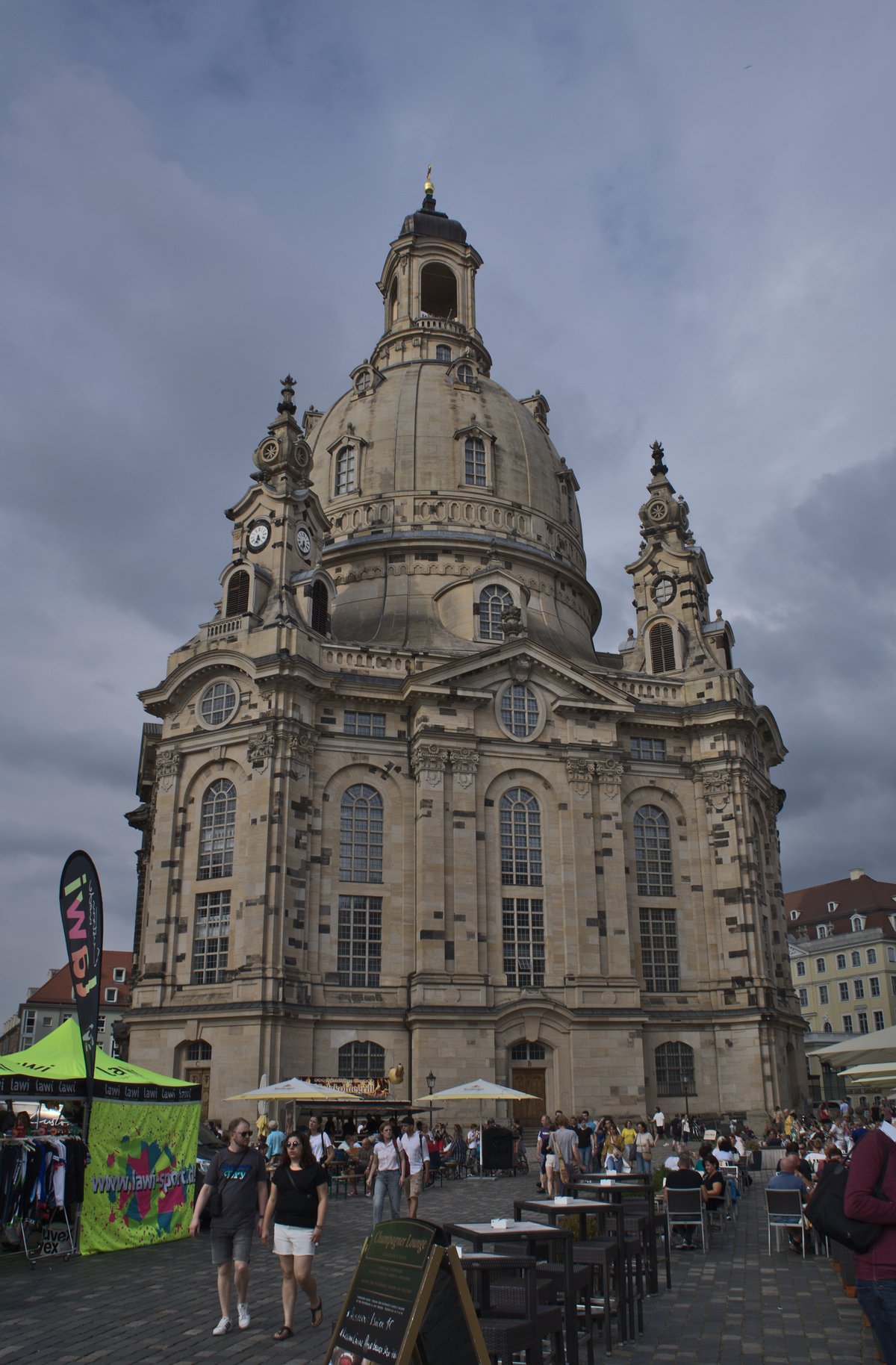
Plan and listen to Church Of Our Lady with Audiala.
Audio guide in your pocket, itinerary in your browser. Built for the way you actually visit.
Introduction
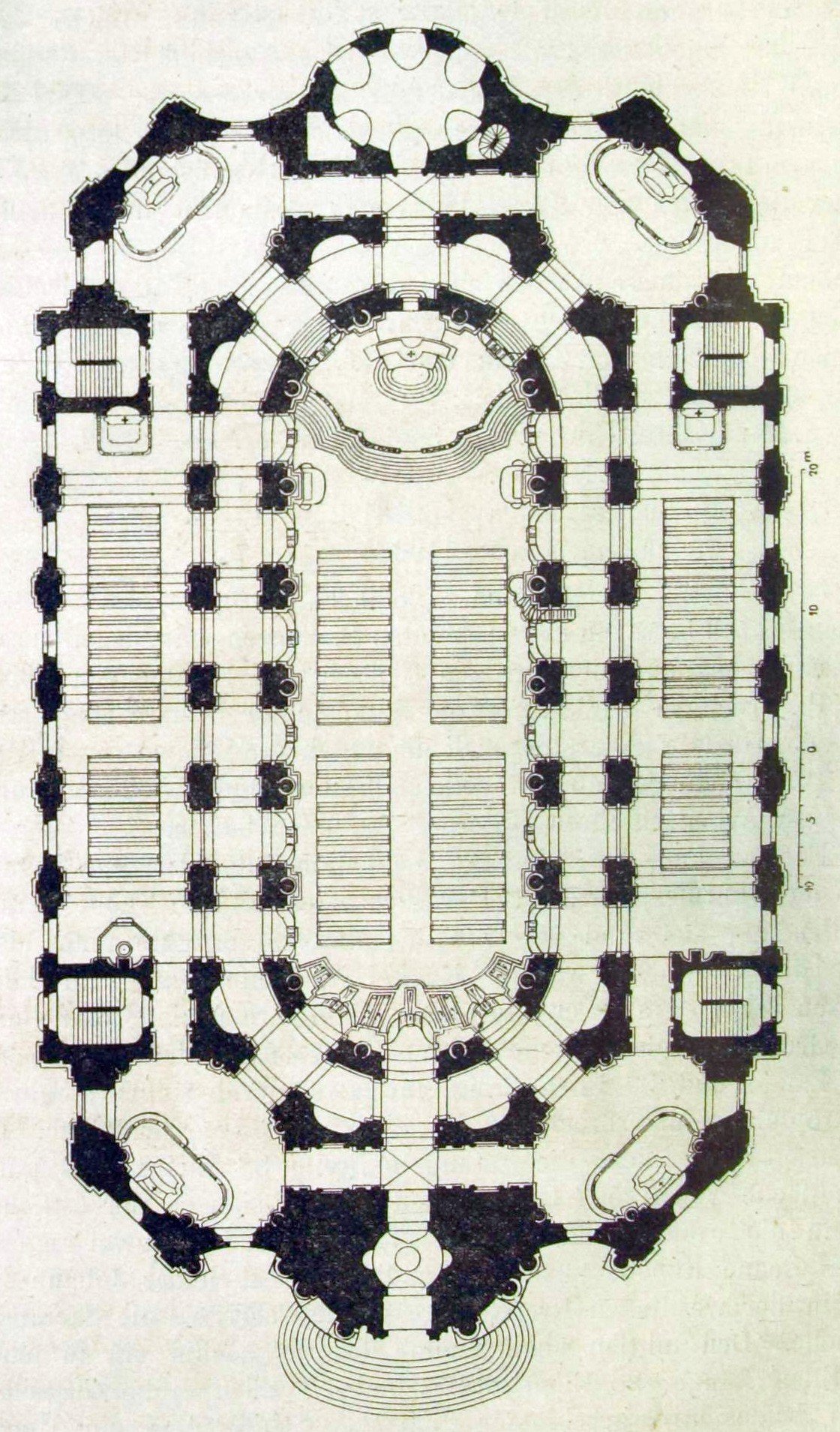
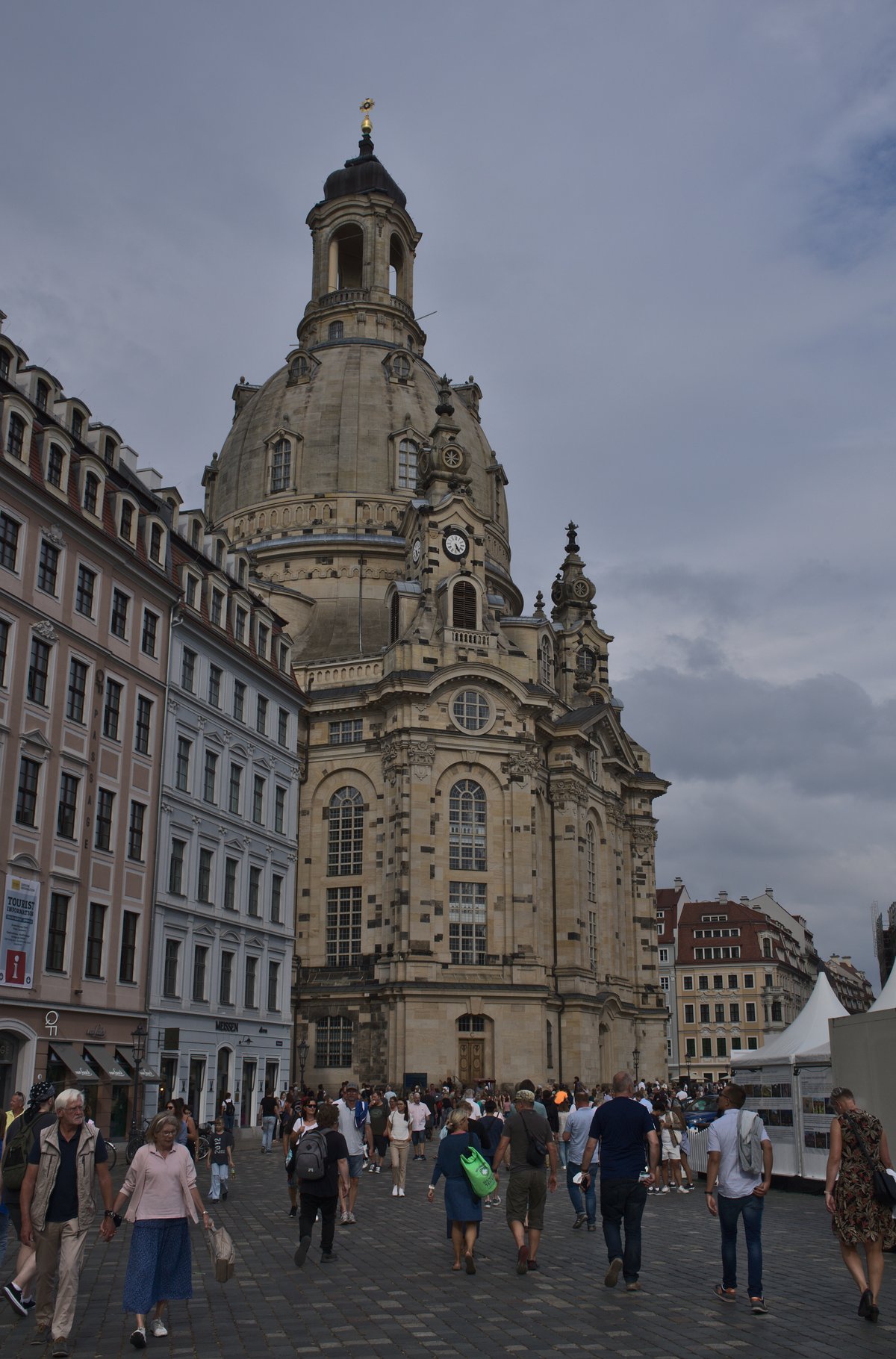
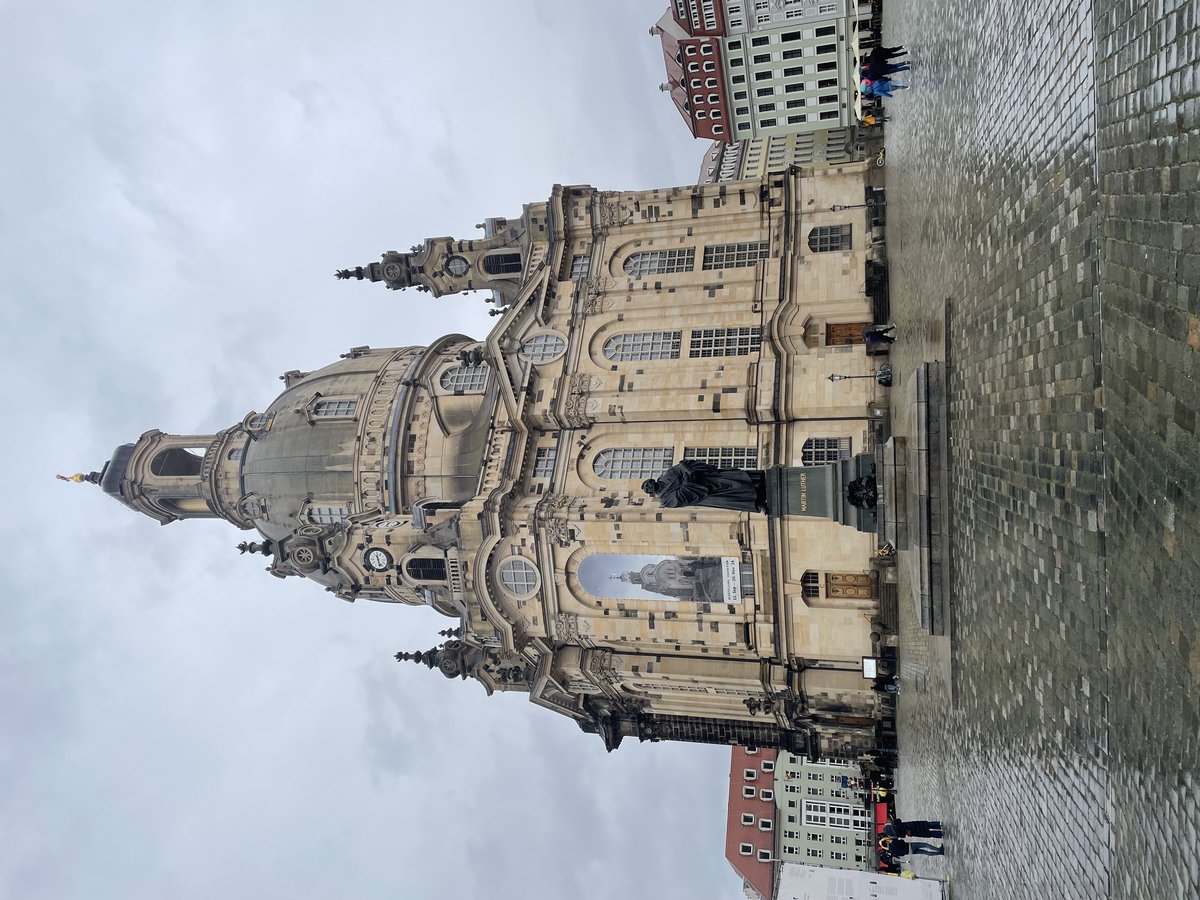
The Frauenkirche, or Church of Our Lady, situated in the historic town of Pirna, Germany, stands as a testament to centuries of architectural splendor, religious significance, and cultural resilience. This magnificent edifice has weathered the vicissitudes of history, from its early Romanesque beginnings in 1502, through Gothic transformations and Baroque embellishments, to its near destruction during World War II and subsequent reconstruction. Each phase of its development mirrors broader historical trends and events, including the Protestant Reformation and the Industrial Revolution, making it a microcosm of European history (Frauenkirche Pirna). Visitors to the Frauenkirche today are not only greeted by its stunning architectural features, such as its towering spire, intricate stonework, and beautiful stained glass windows, but also by a vibrant community that continues to celebrate its heritage through regular worship, concerts, and cultural events. This guide provides comprehensive insights into the church's rich history, architectural significance, and practical visitor information, ensuring a meaningful and enriching experience for all who step through its storied doors.

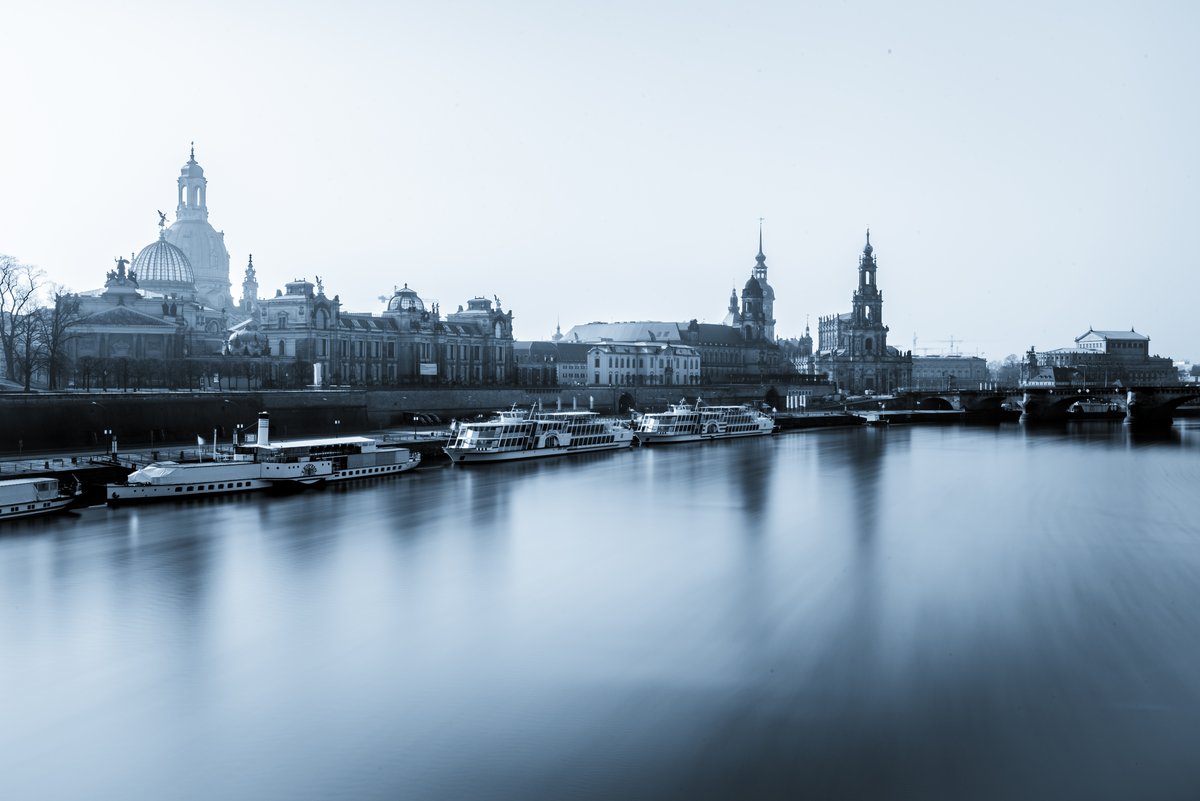
Exploring the Frauenkirche in Pirna: History, Visiting Hours, and Tickets
Origins and Early History
The Frauenkirche in Pirna has a rich history dating back to the medieval period. The first documented mention of a church on this site dates back to 1502. This early structure was a Romanesque church, reflecting the architectural style prevalent in Europe during the 11th and 12th centuries. The church was initially built to serve the spiritual needs of the local community, which was growing rapidly due to Pirna's strategic location along the Elbe River.
Gothic Transformation
In the late 15th century, the Frauenkirche underwent significant changes. The original Romanesque structure was largely replaced by a new Gothic-style church, a transformation that was part of a broader trend across Europe. This period saw the construction of the church's most iconic features, including its towering spire and intricate stonework. The Gothic architecture of the Frauenkirche is characterized by its pointed arches, ribbed vaults, and flying buttresses, which were designed to create a sense of verticality and lightness. The church's stained glass windows, which depict scenes from the Bible, were also installed during this period and remain one of its most striking features.
Reformation and Religious Turmoil
The Frauenkirche played a significant role during the Protestant Reformation in the 16th century. Pirna, like much of Saxony, became a center of Protestant activity following Martin Luther's Ninety-Five Theses in 1517. The church transitioned from Catholic to Lutheran worship, reflecting the broader religious changes sweeping through Germany. This period was marked by religious conflict and upheaval, but the Frauenkirche remained a central place of worship and community gathering.
Baroque Renovations
In the 17th and 18th centuries, the Frauenkirche underwent further renovations, this time in the Baroque style. These changes were part of a broader effort to update and beautify the church. The Baroque renovations included the addition of ornate altars, elaborate frescoes, and a new organ. These changes were intended to reflect the glory and majesty of God, in line with the Baroque emphasis on grandeur and emotional intensity. The organ, in particular, became a focal point of the church's musical life, attracting renowned organists and composers.
19th Century and Industrialization
The 19th century brought significant changes to Pirna and the Frauenkirche. The Industrial Revolution transformed the town, leading to rapid population growth and urbanization. The church adapted to these changes by expanding its services and outreach efforts. During this period, the Frauenkirche also became a center for social and charitable activities, reflecting the church's commitment to serving the needs of the community. The church's architecture was also updated to reflect contemporary tastes, with the addition of new stained glass windows and other decorative elements.
World War II and Reconstruction
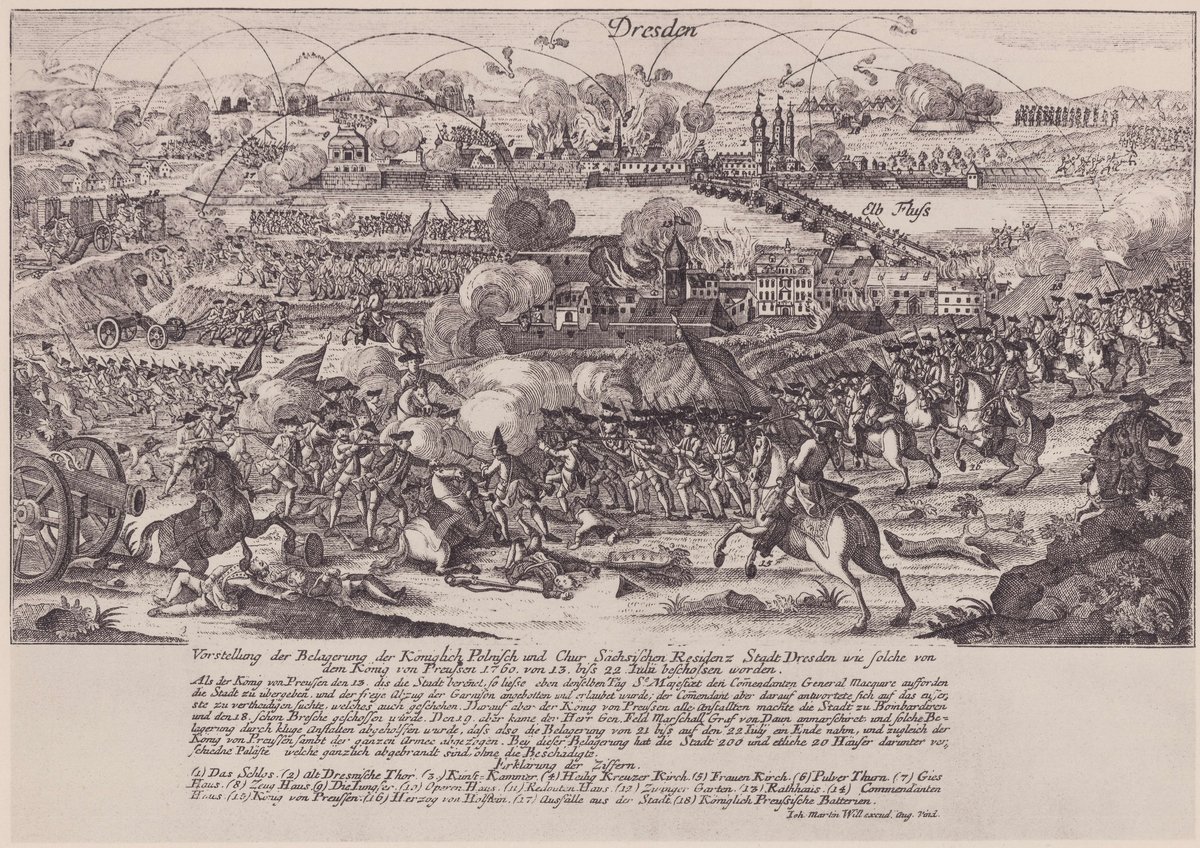
The Frauenkirche, like much of Germany, suffered significant damage during World War II. Allied bombing raids in 1945 caused extensive damage to the church, destroying much of its roof and interior. In the immediate aftermath of the war, the church was left in ruins, a stark reminder of the conflict's devastation. However, the local community was determined to rebuild. Reconstruction efforts began in the late 1940s and continued through the 1950s. These efforts were guided by a commitment to preserving the church's historical and architectural integrity. The reconstruction was completed in 1958, and the Frauenkirche was rededicated as a place of worship and community gathering.
Modern Era and Preservation
In the decades since its reconstruction, the Frauenkirche has continued to play a central role in the life of Pirna. The church has been the site of numerous cultural and religious events, including concerts, lectures, and community gatherings. In recent years, there has been a renewed focus on preserving the church's historical and architectural heritage. This has included efforts to restore and maintain the church's Gothic and Baroque features, as well as the installation of modern amenities to support its ongoing use as a place of worship and community center.
Cultural Significance
The Frauenkirche is not only a place of worship but also a symbol of Pirna's rich cultural and historical heritage. The church's architecture and art reflect the various historical periods and styles that have shaped the town. The Frauenkirche is also a testament to the resilience and determination of the local community, which has worked tirelessly to preserve and restore the church through periods of conflict and change. Today, the Frauenkirche stands as a vibrant and active part of Pirna's cultural life, attracting visitors from around the world who come to admire its beauty and learn about its history.
Visitor Information
For those planning to visit the Frauenkirche, it is located in the heart of Pirna's historic old town. The church is open to visitors throughout the year, with guided tours available that provide insights into its history and architecture. The Frauenkirche also hosts regular services and cultural events, making it a lively and dynamic part of the community. Visitors are encouraged to check the church's website for the latest information on opening hours, ticket prices, and events (Frauenkirche Pirna).
Special Events and Guided Tours
The Frauenkirche offers a variety of special events throughout the year, including concerts, art exhibitions, and community celebrations. Guided tours are available and provide in-depth knowledge about the church's history, architecture, and cultural significance. These tours are highly recommended for those who wish to gain a deeper understanding of this remarkable site.
Travel Tips and Nearby Attractions
When visiting the Frauenkirche, consider exploring other nearby attractions in Pirna's historic old town. The area is rich with historical sites, charming cafes, and unique shops. Travel tips include wearing comfortable walking shoes and planning your visit during off-peak hours to avoid crowds. Accessibility information is available on the Frauenkirche's website to assist visitors with special needs.
FAQ
What are the Frauenkirche visiting hours? The Frauenkirche is open to visitors daily from 9 AM to 6 PM. However, hours may vary during special events or holidays.
How to buy tickets for the Frauenkirche? Tickets can be purchased at the church entrance or online through the official Frauenkirche website. Prices vary depending on the type of tour or event.
Is the Frauenkirche accessible to visitors with disabilities? Yes, the Frauenkirche has made efforts to accommodate visitors with disabilities. There are ramps and accessible pathways. Please check the church's website for detailed accessibility information.
Tickets & tours.
These are guided options from our partners — same price as booking direct.
Prices are indicative — final pricing and availability are confirmed at checkout. Audiala may earn a commission from bookings made through these links.
Listen to the full story in the app
The whole Church Of Our Lady,
told well.
Audio guides for 1,100+ cities across 96 countries. History, stories, and local insight — offline ready.
Verified, and shown.
Researched and written by the Audiala editorial team from historical records, architectural archives, and local expertise.
Researched from Wikidata, Wikipedia & official sources · fact-checked · How we make our guides →