Introduction
The first time you stand before the Brandenburg Gate at dusk, the smell of grilled currywurst drifts past while floodlights turn the stone columns amber. Berlin doesn't whisper its contradictions; it slams them right in front of you. This is a city that kept a strip of the Wall standing so artists could paint on the death strip, where a Prussian palace portal now sits embedded in a 1960s East German government building like an architectural hostage.
That tension between eras is everywhere. Walk down Bernauer Straße and the grass strip where the Wall once ran still feels colder than the surrounding pavement. The same light that once illuminated guard towers now falls through the glass dome of the Reichstag, where visitors spiral upward on a ramp designed by Norman Foster. Berlin doesn't smooth over its past. It leaves the seams showing on purpose.
Yet the city keeps rewriting itself faster than any guidebook can track. A former airport became Tempelhofer Feld, where kite-surfers now ride the same winds that once carried planes. In Neukölln and Wedding, Turkish grandmothers and young coders share the same sidewalks. The directness of Berliners can feel abrupt at first. Then you realize it's a form of respect. They don't waste your time with pleasantries they don't mean.
What changes you is how ordinary these layers become after a few days. One afternoon you're eating döner invented by Turkish immigrants in the 1970s. The next you're standing inside a brutalist housing block that Le Corbusier himself disowned. Suddenly the city's refusal to be picturesque starts to feel like the most honest thing in Europe.
Places to Visit
The Most Interesting Places in Berlin
Q156722
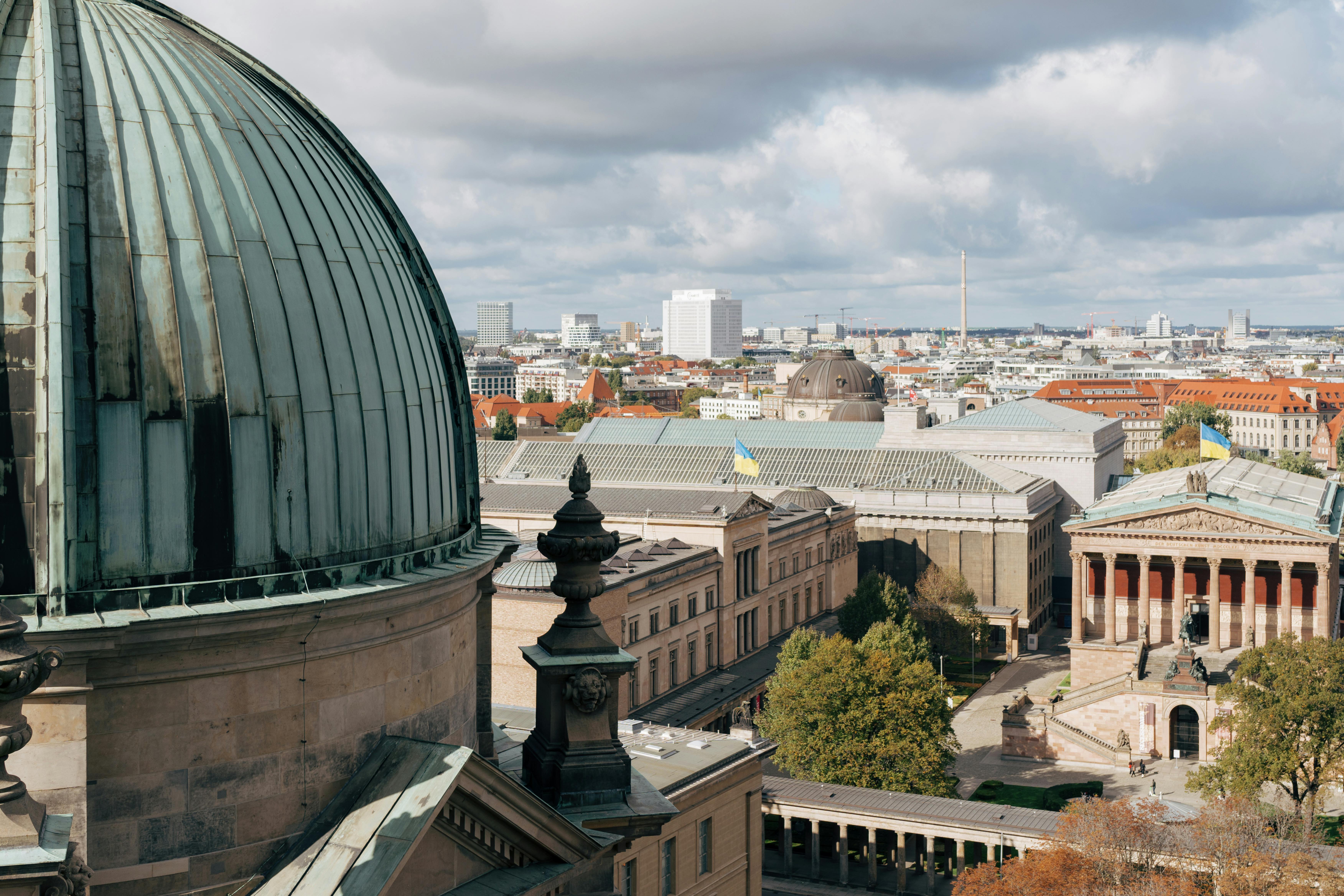
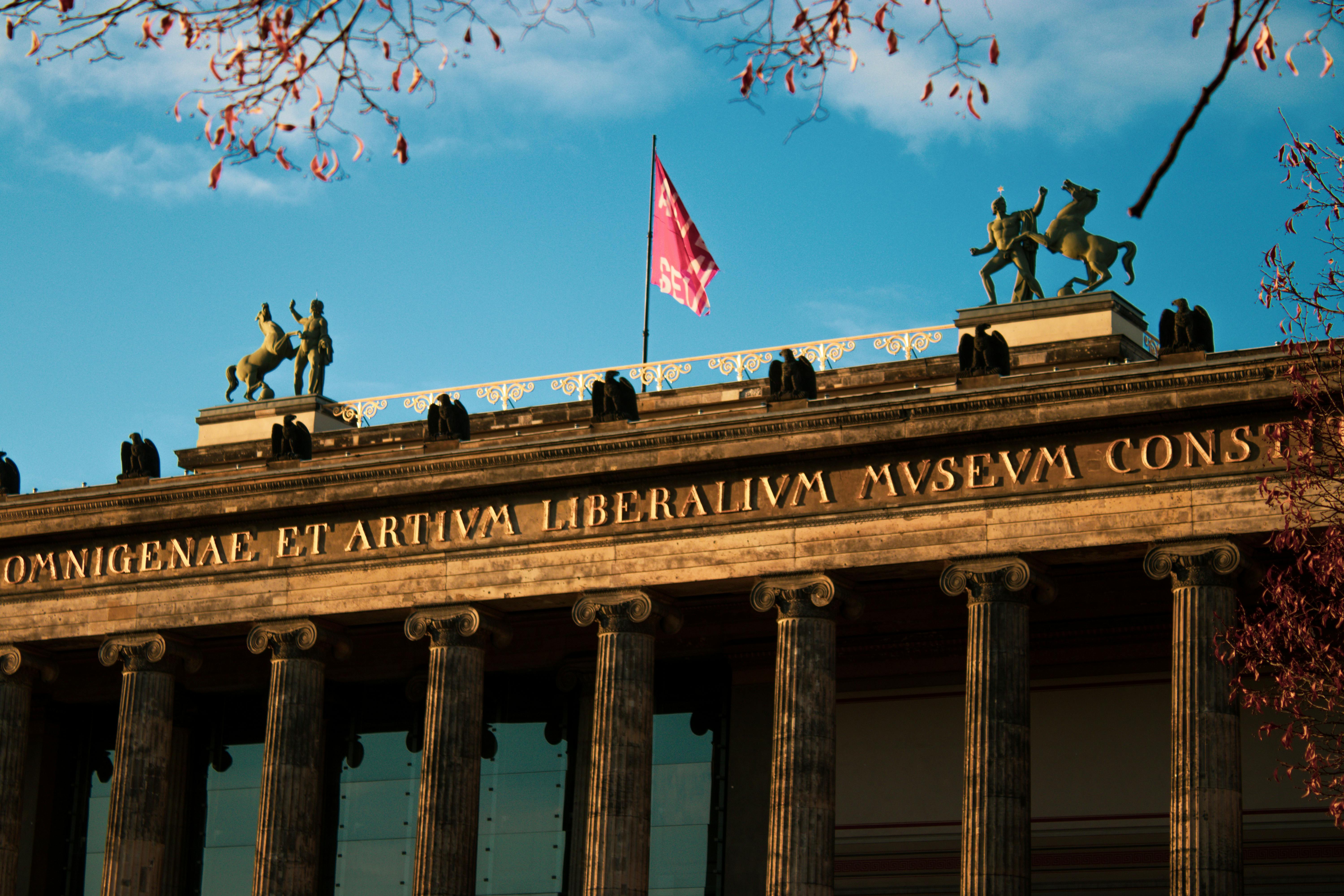
Schinkel's 1830 neoclassical masterpiece hides a domed Pantheon rotunda behind its portico — Berlin's first public museum, still bearing deliberate WWII scars.
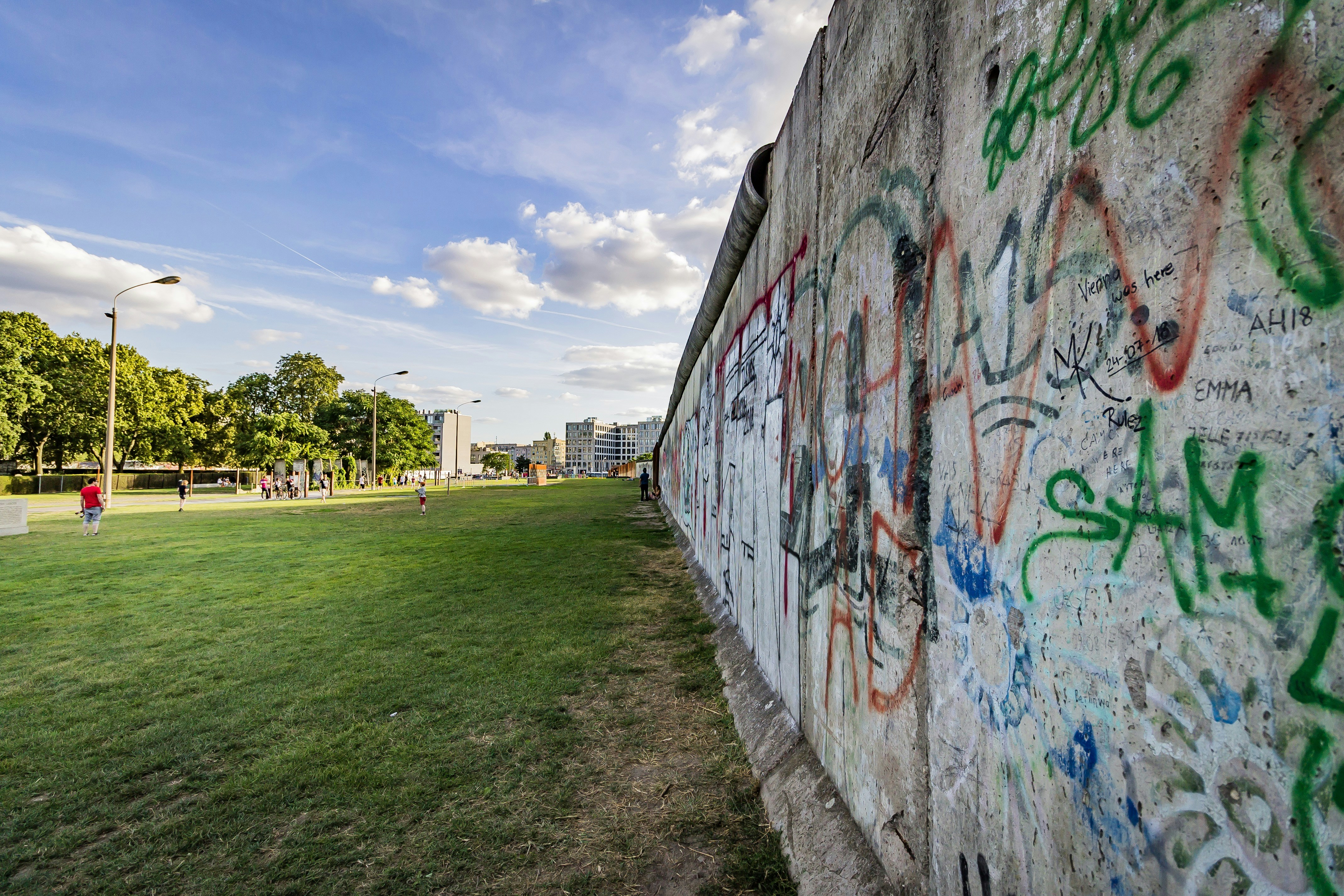
Berlin Wall
The Berlin Wall stands as one of the most profound historical monuments symbolizing the ideological and physical division of Germany and the broader Cold War…
Berliner Mauer
At least 140 people died trying to cross it. The East Side Gallery murals you see are 2009 repaints, not originals. The real Wall ran 155 km.
Brandenburg Gate
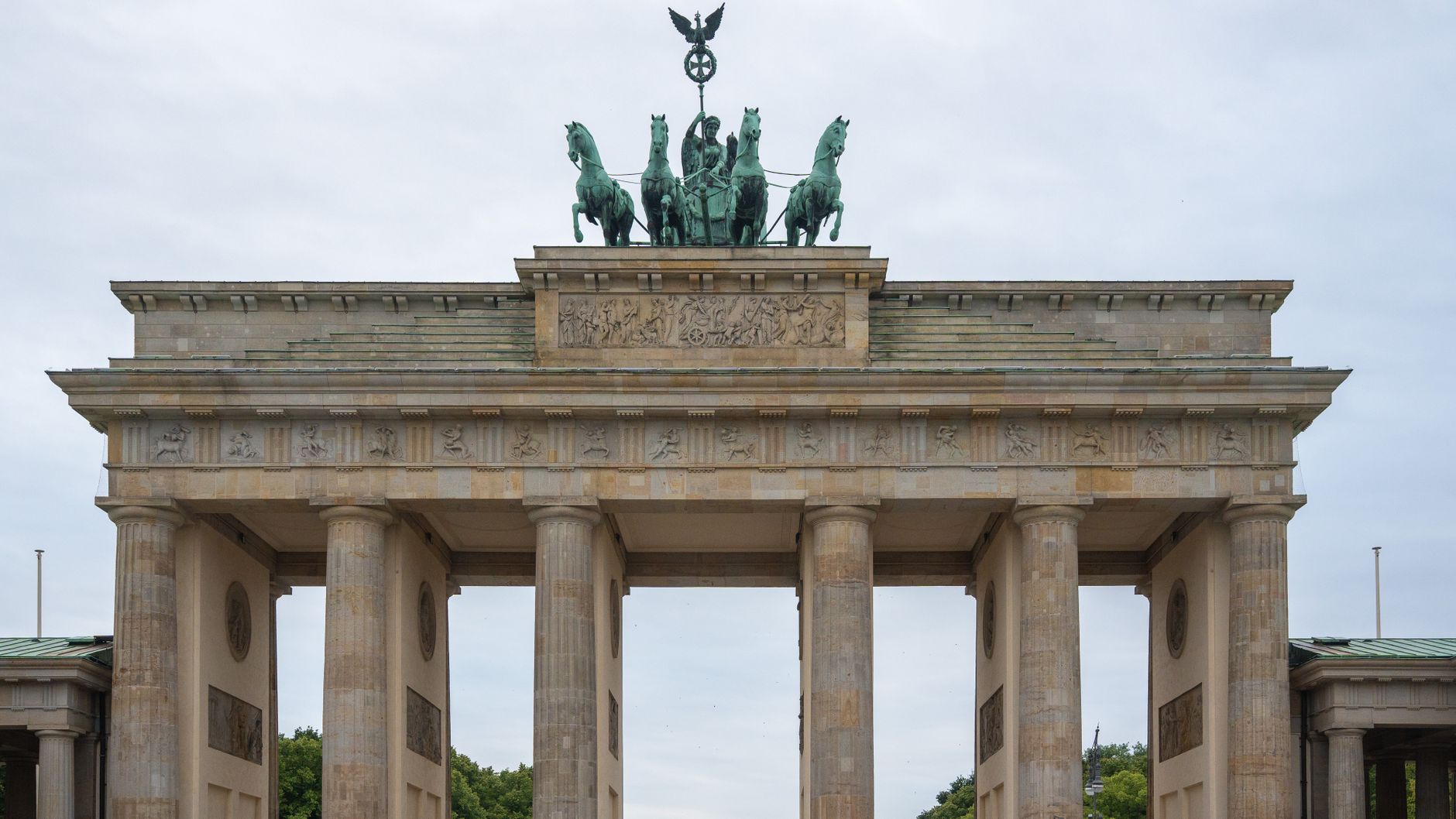
Napoleon looted its Quadriga as a war trophy. The Berlin Wall sealed it in no-man's land for 28 years. Free entry; 15 minutes is enough.
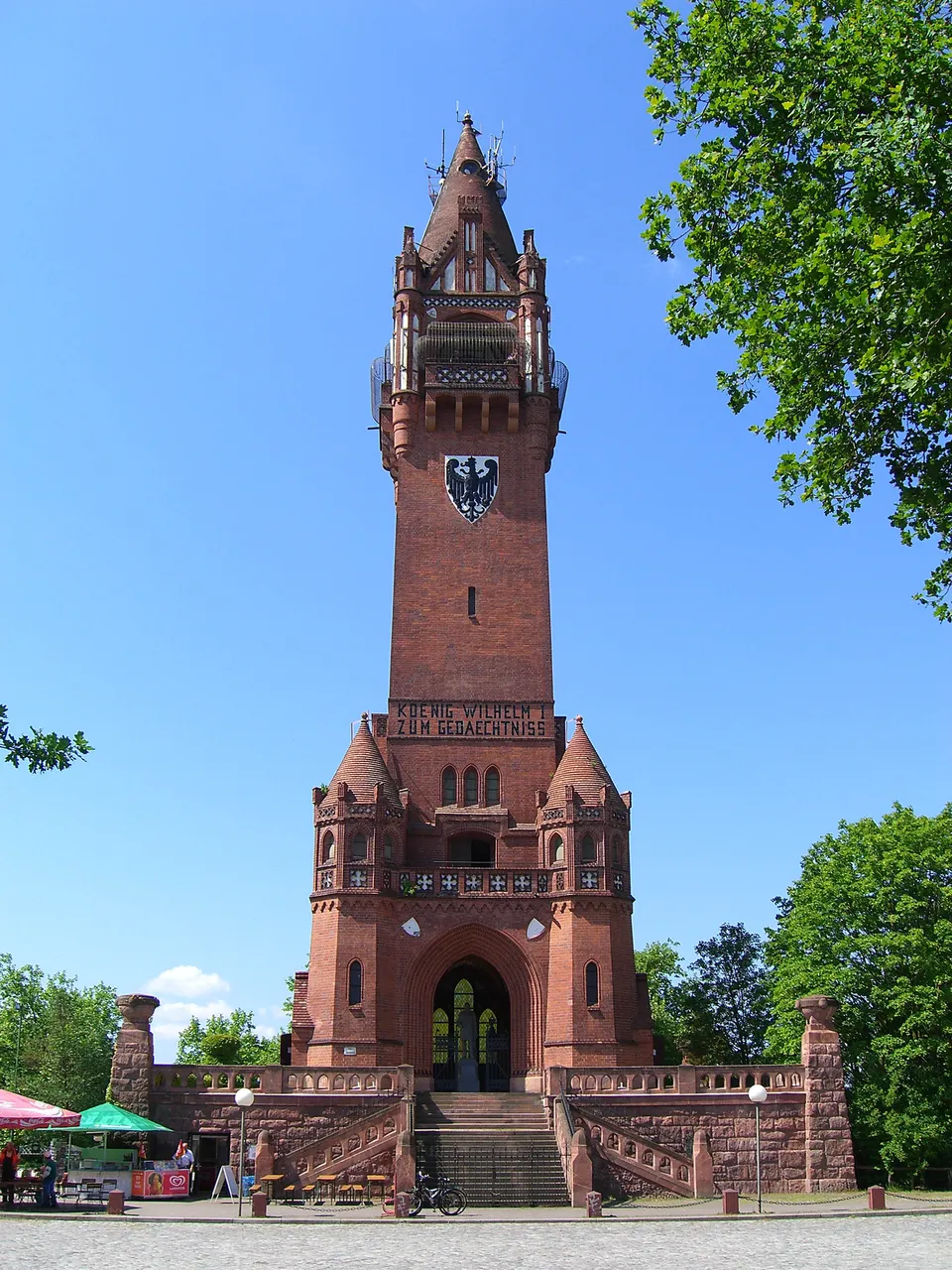
Grunewald Tower
A €3 climb up 204 spiral stairs rewards you with Havel panoramas and forgotten Neo-Byzantine mosaics most visitors walk straight past.
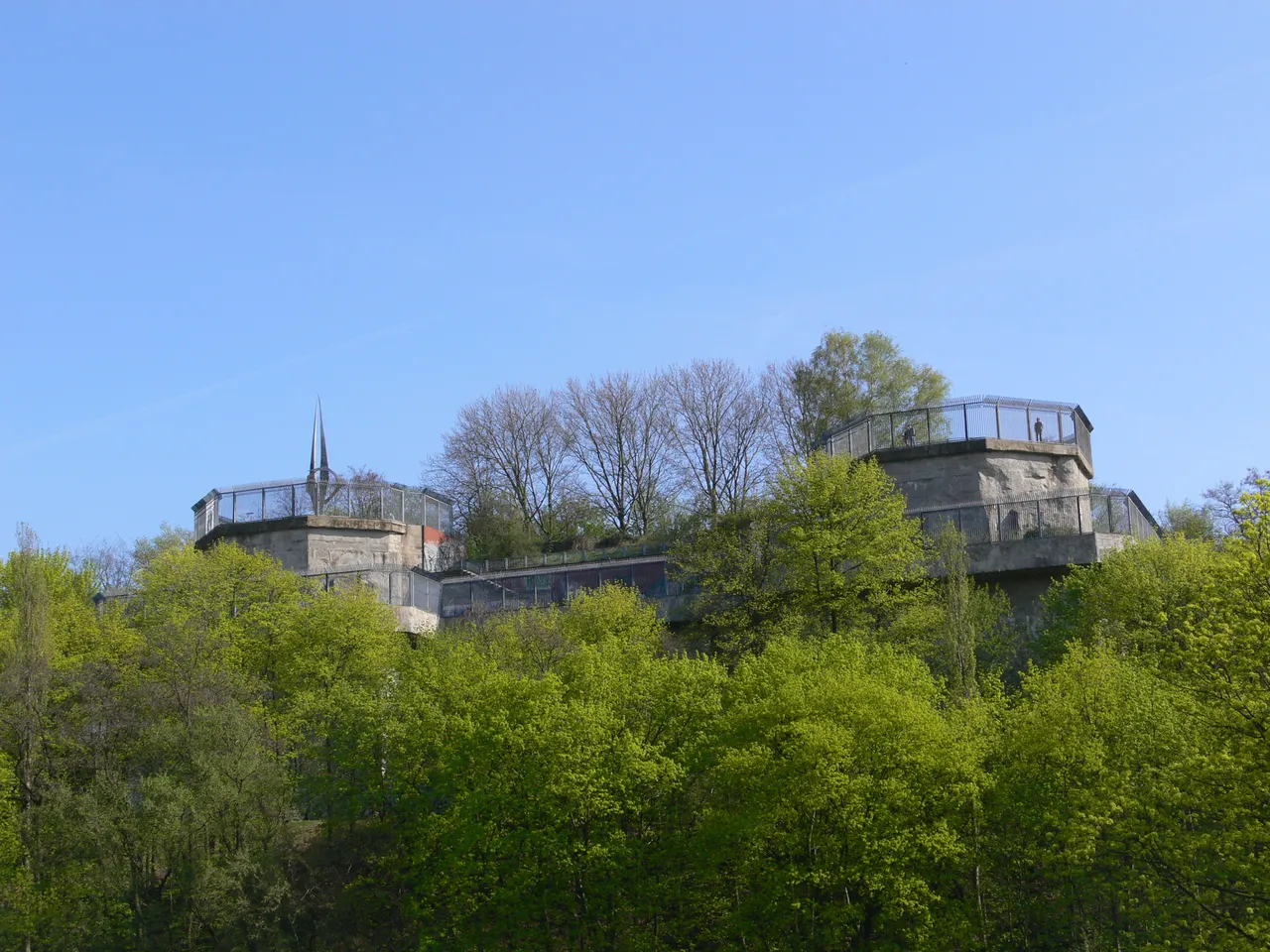
Flakturm Humboldthain
41 tonnes of dynamite failed to demolish this WWII gun tower. Half-buried in war rubble, it's now Berlin's quirkiest free viewpoint.
Escp Business School
The world's first infant mortality prevention institute (1909), now a French business school — Alfred Messel's neo-baroque masterpiece in Charlottenburg-Westend.
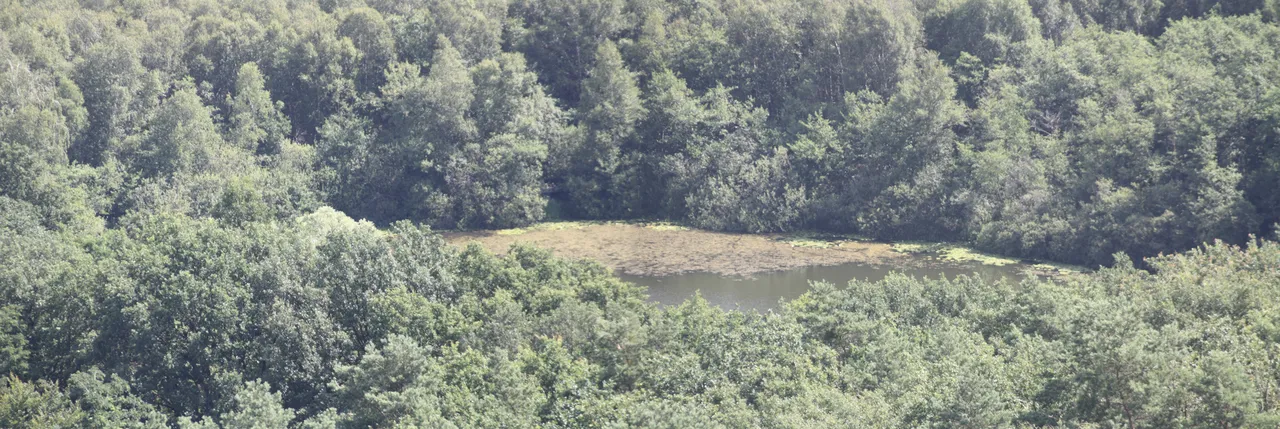
Teufelsseemoor Köpenick
Berlin's only intact kettle bog sits 13 metres deep in peat, harbours crested newts and sundew, and cost €900k to make walkable.
Luftbrückendenkmal
The Luftbrückendenkmal in Frankfurt, Germany, is more than just a monument; it is a powerful symbol of resilience, cooperation, and international solidarity.
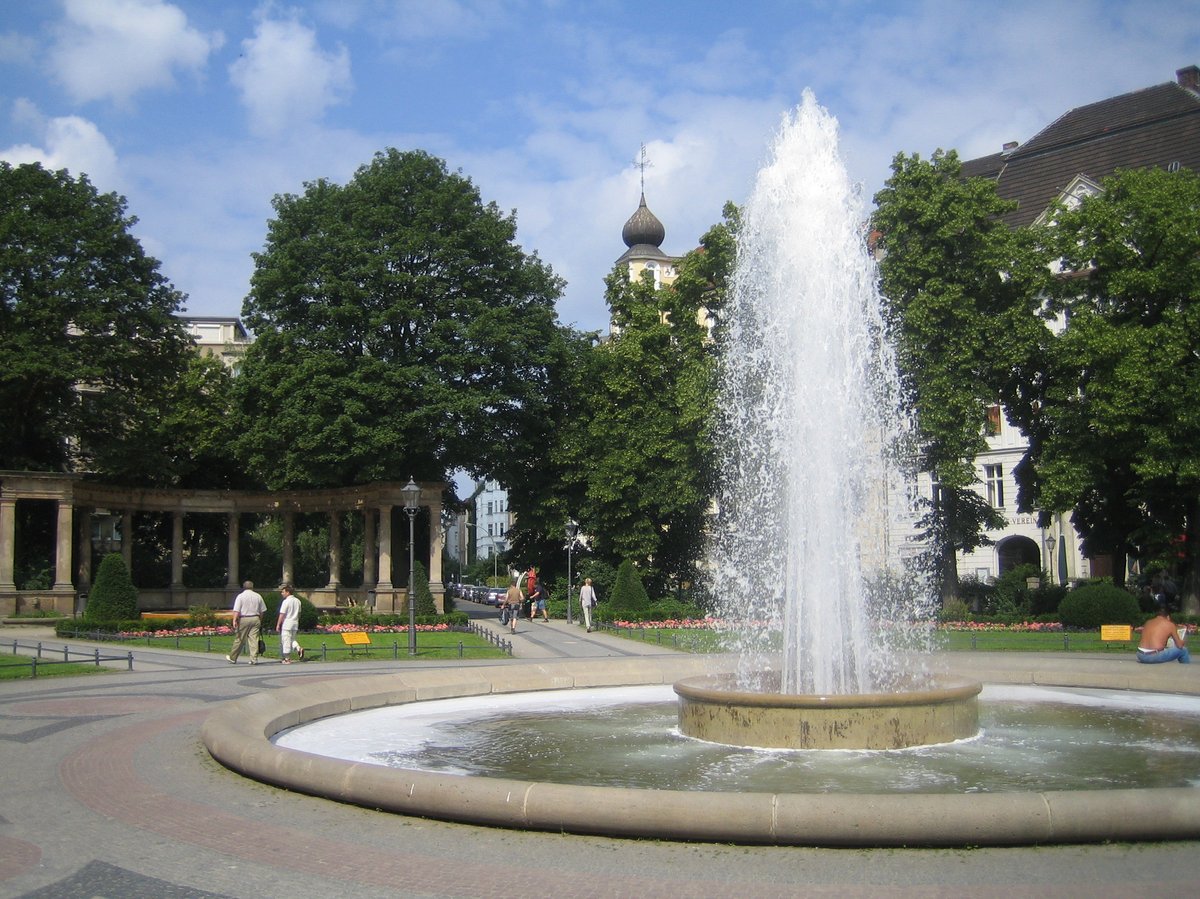
Fountain at Viktoria-Luise-Platz
Nestled in the heart of Berlin's Schöneberg district, Viktoria-Luise-Platz stands as a quintessential example of early 20th-century urban planning, seamlessly…
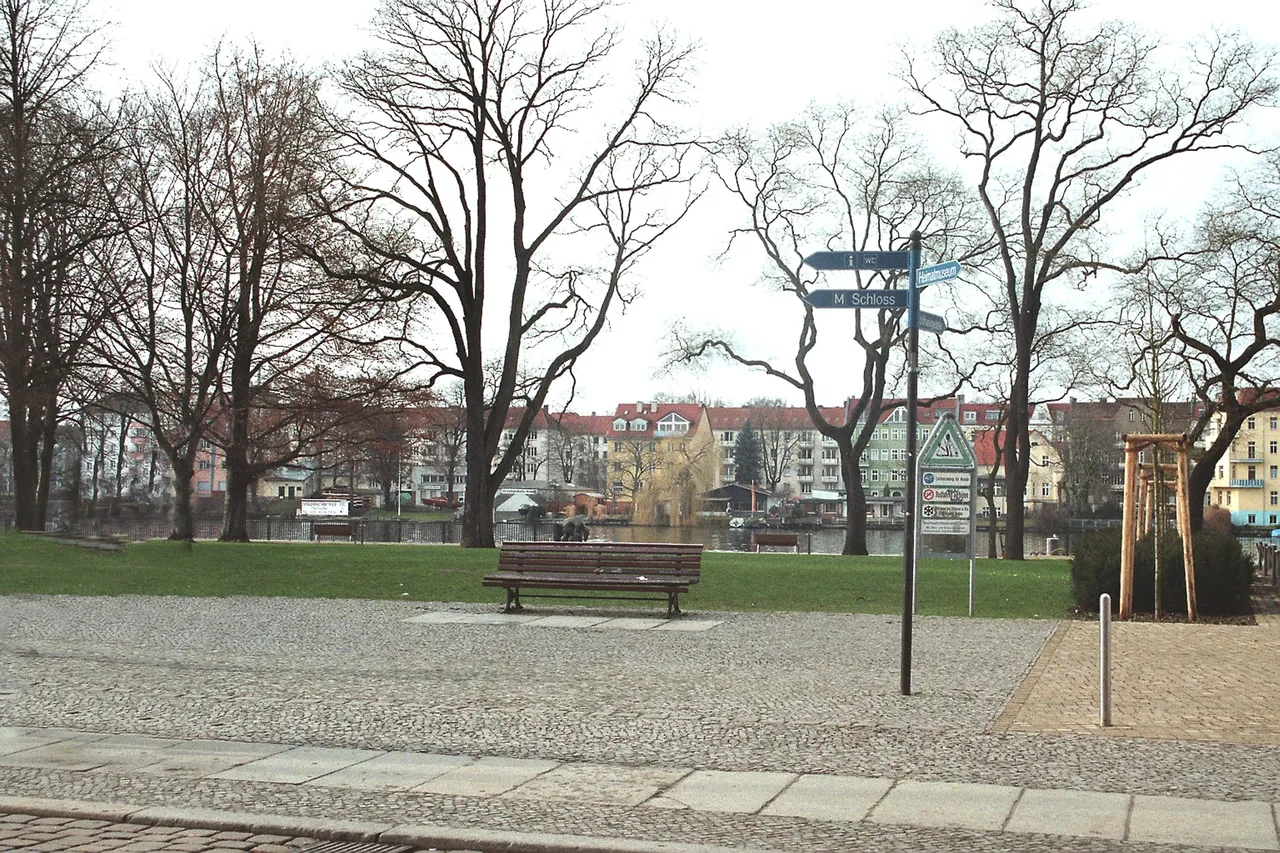
Luisenhain
A 1906 gift honoring a dead sister, redesigned as a 'city harp' — Luisenhain is Köpenick's living room, free forever by deed.
Berliner Balkon
Berlin's only visible Ice Age escarpment: a 15m glacial drop found nowhere else in the city, leading to a DDR-era queer resistance story in a Victorian museum.
What Makes This City Special
Layers of History
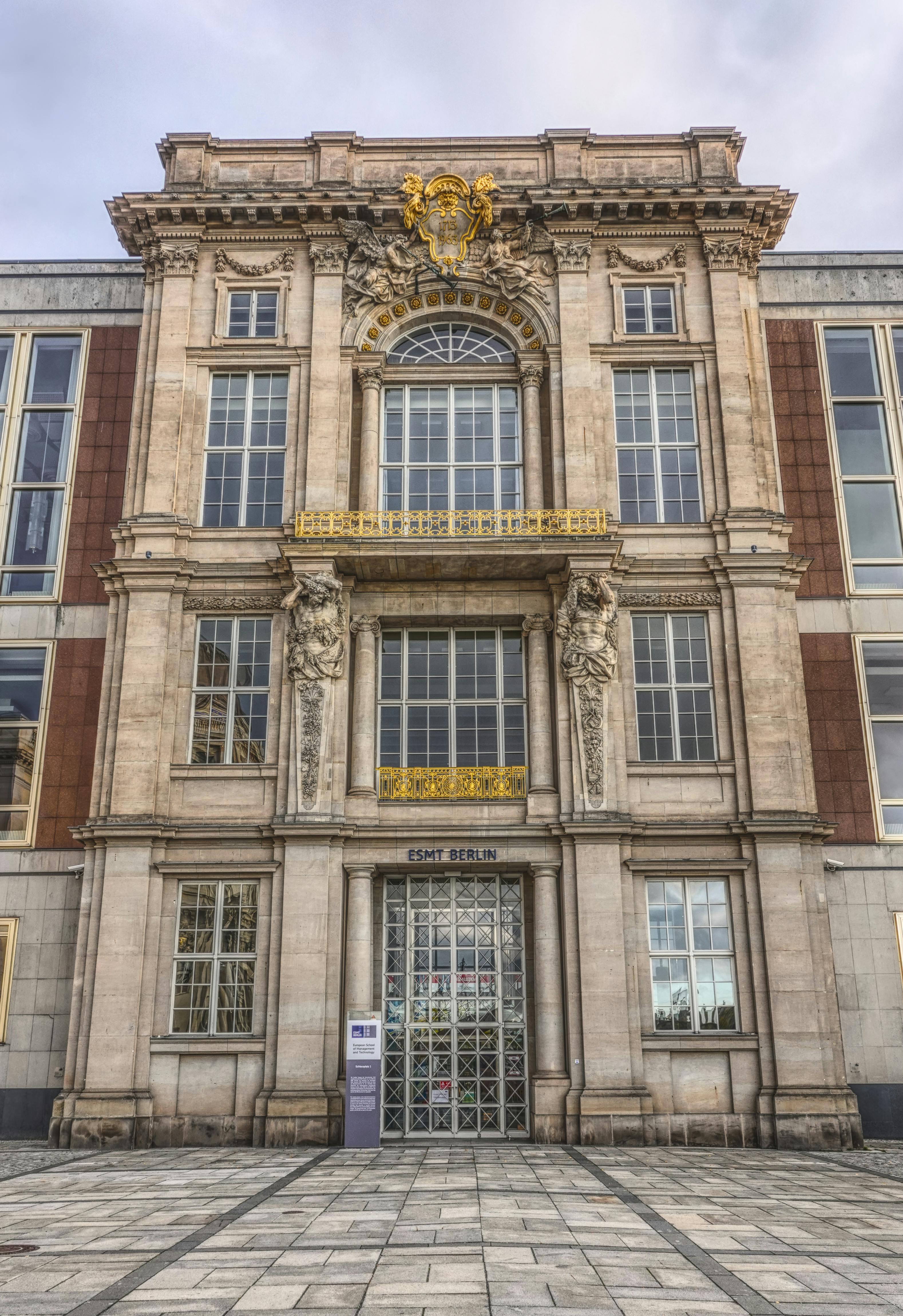
The State Council Building hides a 1706 portal from the demolished City Palace in its 150-metre façade. Walk Bernauer Straße at dusk and the Berlin Wall Memorial still carries the metallic echo of divided lives. These aren't backdrops. They are the city arguing with itself in brick and concrete.
Rebuilt Ideals
Le Corbusier disowned the 1957 Corbusierhaus in Charlottenburg after builders ignored his specifications. The Church on Hohenzollernplatz, finished in 1933 by Jewish architect Ossip Klarwein, survived the regime that ended his German career. Stand inside either and the light feels heavier than it should.
After Dark
Friedrichshain and Kreuzberg still set the tempo for the rest of Europe. The smell of grilled Turkish bread drifts from late-night spots near Markthalle Neun while club doors stay open until the S-Bahn starts running again. No last orders. No apologies.
Royal Parks
Sanssouci's terraces, built 1745–1747 so Voltaire could argue with Frederick the Great, sit 35 minutes by train in Potsdam. Closer in, Viktoriapark's artificial waterfall crashes over Kreuzberg granite on summer evenings. Both UNESCO, both quieter than they deserve.
Historical Timeline
Walls That Kept Falling Down
From trading post to fractured capital and back
Cölln Appears in Records
The first written mention of Cölln, a modest settlement on an island in the Spree. Berlin follows seven years later on the opposite bank. Two fishing towns connected by a wooden bridge suddenly find themselves on a major trade route. The smell of smoked fish and wet timber still clung to the air when merchants began arriving from the east.
Hohenzollerns Take Control
Frederick I becomes Elector of Brandenburg. The family that would shape Berlin for the next five centuries plants its flag. They slowly turn two muddy river towns into a proper residence city. The decision still echoes in every Baroque façade you pass today.
Kingdom of Prussia Declared
Frederick III crowns himself King in Prussia inside Königsberg but makes Berlin the undisputed capital. The city swells with new palaces and soldiers. Overnight, Berlin stops being a provincial backwater and starts measuring itself against Vienna and Paris.
Frederick the Great Ascends
At age 28, Frederick II inherits the throne and immediately begins remaking Berlin in the image of Enlightenment reason. He builds the Royal Opera House, invites Voltaire, and turns the city into a flute-playing, French-speaking military camp. The tension between philosopher and warmonger still defines the place.
Brandenburg Gate Rises
Carl Gotthard Langhans completes the sandstone gate after four years of work. The Quadriga on top faces east toward the city, not west as most tourists assume. For generations Prussians would march under it to war and, eventually, home again in defeat.
Napoleon Marches Through
French troops parade beneath the Brandenburg Gate after crushing the Prussian army at Jena. Napoleon sleeps in the royal palace. The humiliation stings so deeply that Berliners spend the next seven years plotting revenge and reforming their entire state.
Capital of the German Empire
After victory over France, Bismarck declares the German Empire in Versailles. Berlin becomes its noisy, industrial heart. Within two decades the population explodes from 800,000 to nearly two million. The smell of coal smoke and the clatter of new railways replace the quiet of Frederick’s court.
Käthe Kollwitz Arrives
The 14-year-old daughter of a Social Democrat moves to Berlin. She later settles in a working-class tenement on Weissenburger Straße and spends decades drawing the hunger, grief and quiet dignity of her neighbors. Her prints still feel like someone pressed their face against the glass of history.
Bauhaus Spirit Lands Here
Though the school itself is in Weimar, Berlin quickly becomes the movement’s spiritual capital. Architects and designers flood in, determined to rebuild society through clean lines and honest materials. You can still see their fingerprints on housing estates that feel shockingly modern a century later.
Christopher Isherwood Settles In
The young English writer rents rooms at Nollendorfstraße 17 in Schöneberg. From his window he watches the last wild years of Weimar Berlin: cabarets, cocaine, political street fights. The stories he later writes become the lens through which the world still imagines the city before darkness fell.
The Lights Go Out
On 30 January, Hitler becomes Chancellor. By May, books are burning on Opernplatz. The city that once sheltered radicals and artists begins to empty of them. Many never return. The silence that follows still feels heavier in certain streets than others.
The City Reduced to Rubble
After 363 Allied bombing raids and the final Red Army assault, Berlin lies in ruins. An estimated 600,000 apartments destroyed. Trees in the Tiergarten are cut down for firewood the following winter. The smell of wet ash and unburied bodies lingers for months.
The Berlin Airlift Begins
When the Soviets blockade West Berlin, Allied planes begin landing every three minutes at Tempelhof. For eleven months they deliver everything from coal to candy. Berliners call the planes “raisin bombers.” The sound of their engines becomes the sound of hope.
The Wall Divides Families
In the early hours of 13 August, barbed wire unrolls across the city. Concrete follows. Overnight, neighbors can no longer visit each other for coffee. The death strip, 150 meters wide in places, turns parts of Berlin into a lethal stage set. Families wave from opposite rooftops.
The Wall Comes Down
On 9 November, a flustered East German official accidentally announces that border restrictions are lifted. Thousands rush to the checkpoints. People dance on the Wall near Bornholmer Straße while guards look on, uncertain. The sound of chisels chipping concrete becomes the soundtrack of an entire continent changing.
Reunified Capital
Germany is formally reunified on 3 October. Berlin regains its status as capital two years later. The city suddenly has to stitch together two incompatible halves: one used to abundance, the other to shortages. The scars are still visible if you know where to look.
Holocaust Memorial Opens
Peter Eisenman’s 2,711 concrete stelae are unveiled south of the Brandenburg Gate. Visitors wander through the undulating field in silence. There is no didactic panel telling you what to feel. The absence of instruction is precisely the point.
Memory Keeps Talking
QR codes on statues of Lise Meitner and Käthe Kollwitz allow passers-by to hear the women speak in their own recorded voices. The technology feels strangely fitting in a city that has spent decades trying to make its ghosts audible again.
Notable Figures
Frederick the Great
1712–1786 · King of PrussiaHe turned a provincial backwater into an Enlightenment capital, invited Voltaire for long philosophical dinners, and designed gardens where he could escape his own court. Today he would probably be horrified by the currywurst stands but delighted that Sanssouci still draws crowds who actually read his books.
Lise Meitner
1878–1968 · PhysicistShe discovered nuclear fission on a walk in the Grunewald in 1938 while fleeing the Nazis. Berlin gave her both the laboratory that made her famous and the regime that drove her out. The small brass Stolperstein outside her old apartment still catches the afternoon light exactly where she once waited for the tram.
Käthe Kollwitz
1867–1945 · ArtistHer prints of grieving mothers and starving children came from the working-class streets of Prenzlauer Berg she walked every day. After losing her son in the First World War she kept working while bombs fell around her studio in 1943. The city finally named a square after her—quiet, tree-lined, the opposite of the suffering she drew.
Bertolt Brecht
1898–1956 · PlaywrightHe rehearsed his plays in a theatre 200 metres from where the Wall would later rise. The simple wooden chair in his study still faces the window where he watched rehearsals. If he returned now he would probably write a new play about the tourists taking selfies at his grave in Dorotheenstadt Cemetery.
Plan your visit
Practical guides for Berlin — pick the format that matches your trip.
Berlin Money-Saving Passes & Cards for Independent Travelers
Trying to save money on Berlin sightseeing? Here’s the honest math on Berlin passes, museum cards, transit bundles, and when buying none is the smarter move.
Berlin First-Time Tips: What Locals Actually Tell Friends
Honest Berlin tips from locals: which monuments to book weeks ahead, which are free, ABC airport ticket rule, Alexanderplatz scams, and the 3 must-dos.
Photo Gallery
Explore Berlin in Pictures
The historic Brandenburg Gate stands as a symbol of unity in Berlin, Germany, crowned by the famous Quadriga chariot statue.
Travel with Lenses on Pexels · Pexels License
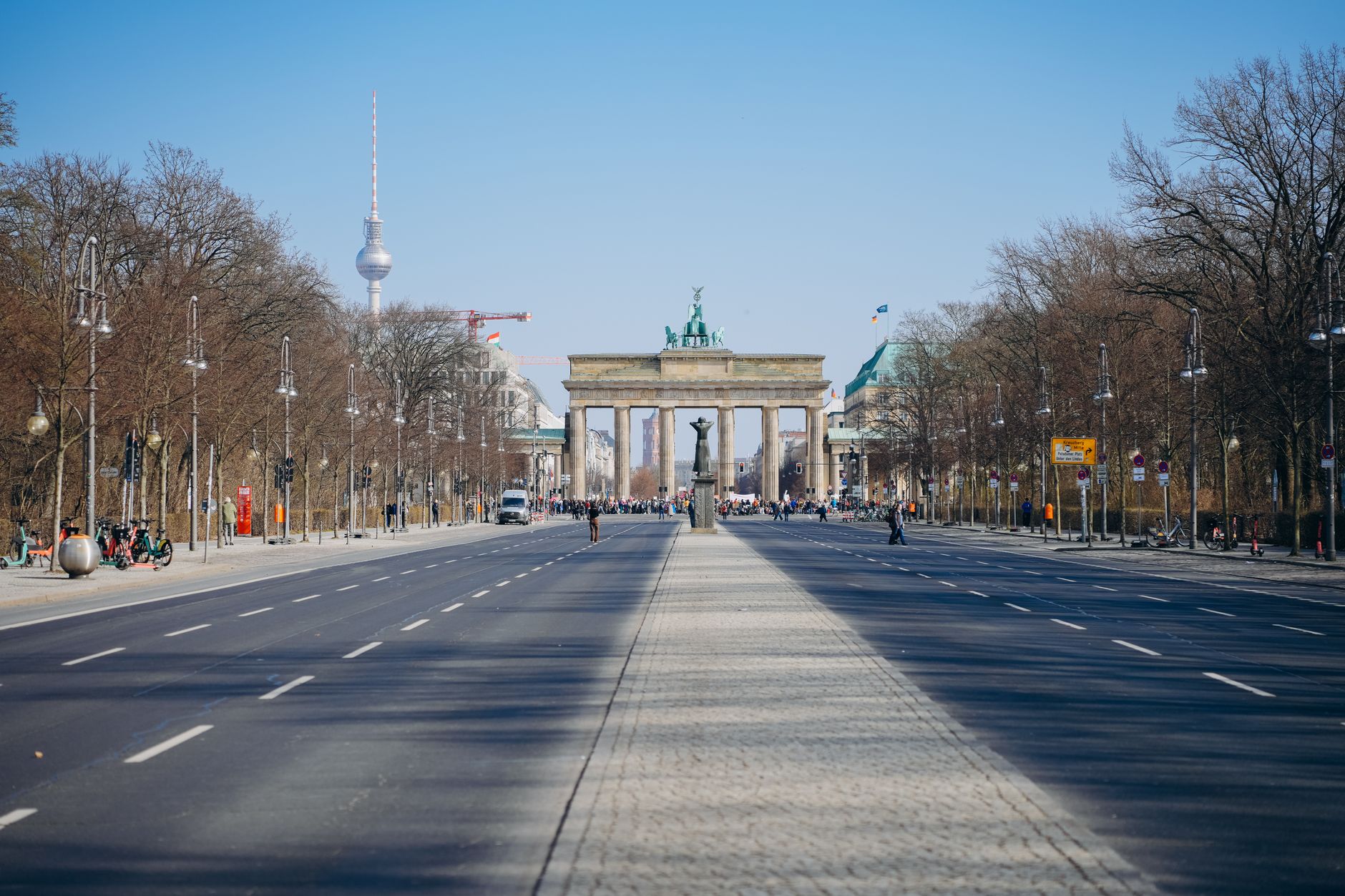
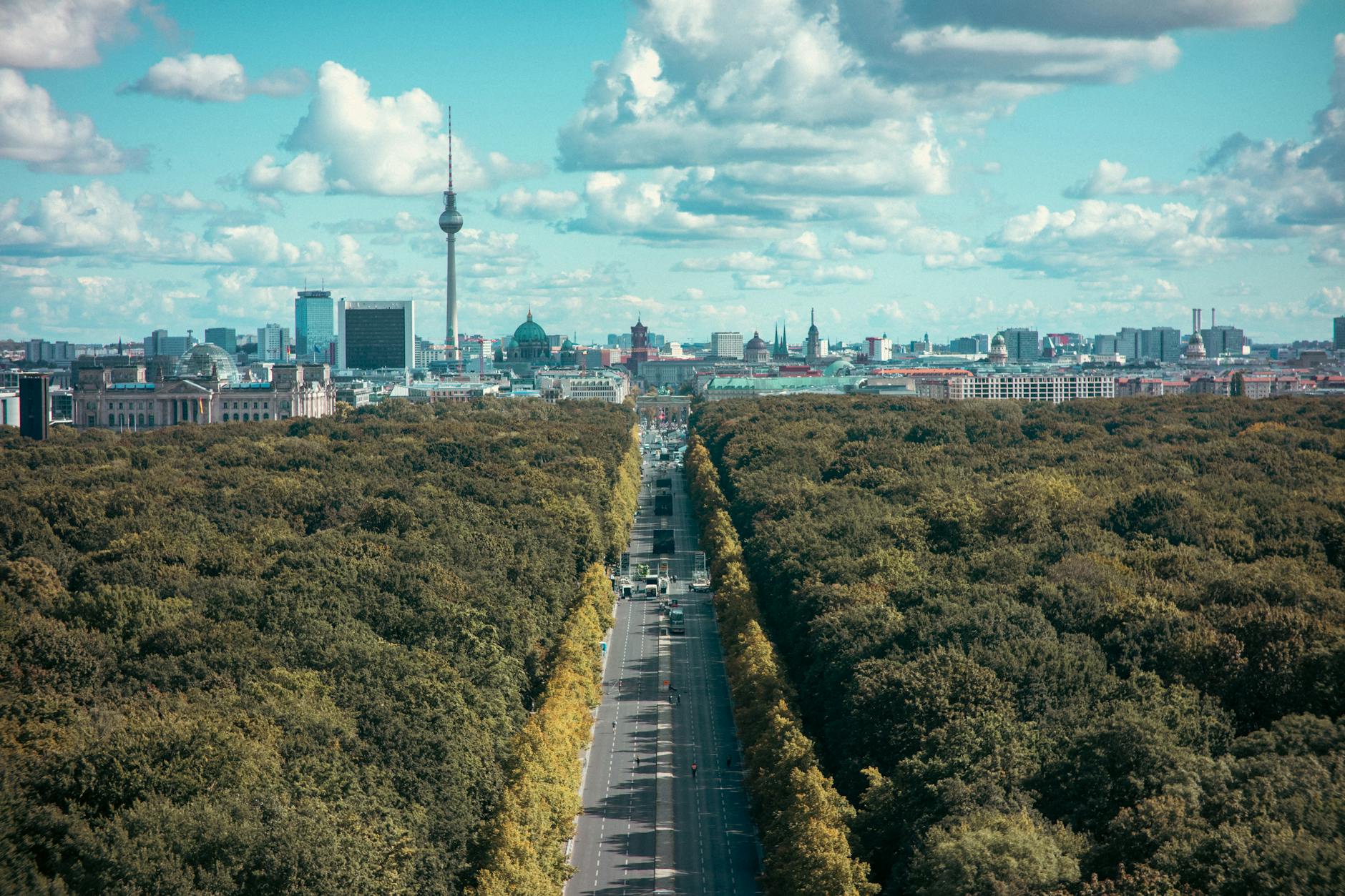
A stunning elevated view of Berlin's historic skyline, showcasing the Brandenburg Gate framed by the Tiergarten and the distant TV Tower.
Jasper Kortmann on Pexels · Pexels License
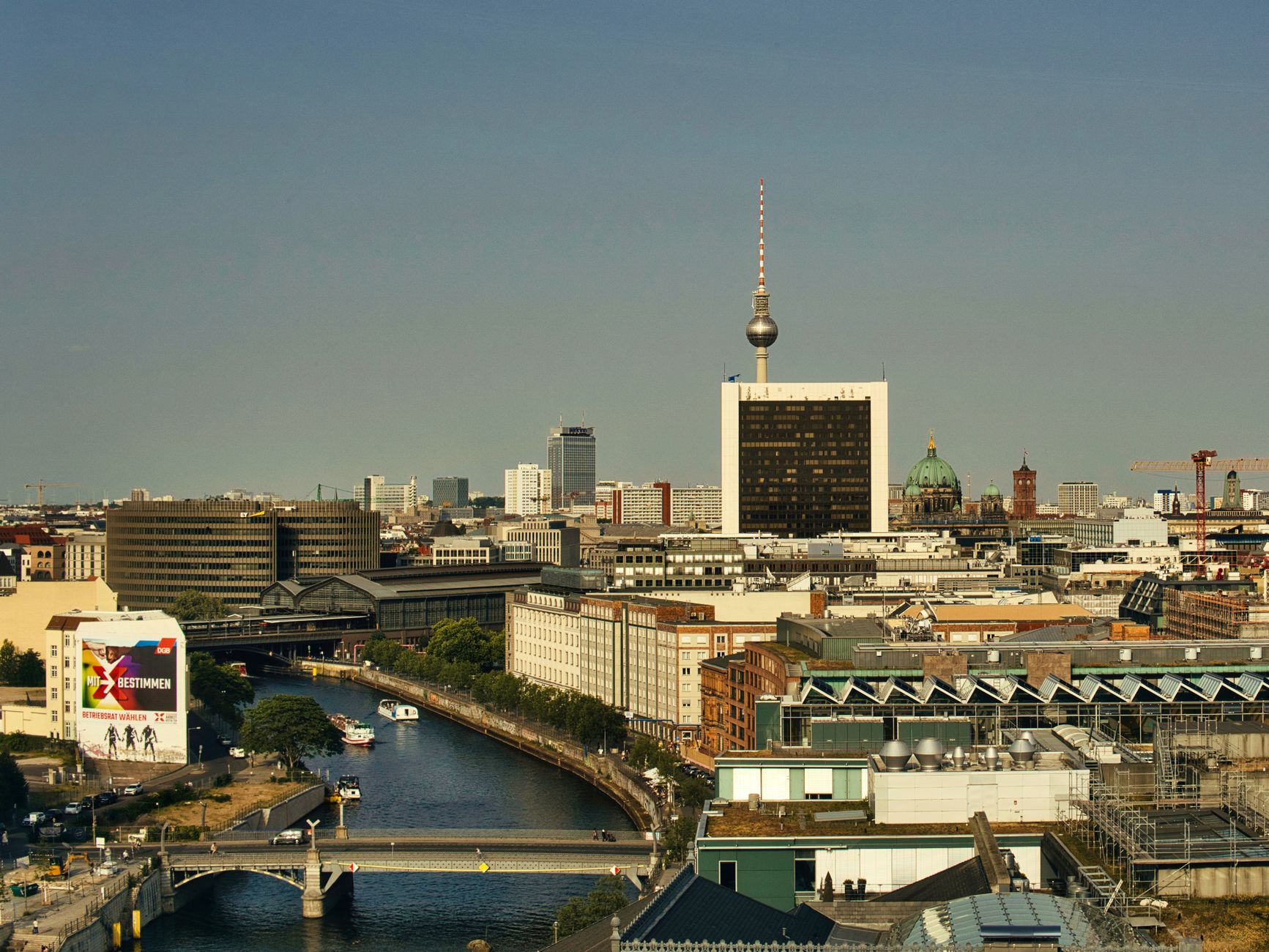
The iconic Berlin TV Tower rises above the historic architecture and the Spree River on a sunny afternoon in Berlin, Germany.
Mohammed Shaheen on Pexels · Pexels License
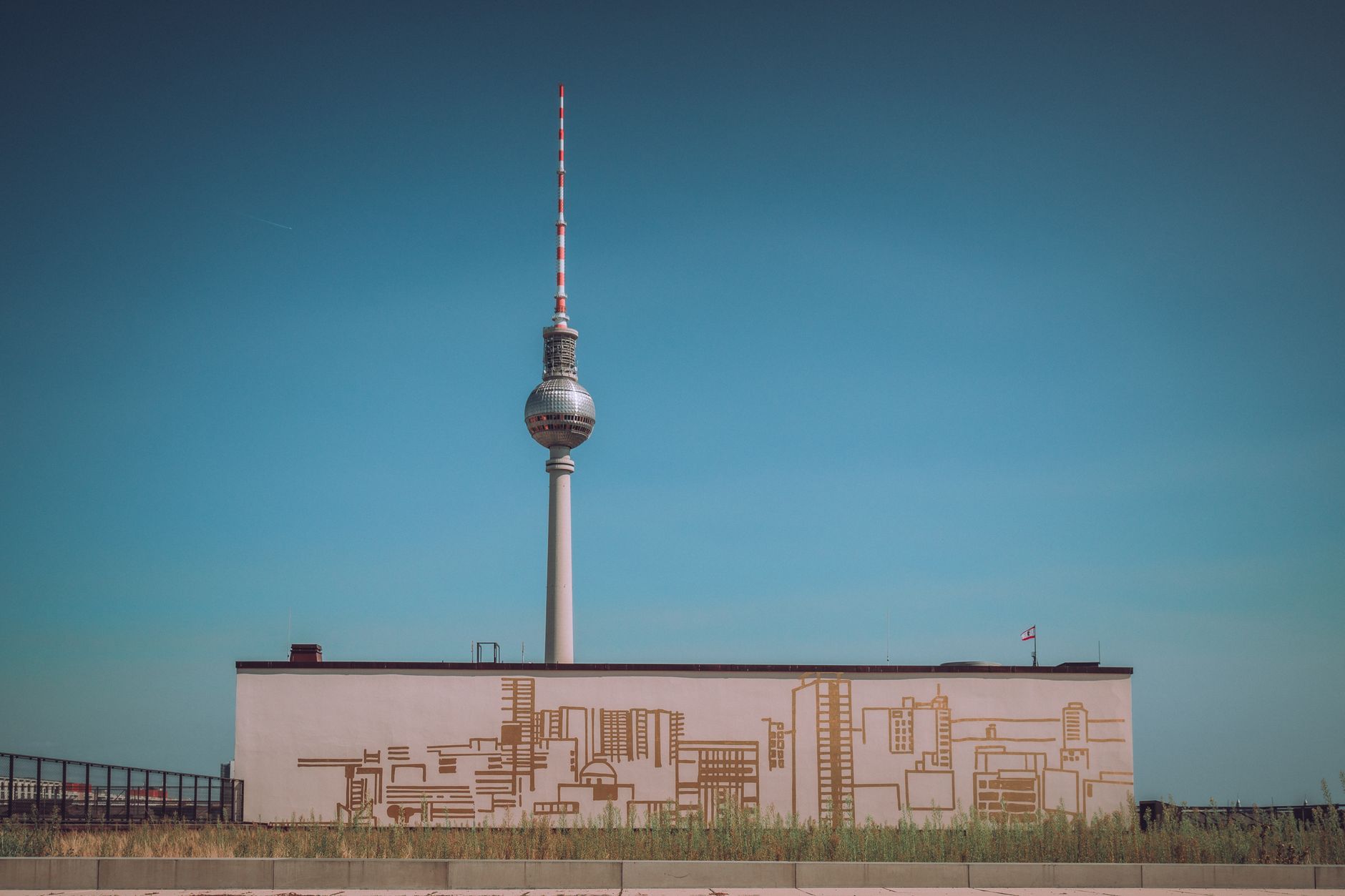
The iconic Berlin TV Tower stands tall behind a minimalist architectural mural in the heart of Berlin, Germany.
Katja L. on Pexels · Pexels License
A panoramic aerial view of Berlin, Germany, showcasing the iconic TV Tower rising above the city's historic architecture and the winding Spree River.
Travel with Lenses on Pexels · Pexels License
Tour boats cruise along the Spree River in Berlin, passing by modern riverside architecture and the DDR Museum on a bright, sunny day.
Travelling Tourist on Pexels · Pexels License
A scenic view of the historic Brandenburg Gate in Berlin, Germany, framed by the city's famous TV Tower and a clear, sunny sky.
Max Kladitin on Pexels · Pexels License
The iconic Berlin TV Tower stands tall above the city's diverse mix of historic and modern architecture on a crisp, clear day.
Alyona Pastukhova on Pexels · Pexels License
The historic Brandenburg Gate stands majestically in Berlin, Germany, illuminated by the warm, golden glow of the setting sun.
Emre Ozyemisci on Pexels · Pexels License
The historic Brandenburg Gate stands as a powerful symbol of unity and peace in the heart of Berlin, Germany.
Paul Schärf on Pexels · Pexels License
Practical Information
Getting There
Fly into Berlin Brandenburg Airport (BER) in tariff zone C. Take the Airport Express (FEX) or S9/S45 lines every 20 minutes to reach central stations like Hauptbahnhof or Alexanderplatz. For 2026 arrivals, buy an ABC ticket (€4.00) before boarding.
Getting Around
BVG runs 10 U-Bahn lines, 15 S-Bahn lines, trams and buses across integrated zones. Validate every ticket or face a €60 fine. The 2026 Berlin WelcomeCard gives unlimited AB travel plus discounts: 48 hours €29, 72 hours €39. Cyclists own the red paths. Stay off them.
Climate & Best Time
May to September brings 18–24 °C days and long evenings perfect for parks and beer gardens. Winters average −2 to 4 °C with weeks of low grey cloud. Peak crowds hit June–August. Come in May or September and the city feels like it belongs to you.
Safety
Pickpocketing spikes at Alexanderplatz, Hackescher Markt and on U6, U7, U9. The shell-game crews on bridges are professionals. Keep phones in front pockets and never follow anyone claiming to be undercover police. Otherwise Berlin is safer than its reputation.
Where to Eat
Don't Leave Without Trying
Fresh Bäckerei
quick biteOrder: The fresh croissants and sourdough bread—locals queue here before work. The pastries rotate daily, so whatever looks warm and just-baked is your answer.
This is where Berliners actually buy their breakfast, not tourists. The 4.8 rating on a small review count means real neighborhood love, not Instagram hype.
Rausch Schokoladenhaus
cafeOrder: The hot chocolate is thick, decadent, and worth every calorie. Pair it with a slice of their chocolate cake—it's the kind of indulgence Berlin does best.
A Berlin institution for chocolate lovers. Nearly 10,000 reviews prove this isn't just a tourist trap—locals genuinely return for the quality and atmosphere.
YOSOY TAPAS BERLIN
local favoriteOrder: The jamón ibérico and patatas bravas are essential. Order several small plates and share—that's how tapas work, and that's how Berlin's Mitte crowd does dinner.
Authentic Spanish tapas in the heart of Mitte, with over 4,000 reviews backing up the quality. This is where locals go for proper small plates and wine, not tourist theater.
Green Tea Café MAMECHA
cafeOrder: The matcha latte is ceremonial-grade and prepared properly. If you want something to eat, their Japanese sweets are subtle and worth the trip alone.
A quiet sanctuary in bustling Mitte for anyone serious about tea culture. The owners know what they're doing, and the 4.6 rating reflects genuine craft, not volume.
Restaurant Keyser Soze - Berlin
local favoriteOrder: The daily specials are where the kitchen shines—seasonal, creative, and never boring. Ask your server what's good; they'll steer you right.
Open from breakfast through late night with consistent quality across all dayparts. This is the kind of reliable neighborhood spot Berliners depend on without making a fuss about.
Brechts Steakhaus
fine diningOrder: The ribeye is perfectly aged and grilled to order. Don't skip the sides—the bone marrow butter elevates everything it touches.
Named after Bertolt Brecht and located on the historic Schiffbauerdamm, this steakhouse delivers serious meat in a space with real Berlin character. Over 1,300 reviews of consistent excellence.
Tausend
local favoriteOrder: Order a cocktail and let the bartender decide based on your mood. The craft here is serious—every drink is built with intention, not just poured.
A speakeasy-style bar where the cocktails are architecture and the bartenders are artists. This is where Berlin's drinking culture peaks—no pretense, just precision.
Dussmann das KulturKaufhaus
cafeOrder: The coffee is solid and consistent. Grab a pastry and settle in with a book—this is as much about the vibe as the food.
Over 21,000 reviews make this Berlin's most-reviewed cafe for good reason. It's a cultural hub where locals actually linger, not a tourist pit stop.
Dining Tips
- check Tipping is optional but customary for good service. Tip 5–10% at restaurants, or simply round up to the nearest euro at casual cafes.
- check Never leave a tip on the table. When paying, tell the server the total amount you wish to pay (bill + tip). For cash, you can say 'Stimmt so' (keep the change).
- check Berlin remains cash-heavy despite modernization. Many small cafes and street food stalls do not accept cards. Always carry cash for small transactions.
- check Meal times: Breakfast is typically 7–10 AM, lunch 12–2 PM, and dinner 6–9 PM. Many restaurants close on Mondays or Tuesdays—always check ahead.
- check Service is more hands-off than in other countries. You must ask for the bill ('Die Rechnung, bitte') when ready; servers won't rush you.
- check For popular mid-range or fine dining spots, book at least 1–2 weeks in advance via the restaurant website.
Restaurant data powered by Google
Tips for Visitors
Validate Every Ticket
Always stamp your AB or ABC ticket in the yellow machines before boarding any U-Bahn, S-Bahn, tram or bus. Berlin inspectors are efficient and the €60 fine lands instantly.
Speak Quietly
Berliners keep their voices low on public transport. Loud conversations draw stares. Match the volume of everyone else and you’ll blend in.
Carry Cash
Many small shops, street vendors and older cafés still refuse cards. Withdraw €50–100 in euros when you arrive; you’ll need it for döner at 2 a.m.
Visit May to September
Daylight stretches past 9:30 p.m. in June and temperatures sit comfortably between 18–24 °C. Winter days are short, gray and rarely below freezing.
Skip the Gate at Noon
The Brandenburg Gate is mobbed at midday. Go at 7 a.m. or after 8 p.m. when the light rakes across the columns and tour buses have left.
Use the WelcomeCard
Buy the 72-hour Berlin WelcomeCard ABC for €29. It covers all zones from the airport and gives 25–50 % off Museum Island tickets.
Order Currywurst with Fries
Ask for Currywurst mit Pommes Schranke at any Würstchenstand. The sauce comes from a 1949 recipe invented two blocks from Checkpoint Charlie.
Explore the city with a personal guide in your pocket
Your Personal Curator, in Your Pocket.
Audio guides for 1,100+ cities across 96 countries. History, stories, and local insight — offline ready.
Audiala App
Available on iOS & Android
Join 50k+ Curators
Frequently Asked
Is Berlin worth visiting? add
Yes. Berlin changes how you see 20th-century history. You can stand in the exact room where the Wall fell, eat a döner invented here in the 1970s, then dance in a former power station until sunrise. Few capitals pack so many conflicting eras into walkable distance.
How many days do I need in Berlin? add
Four full days is the minimum. Three lets you see the Brandenburg Gate, Museum Island and East Side Gallery but leaves no time for a neighbourhood like Neukölln or a subterranean tour with Berliner Unterwelten. Five days starts to feel civilised.
Is Berlin safe for tourists? add
Yes, but watch your pockets. Pickpocketing spikes at Alexanderplatz, Hackescher Markt and on U7 and U8 trains. The shell-game operators on bridges are skilled; just keep walking. Violent crime against visitors is rare.
How do I get from Berlin Brandenburg Airport to the city centre? add
Buy an ABC ticket (€4.40). Take the FEX Airport Express or S9 directly to Hauptbahnhof or Alexanderplatz. The journey takes 25–35 minutes and runs every 20 minutes from the basement station under Terminal 1.
Should I buy the Berlin WelcomeCard? add
Yes if you plan to use public transport daily and visit paid sights. The 72-hour ABC version pays for itself after two Museum Island entries and unlimited travel from the airport.
What should I wear in Berlin? add
Almost anything goes. Berlin is the only European capital where you can attend the opera in black jeans and still feel overdressed. Save the smart shoes for clubs with dress codes like Berghain.
Sources
- verified visitBerlin Official Tourism Portal — Core visitor information on transport, safety, neighbourhoods and seasonal advice.
- verified UNESCO World Heritage Centre – Palaces and Parks of Potsdam and Berlin — Historical context, construction dates and preservation status for Sanssouci and related sites.
- verified BVG Berlin Public Transport — Official ticketing rules, zone information and Berlin WelcomeCard details.
- verified Deutsche Stiftung Denkmalschutz — Architectural background on Corbusierhaus, Church on Hohenzollernplatz and post-war preservation.
Last reviewed: