Plan and listen to Kapelle with Audiala.
Audio guide in your pocket, itinerary in your browser. Built for the way you actually visit.
Introduction to Kapelle in Bamberg: What Every Visitor Should Know
Bamberg, nestled in the heart of Bavaria, is renowned for its rich religious and cultural heritage. Often dubbed the “Franconian Rome” for its striking cityscape of seven hills, each crowned by a church, Bamberg’s spiritual roots run deep. Established as a bishopric in 1007 by Holy Roman Emperor Heinrich II to expand Christian influence and imperial power, Bamberg developed into a significant spiritual and cultural center. Its remarkably preserved medieval streets and buildings are now recognized as a UNESCO World Heritage Site (Nomads Travel Guide, ADAC).
This guide explores the essential aspects of visiting Bamberg’s historic chapels (Kapellen), focusing on major sites such as Bamberg Cathedral and its Nagelkapelle (Nail Chapel), Michaelsberg Abbey, and other notable chapels throughout the city. You’ll find up-to-date details on opening hours, ticketing, guided tours, accessibility, and unique cultural experiences, including religious festivals like Sandkerwa and Advent celebrations.
Bamberg Cathedral, dating back to the early 11th century, is the city’s spiritual heart. It houses important relics and artworks, including the revered sacred nail in the Nagelkapelle—a chapel cherished for its quiet ambiance and medieval art (Bamberg Info, Bamberg Cathedral). Meanwhile, Michaelsberg Abbey provides panoramic views and a rich architectural blend, although its interior remains closed for restoration until spring 2026 (Bamberg Info).
With practical tips on navigation, accessibility, and seasonal highlights, this guide ensures you experience Bamberg’s unique religious heritage, whether you seek spiritual reflection, architectural marvels, or cultural immersion (Life Globe, Planetware).
Bamberg’s Religious Heritage: Hours, Tickets, and Historical Sites
Foundations of Bamberg’s Religious Identity
Bamberg’s spiritual legacy began in 1007 when Emperor Heinrich II established the Bishopric of Bamberg to promote Christianity and imperial authority (Nomads Travel Guide). Generously endowed, the bishopric swiftly became one of Germany’s most influential. The city’s plan—seven hills, each with a church—was a deliberate echo of Rome, highlighting Bamberg’s religious aspirations (1xmarketing).
Bamberg Cathedral: Visiting Hours, Tickets, and Guided Tours
Bamberg Cathedral (Bamberger Dom St. Peter und St. Georg), founded in the early 11th century, stands as a testament to centuries of religious and artistic tradition. Commissioned by Heinrich II, completed in 1012, and reconstructed after several fires, the cathedral now showcases late Romanesque and early Gothic architecture (Bamberg Info).
- Opening Hours: Daily, 9:00 AM–6:00 PM (extended in summer). Access may be restricted during services and on “Quiet Days” (Christmas Eve, Ash Wednesday, Good Friday).
- Tickets: Entry is free; tickets are required for guided tours, available via DoMus visitor service.
- Guided Tours: Offered daily (in German and other languages by request), these tours illuminate the cathedral’s history, art, and architecture. Virtual tours are available for those with mobility issues.
Highlights include the tombs of Emperor Heinrich II and his wife Kunigunde (both canonized), the papal tomb of Clement II, the enigmatic “Bamberg Horseman” statue, and Riemenschneider’s intricately carved tomb (Explorial, Life Globe).
Other Historic Sites: Monasteries and Chapels
- Michaelsberg Abbey: Founded in 1015, rebuilt in Baroque style, famous for the “Garden of Heaven” fresco (578 flower species) (1xmarketing).
- Maternkapelle: Once a hospital and convent, now hosts nativity exhibitions during Advent (Life Globe).
- St. Johannis Chapel: Now a venue for exhibitions and concerts (Johanniskapelle Bamberg).
Visiting Hours, Tickets, and Accessibility
- Opening Times: Most chapels, including Michaelsberg Abbey (gardens/exterior only), are open from 9:00 AM–5:00 PM. Interior hours may vary.
- Tickets: Most chapels are free; donations appreciated. Special exhibitions may charge a fee.
- Accessibility: Many sites offer step-free access, though some have historic terrain. Virtual tours and audio guides are available.
- Nearby Attractions: Alte Hofhaltung, Neue Residenz, and the Diocesan Museum (Explorial).
Urban Development and Preservation
Bamberg’s religious institutions shaped its medieval layout and cultural legacy (Nomads Travel Guide). After secularization in 1802, many properties were dissolved, but preservation efforts have kept over 2,400 buildings listed, earning UNESCO World Heritage status in 1993 (ADAC).
Religious Festivals and Events
- Sandkerwa: Bamberg’s largest folk festival, blending religious roots with local culture (ADAC).
- Advent Celebrations: Nativity scenes in chapels; concerts in the cathedral.
- Quiet Days: Marked by silence and reflection in sacred spaces (Bamberg Info).
FAQs
- Cathedral hours: 9:00 AM–6:00 PM, with some variations.
- Tickets for tours: Available via DoMus service or at the cathedral office.
- Languages: Guided tours offered in several languages.
- Accessibility: Most major sites accessible; some historic areas may pose challenges.
- Best time to visit: Early weekdays and outside major festivals.
Plan Your Visit
Get the latest information, maps, and tickets from Bamberg Tourist Information. Enhance your visit with guided or audio tours, and check event calendars for festivals and exhibitions.
The Nagelkapelle (Nail Chapel): History, Relic, and Visiting Information
The Nagelkapelle, located within Bamberg Cathedral, originates from the 13th century when it served as a chapter hall for clergy (Bamberg Cathedral official site). Expanded in 1445, it later became a burial place for chapter members, marked by bronze grave slabs now displayed on the walls. After secularization in 1803, the space ceased to be used for burials (Wikipedia).
The Sacred Nail: Relic and Veneration
Named for the “holy nail” (heiliger Nagel), the Nagelkapelle houses a relic believed to be from the True Cross (Wikipedia). Housed in an ornate reliquary flanked by golden angels and adorned with precious gems, the nail draws pilgrims and visitors alike (SLU Bamberg Cathedral Relics). Legends of miraculous healings, such as restoring sight to the blind, have surrounded this relic since the Middle Ages.
Architectural and Artistic Features
The two-aisled Nagelkapelle is a late Gothic space adjoining the cathedral’s southern transept (Bamberg Cathedral official site). Notable features include:
- Gothic wooden altar (c. 1500)
- Bronze grave slabs from former burials
- The sacred nail reliquary, a masterwork of medieval ecclesiastical art (SLU Bamberg Cathedral Relics)
Religious and Cultural Significance
The Nagelkapelle stands as a locus of devotion and reflection (Wikipedia). The veneration of the sacred nail, especially during the Middle Ages and Baroque era, made it an important pilgrimage site. Today, it remains a quiet space for prayer, with visitors encouraged to maintain silence (Bamberg Cathedral official site).
Visiting the Nagelkapelle
- Location: Southern transept of Bamberg Cathedral, Domplatz 5, 96049 Bamberg (Life Globe)
- Hours: Open during cathedral hours; check the official site for updates.
- Tickets: Free entry. The Nagelkapelle is a prayer space—no guided tours or photography allowed.
- Accessibility: Most of the cathedral is accessible, but inquire for detailed information.
- Visitor Etiquette: Silence, respectful dress, and no photography.
Visiting Tips
- Early visits offer a quieter experience.
- Explore nearby: Cathedral highlights include imperial tombs, the Bamberg Horseman, and the Diocesan Museum (Life Globe).
- Events: Check for special concerts and services (Bamberg Cathedral official site).
Michaelsberg Abbey: Chapels, Hours, and History
Historical Development
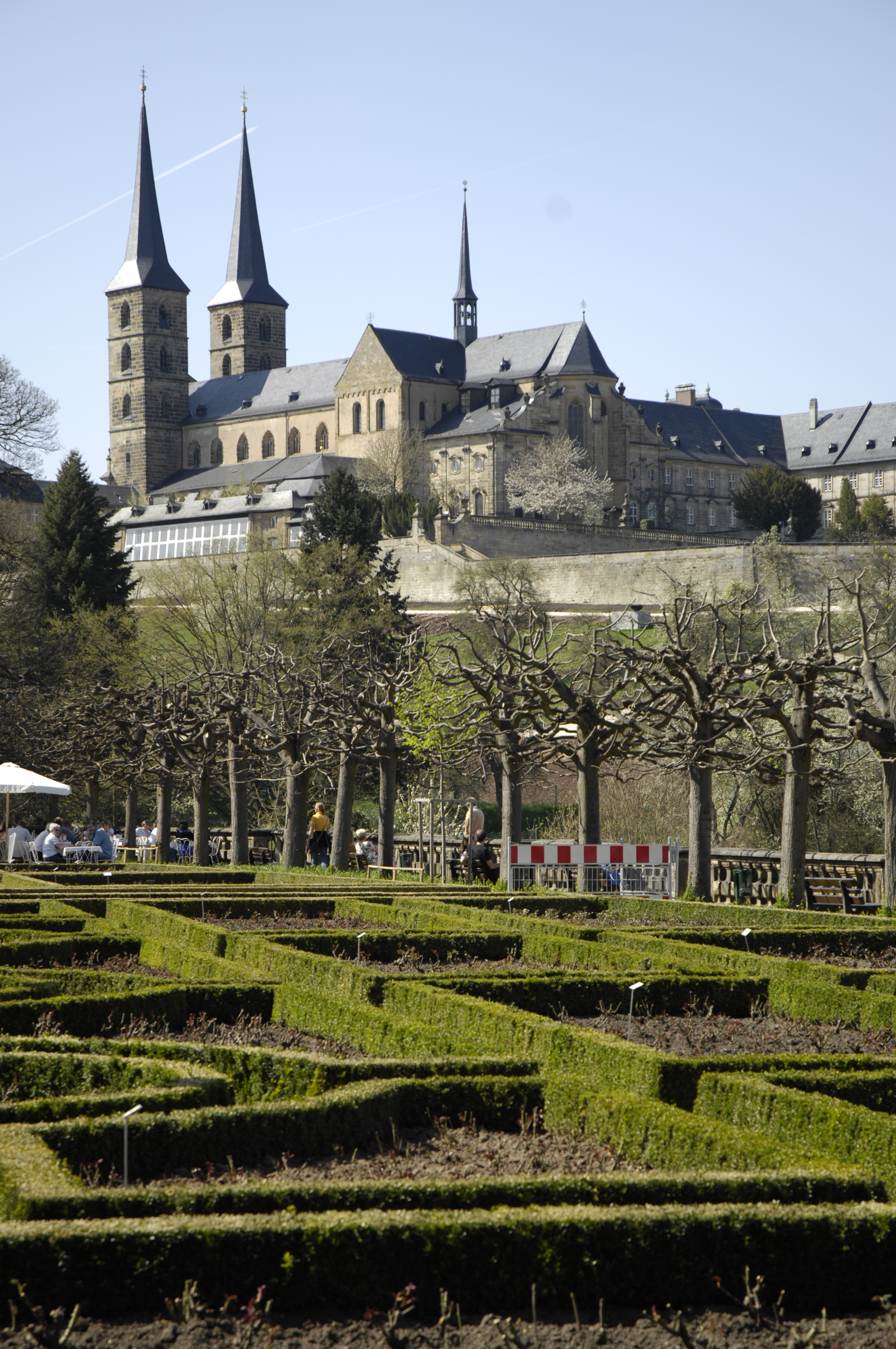
Founded in 1015, Michaelsberg Abbey has seen centuries of religious, architectural, and cultural change. The current Romanesque church, consecrated in 1121, is embellished with Baroque and Gothic features (Wikipedia). The chapels within the abbey have long served for private devotion and veneration, with the burial and cult of Saint Otto elevating their status (Religion Fandom).
Architectural and Artistic Highlights
- Garden of Heaven (Himmelsgarten): A ceiling fresco depicting 578 species of flowers and herbs, completed in 1617 (Bürgerspitalstiftung)
- Bishop’s Epitaphs: Stone memorials of bishops, relocated from the cathedral and notable for their craftsmanship.
Visiting Information
- Current Status: The abbey’s main church and chapels are closed for restoration until spring 2026. Gardens, terraces, and exteriors are open during daylight hours (Bamberg Info).
- Tickets: No interior access at present; gardens and terraces are free.
- Accessibility: Gardens and terraces are wheelchair-friendly; the climb is moderate.
- Events: Seasonal festivals such as the Federweißerfest are held in the gardens.
What to See Around the Abbey
- Baroque gardens and terraces: Offer panoramic city views.
- Abbey Shop: Sells local wines and gifts.
- Information Center: Displays restoration progress and abbey history.
Getting There
- Address: Michaelsberg 10f, 96049 Bamberg (Bamberg Info)
- Access: 15–20 minutes on foot from Old Town; public transport available.
Bamberg’s Chapels: Visiting Hours, Tickets, and Travel Tips
Opening Hours and Accessibility
Most chapels are open 9:00 AM–5:00 PM; smaller chapels may be accessible only during services or special events (planetware.com). Terrain can be hilly—wear comfortable shoes (germanyfootsteps.com).
Admission and Tickets
Entry is free at most chapels; donations are welcome. Some museums or special exhibits may have a fee (official tourism website).
Etiquette and Photography
Dress modestly and maintain a quiet demeanor. Photography is generally permitted but avoid flash and respect posted signs.
Guided Tours
Guided tours are available in several languages and offer deeper insight into Bamberg’s religious sites (bamberg.info). Self-guided options and walking routes, such as the “Seven Hills” tour, are well-marked (planetware.com).
Special Events
Look for Passion nativity scenes during Easter, intricate Christmas crib displays, and other seasonal events (bamberg.info, planetware.com).
Facilities
Major sites have restrooms; smaller chapels may not. Cafes and restaurants are plentiful in the Old Town (germanyfootsteps.com).
Accessibility
Most major chapels are accessible, but some historic sites have limitations. Contact Bamberg Tourist Information for details.
Family and Group Visits
Chapels are family-friendly; group and school visits should be booked in advance.
Suggested Itineraries
For a quick visit: Bamberg Cathedral and its chapels, then St. Catherine’s Chapel. For a comprehensive experience, take the “Seven Hills” walking tour (planetware.com).
Language
German is standard, but English translations and multilingual staff are available at major sites.
Key Points and Visitor Summary
Bamberg’s chapels and religious sites reflect centuries of devotion, artistry, and civic identity. Highlights include the monumental Bamberg Cathedral and its Nagelkapelle, Michaelsberg Abbey, and chapels across the Seven Hills. Most sites can be visited for free, with accessibility and guided options widely available. Seasonal events and a vibrant urban setting make Bamberg a rewarding destination for visitors of all backgrounds (Bamberg Cathedral official site, Bamberg Info).
Stay informed via the official tourism website, the Audiala App, and social media channels.
Frequently Asked Questions
Q: What are the main visiting hours for Bamberg chapels?
A: Most chapels are open 9:00 AM–5:00 PM, but check specific sites for variations.
Q: Are tickets required?
A: Most chapels are free, though donations are encouraged.
Q: Is photography allowed?
A: Usually yes, but avoid flash and check for restrictions.
Q: Are chapels accessible for those with disabilities?
A: Major sites are accessible; some historic chapels may not be.
Q: What events should I look out for?
A: Sandkerwa, Advent and Christmas displays, Passion nativity scenes, and special concerts.
Discover More
Plan your Bamberg chapel visits with up-to-date information, guided tours, and event calendars on the official tourism website. Download the Audiala app for guided audio tours and insider tips. Follow Bamberg on Facebook, Instagram, and Twitter for the latest updates.
Listen to the full story in the app
The whole Kapelle,
told well.
Audio guides for 1,100+ cities across 96 countries. History, stories, and local insight — offline ready.

Verified, and shown.
Researched and written by the Audiala editorial team from historical records, architectural archives, and local expertise.
Last reviewed
Researched from Wikidata, Wikipedia & official sources · fact-checked · How we make our guides →