Understanding Bamberg Baudenkmäler and UNESCO Heritage
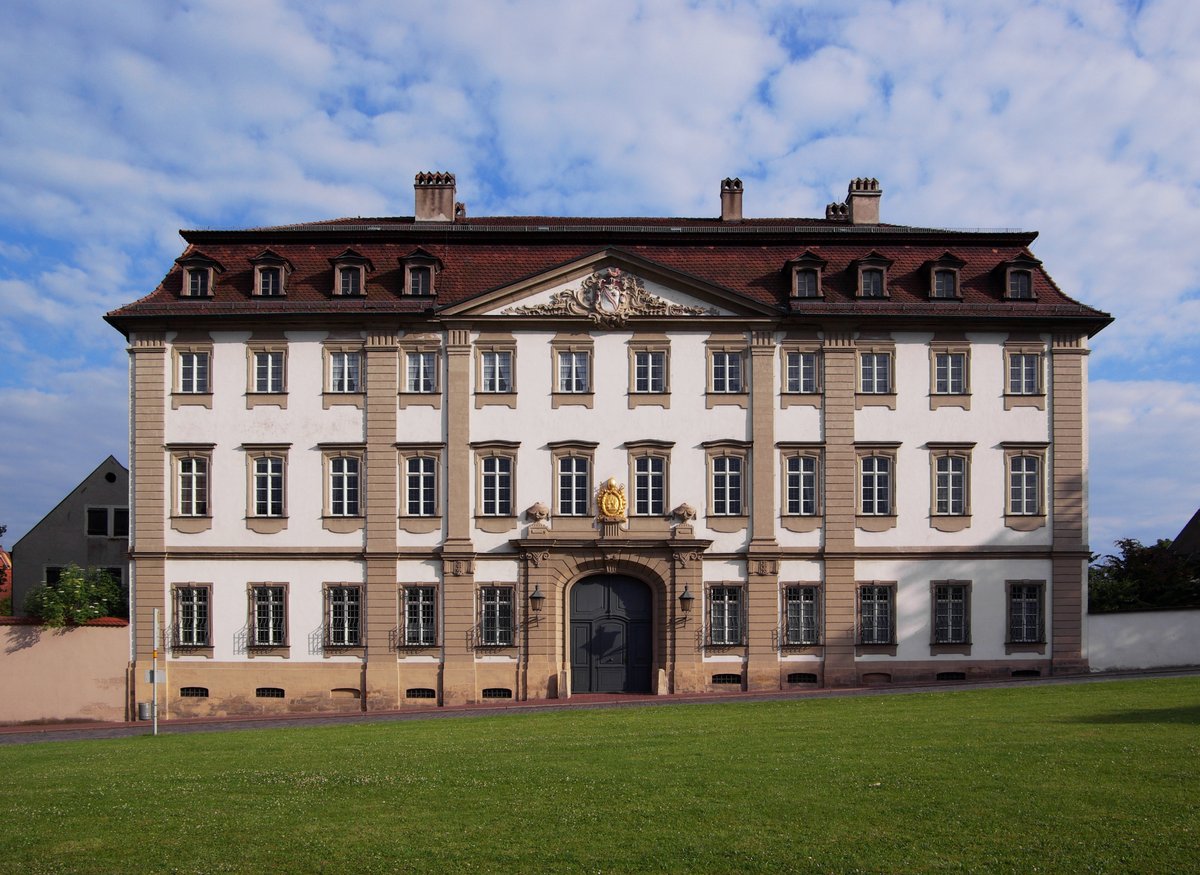
Baudenkmal is a German term for a structure or building protected due to its cultural, historical, or architectural significance. Bamberg’s Old Town, as a UNESCO World Heritage Site, showcases more than 2,400 such monuments, reflecting a blend of Romanesque, Gothic, Baroque, and Renaissance styles. The city’s layout, developed from the 10th century, remains largely intact, encompassing three key districts: Cathedral Hill, Island District, and Market Gardeners’ District (UNESCO World Heritage Site).
Top Bamberg Historical Sites: Visiting Hours & Tickets
Bamberg Cathedral (Bamberger Dom)
- Location Domplatz, central Bamberg
- Visiting Hours Daily, 9:00 AM–6:00 PM (April–October), 9:00 AM–5:00 PM (November–March); closed during services
- Tickets Free entry; guided tours approx. €5–6, bookable onsite or online
- Accessibility Wheelchair accessible with assistance
- Highlights Four towers, the Bamberg Horseman statue, tombs of Emperor Henry II and Pope Clement II, Prince’s Doorway, Diocesan Museum (official info)
Old Town Hall (Altes Rathaus)
- Location Obere Brücke 1, over the Regnitz River
- Visiting Hours April–October 10:00 AM–5:00 PM, November–March 10:00 AM–4:00 PM
- Tickets Entry approx. €4–5; discounts for students/seniors
- Accessibility Partial, stairs may be a barrier
- Highlights Baroque frescoes, Rococo Hall, Ludwig porcelain collection (official info)
Altenburg Castle
- Location Altenburg hill, west Bamberg
- Visiting Hours 10:00 AM–7:00 PM
- Tickets Approx. €5–6; tours extra
- Accessibility Reachable by bus/foot; limited access for mobility-impaired
- Highlights Medieval keep, panoramic city views, restaurant (official info)
St. Michael’s Monastery (Michaelsberg Abbey)
- Location Michaelsberg hill
- Visiting Hours Church open 8:00 AM–6:00 PM; gardens dawn to dusk
- Tickets Church/gardens free; guided tours by arrangement
- Accessibility Gardens accessible; some interior areas may be restricted
- Highlights Benedictine heritage, terraced gardens, city views
Little Venice (Klein Venedig)
- Location Regnitz riverbank
- Visiting Hours Open access, best by foot/boat
- Tickets Free; boat tours approx. €12
- Accessibility Cobbled paths may be uneven
- Highlights Fishermen’s houses, riverside walks, scenic photo spots
Other Notable Monuments
- Old Court (Alte Hofhaltung) Renaissance courtyard, Bamberg Historical Museum, open Tues–Sun 10:00 AM–5:00 PM, €7 admission
- New Residence (Neue Residenz) & Rose Garden Baroque palace, Rose Garden free, Residence €6, open daily 10:00 AM–5:00 PM
- Market Gardeners’ District (Gärtnerstadt) Year-round open, museum €4, closed Mondays
Guided Tours and Tickets
- Guided Tours Available in English and German, covering major monuments and hidden gems
- Tickets Purchase onsite, online, or included with the BAMBERGcard (€16 for 3 days, free museum entries, guided tour, unlimited public transport)
- Audio Guides Available for self-paced exploration, approx. €8.50 (Wander in Germany)
- Booking Recommended in advance during peak season
Accessibility and Visitor Tips
- Mobility Cobblestone streets and some stairs may challenge wheelchair users; many main sites are accessible—check ahead
- Photography Permitted in most sites, flash often restricted
- Language German is standard; major sites provide English materials and tours
- Crowds Visit early or late for a quieter atmosphere
- Payment Many small shops and beer halls are cash-only
Navigating Bamberg
- Arriving Direct trains from Nuremberg (45 minutes), main station to Old Town is a 15–20 minute walk or short bus ride (Germany Footsteps)
- Getting Around City center is compact and walkable; public buses and rental bikes available
- Parking Limited in Old Town; use park-and-ride lots when possible
Festivals, Traditions, and Beer Culture
- Sandkerwa (August) Bamberg’s largest festival, with beer tents, music, and traditional costumes
- Bockbier Season (October) Local breweries tap special strong beers
- Christmas Markets Held in December at Maximiliansplatz
- Beer Culture Nine historic breweries, famed for Rauchbier (smoked beer); tours available at Schlenkerla and Spezial (Time Travel Turtle)
- Local Cuisine Try Schäuferla (pork shoulder) and other Franconian specialties
Museums and Cultural Experiences
- Historical Museum (Alte Hofhaltung) Local history, art, and artifacts
- Diocesan Museum Ecclesiastical treasures
- Gärtner- und Häckermuseum Focus on market gardening heritage
- Ludwig Collection Porcelain and nativity scenes
- E.T.A. Hoffmann House Literary heritage
Accommodation
- Wide Range From riverside hotels (Hotel Nepomuk), historic inns (Hotel Alt Bamberg), backpacker hostels, to modern chains (Best Western) (Urban Meanderer)
- Book Early Especially during festivals and summer
Practical Visitor Tips and FAQs
Q: What are the main historical sites’ visiting hours?
A: Most open between 9:00–10:00 AM, close at 5:00–6:00 PM; always check seasonal schedules.
Q: Are tickets required?
A: Some sites (cathedral, gardens) are free; museums and castles charge €4–€7. The BAMBERGcard covers many entries.
Q: Is Bamberg accessible for wheelchair users?
A: Major sites offer accommodations; cobblestones may present challenges—check ahead.
Q: Where can I find guided tours?
A: The official tourism office and various providers offer guided and self-guided options in several languages.
Q: When is the best time to visit?
A: Late spring and early autumn for pleasant weather and fewer crowds.