Introduction
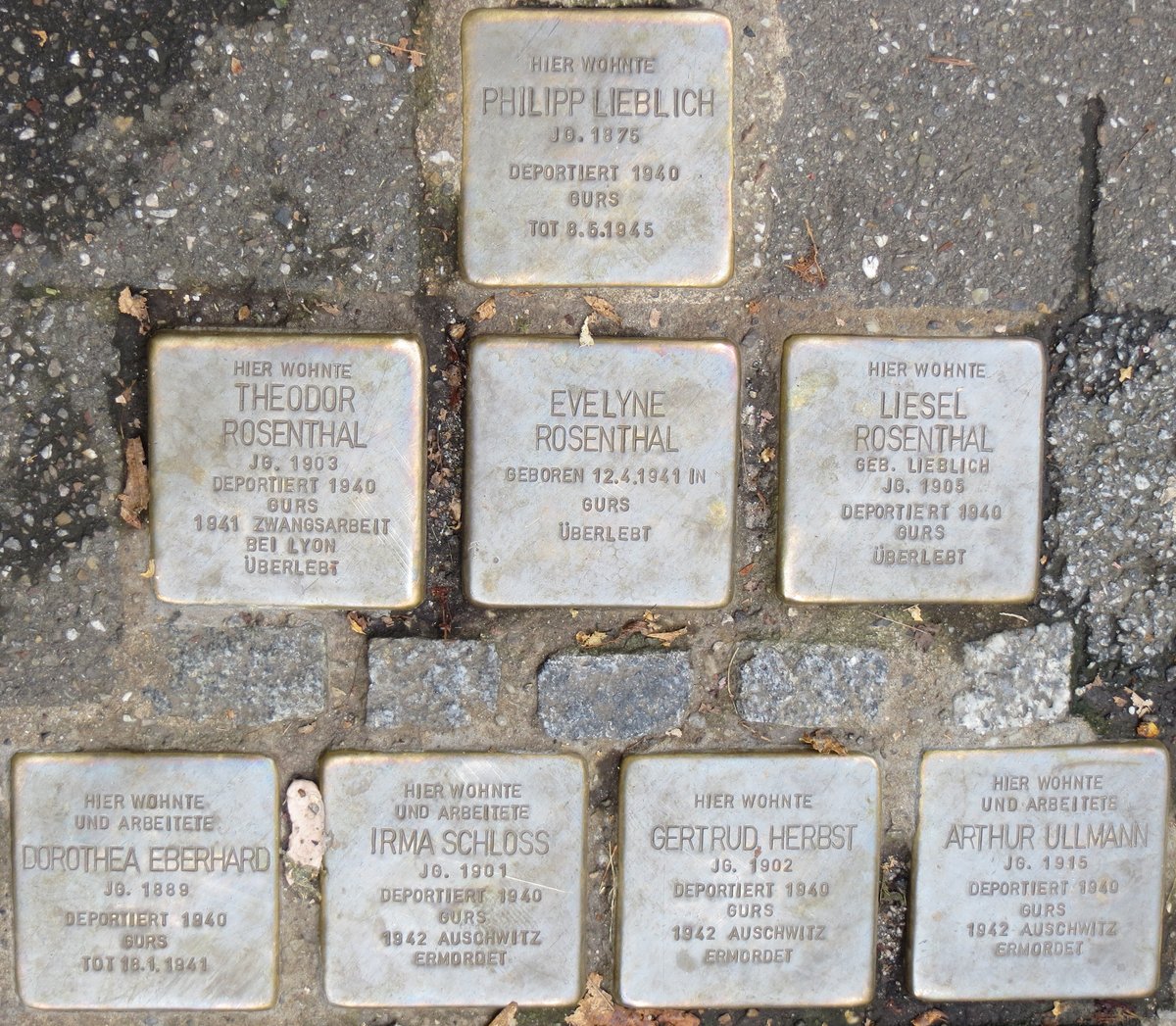
Nestled within the historic streets of Baden-Baden, Germany, the Stolperstein (stumbling stone) dedicated to Theodor Rosenthal stands as a deeply personal memorial to a Jewish resident whose life was forever changed by the Nazi regime. Stolpersteine are small brass plaques embedded in sidewalks across Europe, each marking the last freely chosen residence of individuals persecuted by the Nazis. This decentralized memorial project, initiated by artist Gunter Demnig in the 1990s, aims to make remembrance tangible and ever-present in daily life (Stolpersteine.eu).
Theodor Rosenthal, born in 1903, was an active member of Baden-Baden’s Jewish community. He experienced both the city’s vibrant pre-war Jewish life and the devastating escalation of antisemitism in the 1930s. His story—marked by deportation to Gurs internment camp in 1940 and eventual survival—reflects both the horrors of the Holocaust and the resilience of its victims (Mahnmal Neckarzimmern; SWR Kultur).
This article is your comprehensive guide to visiting the Stolperstein for Theodor Rosenthal. It includes practical information on location, accessibility, visiting hours, guided tours, and highlights additional historical sites in Baden-Baden. You’ll also find travel tips, educational insights, and a curated list of resources to maximize your visit and understanding of Baden-Baden’s Jewish heritage.
Photo Gallery
Explore Stolperstein Dedicated to Theodor Rosenthal in Pictures
Who Was Theodor Rosenthal? Historical Background
Early Life and Family Origins
Theodor Rosenthal was born in 1903 into Baden-Baden’s long-established Jewish community, which contributed significantly to the city’s social and economic development since the 18th century (Jüdische Gemeinde Baden-Baden). The Rosenthal family, like many others, actively participated in local cultural and commercial life.
Life in Baden-Baden Before Persecution
Baden-Baden, renowned for its spas and cosmopolitan atmosphere, fostered a vibrant Jewish community. Jewish residents such as Theodor Rosenthal played key roles in the city’s prosperity. However, the Nazi rise to power in the 1930s brought systematic discrimination, including the 1935 Nuremberg Laws that stripped Jews of citizenship and professional rights (USHMM).
Persecution and Deportation
After Kristallnacht in November 1938, which saw the destruction of the Baden-Baden synagogue, life for Jewish residents became increasingly perilous. On October 22, 1940, Theodor Rosenthal was deported during the “Wagner-Bürckel Aktion” to the Gurs internment camp in southern France (Mahnmal Neckarzimmern). Despite forced labor and displacement near Lyon in 1941, Rosenthal survived and ultimately emigrated to Australia after the war (Gedenkbuch Baden-Baden; SWR Kultur).
The Stolperstein Project
Origins and Philosophy
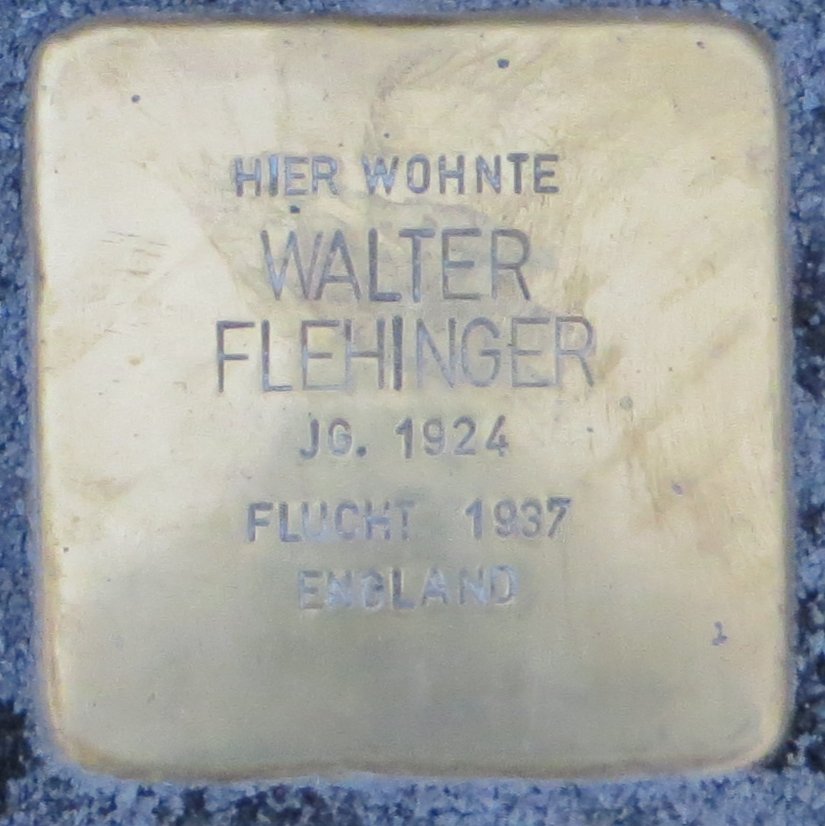
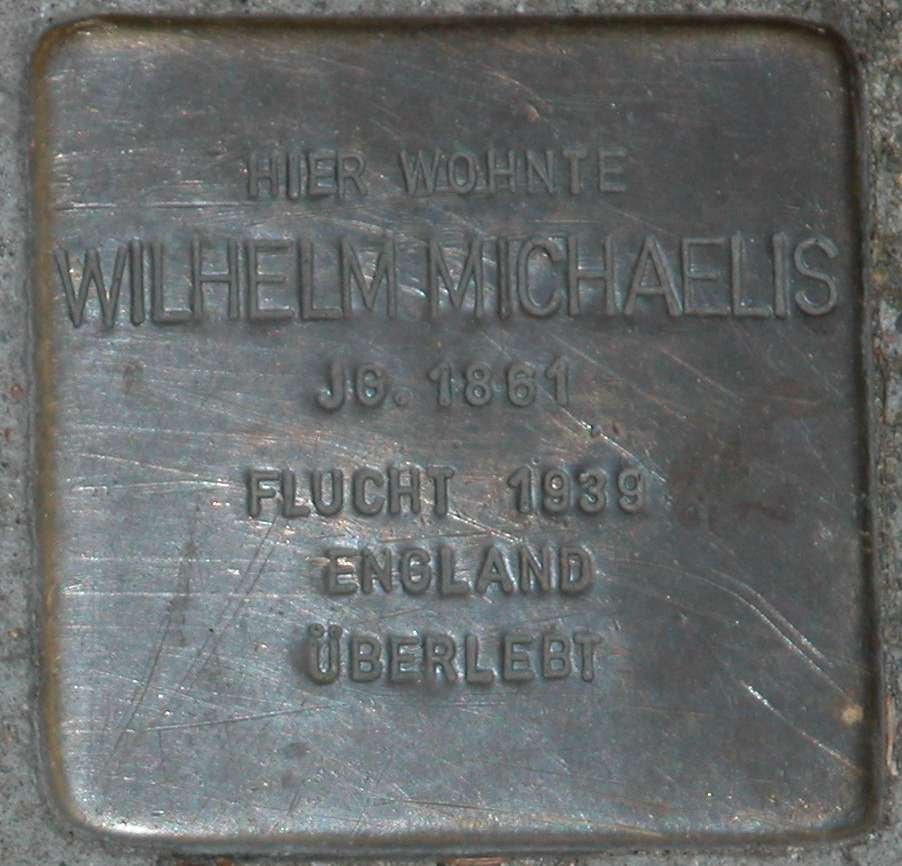
The Stolpersteine (“stumbling stones”) project was conceived by Gunter Demnig to memorialize victims of Nazi persecution at the very places they lived and worked. Each hand-engraved brass plaque is set into the pavement, bearing the victim’s name, birth year, fate, and—when known—date and place of death. The guiding philosophy: “A person is only forgotten when his or her name is forgotten” (Stolpersteine.eu).
Stolpersteine not only commemorate Jewish victims, but also Sinti and Roma, political dissidents, Jehovah’s Witnesses, LGBTQ+ individuals, and others targeted by the Nazi regime (Stolpersteine Foundation).
Stolpersteine in Baden-Baden
Baden-Baden is home to over 200 Stolpersteine, making it a significant site of decentralized Holocaust remembrance in Germany (Wikipedia). The city’s stones are the result of local research, community engagement, and annual commemorative events.
Visiting the Stolperstein for Theodor Rosenthal
Location and Directions
- Address: Stephanienstraße 2, Baden-Baden
- Access: The Stolperstein is embedded in the pavement at this address, a short walk from the city’s historic center and easily reached by public transportation.
- Map resources: Use the official Stolpersteine database or mapping platforms such as Mapcarta and OpenStreetMap.
Visiting Hours and Accessibility
- Hours: The Stolperstein is outdoors and accessible 24/7, year-round.
- Fees: No admission or tickets are required.
- Accessibility: The site is generally accessible; however, some nearby historic streets may have uneven surfaces. Wheelchair users and those with mobility challenges should plan accordingly.
Etiquette and Rituals of Remembrance
- Reflection: Pause to read the inscription and reflect on Theodor Rosenthal’s life and fate.
- Jewish mourning traditions: Place a small stone or flower on the Stolperstein as a sign of remembrance.
- Photography: Discreet photography is permitted; sharing images can help raise awareness of the Stolpersteine project.
Travel Tips
- Best time to visit: April through October for mild weather and optimal walking conditions.
- Dress and Comfort: Wear comfortable shoes and check weather forecasts.
- Resources: Tourist information centers provide maps and brochures (Baden-Baden Tourist Information).
- Safety: Baden-Baden is generally safe for visitors; public facilities are readily available in the city center.
Nearby Historical Sites and Attractions
Combine your visit to the Stolperstein for Theodor Rosenthal with other significant sites in Baden-Baden:
- Former Synagogue Site: Now a small memorial marking the destroyed synagogue.
- Additional Stolpersteine: Explore stones dedicated to other victims such as Dorothea Eberhardt and Arthur Ullmann.
- Fabergé Museum: Celebrates the artistry of Carl Fabergé (Mapcarta).
- Museum Frieder Burda: Renowned for its modern art collection.
- Stadtmuseum Baden-Baden: Offers insights into the city’s broader history.
- Roman Bath Ruins: Explore layers of local history (Germany Footsteps).
- UNESCO World Heritage Spa Quarter: Baden-Baden is recognized as part of the "Great Spa Towns of Europe" (Baden-Baden UNESCO).
Frequently Asked Questions (FAQ)
Q: Where is the Stolperstein for Theodor Rosenthal located?
A: Stephanienstraße 2, Baden-Baden, embedded in the pavement.
Q: Are there visiting hours or tickets required?
A: The Stolperstein can be visited at any time, free of charge.
Q: Is the site accessible for people with disabilities?
A: Generally yes, though some nearby streets may have cobblestones or uneven surfaces.
Q: Are there guided tours available?
A: Yes, several local organizations and the tourist office offer guided Stolperstein and Jewish heritage tours.
Q: What is the significance of Stolpersteine?
A: They serve as decentralized, personal memorials that embed remembrance into daily life.
Q: Can I take photographs at the site?
A: Yes, discreet photography is encouraged to help raise awareness.
Q: How can I contribute to remembrance activities?
A: Participate in cleaning ceremonies, place stones or flowers, or join educational events.
Discover More
The Stolperstein for Theodor Rosenthal at Stephanienstraße 2 invites both locals and visitors to pause, reflect, and honor a life interrupted by persecution. As part of Baden-Baden’s network of over 200 Stolpersteine, it bridges personal memory and collective responsibility, ensuring that the tragedies and resilience of the Holocaust remain part of daily urban life. By engaging with this memorial, participating in local tours, and exploring related historical sites, you help keep the memory alive and foster ongoing dialogue about tolerance, human rights, and civil courage.
For detailed guides, interactive maps, and audio tours, download the Audiala app and follow our updates on local history and cultural heritage. Stay connected with us on social media for the latest on commemorations and educational programs.
Listen to the full story in the app
Your Personal Curator, in Your Pocket.
Audio guides for 1,100+ cities across 96 countries. History, stories, and local insight — offline ready.
Audiala App
Available on iOS & Android
Join 50k+ Curators
Sources
- verified
- verified
- verified
- verified
Last reviewed: