Introduction
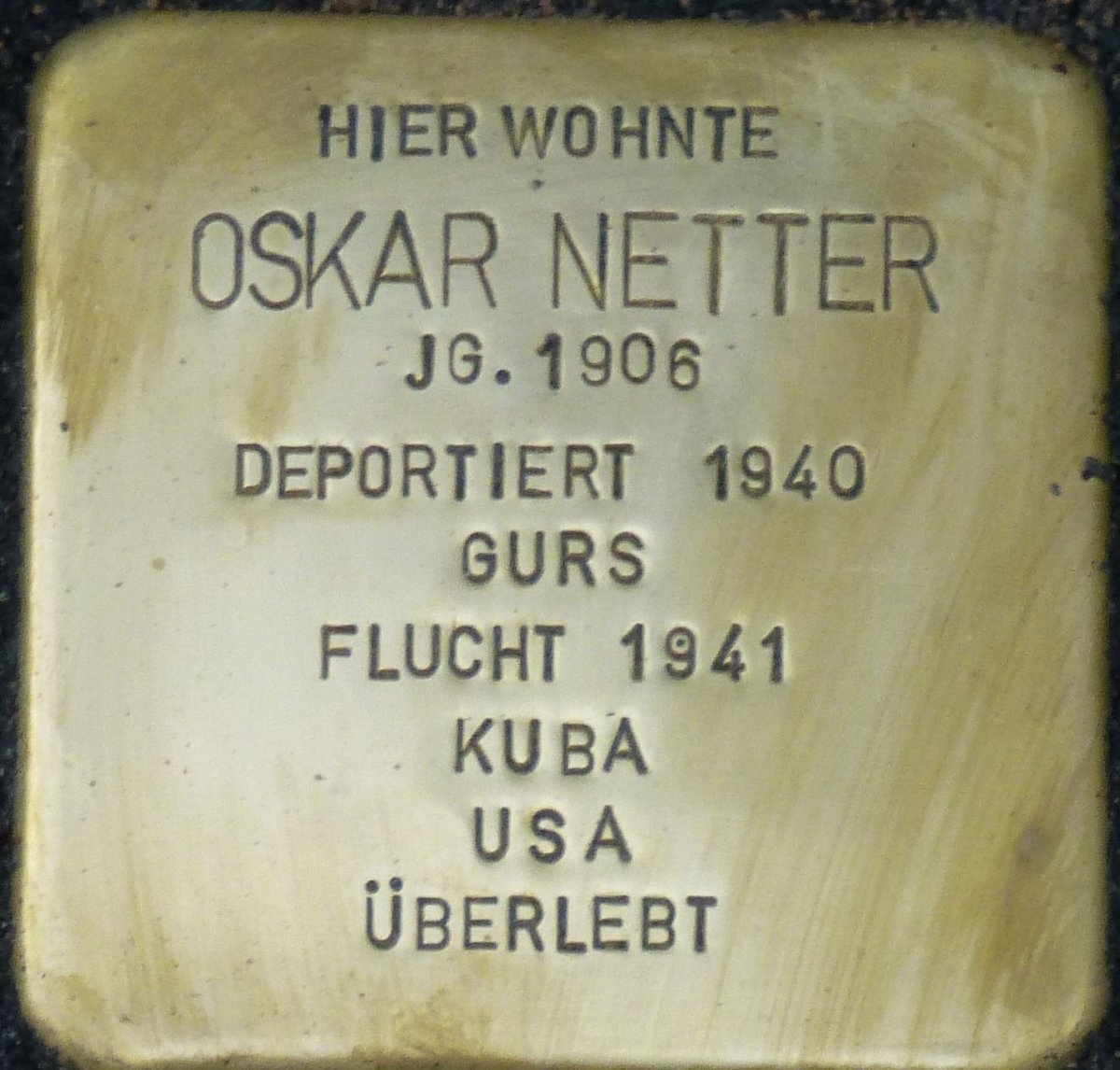
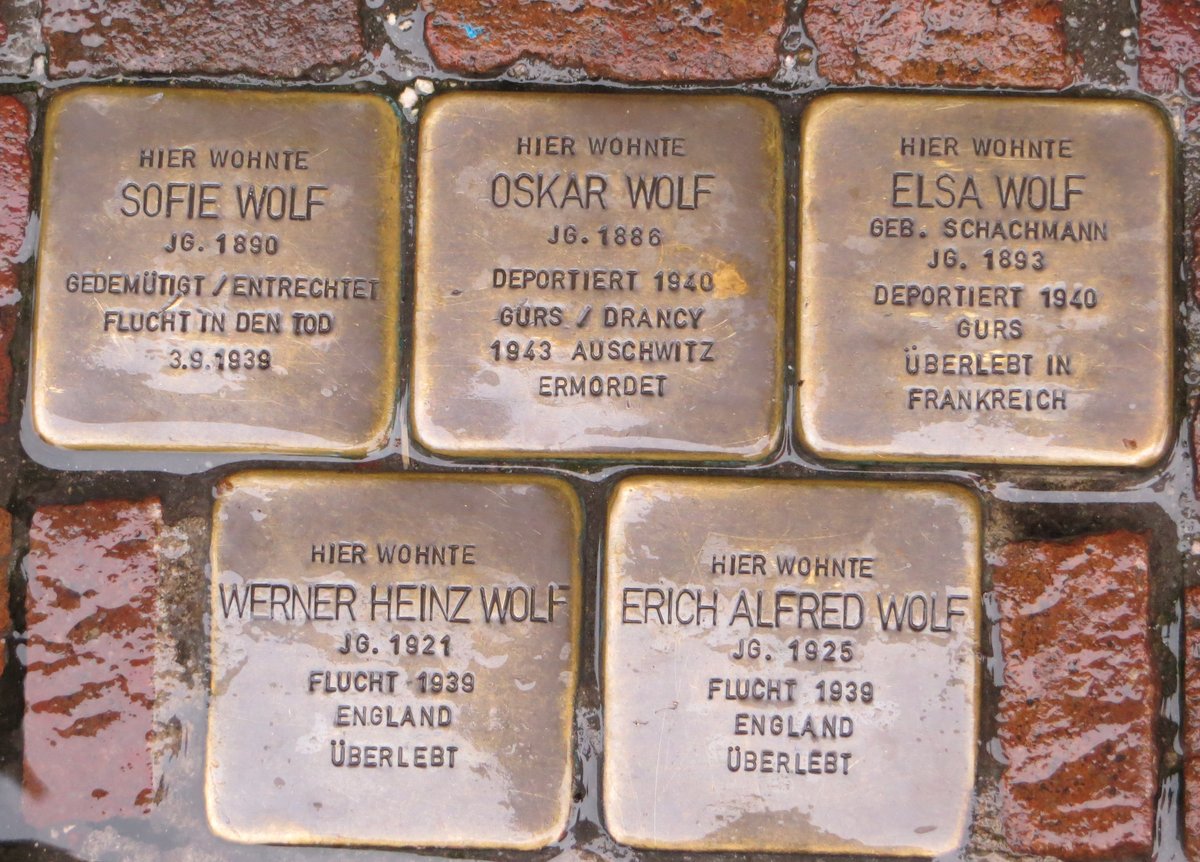
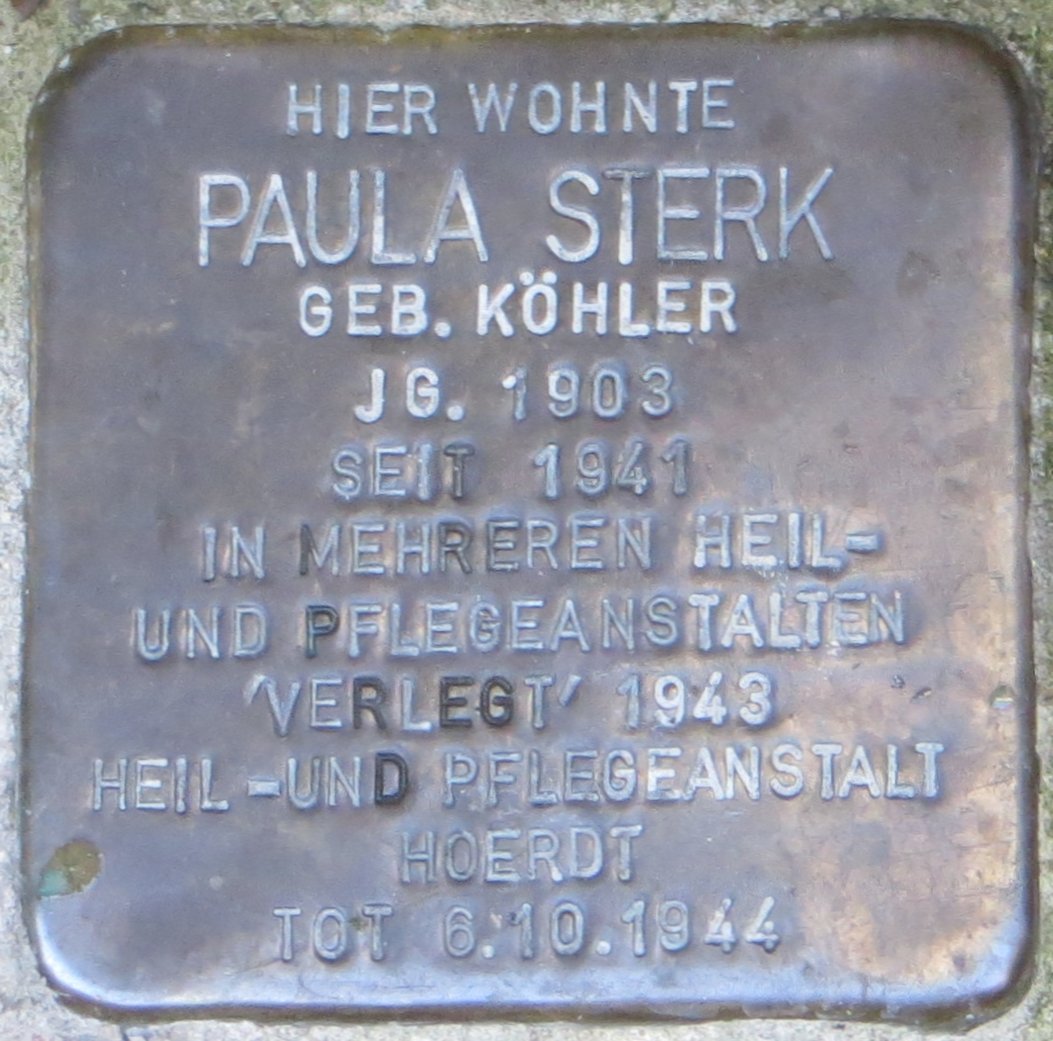
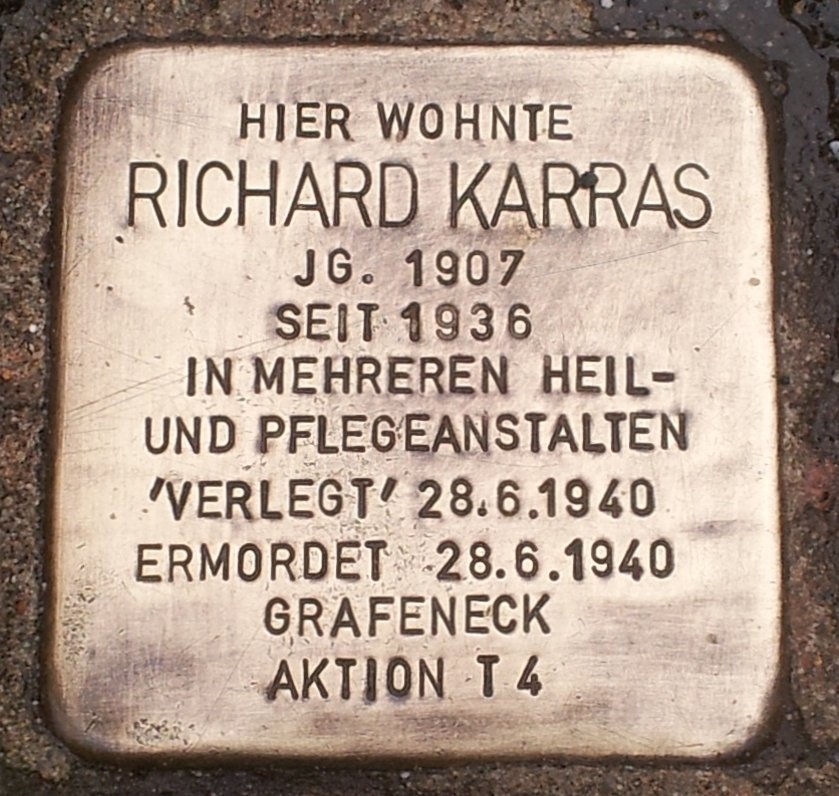
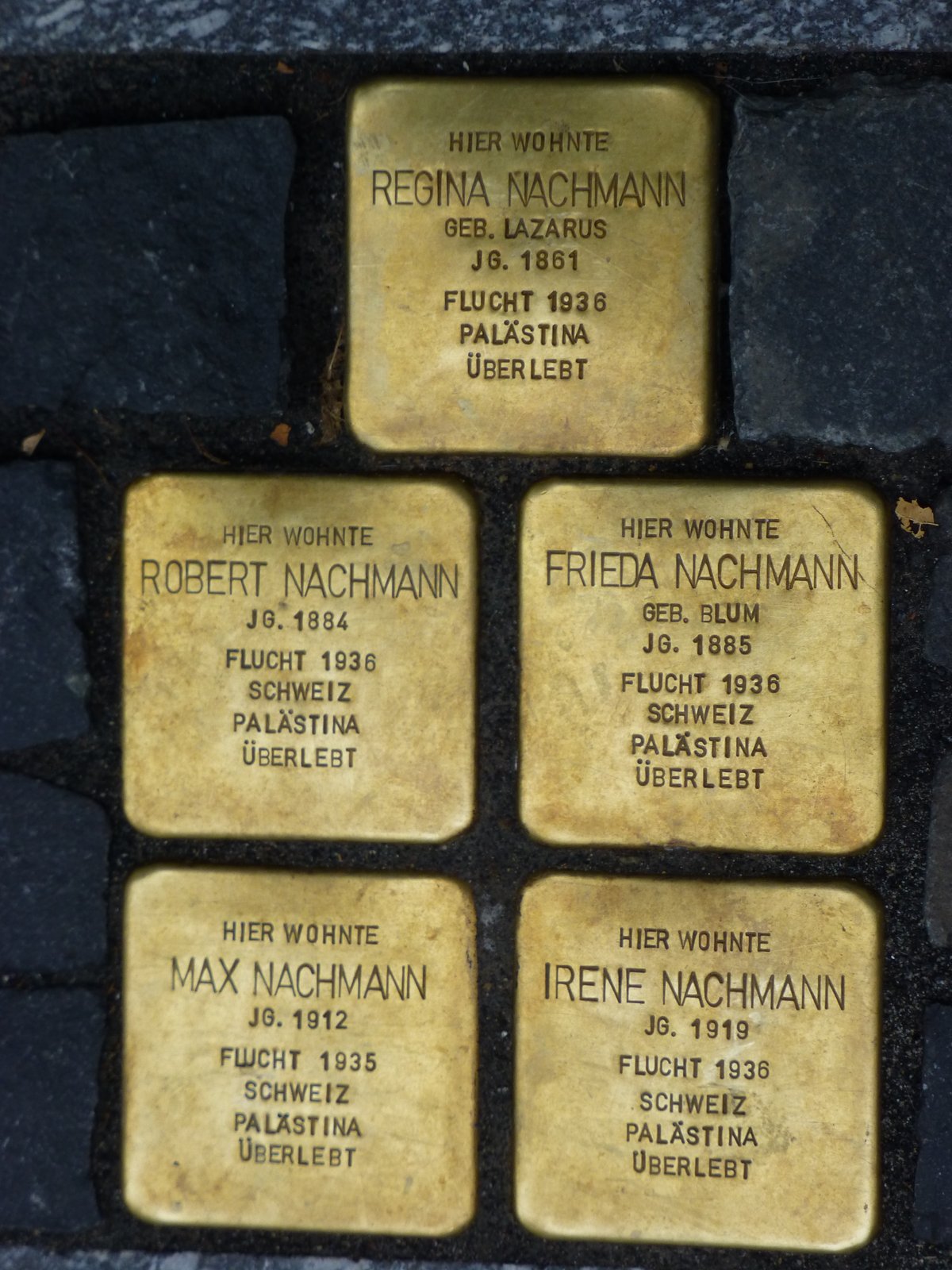
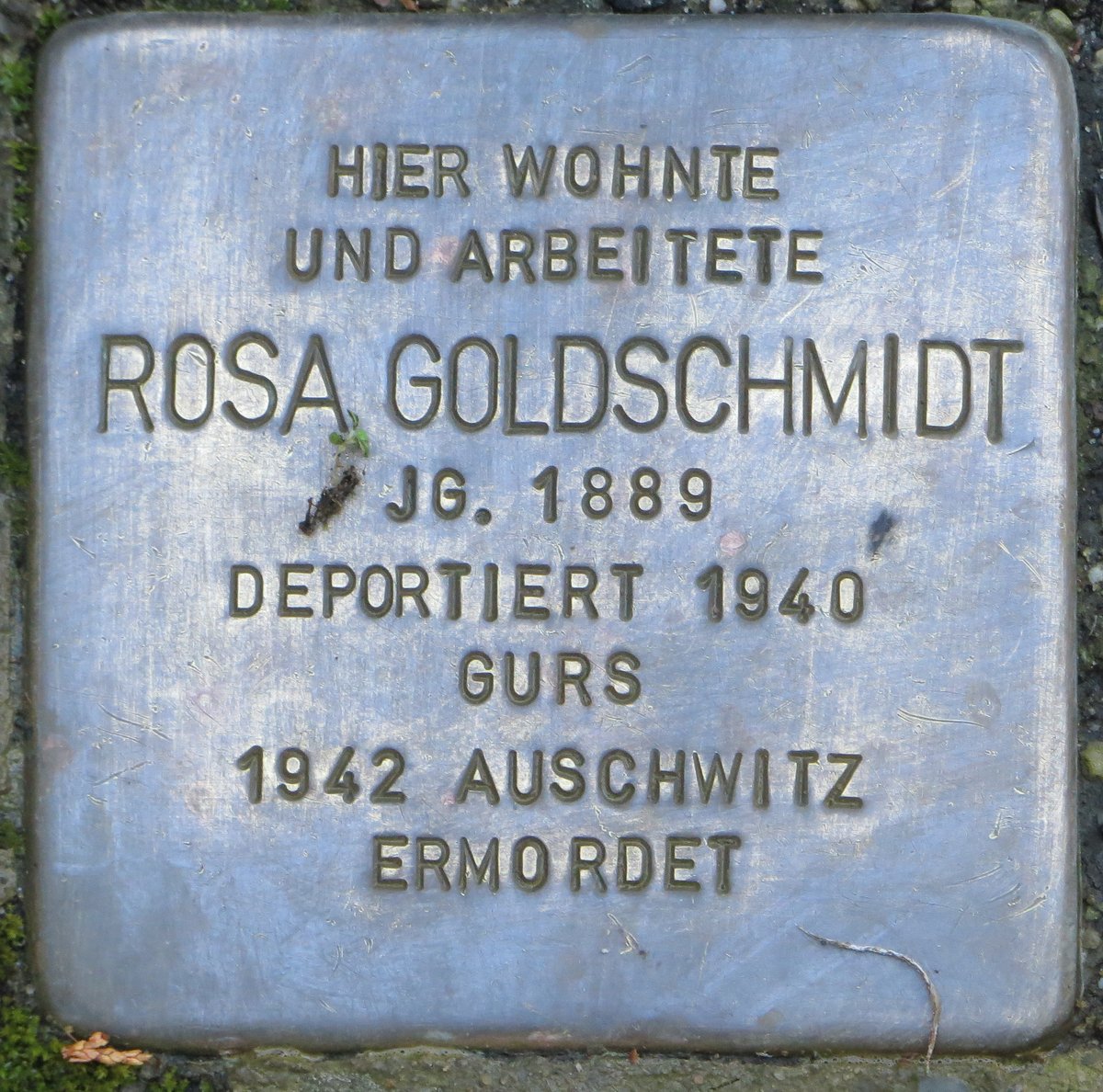
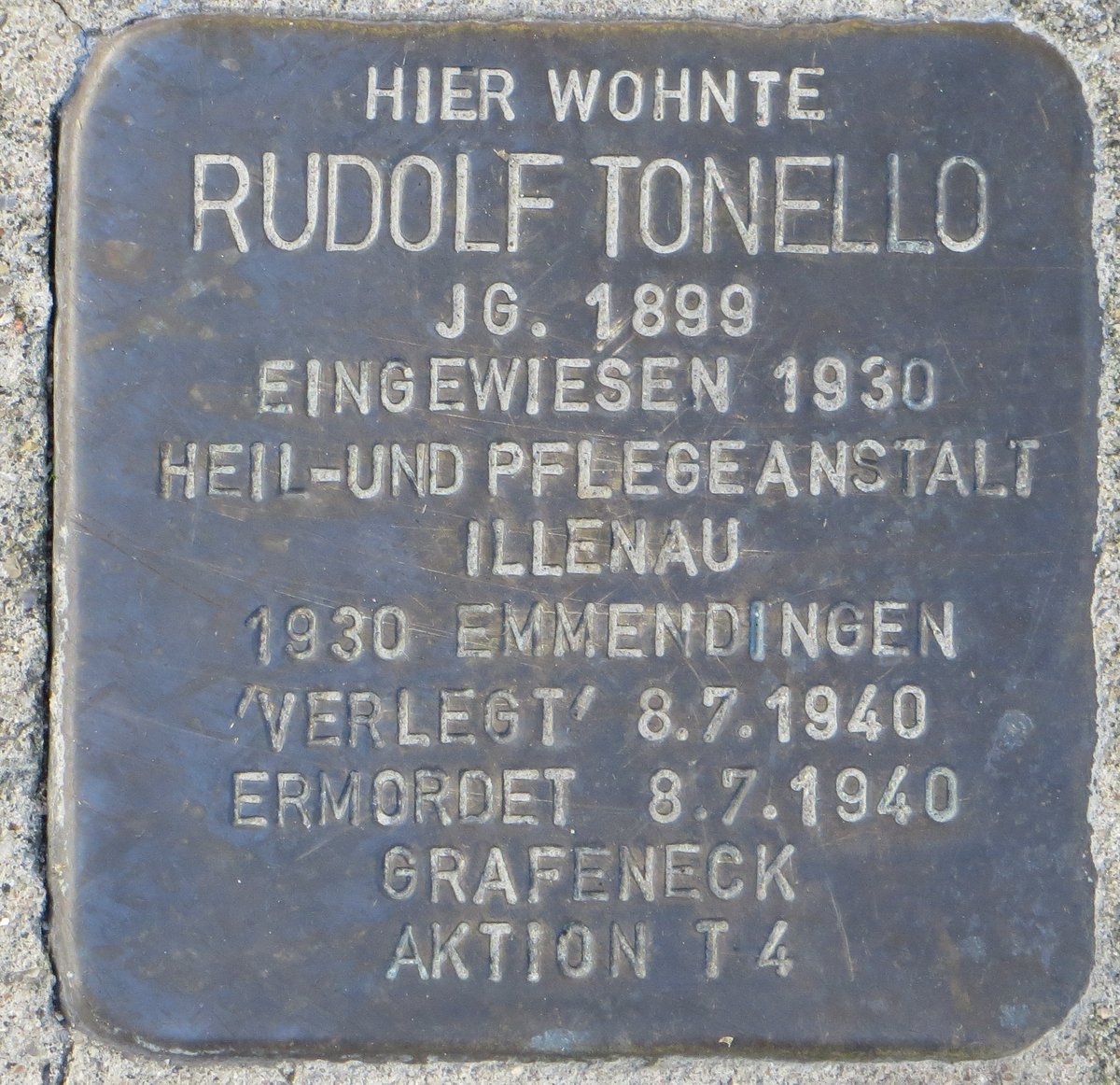
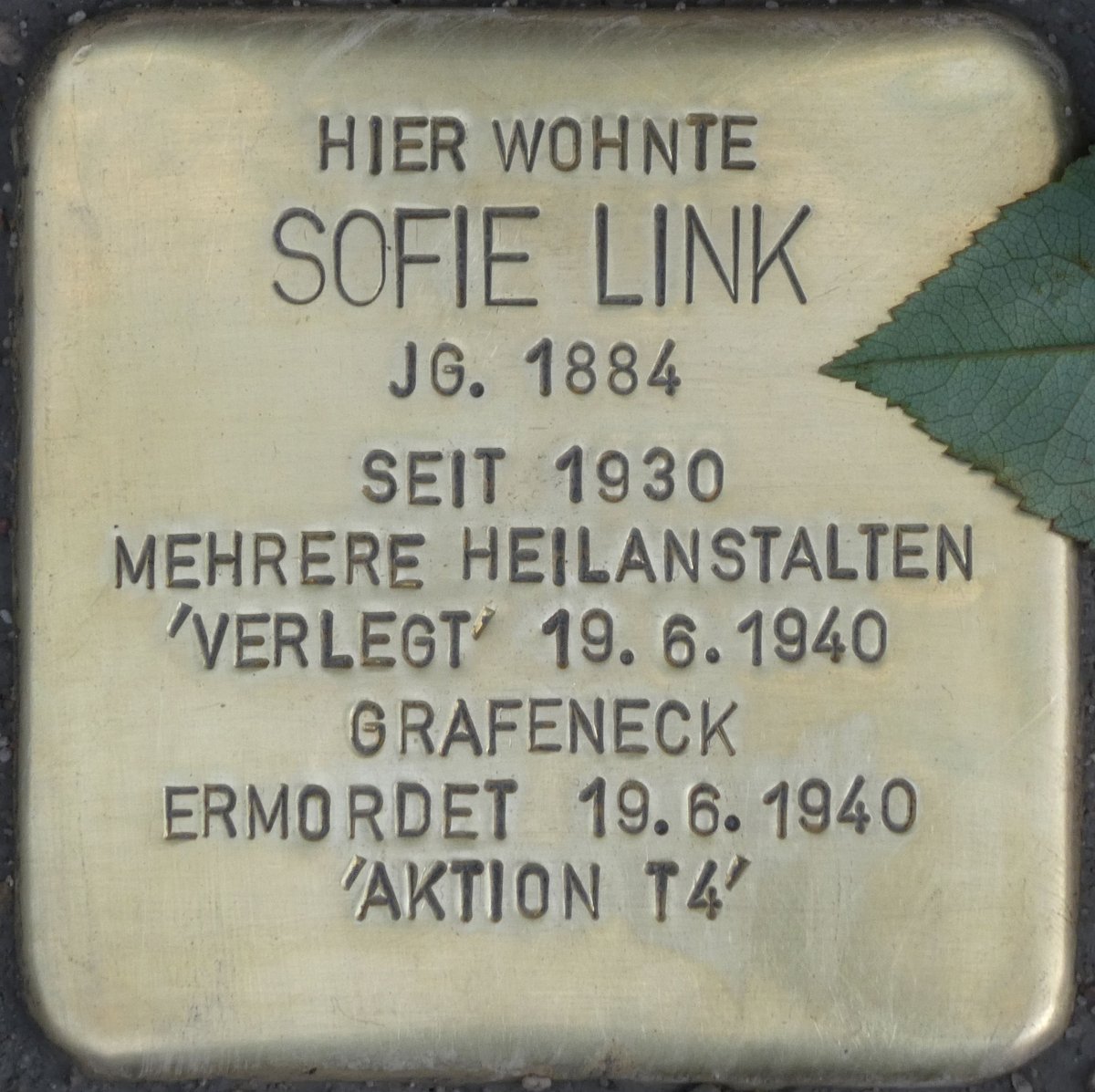
Nestled in the heart of Baden-Baden, Germany, the Stolperstein dedicated to Martha Götzel stands as a poignant reminder of the city’s lost Jewish community and the broader tragedy of the Holocaust. Stolpersteine, or "stumbling stones," are brass plaques embedded in sidewalks across Europe. Created by artist Gunter Demnig, they commemorate victims of Nazi persecution at the very sites of their last freely chosen residences. The Stolperstein for Martha Götzel at Sophienstraße 22 invites visitors to connect personally with history, transforming everyday city spaces into sites of remembrance (TracesOfWar; Stolpersteine.eu).
This guide offers comprehensive visitor information, including location, accessibility, hours, and travel tips. It also explores the historical context of Baden-Baden’s Jewish community, the unique significance of Stolpersteine, and best practices for respectful visitation. By engaging with this memorial, visitors honor the memory of Martha Götzel and countless others, ensuring their stories remain part of the city’s living fabric (Stolpersteine Guide; Claudia Travels).
Photo Gallery
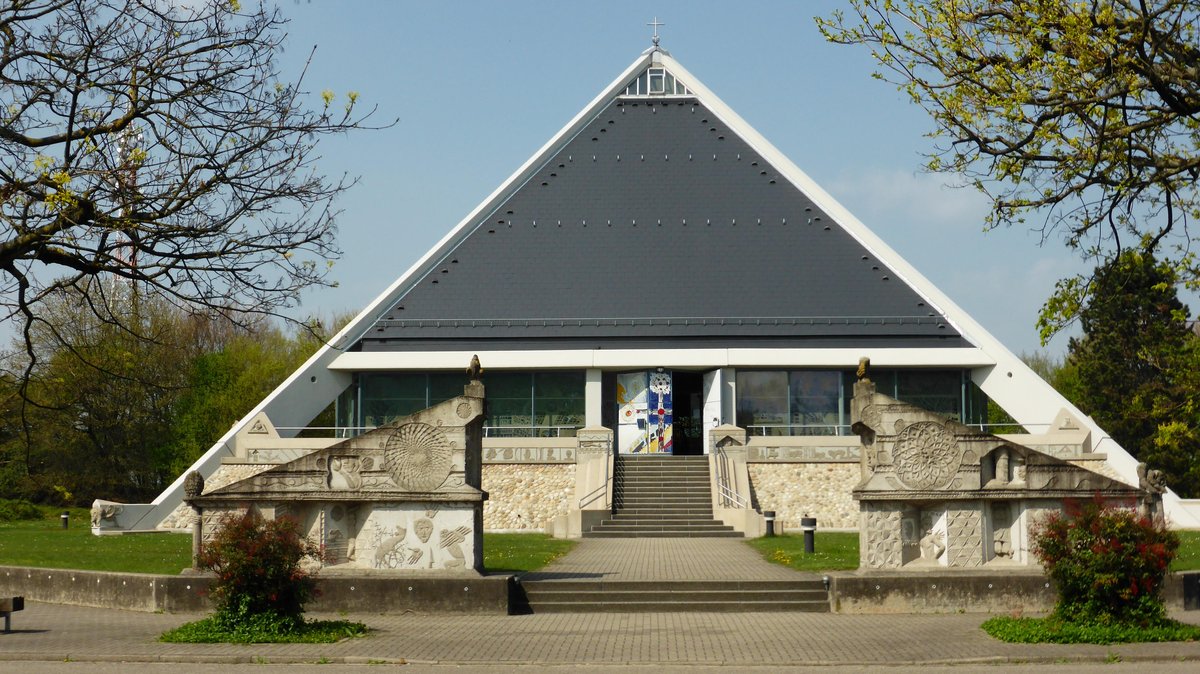
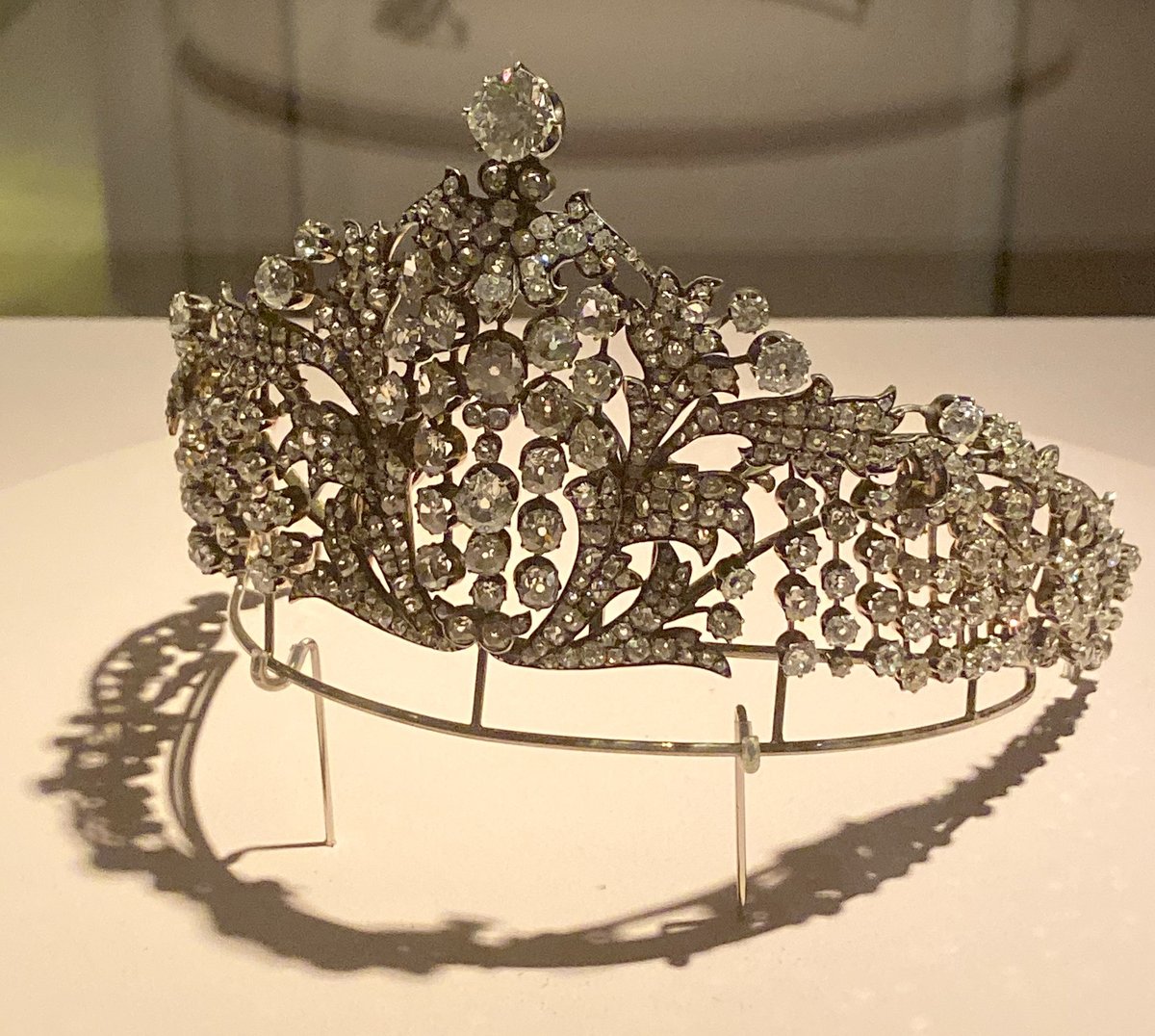
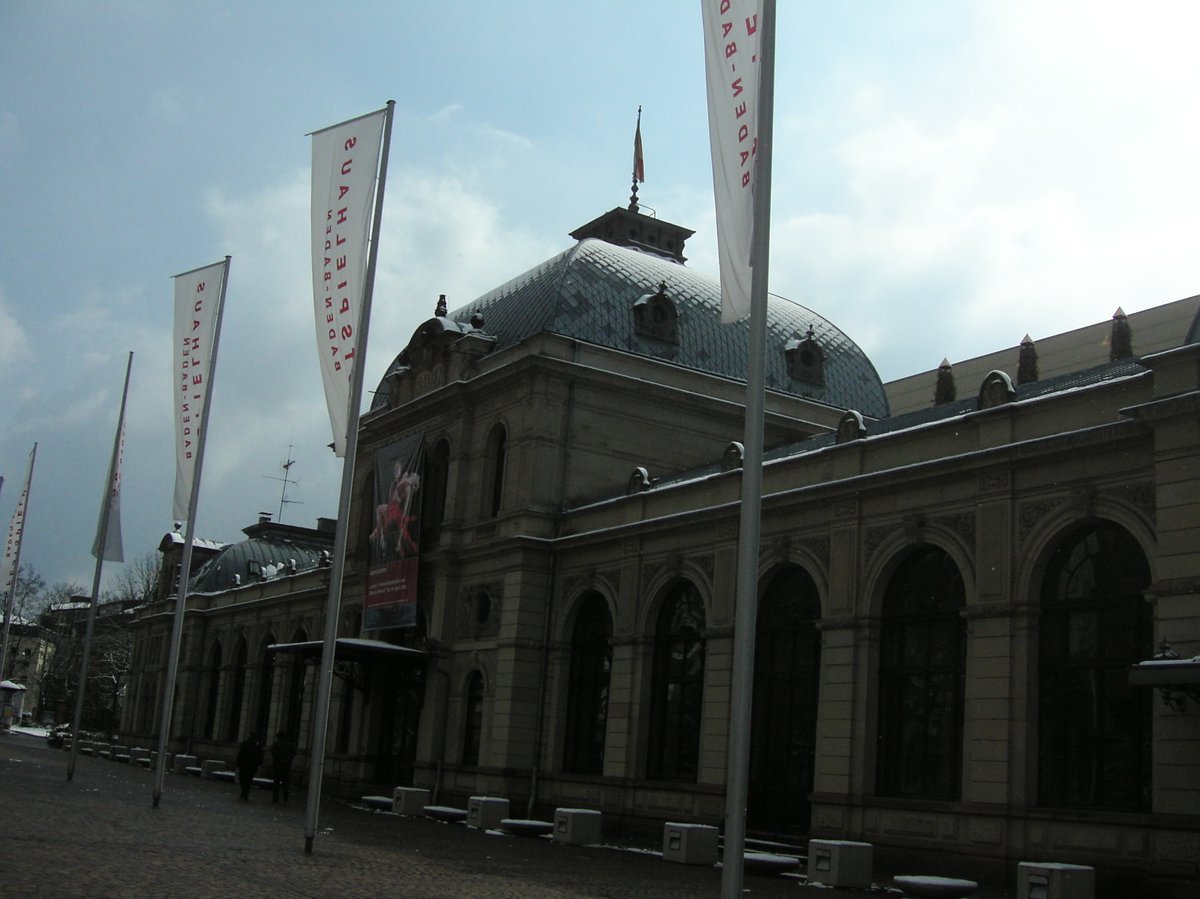
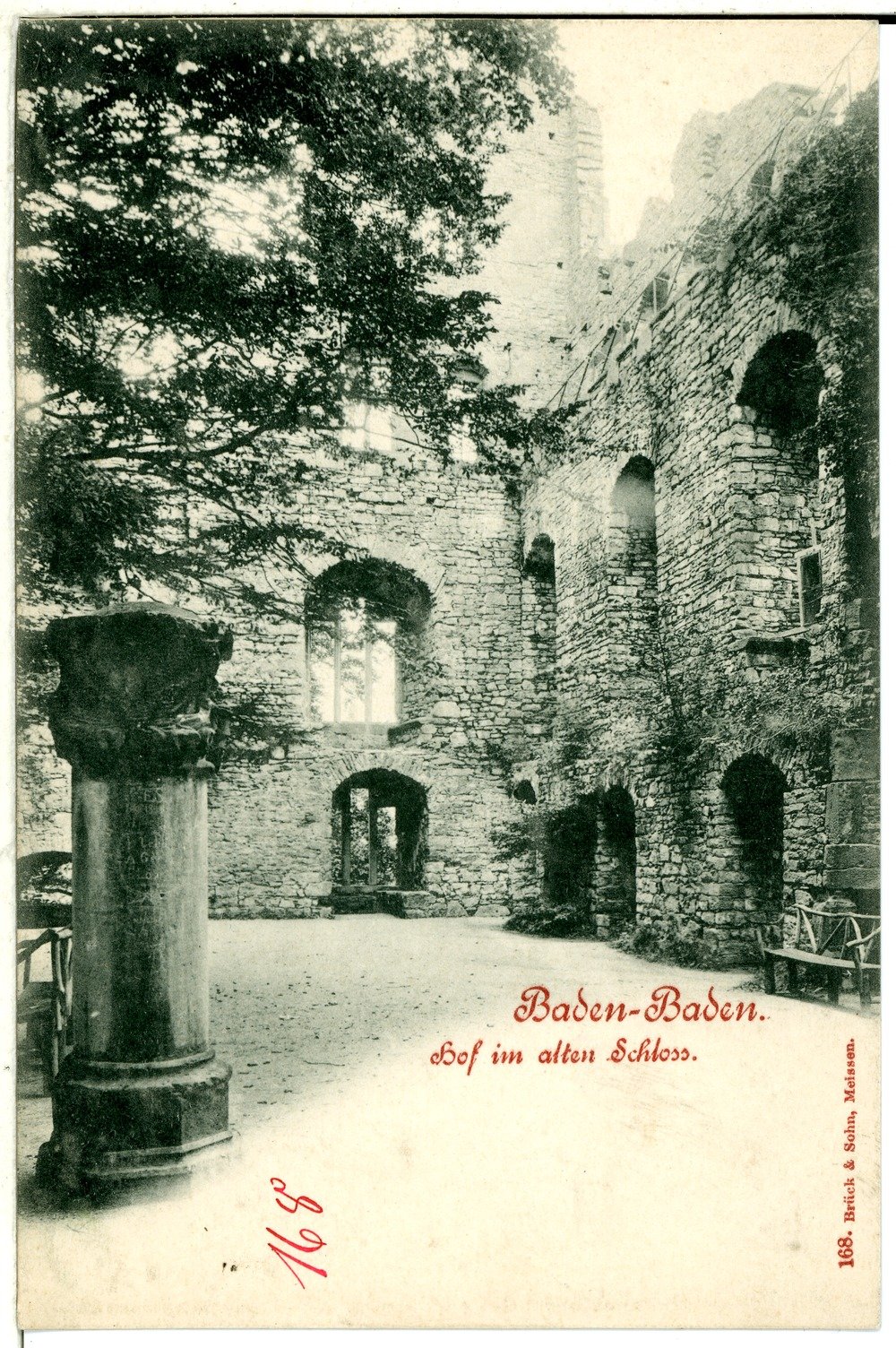
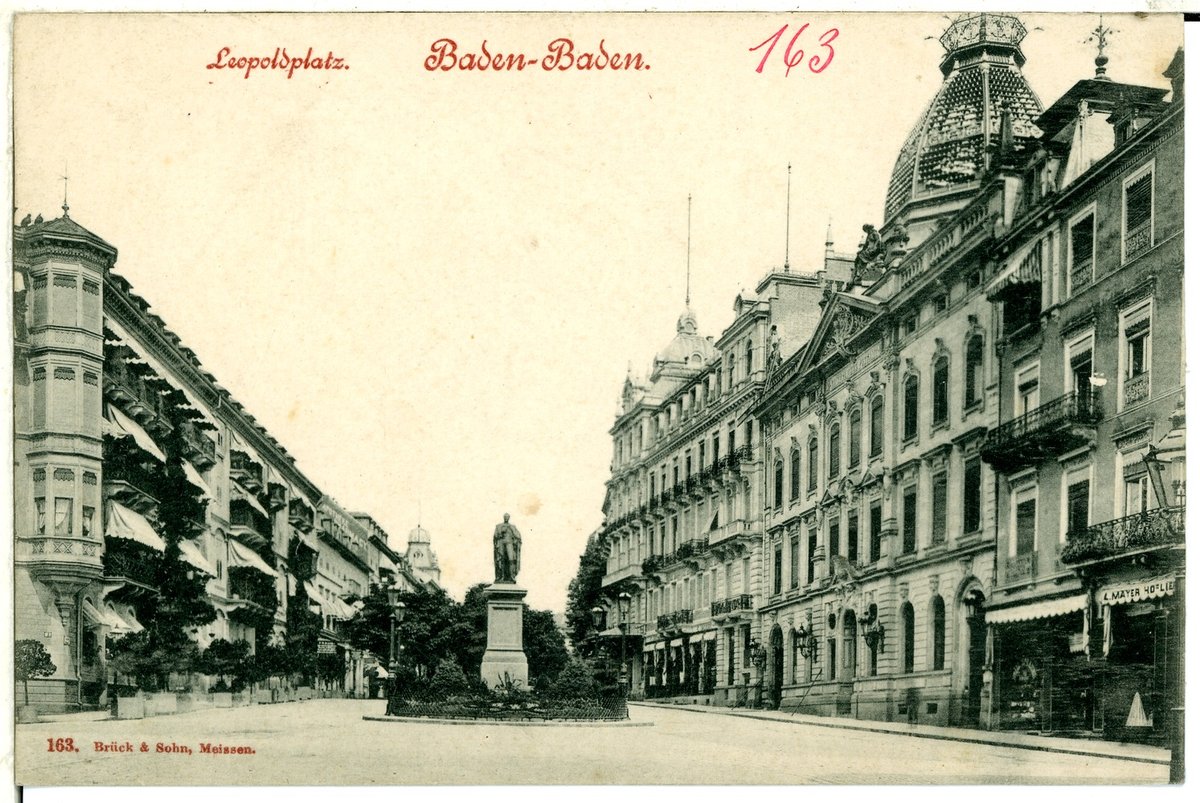
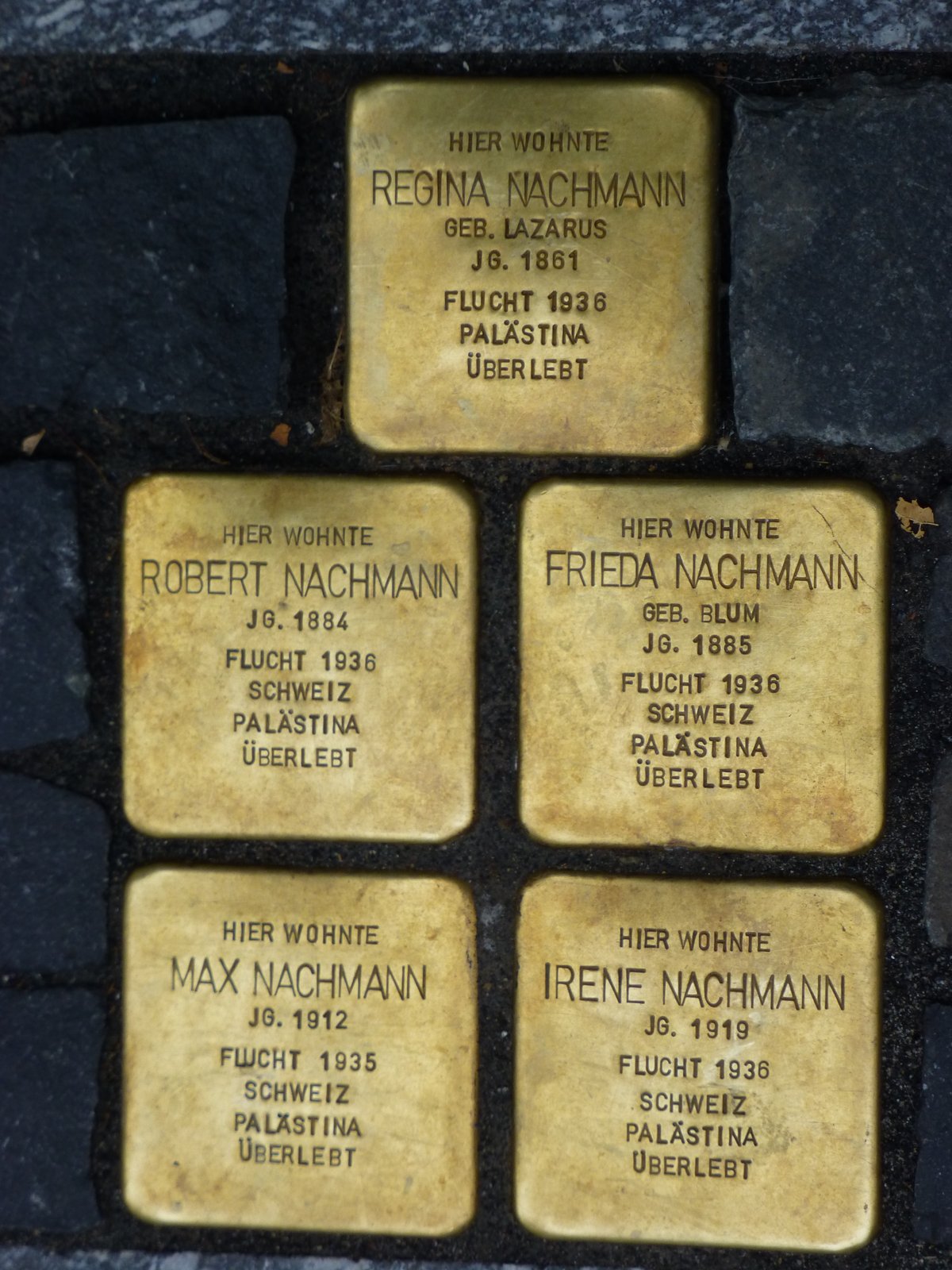
Explore Stolperstein Dedicated to Martha Götzel in Pictures
Historical Context: The Holocaust and Baden-Baden’s Jewish Community
Before WWII, Baden-Baden was home to a vibrant Jewish community that contributed significantly to the city’s culture and economy. The rise of National Socialism in 1933 marked the beginning of systematic exclusion, violence, and, ultimately, the destruction of Jewish life in the region. Kristallnacht (Reichspogromnacht) on November 9, 1938, saw synagogues destroyed, Jewish businesses vandalized, and residents arrested or murdered throughout Germany, including Baden-Baden (SWR Kultur).
The Stolpersteine project, spearheaded by artist Gunter Demnig, commemorates these victims at the places they once called home. Each stone is a reminder not only of the individuals who suffered but also of the communities and cultures that were lost (Stolpersteine Guide).
The Stolperstein for Martha Götzel: Location and Description
Address: Sophienstraße 22, 76530 Baden-Baden, Germany
Coordinates: 48.761585, 8.241895
Nearby Landmarks: Fabergé Museum, Rathaus Baden-Baden, Lichtentaler Allee (TracesOfWar; Mapcarta)
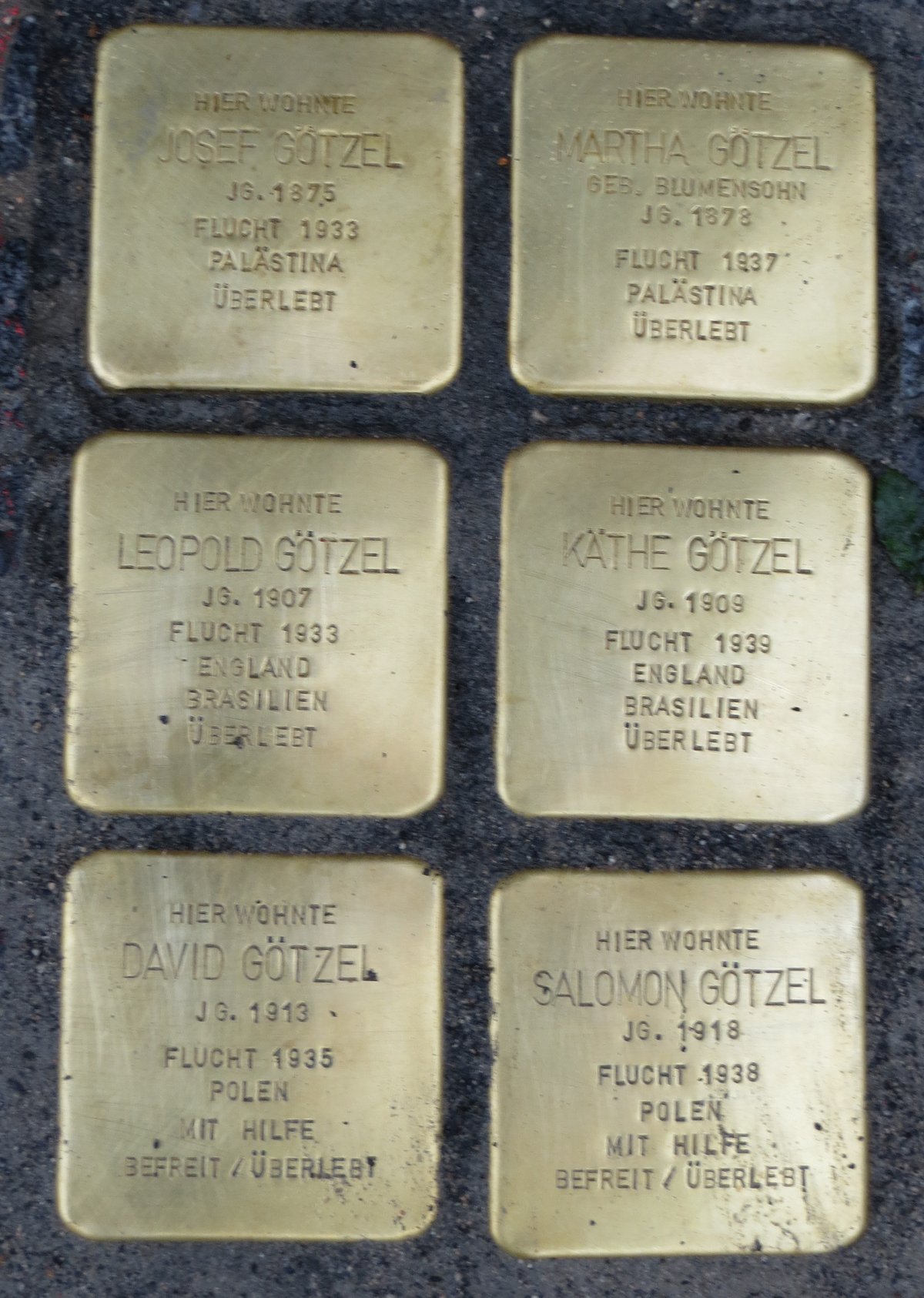
Martha Götzel’s Stolperstein is situated in a central, pedestrian-friendly area, easily accessible by foot or public transport. The stone is embedded in the sidewalk in front of the building where Martha last lived freely before persecution and deportation. The Stolperstein is grouped with those for other Götzel family members—Josef, Leopold, Käthe, David, and Salomon—emphasizing the collective tragedy that befell entire families (TracesOfWar).
Physical Description:
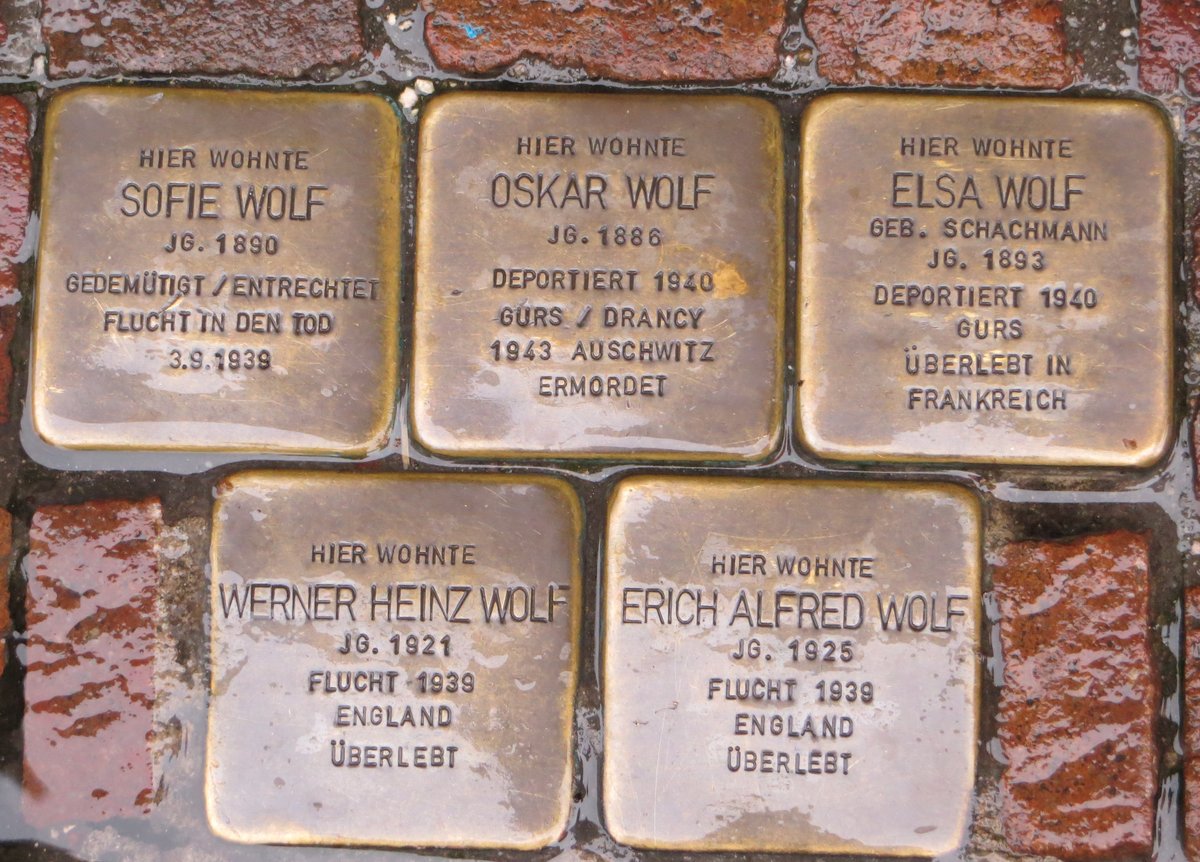
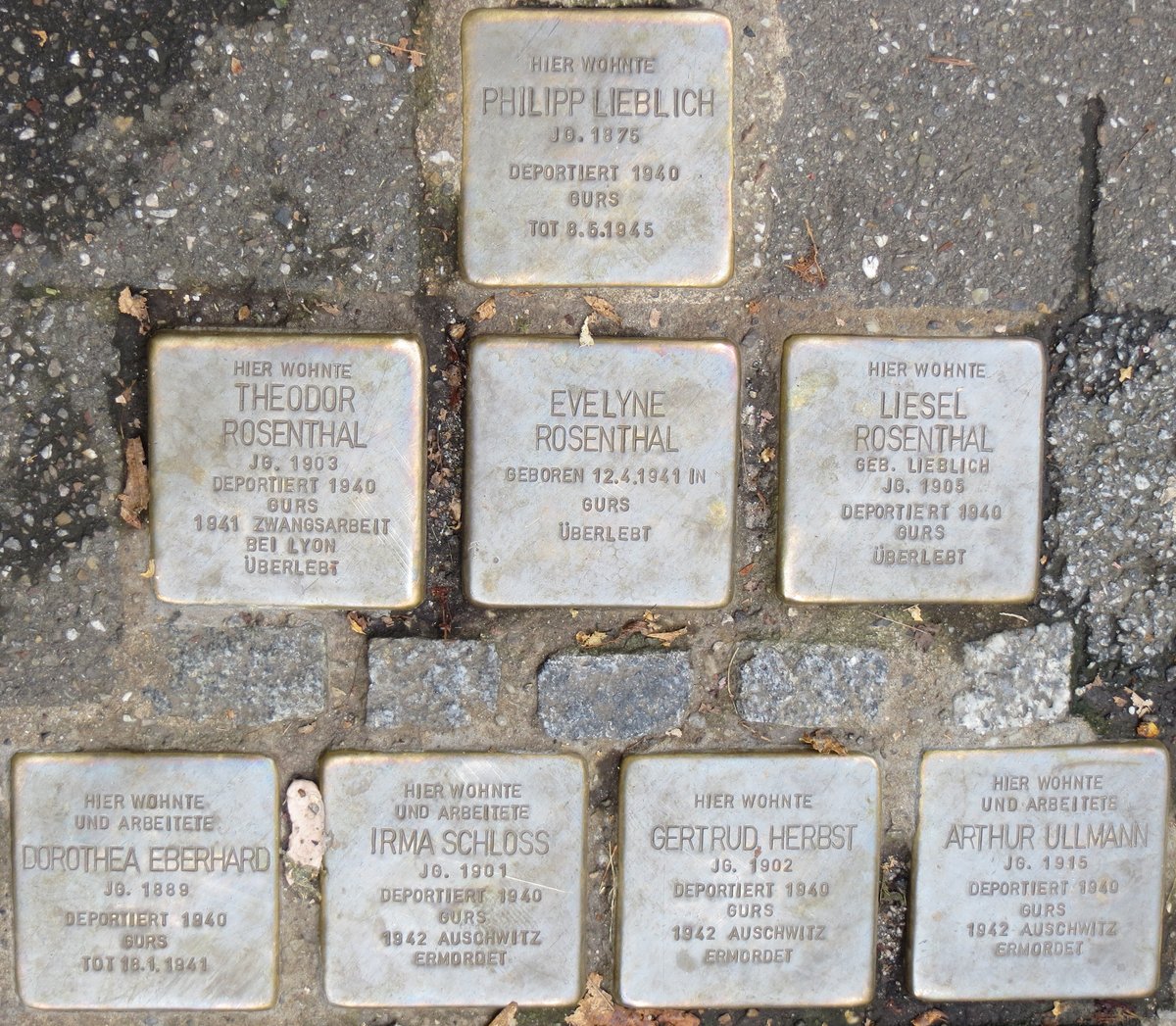
Each Stolperstein measures 10 x 10 cm and is engraved with the victim’s name, birth year, fate (such as deportation or murder), and, if known, date and place of death. The brass surface is designed to draw attention and invite reflection. Local volunteers routinely clean the stones to maintain their visibility and dignity (Stolpersteine.eu).
Installation Process and Historical Significance
The Stolpersteine project is the world’s largest decentralized Holocaust memorial, with over 100,000 stones installed in nearly 2,000 communities across Europe as of 2024 (Wikipedia). Baden-Baden’s first Stolpersteine were laid in 2008, with more added through 2013 (Stadtwiki Baden-Baden; de.wikipedia).
Installation Process:
- Research & Application: Local historians, schools, or citizens research biographies and apply for a stone.
- Approval & Funding: The city approves, and sponsors fund installation (approx. €120 per stone).
- Engraving & Placement: Gunter Demnig or his team engrave and install the stone, often in a public ceremony.
- Community Engagement: Schools and community groups actively participate, fostering education and remembrance (Stolpersteine.eu).
Visiting Hours, Tickets, and Accessibility
- Visiting Hours: Stolpersteine are accessible 24/7, embedded in public sidewalks.
- Admission: Free; no tickets or reservations required.
- Accessibility: Most stones are at street level and accessible to wheelchair users; some areas may have uneven pavement, so caution is advised.
Getting There:
Baden-Baden is compact and walkable. Public buses and taxis serve the area, and parking is available, though limited during peak times. Walking or cycling is recommended to fully appreciate the historic surroundings.
Visitor Etiquette and Practical Tips
- Pause and Reflect: Stand quietly, read the inscription, and take a moment to remember.
- Do Not Stand Directly on the Stone: Out of respect, avoid stepping directly on the Stolperstein.
- Leave a Stone or Flower: Following Jewish custom, leaving a small stone or flower is an act of remembrance.
- Photography: Permitted, but focus on the stone and avoid photographing private residences (Folklife Magazine).
- Cleaning: It is customary to gently polish the brass with a soft cloth, especially on Holocaust Remembrance Day.
Travel Tips:
- Wear comfortable shoes for cobblestone streets.
- Plan your route using the Stolperstein Database.
- Consider combining your visit with stops at nearby sites like Lichtentaler Allee, the Fabergé Museum, or the Stadtmuseum (Germany Footsteps).
Cultural and Memorial Significance
The Stolpersteine project is a cornerstone of Germany’s ongoing "Erinnerungskultur" (culture of remembrance). Unlike centralized monuments, Stolpersteine personalize memory, restoring the names and stories of individuals to the places from which they were taken. Their decentralization fosters direct, personal engagement with history (Onomastica Lipsiensia, p. 33).
Community involvement in research, ceremonies, and maintenance strengthens local commitment to remembrance. The project’s spread across 25+ European countries reflects a shared responsibility to honor the victims of Nazi persecution (Stolpersteine Guide).
Rituals of Remembrance and Community Involvement
- Installation Ceremonies: Typically include readings, music, and biographical presentations, attended by relatives, officials, and students.
- Cleaning Days: Annual events where volunteers polish the stones, reinforcing remembrance as an ongoing civic responsibility.
- Remembrance Events: Special commemorations on Holocaust Remembrance Day and Kristallnacht anniversary deepen the impact of visits.
Controversies and Ongoing Debates
Some critics argue that placing names on the ground can be disrespectful or that the stones risk becoming invisible through familiarity or neglect. Certain cities have opted for alternative memorial forms. Nevertheless, widespread adoption and ongoing community engagement highlight the enduring significance of Stolpersteine as living memorials (ABC News).
Frequently Asked Questions (FAQ)
What are Stolpersteine?
Small brass plaques in sidewalks commemorating individual victims of Nazi persecution at their last freely chosen residences.
Do I need a ticket to visit Martha Götzel’s Stolperstein?
No. Stolpersteine are public, outdoor memorials accessible at any time and free of charge.
Are guided tours available?
Yes. Local historical societies and guides offer walking tours focusing on Stolpersteine and Jewish heritage.
Is the Stolperstein accessible for wheelchair users?
Generally, yes. Most are flush with the pavement, though some locations may have uneven surfaces.
How can I learn more about the individuals commemorated?
Use the Stolperstein Database or the Stolpersteine Guide app.
Discover More
Visiting the Stolperstein for Martha Götzel in Baden-Baden is an act of remembrance that brings the memory of Holocaust victims into the city’s daily life. As part of the world’s largest decentralized memorial, this stone restores Martha Götzel’s story to its rightful place and invites ongoing reflection and learning (Stolpersteine.eu; Wikipedia).
We encourage you to explore the Stolpersteine with respect, use digital resources to deepen your understanding, and participate in community remembrance events. Download the Audiala app for audio guides and additional information, and consider joining local cleaning days or guided tours to support this living tradition of collective memory.
Listen to the full story in the app
Your Personal Curator, in Your Pocket.
Audio guides for 1,100+ cities across 96 countries. History, stories, and local insight — offline ready.
Audiala App
Available on iOS & Android
Join 50k+ Curators
Sources
- verified
- verified
- verified
- verified
- verified
Last reviewed: