Introduction
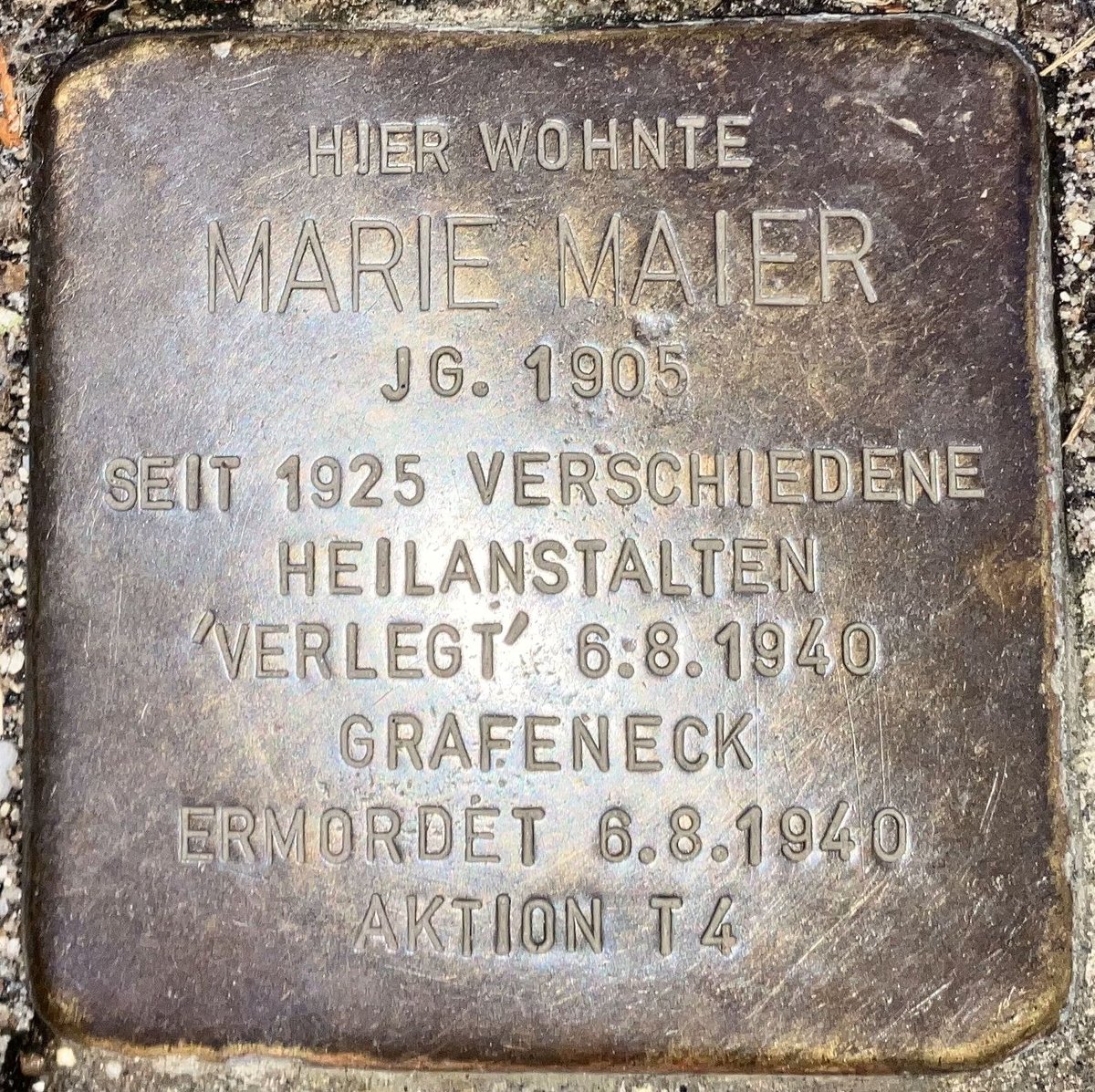
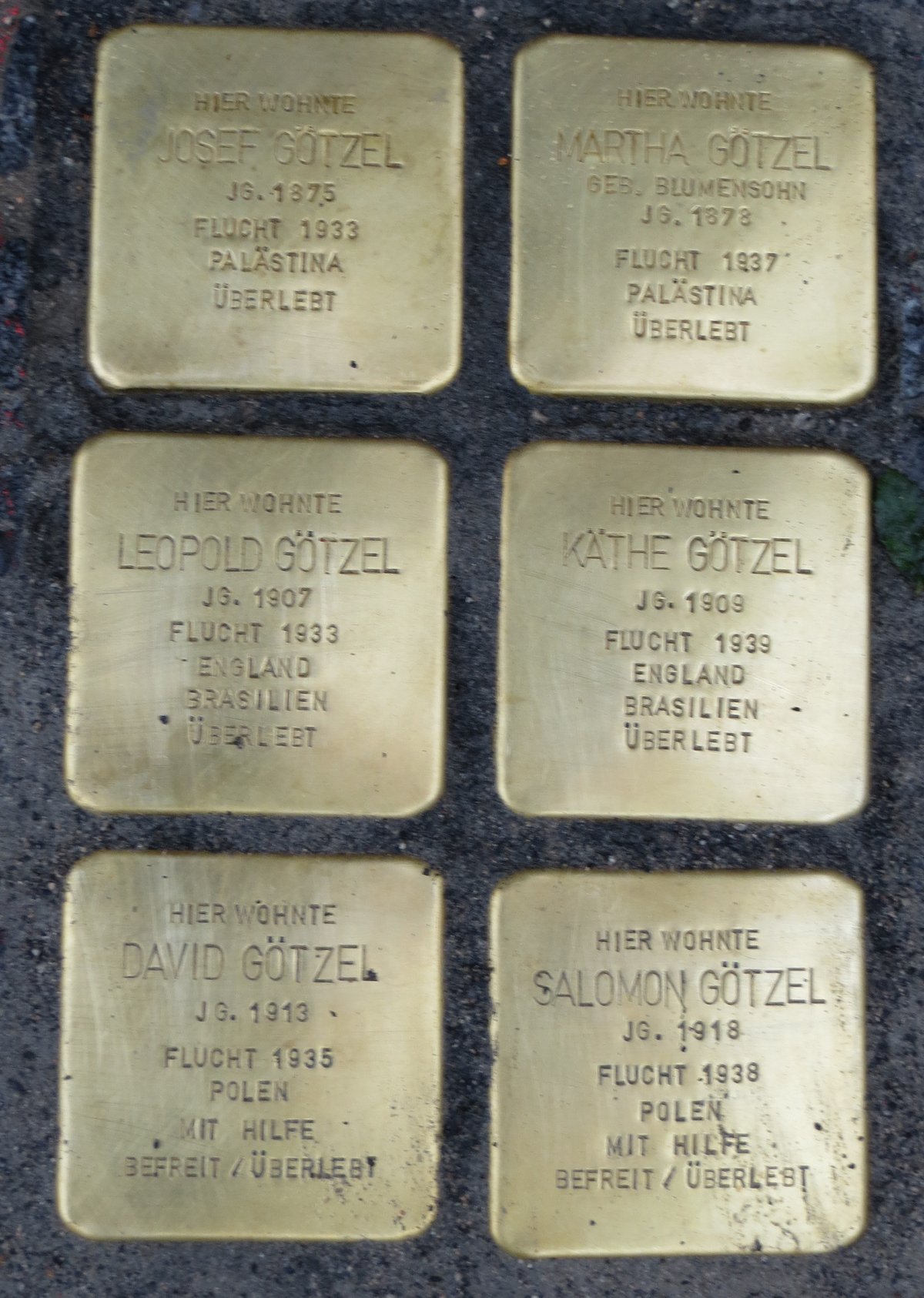
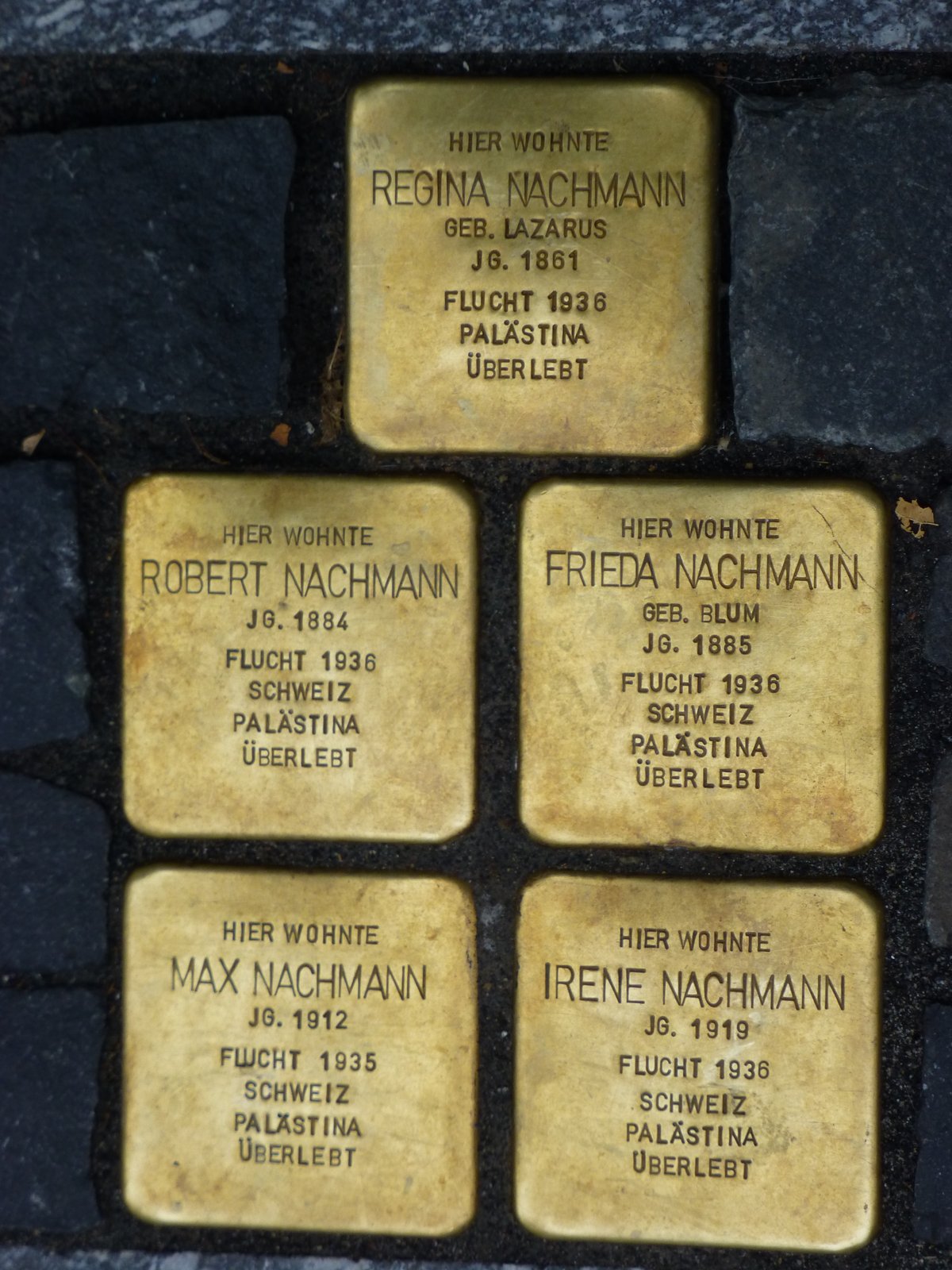
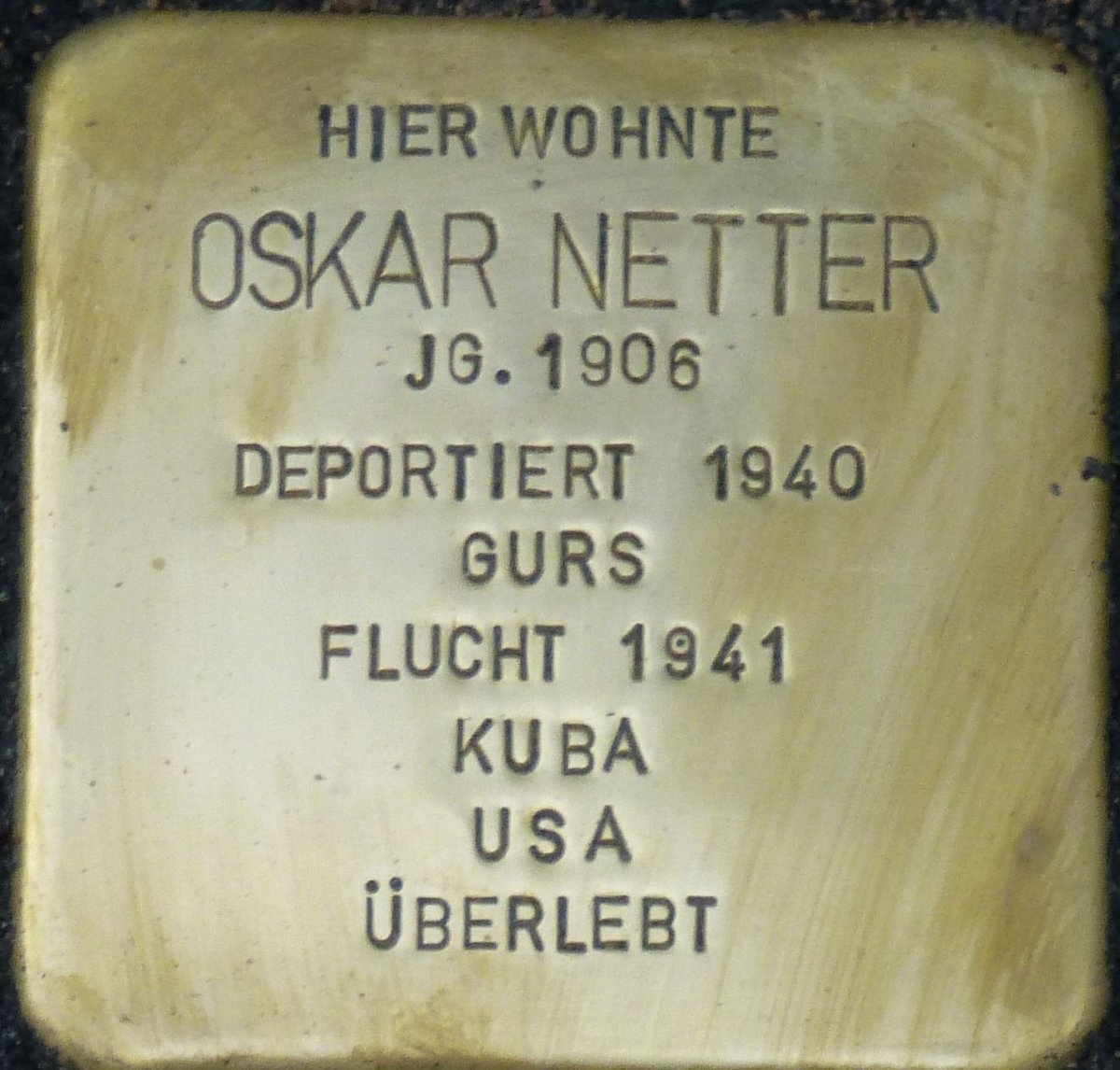
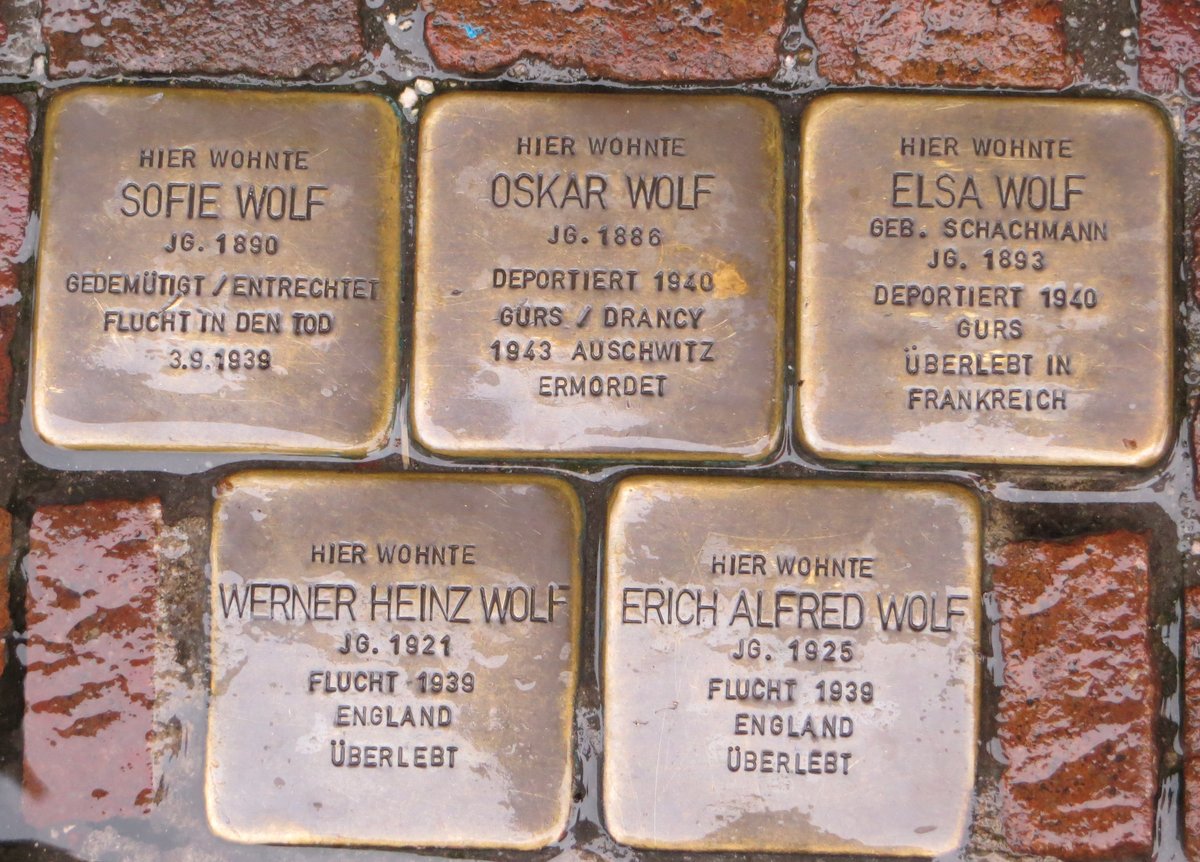
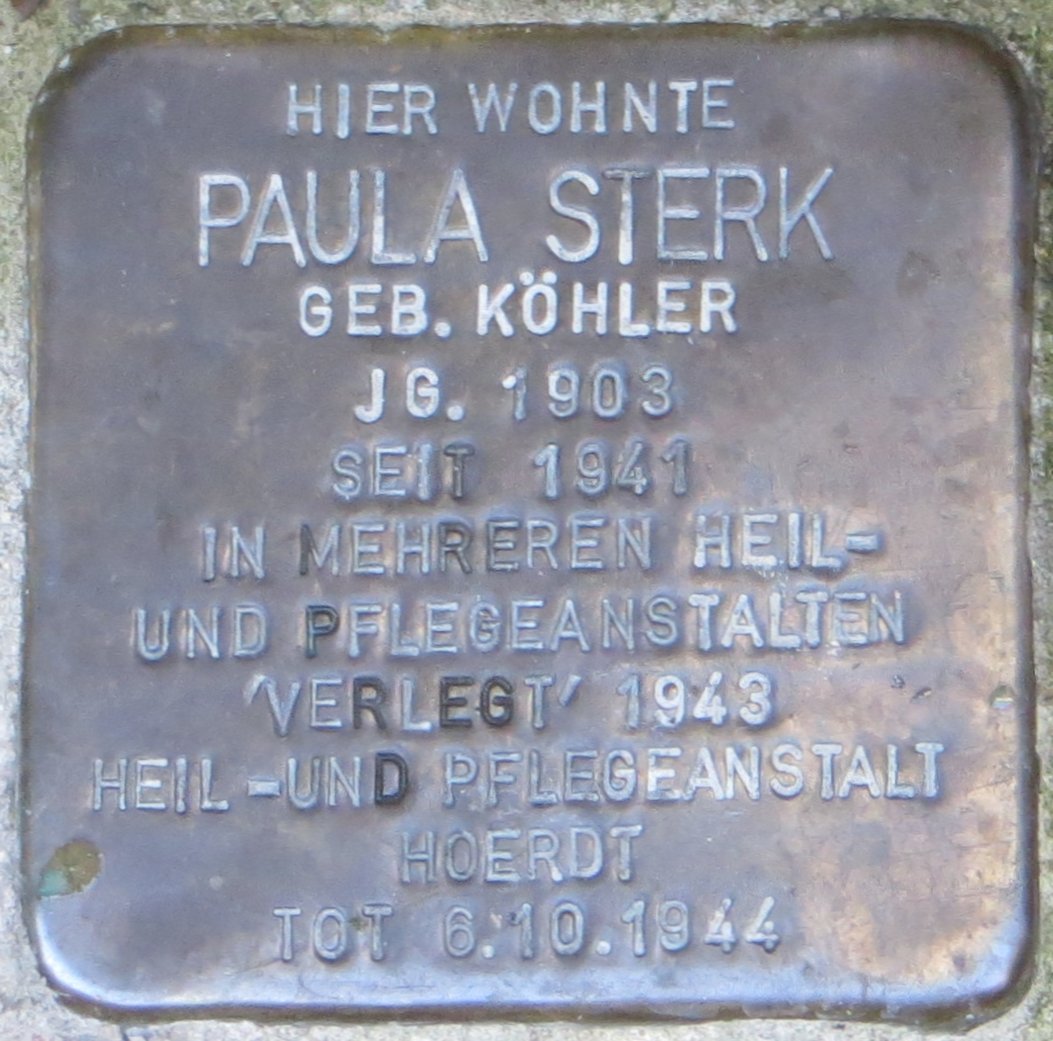
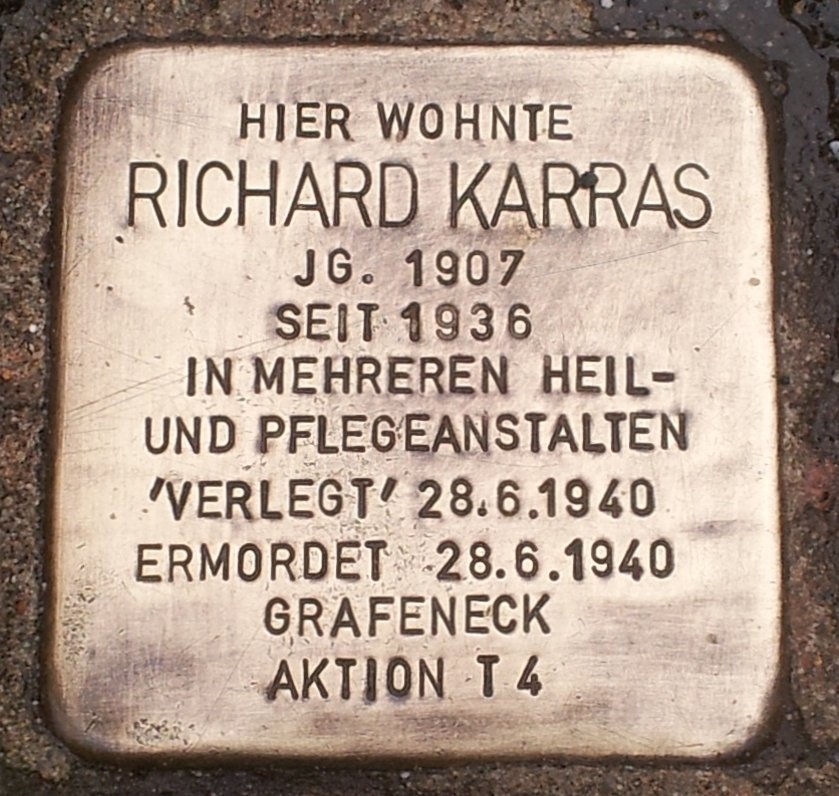
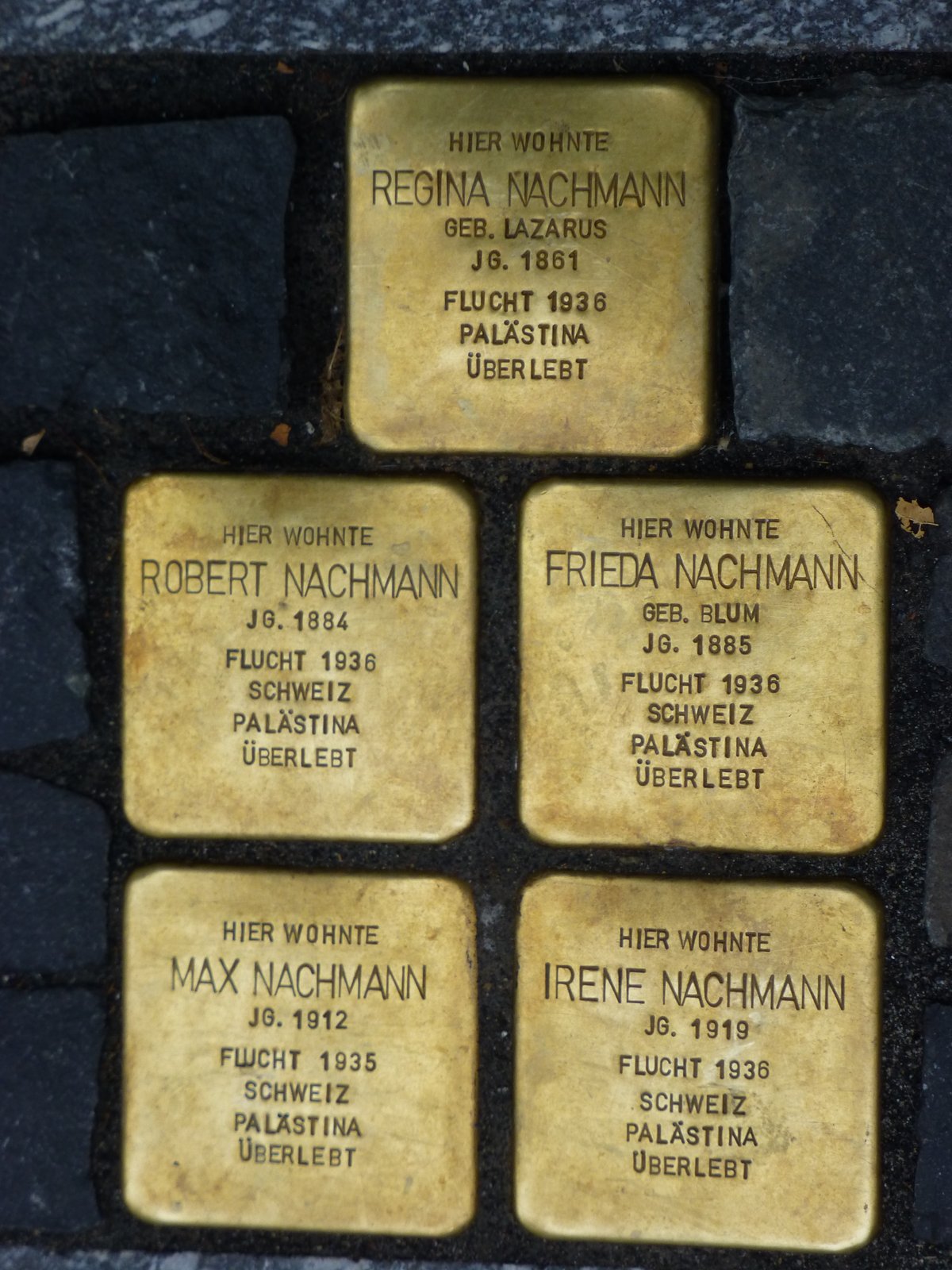
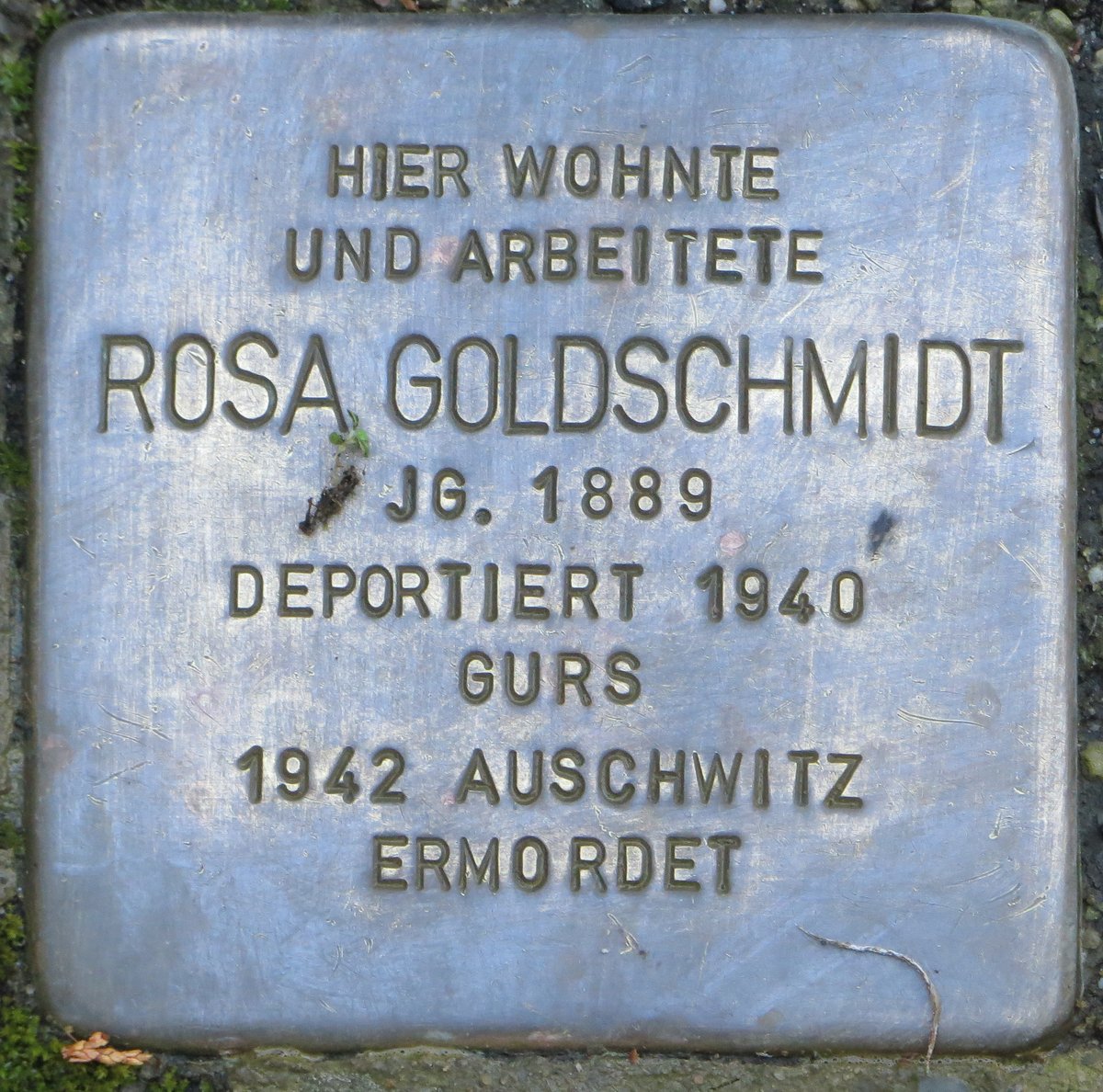
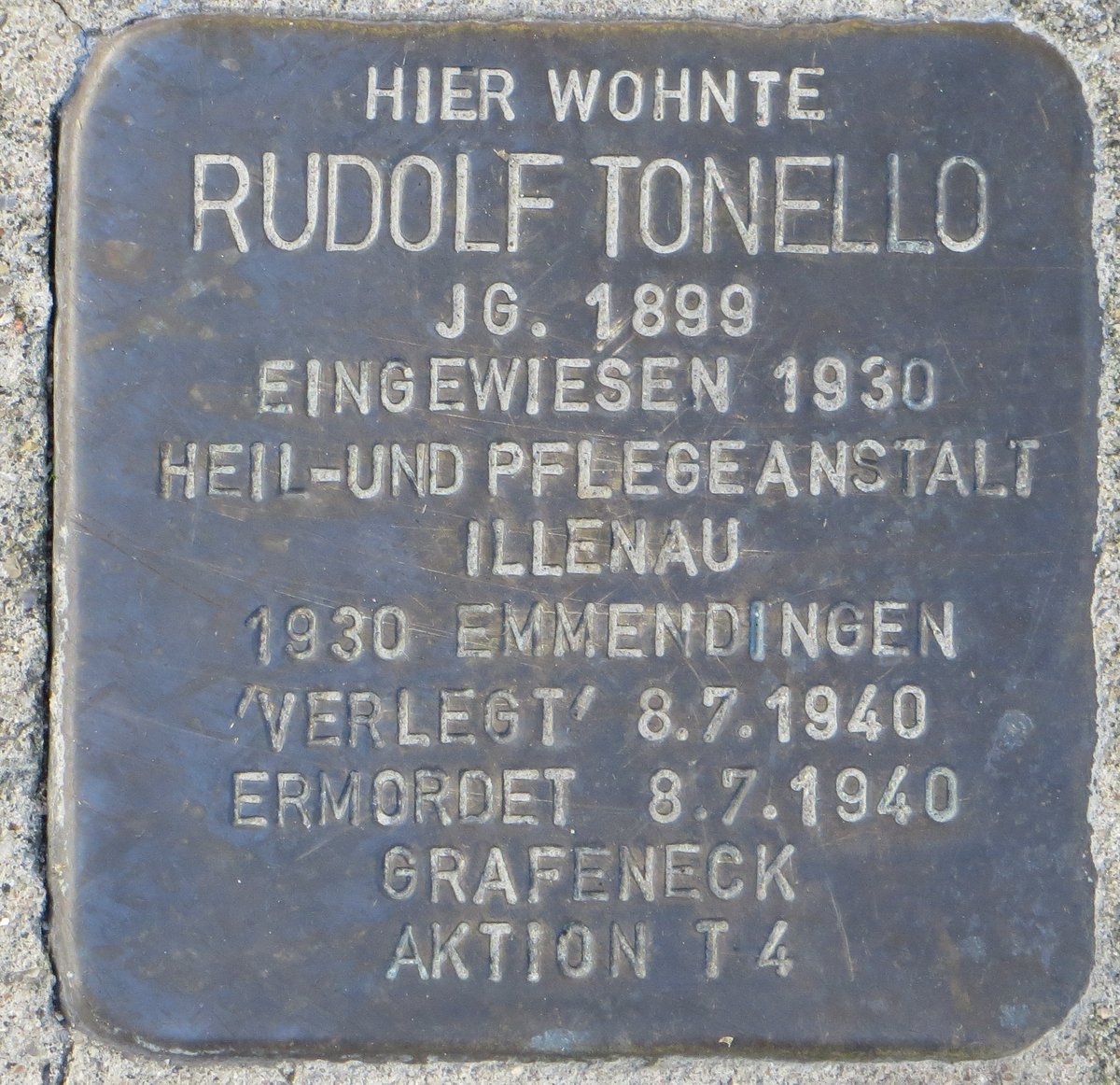
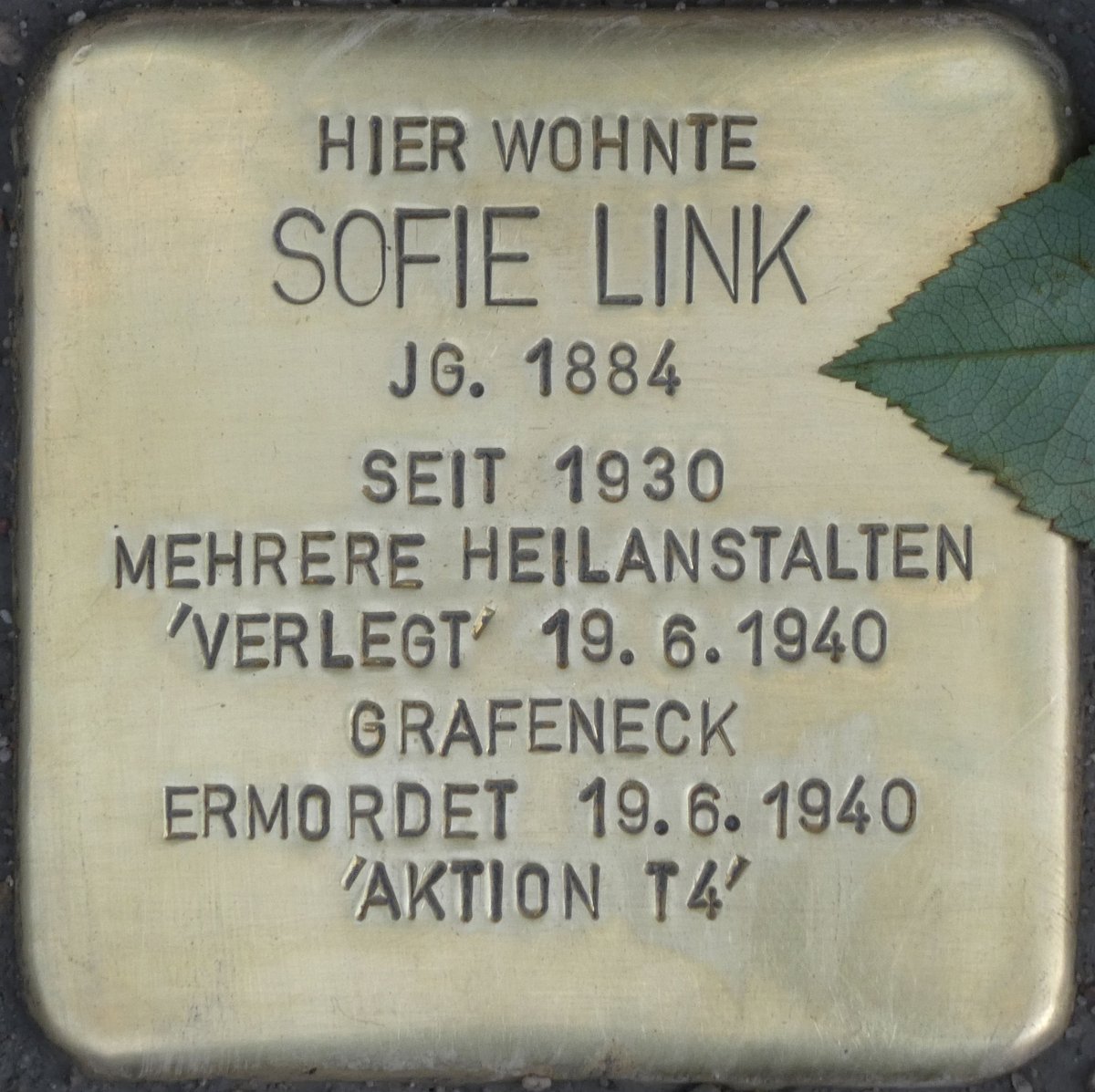
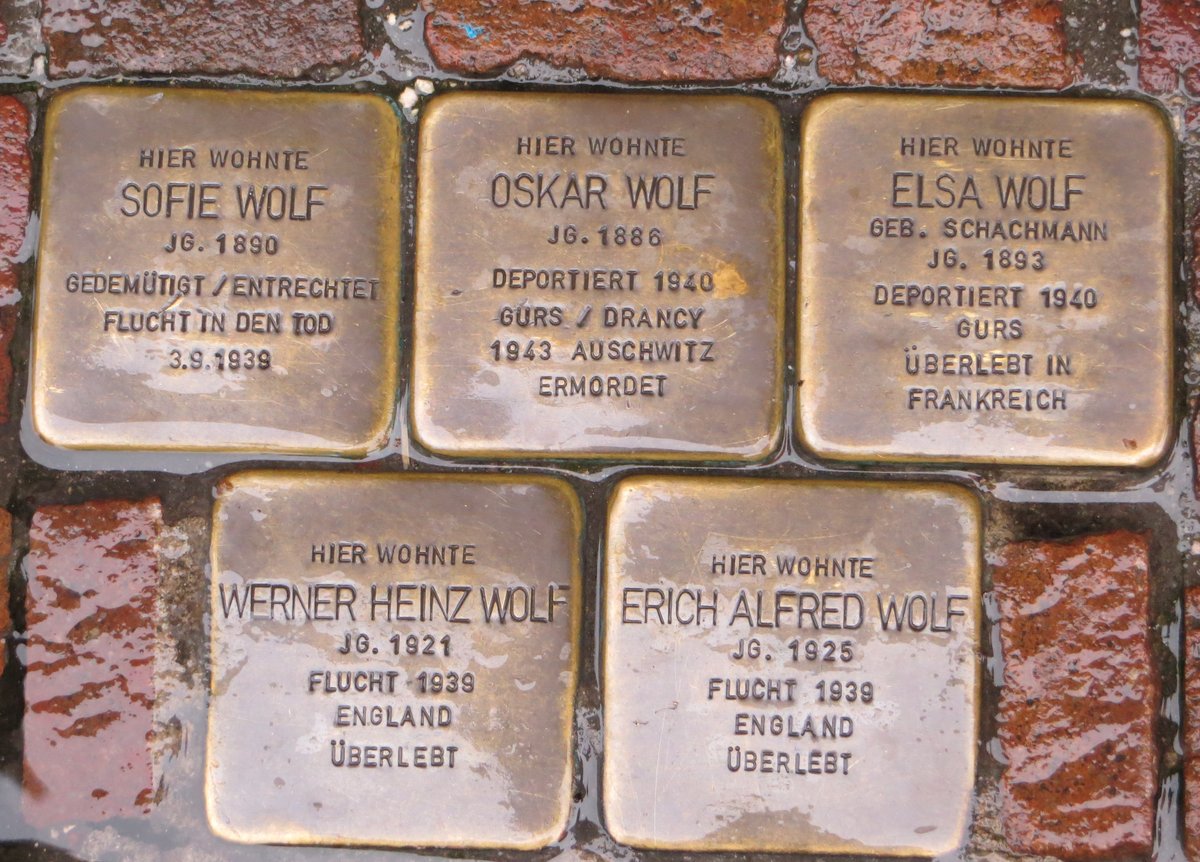
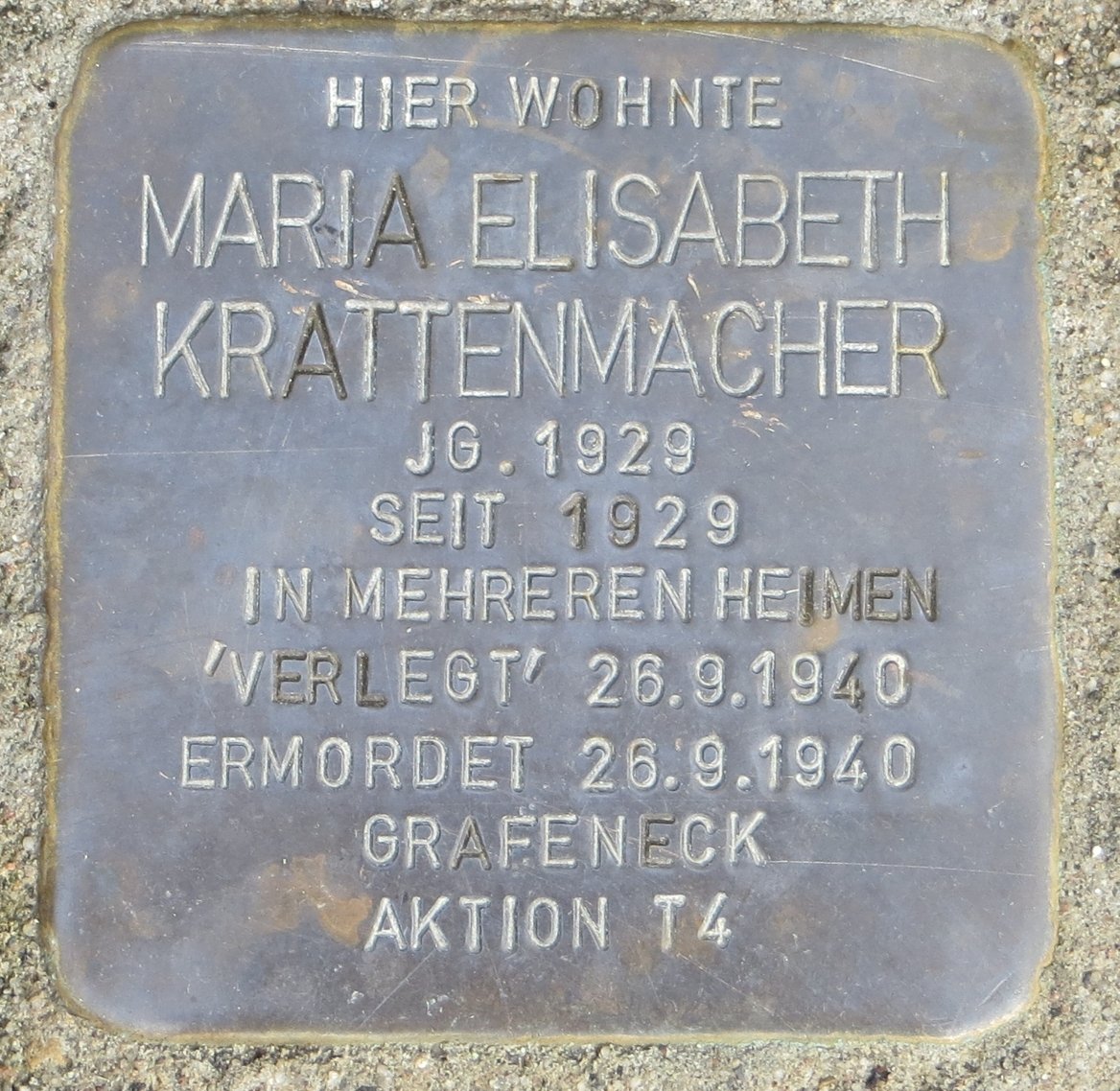
The Stolperstein dedicated to Maria Elisabeth Krattenmacher in Baden-Baden, Germany, offers a moving and intimate connection to the lives affected by Nazi persecution. Stolpersteine—“stumbling stones”—are small brass plaques embedded into sidewalks, marking the last freely chosen residences of victims of the Nazi regime. Initiated by artist Gunter Demnig in the early 1990s, the Stolpersteine project has become the world's largest decentralized Holocaust memorial, with over 100,000 stones installed across Europe as of 2025 (Stolpersteine.eu; Stolpersteine Guide).
This guide provides comprehensive information for visitors, including the historical background of the Stolperstein project, details about Maria Elisabeth Krattenmacher and her memorial, visitor tips, accessibility, related attractions, and how to engage respectfully with this living memorial.
Photo Gallery
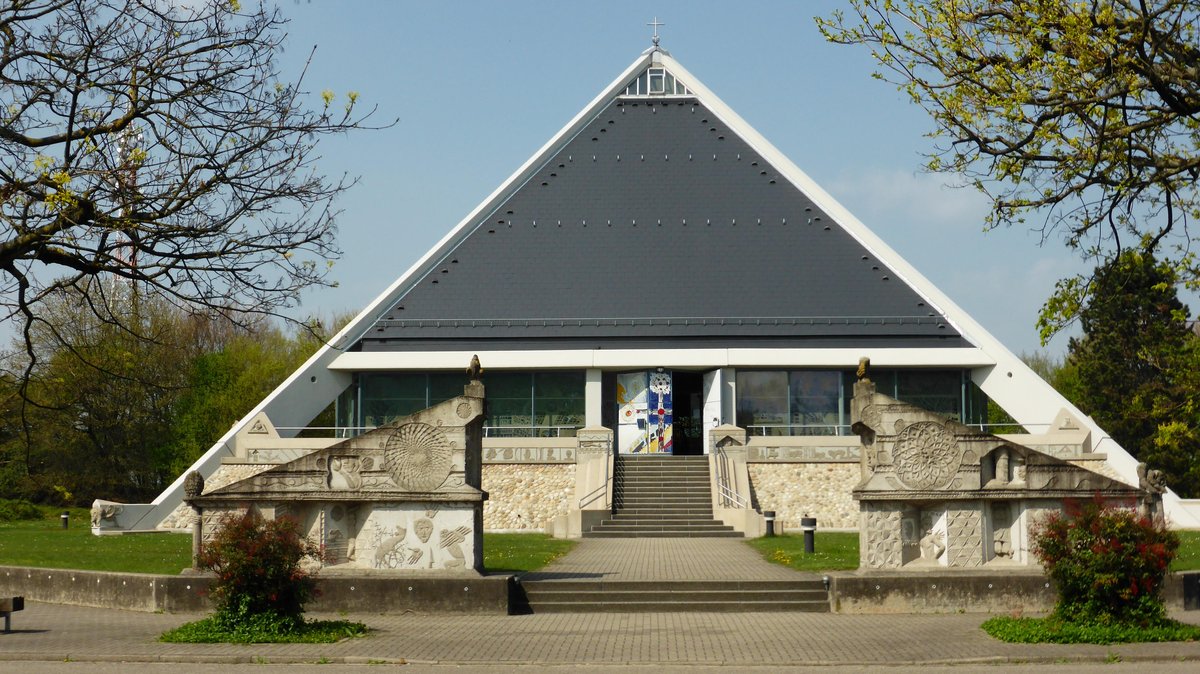
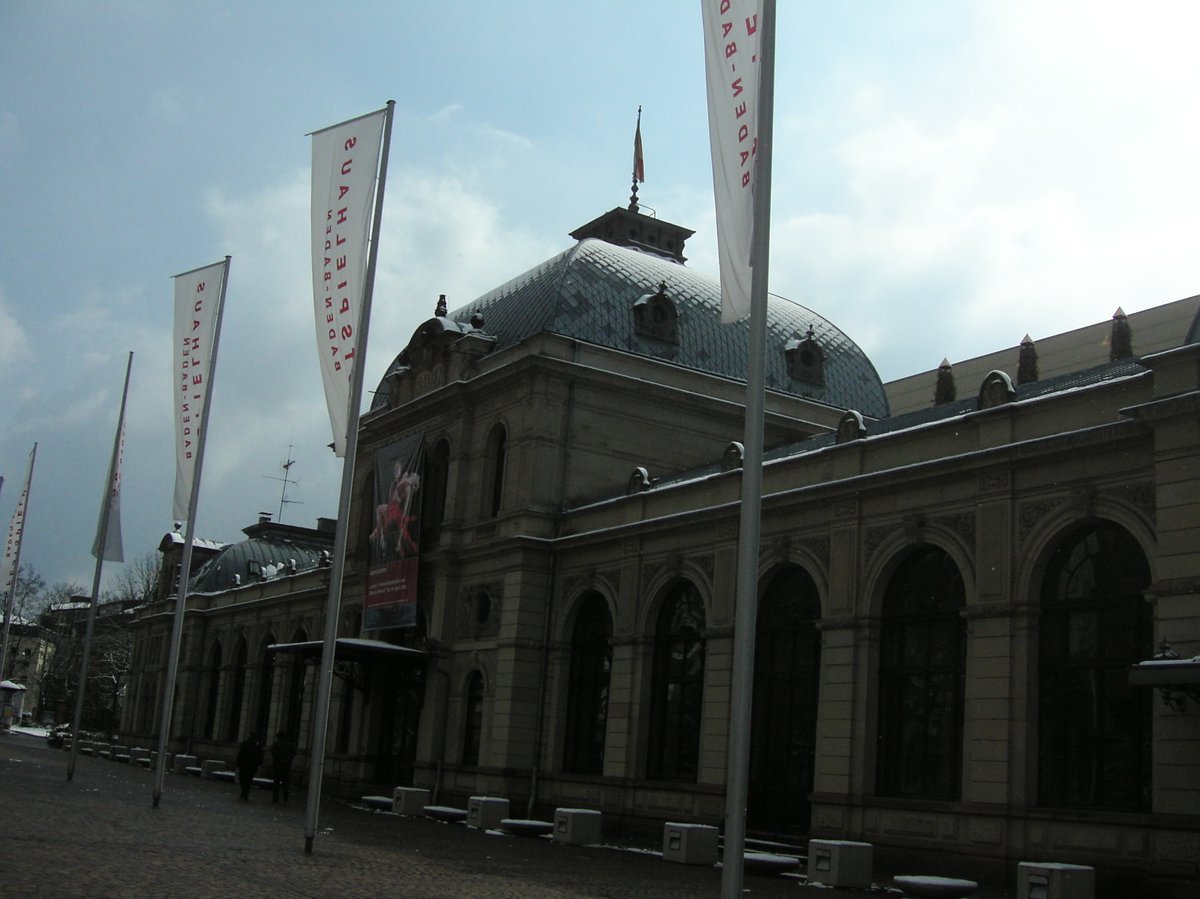
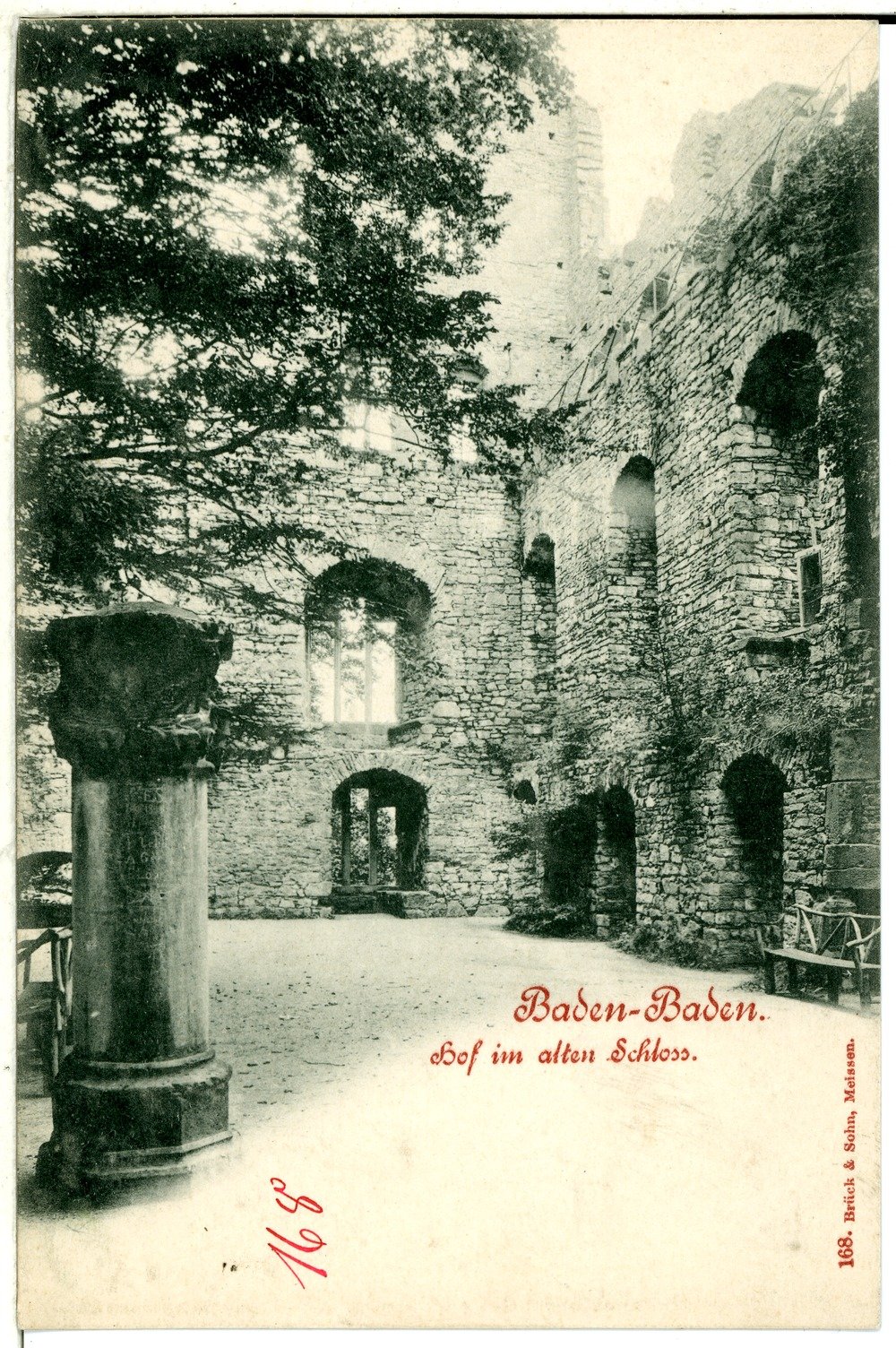
Explore Stolperstein Dedicated to Maria Elisabeth Krattenmacher in Pictures
The Stolpersteine Project: Origins and Significance
Gunter Demnig’s Stolpersteine project began in Germany in the 1990s, with the first unofficial stone laid in Cologne in 1996 (Fabrizio Musacchio). The project’s philosophy is to restore the individuality and dignity of Holocaust victims by embedding their names and stories in public spaces (Germany.info). Each Stolperstein measures 10 cm x 10 cm and is inscribed with the victim’s name, date of birth, fate, and, if known, place and date of death (Stolpersteine.eu). The term "stumbling" is metaphorical—inviting passersby to pause, read, and remember.
Inclusion and Remembrance
Stolpersteine commemorate a range of persecuted groups: Jews, Sinti and Roma, disabled individuals, political dissidents, homosexuals, Jehovah’s Witnesses, and others (Stolpersteine Berlin FAQ). The decentralized nature of the project personalizes Holocaust remembrance, with each stone honoring an individual and encouraging reflection on the broad impact of Nazi crimes (BBC Travel).
Stolpersteine in Baden-Baden: Local History
Baden-Baden has participated in the Stolpersteine project since 2008, with over 228 Stolpersteine installed by 2013 to honor local victims (Stadtwiki Baden-Baden; Wikipedia). The Stolperstein for Maria Elisabeth Krattenmacher is a poignant example, commemorating her tragic fate as a young victim of the Nazi “euthanasia” program, which targeted disabled individuals (Gedenkbuch Baden-Baden). Her memorial restores her identity and invites visitors to reflect on the broader human rights implications.
Visiting the Stolperstein for Maria Elisabeth Krattenmacher
Location
- Address: Große Dollenstraße 12, Weststadt district, Baden-Baden
- Access: Embedded in the public sidewalk, always accessible; no tickets required.
How to Find the Stolperstein
- Use resources like Stolpersteine.eu, local maps, or the Baden-Baden tourist office.
- The stone is part of a network of Stolpersteine across the city, often included in historical walking routes (Claudia Travels).
Visiting Hours and Tickets
- Hours: 24/7, year-round
- Admission: Free; no ticket required
Accessibility
- The Stolperstein is installed flush with the pavement and generally accessible to visitors with mobility challenges. Some sidewalks may be slightly uneven, typical of historic European cities.
Etiquette and Cultural Sensitivity
- Approach with respect: pause, read, and reflect quietly.
- It is customary to place a small stone or flower on the plaque as a gesture of remembrance.
- Photography is permitted but should be discreet, as the site is in a residential area (ABC News).
Historical Background: Maria Elisabeth Krattenmacher
Maria Elisabeth Krattenmacher was born in Baden-Baden in 1929 with severe disabilities. In 1939, at age ten, she was murdered under the Nazi “euthanasia” program—one of the regime’s many policies targeting those deemed “unfit” (Gedenkbuch Baden-Baden). Her Stolperstein, inscribed with her name and fate, ensures that her story endures and her identity is not forgotten.
Enhancing Your Visit: Nearby Attractions
While at the Stolperstein, consider exploring these nearby sites:
- Lichtentaler Allee: A scenic park and arboretum.
- Kurhaus and Casino Baden-Baden: Historic spa and entertainment venue.
- Museum Frieder Burda: Modern art museum.
- Baden-Baden Old Town: Picturesque streets reflecting the city’s layered past.
- Roman Bath Ruins: Ancient site illuminating the city’s long history (Germany Footsteps).
Special Events, Tours, and Photography
- Commemorative Events: Held on Holocaust Remembrance Day (January 27) and other significant dates, sometimes including guided Stolperstein walks (goodnews4.de).
- Guided Tours: Available through local historical societies or tour operators; advance booking is recommended.
- Photography: Permitted—capture images respectfully, focusing on the stone’s inscription and context.
Frequently Asked Questions (FAQ)
Are Stolpersteine free to visit?
Yes. Stolpersteine are public memorials set in sidewalks and can be visited at any time, free of charge.
How do I find specific Stolpersteine in Baden-Baden?
Consult online databases like Stolpersteine.eu, local maps, or ask at the Baden-Baden tourist office.
Are guided tours available?
Yes. Local organizations and tour companies offer guided Stolpersteine tours (in English and German); check with the tourist office for schedules.
Is the memorial accessible for people with disabilities?
Generally yes, though some areas may have uneven pavement. Most Stolpersteine are flush with the sidewalk.
Can I take photographs?
Yes, but please be respectful, especially in residential neighborhoods.
Are there special events at the Stolperstein?
Commemorative events are held on memorial dates; check local listings or cultural calendars for details.
Practical Tips for Visiting
- Wear comfortable shoes for walking on cobblestone streets.
- Bring a cloth to gently polish the Stolperstein—a common tradition among visitors.
- Participate in local customs by leaving a small stone or flower.
- Use translation apps if you do not read German; inscriptions are in German.
- Respect privacy and avoid blocking entrances to private residences.
- Visit during daylight for better visibility and a safer experience.
Responsible Tourism and Community Engagement
The Stolpersteine project is a grassroots initiative, often maintained by local volunteers. Visitors can support the project by participating in commemorative events, making donations, or engaging with educational programs (Stolpersteine.eu). The Stadtmuseum Baden-Baden frequently offers exhibitions and lectures on Holocaust remembrance and the city’s Jewish heritage.
Discover More
The Stolperstein for Maria Elisabeth Krattenmacher in Baden-Baden is a powerful symbol of remembrance, justice, and education. Visiting this memorial invites reflection on the immense human cost of the Nazi regime and honors the lives that were lost. By pausing to read, remember, and share these stories, visitors help ensure that the lessons of the past remain alive for future generations (BBC Travel; Claudia Travels; Germany Footsteps).
Enhance your visit:
- Download the Audiala app for guided audio tours and event notifications.
- Explore related posts about Baden-Baden’s historical sites.
- Follow us on social media for updates, stories, and community engagement.
Together, let us remember, reflect, and help ensure that names like Maria Elisabeth Krattenmacher are never forgotten.
Listen to the full story in the app
Your Personal Curator, in Your Pocket.
Audio guides for 1,100+ cities across 96 countries. History, stories, and local insight — offline ready.
Audiala App
Available on iOS & Android
Join 50k+ Curators
Sources
- verified
- verified
- verified
- verified
- verified
Last reviewed: