Introduction
Baden-Baden, a picturesque spa town in southwestern Germany, is home to a rich Jewish heritage and a poignant array of Holocaust memorials. Among these, the Stolperstein for Fanny Eil stands as a powerful testament to resilience and remembrance. Stolpersteine, or "stumbling stones," are small brass plaques embedded in sidewalks across Europe, commemorating victims and survivors of Nazi oppression by marking their last freely chosen residences. The Stolperstein for Fanny Eil, found at Lichtentaler Straße 42, marks the childhood home of a courageous Jewish girl—later known as Fanny Ben-Ami—who escaped Nazi persecution during World War II (Stadtwiki Baden-Baden; AVIVA-Berlin).
This memorial not only honors Fanny’s bravery and survival but also serves as a gateway to understanding the broader history of Baden-Baden’s Jewish community, whose roots stretch back to the medieval period. This comprehensive guide will help you plan your visit to the Stolperstein for Fanny Eil with detailed information on its location, historical context, visiting hours, accessibility, guided tours, and travel tips. Whether you are a history enthusiast, cultural traveler, or seeker of meaningful remembrance, this guide will enrich your experience in Baden-Baden (Stolpersteine.eu; Baden-Baden Tourism; Gedenkbuch Baden-Baden).
Photo Gallery
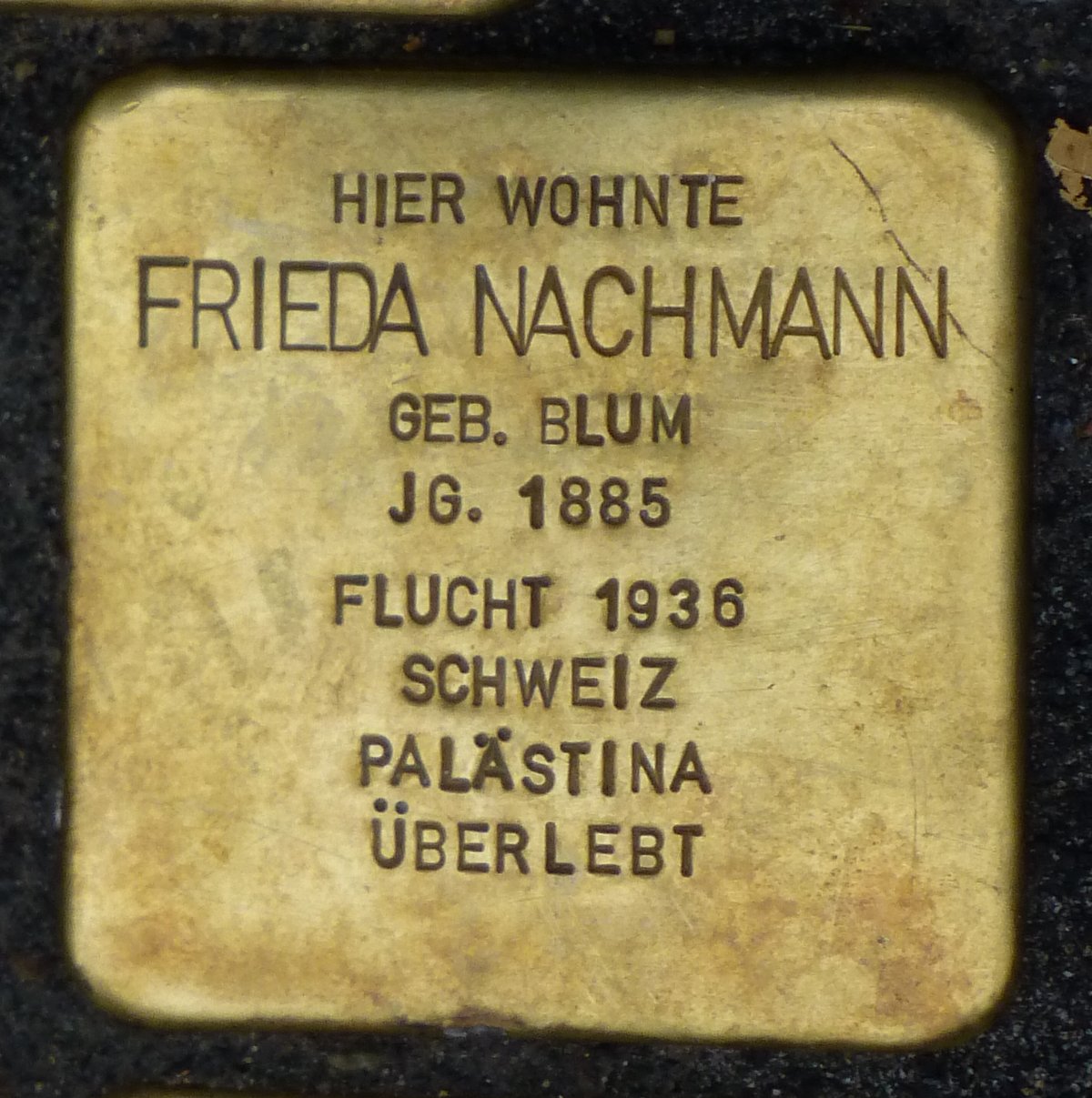
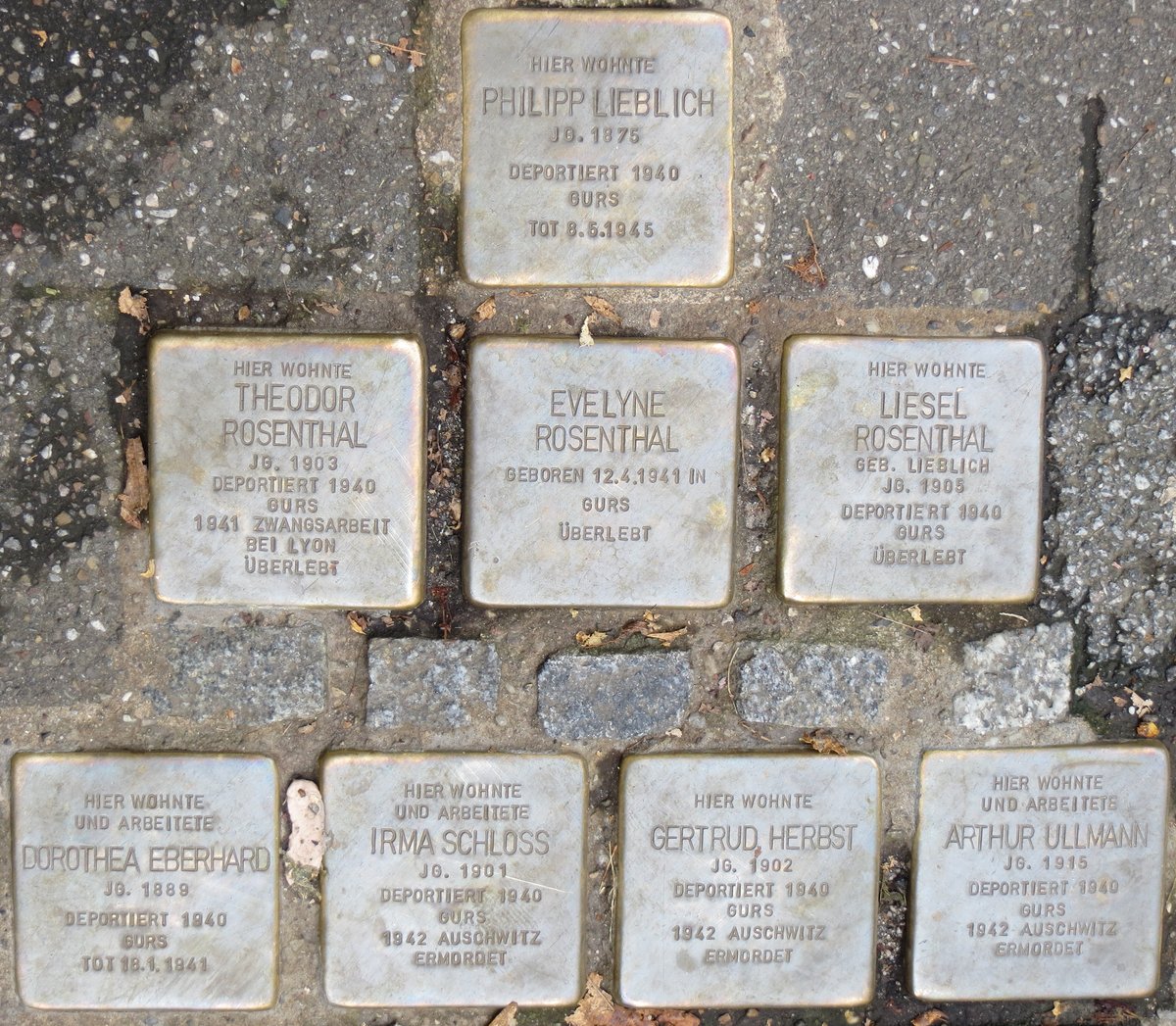
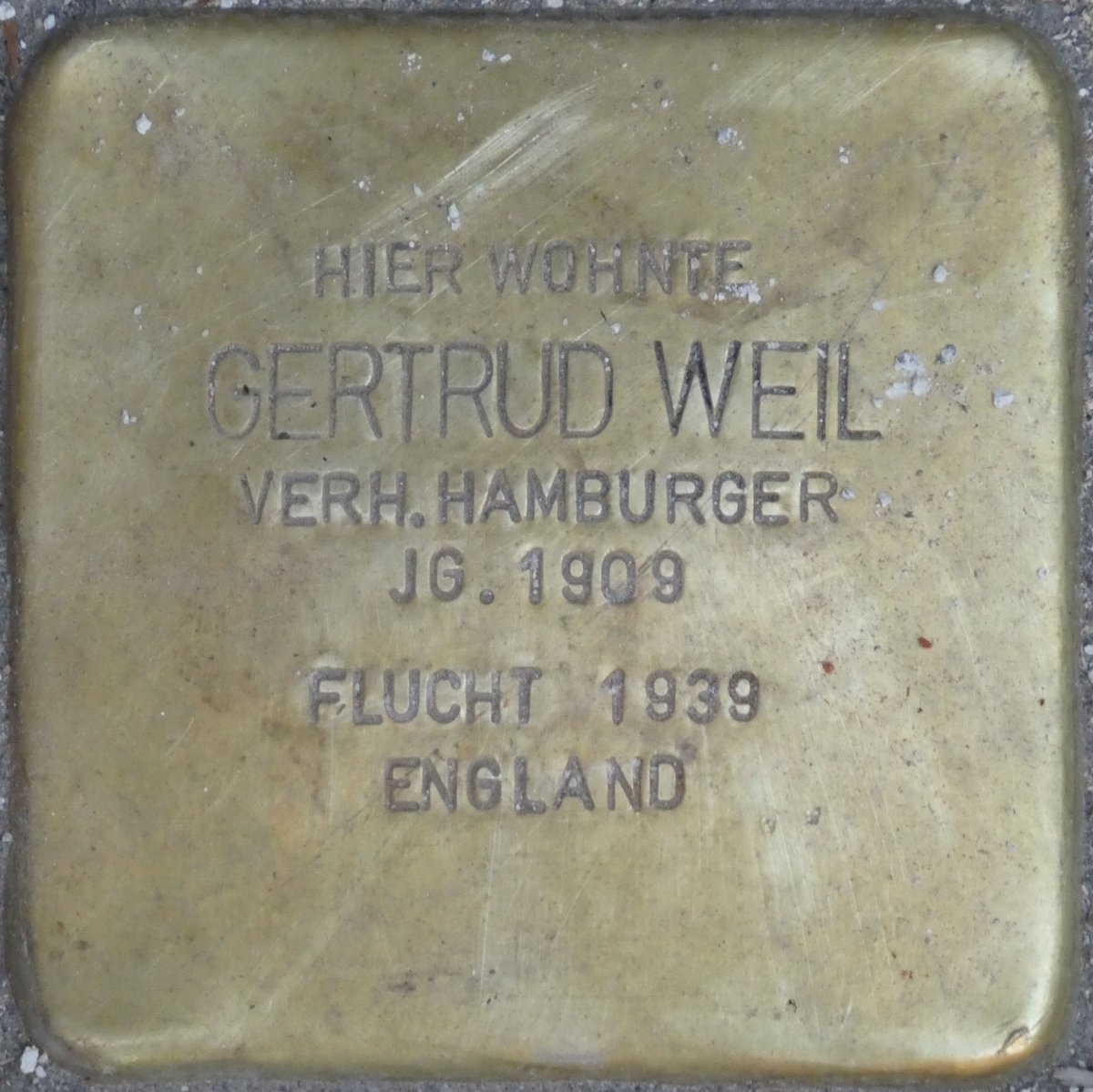
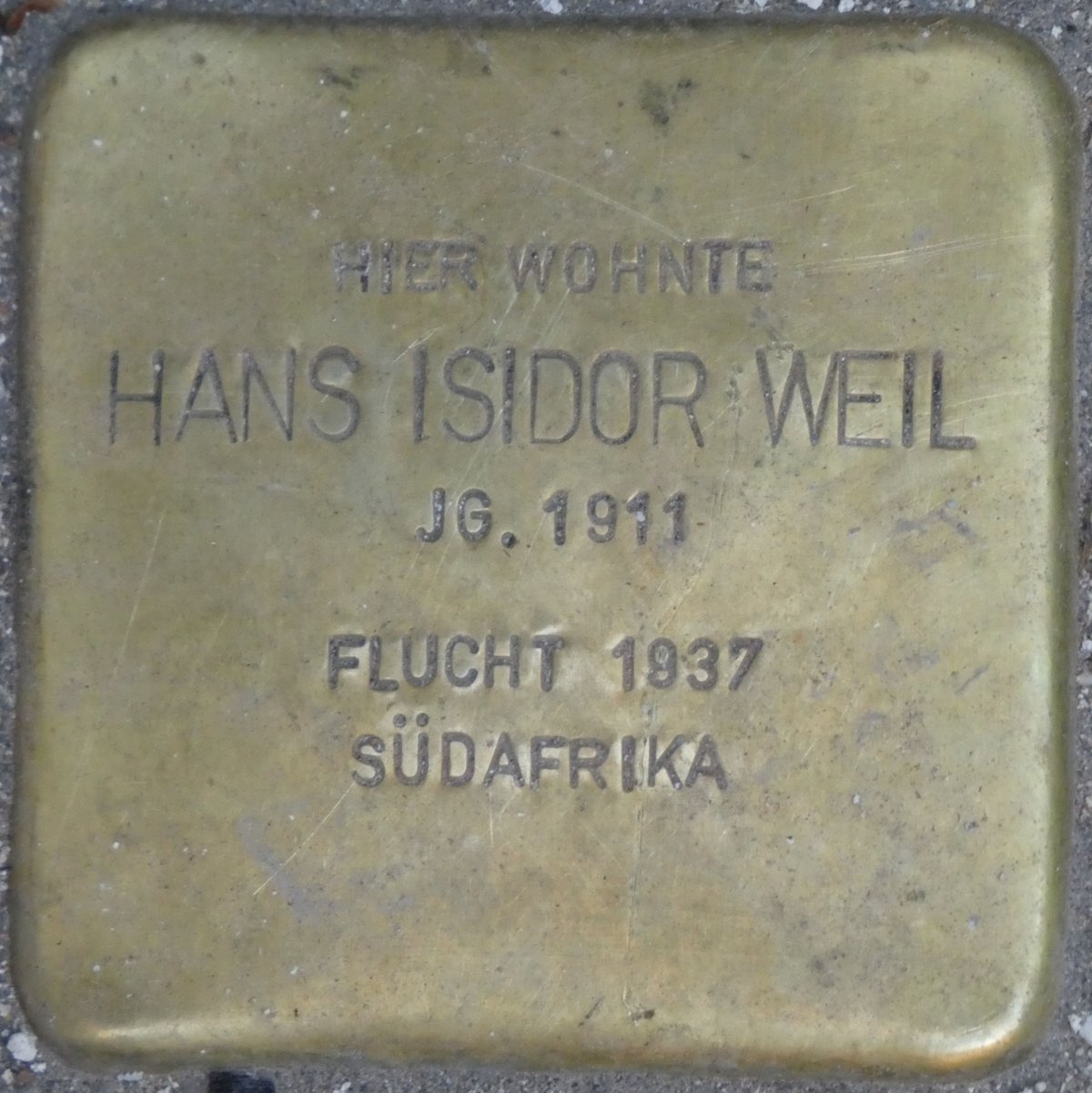
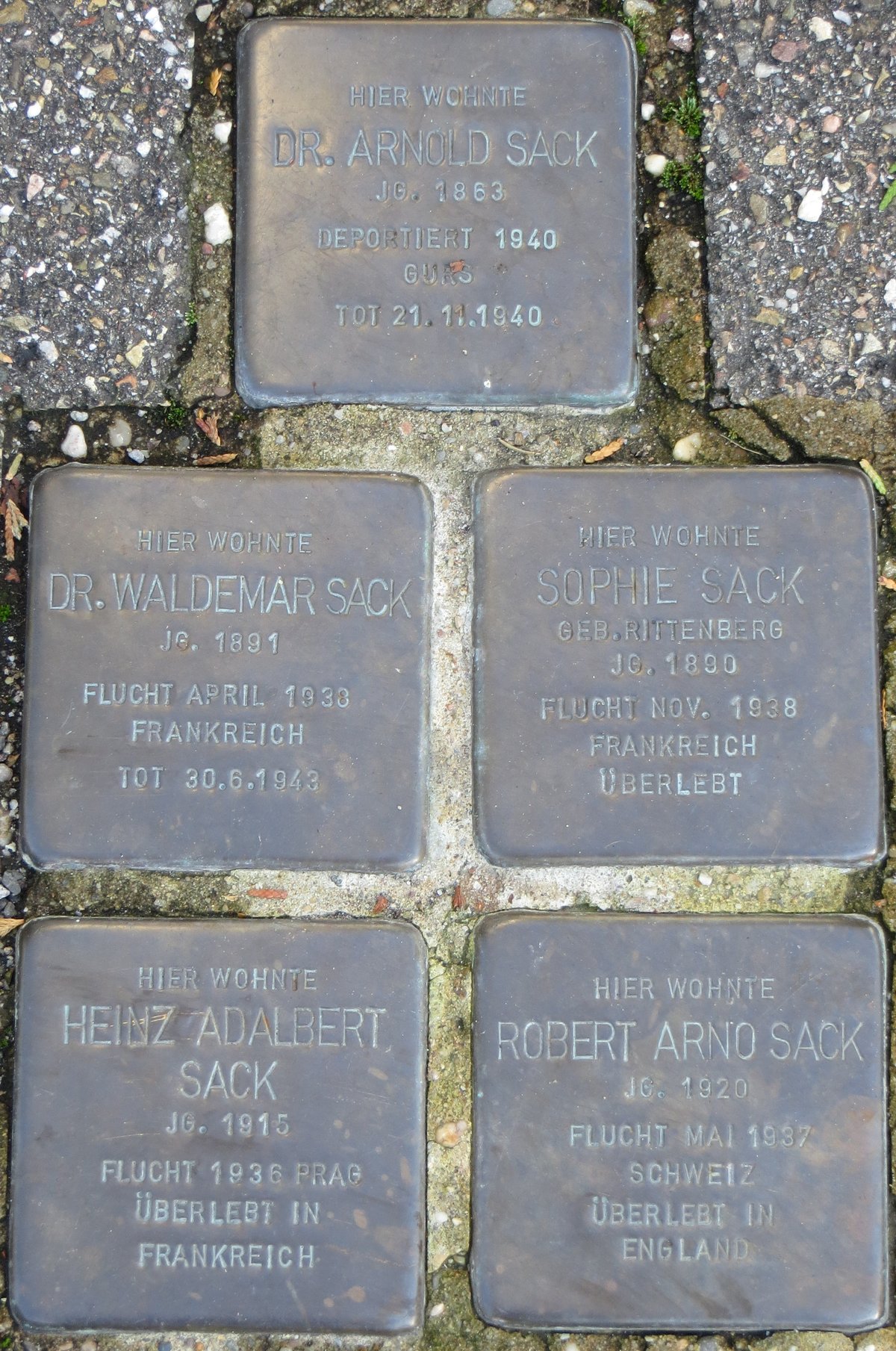
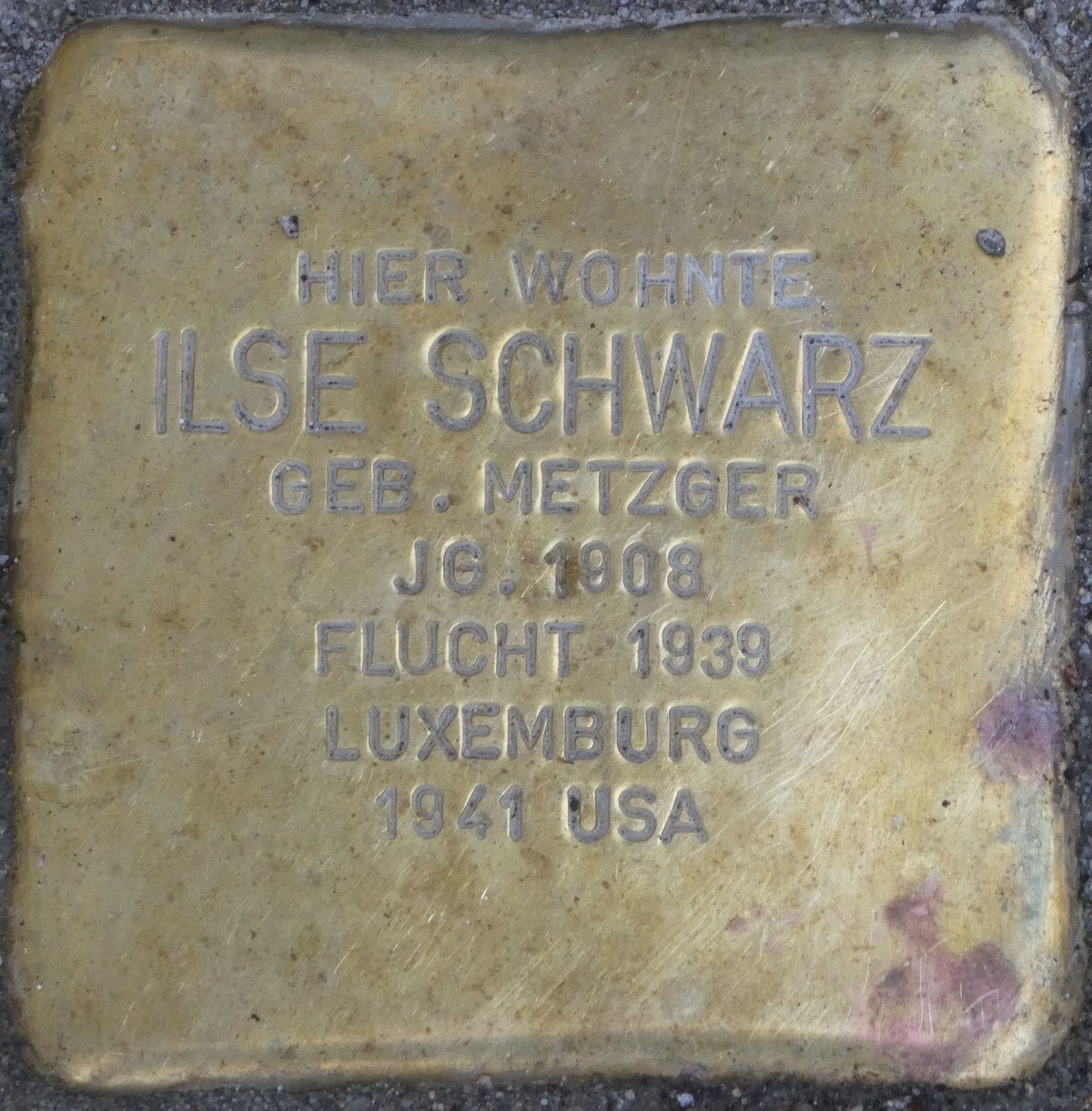
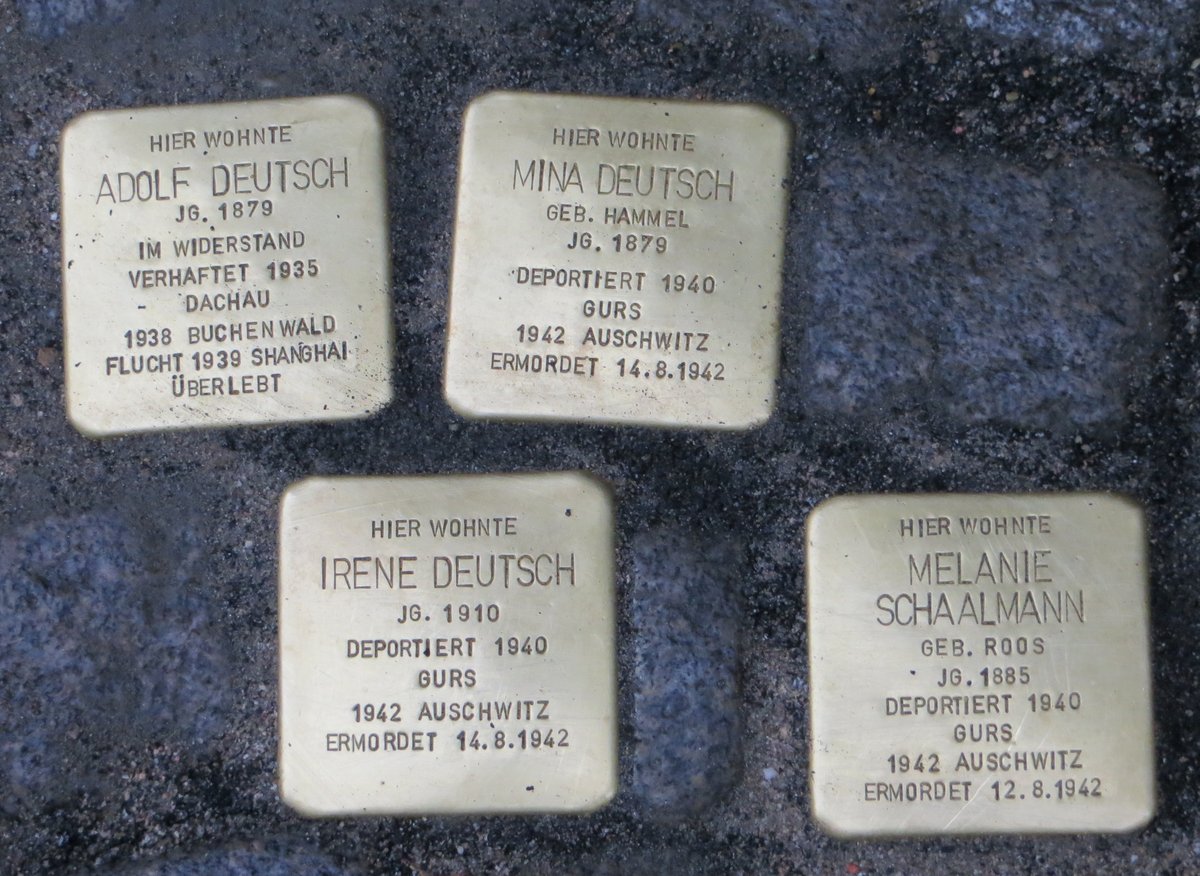
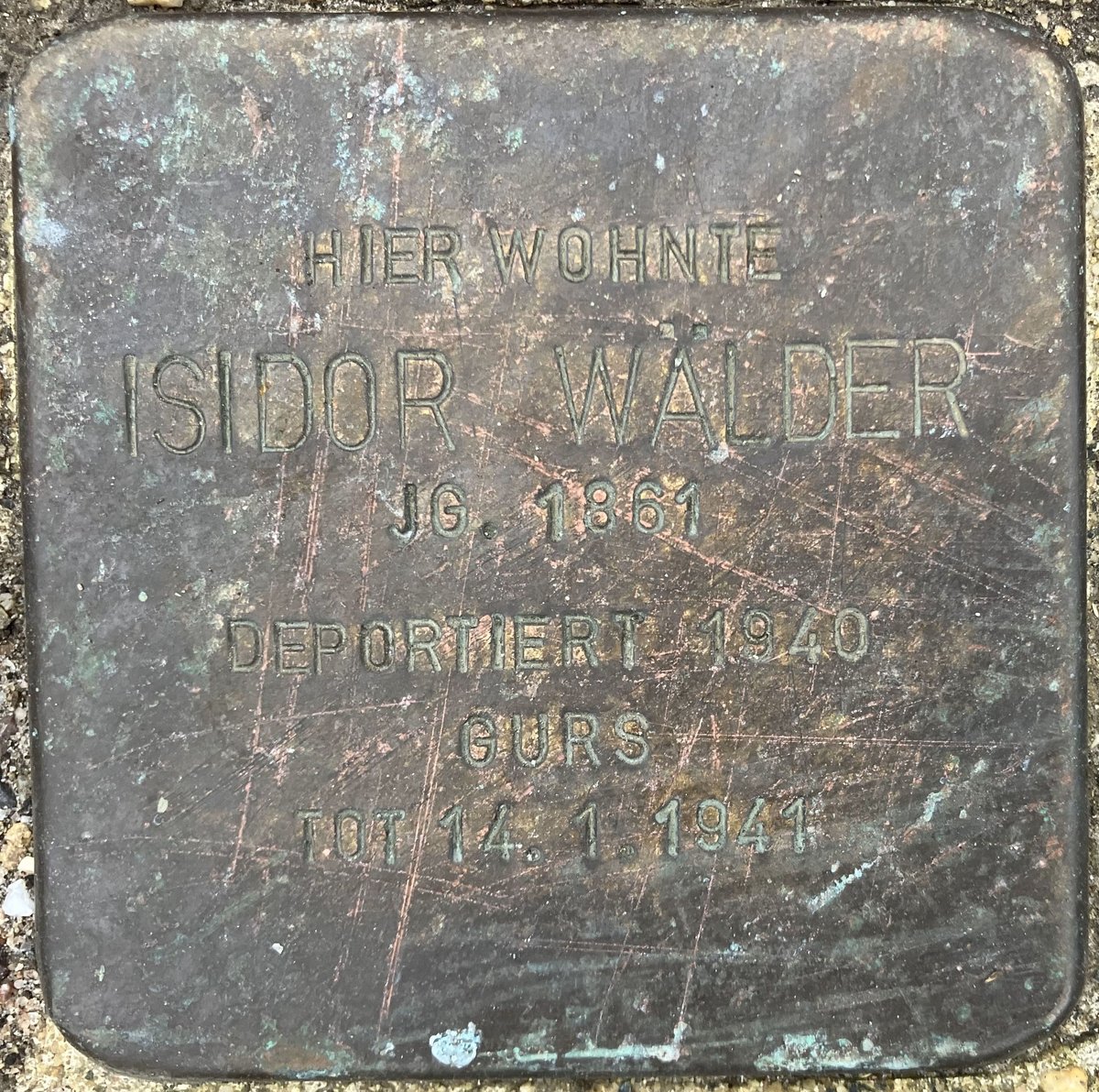
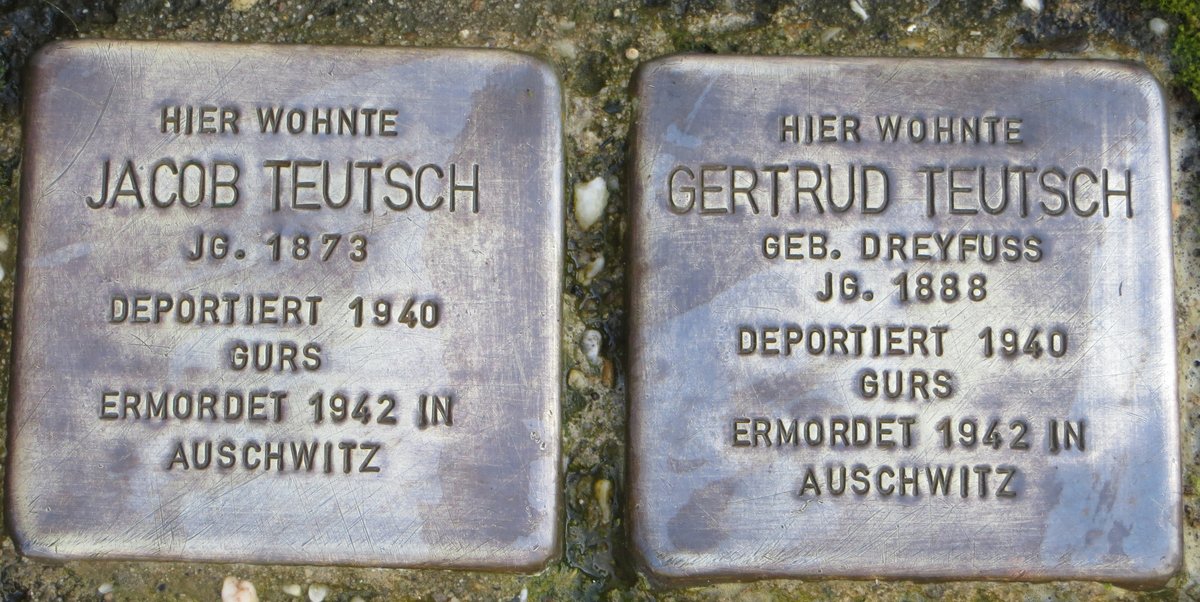
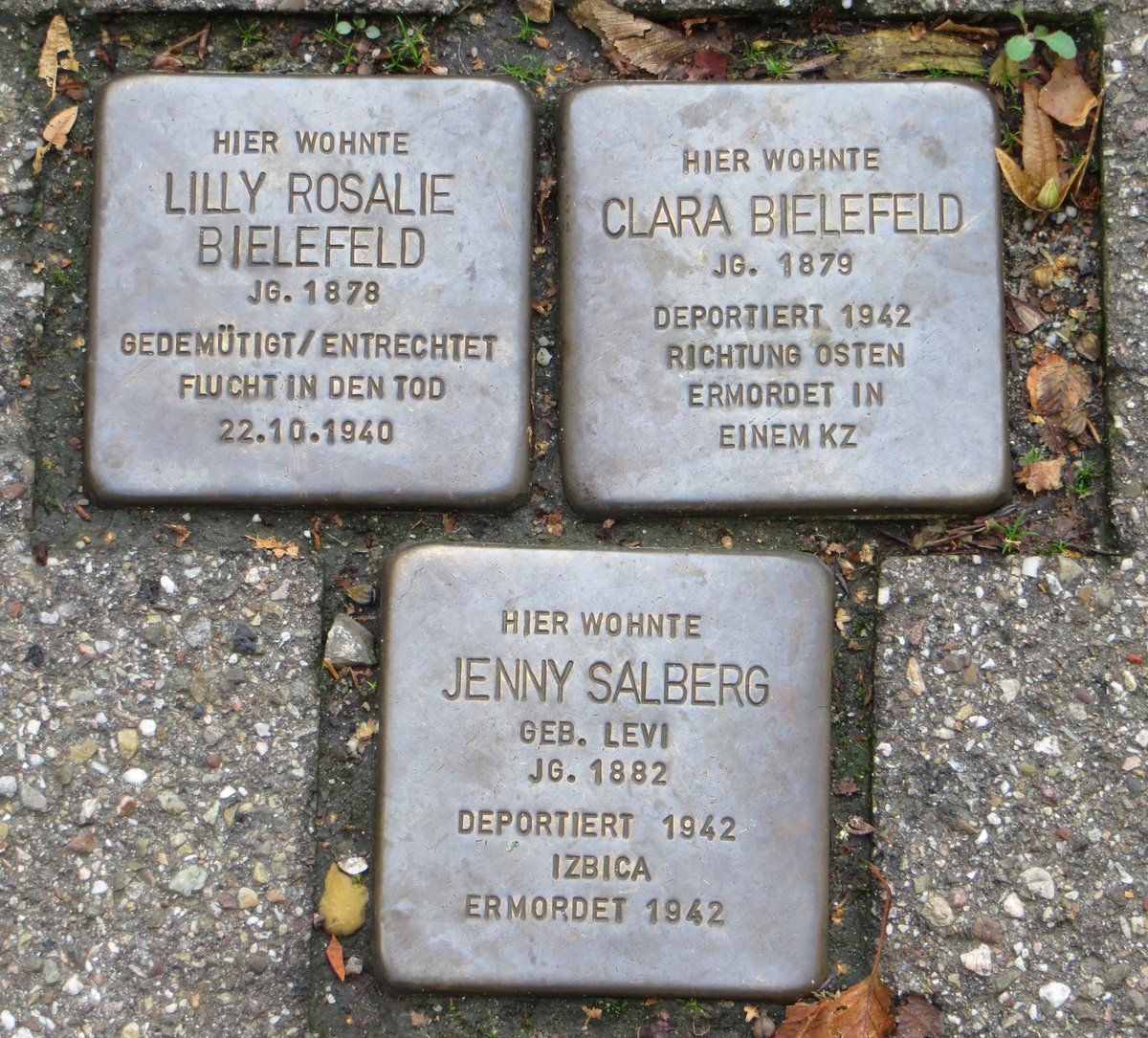
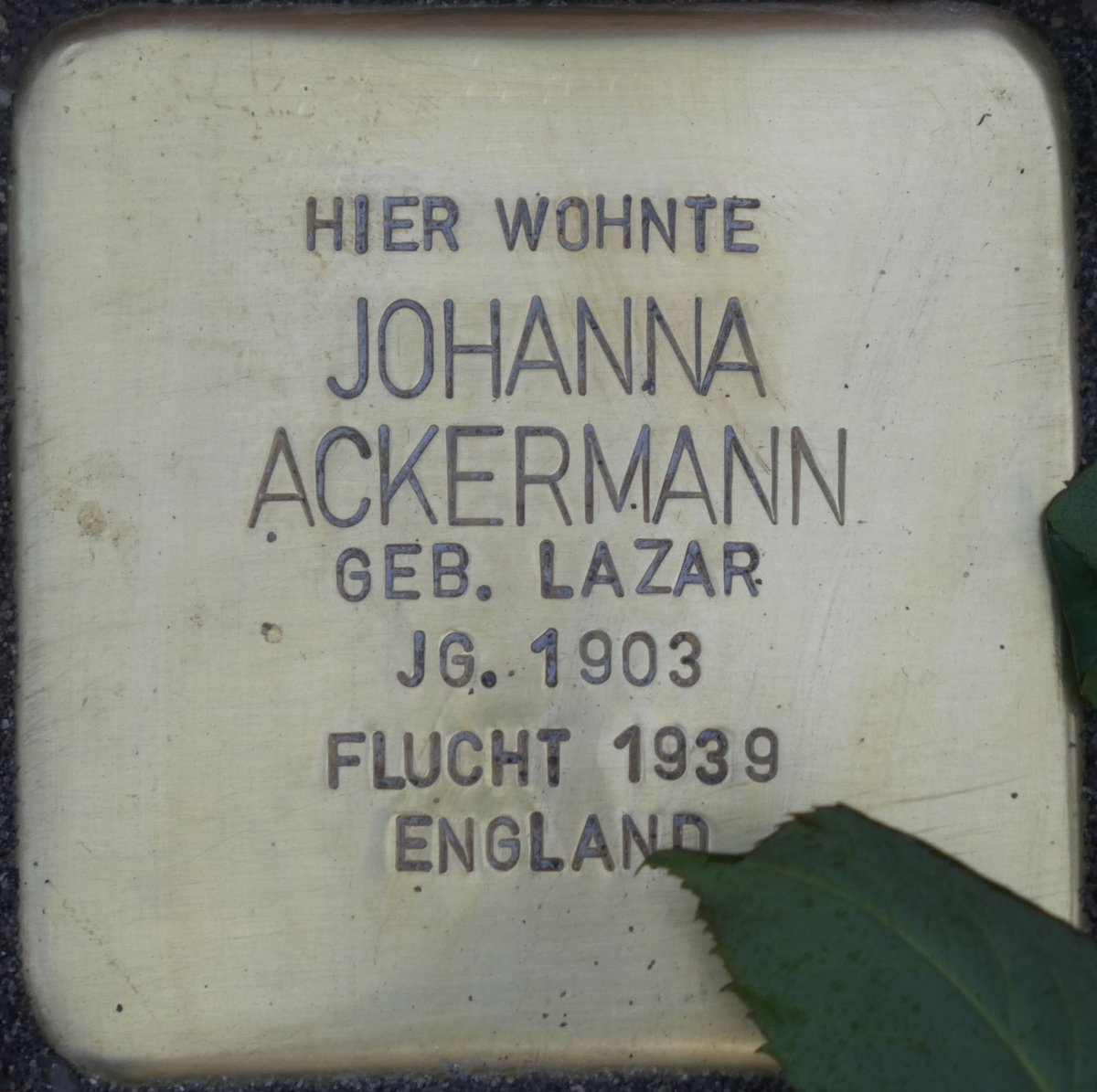
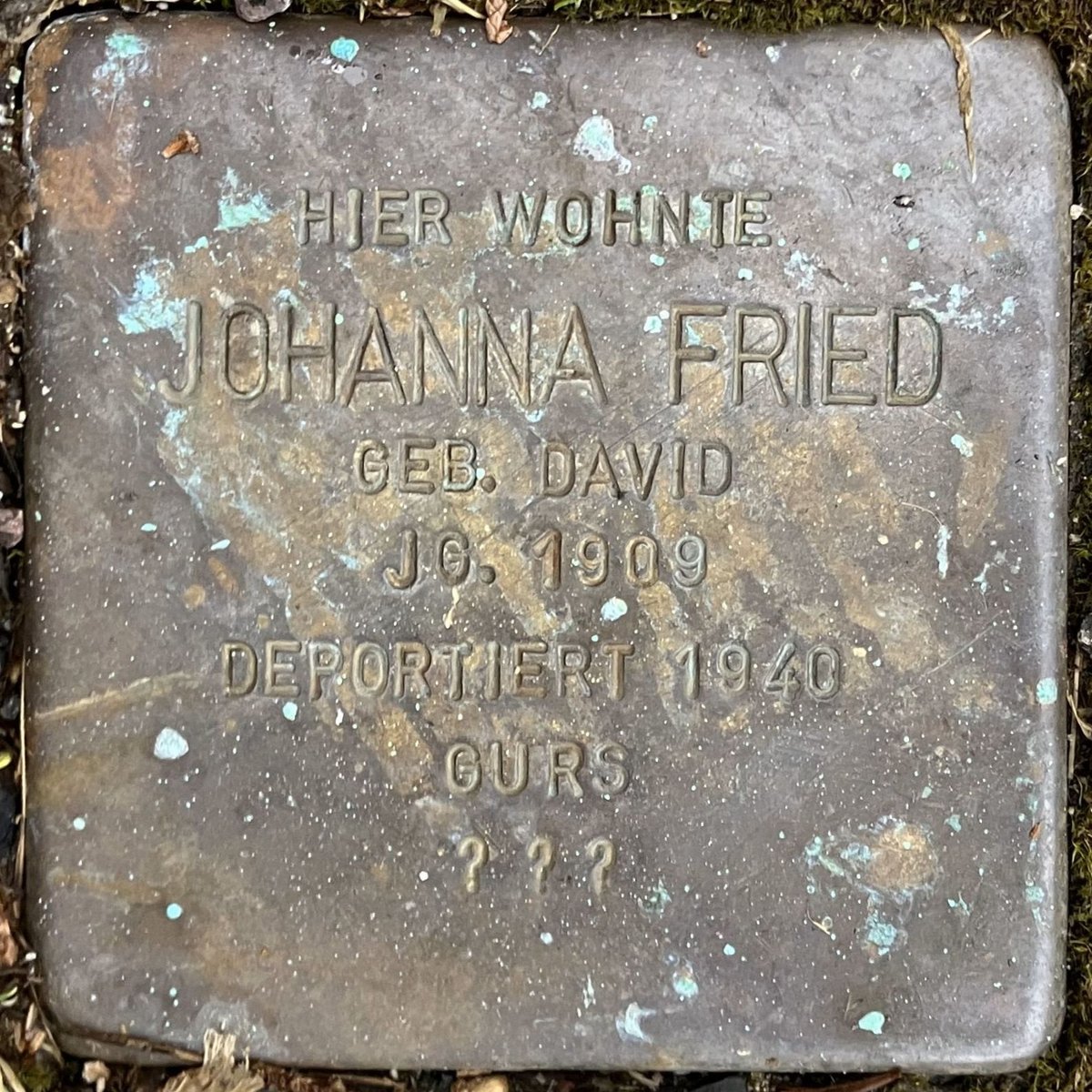
Explore Stolperstein Dedicated to Fanny Eil in Pictures
Jewish Heritage in Baden-Baden
Baden-Baden’s Jewish community has a deep history, documented as far back as the 13th century. Over centuries, the community experienced cycles of settlement, expulsion, and renewal, significantly shaping the region’s economic and cultural life. In the 19th century, Jews gained civil rights and established institutions such as the Oberrat der Israeliten Badens. However, the Nazi era brought devastation, with many community members deported and persecuted during World War II.
Key Jewish Monuments and Sites
- Jewish Cemetery Baden-Baden: Dating to the 17th century, this cemetery offers a poignant glimpse into the community’s enduring presence.
- Former Synagogue Site: Marked by memorial plaques, this site commemorates the synagogue destroyed on Kristallnacht.
- Jewish Museum Baden-Baden: Exhibits artifacts and documents that tell the story of Jewish life in the region.
- Holocaust Memorials: Various monuments around the city honor those who suffered during the Nazi era.
Visiting Information
- Jewish Museum: Open Tuesday–Sunday, 10:00 AM–5:00 PM. Entry is around €5 for adults; discounts available.
- Jewish Cemetery and Memorials: Open year-round during daylight hours, free of charge.
- Guided Tours: Arranged through local operators or the Baden-Baden Tourist Office.
- Accessibility: Most sites are accessible to visitors with mobility impairments; check ahead for specific accommodations.
Nearby Attractions and Events
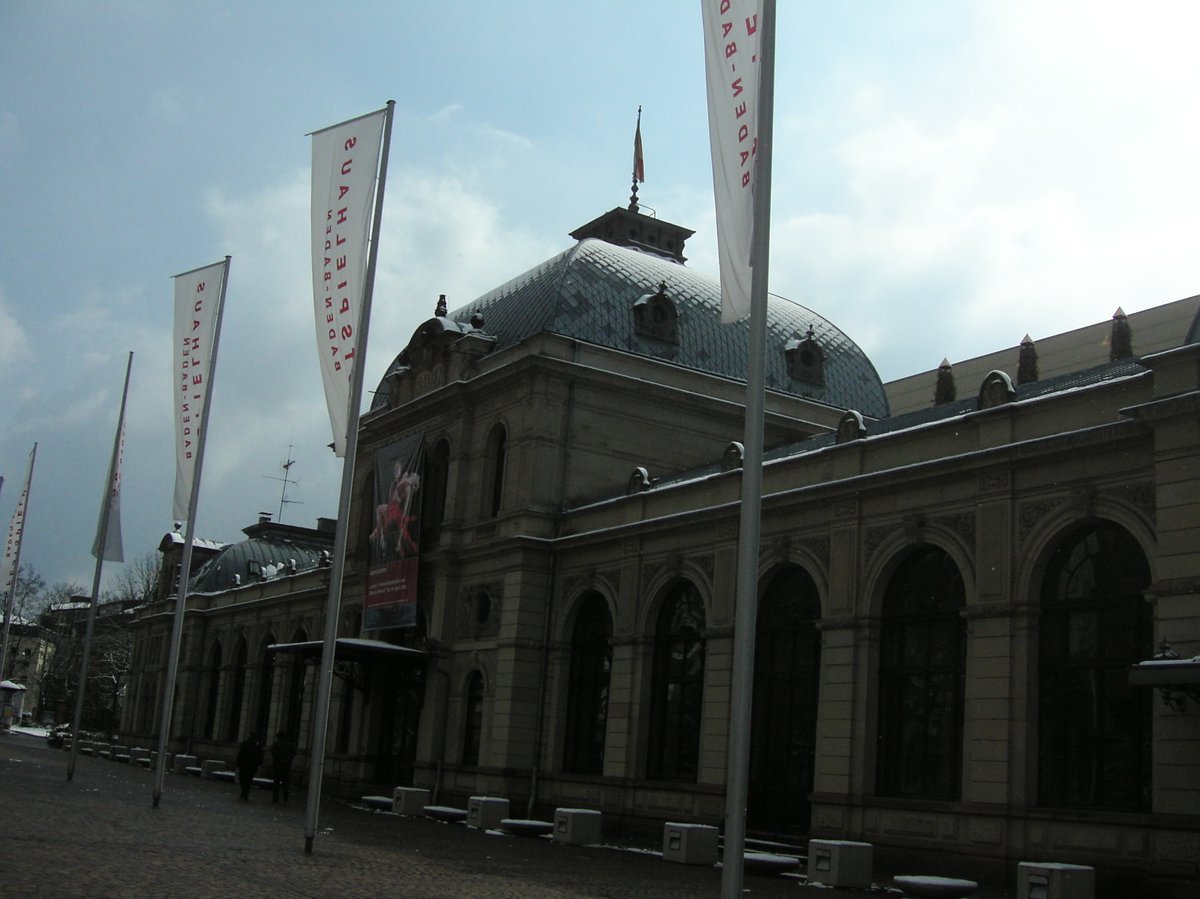
Beyond Jewish heritage sites, Baden-Baden offers thermal baths, historic landmarks like the Kurhaus, and beautiful parks. Special events, commemorations, and cultural festivals often highlight the city’s Jewish history.
Travel Tips
- Visit from spring to autumn for pleasant weather.
- Combine heritage tours with other museums and landmarks.
- Use public transportation or walk to enjoy the town’s charm.
Frequently Asked Questions (FAQs)
Q: Are Jewish heritage sites family-friendly?
A: Yes, most sites welcome visitors of all ages and offer educational materials for families.
Q: Is photography allowed?
A: Photography is generally permitted but respect signage and privacy rules.
Q: Are tours available in English or other languages?
A: Yes, tours can often be arranged in English and other languages upon request.
Stolperstein for Fanny Eil: Location and Details
Exact Location
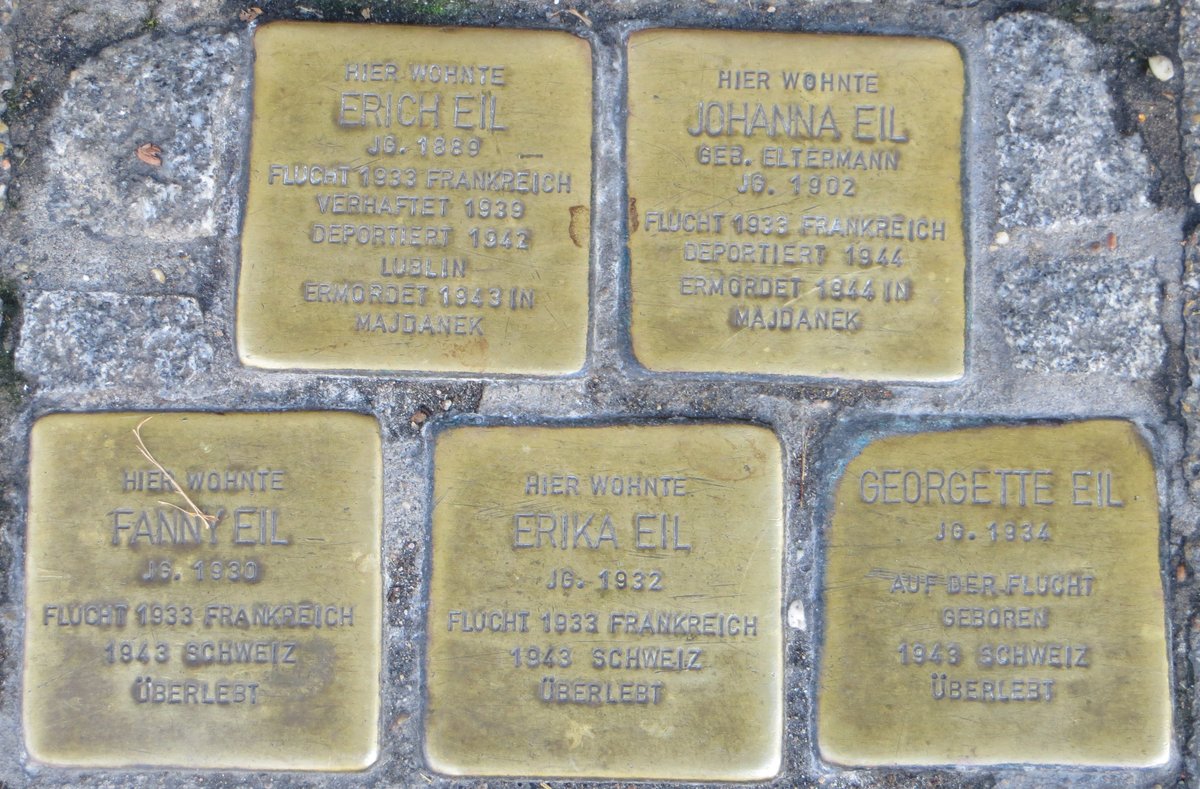
The Stolperstein for Fanny Eil is located at Lichtentaler Straße 42, 76530 Baden-Baden, Germany. This prominent address is near the city center and close to other historical sites and the scenic Lichtentaler Allee. The stone is set into the sidewalk, as is customary, marking the last freely chosen residence of Fanny Eil (Stadtwiki Baden-Baden; Mapcarta). Nearby, stones commemorate Fanny’s parents and sisters, forming a family memorial (AVIVA-Berlin).
Visiting Hours and Accessibility
- Open 24/7, year-round: The Stolperstein is on a public sidewalk and accessible at all times, free of charge.
- Public Transport: The site is a short walk from the central bus station and well-served by local buses.
- Parking: Several parking facilities are nearby, including Parkhaus Theater and Parkhaus Kurhaus.
- Accessibility: The sidewalk is flat and wheelchair accessible.
Guided Tours and Special Events
Guided walking tours, focusing on Jewish heritage and Holocaust remembrance, frequently include this Stolperstein. These can be arranged via the Baden-Baden Tourist Information center. Each year on January 27th, International Holocaust Remembrance Day, commemorative ceremonies are held at Stolperstein locations, including those for the Eil family.
Inscription and Installation Background
The Stolperstein for Fanny Eil is a hand-engraved brass plate (96 x 96 mm) set in concrete. The inscription in German reads:
HIER WOHNTE
FANNY EIL
JG. 1930
FLUCHT 1933 FRANKREICH
1943 SCHWEIZ
ÜBERLEBT
Translation:
Here lived
Fanny Eil
Born 1930
Fled 1933 to France
1943 Switzerland
Survived
It was installed on January 27, 2009, by artist Gunter Demnig, as part of Baden-Baden’s Stolperstein project (Stadtwiki Baden-Baden; de.wikipedia).
Historical and Personal Context
Fanny Eil, later Fanny Ben-Ami, was born in 1930 to a Jewish family who had fled earlier pogroms in Eastern Europe. Facing increasing persecution, the family escaped to France in 1933. In 1943, Fanny, then just 13, led a daring escape of 28 Jewish children to Switzerland, an act later recounted in her memoir "Le Journal de Fanny" and the film "Fanny’s Journey" ("Fannys Reise") (AVIVA-Berlin; Wikipedia).
Significance of the Stolperstein Project
Founded by Gunter Demnig, the Stolperstein project is the world’s largest decentralized memorial, with over 116,000 stones in more than 30 countries as of 2024 (Stolpersteine.eu). Each stone restores the identity and dignity of a victim or survivor at the very place they last lived freely. In Baden-Baden, schools, historical societies, and the city government collaborate on research, sponsorship, and educational programs (Stadtwiki Baden-Baden).
Visitor Etiquette and Travel Tips
- Pause to reflect: Read the inscription and consider the life commemorated.
- Respect local traditions: It is customary to clean or polish Stolpersteine; you may see locals doing this as a sign of respect.
- Photograph thoughtfully: Discreet photography is allowed; be mindful of the solemnity and residents.
- Combine with local attractions: Sites such as the Stadtmuseum Baden-Baden and Lichtentaler Allee are nearby (Germany Footsteps).
- Best times: Early mornings or late afternoons are quieter for reflection.
Summary and Travel Tips
Visiting the Stolperstein for Fanny Eil offers a moving encounter with history and remembrance. This small brass plaque at Lichtentaler Straße 42 encapsulates the survival story of a young Jewish girl, connecting visitors to the broader narrative of Baden-Baden’s Jewish community. The Stolperstein project integrates remembrance into daily life, and Baden-Baden offers a welcoming environment for reflection, education, and cultural exploration (Stadtwiki Baden-Baden; AVIVA-Berlin).
Respect the site, consider guided tours or digital resources, and explore related sites like the Jewish Museum and Fanny Ben-Ami Memorial. Your visit contributes to a culture of remembrance and education for future generations (Baden-Baden Tourism; Stolpersteine.eu).
Listen to the full story in the app
Your Personal Curator, in Your Pocket.
Audio guides for 1,100+ cities across 96 countries. History, stories, and local insight — offline ready.
Audiala App
Available on iOS & Android
Join 50k+ Curators
Sources
- verified
- verified
- verified
- verified
- verified
Last reviewed: