Plan and listen to Stolperstein Dedicated To Clara Baer with Audiala.
Audio guide in your pocket, itinerary in your browser. Built for the way you actually visit.
Introduction
Baden-Baden, famed for its spa culture and elegant landscapes, is also home to a moving memorial initiative: the Stolpersteine. These "stumbling stones," conceived by artist Gunter Demnig, are small brass plaques embedded in sidewalks to commemorate victims of Nazi persecution. Each Stolperstein marks the last freely chosen residence or workplace of an individual, bearing their name and basic biographical details. The Stolpersteine transform everyday urban spaces into sites of remembrance, allowing passersby to encounter history personally and directly.
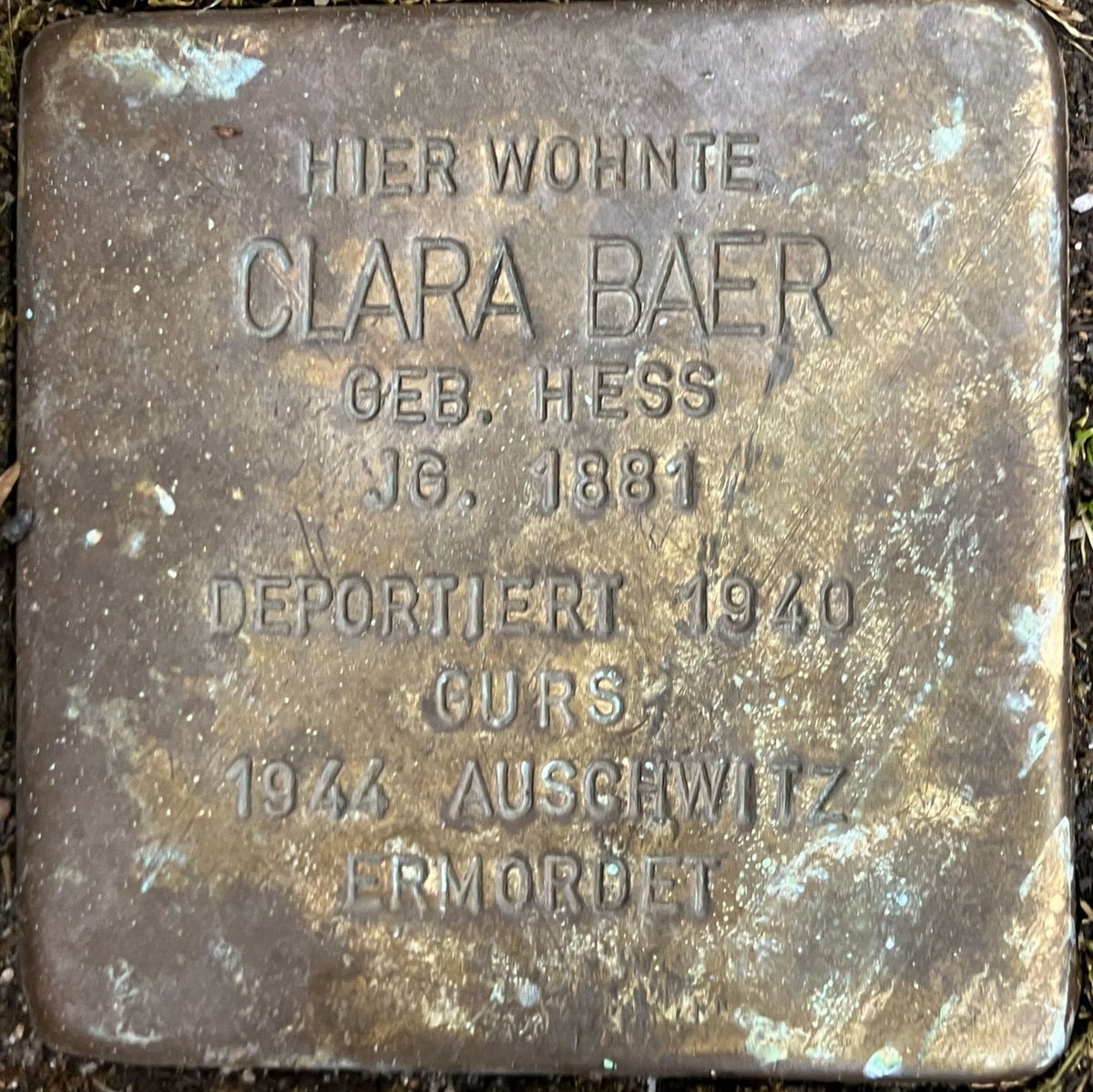
Among the many Stolpersteine in Baden-Baden is one dedicated to Clara Baer, a Jewish resident originally from Bielefeld. While specific details about her life remain scarce, the very existence of her Stolperstein restores her name and dignity, ensuring she is not forgotten. This comprehensive guide provides practical information for visiting the Clara Baer Stolperstein, historical context on the project, cultural etiquette, and recommendations for a meaningful visit.
(Stolpersteine Baden-Baden Visiting Hours, Tickets & Historical Sites, Remembering Clara Baer: Stolperstein in Baden-Baden, Clara Baer Stolperstein Baden-Baden Visiting Guide)

Historical Context: The Holocaust and Baden-Baden
Before the Second World War, Baden-Baden was home to a thriving Jewish community. The Nazi era brought persecution, deportation, and destruction to this community. The Stolpersteine project was created to keep the memory of those affected alive in the very neighborhoods where they once lived. Each stone is a tangible, personal reminder of the impact of the Holocaust on families and communities.
(Official Stolpersteine Website, United States Holocaust Memorial Museum)
The Stolpersteine Project in Baden-Baden
Baden-Baden has actively participated in the Stolpersteine project, installing numerous stones throughout the city. The memorials serve not only as places of remembrance for locals and descendants, but also as educational sites for visitors and residents. They invite reflection on historical events and encourage ongoing dialogue about tolerance and memory.
Cultural Significance
Unlike centralized monuments, Stolpersteine are decentralized and personal. By commemorating individuals at the actual sites of their lives, the stones bridge the gap between past and present, connecting communities to their history in a direct and poignant manner.
Clara Baer: Life, Fate, and Commemoration
Clara Baer was a Jewish resident originally from Bielefeld. Details of her persecution and fate are limited, but her Stolperstein in Baden-Baden marks her last known residence, restoring her presence to the city’s streets. By honoring Clara Baer specifically, the Stolpersteine project personalizes the tragedy of the Holocaust and ensures that individuals are remembered, not just statistics.
(spurensuche-bielefeld.de, stolpersteine-bielefeld.de)
Visiting the Stolperstein for Clara Baer
Location and Accessibility
The Stolperstein for Clara Baer is embedded in the sidewalk at her last known address in Baden-Baden. The city’s historical center is pedestrian-friendly, making it easy to visit on foot. Use the Baden-Baden Stolpersteine working group’s map for the precise location, or the Stolpersteine Guide app for walking routes and additional information.
Baden-Baden’s public transportation system connects the main train station (Baden-Baden Bahnhof) to the center. Bus 201 to Leopoldsplatz is a convenient option. If arriving by car, several parking garages are nearby.
Visiting Hours and Entry Fees
There are no fixed visiting hours or ticket requirements for the Stolperstein. It is outdoors, accessible at any time, and free of charge. Daylight hours are recommended for better visibility and photographs.
Guided Tours and Special Events
Local organizations and the Baden-Baden tourist office periodically offer guided walking tours that include the Stolpersteine and Jewish history. Tours are often scheduled around major remembrance dates, such as International Holocaust Remembrance Day (January 27) and the Kristallnacht anniversary (November 9). Check with the tourist office for current offerings.
Best Practices for a Meaningful Visit
- Pause and Reflect: Take time to read the Stolperstein inscription. Bending down is a traditional gesture of humility and respect.
- Participate in Cleaning: On remembrance days, bringing a soft cloth to clean and polish the stone is a meaningful tradition.
- Leave a Token: Placing a small stone or flower is a respectful way to honor the memory, following Jewish customs.
- Be Respectful: Maintain a quiet demeanor and avoid blocking pedestrian paths.
Nearby Historical Sites in Baden-Baden
Enhance your visit by exploring these nearby sites:
- Trinkhalle Baden-Baden: A historic pump house.
- Museum Frieder Burda: Renowned for modern and contemporary art.
- Lichtentaler Allee: A scenic and historic park promenade.
- Jewish Cemetery Baden-Baden: Reflects the city’s pre-war Jewish community.
(Wander in Germany, Claudia Travels)
Broader Context: Stolpersteine Across Germany and Europe
With over 116,000 stones installed across 31 countries, the Stolpersteine project is the world’s largest decentralized memorial. Victims of all backgrounds—including Jews, Roma, political prisoners, and others—are commemorated, making the project a powerful pan-European remembrance initiative.
(Official Stolpersteine Database)
Cultural and Memorial Significance
Each Stolperstein restores individuality to victims of Nazi persecution by placing their names back into daily life. The stones challenge passersby to remember and reflect, ensuring that history remains present and personal.
Controversies and Perspectives
While the project is widely embraced, some communities have voiced concerns, particularly over the practice of stepping on the victims’ names. Supporters argue that the Stolpersteine’s placement in everyday environments keeps memory alive and accessible, while critics seek alternative forms of commemoration. In Baden-Baden, the project has been broadly welcomed as part of an ongoing commitment to remembrance.
Practical Tips for a Meaningful Visit
- Plan Your Route: Use digital maps and local brochures to locate multiple Stolpersteine.
- Dress for the Weather: The memorial is outdoors; prepare for rain or sun.
- Accessibility: The stones are flush with sidewalks, generally suitable for all visitors, though some uneven surfaces may exist.
- Combine Visits: Explore Baden-Baden’s other cultural and historical sites for a richer experience.
Nearby Amenities and Facilities
Clara Baer’s Stolperstein is in a central area with cafes, shops, and public restrooms nearby. The surrounding old town is lively and offers various accommodation and dining options for visitors.
Safety and Security
Baden-Baden is a safe city for tourists. Always exercise standard caution with personal belongings and be mindful of traffic when pausing at the Stolperstein.
Language and Interpretation
Stolperstein inscriptions are in German. English-language biographies and resources are available online and at the tourist office. Consider using translation apps if needed.
Ethical Considerations and Community Perspectives
The Stolpersteine project is both a personal and collective act of remembrance. While most view the stones as powerful reminders, some debate their placement in the ground. In Baden-Baden, the project is seen as a vital educational and memorial initiative.
Frequently Asked Questions (FAQ)
Q: Are Stolpersteine free to visit?
A: Yes, all Stolpersteine, including Clara Baer’s, are publicly accessible and free of charge.
Q: What are the visiting hours?
A: Accessible 24/7 as they are installed on public sidewalks.
Q: Are they accessible for people with disabilities?
A: They are generally flush with the pavement; however, some sidewalks may be uneven.
Q: When is the best time to visit?
A: Daylight hours for better visibility. Remembrance days like January 27 and November 9 often include special events.
Q: Can I participate in cleaning the Stolperstein?
A: Yes, it is a respectful tradition, especially on remembrance days.
Discover More
Visiting the Stolperstein dedicated to Clara Baer in Baden-Baden is a deeply personal way to honor the memory of a Holocaust victim and participate in the city’s ongoing commitment to remembrance. By planning your visit thoughtfully and engaging respectfully, you contribute to keeping these vital stories alive.
For more information and interactive maps, explore the resources provided by the Baden-Baden Stolpersteine working group and consider utilizing the Stolpersteine Guide app. Join community events, support educational efforts, and help ensure that the lessons of the past continue to resonate.
Download the Audiala app for guided tours and further historical insights, and follow us on social media for updates and related articles.
Listen to the full story in the app
The whole Stolperstein Dedicated To Clara Baer,
told well.
Audio guides for 1,100+ cities across 96 countries. History, stories, and local insight — offline ready.
Verified, and shown.
Researched and written by the Audiala editorial team from historical records, architectural archives, and local expertise.
Researched from Wikidata, Wikipedia & official sources · fact-checked · How we make our guides →