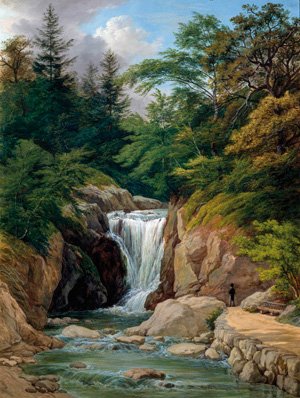
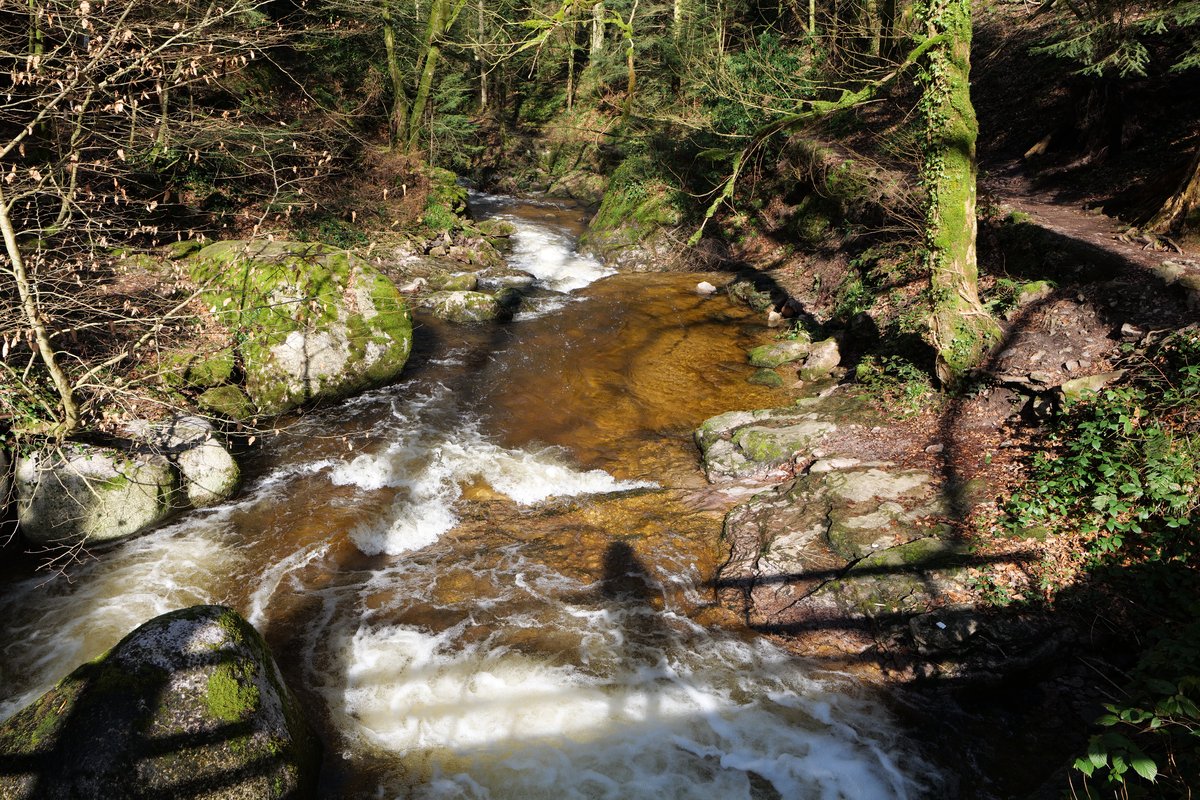
Plan and listen to Geroldsau Waterfall with Audiala.
Audio guide in your pocket, itinerary in your browser. Built for the way you actually visit.
Introduction
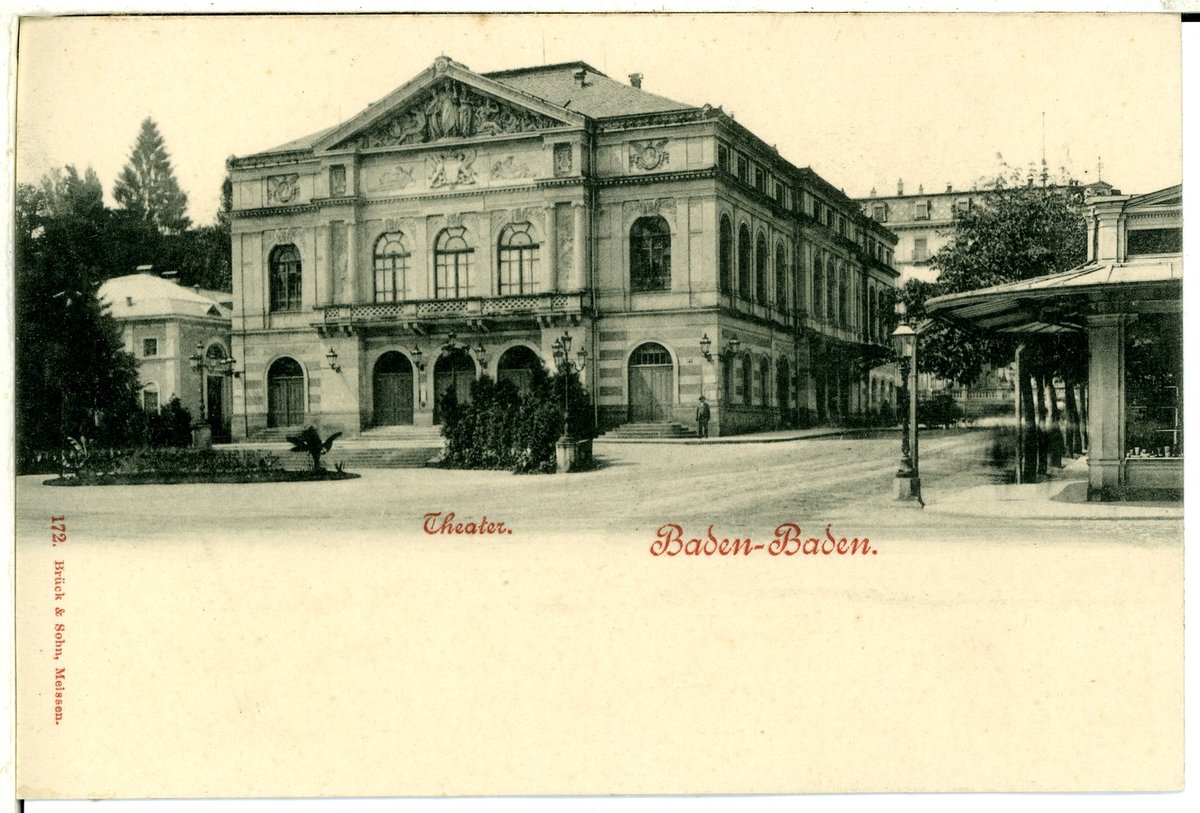
Nestled in the picturesque spa town of Baden-Baden, Germany, An der Bütte is a charming street that captures the essence of the town's rich cultural heritage. Baden-Baden, a town with over 2,000 years of history, has long been celebrated for its therapeutic thermal springs and sophisticated elegance. The town's journey from a Roman settlement, known as 'Aquae Aureliae,' to a medieval village and eventually a Belle Époque retreat for European aristocracy, showcases a fascinating narrative of transformation and allure. An der Bütte stands as a testament to this evolution, offering visitors a unique blend of historical significance, cultural richness, and modern-day charm. This guide provides an in-depth look at the history of An der Bütte, its cultural importance, practical visitor information, and tips to ensure a memorable experience in this enchanting part of Baden-Baden. Whether you're drawn by the allure of the town's wellness legacy, its artistic heritage, or simply the serene beauty of its streets and gardens, An der Bütte promises a delightful journey through time and culture.


Historical Background and Cultural Significance
Roman Roots and the Birth of a Spa Town
Baden-Baden's history stretches back over 2,000 years to its founding by the Romans. Drawn to the naturally occurring thermal springs, they established the settlement of 'Aquae Aureliae,' named after Emperor Caracalla. Recognizing the therapeutic benefits of the mineral-rich waters, the Romans constructed elaborate bathhouses, laying the foundation for Baden-Baden's future as a world-renowned spa destination.
From Medieval Village to Belle Époque Elegance
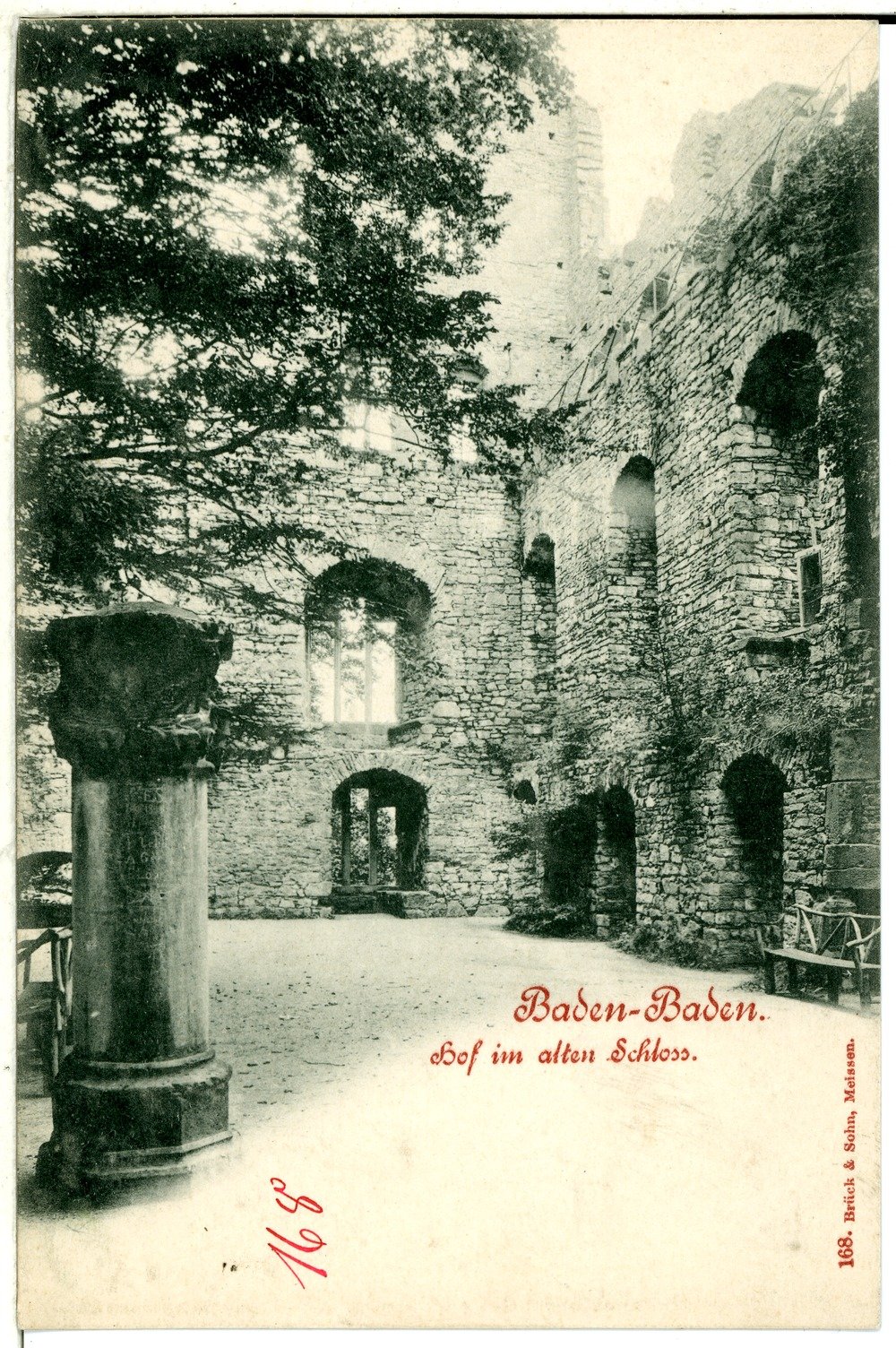
Following the Roman era, Baden-Baden went through various rulers and transformations. During the Middle Ages, it served as the residence of the Margraves of Baden, who played a crucial role in shaping the town's development. However, it was in the 18th and 19th centuries that Baden-Baden truly flourished.
The town became a magnet for European aristocracy and elite, drawn by its rejuvenating waters and the allure of a sophisticated retreat. This period, known as the Belle Époque, witnessed the construction of grand buildings, opulent casinos, and elegant gardens, shaping the architectural landscape we see today.
An der Bütte - A Microcosm of Baden-Baden's Charm
An der Bütte, nestled within this historically rich town, reflects the essence of Baden-Baden's evolution. While specific historical events might not be directly linked to this particular street, its location within the town center places it within walking distance of many historical landmarks.
The street's name itself, 'An der Bütte,' hints at a connection to traditional crafts, possibly referencing a communal water trough ('Bütte') that might have existed in the past. This connection to everyday life, juxtaposed against the backdrop of grand architecture and historical significance, encapsulates the unique charm of An der Bütte and Baden-Baden as a whole.
A Legacy of Wellness and Leisure
A Legacy of Wellness
For centuries, Baden-Baden's thermal springs have been revered for their healing properties. The Romans, followed by generations of Europeans, flocked to these waters, solidifying the town's reputation as a haven for health and rejuvenation. This focus on wellness continues today, with modern spa facilities offering a wide range of treatments and therapies.
The Pursuit of Leisure
Baden-Baden's rise as a leisure destination during the Belle Époque left an indelible mark on European culture. The town became synonymous with a refined lifestyle, where aristocracy and intellectuals indulged in the arts, music, gambling, and social gatherings. This legacy of leisure is still evident today in the town's vibrant cultural scene, luxurious accommodations, and world-class entertainment venues.
A Patron of the Arts
Throughout its history, Baden-Baden has attracted artists, writers, and musicians, inspired by its beauty and cultural richness. From the likes of Dostoevsky and Clara Schumann to contemporary artists, the town continues to be a hub for creativity and artistic expression.
Visitor Information - Tickets, Hours, and Tips
Visiting Hours and Tickets
An der Bütte itself does not require tickets or have specific visiting hours, as it is a public street. However, nearby attractions such as the Kurhaus, Casino, and museums have their own operating hours and admission fees. It is advisable to check the official websites of these attractions for up-to-date information on tickets and visiting hours.
Travel Tips
- Best Time to Visit: The best time to visit Baden-Baden and An der Bütte is during the spring and autumn months when the weather is pleasant, and the town is less crowded.
- Getting Around: Baden-Baden is a walkable town, and many of the attractions are within walking distance of each other. Public transportation and taxis are also readily available.
- Local Cuisine: Don't miss out on trying local Baden cuisine at one of the charming cafes or restaurants along An der Bütte.
Nearby Attractions
- Kurhaus: A historic building offering a variety of cultural events and home to the famous Baden-Baden Casino.
- Friedrichsbad: A Roman-Irish bathhouse offering a unique spa experience.
- Lichtentaler Allee: A beautiful park and arboretum perfect for a leisurely stroll.
Special Events and Guided Tours
Baden-Baden frequently hosts special events such as music festivals, art exhibitions, and seasonal markets. Guided tours are available and can provide deeper insights into the town's history and cultural significance. Check the local tourism website for the latest events and tour options.
Photographic Spots
An der Bütte and its surroundings offer numerous picturesque spots perfect for photography. The blend of historical architecture, lush gardens, and charming streetscapes provides ample opportunities for capturing beautiful memories.
FAQ
- What are the visiting hours for An der Bütte? An der Bütte is a public street and can be visited at any time. However, nearby attractions have their own operating hours.
- Do I need a ticket to visit An der Bütte? No, you do not need a ticket to visit An der Bütte. Tickets are required for nearby attractions like the Kurhaus and Casino.
- What is the best time to visit Baden-Baden? The best time to visit is during the spring and autumn months when the weather is pleasant.
Listen to the full story in the app
The whole Geroldsau Waterfall,
told well.
Audio guides for 1,100+ cities across 96 countries. History, stories, and local insight — offline ready.
Verified, and shown.
Researched and written by the Audiala editorial team from historical records, architectural archives, and local expertise.
Researched from Wikidata, Wikipedia & official sources · fact-checked · How we make our guides →