Plan and listen to Fabergé Museum with Audiala.
Audio guide in your pocket, itinerary in your browser. Built for the way you actually visit.
Introduction
Nestled in the picturesque town of Baden-Baden, Germany, the Fabergé Museum offers a unique glimpse into the opulent world of Russian jewelry art, showcasing the masterful works of Carl Peter Fabergé. Established on May 15, 2009, by Russian art collector Aleksandr Ivanov, the museum stands as the first and only institution in Europe dedicated exclusively to the creations of Fabergé, the famed jeweler to the Russian Imperial Court (Fabergé Museum). The museum's location in Baden-Baden, a town renowned for its historical significance and cultural richness, adds an additional layer of allure for visitors. With a collection boasting over 1,500 items, including the iconic Imperial Easter Eggs, the Fabergé Museum not only celebrates the artistic achievements of its namesake but also serves as a historical repository of the late 19th and early 20th centuries. This guide aims to provide comprehensive insights into the museum's history, significance, visitor information, and tips for making the most of your visit.

Founding and Inauguration
The Fabergé Museum in Baden-Baden, Germany, was inaugurated on May 15, 2009, by Russian art collector Aleksandr Ivanov. Ivanov's vision was to share his extensive collection of Fabergé masterpieces with the world, making it the first and only museum in Europe dedicated exclusively to the works of Carl Peter Fabergé. The museum is situated in the spa town of Baden-Baden, a location chosen for its historical significance and cultural richness (Fabergé Museum).
Carl Peter Fabergé - The Master Jeweler
Carl Peter Fabergé, born in 1846, was a renowned Russian jeweler who gained fame for his intricate and luxurious creations. Fabergé served as the official supplier to the Russian Imperial Court from 1885 to 1917. His works were highly sought after by the Russian czars, European aristocracy, and other elite clients, including the British Crown, French, German, Scandinavian, Greek, and Bulgarian courts, as well as the Kingdom of Siam (now Thailand) (Fabergé Museum).
The Collection
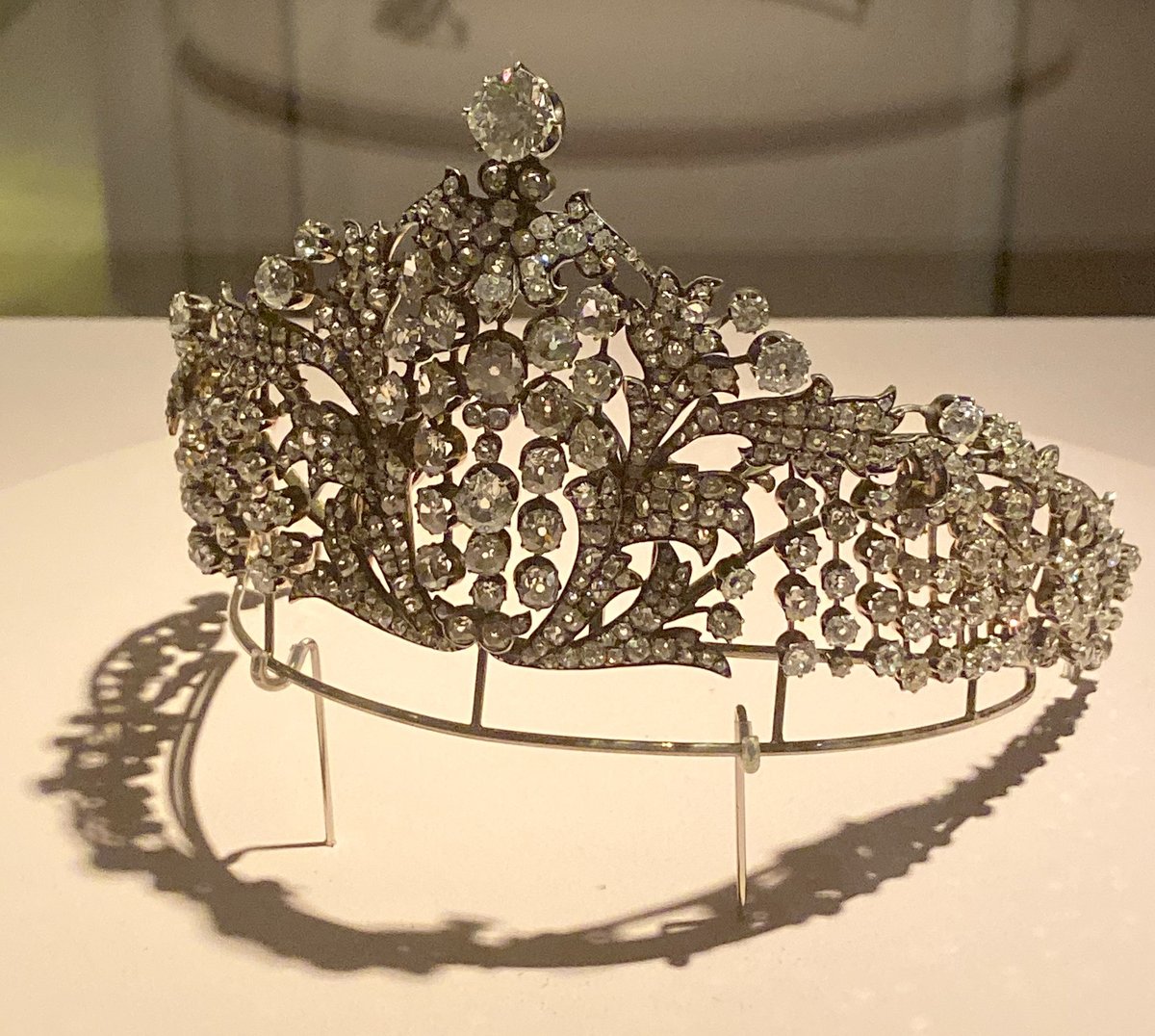
The Fabergé Museum boasts a collection of over 1,500 items, showcasing the full spectrum of Fabergé's artistry. Among the most notable pieces are the Imperial Easter Eggs, which were commissioned by the Russian czars as gifts for their families. The museum houses four of these exquisite eggs, each a testament to Fabergé's craftsmanship and creativity. One of the most famous pieces in the collection is the Rothschild Fabergé egg, a masterpiece of luxury and precision (Ornamenta 2024).
Unique Artifacts
In addition to the Imperial Easter Eggs, the museum's collection includes a variety of other unique artifacts. These range from table clocks and cigarette cases to whimsical animal miniatures carved from precious stones. One particularly notable piece is a silver carafe shaped like a rabbit, showcasing Fabergé's ability to blend functionality with artistic flair. Another highlight is the last Imperial Easter egg, crafted from Karelian birch wood, gold, and diamonds for Easter 1917. This egg was never gifted due to the abdication of Tsar Nicholas II, making it a poignant symbol of the end of an era (WhichMuseum).
Historical Significance
The Fabergé Museum not only celebrates the artistic achievements of Carl Peter Fabergé but also serves as a historical repository of the late 19th and early 20th centuries. Fabergé's works are emblematic of the opulence and grandeur of the Russian Imperial Court, as well as the broader European aristocracy. The museum's collection provides a window into a bygone era, offering insights into the tastes and lifestyles of the elite during this period (Fabergé Museum).
Location and Accessibility
The Fabergé Museum is conveniently located in downtown Baden-Baden, close to the popular Caracalla thermal spa and just a few minutes' walk from central Leopoldplatz. This central location makes it easily accessible for visitors exploring the town's other attractions. The museum's address is Sophienstraße 30, 76530, Baden-Baden, Germany (Fabergé Museum).
Visitor Experience
Visitors to the Fabergé Museum can expect an immersive experience that combines art, history, and luxury. The museum's layout is designed to guide visitors through the various phases of Fabergé's career, from his early works to his most famous creations. Interactive displays and detailed descriptions provide context and background information, enhancing the overall experience.
Special Exhibitions and Events
While the museum's permanent collection is its main draw, the Fabergé Museum also hosts special exhibitions and events. These temporary exhibits often feature works by other renowned jewelers and goldsmiths, providing a broader perspective on the art of jewelry making. Additionally, the museum participates in cultural events such as the Ornamenta 2024 Lust Program, which highlights the intersection of art and luxury (Ornamenta 2024).
Educational Programs
The Fabergé Museum offers a range of educational programs aimed at both children and adults. These programs include guided tours, workshops, and lectures that delve into the history and techniques of Fabergé's craft. The museum's educational initiatives are designed to foster a deeper appreciation for the art of jewelry making and the historical context in which Fabergé operated (Fabergé Museum).
Reviews and Ratings
The Fabergé Museum has received positive reviews from visitors, who praise its comprehensive collection and informative displays. The museum is often described as a hidden gem in Baden-Baden, offering a unique and enriching experience for those interested in art and history. The museum's rating on various platforms reflects its status as a must-visit destination in the region (WhichMuseum).
Practical Information
The Fabergé Museum is open daily, with specific opening hours varying by season. Admission fees are structured to accommodate different types of visitors, including family tickets and discounts for children and seniors. For the most up-to-date information on opening hours and admission prices, visitors are encouraged to check the museum's official website (Fabergé Museum).
Frequently Asked Questions (FAQ)
Q: What are the Fabergé Museum visiting hours?
A: The Fabergé Museum is open daily, but the specific opening hours vary by season. Please check the museum's official website for the most up-to-date information.
Q: How much are the tickets for the Fabergé Museum?
A: Ticket prices vary, with discounts available for children, seniors, and families. Detailed pricing can be found on the museum's official website.
Q: Where is the Fabergé Museum located?
A: The museum is located at Sophienstraße 30, 76530, Baden-Baden, Germany, close to Caracalla thermal spa and central Leopoldplatz.
Q: Are there any special exhibitions at the Fabergé Museum?
A: Yes, the museum hosts special exhibitions and events throughout the year. Check the museum's website for current and upcoming exhibitions.
Q: Is the Fabergé Museum suitable for children?
A: Yes, the museum offers educational programs and workshops suitable for children, making it a family-friendly destination.
Listen to the full story in the app
The whole Fabergé Museum,
told well.
Audio guides for 1,100+ cities across 96 countries. History, stories, and local insight — offline ready.
Verified, and shown.
Researched and written by the Audiala editorial team from historical records, architectural archives, and local expertise.
Fabergé Museum
Fabergé Museum
Lust Program
Fabergé Museum
Researched from Wikidata, Wikipedia & official sources · fact-checked · How we make our guides →