Plan and listen to Bad Homburg Castle with Audiala.
Audio guide in your pocket, itinerary in your browser. Built for the way you actually visit.
Introduction
Bad Homburg Castle (Schloss Bad Homburg) stands as a striking symbol of Germany’s aristocratic heritage, nestled in the spa town of Bad Homburg vor der Höhe in Hesse, just north of Frankfurt. Its centuries-old legacy, diverse architecture—from medieval fortifications to Baroque and English Gothic Revival elements—and beautifully landscaped gardens make it one of the most compelling historical sites in the region. This comprehensive guide details everything you need to plan your visit: opening hours, ticket options, accessibility, guided tours, highlights of the castle and park, and traveler tips for an enriching experience.




Medieval Foundations and Early Development
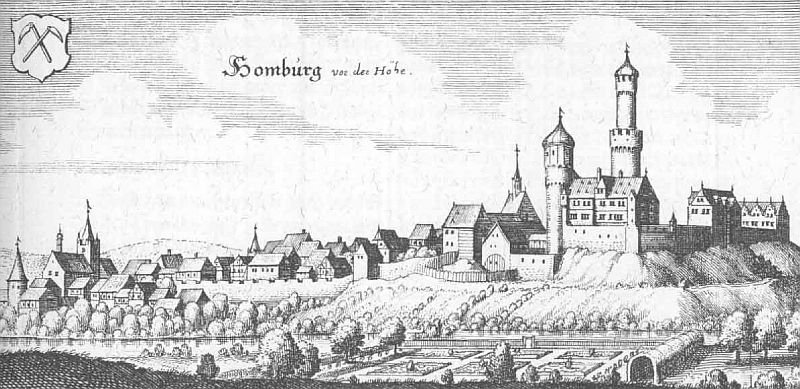
The origins of Bad Homburg Castle reach back to the 12th century, when the noble family of Eppstein constructed a defensive tower to monitor regional trade routes. The iconic White Tower (Weißer Turm), dating from the 14th century, remains the castle’s most recognizable feature and is a rare surviving element of the original medieval stronghold (Stadt Bad Homburg; Wikipedia). The site evolved through the late Middle Ages, passing through various noble families who expanded its fortifications and residential quarters.
Baroque Transformation under the Landgraves of Hesse-Homburg
A pivotal transformation occurred in the 17th century when Frederick I, Landgrave of Hesse-Homburg, acquired the estate. Between 1680 and 1685, Landgrave Frederick II commissioned architect Paul Andrich to design a grand Baroque palace, integrating the White Tower and creating a three-winged layout. The formal French-style gardens amplified the castle’s prestige, cementing its status as a princely residence (Schlösser und Gärten Hessen).
Prussian Royal Connection and Imperial Era
The extinction of the Hesse-Homburg line in 1866 led to the castle becoming a summer retreat for the Prussian royal family, particularly Emperor Wilhelm II. Modern amenities such as central heating and electric lighting were introduced. The palace welcomed European nobility, strengthening Bad Homburg’s reputation as a spa and leisure destination (Preußische Schlösser und Gärten; Bad Homburg Tourismus).
20th Century: State Ownership and Preservation
Following the fall of the German monarchy, the castle became state property. It was spared major destruction during World War II and has since been meticulously restored. Today, it houses the Museum of the Landgraves of Hesse-Homburg and the Hessian House Foundation, allowing the public to explore its imperial apartments, palace church, and historic rooms (Museen in Hessen).
Architecture and Interior Highlights
Architectural Evolution
Bad Homburg Castle is a microcosm of European architectural history:
- Medieval: The White Tower dominates as a symbol of the original fortification (Map of Thrones).
- Baroque: The main palace’s symmetrical facades, ornate staircases, and stucco reflect the grandeur of late 17th-century aristocracy.
- English Gothic Revival: The English Wing, built for Princess Elizabeth, introduces pointed arches and decorative tracery, echoing her British roots (Wikipedia).
- Neoclassical: 19th-century renovations added clean lines and restrained ornamentation, modernizing the interiors (Tourist Places Guide).
Interior Spaces
- Imperial Rooms: Opulent Wilhelminian-period apartments with original furnishings and artwork.
- English Wing: English-style furniture and delicate porcelain, reflecting Princess Elizabeth’s tastes.
- Palace Church: Houses a historic organ, beautiful pictorial decoration, and the Hesse-Homburg family crypt, open on select days (Schlösser Hessen).
The Schlosspark: Gardens and Landscape Art
The Schlosspark is celebrated for its blend of Baroque and English landscape styles, designed and expanded through the 18th and 19th centuries (Map of Thrones). Highlights include:
- Baroque Formal Gardens: Ornamental beds and an orangery.
- English Landscape Garden: Meandering paths, groves, and a historic cedar tree from 1820.
- Gothic House: Built as a retreat for Princess Elizabeth, now a park highlight.
- Thai Sala: A traditional Thai pavilion gifted by the King of Thailand, adding a multicultural touch (WhichMuseum).
The park is free and open year-round, providing a tranquil setting for walks, picnics, and cultural events.
Visiting Bad Homburg Castle: Hours, Tickets, and Tours
Opening Hours (as of July 2025)
- Tuesday to Sunday: 10:00 AM – 5:00 PM (last admission 4:30 PM)
- Monday: Closed
- Palace Park: Open daily, free entry
Opening hours may vary seasonally and during public holidays. Always check the official website before your visit.
Ticket Information
- Adults: €6–€8
- Reduced (students, seniors): ~€5
- Children (under 6 or 12): Free (age limit may vary)
- Family and group rates available
- Tickets can be purchased on-site or online (Schlösser Hessen).
Guided Tours
- Languages: Regular German tours, English tours by arrangement (Europeanuu.org)
- Duration: Approximately 60 minutes
- Access: Imperial Rooms, English Wing, White Tower (when open), and special exhibitions
- Booking: Advance reservation recommended, especially for English tours and groups
Facilities and Accessibility
- Accessibility: The park and ground-floor areas are wheelchair-friendly. Some historic interiors and the medieval tower have limited access due to stairs and uneven floors.
- Restrooms and Gift Shop: Available on site; a café or refreshment kiosk operates during special events.
- Families: The park is ideal for children; dogs are allowed on leash in outdoor areas only.
- Assistance: Visitors with specific mobility needs can contact the palace administration in advance.
Getting There and Travel Tips
Location
- Address: Schloss Bad Homburg, 61348 Bad Homburg vor der Höhe, Germany
- By Train: Regional trains connect Frankfurt Hauptbahnhof to Bad Homburg station in ~20 minutes. The castle is a short walk or local bus ride from the station (Europeanuu.org).
- By Car: Ample parking is available nearby.
Practical Tips
- Languages: Most signage and tours are in German; English materials and guided tours are available.
- Best Visiting Time: Spring and summer for blooming gardens; the castle is open year-round (Wanderlog).
- Photography: Permitted in the park and exterior; interior photography may be restricted.
- Food: Several cafés and restaurants are located nearby; picnicking is allowed in the park.
Nearby Attractions
- Kurpark Bad Homburg: A historic spa park adjacent to the castle.
- Bad Homburg Casino: One of Germany’s oldest casinos, with cultural events.
- Saalburg Roman Fort: UNESCO-listed reconstructed Roman fort a short drive away.
- Taunus Mountains: Hiking and nature excursions.
Cultural Significance
Bad Homburg Castle is more than a monument—it is a living witness to centuries of political, social, and artistic transformation. The palace’s evolution from a medieval stronghold to a Baroque princely residence and later an imperial retreat reflects the shifting fortunes of the region and its connections to European aristocracy (Simskultur; Ab in den Urlaub). The Schlosspark’s blend of garden styles and its inclusion in the European Garden Heritage Network underscore its international importance (Schlösser Hessen).
Frequently Asked Questions (FAQ)
Q: What are the opening hours of Bad Homburg Castle?
A: Tuesday to Sunday, 10:00 AM to 5:00 PM; closed on Mondays. The park is open daily.
Q: How much do tickets cost?
A: Adult tickets range from €6 to €8; concessions available for students and seniors; children usually free.
Q: Are guided tours available in English?
A: Yes, English tours are offered at select times or by prior arrangement.
Q: Is the castle accessible for visitors with disabilities?
A: The park and ground-floor areas are accessible; upper floors and the medieval tower have limited access.
Q: Can I take photos inside the castle?
A: Photography is allowed in the park and exteriors; restrictions may apply inside.
Q: Is Bad Homburg Castle dog-friendly?
A: Dogs on a leash are welcome in the park, but not inside the palace.
Booking and Contact Information
- Official Website: Schlösser Hessen
- Visitor Centre: Bad Homburg Tourist Info, Im Kurhaus, Louisenstraße 58, 61348 Bad Homburg vor der Höhe, Tel: +49 (0)6172 178 3710
- Events Calendar: Kultur in Hessen
- App for Guided Tours: Audiala app
Internal Links
Explore related articles:
Summary and Key Travel Tips
- Bad Homburg Castle offers a unique blend of history, architectural splendor, and landscaped gardens.
- Plan your visit by checking up-to-date opening hours and booking tours in advance, especially for English-language experiences.
- The castle is easily reached from Frankfurt by train or car.
- Use digital tools like the Audiala app for enhanced tours and current information.
- Combine your castle tour with other local attractions for a complete Bad Homburg experience.
Listen to the full story in the app
The whole Bad Homburg Castle,
told well.
Audio guides for 1,100+ cities across 96 countries. History, stories, and local insight — offline ready.
Verified, and shown.
Researched and written by the Audiala editorial team from historical records, architectural archives, and local expertise.
Researched from Wikidata, Wikipedia & official sources · fact-checked · How we make our guides →