Introduction
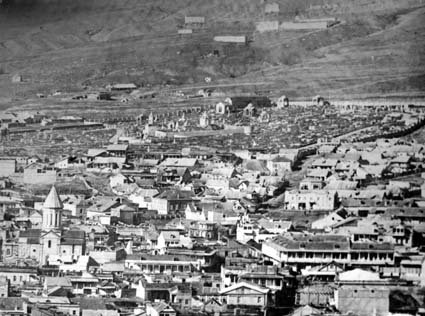
Tbilisi, Georgia’s vibrant capital, is renowned for its dynamic blend of history, culture, and spirituality. Among its most significant landmarks, St. Panteleimon Church stands out as both a spiritual hub and an architectural gem. Located within the historic Vere Cemetery (also known as Kukia Cemetery), the church reflects centuries of religious heritage and the multicultural fabric of Tbilisi. Dedicated to St. Panteleimon, the revered Christian healer and martyr, the church is a focal point for the Georgian Orthodox community and an exceptional example of architectural evolution, spanning from the medieval era to the 19th century.
Vere Cemetery, once known as the Vera Armenian Cemetery, offers a contemplative space enriched by the graves of notable Georgian, Armenian, and other figures, highlighting the city's diverse social tapestry. This comprehensive guide provides essential visitor information—visiting hours, ticketing (free admission), etiquette, accessibility, and tips for a respectful visit—while exploring the site's historical transformations, architectural features, and its enduring role in Tbilisi’s religious landscape. Whether you are a pilgrim, history lover, or cultural traveler, St. Panteleimon Church and Vere Cemetery offer profound insights into Georgia’s Orthodox traditions and Tbilisi’s multicultural heritage (Find a Grave, saintpanteleimon.org, Internet Archaeology, Madloba).
Vera Armenian Cemetery: Origins and Evolution
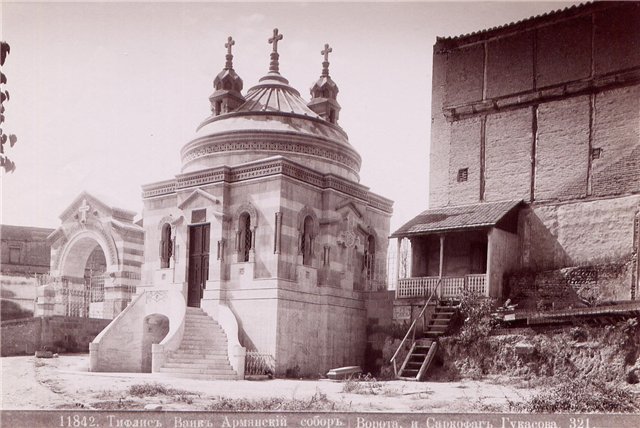
Founded in 1836 in the Vera (now Kukia) district of Tbilisi, the Vera Armenian Cemetery quickly became the principal burial ground for the city’s Armenian community, reflecting their social and civic prominence (Find a Grave). The Church of the Holy Cross (Surb Khach), built in 1844 through the philanthropy of Gavriil Tamamshev, became a focal point for community worship and unity.
Throughout the 19th and early 20th centuries, the cemetery served as the final resting place for many of Tbilisi’s distinguished Armenian citizens, including public figures, educators, and industrialists. Family tombs and elaborately carved gravestones highlight the cemetery’s artistic and cultural significance.
Closure during Soviet rule in 1920 led to decades of neglect, with the destruction and loss of many tombstones. The post-Soviet period saw further deterioration and, in 1992, the conversion of Surb Khach into the Georgian Orthodox Church of St. Panteleimon, reflecting shifting religious dynamics (Find a Grave).
St. Panteleimon Church: Religious Significance
Today, St. Panteleimon Church functions as an active Georgian Orthodox parish, dedicated to the patron saint of healers. Its architecture and spiritual traditions reflect centuries of Orthodox resilience and adaptation, while the church’s vibrant community life continues to honor Tbilisi’s multicultural roots (Madloba, saintpanteleimon.org).
Site Layout & Setting
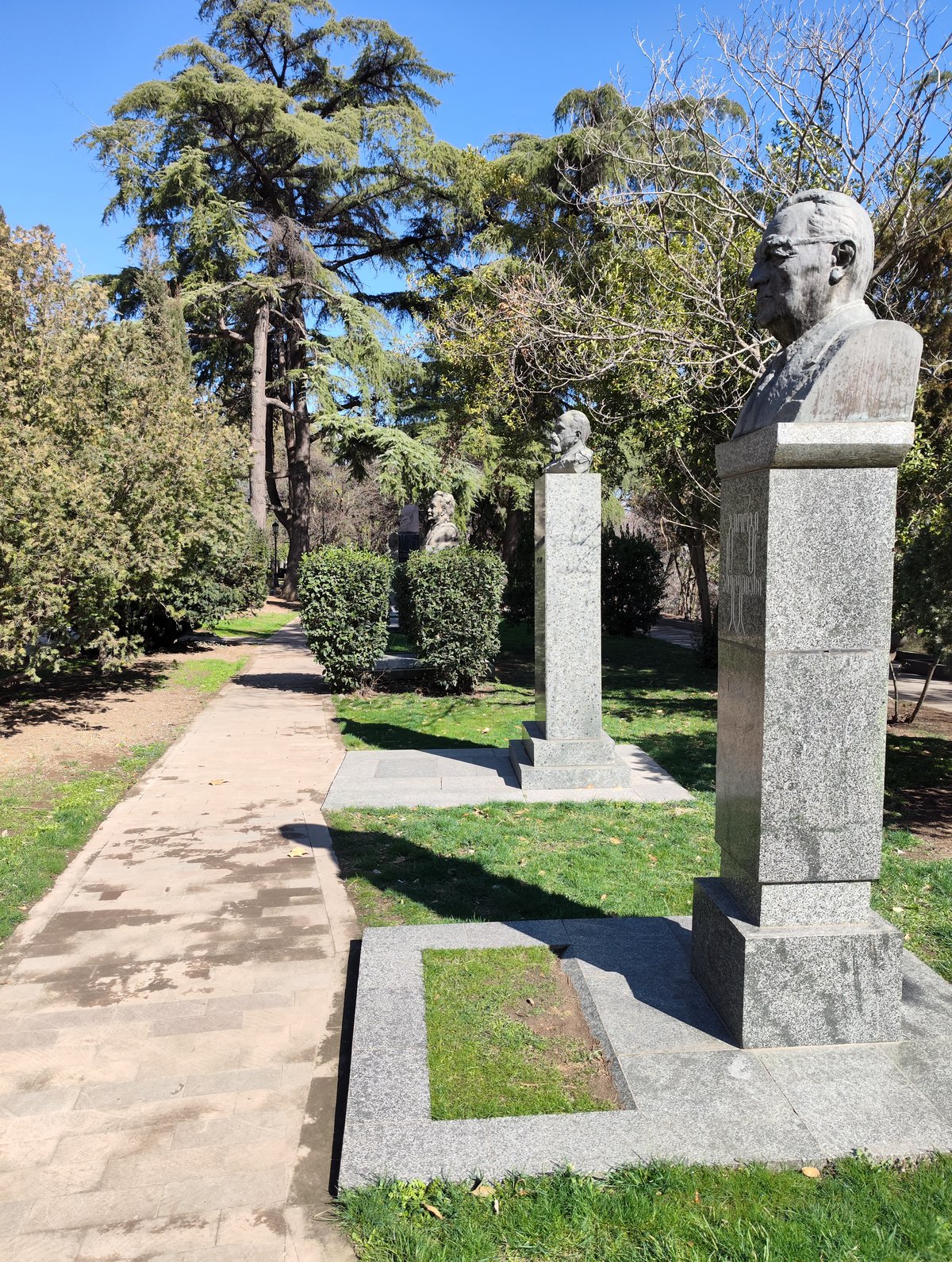
St. Panteleimon Church is centrally positioned within Vere Cemetery, which is characterized by its informal, winding paths and mature trees. The gravestones and mausoleums—many inscribed in Georgian, Russian, and Armenian—surround the church and reflect the city’s diverse religious and artistic traditions (Find a Grave). The setting offers a tranquil environment for contemplation, framed by the historic architecture of the church.
Architectural Features & Construction Phases
Medieval Origins
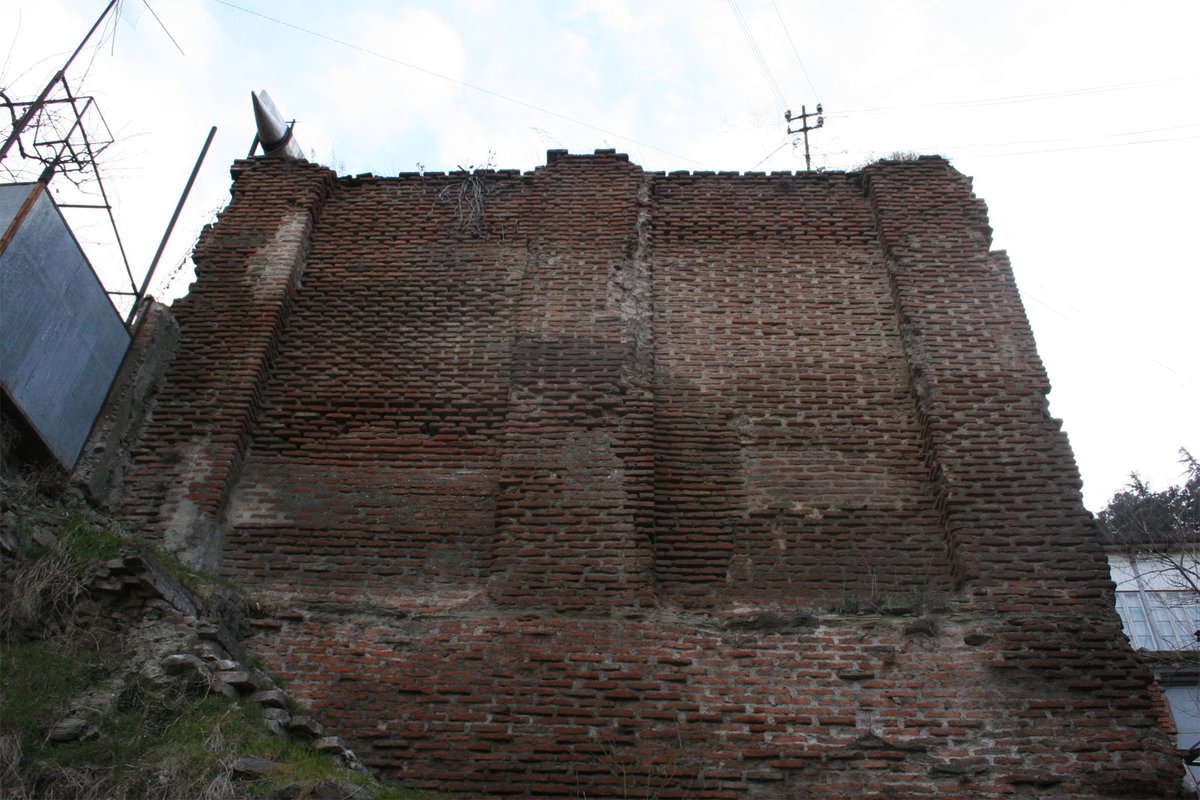
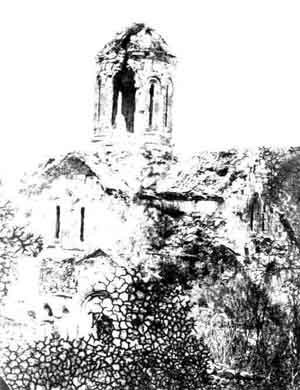
St. Panteleimon Church’s earliest phase dates to the early 13th century. Archaeological evidence points to a four-pillar, single-apse structure with a western vestibule, a design emblematic of Georgian ecclesiastical architecture of the medieval period. The dome, supported by four central pillars, provides both structural strength and an uplifting, vertical focus (Internet Archaeology).
14th-Century Developments
Significant modifications in the 14th century included reinforcing the original pillars, adding side apses, and enlarging the vestibule, pointing to the church’s growing importance and evolving liturgical needs (Internet Archaeology).
19th-Century Reconstruction
The most substantial transformation occurred in the early 19th century, when the church was thoroughly rebuilt and redecorated. A new vestibule was constructed, and the interior was updated with neoclassical and eclectic elements. Frescoes, iconostases, and ornamental stonework were restored or enhanced, blending traditional forms with imported motifs (Internet Archaeology).
Decorative Elements & Materials
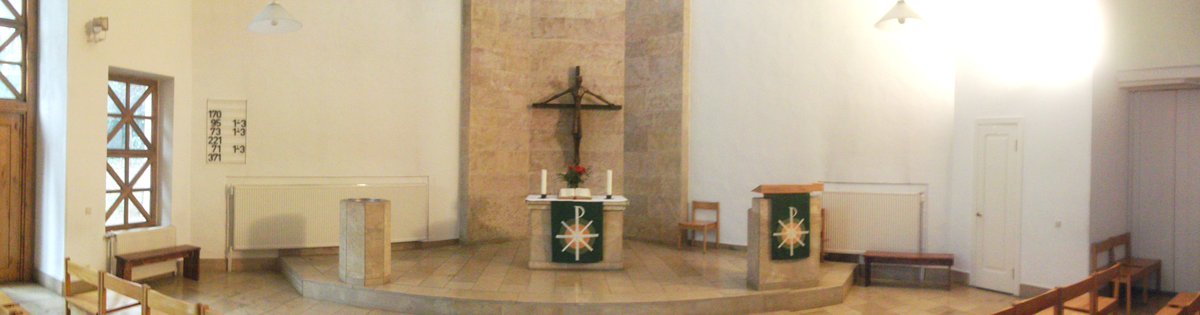
Constructed primarily of local stone, the church features robust, roughly hewn exterior walls, carved decorations, and inscriptions. The interior, though much altered and restored, retains fragments of frescoes and iconographic panels, depicting saints and biblical scenes. The iconostasis stands out as a focal piece, often adorned with gilded icons and intricate woodwork.
Integration with Cemetery & Multicultural Heritage
The church’s integration with Vere Cemetery underscores its role as both a sacred and communal site. Historic tombstones—some uncovered during recent excavations—are displayed around the church, providing insight into the funerary practices of Tbilisi’s diverse population. The cemetery’s organic layout and grave inscriptions highlight the multicultural and multi-confessional character of Tbilisi across centuries (Find a Grave).
Conservation and Preservation Efforts
Recent years have seen increased efforts to preserve St. Panteleimon Church and Vere Cemetery as cultural monuments. Strategies include stabilizing the church’s foundations, restoring masonry, conserving decorative elements, and providing interpretive signage for visitors. Advocacy by Armenian and Georgian organizations continues, though official support and funding remain limited (Internet Archaeology).
Visitor Information
Location, Access, and Facilities
- Address: Vere Cemetery (Kukia Cemetery), Kukia district, Tbilisi
- Access: Easily reached by public transport, taxi, or walking from the city center. The main entrance is on Kukia Street.
- Parking: Limited street parking available; use public transport or ride-hailing services for convenience.
- Facilities: No public restrooms or cafés on cemetery grounds. Small shops are nearby; bring water and essentials.
Visiting Hours & Tickets
- Church Hours: Typically open daily from 9:00 AM to 6:00 PM (some sources list 8:00 AM–7:00 PM; check ahead for holiday variations).
- Cemetery Hours: Open daily, usually 9:00 AM–6:00 PM.
- Admission: Free for both church and cemetery. Donations for upkeep are welcome.
Dress Code & Etiquette
- Dress Modestly: Men—no shorts or sleeveless shirts; Women—skirts/dresses below the knee, headscarves (usually available at entrance).
- Photography: Allowed in the cemetery, but exercise discretion. Inside the church, photography may be restricted—always ask permission.
- Behavior: Maintain silence, turn off mobile phones, avoid loud conversations, and respect worshippers.
Accessibility
- Terrain: Uneven paths and steps; limited wheelchair access.
- Footwear: Wear comfortable shoes.
Guided Tours & Events
- Guided Tours: Available through local cultural organizations or tour agencies; inquire in advance.
- Special Events: Major feast days, especially July 27 (St. Panteleimon’s feast), feature special services and traditions.
Pilgrimage & Community Role
St. Panteleimon Church is a site of pilgrimage, particularly on the saint’s feast day, when prayers for healing are offered. The church hosts regular liturgical services, community gatherings, and charitable initiatives, reinforcing its active role in Tbilisi’s spiritual and social life (saintpanteleimon.org).
Annual Celebrations
- Feast of St. Panteleimon: July 27, with special liturgies and healing prayers.
- Memorial Days: Traditional services to honor ancestors.
Nearby Attractions
- Mtatsminda Pantheon: Historic cemetery with panoramic views.
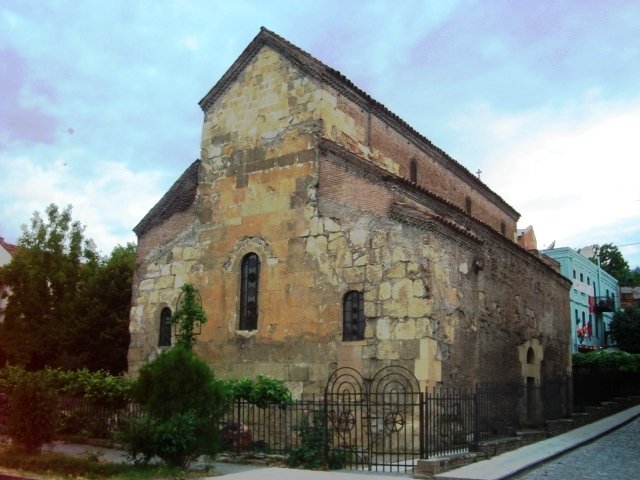
- Anchiskhati Basilica: Oldest church in Tbilisi.
- Holy Trinity Cathedral (Sameba): The city’s largest and most iconic church.
- Tbilisi Botanical Garden and Rustaveli Avenue: For a broader cultural experience.
Combine your visit for a deeper understanding of Tbilisi’s religious and architectural history.
Frequently Asked Questions (FAQ)
Q: What are the visiting hours for St. Panteleimon Church?
A: Generally, open daily from 9:00 AM to 6:00 PM (sometimes 8:00 AM–7:00 PM); hours may vary on holidays.
Q: Is there an entrance fee?
A: No, entry is free. Donations are welcome.
Q: Are guided tours available?
A: Yes, through local tour operators or by arrangement with cultural organizations.
Q: Is the site wheelchair accessible?
A: Accessibility is limited due to uneven terrain; contact ahead for assistance.
Q: Can I take photographs?
A: Permitted in the cemetery; seek permission before photographing inside the church.
Q: When is the best time to visit?
A: Spring (April–June) and autumn (September–October) offer pleasant weather and beautiful scenery.
Listen to the full story in the app
Your Personal Curator, in Your Pocket.
Audio guides for 1,100+ cities across 96 countries. History, stories, and local insight — offline ready.
Audiala App
Available on iOS & Android
Join 50k+ Curators
Sources
- verified
-
verified
Visiting St
Panteleimon Church in Tbilisi: Hours, Tickets, and Historical Significance, 2024, Saint Panteleimon Official
-
verified
St
Panteleimon Church in Tbilisi: Architectural and Historical Study, 2024, Internet Archaeology
-
verified
Vera Armenian Cemetery and St
Panteleimon Church Visitor Guide, 2024, Find a Grave
Last reviewed: