Early Origins and Foundation
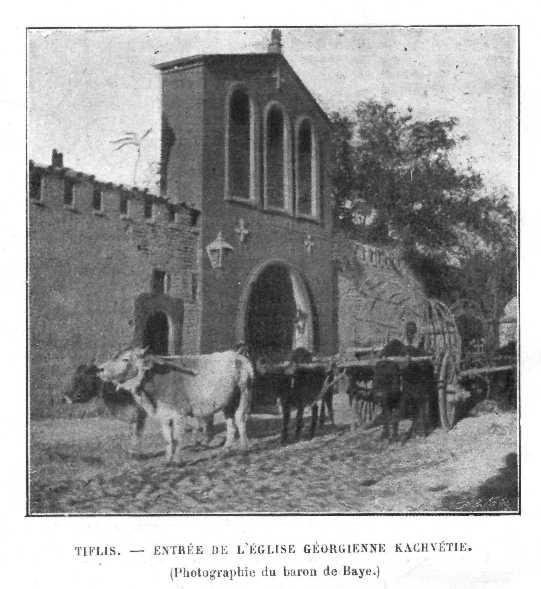
Saint George’s Church stands as a testament to the enduring Armenian presence in Tbilisi. While some historians argue for origins as early as 631 CE, prevailing scholarly consensus places its construction in 1251 CE, supported by an Arabic inscription on a khachkar above the western door and chronicler Hovhannes Yerznkatsi’s records. The church was established under the patronage of Prince Umek of Karin, a notable Armenian merchant and nobleman who settled in Tbilisi in 1242.
Medieval Significance and Community Role
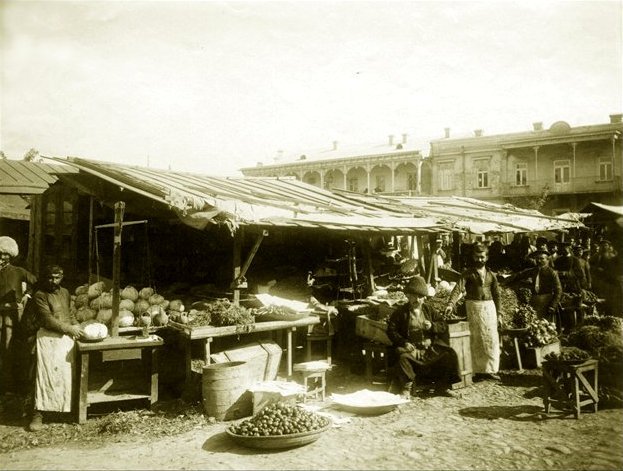
Throughout the Middle Ages, Saint George’s Church (also called Katokhike St. Astvatsatsin and Gevorg Zoravar) was the principal church for Tbilisi’s Armenian population. Located in the Meidani (main square), it became a religious, cultural, and intellectual center, housing Armenian scriptoria that preserved religious and literary manuscripts from the 14th century onward. The philosopher Hovhannes Yerznkatsi delivered a notable speech here in 1284, underscoring the church’s intellectual prominence.
Periods of Turmoil and Restoration
The church endured significant challenges, including damage and occupation during Persian invasions of the 17th and 18th centuries. After Shah Abbas I seized the church in 1616, King Heraclius II restored it in 1748. Despite destruction during the 1795 sacking of Tbilisi, the Armenian community’s resilience ensured repeated restorations, most notably in 1832, 1881, and again in the 21st century.
Soviet Era and Modern Developments
Following the demolition of the Vank Cathedral in the 1930s, Saint George’s Church became the center of the Armenian Apostolic Church in Georgia. Its survival through Soviet repression underscores its spiritual and cultural significance for Armenians in Tbilisi.
Architectural Evolution and Features
Exterior Design and Structural Layout
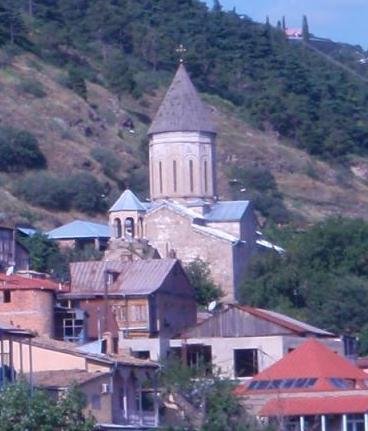
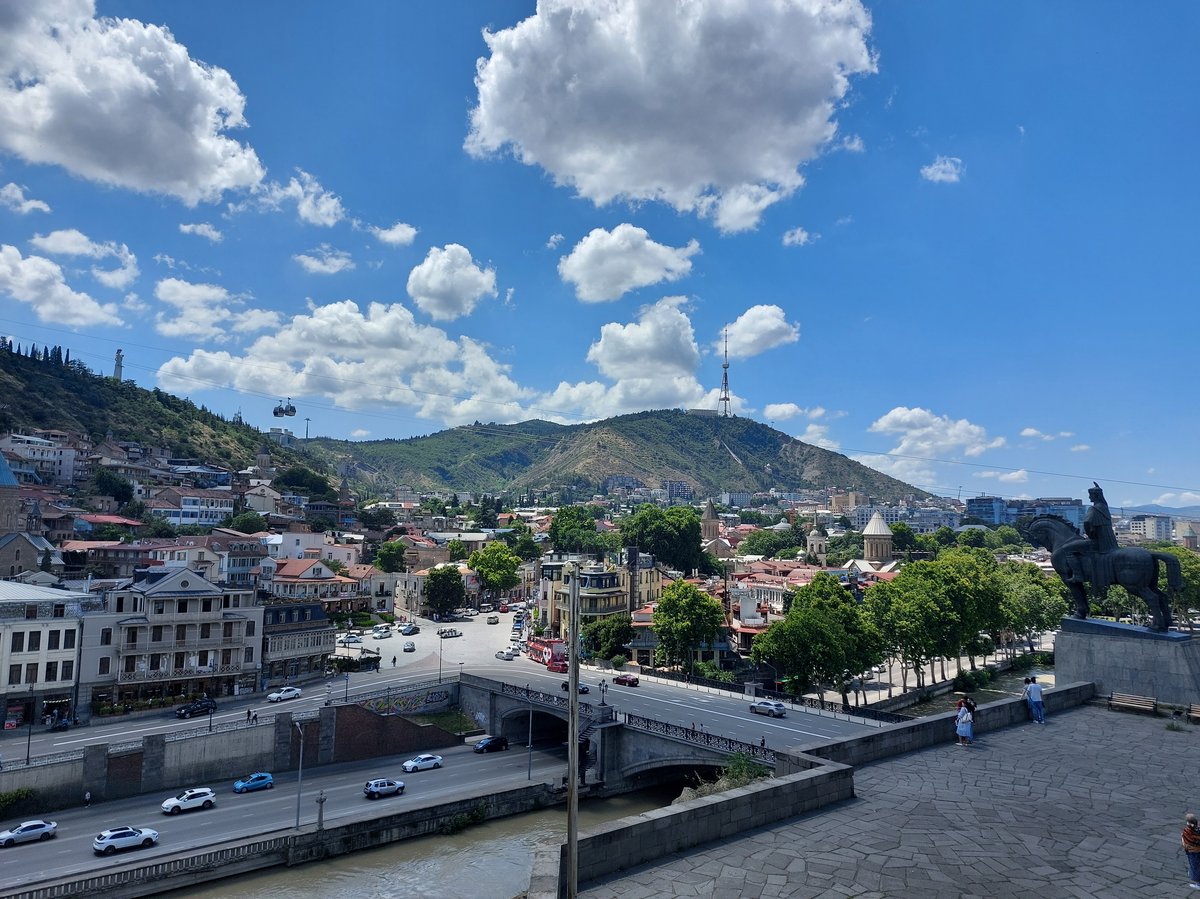
Situated on an elevated platform at the southwestern corner of Vakhtang Gorgasali Square, the church features a traditional Armenian cruciform layout. Constructed primarily from brick with stucco-coated exterior walls, its subdued appearance contrasts with the colorful Old Town. A prominent dome, visible from many city vantage points, serves as a visual focal point and enhances the spiritual ambiance.
Entrances and Interior Layout
The church is accessed by a broad stone staircase leading to its main entrance, symbolizing the transition from secular to sacred space. Inside, a single nave leads to the altar, flanked by chapels and side aisles that form the cross’s arms. Natural light streams through modest windows, creating a tranquil interior. A richly decorated 19th-century iconostasis separates the nave from the altar.
Artistic Heritage: Frescoes and Khachkars
The interior houses frescoes from the 14th and 15th centuries (attributed to the Hovnatanyan family), as well as 18th-century works by Hovnatan Hovnatanian and 1920s murals by Gevorg Bashinjaghyan. Notable murals include "Jesus in the Garden of Gethsemane," "Repentance of Judas," "Jesus and the Mariners," and "Grain Harvest." A fragment of a 13th-century khachkar with an Arabic inscription is embedded in the northern chapel, emphasizing the church’s multicultural heritage. Restoration efforts (2012–2015) have preserved these treasures.
Visitor Information
Visiting Hours
Saint George’s Church is typically open daily from 9:00 AM to 7:00 PM, though hours may vary during religious holidays or special events. Some sources note extended or 24-hour access outside of major ceremonies.
Tickets and Admission
Entry to the church is free; no ticket is required. Donations are welcome and can be made at official boxes inside the church to support preservation efforts.
Accessibility
While the church’s main entrance is accessible via a staircase, ramps and limited assistance are available. The surrounding Old Town’s uneven cobblestone streets may pose challenges for visitors with mobility concerns.
Guided Tours and Special Events
Guided tours may be available through local agencies or upon request, offering insights into the church’s history, architecture, and art. The church also hosts religious ceremonies and cultural events, especially during Armenian feast days.
Dress Code and Photography
Modest dress is required—shoulders and knees should be covered, and women are encouraged to cover their hair (scarves are often available, but bringing your own is advisable). Photography is generally permitted except during services or in restricted areas; always ask for permission.
Travel Tips and Nearby Attractions
- Combine Your Visit Saint George’s Church is ideally located for exploring Tbilisi’s Old Town. Consider visiting nearby sites such as Narikala Fortress, the Holy Trinity Cathedral (Sameba), Metekhi Church, Sioni Cathedral, the Great Synagogue, and Shardeni Street.
- Facilities The church does not offer restrooms or a gift shop, but cafes, restaurants, and public restrooms are within a short walk.
- Best Times to Visit Early mornings or late afternoons are quieter and offer a more contemplative atmosphere.
- Transportation Easily accessible on foot from Old Town landmarks or by public transport to Vakhtang Gorgasali Square.
Frequently Asked Questions (FAQ)
Q: What are the visiting hours for Saint George’s Church in Tbilisi?
A: Generally open daily from 9:00 AM to 7:00 PM, with possible variations for religious events.
Q: Is there an entry fee?
A: No, entry is free.
Q: Are guided tours available?
A: Yes, through local tour agencies or upon request.
Q: Is the church accessible for visitors with disabilities?
A: The main entrance has stairs, but ramps and limited assistance are available.
Q: Is photography allowed?
A: Yes, except during services or in restricted areas—always ask permission.
Q: What is the dress code?
A: Modest attire is required; shoulders and knees covered, women should cover their hair.