Introduction
Nestled in the heart of Old Tbilisi, the Juma Mosque stands as a remarkable testament to religious coexistence, architectural beauty, and Georgia’s multicultural heritage. As the only active mosque in Tbilisi, it uniquely serves both Sunni and Shia Muslims—an extraordinary example of harmony seldom found elsewhere in the Islamic world. This guide offers a comprehensive overview for visitors, including the mosque’s layered history, architectural highlights, practical travel tips, and advice for an enriching visit to this iconic Tbilisi historical site (georgiantouristservice.ge, georgia.travel).
Photo Gallery
Explore Juma Mosque, Tbilisi in Pictures
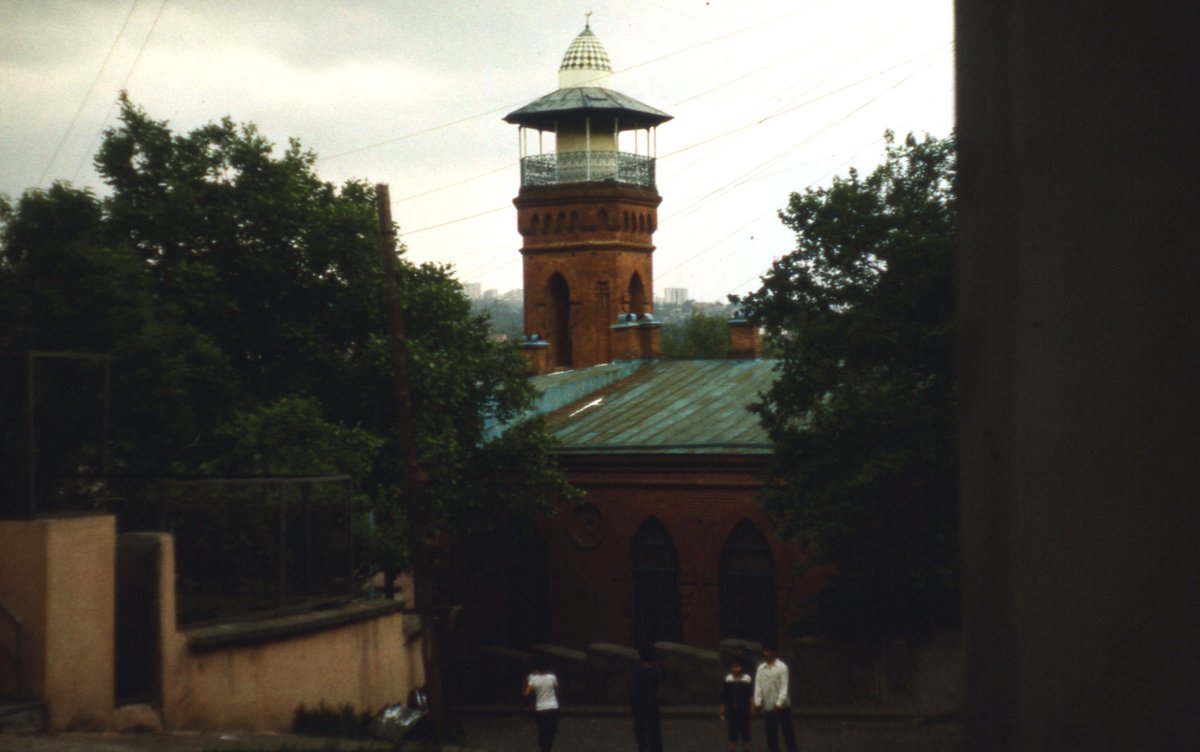
A charming view of Botanical Street located in Tbilisi, the capital city of Georgia, showcasing traditional houses and lush greenery in 1987.
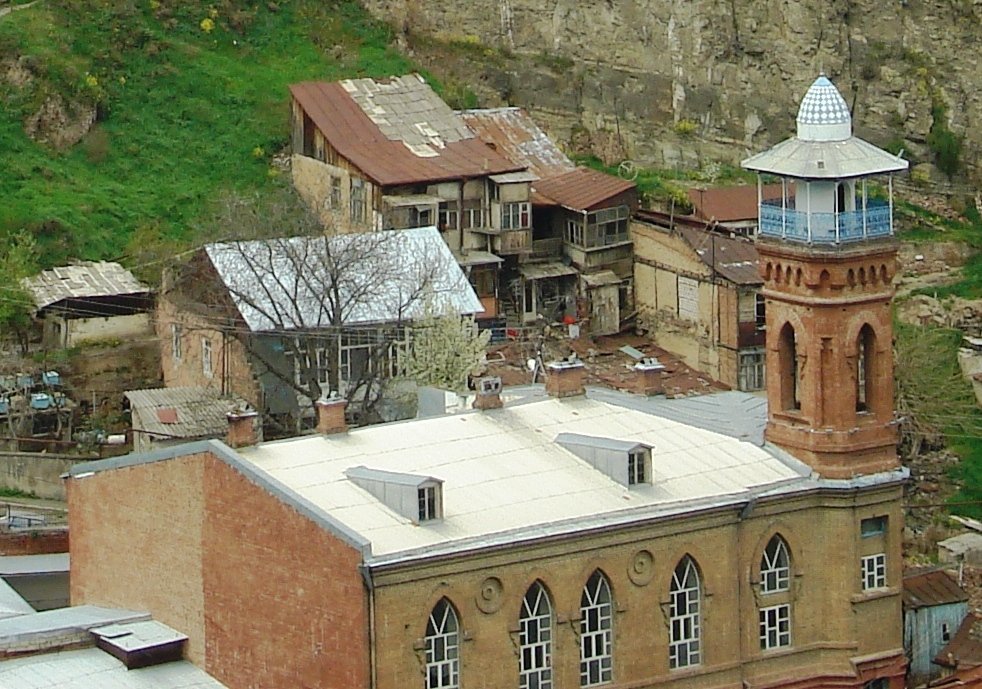
Panoramic view of Narikala fortress, St. Nicholas Church, and the Tbilisi Mosque with the cityscape of Tbilisi, the capital of Georgia, in the background.
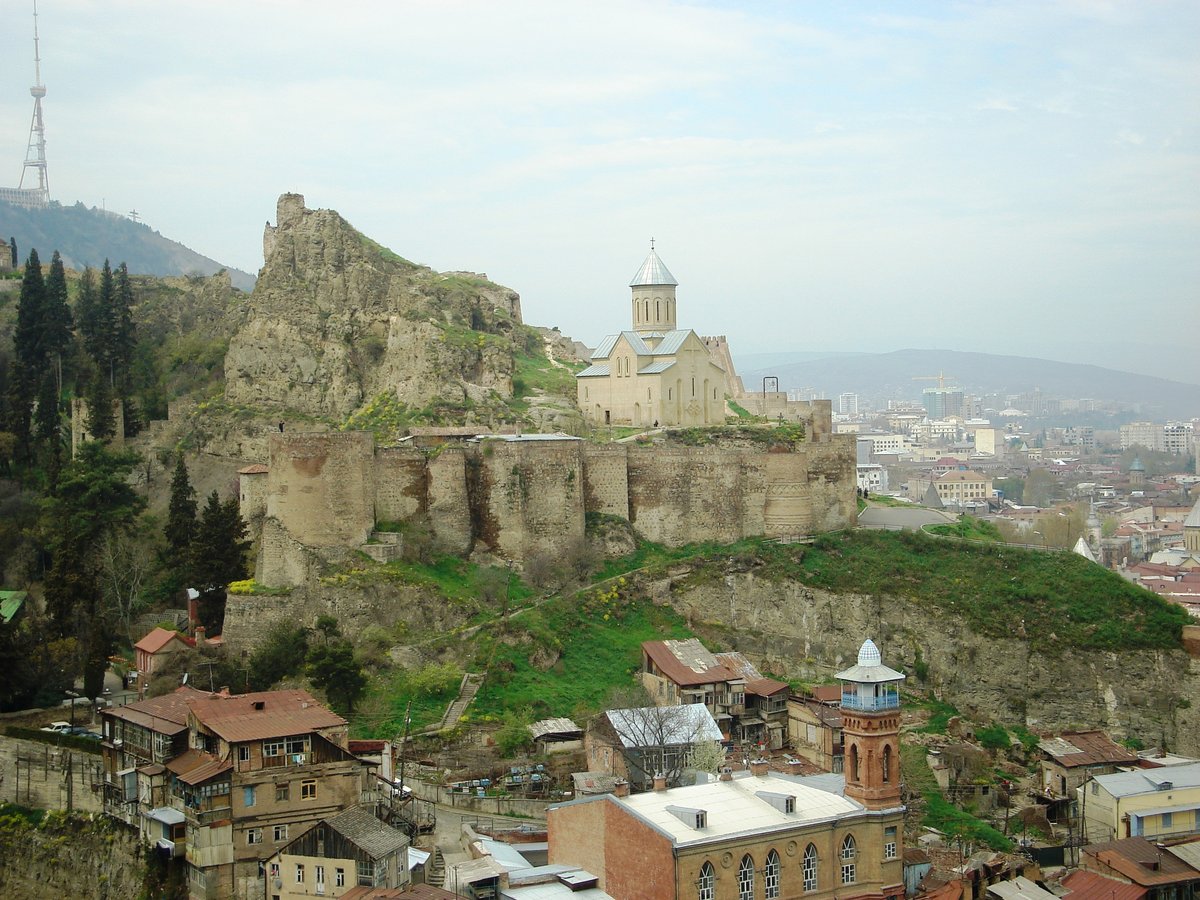
View of Narikala fortress, St. Nicholas Church, and Tbilisi Mosque in the city of Tbilisi, the capital of Georgia.
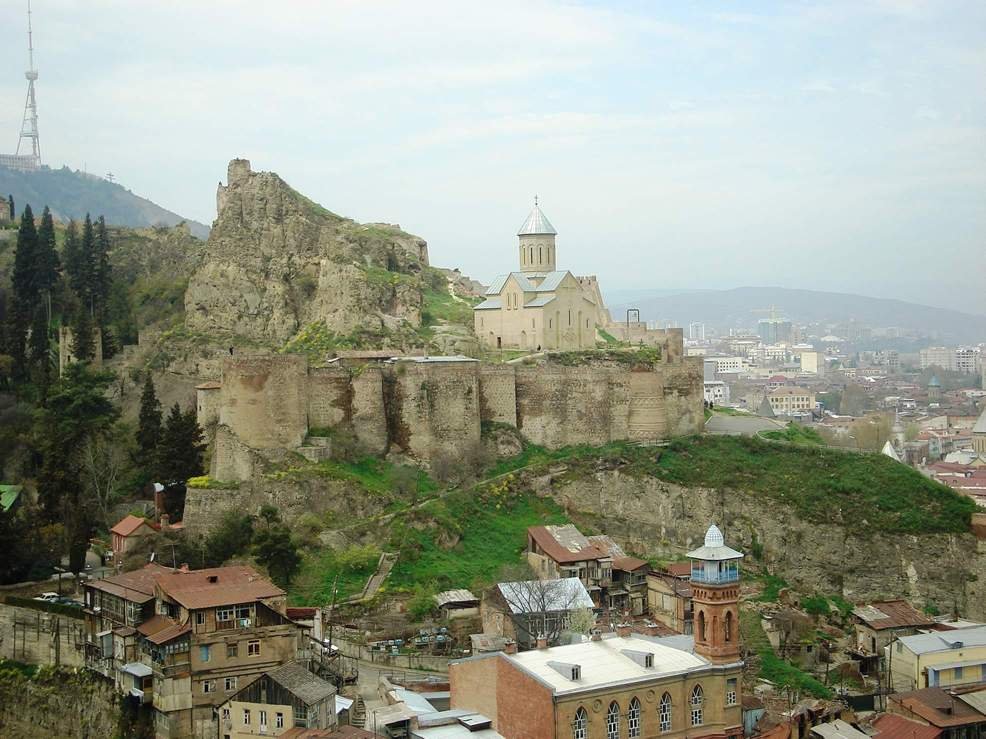
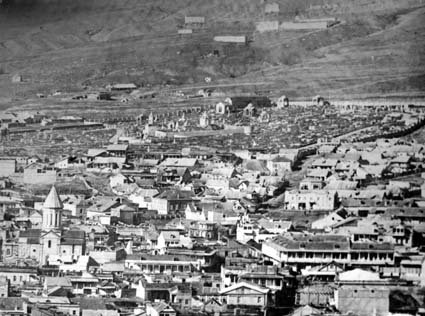
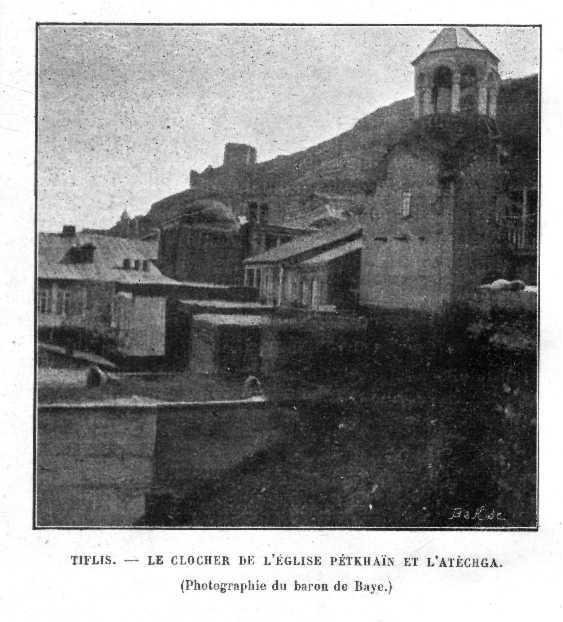
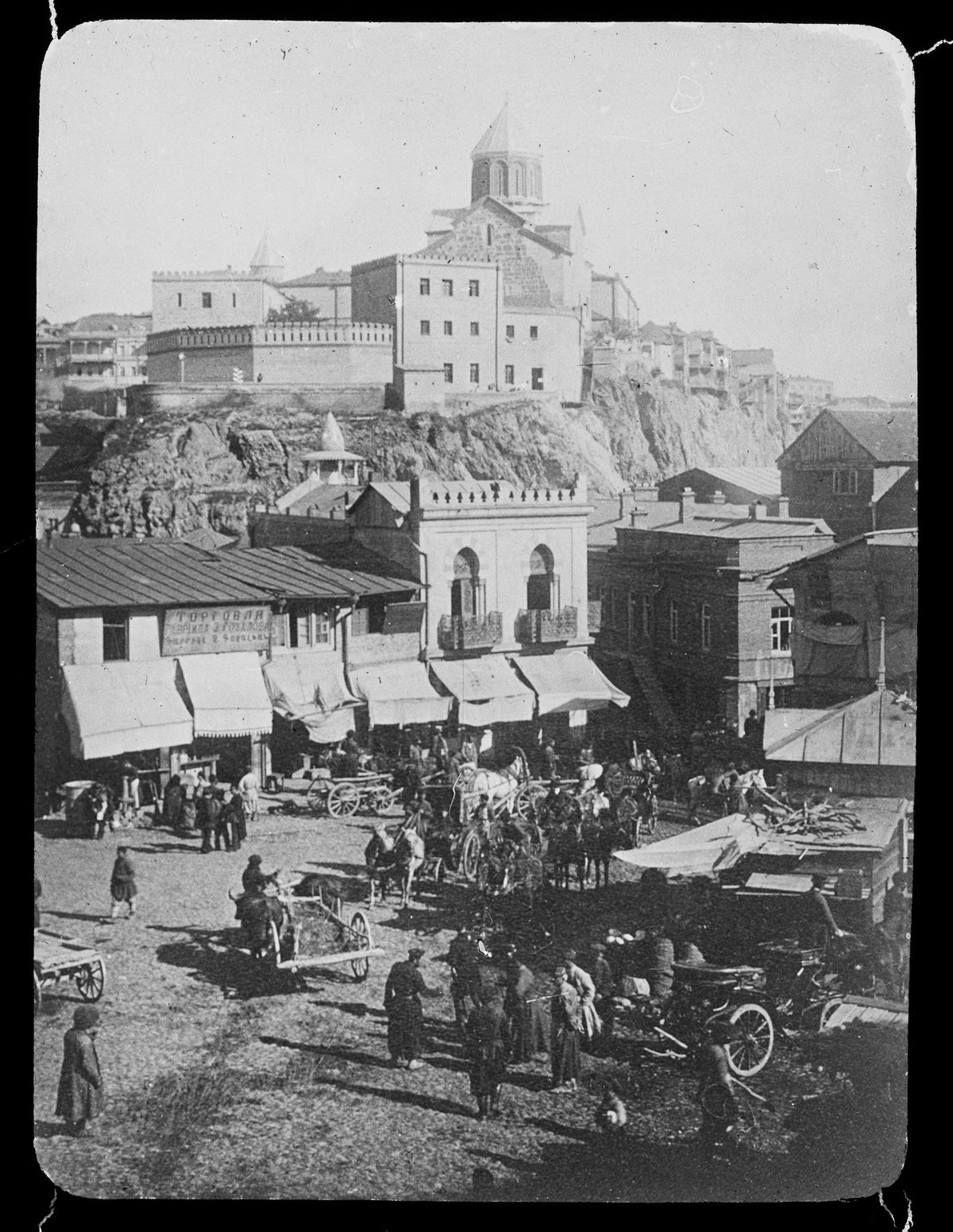
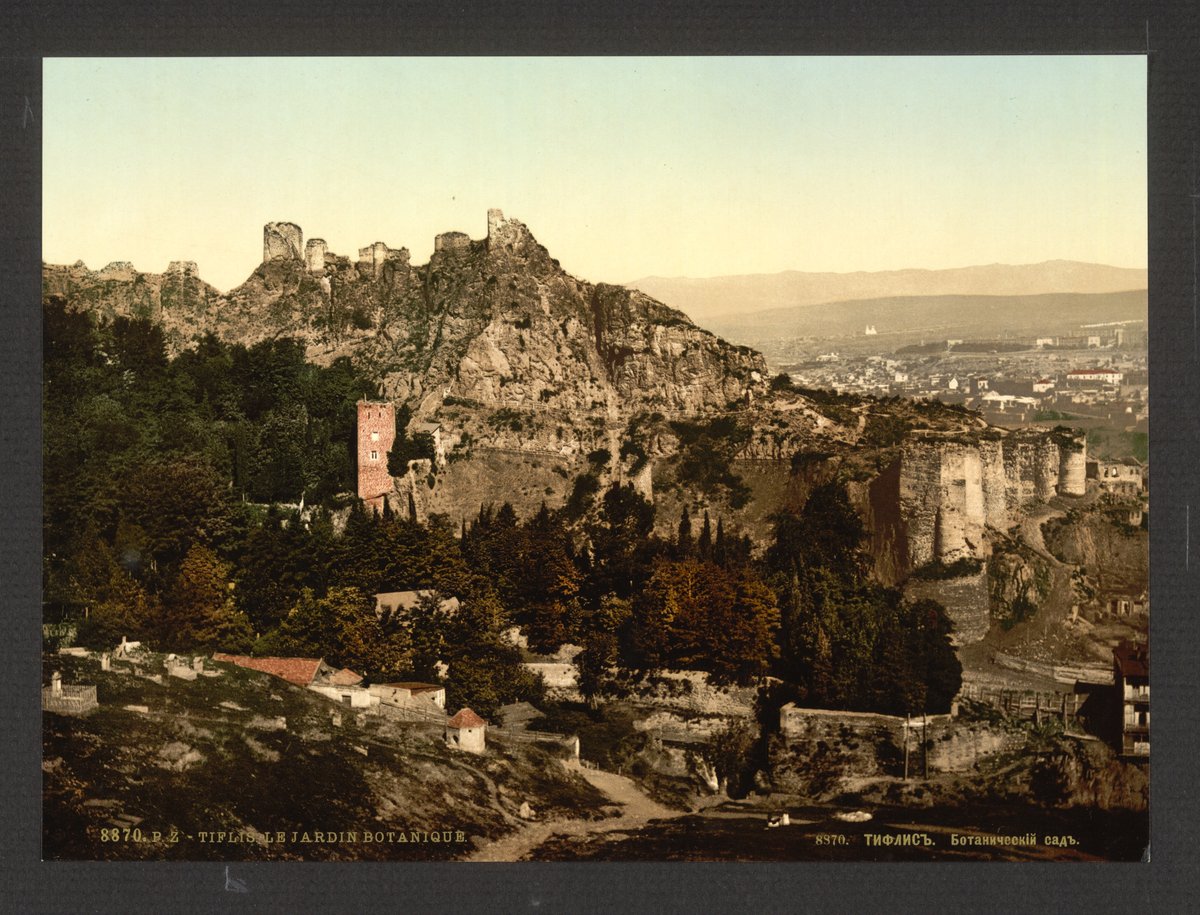
Historical view of Old Tbilisi featuring Narikala fortress and St Nicholas church with Tbilisi mosque situated at the foothills.
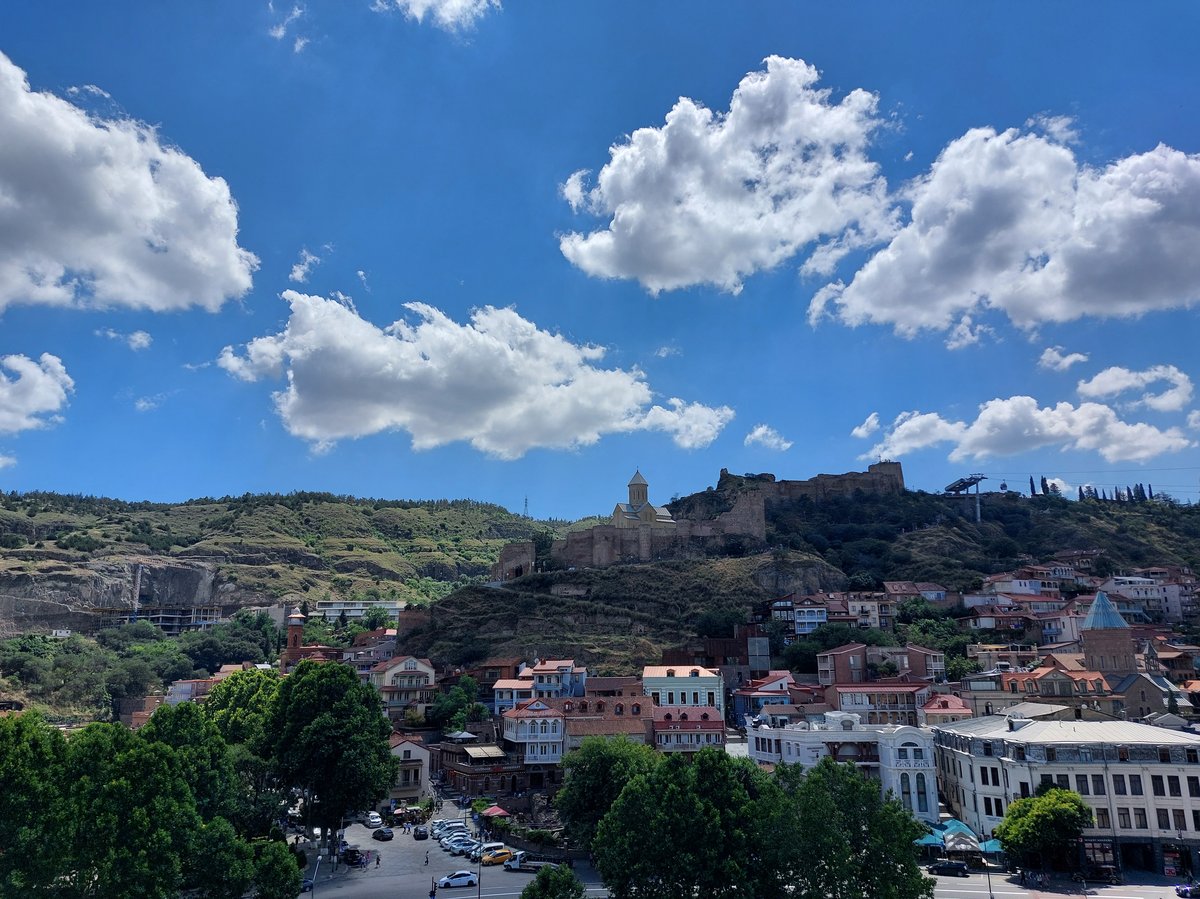
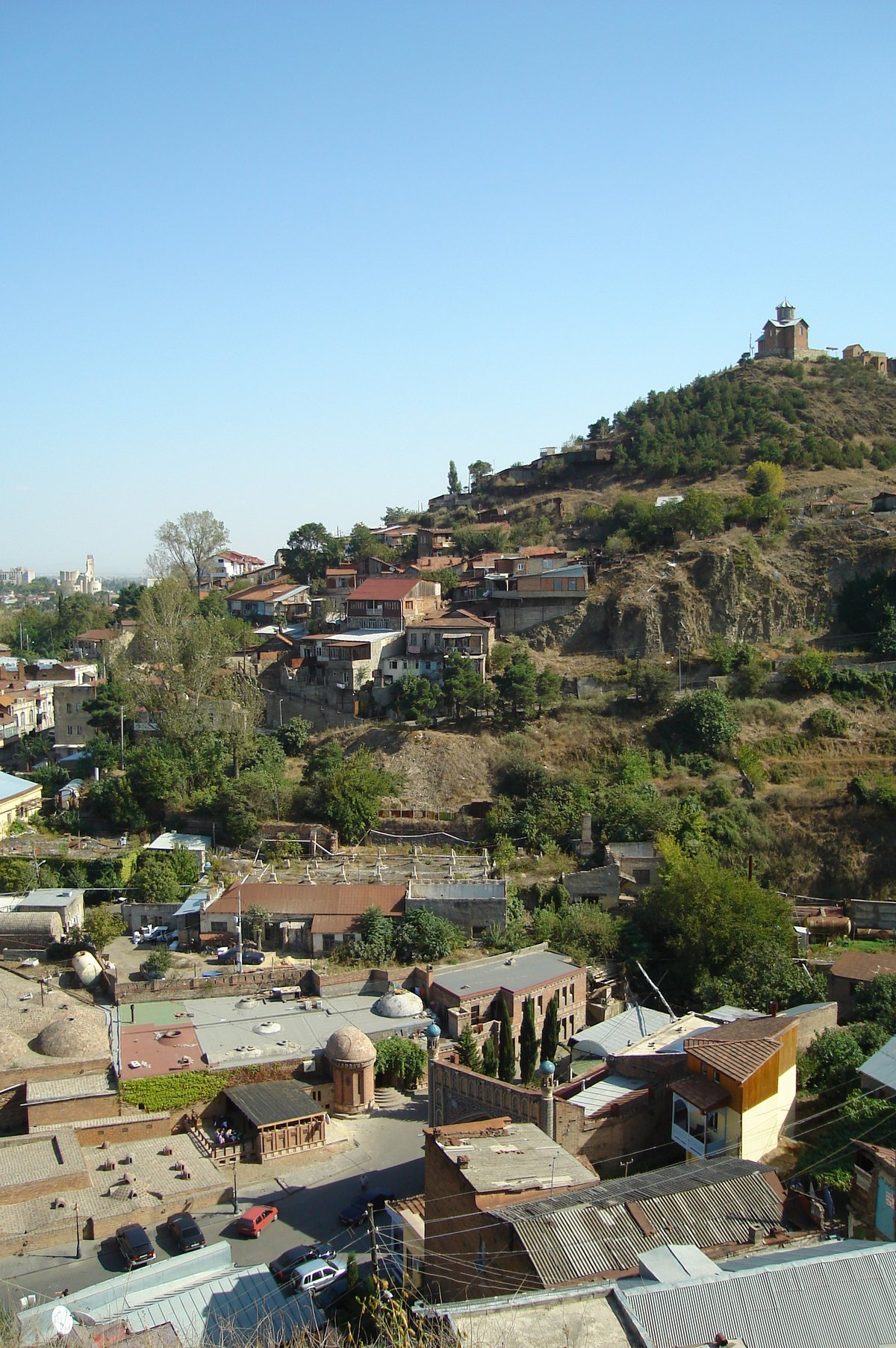
Scenic view of Old Tbilisi, the historical center of Georgia's capital, showcasing traditional buildings and rooftops as seen from Metekhi church in July 2023
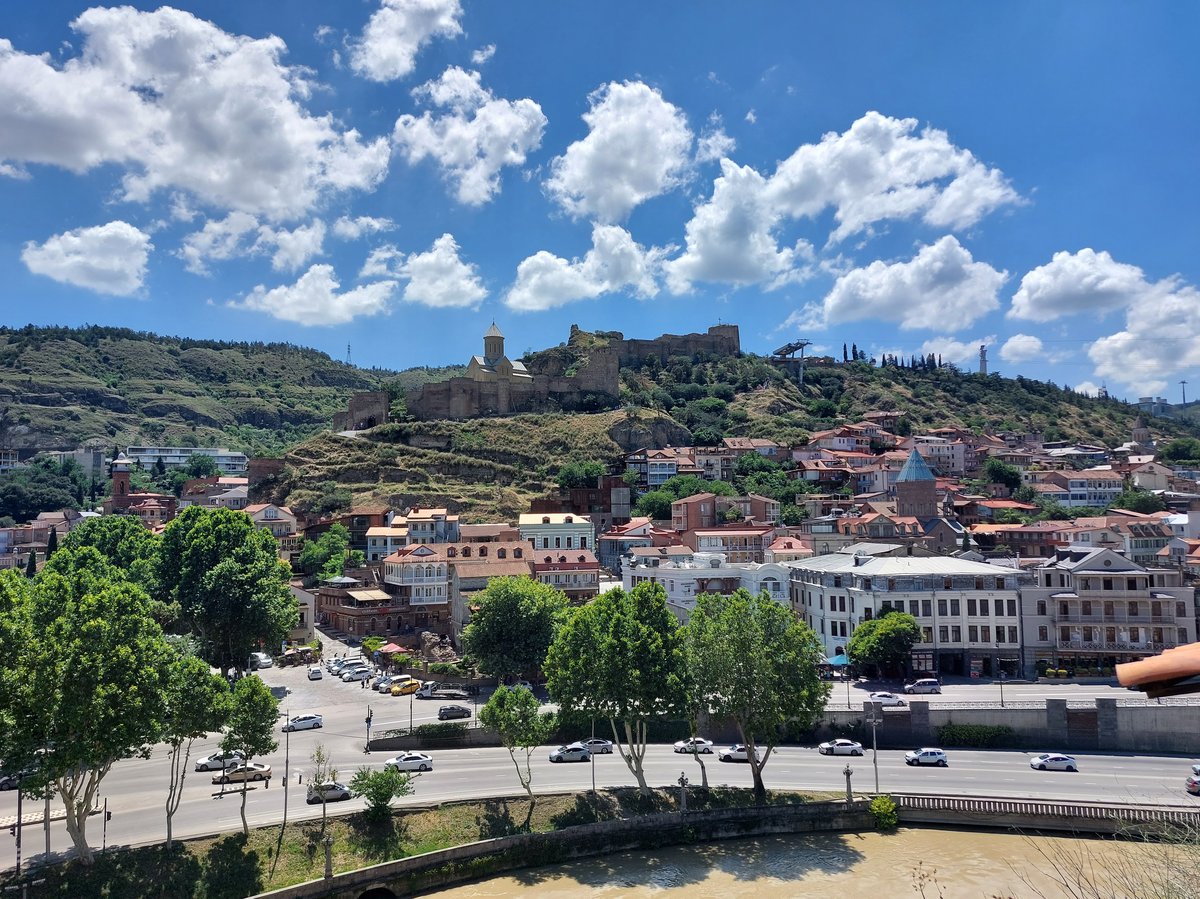
Scenic view of Old Tbilisi showing the intersection of Vakhtang Gorgasali and Abano Streets, with the historic Narikala fortress overlooking the area.
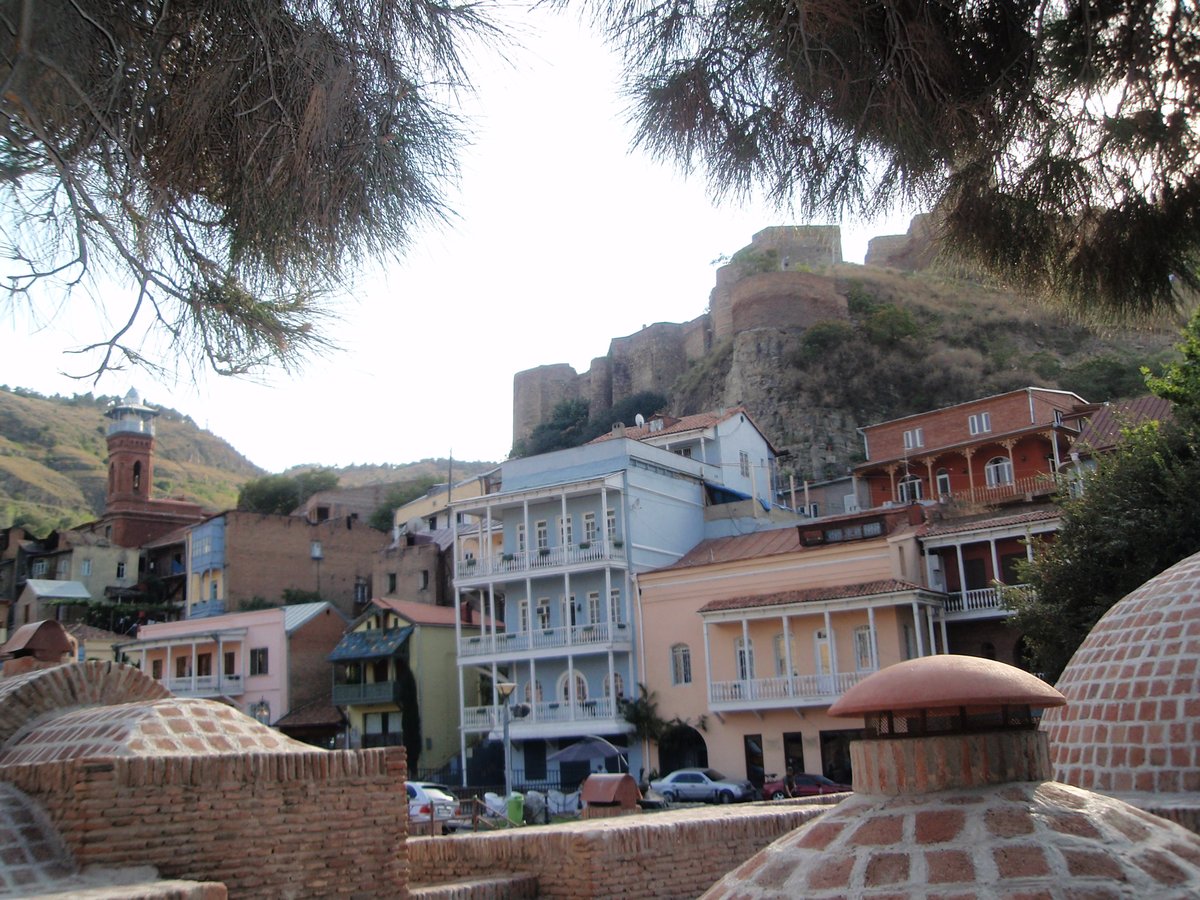
Scenic view of Sulphur Baths District and historic Narikala Fortress in Tbilisi, Georgia showcasing cultural and architectural landmarks.
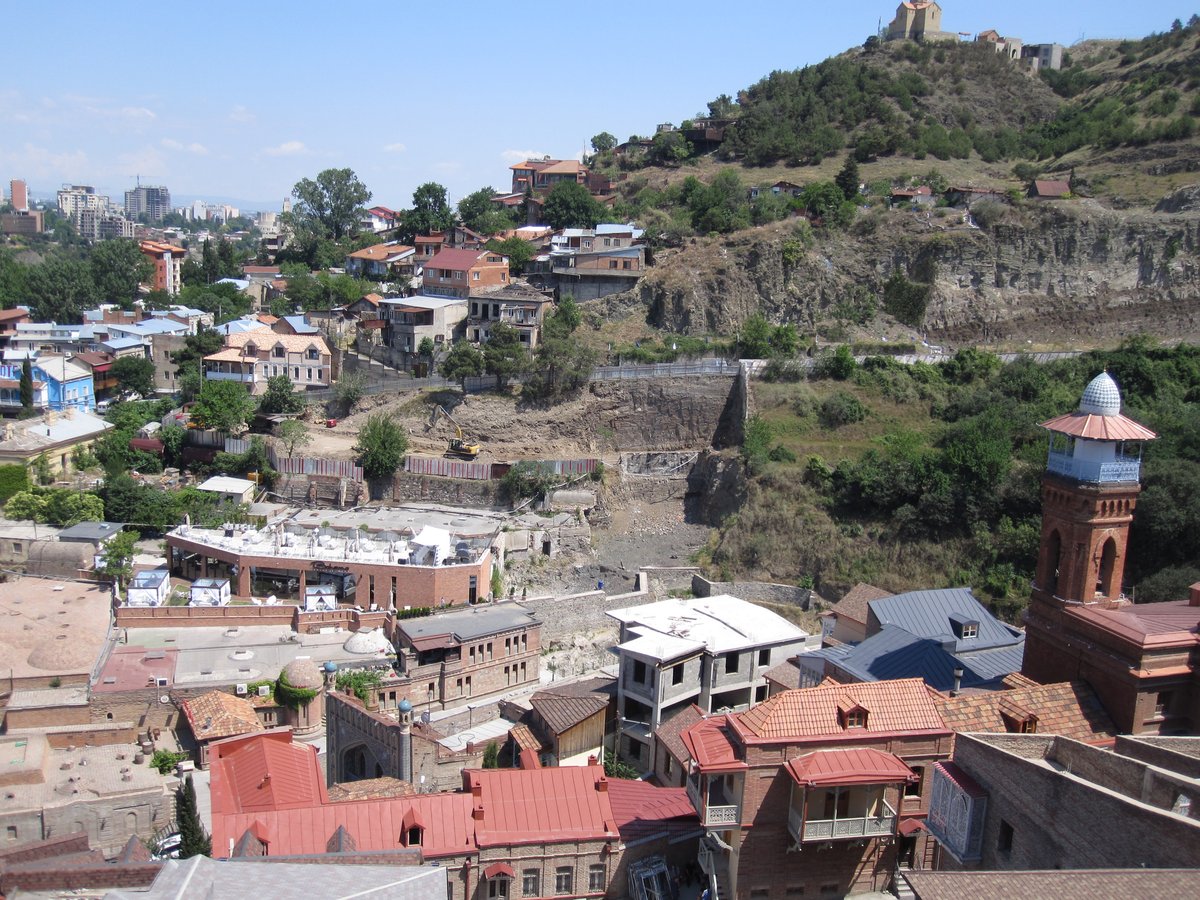
A panoramic view of the Azeri quarter in Tbilisi, Georgia, featuring traditional buildings and the distinctive minaret of the Tbilisi Mosque on the right side.
Early Islamic Presence in Tbilisi
The history of Islam in Tbilisi dates back to the Arab conquest in the 7th century, introducing a Muslim community that became an integral part of the city’s social and cultural fabric over subsequent centuries (georgiantouristservice.ge). Throughout the Middle Ages, mosques emerged alongside churches and synagogues, reflecting Tbilisi’s longstanding tradition of religious pluralism.
Historical Evolution of the Mosque
Medieval and Early Modern Periods
-
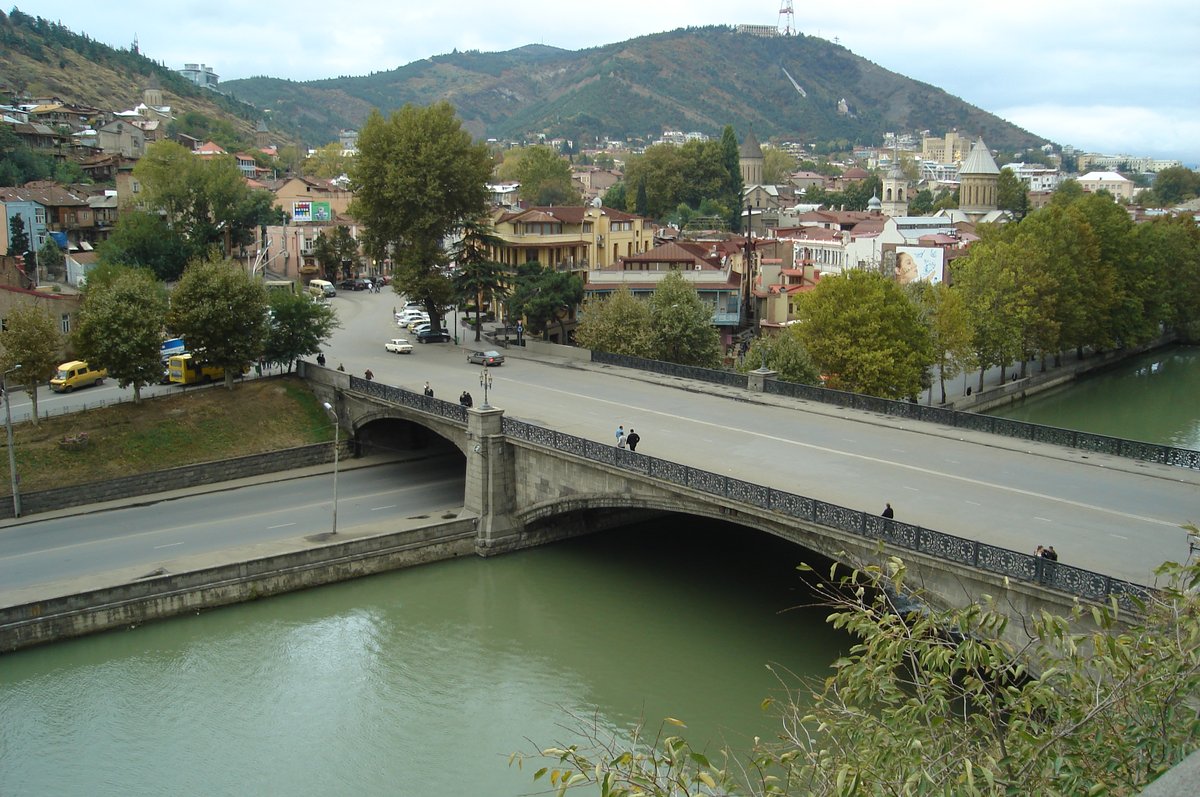
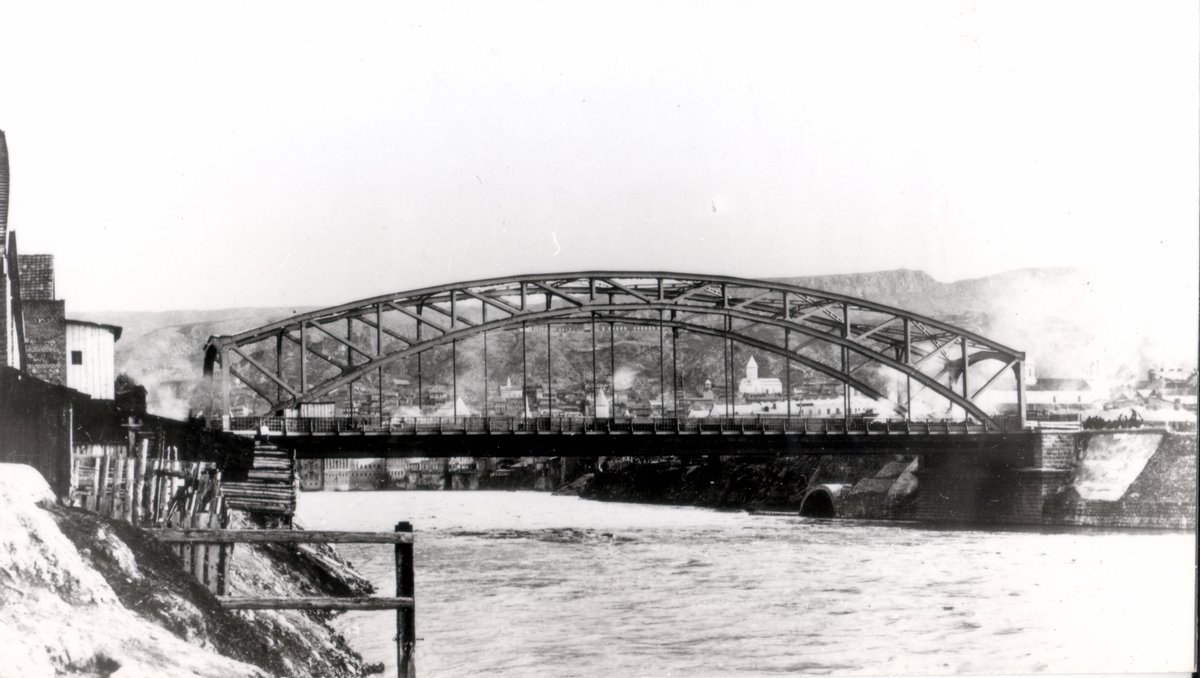
Shiite Mosque (1522–1524): Built by Shah Ismail I of Iran near the Mtkvari River, this mosque served Tbilisi’s Shiite community for centuries (georgia.travel). It was demolished in 1950 during the construction of the Metekhi Bridge, representing one of many cycles of destruction and renewal that have marked Islamic architecture in the city.
-
Ottoman Sunni Mosque (1723–1735): The Ottomans constructed a Sunni mosque at the foot of Narikala Fortress during their brief rule. This mosque was later destroyed by the Persians in the 1740s, reflecting the region’s turbulent history (georgiantravelguide.com).
19th-Century Reconstruction
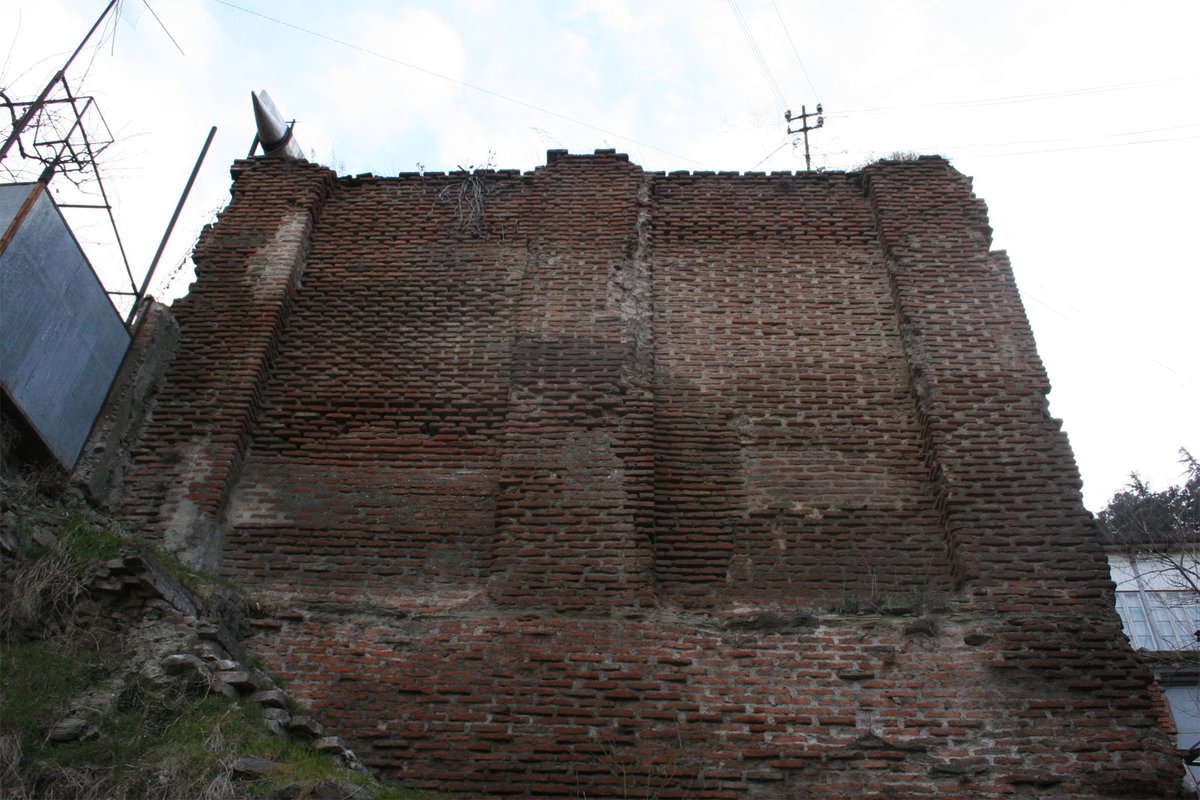
The current Juma Mosque’s origins trace to a restoration project (1846–1851) led by Italian architect Giovanni Scudieri. In 1895, philanthropist Hajji Zeynalabdin Tagiyev financed a major renovation, particularly of the mosque’s eastern section, ensuring its survival as a central place of worship (georgiantouristservice.ge). The mosque’s iconic red-brick façade, octagonal minaret, and blend of neo-Gothic and Islamic elements emerged from this period (travejar.com).
Architectural Features and Restoration
-
Exterior: The mosque’s red-brick façade is punctuated by arched windows and intricate mosaic work, distinguishing it from typical white or stone mosques (Advantour). The eight-sided minaret, rebuilt in the early 20th century, is a striking feature visible across Old Tbilisi (Atlas Obscura).
-
Interior: The prayer hall is spacious and serene, adorned with geometric and floral motifs in soft blues and golds. Calligraphic inscriptions of Quranic verses decorate the walls, while wooden elements such as the minbar and window frames display both Islamic and Georgian craftsmanship (Islamic Arts Magazine).
-
Restoration: Recent conservation efforts, supported by local and international stakeholders, have focused on maintaining the mosque’s structural and aesthetic integrity (UNESCO). Earthquake-resistant features were added, and periodic repairs preserve both the brickwork and interior artistry.
Sunni-Shia Coexistence and Cultural Significance
The Juma Mosque is internationally renowned as a rare site where Sunni and Shia Muslims worship side by side without interruption for over 150 years (georgia.to). Originally, a black curtain divided the prayer space, but that barrier was removed, symbolizing unity and tolerance. This ethos of inclusivity has made the mosque a beacon of religious harmony in Georgia and beyond (georgia.travel, bbc.com).
The mosque also serves as a hub for the city’s 50,000–60,000 Muslims, offering religious education, social programs, and interfaith dialogue (pewresearch.org, peaceinsight.org).
Visiting Hours, Tickets, and Etiquette
Hours and Admission
- Opening Hours: Generally open daily from 8:00/9:00 AM to 6:00/7:00 PM. It is best to avoid Friday prayers and major Islamic holidays for a quieter experience (Triphobo).
- Entry Fee: Admission is free; donations are welcomed.
Dress Code and Conduct
- Attire: Modest clothing is required. Men should wear long pants and sleeves; women should cover their hair, arms, and legs. Scarves are often available at the entrance (ivertubani.com).
- Etiquette: Remove shoes before entering the prayer hall. Maintain silence and refrain from eating or drinking inside. Always ask permission before photographing people (bluemosque.net).
- Gender Segregation: Separate prayer areas for men and women are observed.
Accessibility and Getting There
- Location: Centrally positioned in Old Tbilisi, near the Narikala Fortress and sulfur baths (Advantour).
- Transport: Accessible on foot from most Old Town attractions, or by taxi and public transit. The approach involves cobblestone streets and a mild incline.
- Wheelchair Access: The main prayer hall is accessible, but the minaret and some upper levels are not.
Nearby Attractions
- Sulfur Baths: Discover traditional Georgian spa culture nearby.
- Narikala Fortress: Offers panoramic city views and centuries of history.
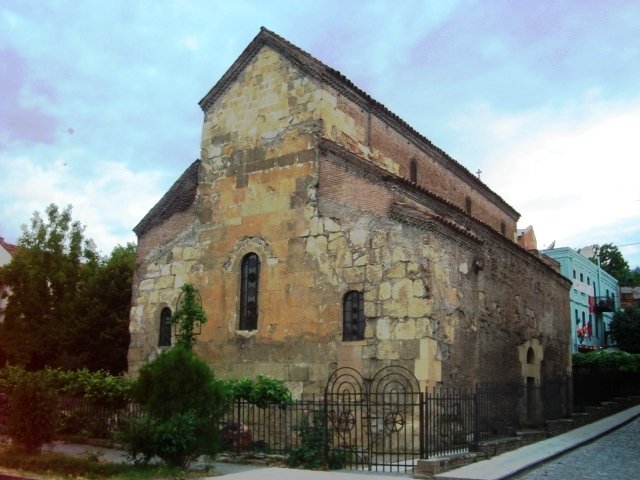
- Anchiskhati Basilica: The oldest surviving church in Tbilisi.
- Old Town Streets: Explore synagogues, Catholic and Armenian churches, and lively local markets (Madloba).
Frequently Asked Questions (FAQ)
Q: What are the Juma Mosque visiting hours?
A: Generally 8:00/9:00 AM to 6:00/7:00 PM daily; check ahead for special closures.
Q: Is there an entrance fee?
A: No, entry is free; donations are appreciated.
Q: Are non-Muslim visitors welcome?
A: Yes, people of all backgrounds are invited.
Q: Is photography allowed?
A: Yes, but seek permission before photographing worshippers or inside the prayer hall.
Q: Are guided tours available?
A: Occasionally, through local tour operators or by arrangement with mosque staff.
Q: Is the mosque wheelchair accessible?
A: The main prayer hall is accessible, but the minaret and some upper areas are not.
Visuals and Multimedia Suggestions
- Images: Feature the mosque’s red-brick façade, octagonal minaret, and interior prayer hall with descriptive alt text like "Juma Mosque Tbilisi historical site exterior."
- Interactive Map: Embed a map showing the mosque’s location and nearby attractions.
- Virtual Tour: Provide links to virtual walkthroughs or video guides for remote visitors.
Internal Links
Listen to the full story in the app
Your Personal Curator, in Your Pocket.
Audio guides for 1,100+ cities across 96 countries. History, stories, and local insight — offline ready.
Audiala App
Available on iOS & Android
Join 50k+ Curators
Sources
- verified
- verified
- verified
- verified
- verified
- verified
- verified
- verified
- verified
- verified
Last reviewed: