Introduction to Gudiashvili Square and Its Significance
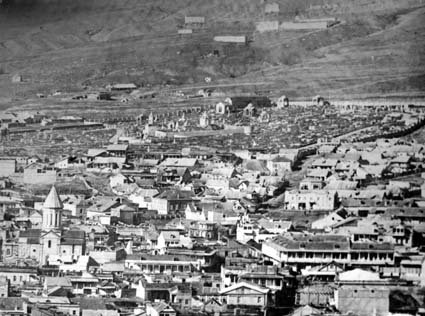
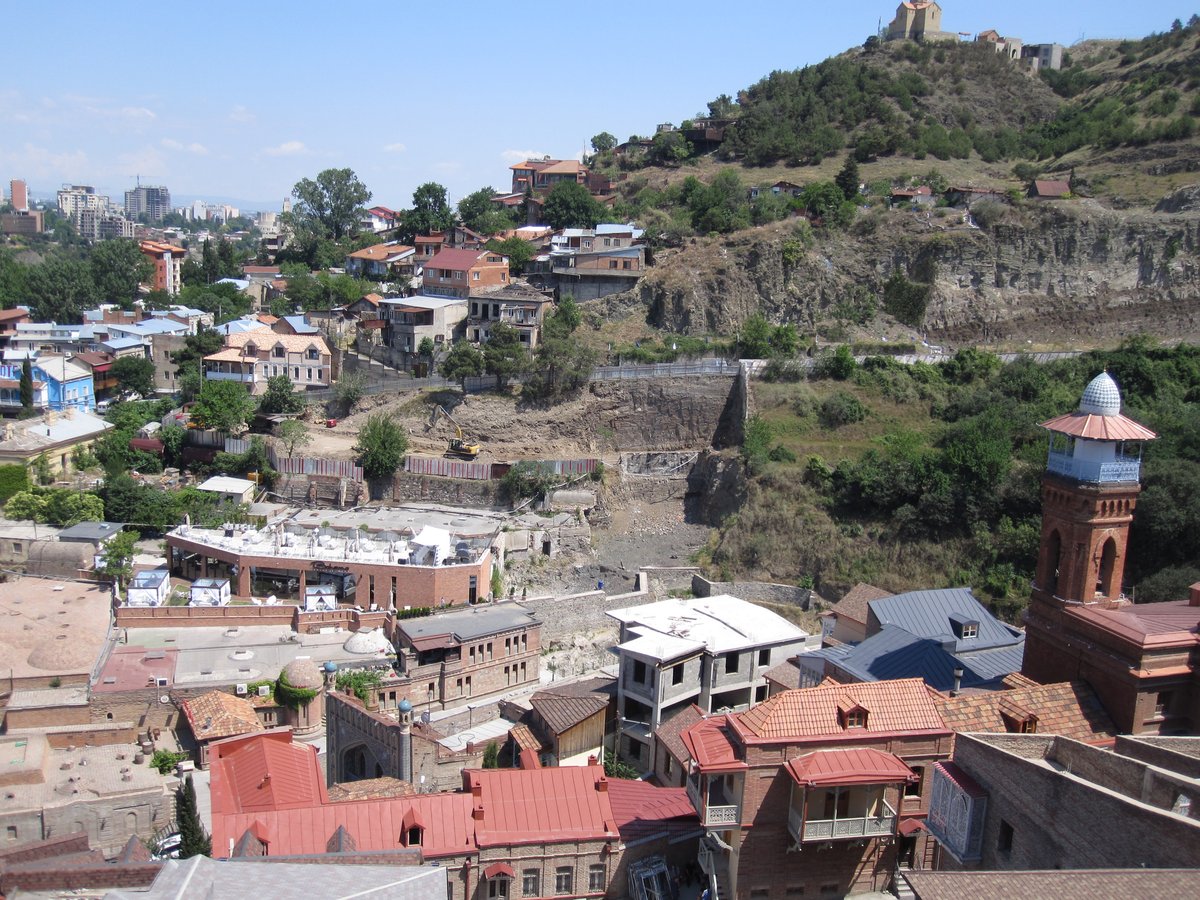
Gudiashvili Square, nestled in the historic Sololaki district of Tbilisi, Georgia, stands as one of the city’s most enchanting and culturally rich public spaces. This square is a living testament to Tbilisi’s layered history, reflecting centuries of architectural evolution, imperial influence, and vibrant artistic life. Originally known as “Bezhan’s Garden” and later “Mognisi,” Gudiashvili Square’s strategic location at the intersection of several historic streets has made it a focal point in Old Tbilisi’s urban fabric. The area’s architectural and cultural development mirrors the city’s transitions through Russian imperial rule, the Soviet era, and modern Georgian independence (madloba.info, tbilisilocalguide.com).
Throughout the 19th century, Gudiashvili Square flourished architecturally, exemplified by the iconic “Blue House,” which combines art-deco motifs, Russian classicism, and traditional Georgian wooden balconies (georgia.travel). The square evolved into a cultural hub in the 20th century, hosting the Georgian Writers’ Union and attracting artists and intellectuals. It was officially named after the celebrated Georgian painter Lado Gudiashvili in 1988 (madloba.info).
Recent decades have seen thoughtful restoration and adaptive reuse aimed at preserving the square’s architectural heritage and ensuring it remains a lively urban space (tbilisiarchitecture.net, e-architect.com). Today, Gudiashvili Square is accessible 24/7 without entrance fees, surrounded by classicist stone columns, ornate balconies, and vibrant street life. Nearby landmarks such as Liberty Square and the Armenian Church of the Virgin Mary enrich the visitor experience (georgia.to).
This guide explores Gudiashvili Square’s multifaceted history, architectural significance, visitor information (including hours and accessibility), cultural events, and practical travel tips, providing essential insights for travelers and cultural enthusiasts (scantbilisi.ge).
Photo Gallery
Explore Gudiashvili Square, Tbilisi in Pictures
Origins and Early History
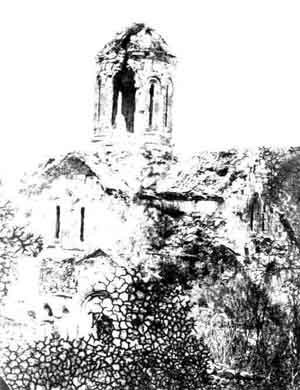
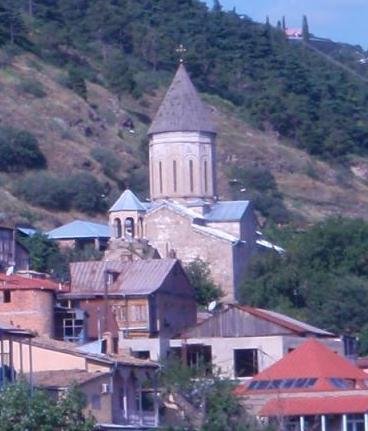
Gudiashvili Square’s roots trace back to Tbilisi’s formative centuries. Initially a lush garden space known as “Bezhan’s Garden” (madloba.info), it later adopted the name “Mognisi” after the nearby Armenian Church of the Virgin Mary. Its strategic location—at the confluence of Lermontovi, B. Akhospireli, Gia Abesadze, and Abo Tbileli streets—cemented its role as a focal point for Old Tbilisi’s urban life (tbilisilocalguide.com). The square’s layered identity is reflected in its various historical names and evolving civic functions.
19th Century: Imperial Influence and Architectural Flourishing
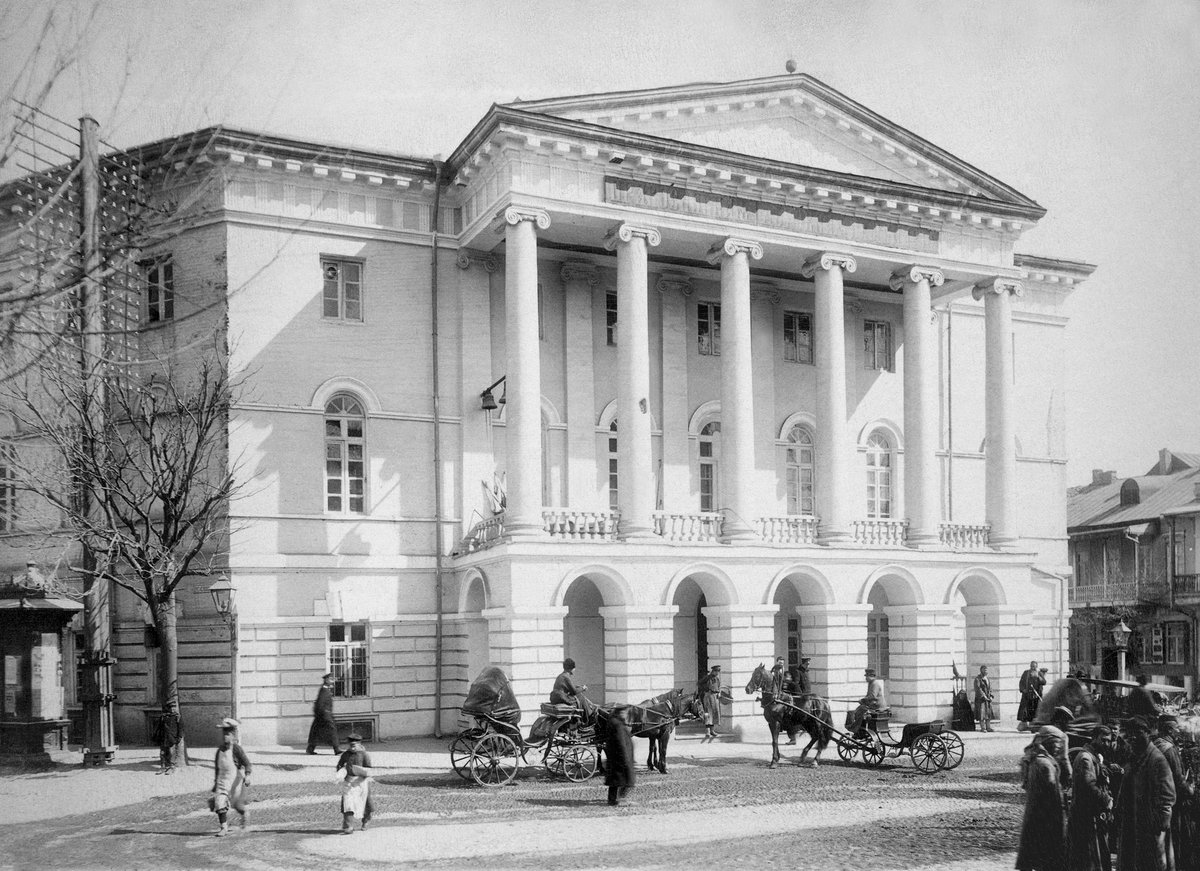
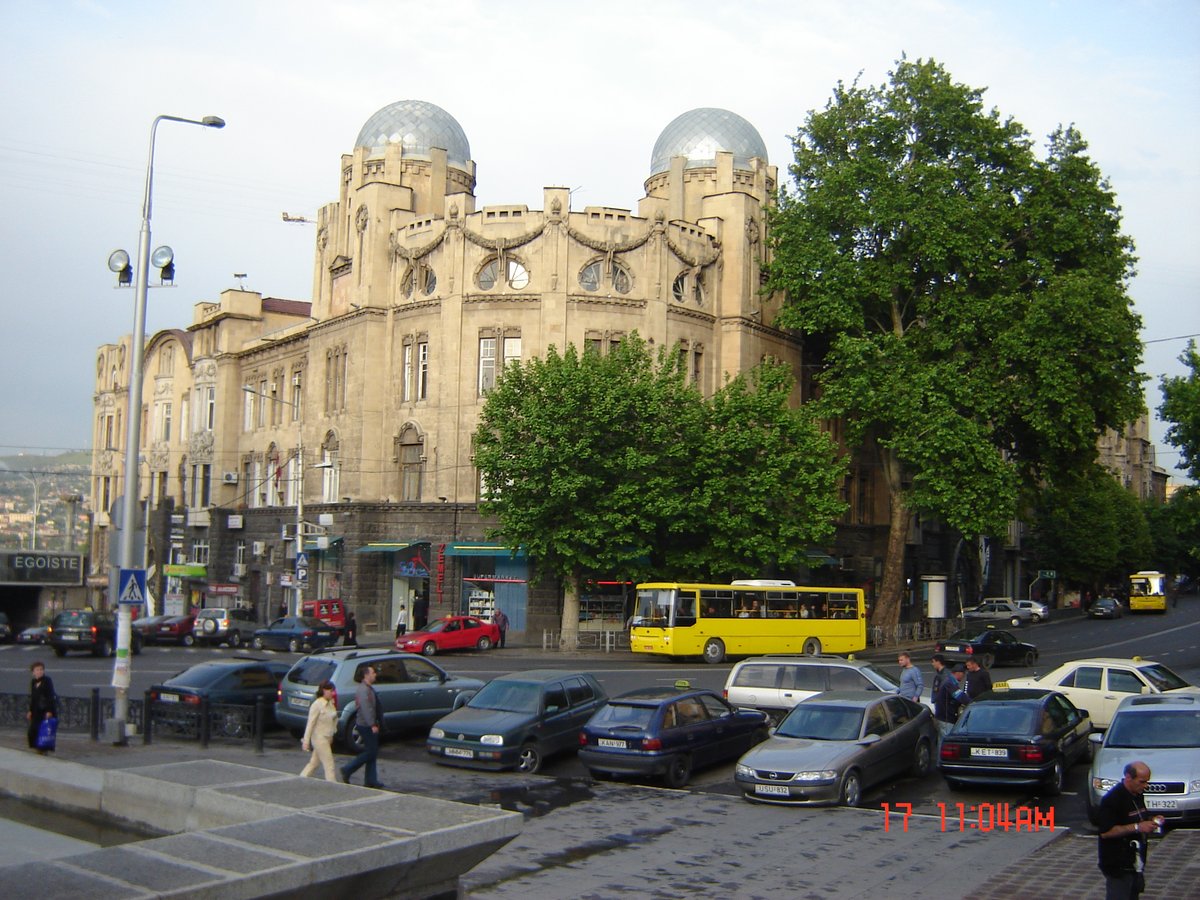
The 19th century marked Gudiashvili Square’s ascent as an administrative and architectural center during Russian imperial rule. The “Blue House,” once the headquarters of the Russian Imperial Army’s Caucasian possessions, is a landmark of this era (georgia.travel). Russian poet Mikhail Lermontov’s 1838 stay is commemorated locally, with a nearby street named in his honor (madloba.info). The Blue House’s design—melding art-deco, Russian classicism, and Georgian balconies—epitomizes Tbilisi’s cosmopolitan spirit and architectural diversity.
20th Century: Cultural Renaissance and Soviet Transformations
In the 20th century, the square became a hub for Georgia’s creative elite. The “Blue House” hosted the editorial office of “Literary Georgia” and the Georgian Writers’ Union from 1931 onward (georgia.travel). The square’s dedication to Lado Gudiashvili in 1988 reflects the neighborhood’s bohemian and avant-garde legacy. The presence of artists, writers, and musicians contributed to the square’s enduring cultural significance (tbilisilocalguide.com).
Architectural Features and Preservation
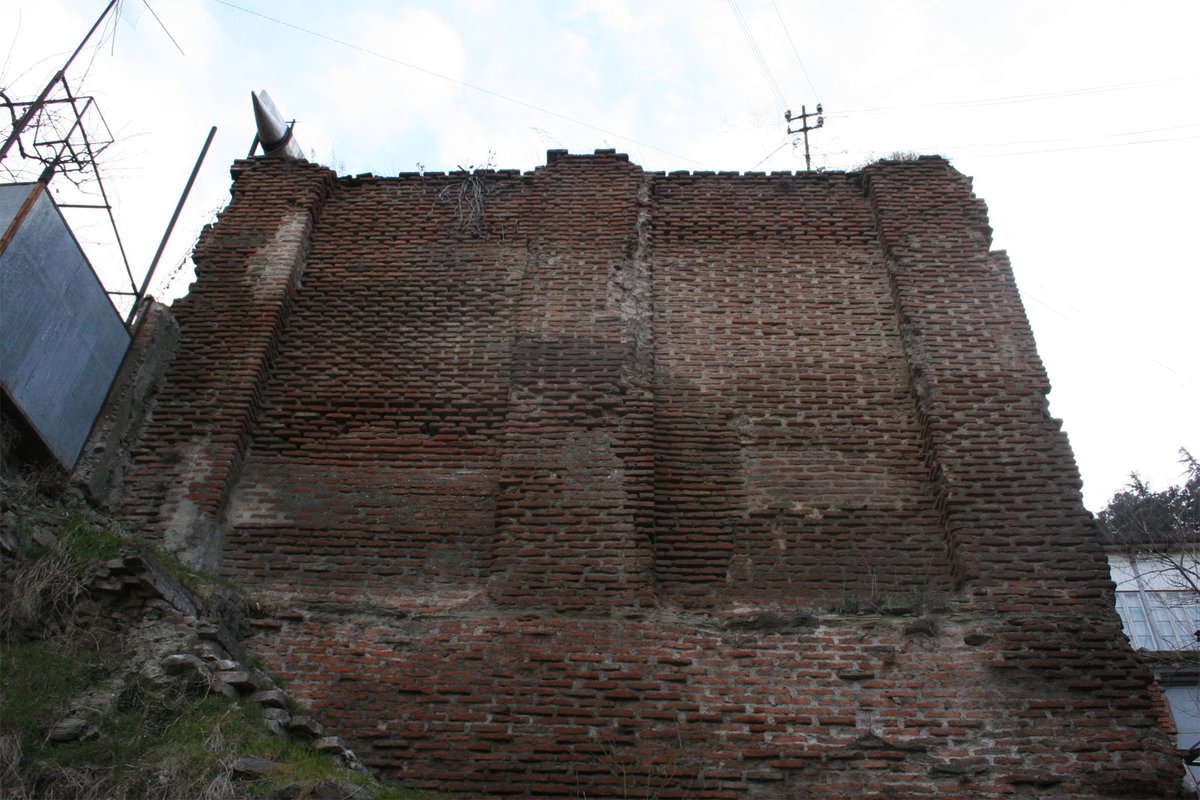
Gudiashvili Square is renowned for its architectural diversity, representing classicist, traditional Georgian, and eclectic styles. Eleven buildings frame the square, nine of which are protected as historical heritage sites (madloba.info). Signature elements include ornate wooden balconies (musharabi or mashrabye), classicist stone columns, and intricate facades. The Blue House remains a focal point, with stained glass and a secluded courtyard. Beneath it lie vaulted brick cellars that connect the present to Tbilisi’s deeper past (scantbilisi.ge).
Restoration efforts in the early 2020s, including an international competition by Zechner & Zechner, aimed to revitalize the square while preserving its historical integrity (e-architect.com). The redevelopment strategy emphasized restoration of listed buildings and sensitive construction of new structures that echo the square’s traditional proportions and decorative motifs.
Visiting Gudiashvili Square: Hours, Tickets, and Accessibility
- Hours: Gudiashvili Square is an open public space, accessible 24/7.
- Entry Fee: No tickets or entrance fees are required.
- Accessibility: The square features pedestrian-friendly, paved paths; however, some historic buildings and courtyards may present challenges for those with mobility impairments due to uneven surfaces.
- Guided Tours: Several local operators offer guided walking tours focusing on the square’s history, architecture, and cultural significance. Check with local providers or major tour platforms for schedules.
Nearby Attractions and Practical Tips
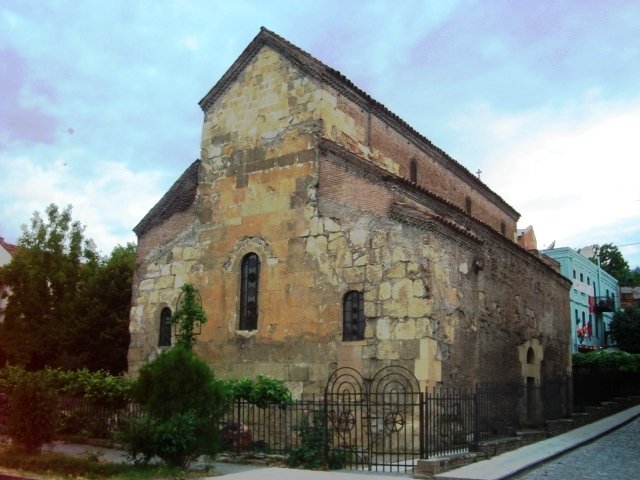
- Landmarks: Liberty Square, Narikala Fortress, the Armenian Church of the Virgin Mary, Anchiskhati Basilica, and the sulfur baths of Abanotubani are all within walking distance.
- Dining: The square is surrounded by cozy cafes and restaurants—such as Pur Pur—offering Georgian-European fusion cuisine and traditional favorites like khinkali and khachapuri.
- Photography: Early morning and late afternoon provide ideal lighting for capturing the square’s architectural details and vibrant atmosphere.
- Transport: The square is best reached on foot from Liberty Square or via public transport (metro and bus). Parking is limited.
- Safety and Cleanliness: The area is well-maintained and safe at all hours. Public restrooms are limited; use facilities in nearby cafes.
Cultural and Artistic Life
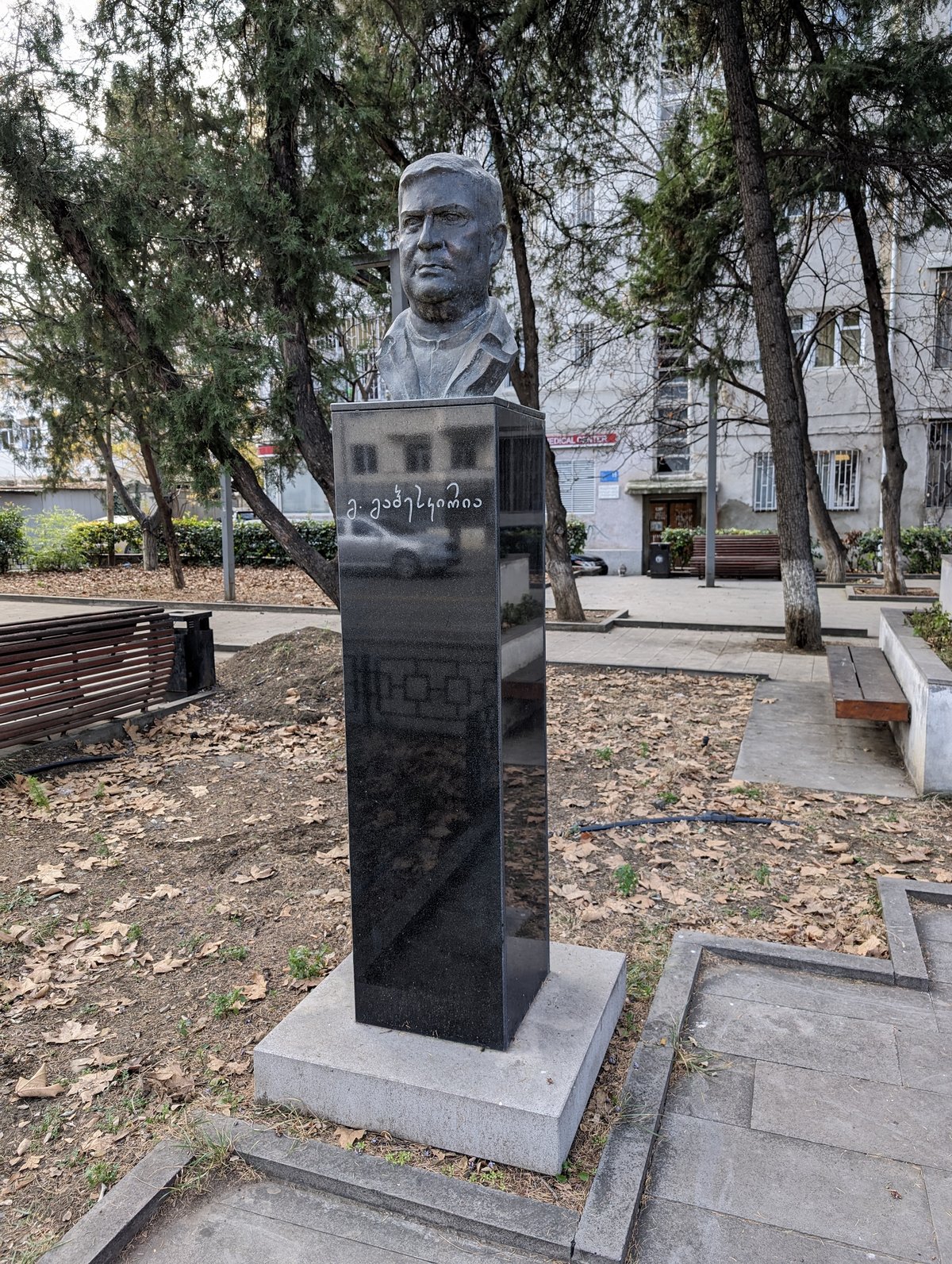
Gudiashvili Square remains a vibrant venue for cultural events, open-air exhibitions, and performances, especially in warmer months (evendo.com). Local artisans frequently display crafts, offering authentic souvenirs. The monument to Lado Gudiashvili and the “lovers’ fountain” at the square’s center underscore its artistic and romantic ambiance.
Redevelopment, Conservation, and Urban Ecology
Controversial Redevelopment and Restoration
City-led investment and restoration initiatives in the 2010s sparked debate over the balance between authentic conservation and redevelopment (openDemocracy). Some historic buildings were demolished and replaced with replicas or new designs, prompting criticism from conservationists and local NGOs. The demolition of the Blue House and subsequent restoration methods became focal points of public protest and activism.
Rehabilitation and Urban Greening
Recent rehabilitation plans focused on architectural and ecological renewal, including pedestrianizing the square, restoring facades, and introducing a fragment of Georgian forest to increase biodiversity (Ruderal Substack). Despite improvements, concerns over vacant buildings and gentrification persist.
Policy Critique and Heritage Management
The challenges at Gudiashvili Square reflect broader issues in Tbilisi’s heritage management. Critics argue that redevelopment often prioritizes commercial interests over authentic restoration and community needs, risking the loss of historic character (openDemocracy). Grassroots activism and increased engagement between officials and citizens are essential for preserving the square’s unique identity.
Frequently Asked Questions (FAQ)
Q: Is there an entrance fee to visit Gudiashvili Square?
A: No, the square is free and open 24/7.
Q: What are the best times to visit?
A: Early mornings and late afternoons offer the best lighting and fewer crowds.
Q: Are guided tours available?
A: Yes, several local operators offer guided tours of Gudiashvili Square and Old Tbilisi.
Q: Is the square wheelchair accessible?
A: The main paths are accessible, but some cobblestone surfaces and historic structures may be challenging.
Q: What other attractions are nearby?
A: Liberty Square, Narikala Fortress, Anchiskhati Basilica, and Abanotubani sulfur baths are all close.
Listen to the full story in the app
Your Personal Curator, in Your Pocket.
Audio guides for 1,100+ cities across 96 countries. History, stories, and local insight — offline ready.
Audiala App
Available on iOS & Android
Join 50k+ Curators
Sources
- verified
- verified
- verified
- verified
- verified
- verified
Last reviewed: