Introduction
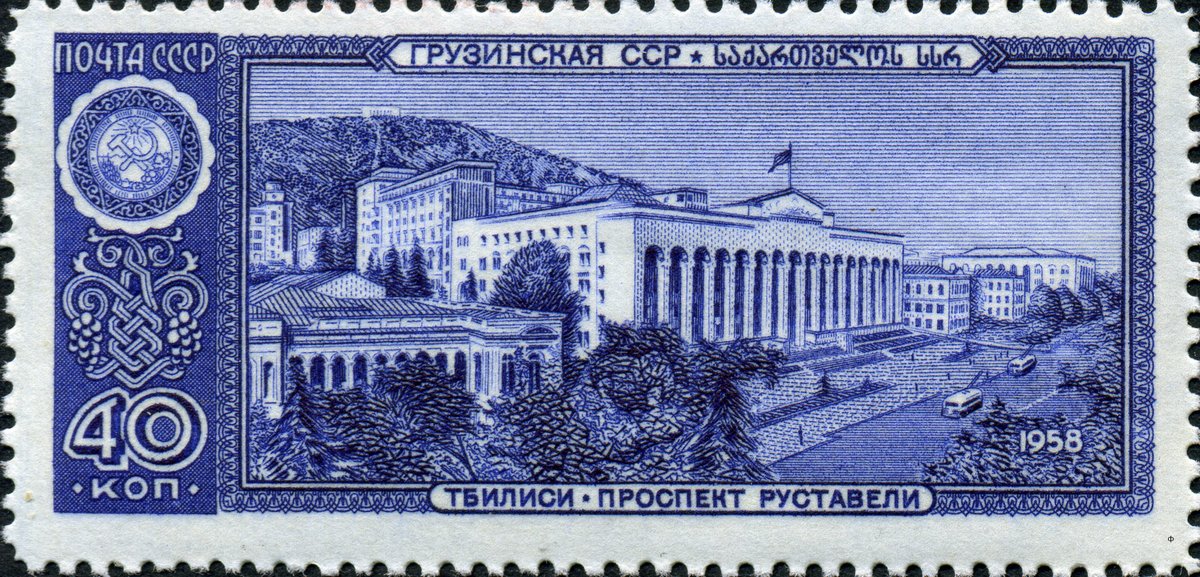
The Georgian Parliament Building, located in the heart of Tbilisi on Rustaveli Avenue, is a monumental symbol of Georgia’s historical resilience, political transformation, and national identity. Its architecture, rooted in Soviet-era monumentalism yet adorned with traditional Georgian motifs, stands as a testament to the country’s journey from imperial subjugation through Soviet governance to contemporary democracy. Today, this building is not only a functioning seat of government but also a focal point for pivotal moments in Georgian history and a powerful site for civic engagement. Visitors can experience its striking exterior, explore nearby cultural landmarks, and reflect on its role in shaping Georgia’s past and present (tbilisilocalguide.com; reinisfischer.com).
This comprehensive guide provides detailed information on the Parliament Building’s origins, architectural features, historical events, visiting hours, ticketing, accessibility, and practical tips, ensuring a rewarding visit for history enthusiasts and travelers alike.
Photo Gallery
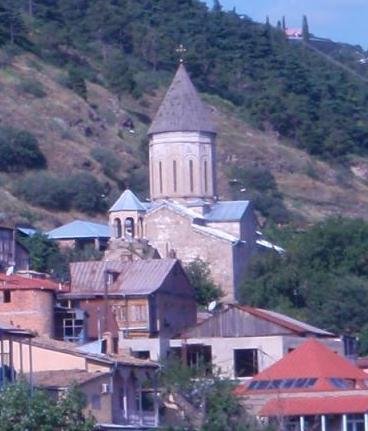
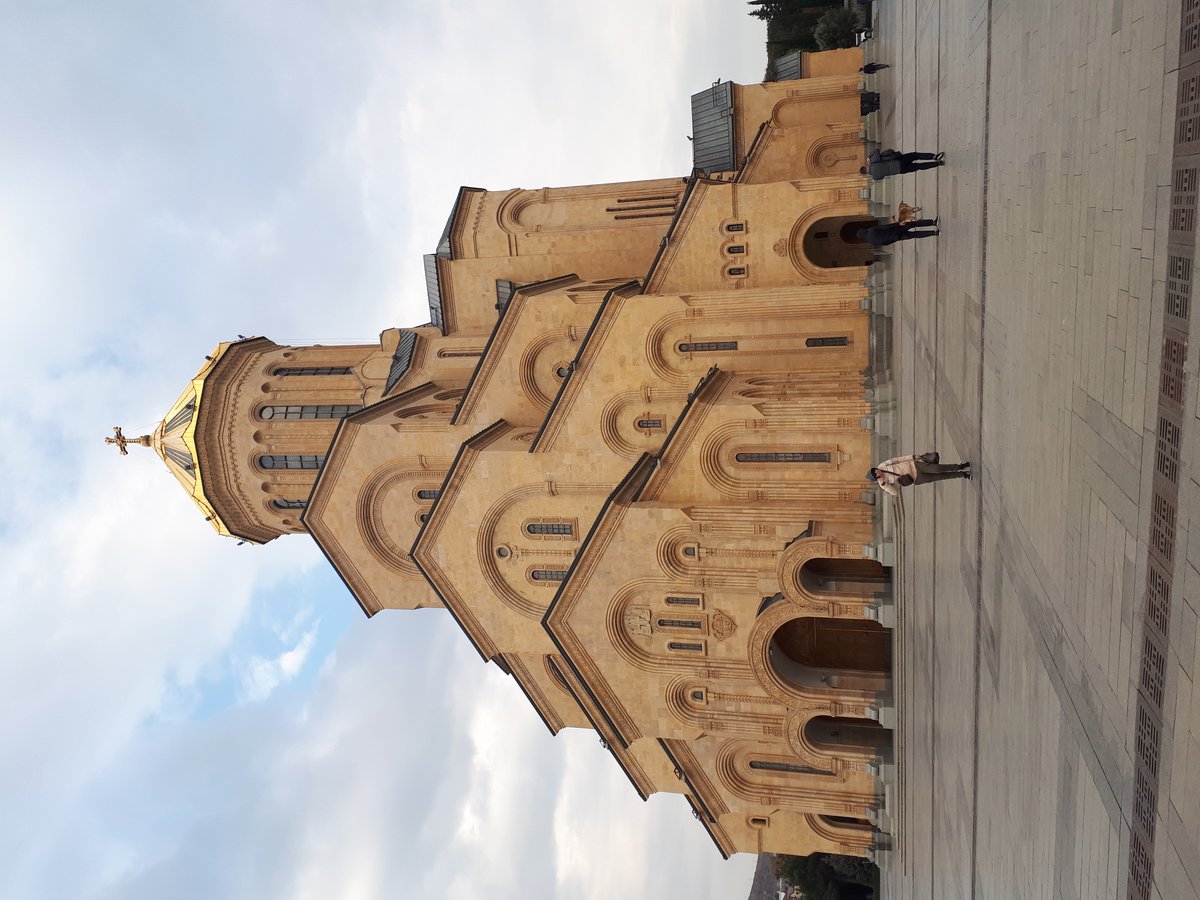
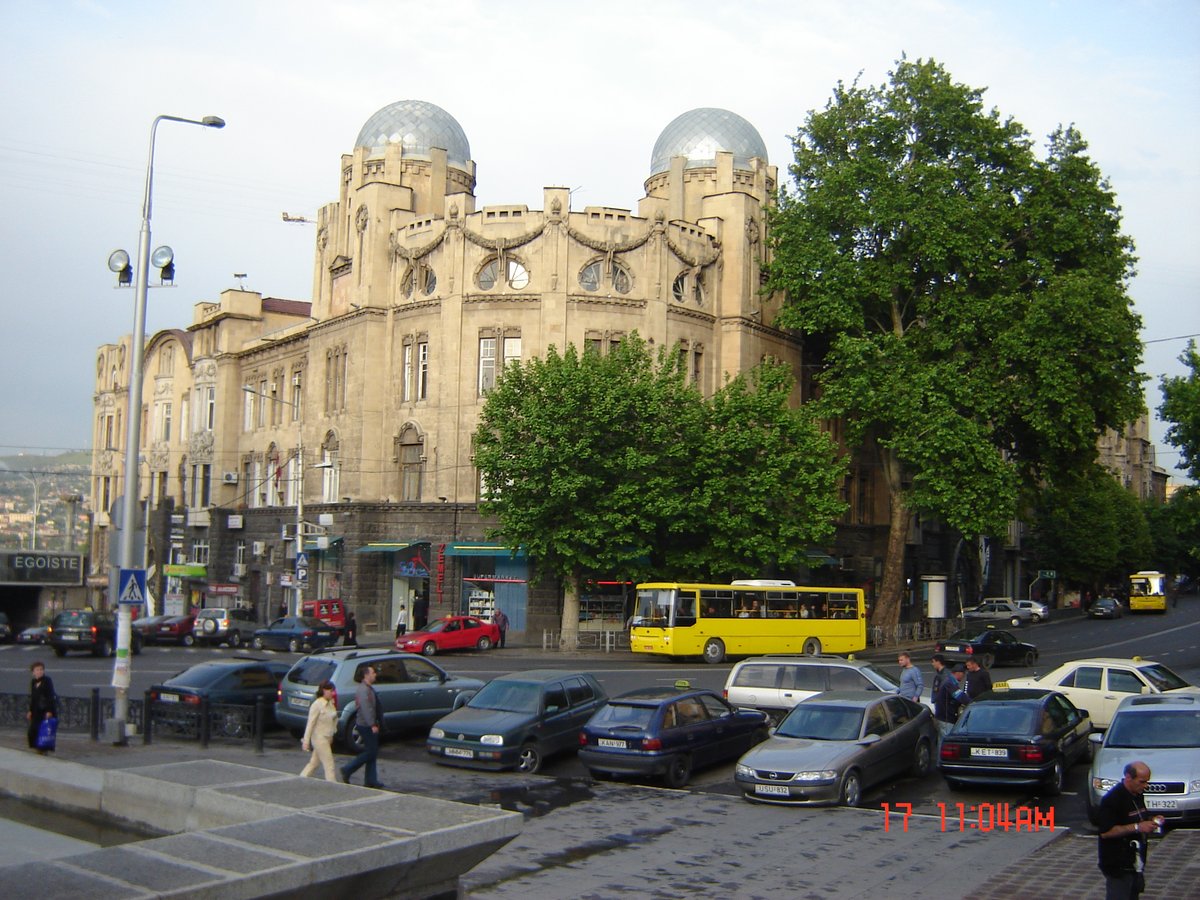
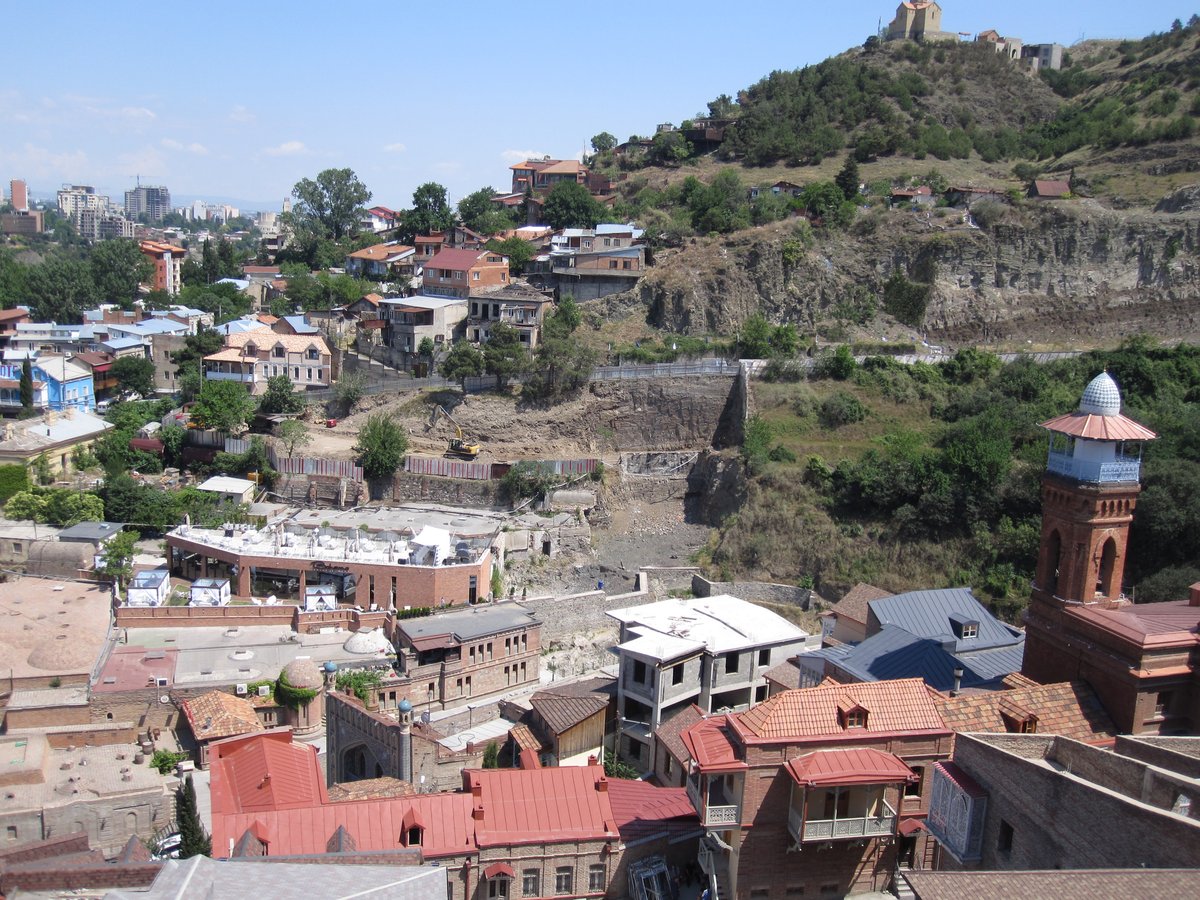
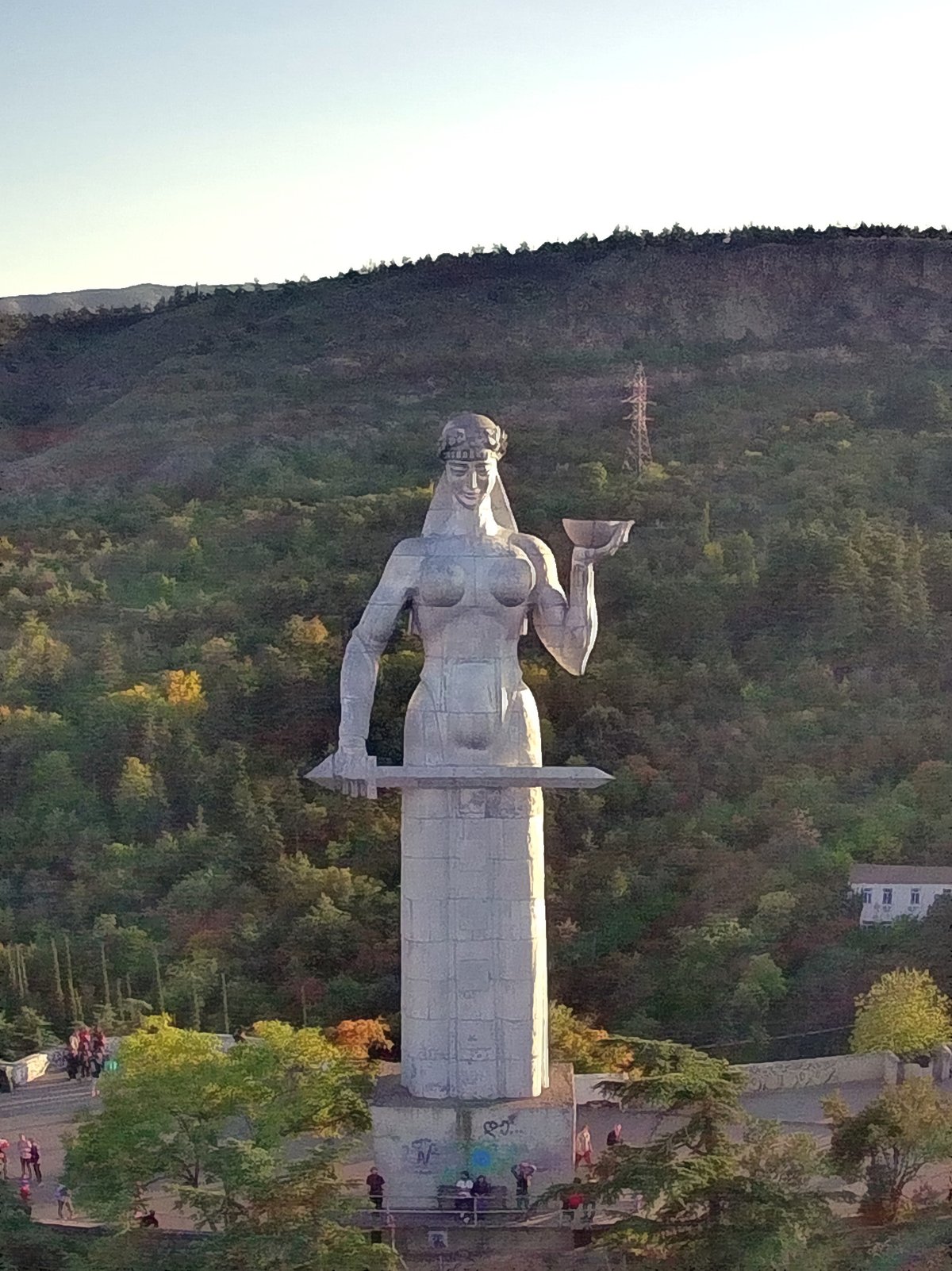
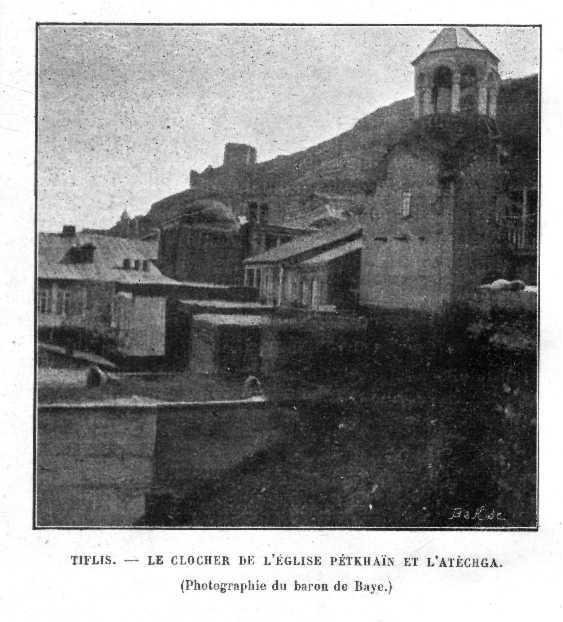
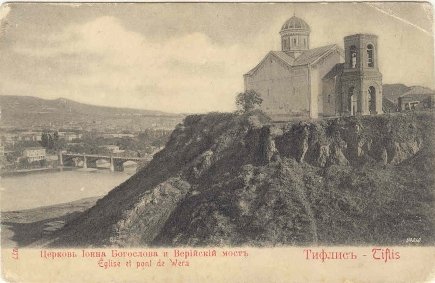
Explore Georgian Parliament Building in Pictures
Origins and Early Foundations
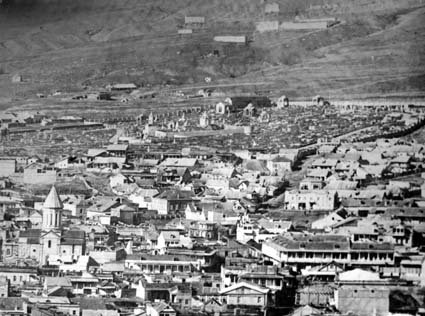
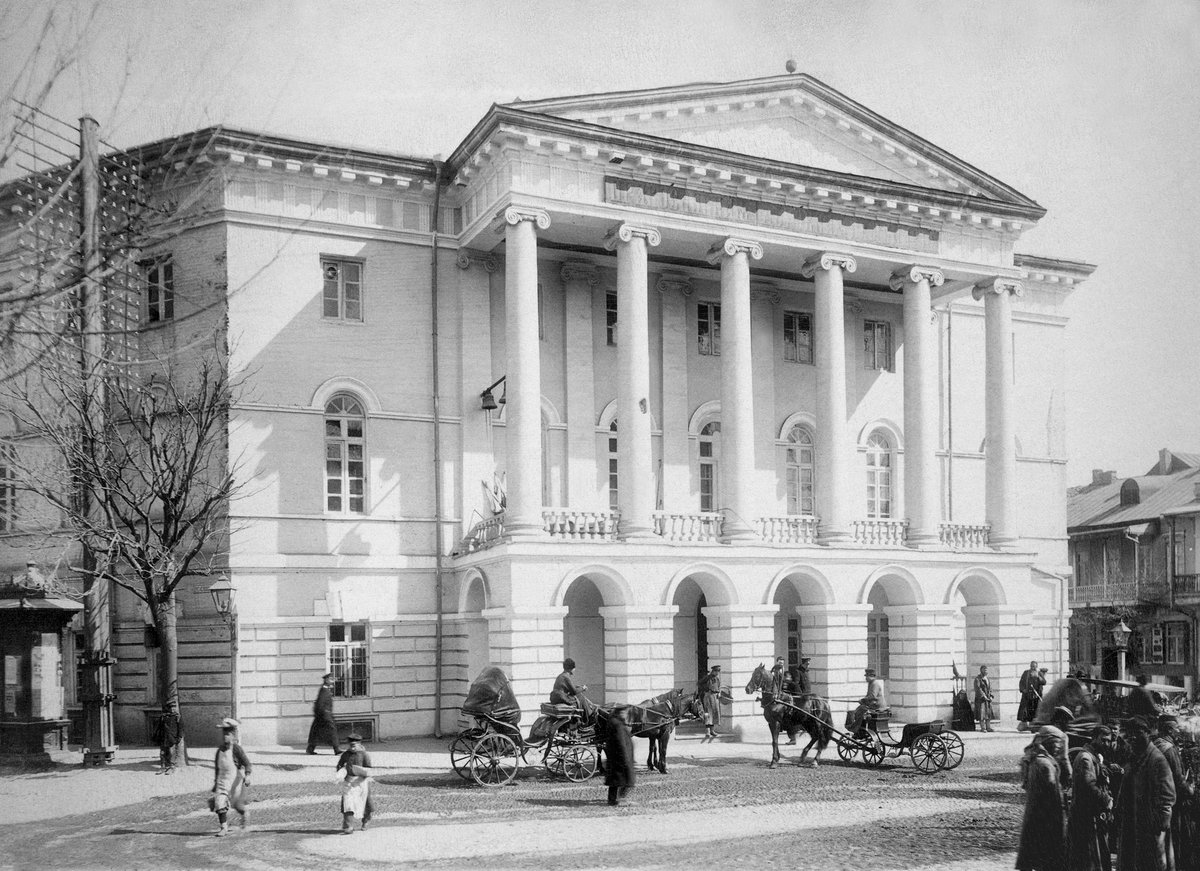
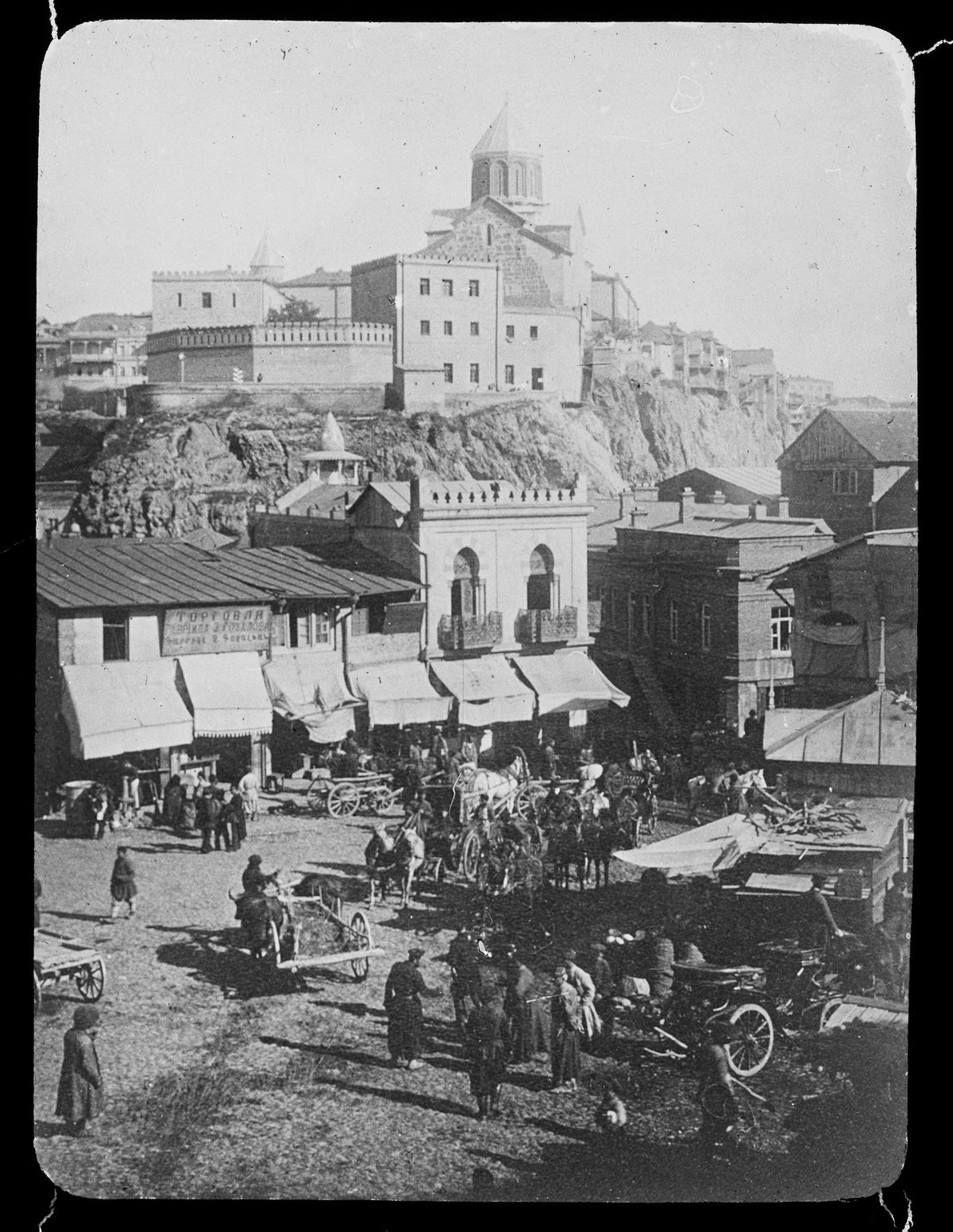
The site of the Georgian Parliament Building originally hosted the Alexander Nevsky Military Cathedral, built in the 1860s as a symbol of Tsarist Russia’s dominance in the Caucasus. Known locally as "The Soboro," the cathedral represented both religious and military authority until Soviet rule began. In the 1930s, Soviet authorities demolished the cathedral to establish the House of Government for the Georgian SSR, marking a decisive transformation from a religious landmark to the epicenter of Soviet power (tbilisilocalguide.com; reinisfischer.com).
Architectural Evolution
Design and Construction
The Parliament Building complex comprises two primary structures—the "upper" and "lower" buildings—linked by an underground center and bunker. Designed by architects Viktor Kokorin and Giorgi Lezhava (upper building, 1933–1938) and Vladimer Nasaridze (lower building, completed 1953), the ensemble demonstrates Soviet monumentalism infused with Georgian traditions (georgiantravelguide.com; wikipedia.org).
Constructed from reinforced concrete and clad in golden tuff, granite, and other local materials, the building features a grand arcade, monumental arches, and a prominent colonnade. The interior courtyard-vestibule with staircases and fountains integrates the building with Tbilisi’s urban landscape (georgia.to).
Symbolism and Ornamentation
The architecture incorporates Georgian arches, ornamental stonework, and decorative details. Golden tuff stone, characteristic of regional architecture, reinforces the building’s cultural connection. Originally adorned with Soviet symbols, these elements were removed in later renovations to reflect Georgia’s independence (madloba.info; Gidza).
Political Significance
Soviet Era and Early Independence
From its completion, the building served as the Supreme Soviet’s seat—the highest legislative body during the Soviet era. Georgia’s brief independence in 1918 ended with the Soviet occupation, and the Parliament Building became central to Soviet governance for decades (wikipedia.org).
Post-Soviet Transition
With the Soviet Union’s collapse, the Parliament Building became a symbol of Georgia’s independence movement. In 1990, following the first multiparty elections, Georgia declared independence, and the building housed the newly established National Parliament. The early 1990s saw the structure damaged during the civil war but subsequently restored to resume its legislative functions (reinisfischer.com; wikipedia.org).
Key Historical Events
April 9, 1989: Tragedy and Transformation
On April 9, 1989, Soviet troops violently dispersed a peaceful pro-independence demonstration on the Parliament steps, resulting in numerous casualties. This tragedy galvanized Georgia’s independence movement and is memorialized in front of the building (tbilisilocalguide.com).
1991–1992 Civil War
The Parliament Building was a focal point during the civil war, suffering significant damage during the military coup against President Zviad Gamsakhurdia. The building’s restoration signaled a return to parliamentary governance (orexca.com).
The Rose Revolution (2003)
In November 2003, the Parliament was at the heart of the Rose Revolution, a peaceful protest movement that led to President Eduard Shevardnadze’s resignation and ushered in democratic reforms (orexca.com).
Gavrilov’s Night (2019)
The building was again the center of mass protests in 2019, known as “Gavrilov’s Night,” reflecting its ongoing role as Georgia’s foremost site of political expression (orexca.com).
Modern Developments and Restoration
Relocation and Return
In 2012, Parliament sessions moved to Kutaisi but returned to Tbilisi in 2019, reaffirming the historic building’s primacy in Georgian governance (wikipedia.org).
Recent Renovations
The Parliament Square underwent extensive renovations in 2020, including new paving, landscaping, and lighting, making it a central space for public gatherings and commemorations (orexca.com).
Visitor Guide
Visiting Hours and Tickets
- Exterior Grounds: Open year-round, typically from dawn until dusk.
- Admission: Visiting the outdoor area and memorials is free, and no tickets are required.
- Guided Tours: Interior access is restricted but may be possible for educational or diplomatic groups via prior arrangement (parliament.ge).
- Photo ID: Required for entry to any official tour.
- Photography: Permitted outdoors and at memorials, with restrictions inside.
Accessibility
The Parliament Building’s exterior plaza is wheelchair accessible, with paved walkways and ramps. Some older sections are less accessible; visitors needing assistance should contact visitor services before arrival (scantbilisi.ge).
How to Get There
- Metro: Rustaveli and Liberty Square stations are nearby.
- Bus/Trolleybus: Multiple lines run along Rustaveli Avenue.
- Taxi: Readily available throughout Tbilisi.
Nearby Attractions
- April 9 Memorial: Directly in front of the Parliament.
- Rustaveli Avenue: Cultural heart of Tbilisi, lined with theaters, museums, and cafes.
- Freedom Square: Historic site within walking distance.
- Holy Trinity Cathedral: One of the world’s largest Orthodox cathedrals.
- Abanotubani Baths: Traditional sulfur baths.
- Old Town Tbilisi: Historic district with scenic views.
Safety and Conduct
The area is generally safe, with police presence due to its importance. During protests or events, access may be restricted. Visitors should remain aware of ongoing activities and follow local guidance (Wander-Lush).
Travel Tips
- Best Time to Visit: Weekdays when parliament is not in session are less crowded. Avoid national holidays and commemorative events for unrestricted access.
- What to Bring: Valid ID, comfortable shoes, and weather-appropriate gear.
- Language: Georgian is official; English and Russian are widely spoken by staff and guides.
Listen to the full story in the app
Your Personal Curator, in Your Pocket.
Audio guides for 1,100+ cities across 96 countries. History, stories, and local insight — offline ready.
Audiala App
Available on iOS & Android
Join 50k+ Curators
Sources
- verified
- verified
- verified
- verified
- verified
- verified
- verified
- verified
- verified
- verified
- verified
- verified
Last reviewed: