Introduction
Nestled in the forested hills 16 kilometers southwest of Tbilisi, Betania Monastery stands as one of Georgia’s most cherished medieval Orthodox Christian monuments. Officially known as the Monastery of the Nativity of the Mother of God, Betania is a living testament to Georgia’s religious devotion, artistic mastery, and architectural innovation during the nation’s Golden Age. The site is famous for its exquisite frescoes—including a rare portrait of Queen Tamar—and its role as a dynastic and spiritual center closely tied to the House of Orbeli. Despite centuries of turmoil, Betania has endured as both a historical monument and an active monastic community, offering visitors a serene setting and a window into Georgia’s remarkable medieval heritage (Wikipedia; Georgia.travel; Georgian Travel Guide).
This detailed guide provides everything you need to know for a meaningful visit, including historical context, visiting hours, admission policies, travel tips, and nearby attractions.
Historical Background and Architectural Significance
Origins and Foundation
Betania Monastery was established at the turn of the 12th and 13th centuries, during the era recognized as Georgia’s Golden Age. Named after the biblical Bethany, the monastery was founded in a secluded wooded valley near Kveseti village, likely chosen for both spiritual seclusion and strategic protection (Georgian Travel Guide).
Royal Patronage and the House of Orbeli
The monastery is intimately linked to the influential House of Orbeli, serving as their familial abbey and ancestral tomb. The main church, dedicated to the Nativity of the Mother of God, and a smaller adjacent basilica dedicated to St. George (built in 1196 by Queen Tamar’s aunt, Rusudan), highlight the complex’s dynastic and religious significance (Georgia.travel).
Golden Age and Frescoes
Betania’s construction coincided with the reigns of King George III, Queen Tamar, and George IV (Lasha-Giorgi). The interior is celebrated for its well-preserved frescoes, especially the rare contemporary portraits of these monarchs. The 1207 fresco of Queen Tamar is among only a handful of surviving depictions of Georgia’s most illustrious ruler (Bradt Guides).
Decline, Rediscovery, and Modern Revival
Centuries of invasions led to periods of decline and abandonment. The site was rediscovered in the 19th century by Grigory Gagarin, whose documentation led to restoration efforts. Despite Soviet-era repression, Betania remarkably continued as an operating monastery, with notable figures like Hieromonk Spiridon Ketiladze and Hieromonk Ilia Pantsulaia martyred during purges. The monastery was fully revived and restored in the late 20th century (Wikipedia; Georgian Travel Guide).
Artistic and Religious Importance
Betania’s murals are masterpieces of medieval Georgian wall painting, displaying vibrant colors, expressive figures, and deep theological symbolism. The frescoes depict biblical stories, Georgian saints, and royal patrons, offering rare insight into period attire and ceremonial life. The church’s cross-in-square design, crowned by a dome and supported by only two free-standing pillars, exemplifies the sophistication of Georgian ecclesiastical architecture (Georgia.to; Travel Republic Georgia).
Betania in Georgian Monasticism
Betania is part of Georgia’s rich monastic tradition, alongside Gelati, Vardzia, and Timotesubani. Its survival through centuries of adversity and continuous restoration highlight the enduring resilience of Georgian spirituality and cultural identity (Bradt Guides; Georgia.travel).
Visiting Information: Hours, Tickets, Accessibility
- Visiting Hours: Open daily from 9:00 AM to 6:00 PM. Hours may vary on religious feast days or during special events.
- Admission: Entrance is free; donations for preservation are welcome.
- Guided Tours: Available through local tour agencies and online platforms. Guided visits provide historical, architectural, and spiritual context (georgiantravelguide.com).
Location & Getting There
- Location: 16 kilometers southwest of Tbilisi, on the southern slopes of the Trialeti Range, overlooking the Vere River valley.
- By Car: Drive via the Tbilisi–Tskhneti–Manglisi road, turning north at Betania settlement. The final approach is a steep, partially paved path; low-clearance vehicles may struggle.
- By Public Transport: The Tbilisi–Kiketi bus stops near the Betania turn-off. From there, it’s a walk or short drive to the monastery.
- Hiking: The classic hiking trail from Tbilisi covers roughly 13.5 km, passing through forests with scenic views and moderate elevation changes (georgiantravelguide.com).
Dress Code, Etiquette, and Facilities
- Dress Code: Modest attire is required. Men should wear long trousers and avoid sleeveless shirts. Women should wear skirts and cover their heads (scarves provided onsite or bring your own).
- Etiquette: Maintain silence or speak quietly. Remove shoes if requested before entering the church. Always ask permission before photographing frescoes or resident monks.
- Facilities: There are no cafés, shops, or public restrooms. Rest areas and a holy spring for water collection are available. Bring your own food and water, and carry out all rubbish (madloba.info).
Hiking and Nature Trails
Betania is a popular day-hike destination. Trails are well-marked, offering easy-to-moderate hikes through lush woodland and mountain scenery. Bring at least 1–1.5 liters of water per person, and wear sturdy footwear. The area is safe, but stick to marked routes to avoid disputes with locals.
Best Time to Visit
- Spring (April–May): Lush greenery, mild temperatures.
- Autumn (September–November): Pleasant weather, colorful foliage.
- Summer: Hot and dry, but the forest offers shade.
- Winter: Roads may be slippery or snow-covered; check conditions before visiting.
Weekdays and early mornings are quieter. Religious feast days bring more visitors and vibrant liturgical celebrations (wander-lush.org).
Frequently Asked Questions (FAQ)
Q: What are Betania Monastery’s visiting hours?
A: Daily from 9:00 AM to 6:00 PM, with possible changes on religious holidays.
Q: Is there an entrance fee?
A: No, entry is free; donations are gratefully accepted.
Q: Are guided tours available?
A: Yes, through local agencies and online booking platforms.
Q: Is the monastery accessible for people with disabilities?
A: Accessibility is limited due to terrain and steps; assistance is advised.
Q: How do I reach Betania by public transport?
A: By Tbilisi–Kiketi bus, with a walk from the Betania turn-off.
Q: Can I take photos inside?
A: Usually, but always ask permission—especially for frescoes and monks.
Related Articles & Visual Highlights
- Top Historical Sites to Visit in Tbilisi
- Guide to Georgian Orthodox Churches Near Tbilisi
- Hiking Trails Around Tbilisi
Visuals:
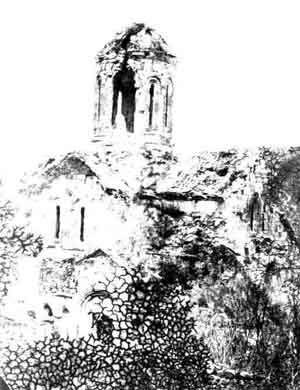
 Alt text: Betania Monastery exterior view, a notable Tbilisi historical site
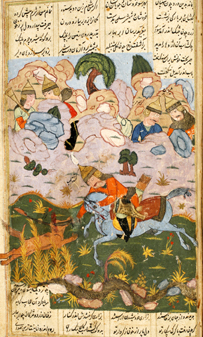
 Alt text: Fresco of Queen Tamar inside Betania Monastery

Summary and Recommendations
Betania Monastery is a captivating blend of history, art, spirituality, and nature, making it a must-visit site for those interested in Georgia’s medieval legacy. With free admission, accessible visiting hours, and options for hiking or guided tours, Betania is both convenient and rewarding for travelers. To enhance your experience, download the Audiala app for up-to-date audio guides and travel tips. Always respect local customs and contribute to the preservation of this remarkable site through responsible tourism.
Listen to the full story in the app
Your Personal Curator, in Your Pocket.
Audio guides for 1,100+ cities across 96 countries. History, stories, and local insight — offline ready.
Audiala App
Available on iOS & Android
Join 50k+ Curators
Sources
- verified
- verified
- verified
- verified
- verified
- verified
- verified
Last reviewed: