Introduction
The scent hits first — Atlantic salt mixing with smoked fish, diesel, and something green that drifts down from the rainforest pressing against Libreville's back. Gabon's capital doesn't announce itself; it arrives in layers, like the way morning light slides between the palm fronds on Boulevard Léon-Mba and lands in gold coins on the cracked sidewalk.
This is a city where presidential guards stand beside slavery monuments, where French pastry shops sell baguettes next to women pounding cassava in Mont-Bouët market. One third of all Gabonese live here, yet five minutes by boat puts you on Pointe Denis where elephants sometimes wander the beach at dawn.
The wooden columns of Saint Michael's Cathedral — 31 of them, carved by a blind craftsman who worked by touch — rise like a forest inside stone walls. Behind them, the Atlantic keeps its own rhythm: fishing pirogues painted turquoise and scarlet cutting through waves that carry the sound of drums from shoreside bars where beer costs $2 and conversation flows until the generators cut out at 2am.
What Makes This City Special
Columns Carved by a Blind Man
St Michael’s Cathedral hides 31 hardwood columns, each panel carved by Zephyrin Lendongo—blind since childhood—who felt his Biblical scenes into being. Open-backed and sea-vented, the church breathes like the forest it came from.
Fang Masks & 14th-Century Bones
The National Museum’s newest room displays spearheads and human remains airlifted from Iroungou Cave, a 2019 find that rewrote Gabon’s pre-colonial timeline. The older galleries still hold the country’s finest Fang masks, their pupils drilled to let spirits look back at you.
Sunset over Baie des Rois
Each evening Boulevard Triomphal turns into an open-air living room: families grilling plantain, boys diving off tetrapods, Atlantic light sliding from tangerine to nickel. Bring 500 CFA for spiced prawns and arrive before the sun touches the water—Libreville keeps time by that drop.
Elephants on the Beach, 40 min Away
A 20-minute boat ride lands you at Pointe Denis where forest elephants sometimes wander onto the sand at dawn. Add another ten minutes and you’re in Pongara, watching green turtles lay eggs by moonlight while the city skyline blinks across the estuary.
Historical Timeline
Where Freed Slaves Named the Capital
From pre-historic estuary to coup-scarred oil city in seven square kilometres
Rainforest Echoes
Pygmy hunter-gatherers leave stone tools along the Como River. Their descendants, the Babongo, still trade forest honey in Libreville markets 45 millennia later. The scent of smoked anteater lingers in oral memory.
Portuguese Cloaks
Navigator Lopes Gonçalves sails into the broad estuary and mistakes the bay’s shape for a hooded cloak—gabão. The name sticks. He trades copper bracelets for ivory, records ‘houses of wood and straw’ where the presidential palace now stands.
King Denis Signs
Mpongwe ruler Antchoué Komé Rapontcombo inks a treaty with French Admiral Bouët-Willaumez. In exchange for protection against coastal raiders he grants land for a fort. The agreement is written on parchment still scented with palm wine.
Fort-d’Aumale Rises
French marines hammer together a timber stockade on the estuary’s north bank. Cannon barrels point inland at imagined Fang armies; malaria kills more soldiers than any local resistance. The fort’s footprint underlies today’s Boulevard de l’Indépendance.
Freed Slaves Found Libreville
Fifty-two captives rescued from the Brazilian slaver L’Elizia step ashore, vote, and name their settlement ‘Free Town’. They plant cassava on the plateau above the mangroves. Mountier, once cargo, becomes the city’s first elected mayor.
Léon M’ba Is Born
In a palm-thatch house on Mont-Bouët, a future president draws breath. As a boy he watches timber steamers stack okoumé logs three storeys high along the quay. The smell of fresh-sawn wood will haunt his speeches about economic freedom.
Railway Swings South
Engineers choose Pointe-Noire over Libreville for the Congo–Ocean railway terminus. The decision reroutes Atlantic trade south; Libreville’s port slips into sleepy decline. Mahogany continues to float downstream, but fortunes drift elsewhere.
Battle of Gabon
Free French shells arc over the estuary at dawn. Vichy defenders surrender within days; de Gaulle marches through streets still smelling of cordite. The victory secures equatorial Africa for the Allies and gives Libreville its first war scars.
First Free Vote
Léon M’ba wins the city’s first open mayoral ballot. Ballot boxes are emptied onto a baobab-shaded table; women ululate when his tally passes 60 %. The moment sets the rhythm for nationwide decolonisation four years later.
Midnight Independence
Tricolours descend outside the governor’s palace; the new green-yellow-blue flag catches floodlight. Population 32 000, city clocks still set to Paris time. Independence champagne is served warm—ice hasn’t arrived from the port.
One-Day Coup
Army lieutenants seize the radio station at 03:15, announcing M’ba’s ouster. By dusk French paratroopers land at the airport, restore the president, and drink beer in the Rex Café. The city learns how quickly governments can fall.
Bongo Begins 42-Year Reign
Vice-President Omar Bongo takes the oath after M’ba’s death. He is 32, wearing a French-cut suit in the palace ballroom. Outside, schoolchildren wave paper flags whose colours have already faded in the equatorial sun.
Oil Derricks Light the Bay
Offshore wells north of the city strike black gold. Flares glow orange above night-time waves; salaries triple at the port. Concrete towers replace wooden houses on the plateau, and Libreville smells of diesel instead of sawdust.
Anthony Obame Is Born
In Akanda district a future Olympic taekwondo medalist learns to kick on packed-earth schoolyards. By 2012 his silver in London will be the nation’s first Olympic hardware, watched on crackling bar TVs along Route de l’Aéroport.
Rioters Demand Multi-Party Rule
Students stone the National Assembly after dawn prayers. Soldiers respond with tear-gas that drifts into the cathedral during Mass. Within months the constitution is rewritten; opposition newspapers appear, printed on smuggled paper.
Dynastic Transfer
Ali Bongo wins a contested vote weeks after his father’s death. Helicopters clatter above grieving crowds queuing to view Omar’s glass-topped coffin. The same boulevard hosts both funeral dirges and campaign rallies within a month.
Coup at Dawn
Gunfire erupts near the presidential palace minutes after election results proclaim Ali Bongo victor. By noon soldiers announce his house arrest on state TV. Libreville awakens to find its third regime change in six decades—and the internet switched off.
Notable Figures
Léon M'ba
1902–1967 · First President of GabonHe walked these same seafront boulevards as a clerk before leading the country to independence in 1960. Today his name marks the airport—every visitor lands on his legacy.
Anthony Obame
born 1988 · Olympic Taekwondo Silver MedalistHe trained in makeshift city dojos and became the first Gabonese ever to win an Olympic medal, taking silver in London 2012. Kids still copy his kicks on the concrete yards behind Stade Omar Bongo.
Mario Lemina
born 1993 · Professional FootballerFrom street matches in Mont-Bouët to Premier League midfield—he captains the national team and returns each off-season, drawing crowds to the Louis quarter bars that once refused him entry for wearing sandals.
André Raponda Walker
1871–1968 · Ethnographer & PriestSon of a Mpongwe mother and British father, he documented Gabon’s languages and rituals from a mission house that still stands near the cathedral. His notebooks are quoted every time a tour guide explains the Fang masks in the national museum.
Photo Gallery
Explore Libreville in Pictures
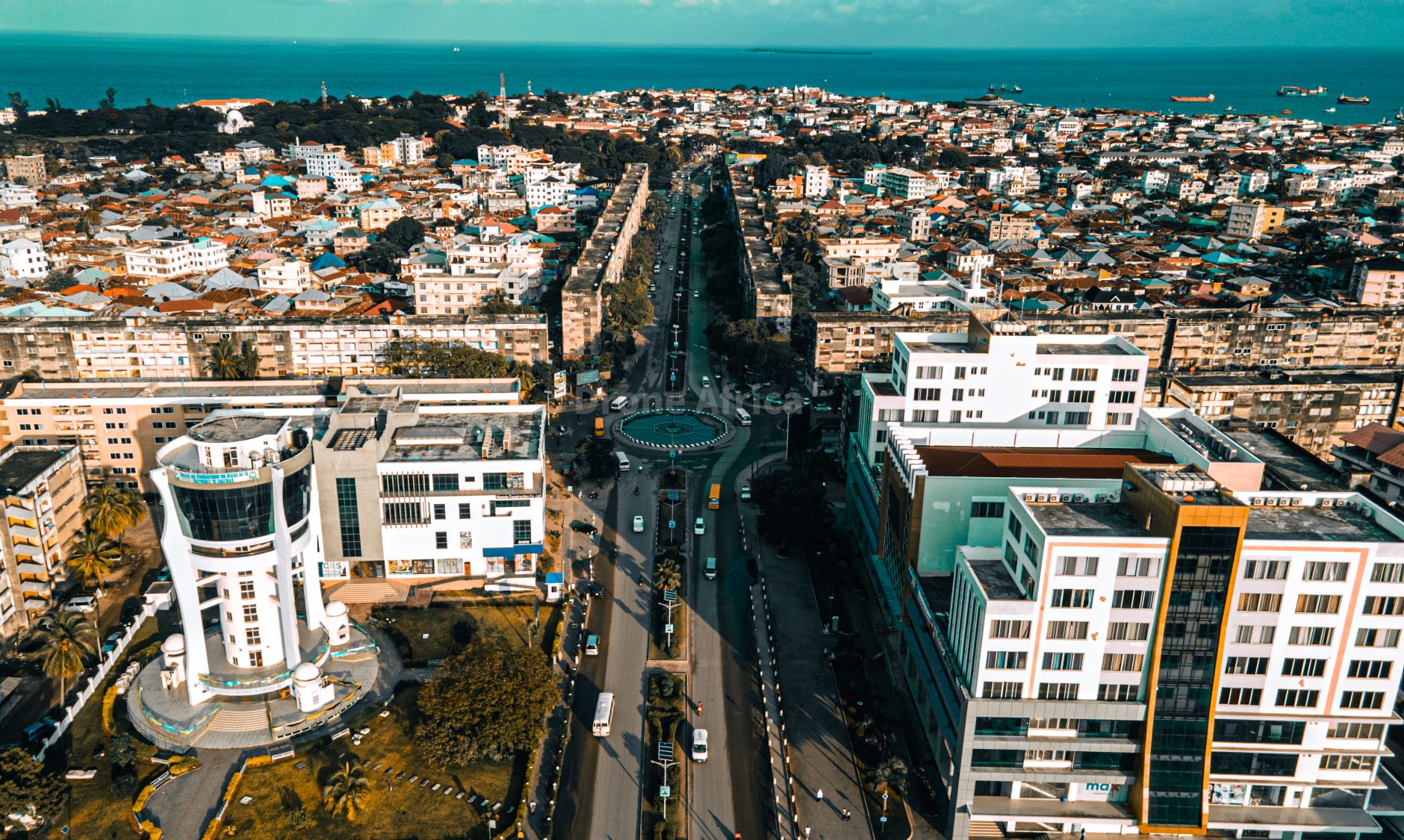
An elevated perspective of Libreville, Gabon, showcasing the city's unique blend of modern architecture and dense urban layout along the coast.
Alex Levis on Pexels · Pexels License
An elevated perspective of Libreville, Gabon, revealing the city's diverse architectural landscape and coastal setting.
SINAL Multimédia on Pexels · Pexels License
A breathtaking aerial perspective of Libreville, Gabon, as the golden sunset illuminates the city's diverse urban landscape and riverfront.
Xavier Messina on Pexels · Pexels License
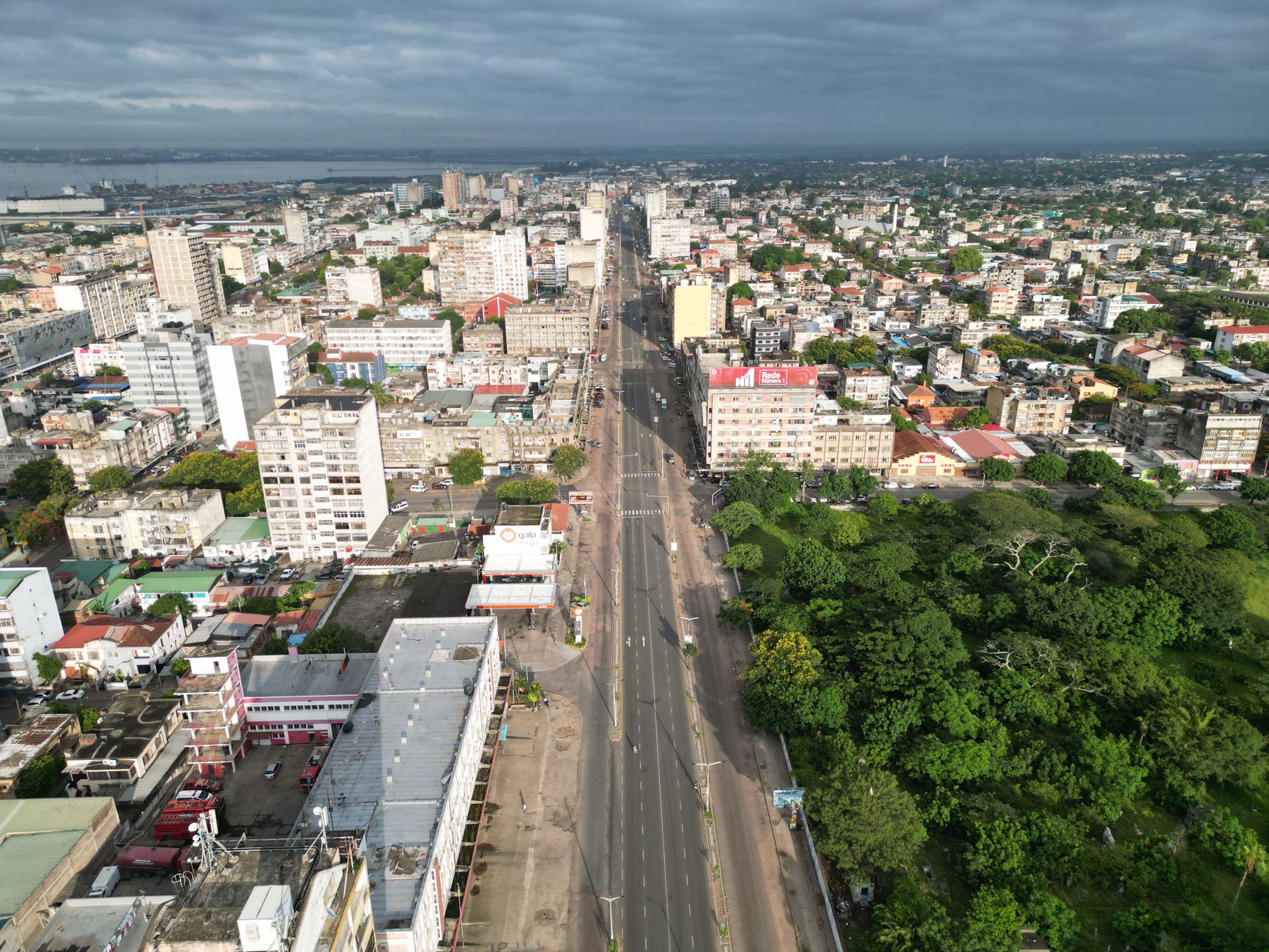
A sweeping aerial perspective of Libreville, Gabon, capturing the contrast between the city's dense urban architecture and its expansive green landscapes.
SINAL Multimédia on Pexels · Pexels License
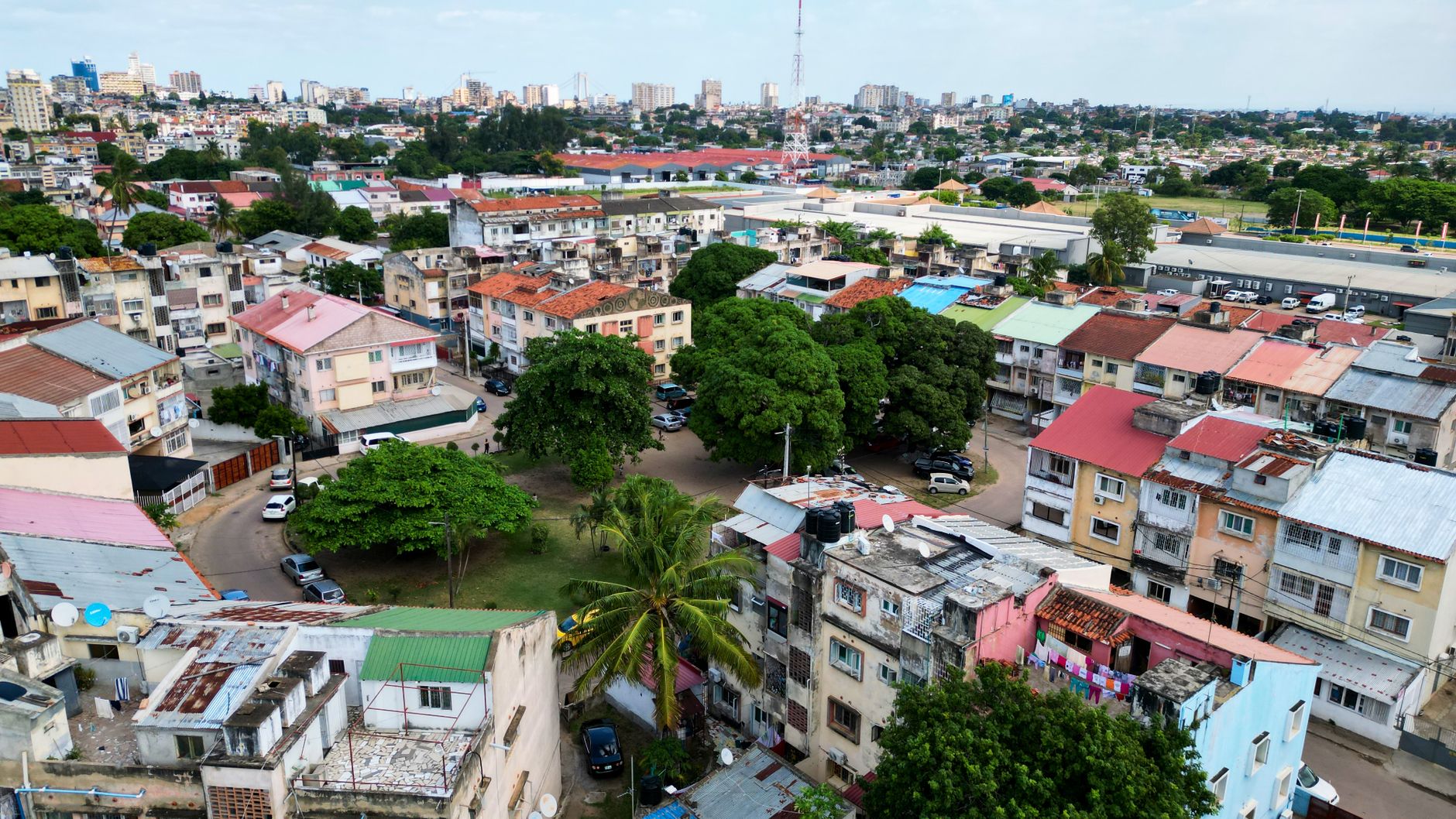
An elevated perspective of a residential neighborhood in Libreville, Gabon, showcasing the city's unique mix of apartment architecture and tropical greenery.
SINAL Multimédia on Pexels · Pexels License
A stunning aerial perspective of Libreville, Gabon, capturing the unique meeting point of the Atlantic Ocean, sandy beaches, and the dense urban sprawl.
Kelly on Pexels · Pexels License
An elevated perspective of the diverse urban architecture and residential neighborhoods of Libreville, Gabon.
SINAL Multimédia on Pexels · Pexels License
Practical Information
Getting There
Léon-Mba International (LBV) sits 5 km north-west of downtown; daytime taxi into town is 2,000 CFA (4,000 CFA after 21:00). Long-haul non-stops include Air France from Paris-CDG and Turkish from Istanbul; regional hops arrive on Ethiopian, Royal Air Maroc, RwandAir and Air Côte d’Ivoire.
Getting Around
Libreville has no metro, tram or public bike scheme. Red-and-white shared taxis charge 100–500 CFA; say “course” to charter one privately for 1,000–2,000 CFA. Yellow klandos follow fixed routes for a flat 100 CFA, and Avis/Europcar desks at the airport rent cars, but contracts forbid leaving the city limits.
Climate & Best Time
Equatorial heat hovers around 26 °C year-round; humidity spikes to 90 % during the long rains (Feb–May) and short rains (Oct–Dec). Come June–September when rainfall drops to under 15 mm a month and nights cool to 22 °C—perfect for beach shuttles and park day-trips.
Language & Currency
French is the working language—English is rare outside airline counters. Currency is the Central African CFA (XAF); €1 ≈ 655 CFA. Cards work in supermarkets and hotels, but markets, taxis and beach bars deal only in cash—carry small notes.
Safety
Street crime is low, yet avoid unlit side streets after dark. Photography bans are strict at the airport, Presidential Palace and Stele of Liberty—soldiers will demand you delete images. Drink bottled water and keep yellow-fever certificate handy; border health checks still happen at hotels.
Tips for Visitors
No Photos Here
Skip the camera at the airport, presidential palace, and Stele of Liberty—guards will stop you. Keep the lens for St Michael’s 31 hand-carved wooden columns instead.
Cash After 9 pm
Taxi fares double after 21:00—carry small CFA notes. A private ride jumps from 1 000 to 2 000 FCFA the moment the sun drops.
Eat Late, Eat Local
Restaurants open at 20:00 and service is slow—plan two hours. Start with poulet nyembwe and a cold Regab beer while you wait.
June to September Only
Visit in the long dry season—July sees just 6 mm of rain and roads to Loango stay passable. October’s 427 mm turns streets into canals.
Louis Quarter Nights
All nightlife is in Quartier Louis—bar-hop on foot between Le Warhol and Pakito Lounge. Taxis know the route; negotiate 500 FCFA if you share.
Explore the city with a personal guide in your pocket
Your Personal Curator, in Your Pocket.
Audio guides for 1,100+ cities across 96 countries. History, stories, and local insight — offline ready.
Audiala App
Available on iOS & Android
Join 50k+ Curators
Frequently Asked
Is Libreville worth visiting? add
Yes, if you pair city sights with day trips. Two days covers the carved wooden cathedral, Fang masks at the National Museum, and sunset brochettes on the bay. Add a third for boat-accessed Pointe Denis beach or turtle nesting in Pongara National Park.
How many days in Libreville? add
Three full days is the sweet spot. Day one: museums and markets; day two: Pointe Denis beach and Baie des Rois at dusk; day three: Akanda mangroves for birdlife or a Loango wildlife fly-in if budget allows.
Do they speak English in Libreville? add
Rarely—French is the working language. A few West-African taxi drivers manage basic English; download an offline French dictionary or learn key phrases before arrival.
Is Libreville expensive? add
Expect European prices. A simple café meal runs $15, a decent dinner for two with drinks easily tops $200. Street brochettes and market beignets are the only real bargains.
Can I use credit cards in Libreville? add
Cards work at major hotels and supermarkets, but taxis, craft stalls, and most restaurants are cash-only. Carry CFA francs in small notes—break large bills at supermarkets.
Is it safe to walk around Libreville at night? add
Stick to lit waterfront boulevards and Quartier Louis. Avoid unlit side streets after dark; take a taxi even for short distances—fares are low and police recommend it.
Sources
- verified Wikivoyage Libreville — Transport fares, climate data, safety warnings, and walking advice.
- verified iExplore.com Libreville Guide — Restaurant names, nightlife venues, and day-trip beaches including Cap Estérias and Perroquet.
- verified Tales from a Small Planet – Libreville — Expat pricing reality, dining hours, and pastry-shop culture.
- verified Victoria Cruises Destination Libreville — Attraction list, Iroungou Cave exhibition note, and Stele of Liberty access restrictions.
Last reviewed: