Plan and listen to Toulouse Cathedral with Audiala.
Audio guide in your pocket, itinerary in your browser. Built for the way you actually visit.
Introduction
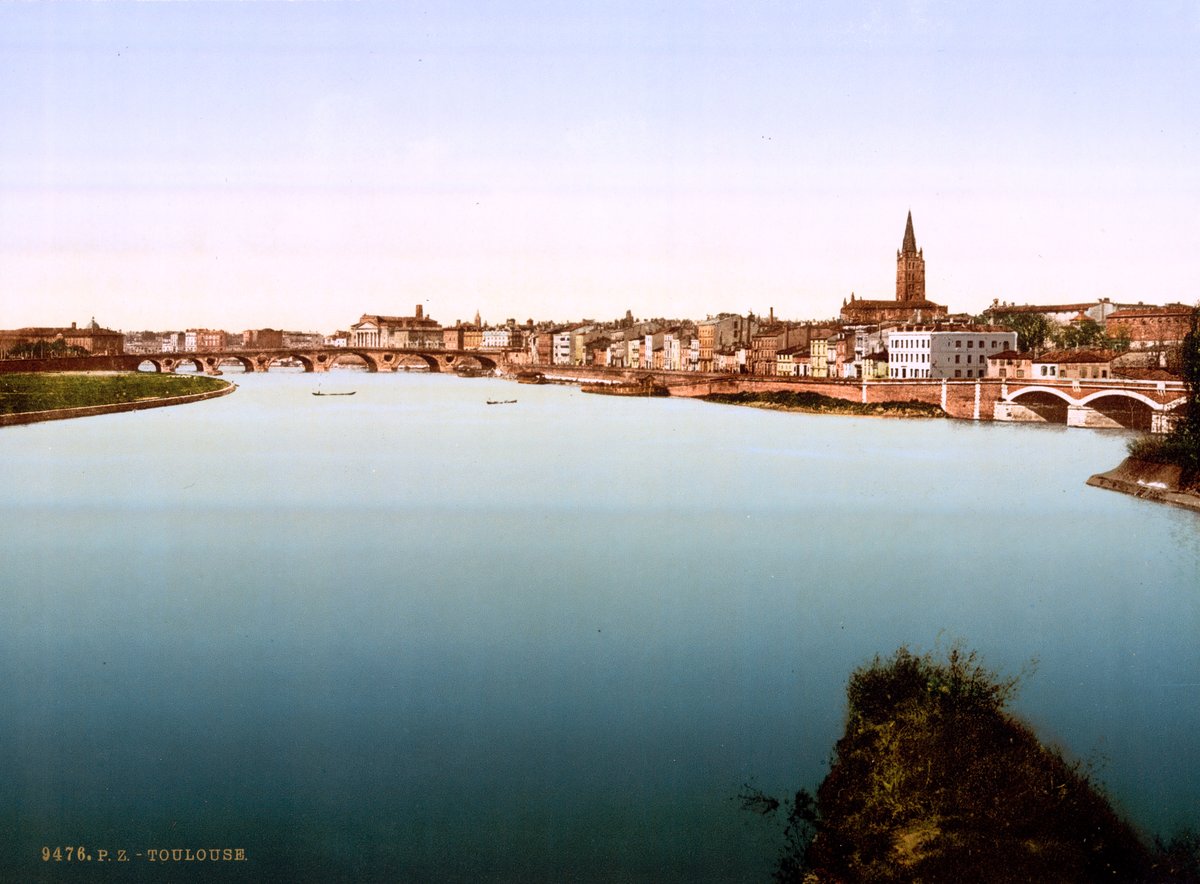
Toulouse Cathedral, officially known as Cathédrale Saint-Étienne de Toulouse, is a centerpiece of the city’s religious, cultural, and architectural legacy. With origins in the 5th century and a construction history that spans hundreds of years, the cathedral is a living chronicle of Southern and Northern Gothic styles, local craftsmanship, and religious devotion. Its asymmetrical layout, fortress-like exterior, and resplendent stained glass distinguish it as a unique architectural landmark. Serving as the seat of the Archbishop of Toulouse, the cathedral has played a pivotal role in the city’s spiritual and civic identity, especially during epochal events such as the Albigensian Crusade. This guide presents everything you need to know: visiting hours, ticketing, accessibility, guided tours, and nearby attractions, ensuring a meaningful and memorable visit. (Toulouse Tourism, EAA Architecture Guide, World City Trail)


Early Foundations and Medieval Construction
The cathedral’s site has been a place of Christian worship since the 5th century, growing with the city’s prominence. The current structure began to take shape in the 13th century, a period marked by social upheaval and religious reformations. Its Southern Gothic roots are evident in the massive, defensive forms, while later construction introduced Northern Gothic verticality and light. The cathedral’s irregular floor plan is a direct result of centuries of expansion and modification, reflecting the ambitions and challenges of its builders. (Toulouse Tourism)
Architectural Evolution and Styles
The earliest parts, notably the choir, were constructed in the 13th century, exemplifying the Southern Gothic style with thick walls and modest windows. Over the 14th and 15th centuries, a soaring nave and spectacular stained-glass windows were added, introducing Northern Gothic elements and enhancing the cathedral’s luminosity and vertical emphasis. The resulting asymmetrical, lopsided floor plan is rare among French cathedrals and underscores its layered history. (EAA Architecture Guide)
Historical Significance
Toulouse Cathedral has long been a focal point for the city’s religious and civic life. During the 13th-century Albigensian Crusade, it stood as a symbol of Catholic orthodoxy. The Renaissance era brought prosperity and further artistic enrichment, with new chapels, elaborate stonework, and important religious relics enhancing the cathedral’s status. (EAA Architecture Guide)
Artistic and Religious Heritage
Within its walls, the cathedral houses a wealth of chapels, medieval and Renaissance stained glass, Baroque altarpieces, and the historic organ—each telling a story of Toulouse’s artistic and religious evolution. Notably, the tomb of Pierre-Paul Riquet, creator of the Canal du Midi, attracts history enthusiasts. (Toulouse Tourism)
Practical Visitor Information
Visiting Hours
- General Opening: Daily, 8:30 a.m. – 7:30 p.m. (last entry 15 minutes before closing)
- Sunday & Religious Holidays: Hours may vary; check the official website for updates. (TripHobo)
Tickets and Guided Tours
- Admission: Free for all visitors; donations welcome for preservation.
- Guided Tours: Available during peak seasons and special occasions, in multiple languages. Booking in advance is recommended for English tours or specialist guides.
- Self-Guided Visits: Informational panels and brochures available, with audio guides during peak periods.
Accessibility
- Wheelchair Access: Main entrance is accessible; some interior areas have uneven flooring due to the building’s age.
- Assistance: Available for visitors with reduced mobility; contact the cathedral or tourist office ahead of your visit.
- Service Animals: Guide dogs permitted. (France.fr)
Travel Tips
- Best Times: Early morning or late afternoon for fewer crowds and optimal lighting for stained glass.
- Transport: Centrally located and easily accessible by foot, metro (François-Verdier Station, Line B), and bus. Parking is limited in the city center; public transport or cycling is recommended.
- Dress Code: Modest attire required; shoulders and knees should be covered out of respect for the sacred setting.
Architectural Highlights
Exterior Design and Facade
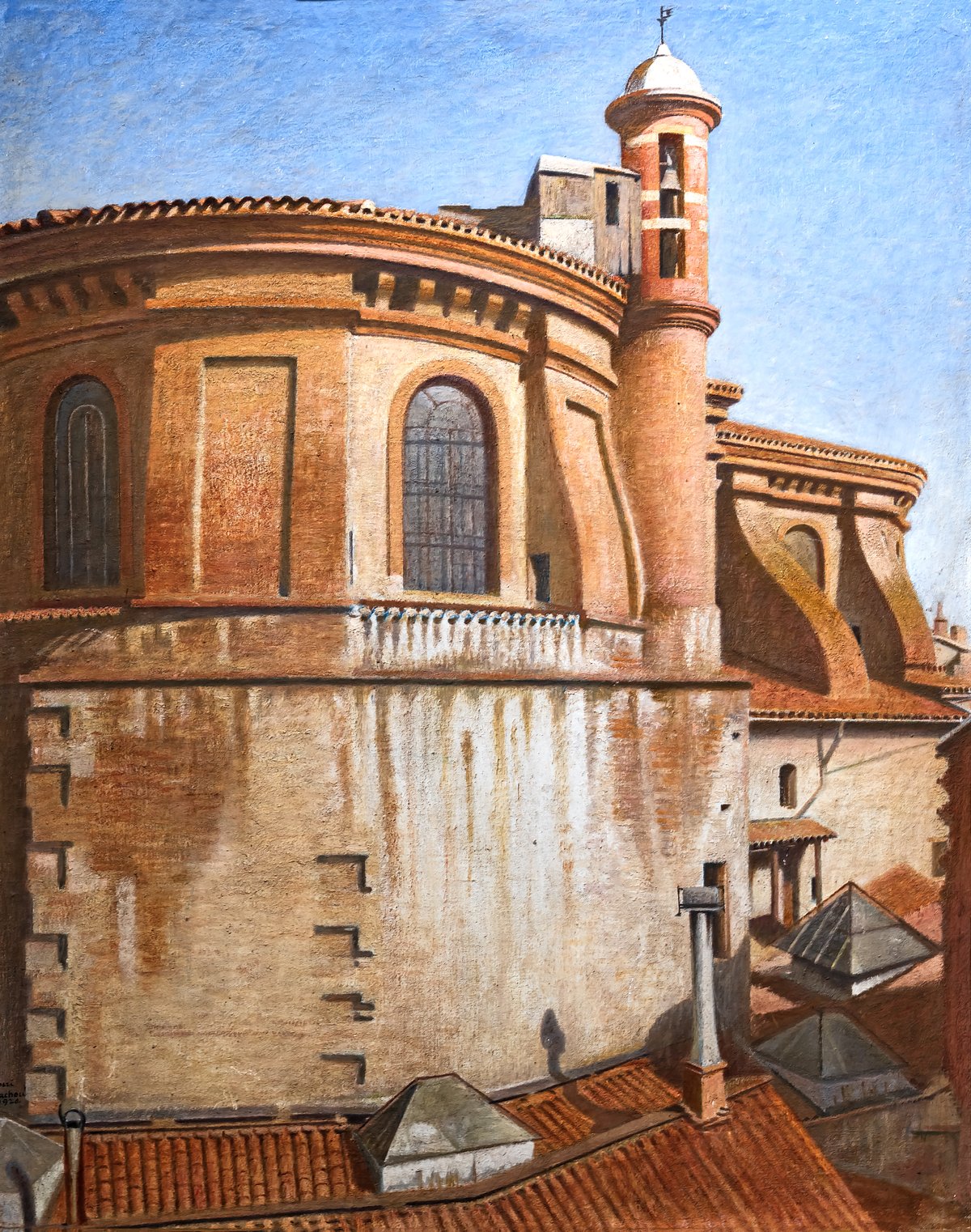
The cathedral’s facade displays a striking contrast between the Southern Gothic Raymondine nave and the more vertical Northern Gothic choir. The north tower, at 64 meters, is Toulouse’s tallest, and the building’s use of pink terracotta brick contributes to the city’s moniker, “La Ville Rose.” Sculpted biblical figures, a rose window, and fortress-like buttresses dominate the exterior.
Nave and Interior Layout
Inside, the wide Raymondine nave—once Europe’s broadest vaulted structure—creates a grand, austere space. The choir, distinguished by its verticality and ornamentation, was intended to rival those of northern France. The cathedral’s misaligned nave and choir reflect centuries of architectural evolution and the merging of two incomplete churches. (The Crazy Tourist)
Stained Glass and Rose Windows
The cathedral’s stained glass spans from the 13th to 17th centuries, with some of the oldest pieces located in the Chapel of Saint-Vincent-de-Paul. The rose window above the entrance is a highlight, casting vivid colors across the nave, especially on sunny afternoons.
Chapels and Decorative Elements
Seventeen side chapels, each with unique artistic features, house Renaissance and Baroque altarpieces, 400-year-old tapestries, sculptures, and historical artifacts. The “Day of Judgment” fresco and “Saint Jacques” statue are particular highlights.
The Grand Organ
Suspended in the gallery 17 meters above the floor, the grand organ—dating from the 16th century, with significant 19th-century enhancements—is one of the world’s largest. It plays a central role in concerts, notably during the annual “Toulouse les Orgues” festival. (PlanetWare)
Materials and Construction Techniques
Local pink terracotta brick and stone reflect Toulouse’s historical wealth and regional identity, lending the cathedral its distinctive appearance and harmonious integration with the city.
Architectural Uniqueness
From its lopsided floor plan to the blend of Gothic styles, Toulouse Cathedral is a singular monument among French cathedrals. Its status as a Monument Historique since 1862 underlines its national importance.
Special Events and Religious Services
- Mass & Ceremonies: Daily Mass and special celebrations on major holy days.
- Festivals: The “Toulouse les Orgues” festival each October brings internationally renowned organists.
- Citywide Events: The cathedral participates in Nuit des Musées and heritage days, offering special tours and programming. (Toulouse Tourisme)
Nearby Attractions and Itinerary Integration
Toulouse Cathedral is ideally located for inclusion in a walking tour of the city’s historic heart. Combine your visit with:
- Basilica of Saint-Sernin: A major Romanesque pilgrimage church.
- Capitole de Toulouse: The city’s neoclassical town hall and theater.
- Musée des Augustins: Fine arts museum in a former convent.
- Place du Capitole: Vibrant central square lined with shops and cafés. (The Crazy Tourist)
Facilities, Amenities, and Safety
- Restrooms: Not available inside; use facilities in nearby cafés or public spaces.
- Shop: Diocesan store for religious items and souvenirs.
- Seating: Benches and pews for rest and contemplation.
- Dining: Local restaurants nearby, such as Restaurant Sans Nom and Au Gascon.
- Security: Staff present; large bags may be inspected; food and drink not permitted inside.
Photography and Filming
- Personal Photography: Allowed without flash or tripods. Flash and tripods are discouraged to protect artworks.
- Professional Filming: Requires advance authorization.
- Etiquette: Be discreet and avoid disturbing worshippers or visitors, especially during services.
Sustainable Tourism
- Use public transport, walk, or cycle to the cathedral to minimize environmental impact.
- Support preservation with donations or responsible purchases.
- Respect the site by maintaining cleanliness and not touching artworks. (France.fr)
Frequently Asked Questions (FAQ)
What are the Toulouse Cathedral visiting hours?
Generally open daily from 8:30 a.m. to 7:30 p.m.; verify for special events.
Is there an admission fee or tickets required?
Admission is free; donations are encouraged for preservation.
Are guided tours available?
Yes, during peak seasons and special events. English tours may be arranged in advance.
Is Toulouse Cathedral wheelchair accessible?
Yes, with accessible main entrance and assistance available; some areas may have uneven flooring.
Can I take photographs inside?
Personal photography is allowed without flash or tripods; professional work requires permission.
Are there restrooms?
No, but nearby cafés and public facilities are available.
Can I attend a religious service?
Yes, visitors are welcome but should check the schedule, as some areas may be restricted during services.
Tips for a Memorable Visit
- Arrive early or late to avoid crowds.
- Dress respectfully and maintain silence in sacred areas.
- Allocate at least one hour to explore thoroughly.
- Combine your visit with nearby historic sites and local dining.
- Check for special events like concerts or festivals.
Related Articles
- Explore the Historic Basilica of Saint-Sernin
- Top Attractions in Toulouse City Center
- Cycling Routes Around Toulouse Historical Sites
Discover More
Toulouse Cathedral stands as a testament to the city’s rich spiritual, artistic, and historical journey. Its architectural diversity, vibrant cultural programming, and central location make it a must-visit for travelers. Plan your visit by confirming up-to-date hours and tour options. Stay informed about special events and related attractions with the Audiala app, and follow us on social media for the latest updates and travel tips. Explore more guides and resources on Toulouse’s heritage on our website, and enjoy your journey through this remarkable historical site.
Summary
Toulouse Cathedral is not only a marvel of architectural ingenuity but also a living center of worship, art, and community life. Its broad Raymondine nave, vertical Northern Gothic choir, stained glass, Baroque altarpieces, and chapels make it an essential destination for anyone interested in the region’s history and culture. Free admission, accessibility features, and guided tours ensure a rewarding visit for all. Surrounded by other historic treasures, the cathedral invites exploration of Toulouse’s vibrant cultural heart. Plan thoughtfully, respect the sacred atmosphere, and engage with the rich programming for a truly memorable experience. (Toulouse Tourism, PlanetWare, France.fr)
Listen to the full story in the app
The whole Toulouse Cathedral,
told well.
Audio guides for 1,100+ cities across 96 countries. History, stories, and local insight — offline ready.
Verified, and shown.
Researched and written by the Audiala editorial team from historical records, architectural archives, and local expertise.
Researched from Wikidata, Wikipedia & official sources · fact-checked · How we make our guides →