Plan and listen to Saint-Cyprien with Audiala.
Audio guide in your pocket, itinerary in your browser. Built for the way you actually visit.
Introduction
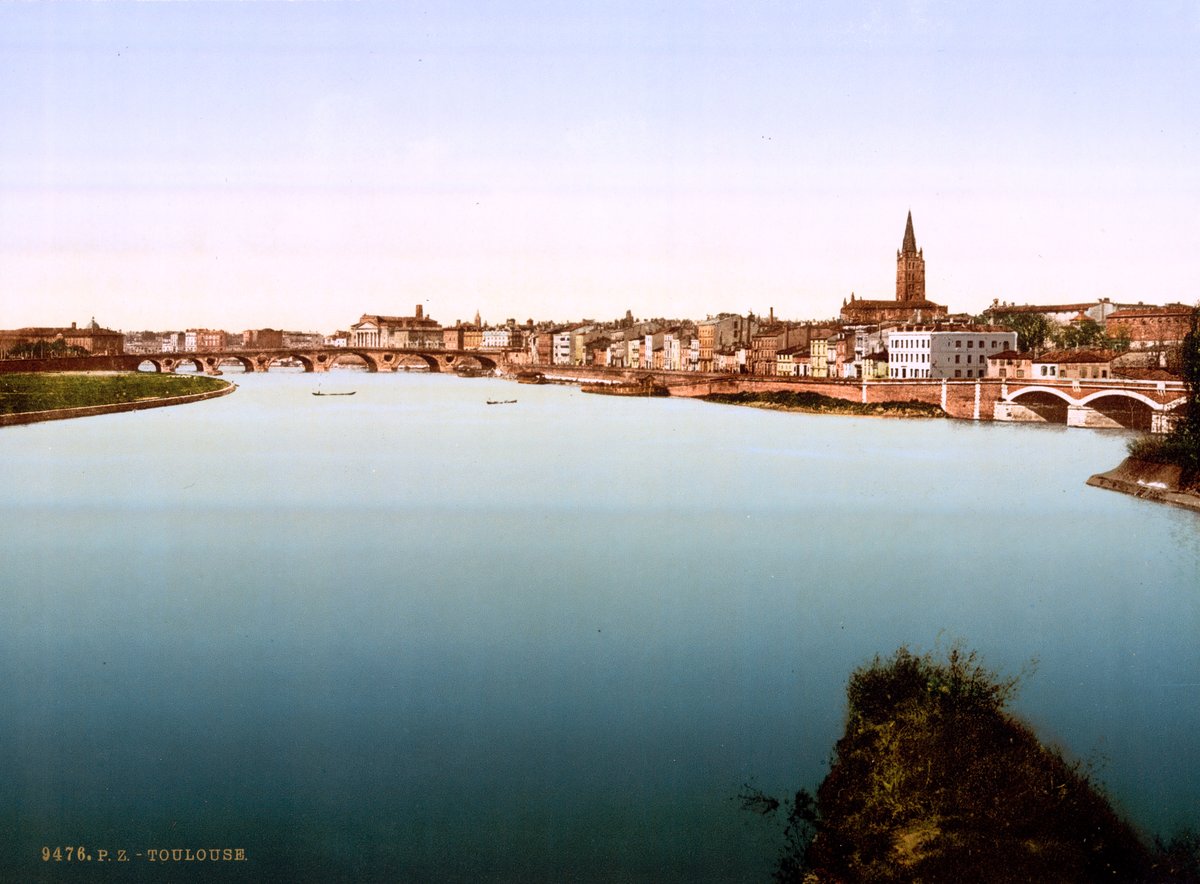
Saint-Cyprien, a historic and culturally vibrant neighborhood on the left bank of the Garonne River in Toulouse, is celebrated for its rich medieval origins, dynamic community life, and seamless blend of history, art, and multiculturalism. Once a refuge for marginalized groups outside the medieval walls, Saint-Cyprien has evolved into a lively quarter renowned for its architecture, bustling markets, and contemporary art scene. This guide compiles essential information on visiting hours, tickets, key attractions, and practical tips to help you experience the best of Saint-Cyprien, drawing from reputable sources such as Toulouse Tourism, The Go Guy, and Guide Toulouse Pyrénées.
Medieval Foundations
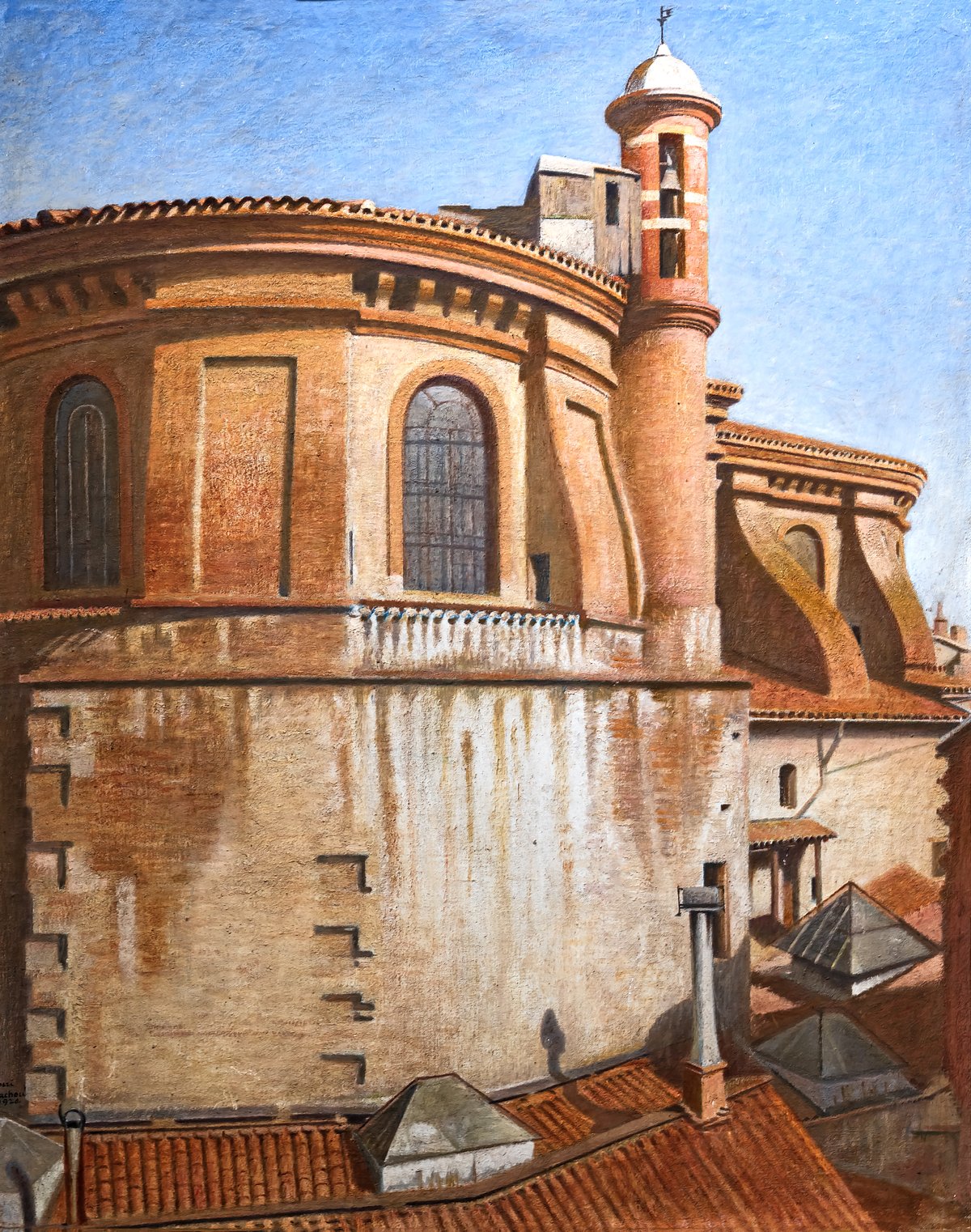
Saint-Cyprien’s roots reach back to the Middle Ages, serving as a haven for pilgrims on the Camino de Santiago, the sick, and those on the margins of society. The neighborhood developed around the Church of Saint-Cyprien, founded in the 12th century and known for its blend of Romanesque and Gothic styles. Historically, the church was part of a hospital complex dedicated to caring for travelers and the poor (The Go Guy).
Urban Growth and Resilience
The district’s riverside location made it both strategic and vulnerable, with devastating floods—most notably in 1875—shaping its urban development and sense of community (France.fr). Over centuries, the area attracted artisans, workers, and traders, becoming a vibrant suburb marked by resilience and social transformation.
Modern Identity
The completion of the Pont Neuf in the 17th century strengthened Saint-Cyprien’s connection to central Toulouse, while industrialization and subsequent gentrification brought new dynamism. Today, the neighborhood is recognized for its multicultural spirit, artistic innovation, and active community life (Guide Toulouse Pyrénées).
Key Historical Sites and Attractions
Hôtel-Dieu Saint-Jacques
A UNESCO World Heritage Site, the Hôtel-Dieu Saint-Jacques was a historic hospital for pilgrims and the poor, reflecting the district’s humanitarian legacy. Its pink brick façade faces the Garonne and is emblematic of Toulouse’s architectural style. The courtyards and exteriors are accessible to visitors during daylight hours, while the interior serves administrative purposes (Barnes Toulouse).
La Grave Hospital and Dôme de la Grave
The Dôme de la Grave, completed in 1792, is one of Toulouse’s most iconic landmarks. Though the hospital is not open to the public, the surrounding promenade offers exceptional views and photo opportunities. The dome is visible from the riverbanks and is especially striking at sunrise and sunset (Barnes Toulouse).
Pont Neuf
Despite its name, the Pont Neuf (“New Bridge”) is Toulouse’s oldest bridge (1632), connecting Saint-Cyprien to the city center. Its asymmetrical arches have withstood centuries of flooding, and it’s renowned for panoramic river and city views. The bridge is open to pedestrians at all times and features distinctive street art (Barnes Toulouse).
Église Saint-Nicolas
Dedicated to the patron saint of sailors, the 14th-century Église Saint-Nicolas is a blend of Romanesque and Gothic architecture and is a central landmark in the neighborhood. The church is typically open to visitors during the day, with free entry (Metropole Toulouse).
Cultural Institutions
Les Abattoirs – Musée d’Art Moderne et Contemporain
Les Abattoirs, Toulouse’s premier museum for modern and contemporary art, is located in a converted 19th-century slaughterhouse. It features rotating exhibitions and a permanent collection, including works by Picasso and Miró. Open Tuesday to Sunday, 11:00 AM to 6:00 PM, with adult tickets around €8; concessions available. The museum also offers workshops, performances, and guided tours (Les Abattoirs).
Galerie du Château d’Eau
Housed in a historic water tower by the Garonne, this gallery is one of France’s oldest public photography spaces. It hosts exhibitions by renowned and emerging photographers. Open Wednesday to Sunday, 2:00 PM to 7:00 PM, with free admission (Metropole Toulouse).
Centre Culturel Saint-Cyprien
A vibrant arts hub, the Centre Culturel Saint-Cyprien offers year-round exhibitions, workshops, performances, and artist residencies. It is open Monday to Saturday, generally 9:00 AM to 7:00 PM. Many events are free; some workshops may require registration or a fee (Centre Culturel Saint-Cyprien).
Markets, Parks, and Public Spaces
Marché Saint-Cyprien
This covered market is a focal point of neighborhood life, open most mornings and featuring local produce, cheeses, charcuterie, and specialties. Seasonal nocturnes with live music and food offer a festive glimpse into local culture (La Dépêche).
Prairie des Filtres
A popular riverside park, Prairie des Filtres offers shaded lawns, walking paths, and playgrounds, and hosts the annual Rio Loco music festival in June. It’s ideal for picnics, sports, and relaxation (Barnes Toulouse).
Place Saint-Cyprien
The social heart of the district, Place Saint-Cyprien is surrounded by cafés and bakeries and hosts book markets and cultural events throughout the year (Metropole Toulouse).
Unique Local Experiences
- Cacaofages Chocolate Shop: Renowned for creative chocolate sculptures and rich hot chocolate. Tastings and workshops available; open daily 10:00 AM–7:00 PM (Taste of Toulouse).
- Rapas Cemetery: Toulouse’s oldest cemetery offers tranquil walks and historic insight, open during daylight hours with free entry (Barnes Toulouse).
- Street Art: Look for James Colomina’s “L’Enfant au Bonnet d’Âne” on Pont Neuf and vibrant murals throughout the neighborhood (Guide Toulouse Pyrénées).
Practical Information
Visiting Hours and Tickets
- Les Abattoirs: Tue–Sun 11:00 AM–6:00 PM, €8 adults, concessions available (Les Abattoirs)
- Galerie du Château d’Eau: Wed–Sun 2:00 PM–7:00 PM, free entry
- Église Saint-Nicolas: Daily 9:00 AM–6:00 PM, free entry
- Hôtel-Dieu Saint-Jacques: Exteriors and courtyards accessible during daylight
- Centre Culturel Saint-Cyprien: Mon–Sat 9:00 AM–7:00 PM, most activities free or low-cost
Accessibility
Saint-Cyprien is pedestrian-friendly, with key attractions and public spaces accessible to visitors with reduced mobility. Public transport via Metro Line A and several bus routes connects the district to the rest of Toulouse.
Getting Around
- By Metro: Saint-Cyprien–République station (Line A) is the main metro stop.
- By Foot/Bike: The area is highly walkable and serviced by the VélôToulouse bike-sharing program.
- Parking: Limited public parking available; consider park-and-ride options (Toulouse Gourmet Tours).
Recommended Times to Visit
Spring and early autumn offer mild weather and lively markets, while summer brings vibrant festivals such as Rio Loco but can be busier.
Neighborhood Character and Atmosphere
Saint-Cyprien retains a “village within the city” atmosphere, with cobbled streets, colorful facades, and a mix of traditional and international shops, bars, and restaurants. Its working-class and immigrant roots are reflected in a cosmopolitan, welcoming spirit (Wikipedia).
Events and Festivals
- Rio Loco Music Festival (June): Open-air festival on the riverbanks (Toulouse Gourmet Tours).
- Fête de la Musique (June 21): Citywide music event with performances in Saint-Cyprien.
- Local Markets and Artisan Fairs: Regular events at Marché Saint-Cyprien.
Frequently Asked Questions (FAQ)
Q: Are tickets required for most attractions?
A: Outdoor sites and churches are generally free; museums like Les Abattoirs charge admission.
Q: Is Saint-Cyprien accessible for people with disabilities?
A: Yes, most public spaces and museums are accessible, but check individual sites for full details.
Q: Are guided tours available?
A: Yes, guided walking tours of historical and cultural sites can be booked through the tourist office or online platforms.
Q: What are the best ways to get around?
A: Metro Line A, local buses, walking, and bike-sharing programs are the most convenient.
Q: Is the area safe?
A: Saint-Cyprien is generally safe, with vibrant street life. Use standard urban precautions at night.
Suggested Itineraries
- Half-Day: Visit Les Abattoirs, stroll along the Garonne, explore Église Saint-Nicolas, and sample local treats at Marché Saint-Cyprien.
- Full Day: Add Centre Culturel Saint-Cyprien, Jardin Raymond VI, and dinner at a local bistro.
- Evening: Enjoy sunset views from the riverbank and tapas at a nearby restaurant (France Pocket Guide).
Photo Opportunities
- The Dôme de la Grave at sunset from Pont Saint-Pierre
- Colorful market scenes at Marché Saint-Cyprien
- Pont Neuf’s iconic arches over the Garonne
- Street art and vibrant facades along Rue de la République
Plan Your Visit
Download the Audiala app for interactive maps, audio guides, and up-to-date event listings. Follow us on social media for the latest news, or explore related articles on Toulouse’s historic sites and local gastronomy for a deeper dive into the city’s culture.
Summary
Saint-Cyprien is a must-visit neighborhood for anyone seeking the authentic spirit of Toulouse. Its blend of medieval heritage, vibrant markets, artistic institutions, and welcoming community offers a memorable experience. With accessible transport, diverse dining, lively festivals, and carefully preserved landmarks, Saint-Cyprien captures the heart of Toulouse’s past and present. Plan your visit with current information on opening hours, tickets, and accessibility—your journey into the soul of Toulouse begins here.
Listen to the full story in the app
The whole Saint-Cyprien,
told well.
Audio guides for 1,100+ cities across 96 countries. History, stories, and local insight — offline ready.

Verified, and shown.
Researched and written by the Audiala editorial team from historical records, architectural archives, and local expertise.
Researched from Wikidata, Wikipedia & official sources · fact-checked · How we make our guides →