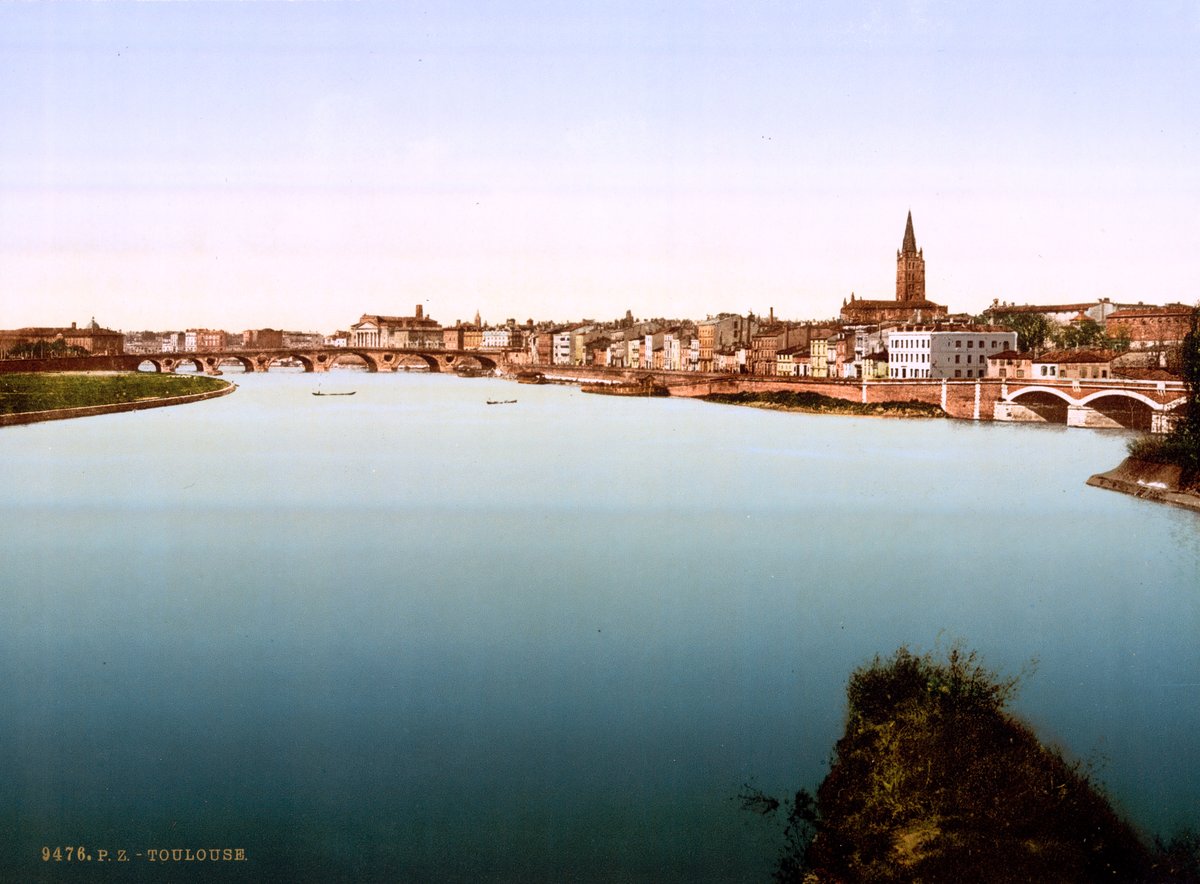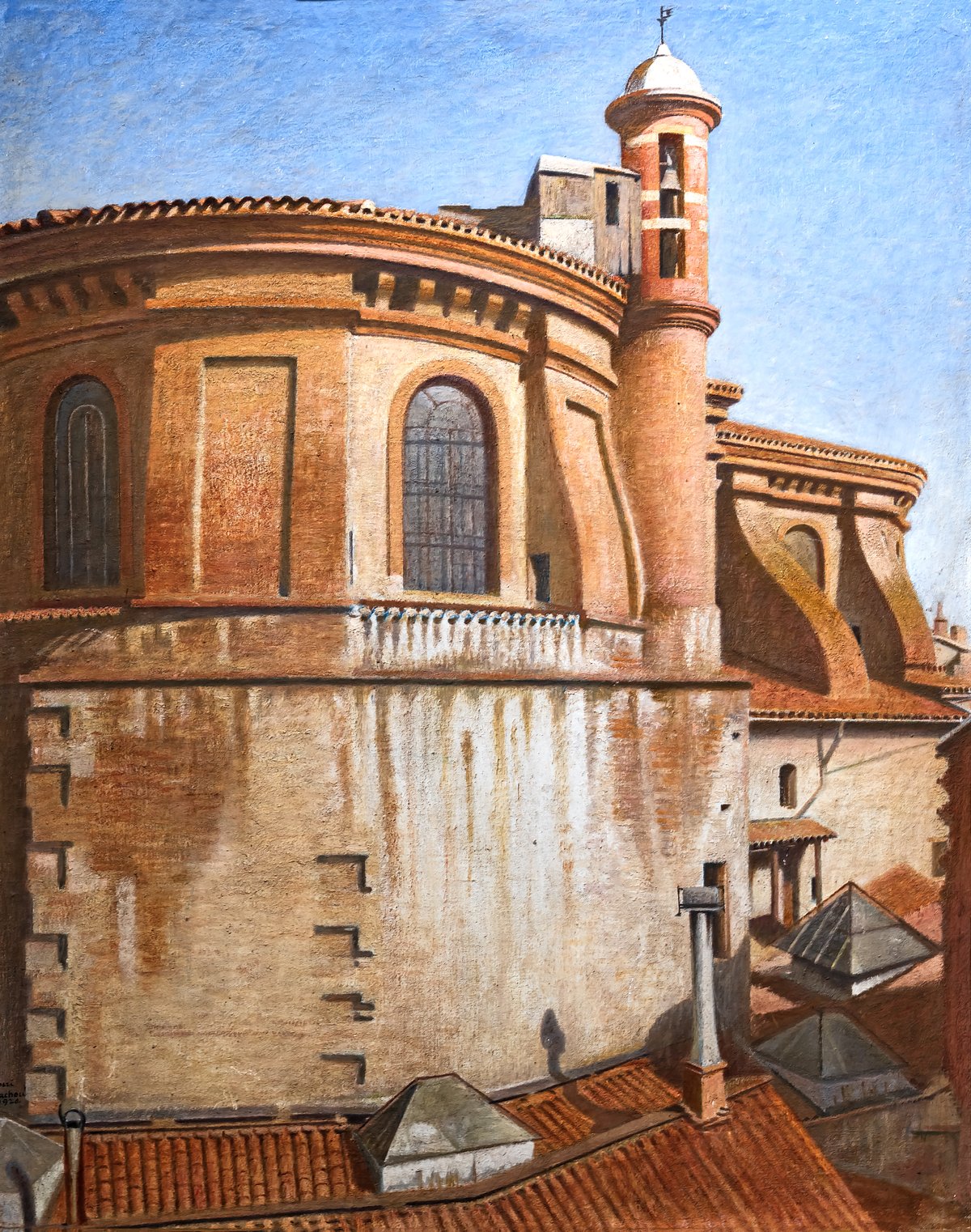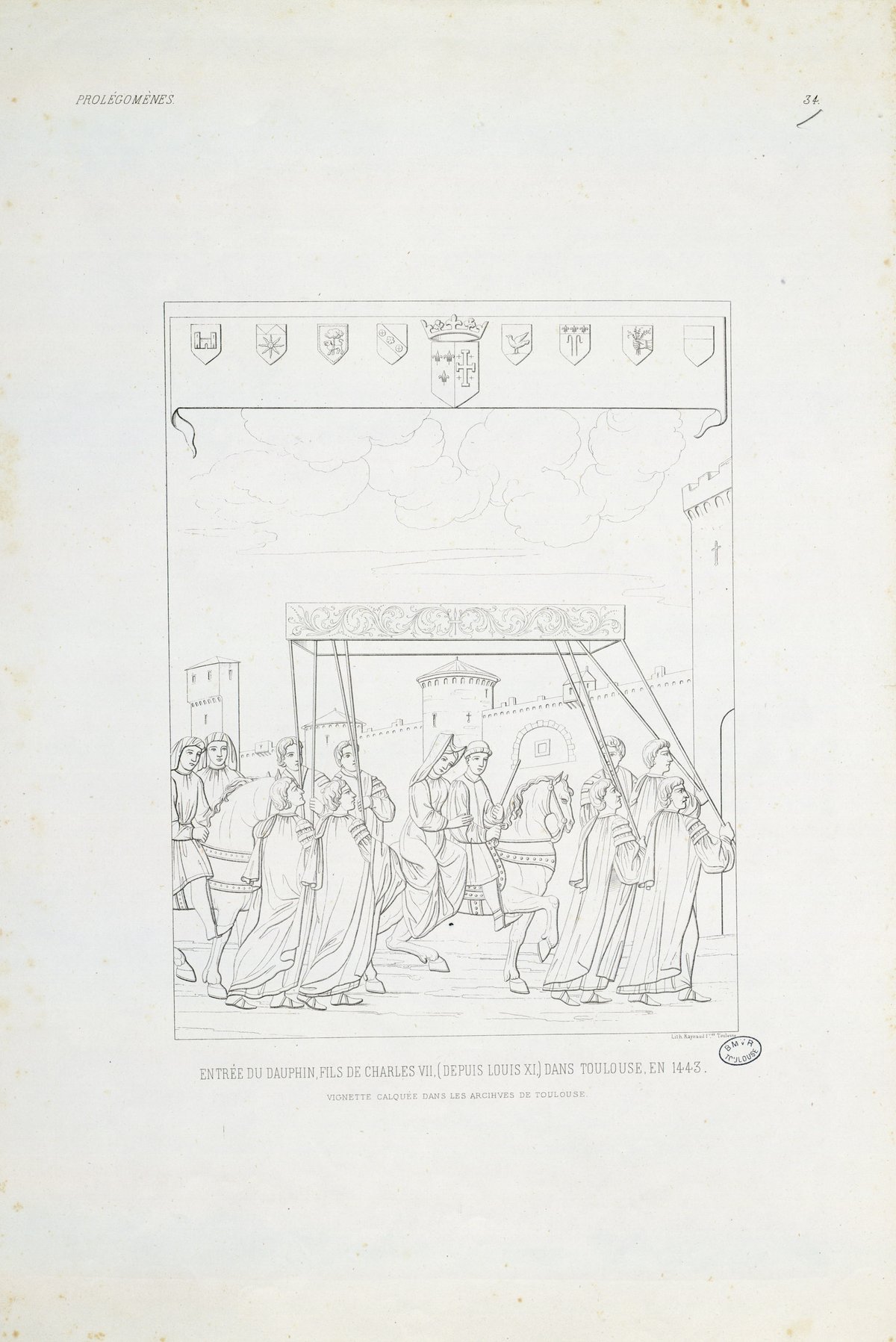
Plan and listen to Rempart Médiéval De Toulouse with Audiala.
Audio guide in your pocket, itinerary in your browser. Built for the way you actually visit.
Introduction
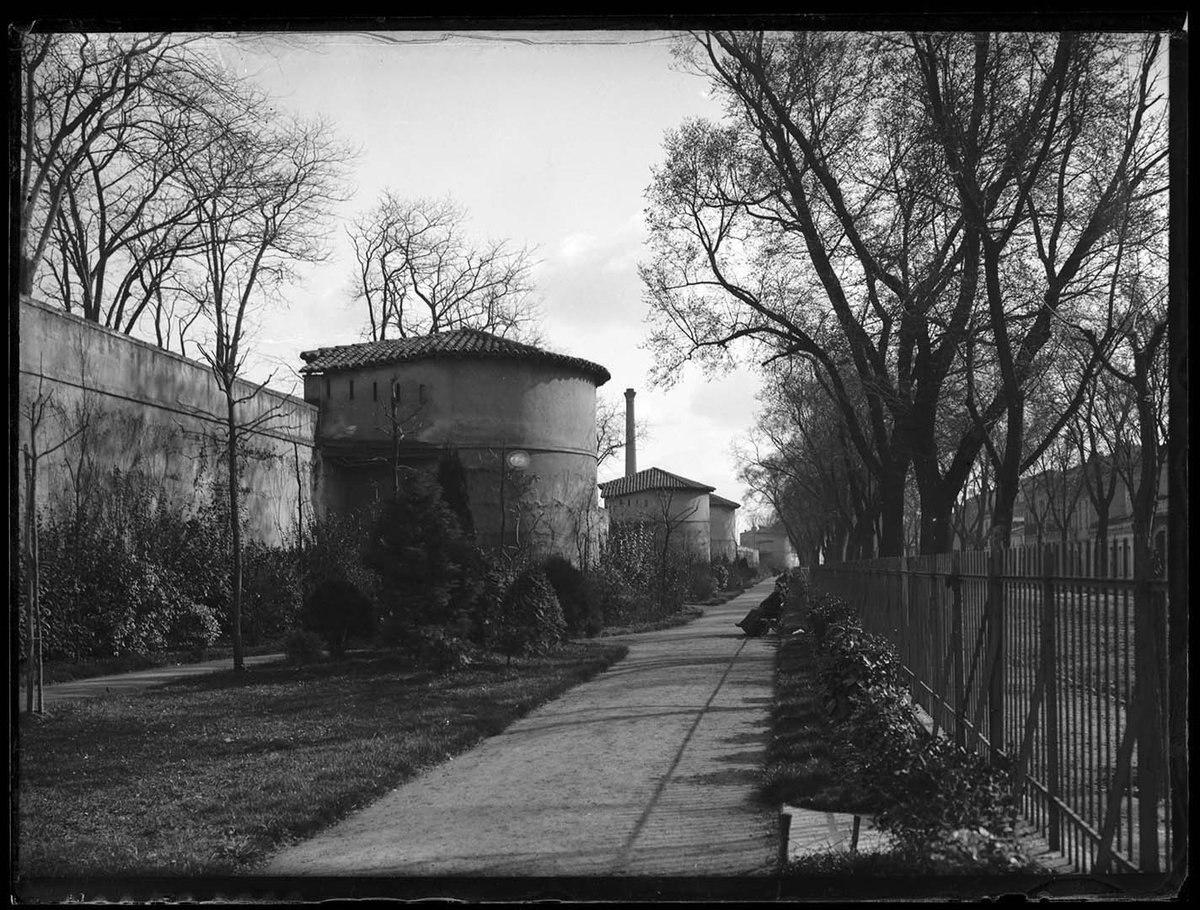
In the heart of Toulouse, France, the Rempart Médiéval de Toulouse stands as a living testament to the city’s layered history, from Roman foundations to medieval fortifications. These ramparts, whose origins reach back to 106 BCE, not only protected the city from invaders but also shaped its urban development, culture, and identity over centuries. Today, visitors can explore these evocative remains, seamlessly integrated within Toulouse’s modern cityscape, and experience a tangible link to the city’s storied past (Toulouse Tourism; INRAP).
This detailed guide covers the historical evolution, architectural features, practical visitor information—including hours, tickets, accessibility—and tips for making the most of your visit. Whether you are a history enthusiast or a curious traveler, the Rempart Médiéval de Toulouse offers a unique window into the city’s enduring legacy.

Roman Foundations and Early Defenses
Toulouse’s first significant defensive structures date to its Roman period, after Tolosa became a Roman colony in 106 BCE. The Romans constructed sturdy walls along the Garonne, using brick and stone—materials that would later characterize Toulouse’s medieval ramparts (Toulouse Tourism). Archaeological evidence of these early walls still surfaces in the city today (INRAP).
Carolingian and Medieval Expansion
During the Carolingian era (8th–10th centuries), Toulouse expanded its defenses in response to regional threats. The “fossé carolingien,” or Carolingian ditch, is a notable remnant from the 9th century, found near the present-day Hôtel Saint-Jean (INRAP). By the 11th and 12th centuries, the city’s ramparts enclosed new districts, reflecting Toulouse’s growing prominence.
Role in the Cathar Wars
Between the 11th and 13th centuries, the ramparts were reinforced to withstand sieges during the Albigensian Crusade, particularly those led by Simon de Montfort (Cathar Castles). These fortifications played a central role in the city’s defense and autonomy.
Architectural Features
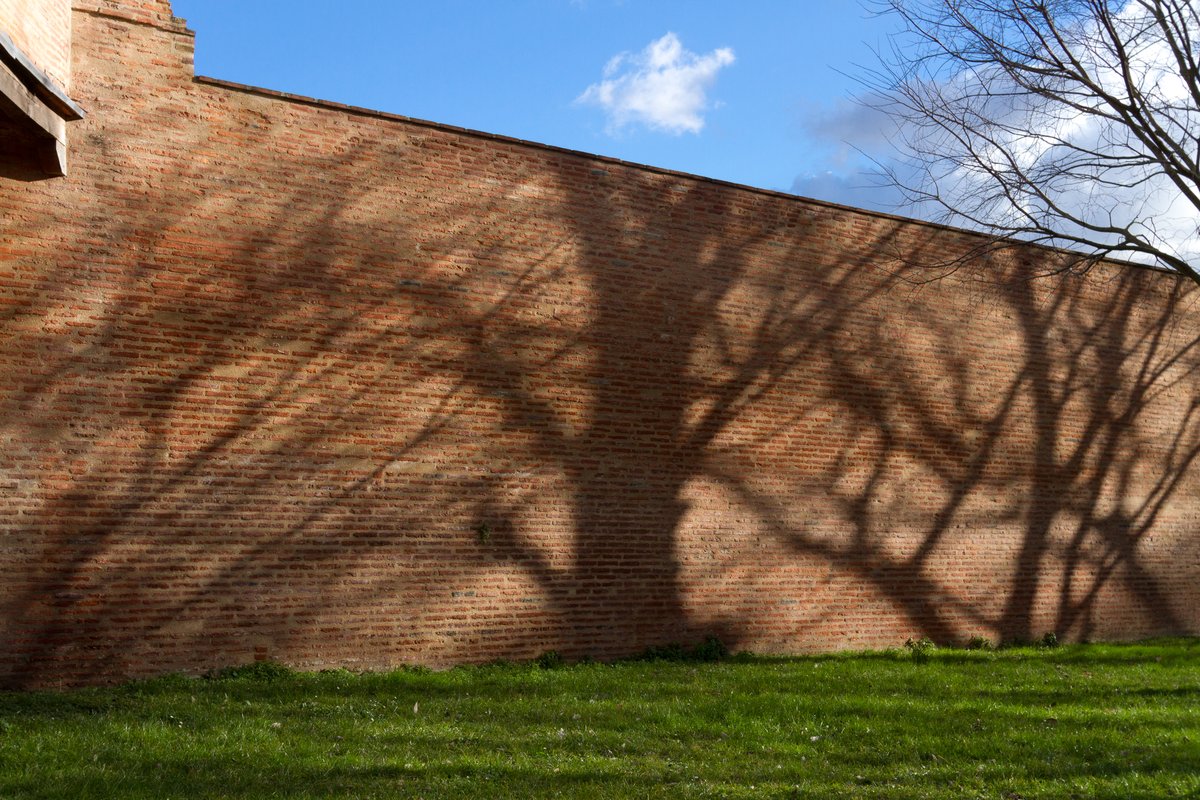
The city’s ramparts were built predominantly from Toulouse’s characteristic pink brick and stone. Techniques included mortared pebbles faced with brickwork and defensive ditches fortified with brick walls (INRAP). Towers, gates, and moats punctuated the walls, and several sections reused Roman masonry (Monumentum).
Decline and Preservation
The effectiveness of city walls waned with changes in warfare and urbanization. Many rampart sections were dismantled in the 19th century, but key fragments remain—some protected as historic monuments since 1995 (Monumentum). Recent archaeological work has uncovered and restored several segments, offering visitors a chance to engage with Toulouse’s tangible past.
Visiting the Rempart Médiéval de Toulouse
Locations and Key Sites
- Allées Jules-Guesde & Place des Hauts-Murats: Best-preserved 14th-century ramparts (Monumentum).
- Boulevard Armand-Duportal: Home to the longest visible stretch, adjacent to University of Toulouse Capitole and Compans-Caffarelli park (Monumentum; Anbenedicte Over-Blog).
- Institut Catholique de Toulouse: Houses a 70-meter section of late Roman and early medieval wall (Wikipedia).
- Subterranean Remains: Some towers and walls are preserved in basements beneath modern buildings, visible during special events.
Visiting Hours and Admission
- Outdoor Ramparts: Accessible year-round, 24/7, as they are part of public streets and parks.
- Private/Institutional Sections: Some areas (e.g., within university or church property) may have restricted access; check during European Heritage Days (Journées du Patrimoine) for special openings.
- Admission: No fee required for outdoor sections; paid guided tours or special exhibitions may have fees (Toulouse Tourisme).
Tickets and Guided Tours
- Guided Tours: Available through the Toulouse Tourist Office and during heritage events. Tours enrich the experience with historical context and access to otherwise closed areas.
- Booking: Tickets for tours can be purchased online or at the tourist office. Costs range from €10–€15, with discounts often available.
Accessibility
- Physical Accessibility: Most outdoor sections are accessible via flat sidewalks, but some areas feature uneven terrain or steps. Facilities in nearby parks and public spaces are available.
- For Families and Groups: Parks adjacent to the ramparts are family-friendly. Group tours can be arranged with advance notice.
Nearby Attractions
- Place du Capitole: Toulouse’s iconic main square.
- Basilique Saint-Sernin: France’s largest Romanesque church, UNESCO World Heritage Site (Toulouse Tourisme).
- Jacobins Convent: Renowned for its Southern Gothic architecture.
- Compans-Caffarelli Park: Green space ideal for relaxing after your rampart visit.
- Saint-Pierre des Cuisines Church: Ancient church near the ramparts.
Special Events and Photography
- Events: Look out for medieval festivals, reenactments, and European Heritage Days for exclusive access and activities.
- Photography: Early morning and late afternoon provide the best lighting to capture the ramparts’ pink brick hues.
Tips for a Memorable Visit
- Plan Your Route: Use city maps or guided tours for the best experience (Toulouse Tourisme).
- Combine Sites: Explore nearby landmarks and museums for a full heritage walk.
- Best Seasons: Spring and autumn offer comfortable weather and special events.
- Respect the Monument: Do not climb or damage the walls; follow posted guidelines.
- Language: French is primary, but English is widely spoken in tourist areas. Knowing basic French greetings is appreciated.
- Access for Non-French Speakers: Use translation apps or English-language guidebooks for additional context (Reddit: Visiting Toulouse).
Frequently Asked Questions (FAQ)
Q: Are the ramparts always open to the public?
A: Outdoor ramparts are accessible at all times. Some sections within private properties may have restricted hours or event-based access.
Q: Is there an entrance fee?
A: No fee for outdoor areas. Guided tours and special exhibitions may require a ticket.
Q: Are guided tours available?
A: Yes, especially through the Toulouse Tourist Office and during heritage events.
Q: How accessible are the ramparts?
A: Most public sections are accessible, though some surfaces are uneven. Check with the tourist office for detailed info.
Q: When is the best time to visit?
A: Spring and autumn for weather and events; early morning or late afternoon for photography.
Visuals and Media

Visitors can find more images, interactive maps, and virtual tours at Toulouse Tourism and Monumentum.
Plan Your Visit
The Rempart Médiéval de Toulouse is more than an ancient wall—it is a living symbol of the city’s resilience, beauty, and historic narrative. Accessible year-round and free to enjoy, the ramparts invite exploration and reflection alongside other landmarks of the “Ville Rose.” For the latest updates on hours, tours, and special events, download the Audiala app or consult Toulouse Tourism.
Embrace Toulouse’s medieval legacy and let the ramparts guide you on a journey through time.
Listen to the full story in the app
The whole Rempart Médiéval De Toulouse,
told well.
Audio guides for 1,100+ cities across 96 countries. History, stories, and local insight — offline ready.
Verified, and shown.
Researched and written by the Audiala editorial team from historical records, architectural archives, and local expertise.
Researched from Wikidata, Wikipedia & official sources · fact-checked · How we make our guides →