Plan and listen to Notre-Dame De La Daurade with Audiala.
Audio guide in your pocket, itinerary in your browser. Built for the way you actually visit.
Introduction
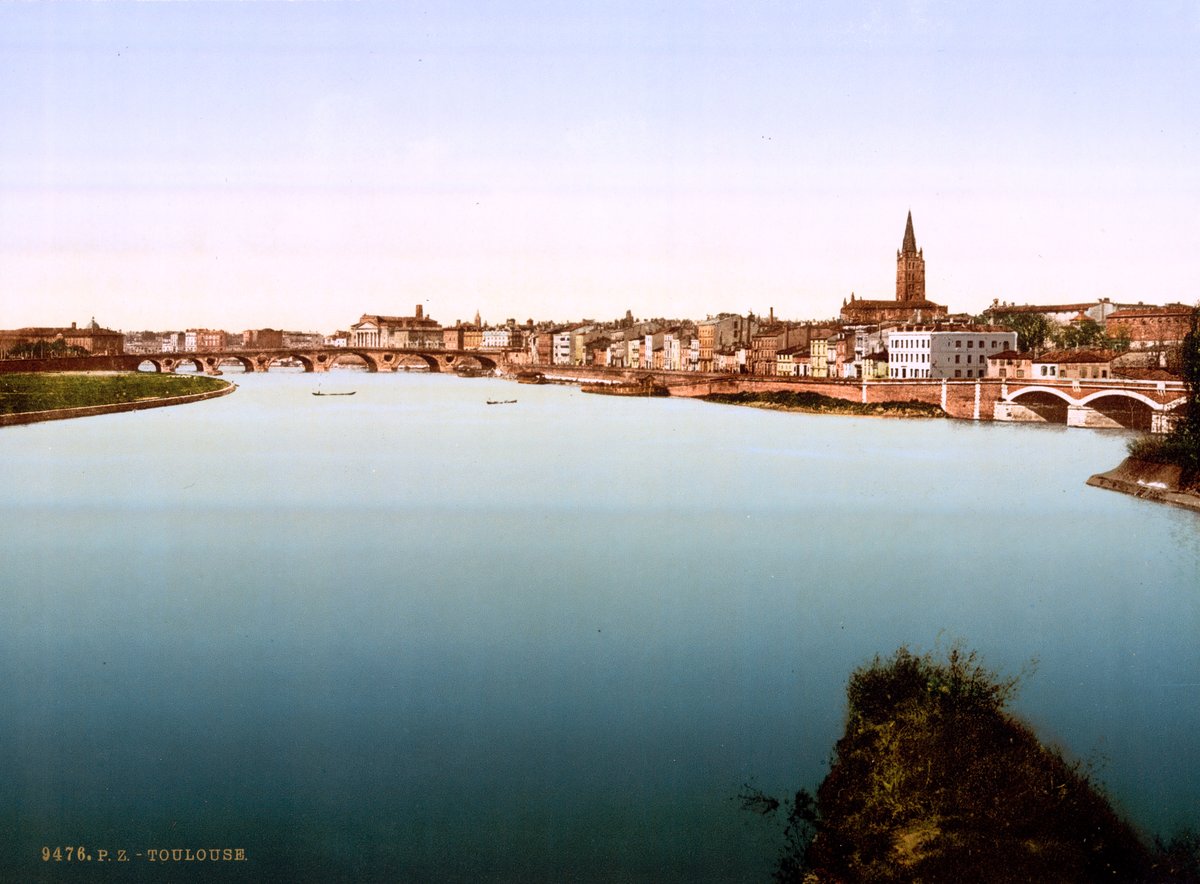
Notre-Dame de la Daurade is an emblematic basilica in Toulouse, gracefully positioned along the Garonne River. With origins dating back to Roman times, it stands as a living chronicle of the city’s religious, artistic, and civic evolution. Renowned for its neoclassical architecture, the revered Black Madonna, and centuries-old traditions, Notre-Dame de la Daurade is a must-visit for history enthusiasts, spiritual seekers, and cultural explorers. This detailed guide provides essential information on the basilica’s history, architecture, visiting hours, ticketing, accessibility, and nearby sites to enrich your experience (Guide Toulouse Pyrénées; POP: la plateforme ouverte du patrimoine).

Ancient Origins
The roots of Notre-Dame de la Daurade trace to the 4th and 5th centuries CE, when the site was occupied by a Roman temple, likely dedicated to Apollo. In 410 CE, under Emperor Honorius, the temple was given to the Christian community, marking Toulouse’s pivotal shift from paganism to Christianity (christianedirectory.com). The term “Daurade” derives from the Latin Deaurata, meaning “gilded,” a reference to the shimmering golden mosaics that once adorned the early apse (guide-toulouse-pyrenees.com).
Medieval Expansion
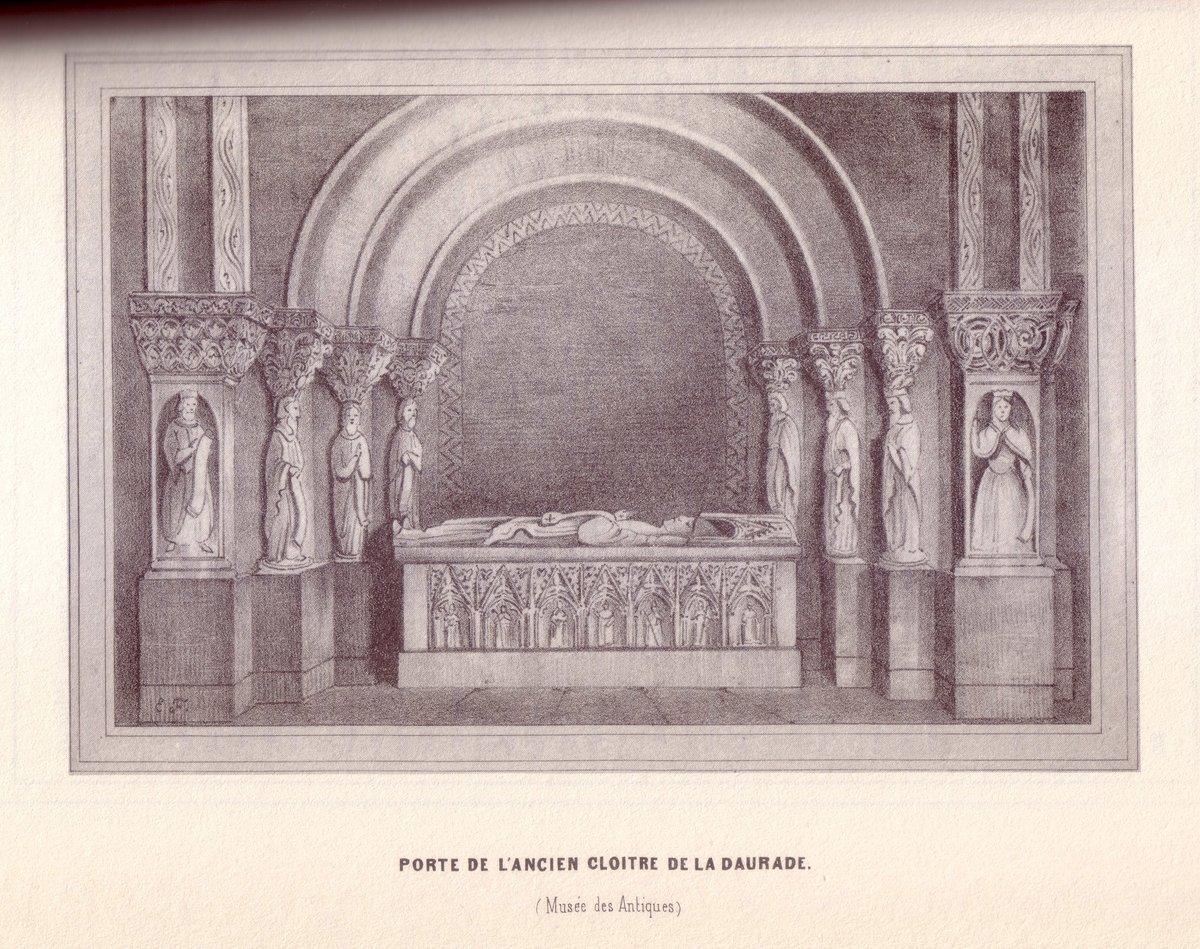
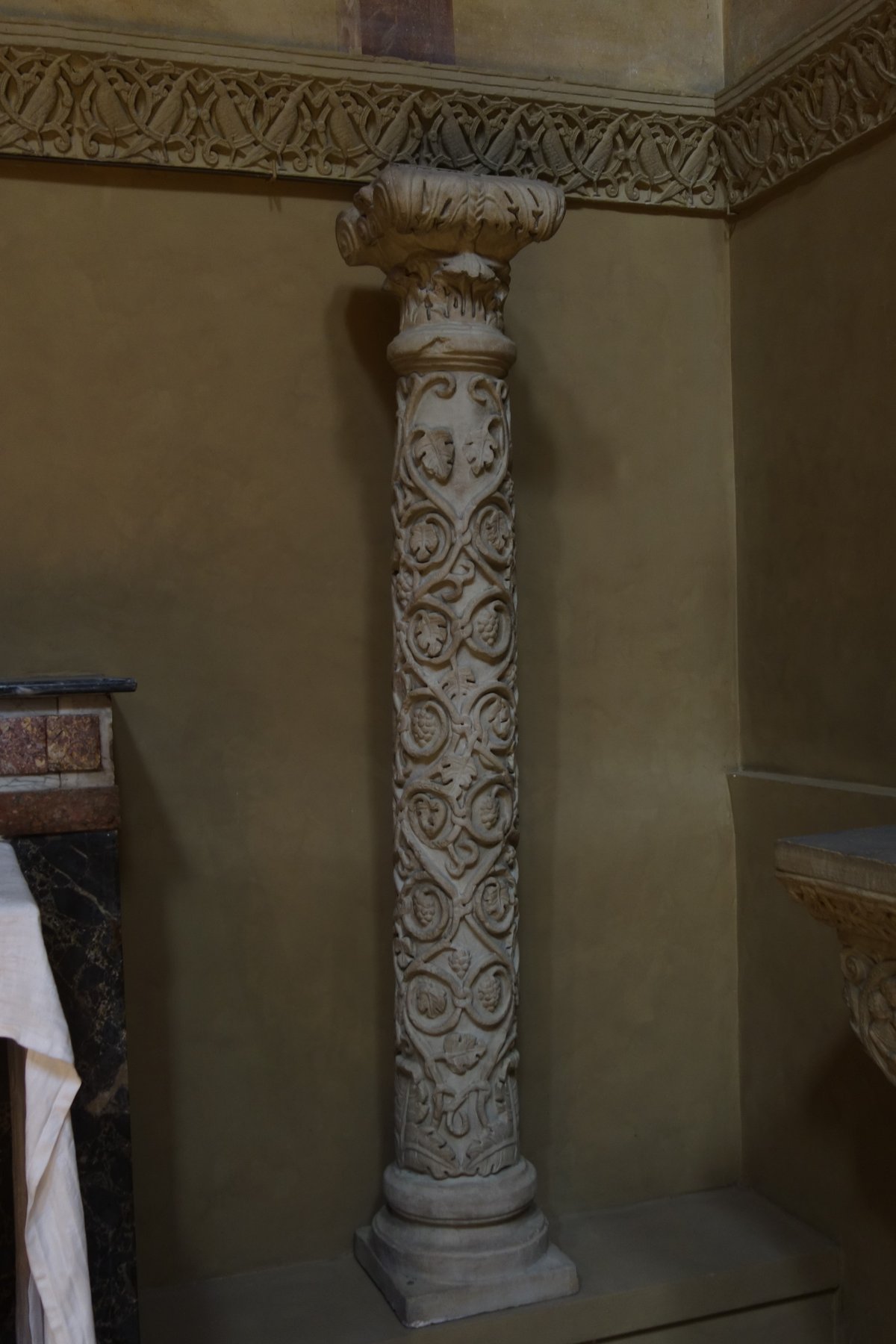
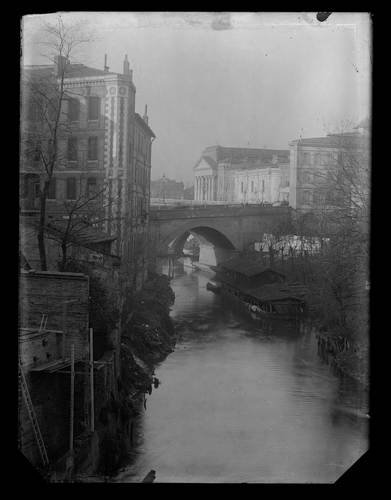
By the 9th century, Notre-Dame de la Daurade had become part of a Benedictine monastery. The church expanded with a nave and cloister, becoming a focal point for religious life and pilgrimage. The abbey’s prominence was closely linked to the nearby Pont de la Daurade, a critical medieval bridge connecting the city’s quarters (tourisme-occitanie.com). The golden mosaics and monastic culture made the basilica a hub for devotion, commerce, and the arts.
Architectural Transformation
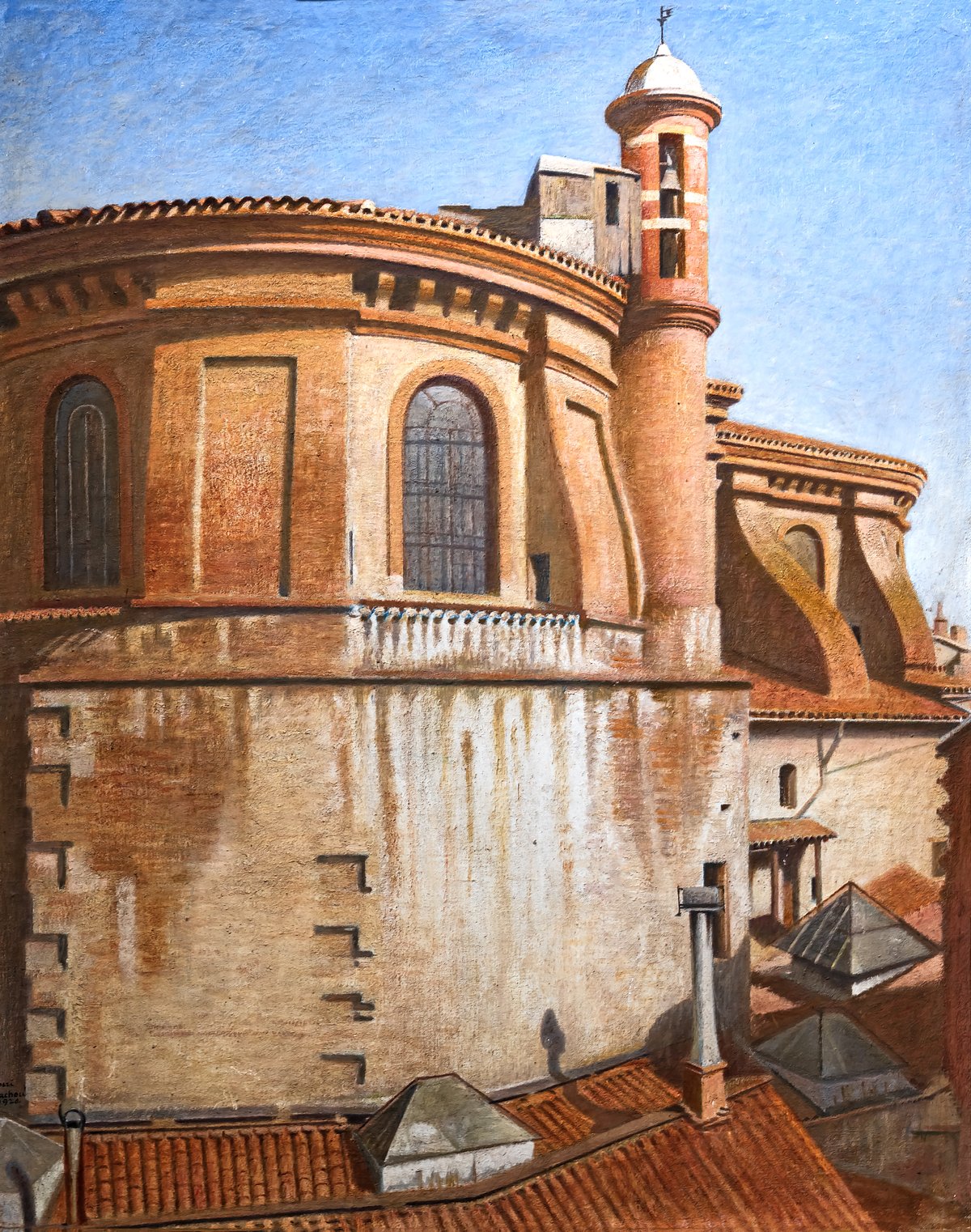
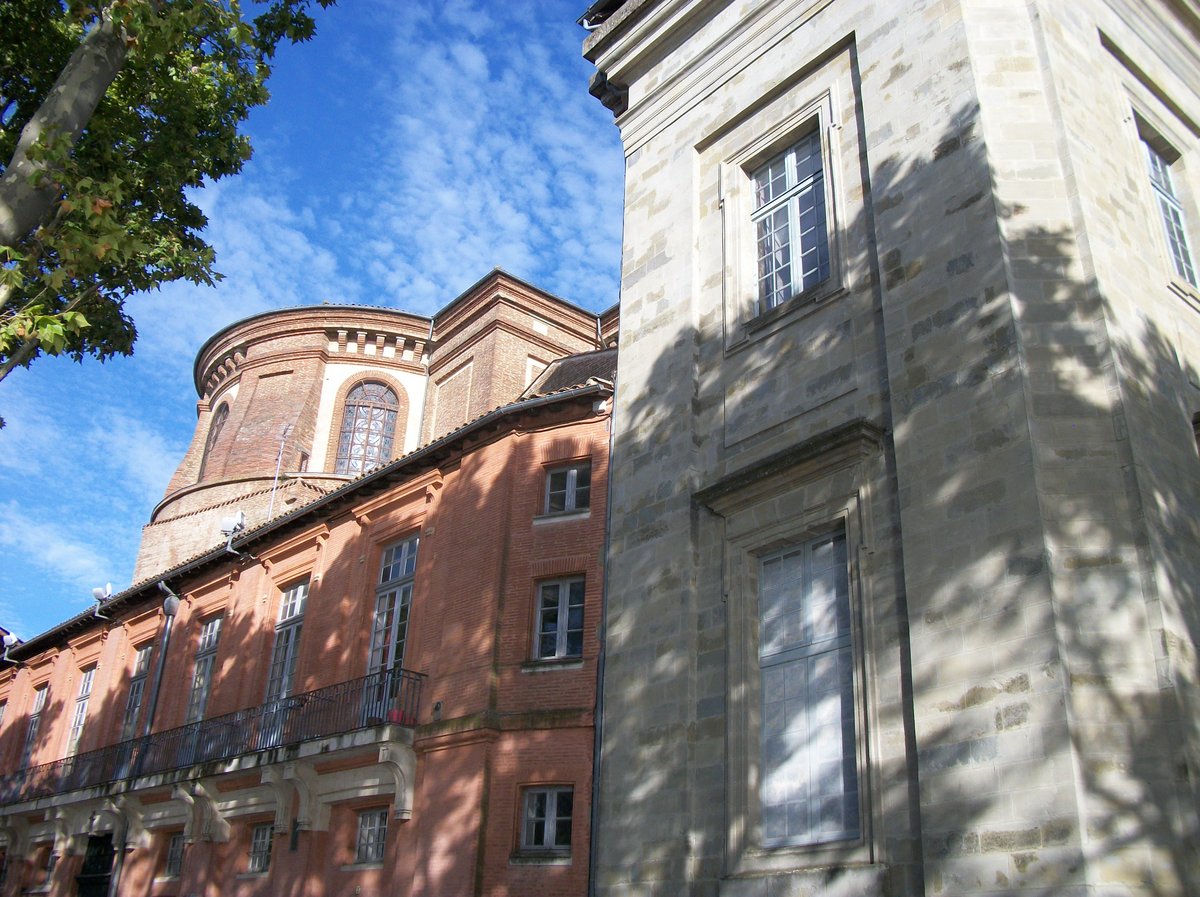
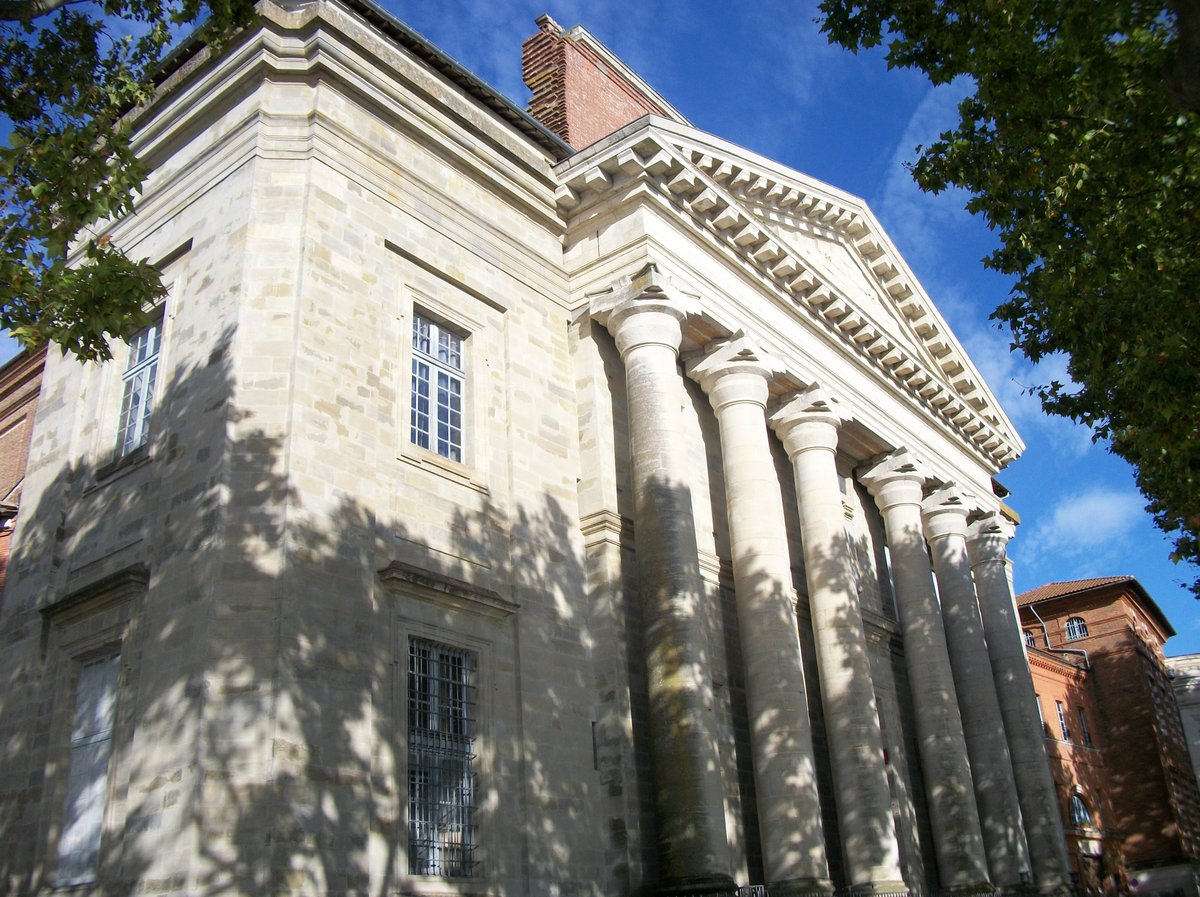
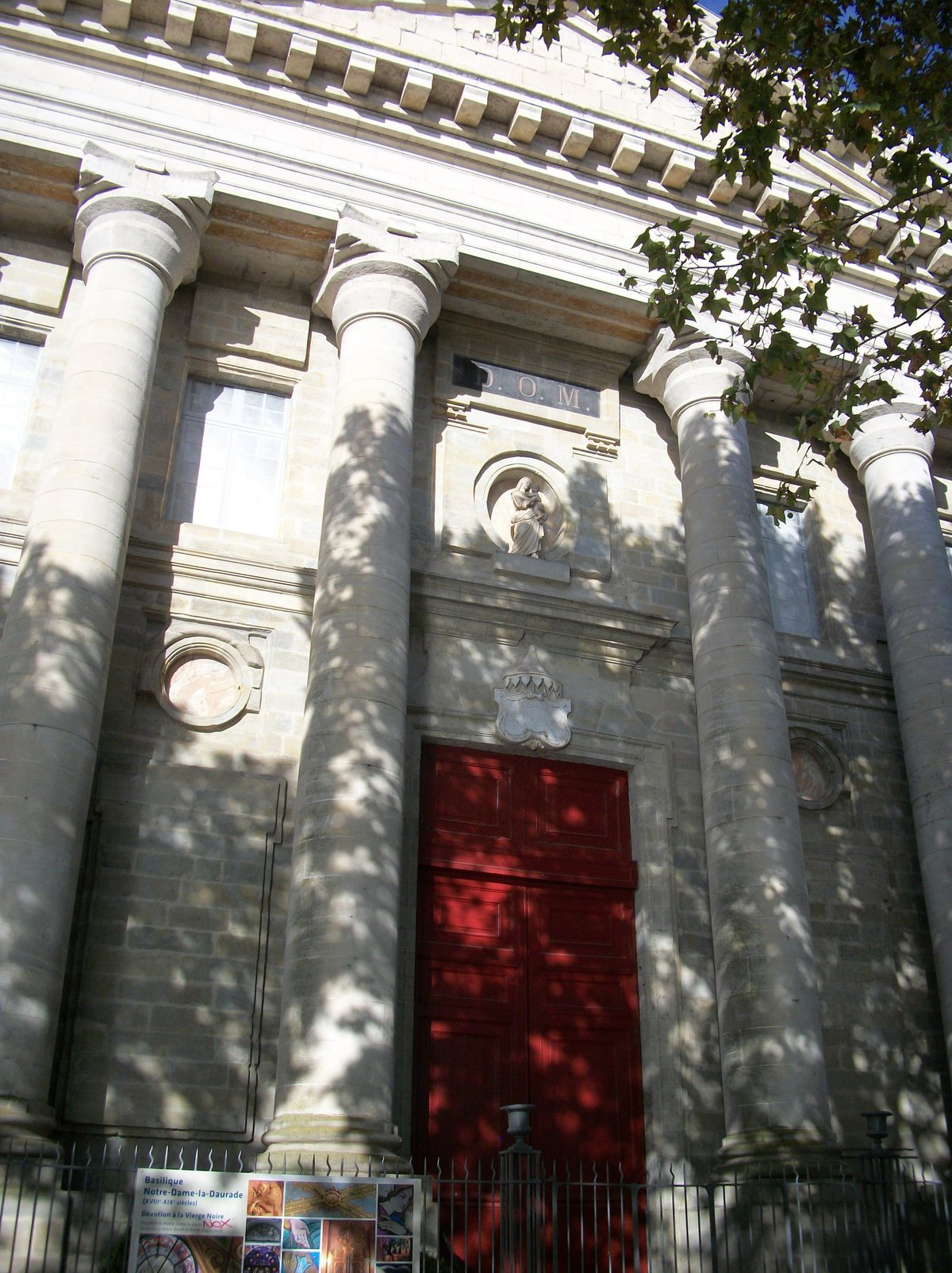
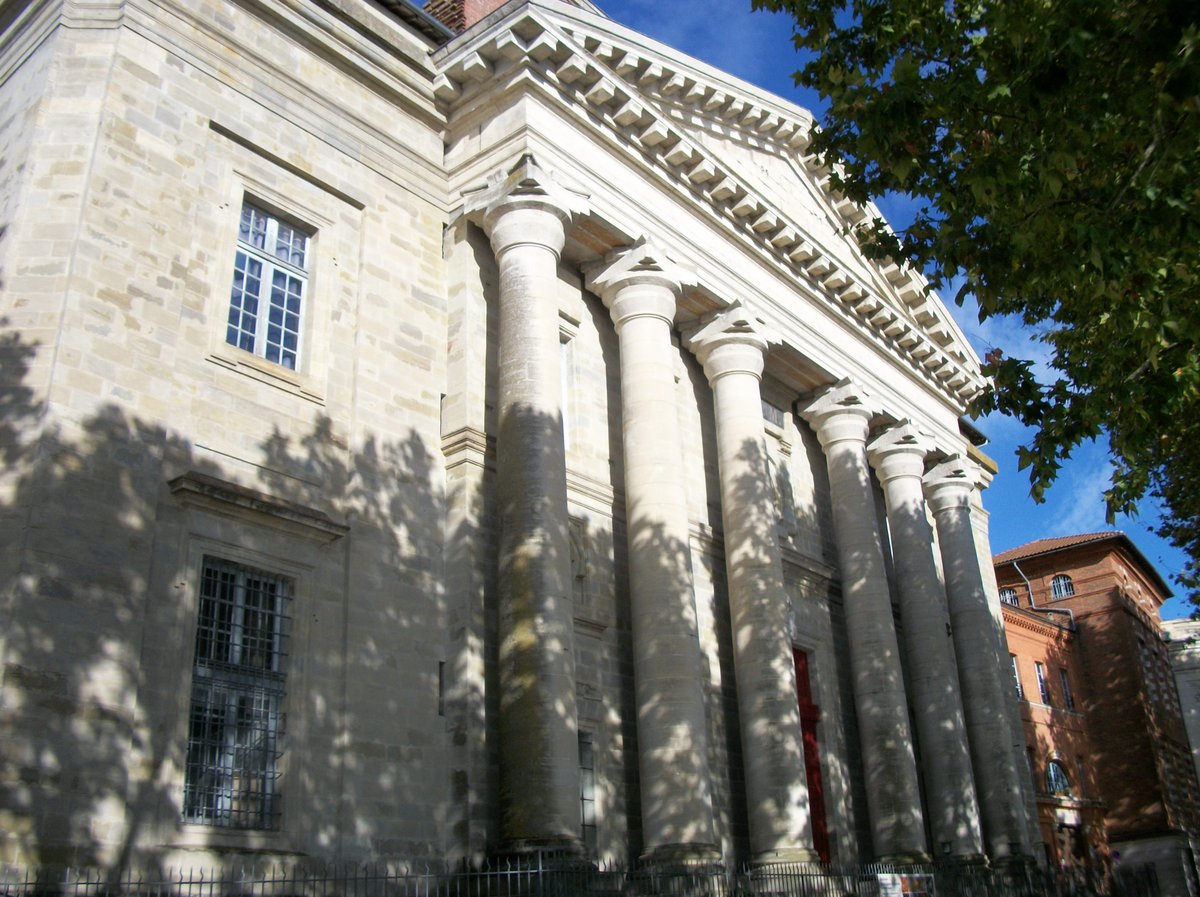
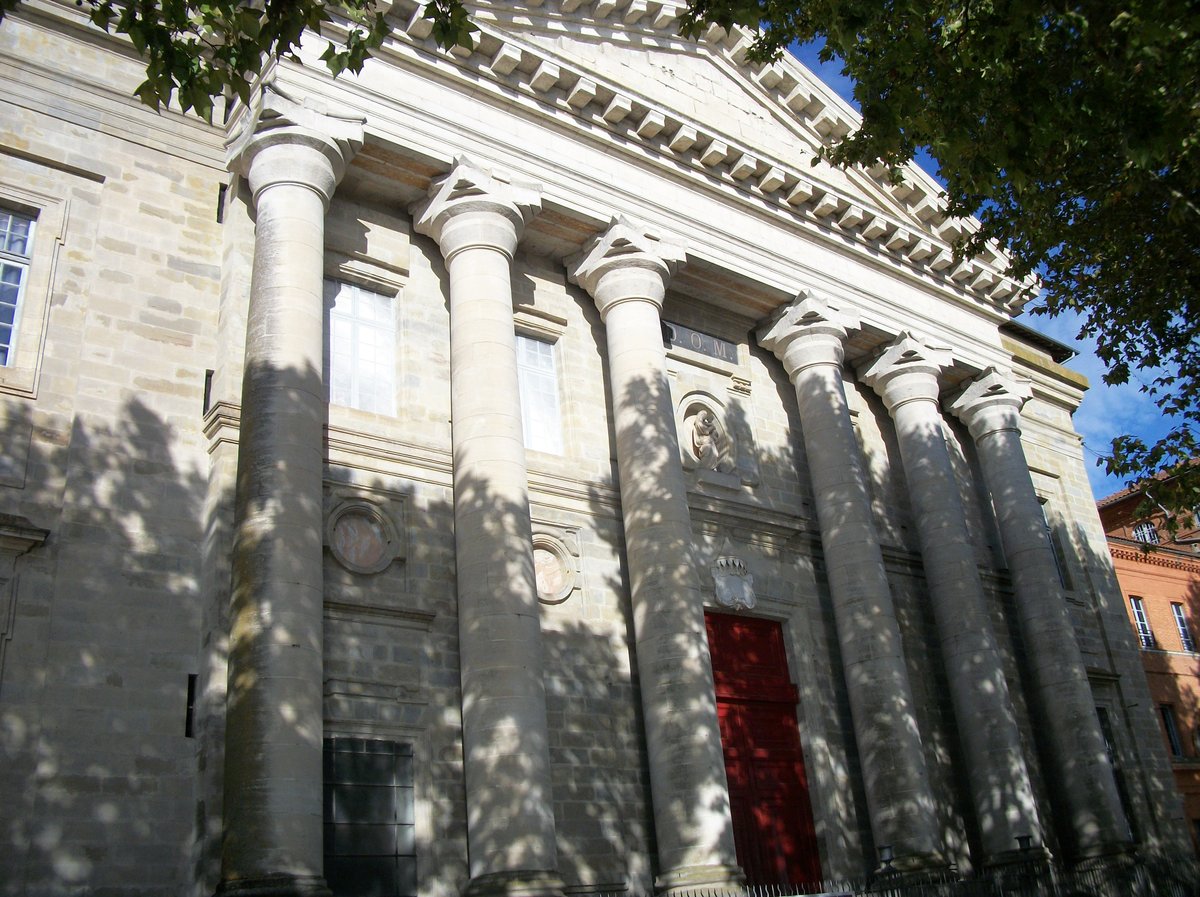
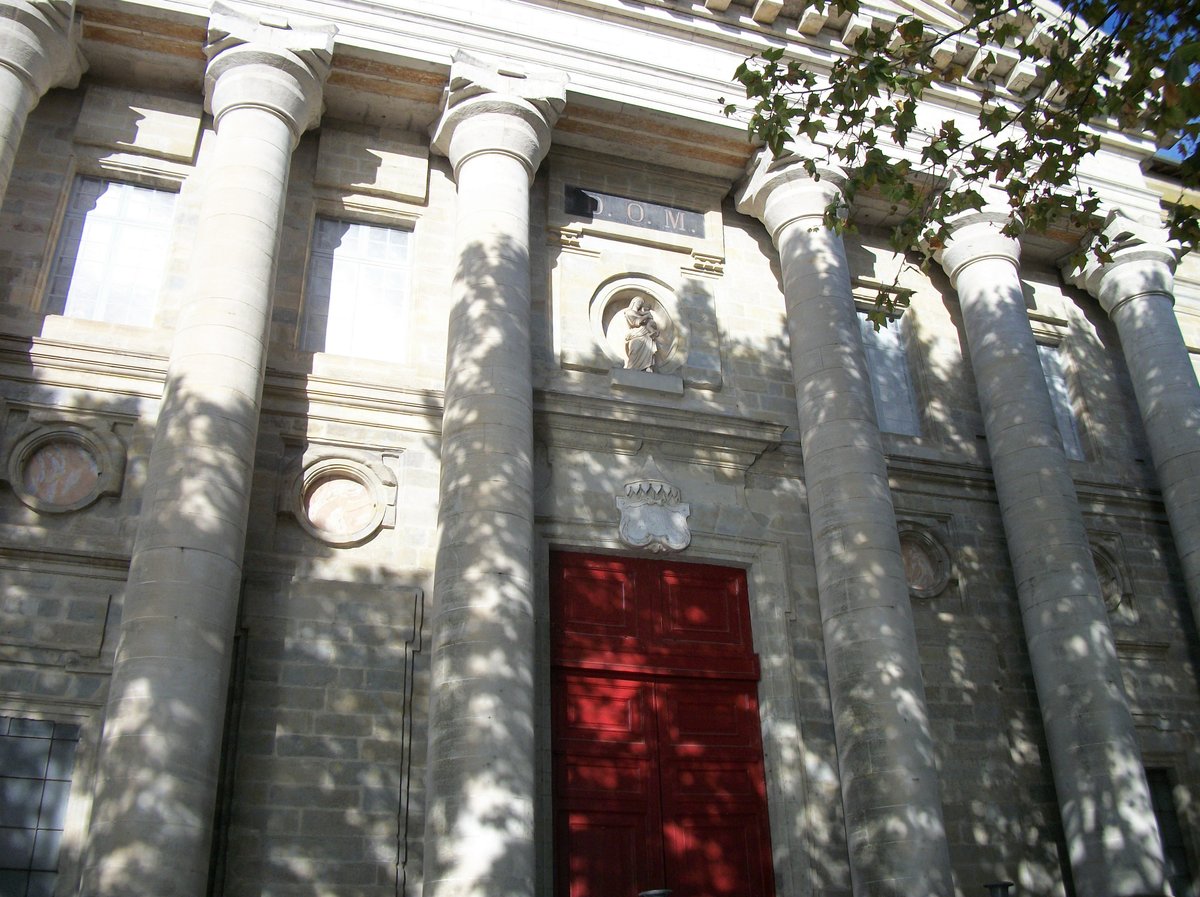
The original structures underwent significant changes over centuries. By the late 18th century, the church was in disrepair and was demolished in 1776. Construction of the present neoclassical basilica began shortly after, though progress was hindered by the French Revolution and shifting plans. The current church was consecrated in 1836 and completed in 1883. Pope Pius IX elevated its status to a minor basilica in 1876 (fr.wikipedia.org). The façade’s imposing columns and harmonious proportions exemplify neoclassical ideals, while a modest clocheton (bell turret) punctuates the skyline (Guide Toulouse Pyrénées).
The Black Madonna: Spiritual Heart of the Basilica
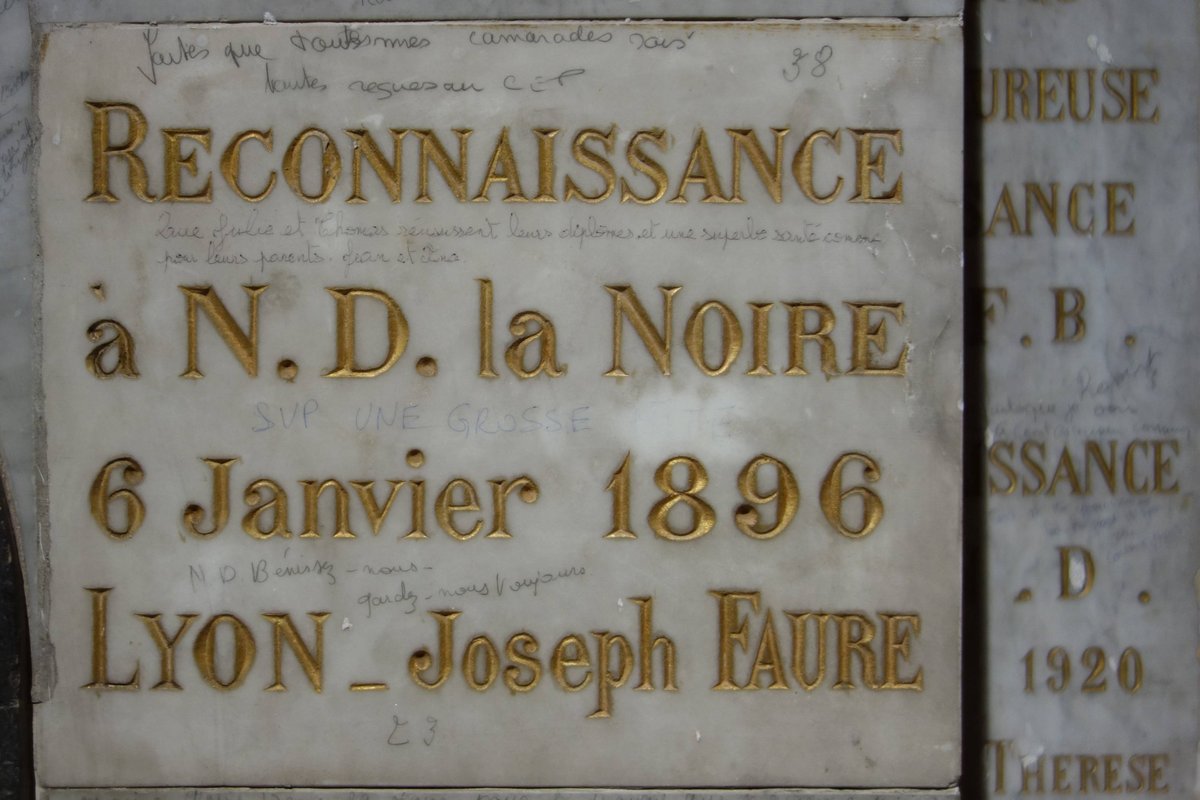
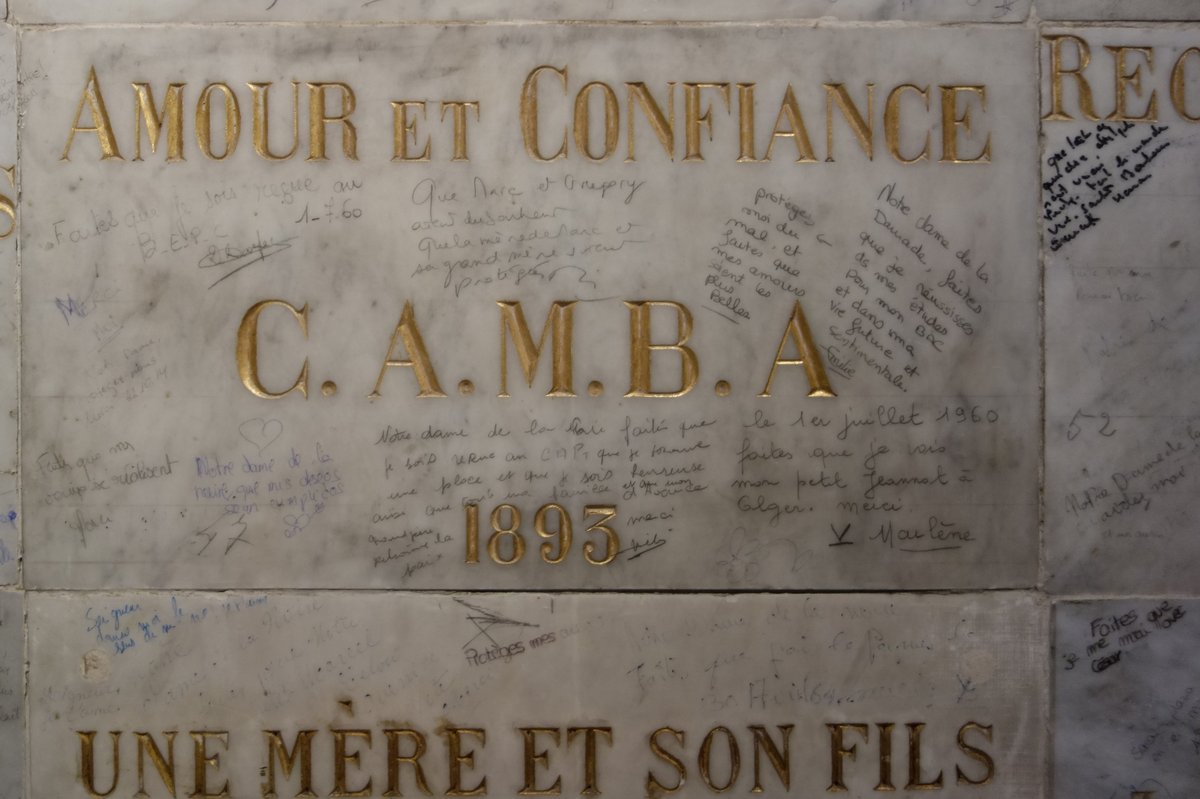
Notre-Dame de la Daurade is best known for its Black Madonna, “Notre-Dame la Noire.” Veneration of this Marian icon dates back to the Middle Ages, with the current statue installed in 1807 after its predecessors were destroyed during the French Revolution (interfaithmary.net). The Black Madonna is a symbol of protection, especially for expectant mothers, and continues to be a focal point of devotion, processions, and local festivals. The statue is often adorned with elaborate garments, including those designed by renowned couturiers like Christian Lacroix and Jean-Charles de Castelbajac (tourisme-occitanie.com).
Architectural and Artistic Highlights
- Façade & Exterior: The basilica’s neoclassical façade, with its grand colonnade and triangular pediment, exemplifies 19th-century architectural elegance (Catholic Shrine Basilica).
- Nave & Chapels: The interior features a luminous nave and side chapels decorated with intricate iconography and sculpture (Guide Toulouse Pyrénées).
- Monumental Paintings: Joseph Roques’s monumental paintings on the life of the Virgin Mary are central to the basilica’s artistic heritage (Haute Garonne Tourism).
- Grand Organ: The grand organ provides rich acoustics for liturgical services and concerts (Catholic Shrine Basilica).
Visiting Notre-Dame de la Daurade: Essential Information
Hours
- Daily: Generally open from 9:00 AM to 6:00 PM (some sources mention 8:00 AM to 7:00 PM; check locally for updates).
- Holidays & Events: Hours may vary during religious holidays and special events (Guide Toulouse Pyrénées).
Tickets & Admission
- Entrance: Free for all visitors. Donations are welcome to support restoration and maintenance.
Guided Tours
- Availability: Guided tours are offered on weekends and by appointment. Paper guides are available at the nearby Espace Patrimoine, less than 100 meters from the basilica (Guide Toulouse Pyrénées).
- Content: Tours cover the basilica’s layered history, architectural features, major artworks, and the Black Madonna’s significance.
Accessibility
- Wheelchair Access: Ramps at the main entrance and accessible facilities.
- Public Transport: Easy access by metro, tram, and bicycle. The T2 tram from Toulouse Airport connects with the city center, with a short walk to the basilica (travelsewhere.net).
Photography
- Permitted: Non-flash photography is allowed. Tripods are generally not permitted.
Dress and Conduct
- Dress Code: Modest attire is encouraged; shoulders and knees should be covered, especially during services.
- Etiquette: Maintain silence and respect for worshippers, particularly during religious ceremonies.
Nearby Toulouse Historical Sites and Suggested Itineraries
Notre-Dame de la Daurade’s central location makes it a convenient starting point for exploring Toulouse:
- Basilica of Saint-Sernin: The city’s most famous church, a UNESCO World Heritage Site.
- Pont Neuf: Iconic 17th-century bridge with panoramic river views.
- Capitole de Toulouse: The city’s grand town hall and theater complex.
- Chapelle Saint-Joseph de la Grave: Notable for its dome and riverside presence.
- Les Abattoirs & Musée des Augustins: Modern and classical art museums within walking distance (travelsewhere.net).
- Place Wilson: Lively plaza with a statue of Pierre Goudouli, whose remains rest in the basilica (fr.wikipedia.org).
Restoration, Modern Use, and Community Role
Notre-Dame de la Daurade is a protected Monument Historique, with recent major restorations completed in 2019. These efforts, led by heritage architect Axel Letellier, have preserved the basilica’s structure, artworks, and bells (fr.wikipedia.org). The basilica continues to serve as an active parish church and vibrant cultural venue, hosting concerts, art exhibitions, and community gatherings (allevents.in).
Frequently Asked Questions (FAQ)
Q: What are Notre-Dame de la Daurade’s opening hours?
A: Usually open daily from 9:00 AM to 6:00 PM, with possible variations for religious celebrations.
Q: Is entry free?
A: Yes, admission is free; donations are appreciated.
Q: Are guided tours provided?
A: Yes, on weekends and by appointment, with guides or paper brochures available nearby.
Q: Is the basilica accessible for those with reduced mobility?
A: Yes, ramps and accessible facilities are available.
Q: Can I take photos inside?
A: Yes, but avoid flash and tripods.
Q: What nearby sites should I visit?
A: Basilica of Saint-Sernin, Capitole de Toulouse, Pont Neuf, and local museums.
Final Tips and Recommendations
- Best Times to Visit: Early mornings or late afternoons during weekdays for a quieter experience. Attend during Marian festivals for vibrant local traditions.
- Dress Appropriately: Modest clothing is expected, especially during services.
- Plan a Walking Itinerary: Include riverside strolls and visits to neighboring historic sites.
Listen to the full story in the app
The whole Notre-Dame De La Daurade,
told well.
Audio guides for 1,100+ cities across 96 countries. History, stories, and local insight — offline ready.
Verified, and shown.
Researched and written by the Audiala editorial team from historical records, architectural archives, and local expertise.
Researched from Wikidata, Wikipedia & official sources · fact-checked · How we make our guides →