Plan and listen to Musée Des Augustins with Audiala.
Audio guide in your pocket, itinerary in your browser. Built for the way you actually visit.
Introduction
Located in the vibrant heart of Toulouse, the Musée des Augustins stands as a remarkable testament to centuries of artistic, religious, and architectural heritage. Established in 1795 on the site of a 14th-century Augustinian convent, it is one of France’s oldest museums—second only to the Louvre. The museum offers a journey through fine arts from the Middle Ages to the early 20th century, housed within the evocative setting of southern French Gothic architecture built from Toulouse’s iconic pink brick.
Today, the Musée des Augustins is undergoing a comprehensive renovation (2018–2025), set to reopen in December 2025. The project enhances accessibility, introduces a striking new entrance pavilion by Aires Mateus, and restores the last intact 14th-century cloister in southern France. This guide provides a detailed overview of the museum’s history, collections, practical visitor information, and the scope of its ambitious restoration (hollymelody.com; spottinghistory.com; en.wikipedia.org; metropole.toulouse.fr; La Dépêche).


Origins as a Monastic Institution
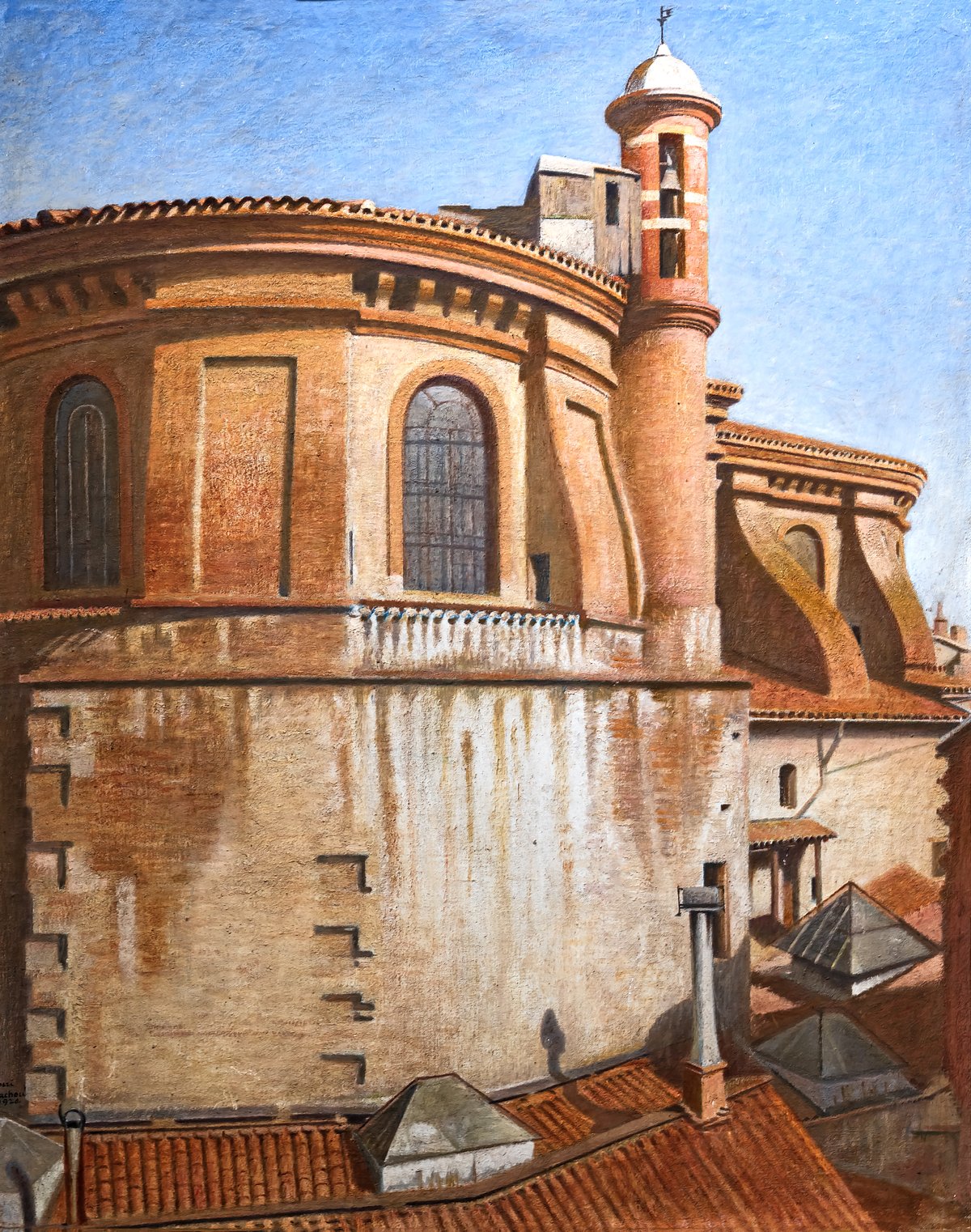
The Musée des Augustins occupies the site of a former Augustinian convent, founded in 1272. The complex, completed in the Gothic style by 1309, became a hub of religious, intellectual, and artistic life in medieval Toulouse. Built atop Roman baths, the convent’s church and cloister established a legacy of architectural and cultural significance that endures today (hollymelody.com; spottinghistory.com).
Secularization and Museum Transformation
The French Revolution brought sweeping changes in 1793—religious functions were dissolved and monastic properties were seized. Recognizing the architectural and cultural value of the site, authorities transformed it into a public museum in 1795, making it one of France’s oldest museums. The initial collection featured artworks and artifacts confiscated from local churches and monasteries, later expanded by the Arrêté Chaptal of 1801 (en.wikipedia.org).
Architectural Evolution and Restoration
Over the centuries, the museum’s architecture evolved to accommodate its collections. The 19th-century saw significant changes, including the demolition and replacement of the refectory and the addition of a monumental Gothic Revival staircase. Restoration efforts throughout the 20th century have aimed to return the monument to its original proportions and beauty, notably reconstructing the cloister to house medieval collections (wga.hu).
Growth of the Collections
Today, the Musée des Augustins houses over 4,000 works—sculptures, paintings, manuscripts, and decorative arts—spanning the Middle Ages through the early 20th century. Notable strengths include its Romanesque and Gothic sculpture collections and paintings by Ingres, Delacroix, Monet, Renoir, Cézanne, and Pissarro. The museum also preserves artifacts from the Greek, Roman, and Etruscan periods (toulouse-tourisme.com).
Role in Toulouse’s Cultural Identity
As a guardian of the city’s artistic heritage, the Musée des Augustins is central to Toulouse’s cultural identity. Its educational programs, exhibitions, and public events engage diverse audiences, while the building itself stands as a living document of the city’s history (touristplatform.com).
Visiting the Musée des Augustins: Practical Information
Opening Hours
- Reopening: December 2025 (after renovations)
- Regular Hours: Tuesday to Sunday, 10:00 AM – 6:00 PM
- Closed: Mondays and public holidays
- Last Admission: 30 minutes before closing
Always check the official website for up-to-date hours.
Ticket Prices and Purchase Options
- General Admission: ~€8
- Reduced Rates: For students, seniors, and groups
- Free Entry: Children under 18, select events
- Purchase: Online via official site or at the entrance
Accessibility
- Fully accessible entrances, ramps, and elevators
- Adapted restrooms and services for visitors with reduced mobility
- Assistance available upon request
Getting There and Parking
- Location: 21 Rue de Metz, central Toulouse
- Public Transport: Metro Line A (Capitole), bus lines, and nearby train station (Matabiau)
- Parking: Limited; public garages recommended
- Nearby Landmarks: Capitole de Toulouse, Saint-Sernin Basilica, Les Jacobins Convent
Guided Tours and Events
- Regular guided tours (multilingual), family workshops, and cultural events
- Audio guides available
- Check the website for current schedules
Photographic Highlights
- Medieval cloister, Gothic nave, and the new limestone entrance
- Romanesque and Gothic sculptures, Impressionist paintings
- Non-flash photography permitted except where noted
Major Renovation (2018–2025): Innovations and Heritage
Scope and Rationale
The museum’s closure since 2019 allows for essential upgrades:
- Heritage Conservation: Restoring the last intact 14th-century cloister in southern France
- Accessibility: Full compliance for visitors with reduced mobility
- Visitor Comfort: New reception, museum shop, and restrooms
- Architectural Innovation: A new limestone entrance by Aires Mateus, harmonizing modernity and tradition
- Urban Integration: Landscaped forecourt and improved pedestrian access (La Dépêche; Actu.fr)
Restoration Highlights
- Careful cleaning and stabilization of medieval columns and capitals
- Rainwater management for long-term preservation
- Scientific oversight for historical accuracy
- Ongoing restoration of the Viollet-le-Duc grand staircase
Temporary Openings and Community Engagement
During the renovation, select galleries have opened for special events, engaging over 133,000 visitors in summer 2023 (Le Journal Toulousain).
What to Expect After Reopening
- Over 4,000 works displayed in newly curated spaces
- Seamless accessibility and visitor flow
- Ongoing restoration with minimal disruption
- A blend of serenity, conviviality, and architectural splendor
Frequently Asked Questions (FAQ)
Q: What are the Musée des Augustins visiting hours?
A: From December 2025, Tuesday–Sunday, 10:00 AM–6:00 PM; closed Mondays and public holidays.
Q: How much are tickets?
A: Approximately €8, with reduced rates and free entry for children under 18 and during select events.
Q: Is the museum accessible for wheelchair users?
A: Yes, the museum is fully accessible.
Q: Are guided tours available?
A: Yes, guided tours and audio guides are regularly offered.
Q: Can I take photos inside?
A: Non-flash photography is permitted in most areas.
Q: What other historical sites are nearby?
A: Capitole de Toulouse, Saint-Sernin Basilica, and Les Jacobins Convent.
Summary of Key Information
The Musée des Augustins is a cornerstone of Toulouse’s cultural landscape. Its rich collections, spanning medieval sculpture to Impressionist painting, are housed within a Gothic architectural masterpiece. The ongoing renovation, culminating in December 2025, will enhance accessibility and visitor experience while preserving the site’s historic integrity. Centrally located and surrounded by other historical sites, the museum is poised to reaffirm its role as a beacon of art, history, and education in southern France. For the most current information, consult the official museum website and leverage digital resources like the Audiala app (musées Occitanie; Le Journal Toulousain).
Listen to the full story in the app
The whole Musée Des Augustins,
told well.
Audio guides for 1,100+ cities across 96 countries. History, stories, and local insight — offline ready.
Verified, and shown.
Researched and written by the Audiala editorial team from historical records, architectural archives, and local expertise.
Researched from Wikidata, Wikipedia & official sources · fact-checked · How we make our guides →