Plan and listen to Monastère Des Religieux De Vienne De Toulouse with Audiala.
Audio guide in your pocket, itinerary in your browser. Built for the way you actually visit.
Introduction
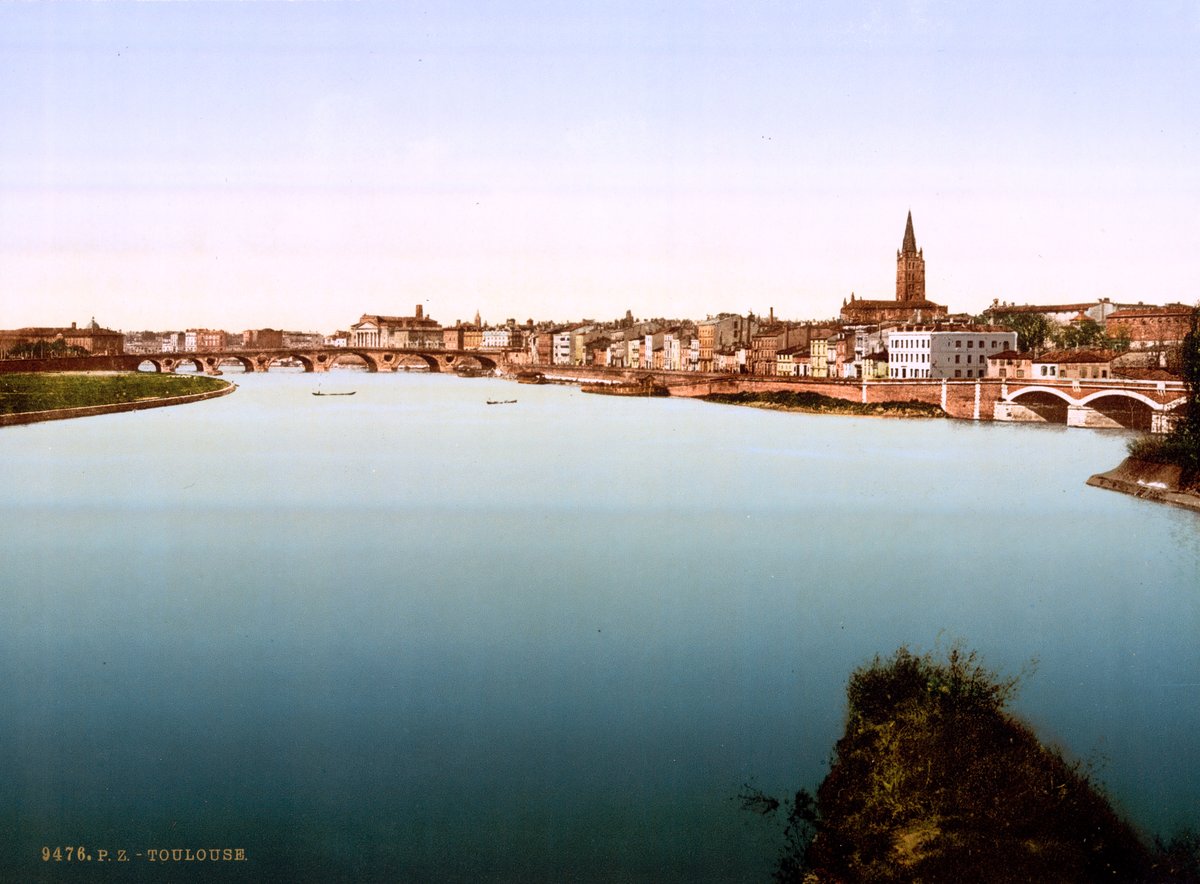
Tucked away in the heart of Toulouse, the Monastère des Religieux de Vienne de Toulouse stands as a testament to the city’s deep-rooted medieval heritage and religious traditions. Less frequented than the Couvent des Jacobins or Basilique Saint-Sernin, this hidden gem invites visitors to step into centuries of spiritual devotion, architectural innovation, and cultural continuity. Founded by monks with ties to the ecclesiastical center of Vienne between the 11th and 14th centuries, the monastery showcases the famed pink brickwork and the harmonious blend of Romanesque and early Gothic styles that have earned Toulouse the nickname "La Ville Rose" (The Pink City).
Today, the monastery offers a tranquil retreat for visitors interested in history, sacred architecture, or contemplative gardens. Its accessible location near Toulouse’s historic center and proximity to sites such as Saint-Jérôme Church and the Saint-Georges district make it a rewarding stop for any traveler. This detailed guide provides essential information on the site’s history, cultural significance, architectural highlights, visiting hours, ticketing, nearby attractions, and practical travel tips—ensuring a fulfilling exploration of this remarkable monument (Musée du Patrimoine; Petit Futé; Monasteries.com).
History and Origins of the Monastère des Religieux de Vienne
The origins of the Monastère des Religieux de Vienne de Toulouse are anchored in the medieval monastic expansion that shaped southern France’s religious landscape. While the precise founding date is uncertain, the monastery’s connection to Vienne—an influential ecclesiastical hub—suggests it was established by or in the tradition of monks from that region. Like many daughter houses of the era, it became a focal point for spiritual life, scripture preservation, and charitable outreach in Toulouse.
Throughout the centuries, the monastery played a vital role not only in religious observance but also as a center for manuscript copying, education, and community care. Its location near key districts such as Saint-Jérôme and Saint-Georges further embedded it within Toulouse’s social and cultural tapestry (Mapcarta).
The monastery has survived significant historical upheavals, including the Albigensian Crusade, the Wars of Religion, and the secularization policies of the French Revolution, each leaving marks on its structure and mission.
Architectural Evolution and Highlights
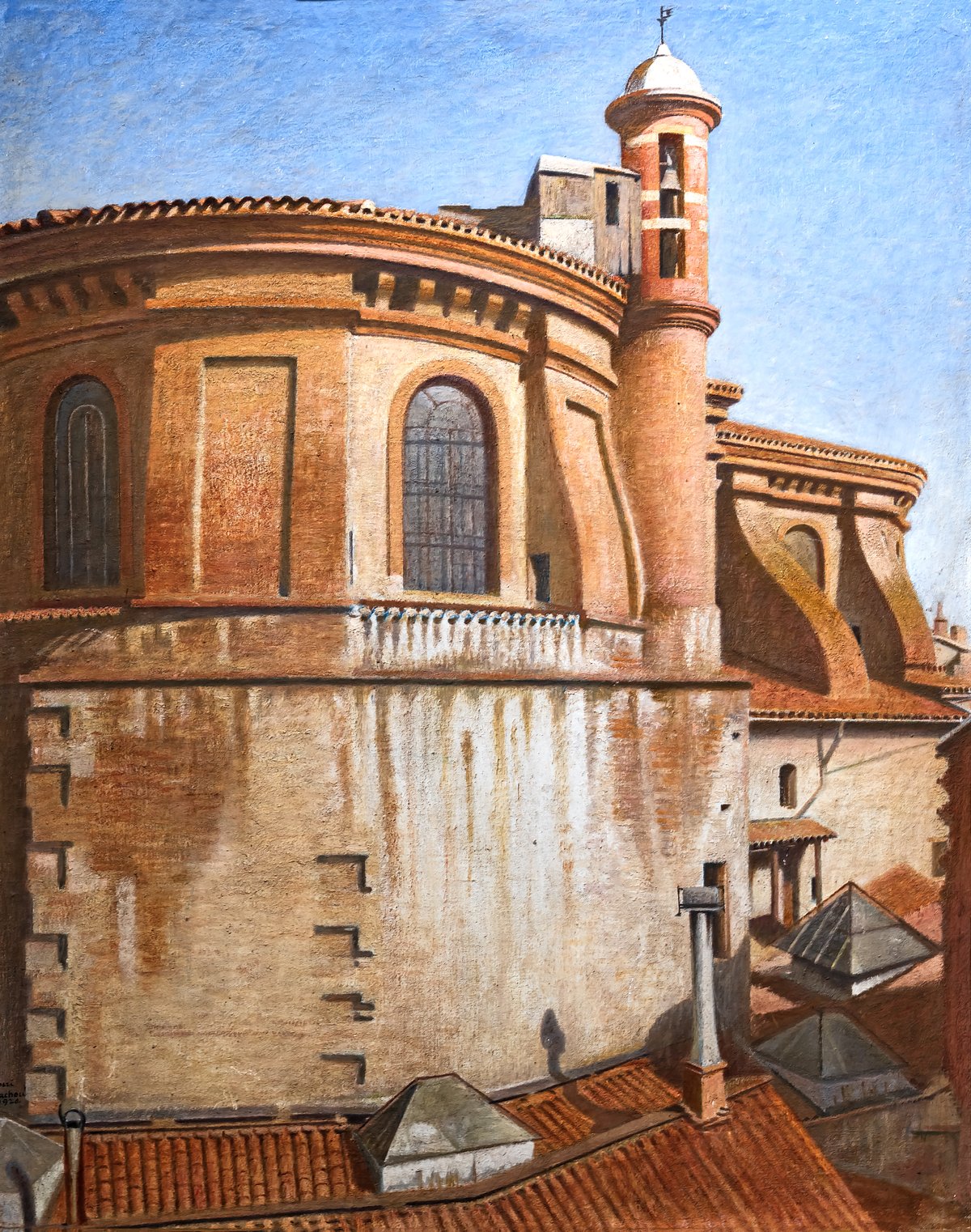
The Monastère des Religieux de Vienne exemplifies Toulouse’s iconic pink brick architecture, merging robust Romanesque elements with early Gothic flourishes. Key architectural features include:
- Cloister: A peaceful quadrangle surrounded by arcaded galleries, designed for meditation and communal life.
- Refectory and Chapter House: Spaces that have evolved to host cultural events and exhibitions in addition to their original purposes.
- Chapel: Home to period altarpieces and religious artifacts, with remnants of medieval frescoes and stained glass.
The monastery’s adaptation over time, particularly after the 18th- and 19th-century secularization, has allowed parts of the complex to serve as cultural or administrative venues (Musée du Patrimoine).
Visiting Information: Hours, Tickets, Accessibility
Visiting Hours:
- Open Tuesday to Sunday, 10:00 AM – 6:00 PM (Closed Mondays and public holidays).
- Hours may vary during special events—check the official website or local tourist information before visiting.
Tickets:
- General admission: €7 for adults
- Discounts available for students, seniors, and groups
- Free for children under 12
- Guided tours (available weekends, advance booking recommended)
Accessibility:
- The site is wheelchair accessible, with ramps and adapted restrooms
- Contact the monastery in advance for specific needs or assistance
Special Events and Guided Tours
The monastery hosts a diverse calendar of events, including medieval reenactments, manuscript exhibitions, sacred music concerts, and religious ceremonies. Guided tours, led by knowledgeable staff or resident monks, offer in-depth exploration of the site’s history, art, and architecture. Educational workshops and seasonal celebrations further enrich the visitor experience.
Nearby Attractions and Suggested Itineraries
Enhance your visit by exploring these nearby highlights:
- Saint-Jérôme Church: A Gothic landmark with remarkable stained glass
- Théâtre du Capitole: Toulouse’s historic opera house
- Saint-Georges and Esquirol Districts: Bustling neighborhoods with cafés, boutiques, and historic architecture
- Basilique Saint-Sernin: A UNESCO World Heritage site, celebrated for its Romanesque grandeur (The Crazy Tourist)
Suggested itinerary:
- Morning: Visit the Monastère des Religieux de Vienne
- Afternoon: Explore Saint-Jérôme Church, the Capitole, and nearby museums
- Evening: Enjoy Toulouse’s renowned cuisine at a local restaurant
Travel Tips and Visitor Etiquette
- Plan ahead: Always verify the latest visiting hours and event schedules online or by phone.
- Dress modestly: Respect the monastery’s spiritual atmosphere.
- Photography: Allowed in most areas (no flash or tripods in sacred spaces).
- Quiet contemplation: Maintain a respectful demeanor, especially during religious services.
- Accessibility: While the monastery strives to be accessible, contact staff for specific accommodations.
Frequently Asked Questions (FAQ)
Q: What are the monastery’s opening hours?
A: Tuesday to Sunday, 10:00 AM to 6:00 PM. Closed Mondays and public holidays.
Q: How much are tickets?
A: €7 for adults; discounts for students, seniors, groups; free for children under 12.
Q: Are guided tours available?
A: Yes, on weekends by reservation.
Q: Is the monastery wheelchair accessible?
A: Yes, with ramps and adapted restrooms.
Q: Can I take photos inside?
A: Photography is allowed in most areas, but flash and tripods are not permitted.
Q: Can I stay overnight?
A: Some monastic guest accommodations may be available for retreats—advance booking is required (Monasteries.com).
Listen to the full story in the app
The whole Monastère Des Religieux De Vienne De Toulouse,
told well.
Audio guides for 1,100+ cities across 96 countries. History, stories, and local insight — offline ready.

Verified, and shown.
Researched and written by the Audiala editorial team from historical records, architectural archives, and local expertise.
Researched from Wikidata, Wikipedia & official sources · fact-checked · How we make our guides →