Plan and listen to Institut Supérieur Des Arts De Toulouse with Audiala.
Audio guide in your pocket, itinerary in your browser. Built for the way you actually visit.
Introduction
The Institut Supérieur des Arts et du Design de Toulouse (isdaT) is a pivotal institution in the Occitanie region, uniting fine arts, design, music, and dance within a single multidisciplinary environment. Rooted in a heritage that dates back to the 17th century, isdaT has evolved into a center for artistic innovation and interdisciplinary collaboration, serving as both a school and a cultural landmark in Toulouse, France.
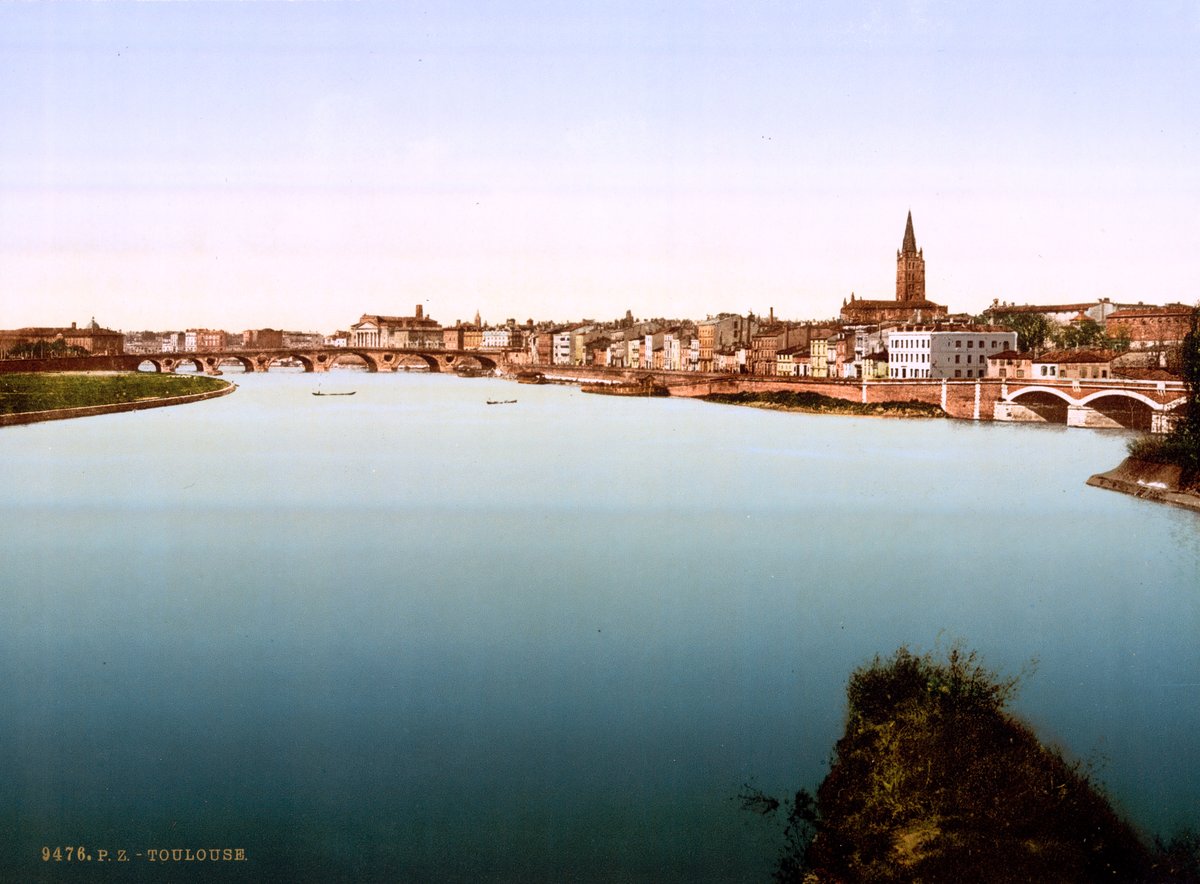
Situated at 5 quai de la Daurade along the scenic Garonne River, isdaT’s campus blends historic architecture with modern facilities, creating a vibrant hub for creativity and learning. This guide provides an in-depth overview of isdaT’s academic programs, visitor information (including opening hours, tickets, and accessibility), and highlights nearby attractions to help you make the most of your visit to Toulouse’s cultural heart. For up-to-date details, consult the official isdaT website (isdaT official site).
- History and Institutional Evolution
- Academic and Cultural Significance
- Campus, Architecture, and Urban Context
- Visitor Information
- How to Get There
- Nearby Attractions & Travel Tips
- Exhibitions, Courses, and Public Engagement
- Institutional Structure and Admission
- Research, Innovation, and Networks
- FAQs
- Conclusion and Recommendations
- Sources

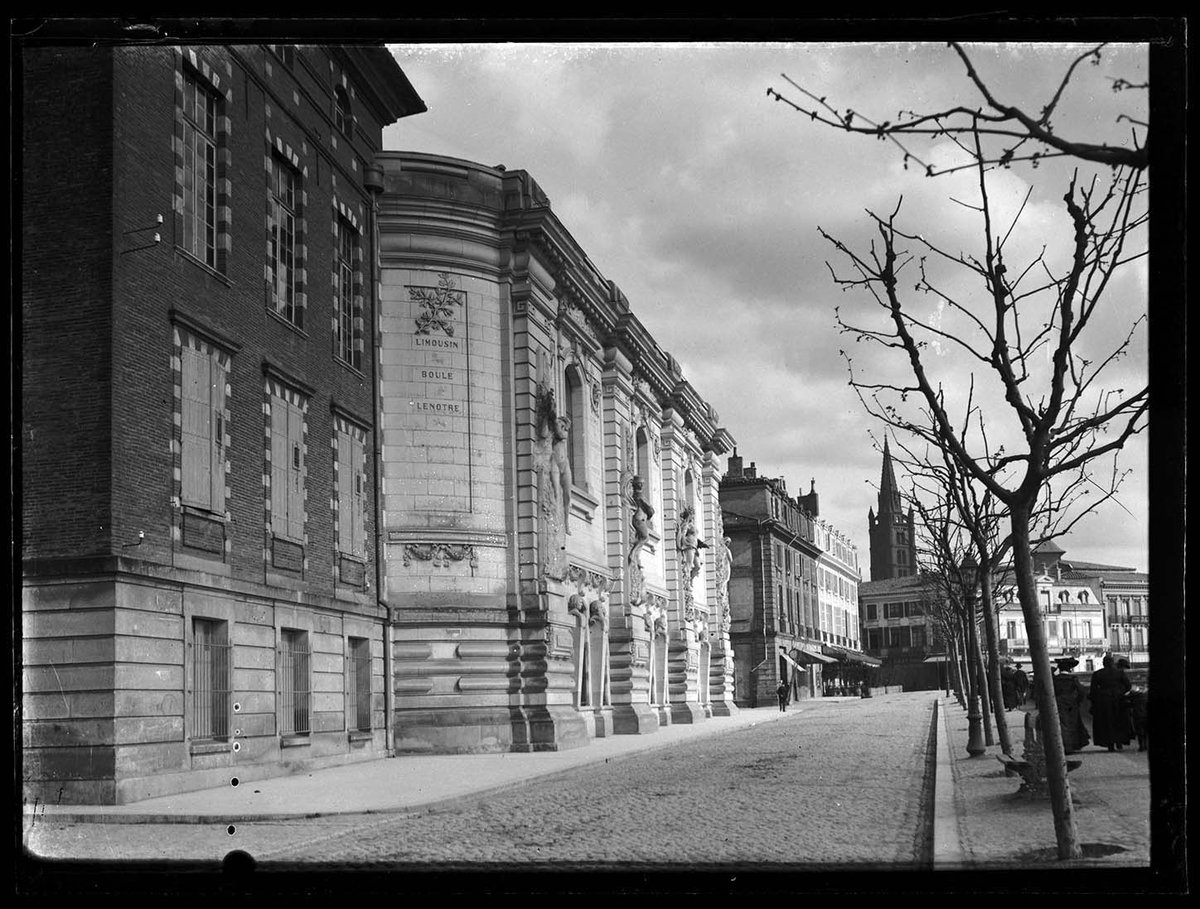

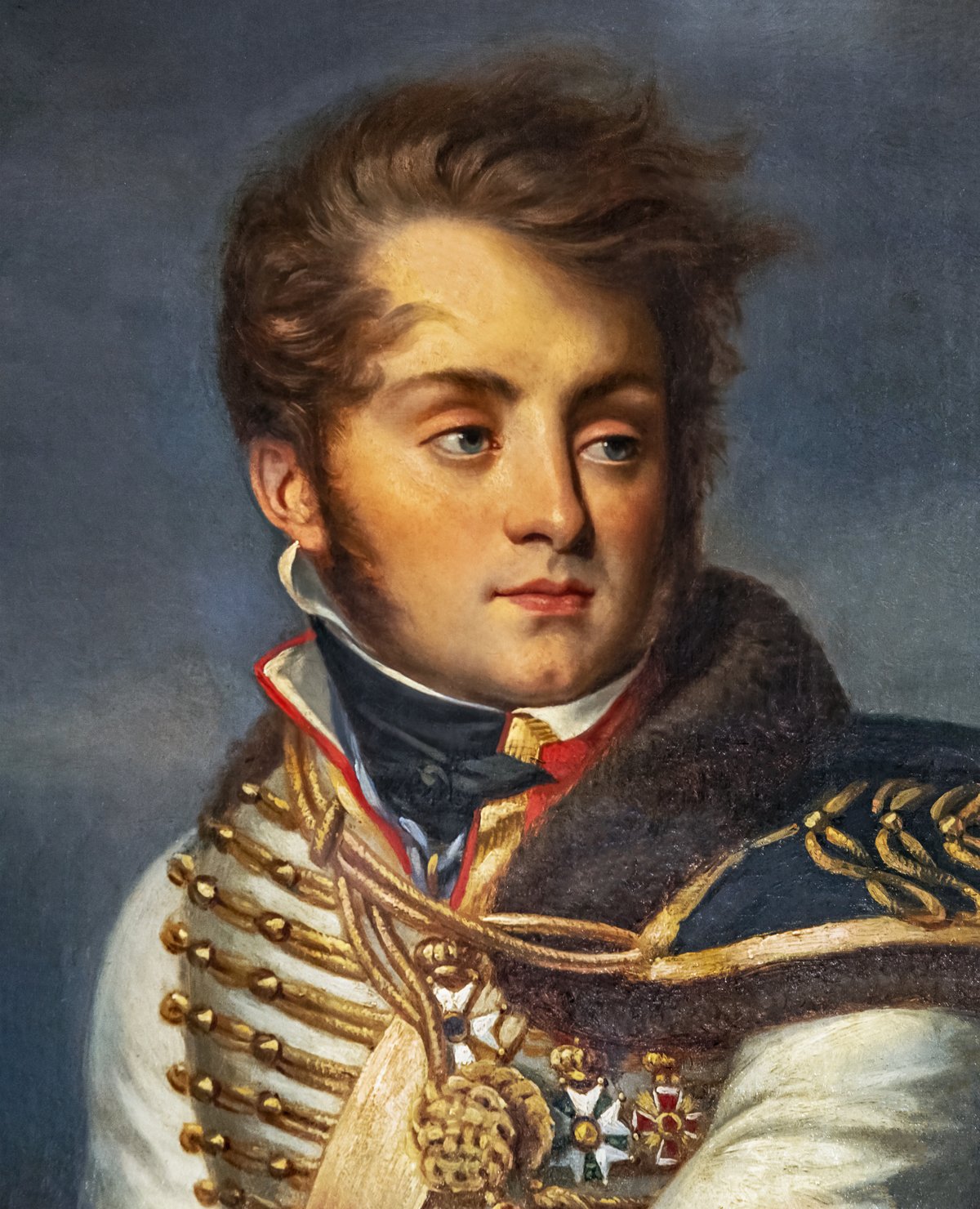
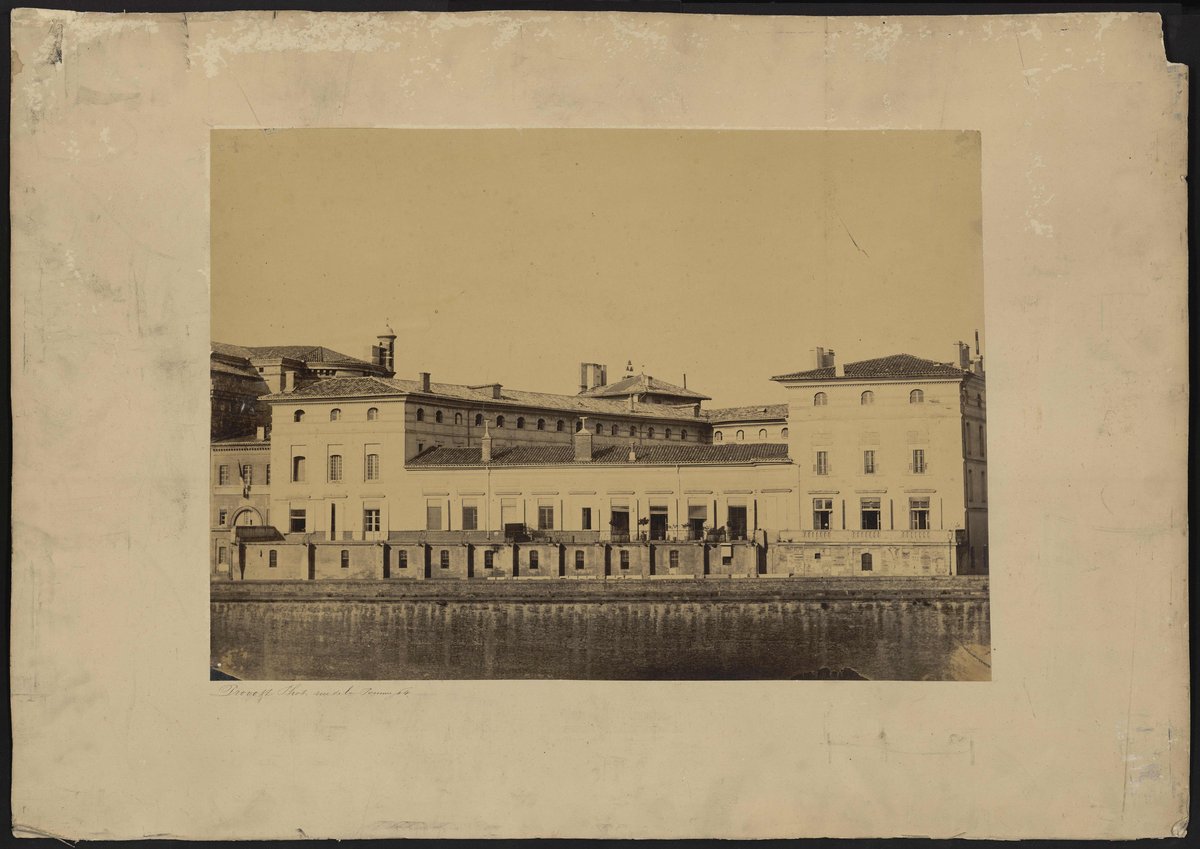
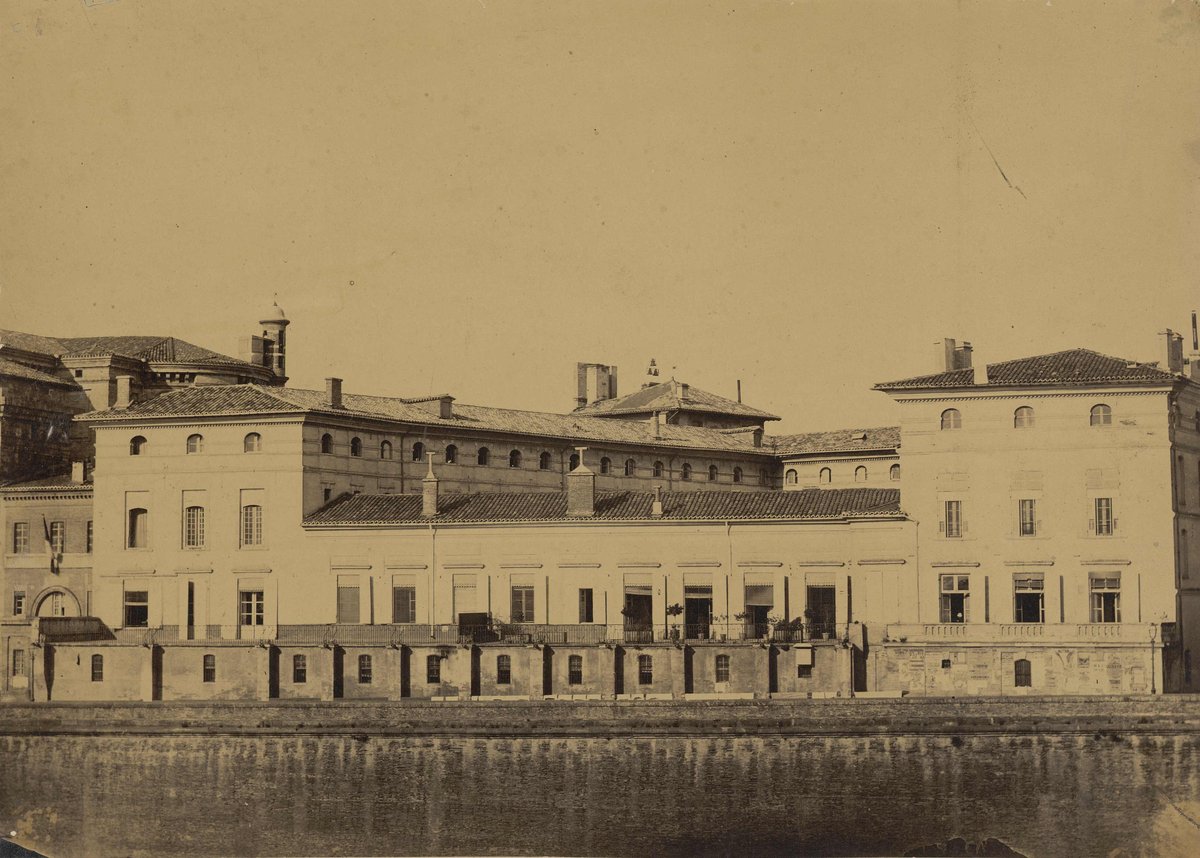
History and Institutional Evolution
isdaT’s origins lie in the École des Beaux-Arts de Toulouse, founded in 1680 and recognized as a Royal Academy in 1750. Over centuries, the school has undergone significant transformations, most notably in 2011 when it merged with the Centre d’Études Supérieures Musique et Danse de Toulouse (CESMD), forming the current multidisciplinary institution. This evolution reflects Toulouse’s commitment to fostering creativity, culture, and artistic education (isdaT official site).
Academic and Cultural Significance
isdaT offers undergraduate and postgraduate degrees in visual arts, design, graphic design, music, and dance, hosting approximately 400–500 students each year. Its programs are supported by experienced faculty and state-of-the-art facilities, including specialized workshops, studios, and performance spaces. The school regularly hosts public exhibitions and performances, contributing to the rich artistic life of both Toulouse and the wider Occitanie region (isdaT.fr).
Campus, Architecture, and Urban Context
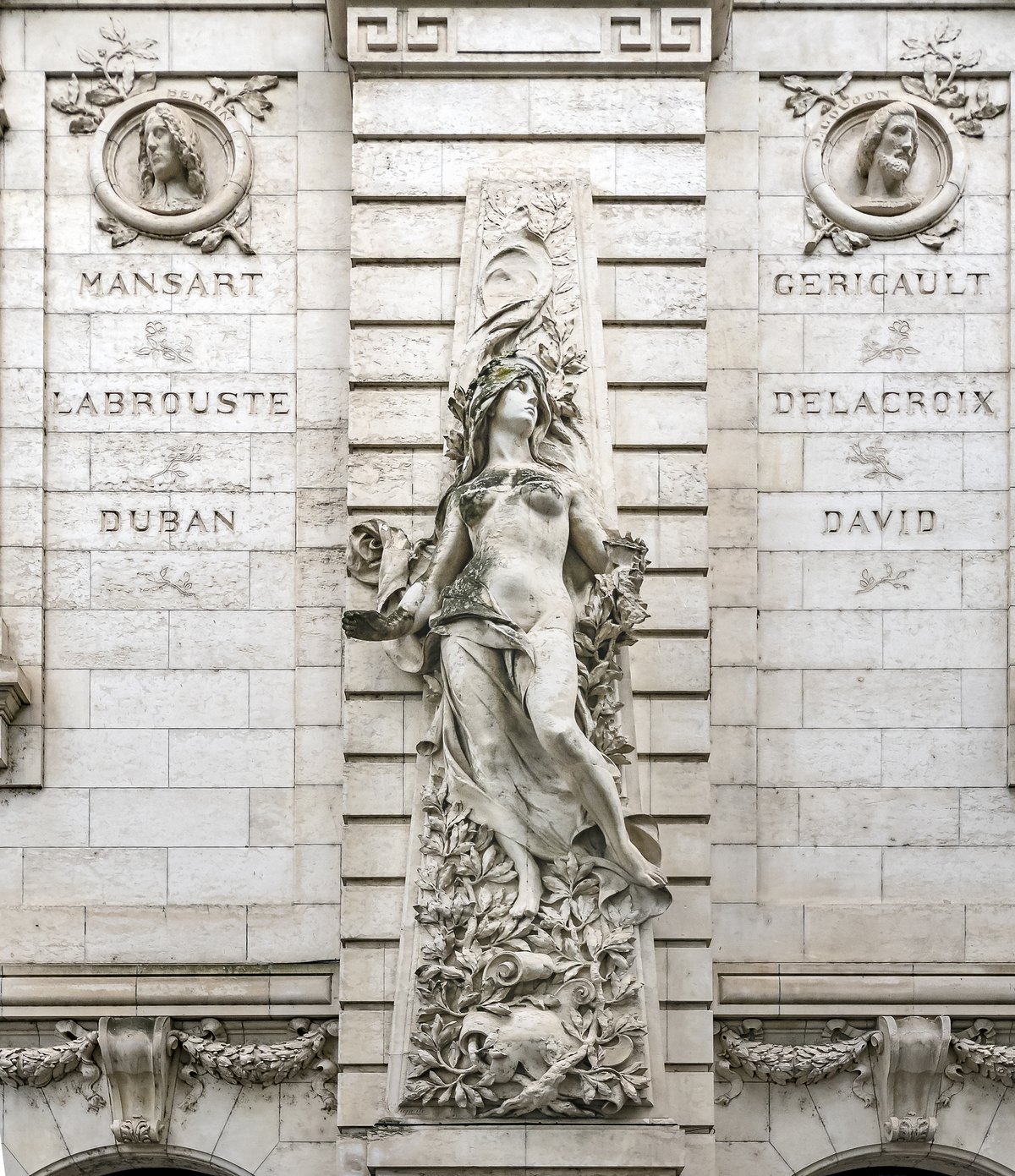
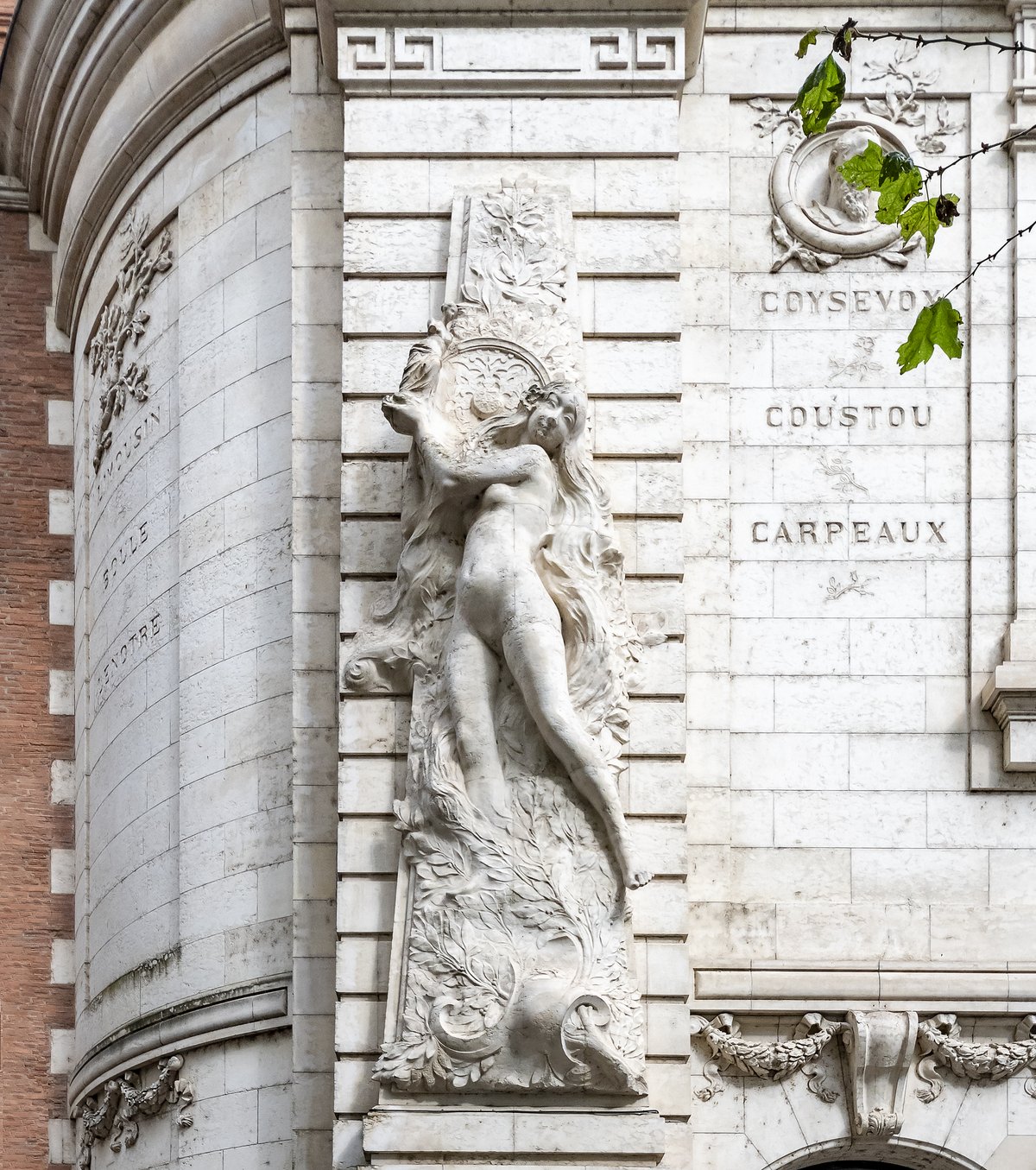
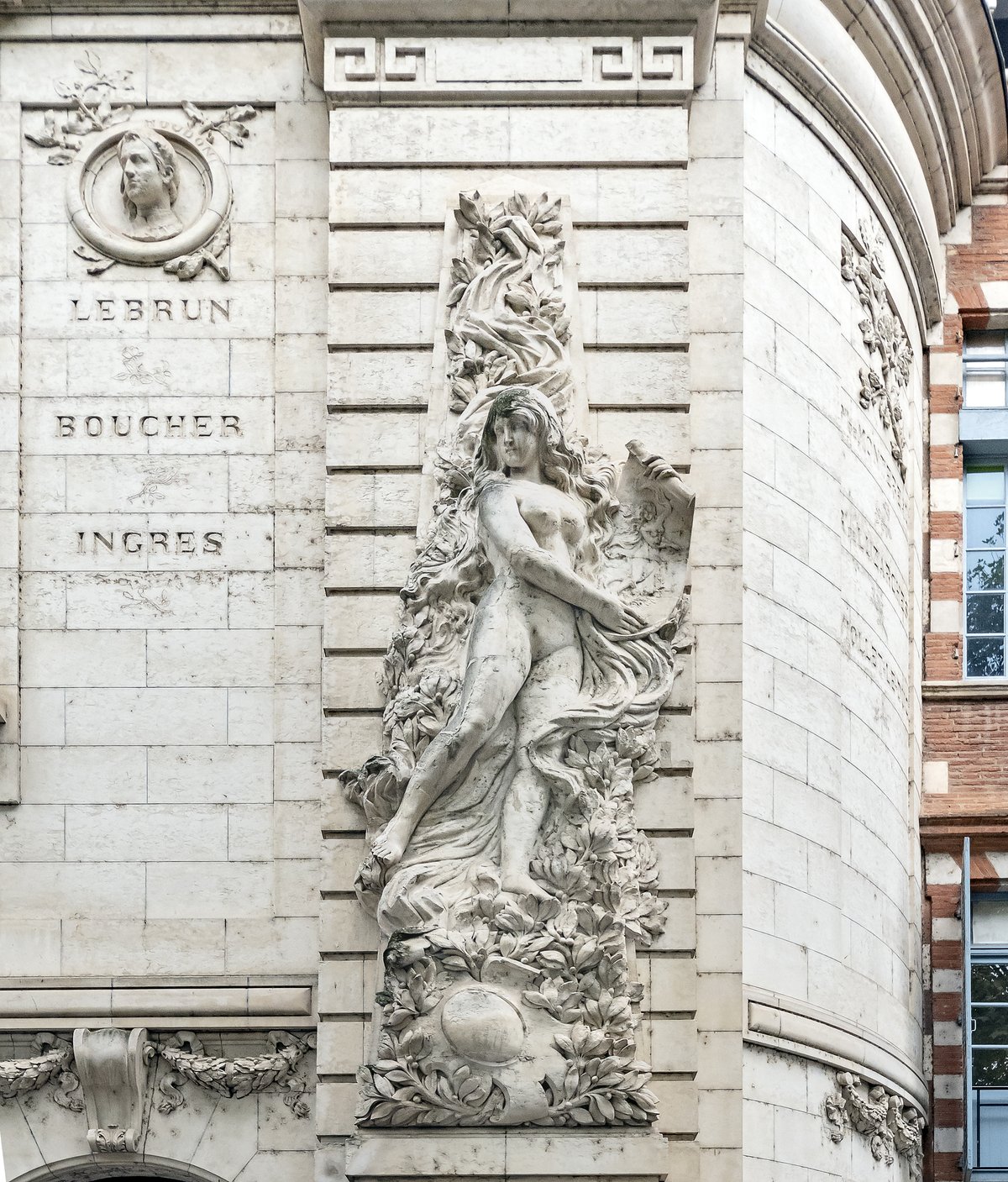
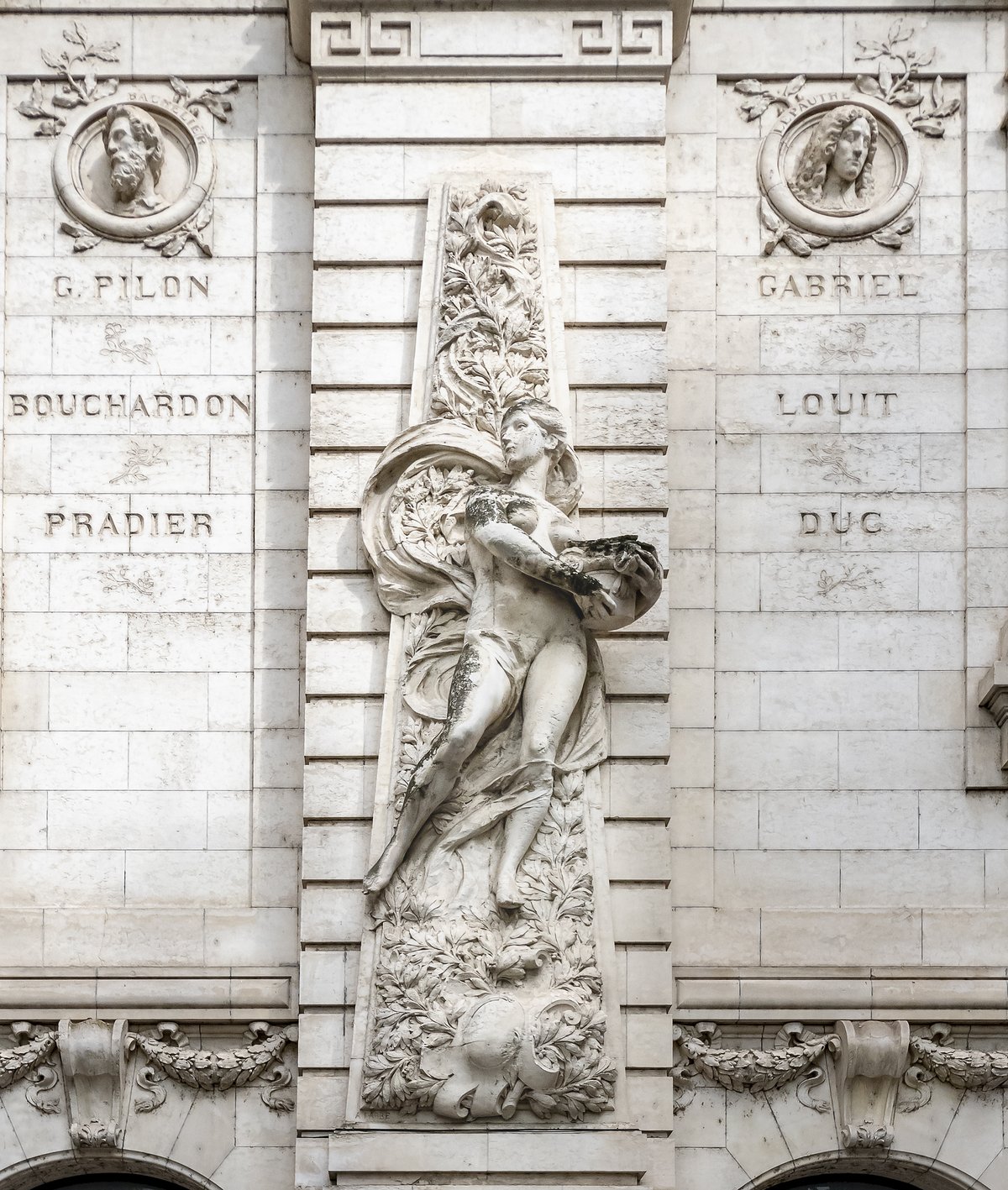
The campus is housed in the historic Palais des Arts, renowned for its striking façade designed by Pierre Esquié, a Grand Prix de Rome laureate. The location at 5 quai de la Daurade offers panoramic views of the Garonne and is within walking distance of major landmarks such as Place du Capitole and the Basilica of Saint-Sernin. The blend of historic architecture and contemporary art spaces provides an inspiring environment for creativity and public engagement (isdaT history).
Visitor Information
Opening Hours
- Monday to Friday: 9:00 AM – 6:00 PM (general campus and administrative hours)
- Exhibition Spaces: Typically Tuesday to Saturday, 10:00 AM – 6:00 PM (hours may vary for special events)
- Public Holidays & Special Events: Hours may change; always check the official website before your visit.
Tickets and Access
- Exhibitions and Events: Most are free to the public or require a nominal fee.
- Workshops/Courses: Require prior registration and payment.
- Guided Tours: Available by appointment, especially during open days or special events. Contact the school in advance to book (isdaT contact).
Accessibility
- Facilities: Accessible entrances, elevators, and restrooms are available.
- Library: Temporarily closed for renovations as of July 2025; check ahead for reopening dates.
- Visitors with Special Needs: Contact isdaT in advance at +33 (0)5 31 47 12 11 or [email protected] for assistance.
Visitor Guidelines
- Photography: Generally permitted in public areas, but restrictions may apply during performances or in certain exhibitions. Always check signage or ask staff.
- Conduct: Visitors should maintain a respectful and quiet atmosphere, especially during classes and rehearsals.
How to Get There
- Address: 5 quai de la Daurade, 31000 Toulouse
- Metro: Esquirol (Line A) is the closest station, a short walk away.
- Bus: Multiple lines serve the area.
- Bicycle: Bike rental stations are available nearby; the riverside promenade is ideal for cyclists.
- Car: Limited parking in the historic city center; public transport or walking is recommended (Toulouse tourism).
Nearby Attractions & Travel Tips
- Place du Capitole: The city’s central square, surrounded by historic buildings and lively cafés.
- Basilica of Saint-Sernin: A UNESCO World Heritage site noted for its Romanesque architecture.
- Musée des Augustins: Toulouse’s fine arts museum, located in a former convent.
- Les Abattoirs: Contemporary art museum with rotating exhibitions.
- Garonne River Banks: Ideal for scenic walks and riverside dining (Taste of Toulouse).
Travel Tips:
- Wear comfortable shoes for exploring cobblestone streets.
- Plan your visit around open days or major events for a richer experience.
- While many staff speak English, a few basic French phrases can enhance your experience (France Pocket Guide).
Exhibitions, Courses, and Public Engagement
Exhibitions & Events
isdaT’s calendar is filled with exhibitions, performances, and special events. Notable recurring events include:
- Restitution FanFare Future – FFF#1: Collaborative music and dance performances.
- Mezzanine Sud Prize Exhibition: Showcasing emerging artists under 35, including isdaT alumni.
- Biennale Internationale Design Saint-Étienne: Features student research and design projects (isdaT events).
Public Courses and Workshops
The school offers public courses for all ages, including drawing, painting, engraving, screen printing, and photography. Early registration is advised due to high demand (isdaT public courses).
Alumni & Network
Alumni frequently participate in major art events and exhibitions, such as the Rencontres de la Photographie in Arles and the Festival Impulse (isdaT alumni).
Institutional Structure and Admission
isdaT is governed as an Établissement Public de Coopération Culturelle (EPCC), with oversight from a council representing state and local entities. The school employs around 100 permanent staff and manages a budget of approximately €6.5 million.
Degree Programs
- Diplôme National d’Art (DNA): Bachelor’s level (Bac+3) in art, graphic design, and design.
- Diplôme National Supérieur d’Expression Plastique (DNSEP): Master’s level (Bac+5).
- Diplôme National Supérieur Professionnel de Musicien (DNSPM): Bachelor’s level, music focus.
- Diplôme d’État de Professeur de Musique: Bachelor’s level.
- Diplôme d’État de Professeur de Danse: Associate’s level.
- Master Création avec Orgue: Master’s level.
Admission details and deadlines are provided on the official isdaT website.
Research, Innovation, and Networks
isdaT is a leader in artistic research and professional integration, collaborating with institutions such as the Orchestre National du Capitole and Théâtre du Capitole. Its publishing arm, isdaT éditions, supports research dissemination.
The school is a member of national and international networks, including ANdÉA, anescas, AEC, and the Université Fédérale Toulouse Midi-Pyrénées, facilitating Erasmus+ exchanges (erasmusprogramme.com).
FAQs
Q: What are isdaT’s visiting hours?
A: Exhibition areas are generally open Tuesday–Saturday, 10:00 AM–6:00 PM. Administrative areas are open Monday–Friday, 9:00 AM–6:00 PM. Always check the official site for updates.
Q: Are tickets needed to visit isdaT?
A: Most exhibitions/events are free; some special programs may require tickets.
Q: Is isdaT accessible to those with mobility needs?
A: Yes, the campus has accessible entrances and facilities. Contact ahead for assistance.
Q: Can tourists attend public workshops?
A: Yes, workshops are open to all; advance registration is required (isdaT public courses).
Q: How do I get to isdaT via public transport?
A: The nearest metro station is Esquirol (Line A), with several bus lines nearby.
Q: Is photography allowed?
A: Usually yes in exhibition spaces, but always check signage or staff instructions.
Listen to the full story in the app
The whole Institut Supérieur Des Arts De Toulouse,
told well.
Audio guides for 1,100+ cities across 96 countries. History, stories, and local insight — offline ready.
Verified, and shown.
Researched and written by the Audiala editorial team from historical records, architectural archives, and local expertise.
Researched from Wikidata, Wikipedia & official sources · fact-checked · How we make our guides →