Plan and listen to Hôtel D'Alliès with Audiala.
Audio guide in your pocket, itinerary in your browser. Built for the way you actually visit.
Introduction: Discover Hôtel D'Alliès in Toulouse
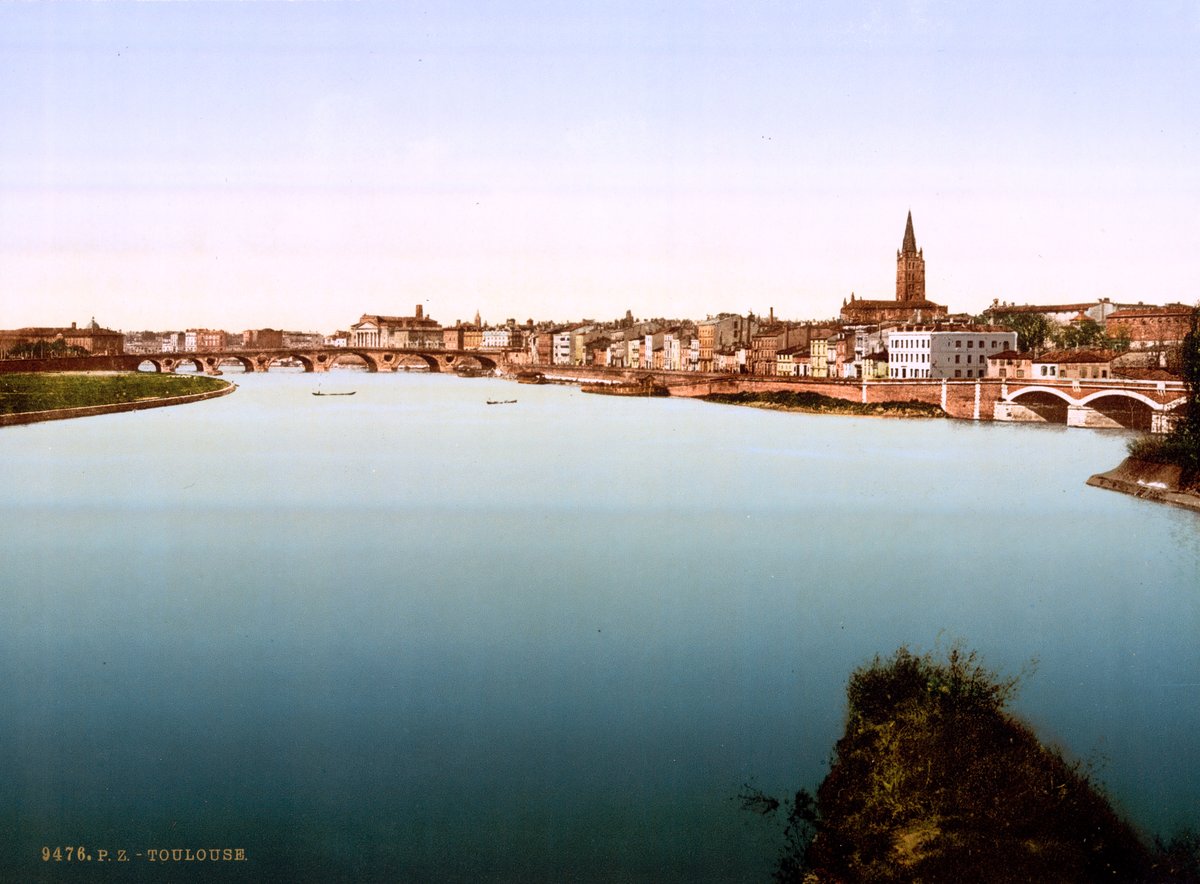
Located in the heart of Toulouse’s historic center, the Hôtel D'Alliès is a remarkable testament to the city’s rich architectural heritage and Renaissance-era prosperity. This elegant hôtel particulier at 6–8 rue des Couteliers offers visitors a window into Toulouse’s affluent merchant society during the 16th and 17th centuries—a period marked by economic growth from the pastel (woad) trade. Its signature pink brickwork, an emblem of “La Ville Rose,” and its blend of Renaissance and classical elements illustrate not only the aesthetic tastes of its era but also the social ambitions that fueled Toulouse’s urban evolution (TravelSetu, gralon.net, France.fr).
Though less internationally celebrated than the Hôtel d’Assézat or Hôtel de Bernuy, Hôtel D'Alliès possesses significant cultural and historical value. Its architecture, with a central courtyard, monumental staircases, and ornate façades adorned with stone detailing and wrought-iron accents, showcases the refined craftsmanship and urban design principles of the Renaissance and Enlightenment periods (e-a-a.com, Wikitoulouse). While public access is generally limited, special cultural events such as the European Heritage Days provide opportunities to explore this hidden gem. Its proximity to landmarks like the Capitole de Toulouse, Basilique Saint-Sernin, and Hôtel d’Assézat makes it a must-see for those immersing themselves in Toulouse’s layered past (Toulouse Tourism Official Website, France.fr).
This travel guide delivers essential insights into Hôtel D'Alliès—its history, architecture, visitor tips, accessibility, and more—to help you plan a meaningful visit to one of Toulouse’s finest architectural jewels.
Historical and Architectural Highlights
Origins and Construction
Hôtel D'Alliès is part of a tradition of grand hôtels particuliers built by Toulouse’s wealthy merchant and magistrate class during the Renaissance. Its construction coincided with the city’s pastel trade boom, which generated the wealth required to commission such residences (TravelSetu).
Renaissance Heritage and Urban Prestige
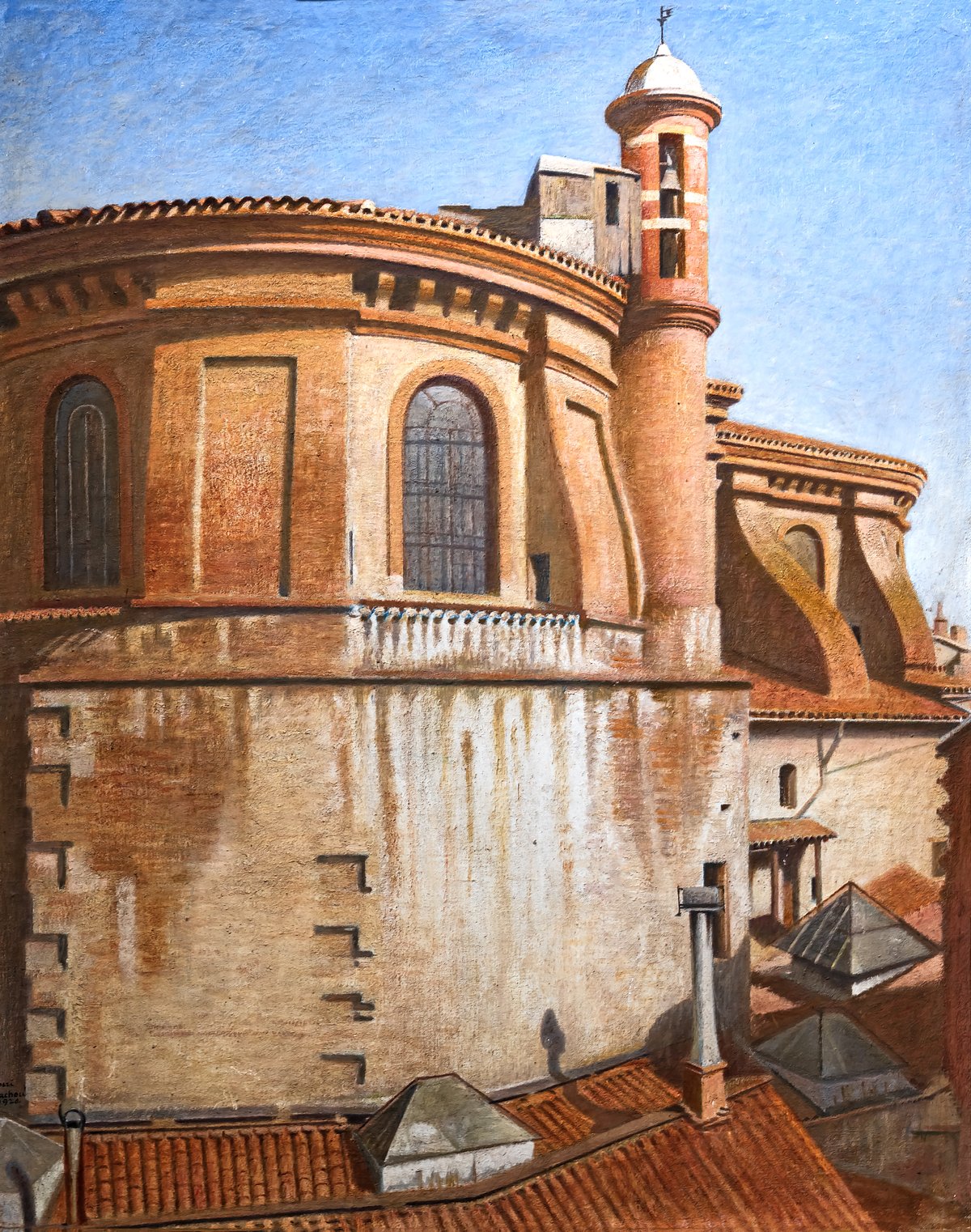
As with other hôtels particuliers, Hôtel D'Alliès reflects the ambitions of Toulouse’s rising bourgeoisie. The use of pink “brique foraine,” ornate façades, and a central courtyard was both a practical and symbolic expression of status (Wikitoulouse).
Key Architectural Features
- Central Courtyard: Provides both light and privacy, typical of Toulouse’s urban mansions.
- Monumental Staircases: Traditionally focal points, often adorned with wrought-iron balustrades.
- Ornate Façades: Feature pilasters, sculpted masks, coats of arms, and balconies.
- Pink Brick Construction: The hallmark of Toulouse’s architectural identity (e-a-a.com).
Architectural Evolution
The building, originally erected in the late 17th century, was expanded in 1760. Changes included the addition of a new south wing and the elevation of the north wing, as well as relocating the main staircase for improved circulation and grandeur (gralon.net). This layering reflects the adaptability and evolution of Toulouse’s hôtels particuliers.
Cultural Significance
Social Mobility and Civic Identity
Hôtel D'Alliès was more than a residence; it was a symbol of social ascent and civic engagement. Its location near Toulouse’s civic heart and its architectural flourishes highlighted the prominence of its owners (France.fr).
Preservation of Occitan Heritage
The mansion forms part of the Occitan cultural legacy, contributing to Toulouse’s distinct identity as the capital of southern France’s Occitan region. Through its architecture and historical functions, it connects the city’s past with ongoing traditions (France.fr).
UNESCO and Heritage Value
While not individually listed, Hôtel D'Alliès supports Toulouse’s World Heritage credentials by enhancing the integrity of the city’s historic core alongside landmarks such as the Basilica of Saint-Sernin and the Canal du Midi (about-france.com).
Visiting Hôtel D'Alliès: Practical Information
Visiting Hours
- Special Events: Hôtel D'Alliès is generally open to the public during European Heritage Days (mid-September) and select cultural events.
- Regular Visits: Outside of these, access is rare; always confirm with the Toulouse Tourist Office or event organizers.
Tickets
- European Heritage Days: Entry is typically free.
- Guided Tours: Prices and availability vary; booking in advance is recommended (GPSmyCity).
Accessibility
- Mobility: Due to its historic layout and cobblestones, accessibility may be limited. Inquire ahead for details.
- Facilities: Limited restrooms; plan accordingly.
Getting There
- Public Transport: Nearest metro and bus stops are within a 10-minute walk (Tisseo).
- Walking: The city center is pedestrian-friendly.
- Parking: Scarce in the historic center; use public garages when available (Hikersbay).
What to See and Do
- Façade and Courtyard: Admire pink brickwork, decorative stone elements, and tranquil courtyards.
- Nearby Landmarks: Visit Place du Capitole, Basilique Saint-Sernin, Hôtel d’Assézat, and Saint-Étienne Cathedral.
- Cultural Walks: The area is ideal for exploring antique shops, artisanal chocolatiers, and quaint cafés (Lodgis).
Visitor Tips
- Best Times: Spring and early autumn offer mild weather and fewer crowds (Offbeat France).
- Guided Tours: Book in advance during special events; self-guided options are available with apps and maps (Lodgis).
- Photography: Allowed on the exterior; always check for interior restrictions.
Frequently Asked Questions (FAQ)
Q: What are the typical visiting hours?
A: Hôtel D’Alliès is usually open to the public only during special events, such as European Heritage Days. Confirm dates with the local tourist office.
Q: Are tickets required?
A: Entry is free during heritage events; otherwise, ticket prices depend on the tour provider.
Q: Is the site accessible for visitors with limited mobility?
A: Accessibility is limited due to historic features; plan ahead and contact visitor services for details.
Q: Can I take photographs?
A: Exterior photography is generally permitted; ask staff about interior policies.
Additional Travel Tips
- Dining: Enjoy regional dishes like cassoulet and duck confit at local brasseries (Toulouse Secret).
- Accommodation: Book hotels or rentals early, especially during events (Hikersbay).
- Shopping: The surrounding quarter is a hotspot for antiques and artisan crafts.
Listen to the full story in the app
The whole Hôtel D'Alliès,
told well.
Audio guides for 1,100+ cities across 96 countries. History, stories, and local insight — offline ready.

Verified, and shown.
Researched and written by the Audiala editorial team from historical records, architectural archives, and local expertise.
Researched from Wikidata, Wikipedia & official sources · fact-checked · How we make our guides →