Plan and listen to Grand Séminaire De Toulouse with Audiala.
Audio guide in your pocket, itinerary in your browser. Built for the way you actually visit.
Introduction
The Grand Séminaire de Toulouse stands at the intersection of faith, culture, and history in the heart of Toulouse. Established in the early 17th century during the Catholic Reformation, it has served as a monastic complex, educational institution, and continuous center of religious formation. Its architectural splendor, marked by terracotta brickwork and classical design, echoes the city’s distinct “pink city” identity. This guide offers a comprehensive overview of the Grand Séminaire’s history, architectural features, visiting information, and practical tips to help you experience one of Toulouse’s most important historical sites to the fullest (POP Culture Gouv; Monumentum).
History of the Grand Séminaire de Toulouse
Founded in the wake of the Council of Trent, the Grand Séminaire was created to reform priestly education and respond to the needs of the Catholic Church in southern France. The Feuillants congregation established the original monastic quadrangle between 1621 and 1623. Over time, the complex adapted to social and political changes, including the French Revolution, when monastic communities were dissolved and properties repurposed.
In the 19th century, the site became a girls’ school run by the Dames du Saint-Enfant Jésus, and later returned to religious educational use as a diocesan seminary. The neoclassical chapel, added in 1838, and further expansions in the late 19th century, reflect the ongoing evolution of the complex (POP Culture Gouv; France-Voyage). Today, the Grand Séminaire remains an active part of Toulouse’s religious and cultural fabric (Monumentum; Gralon).
Architectural and Cultural Significance
Architectural Evolution
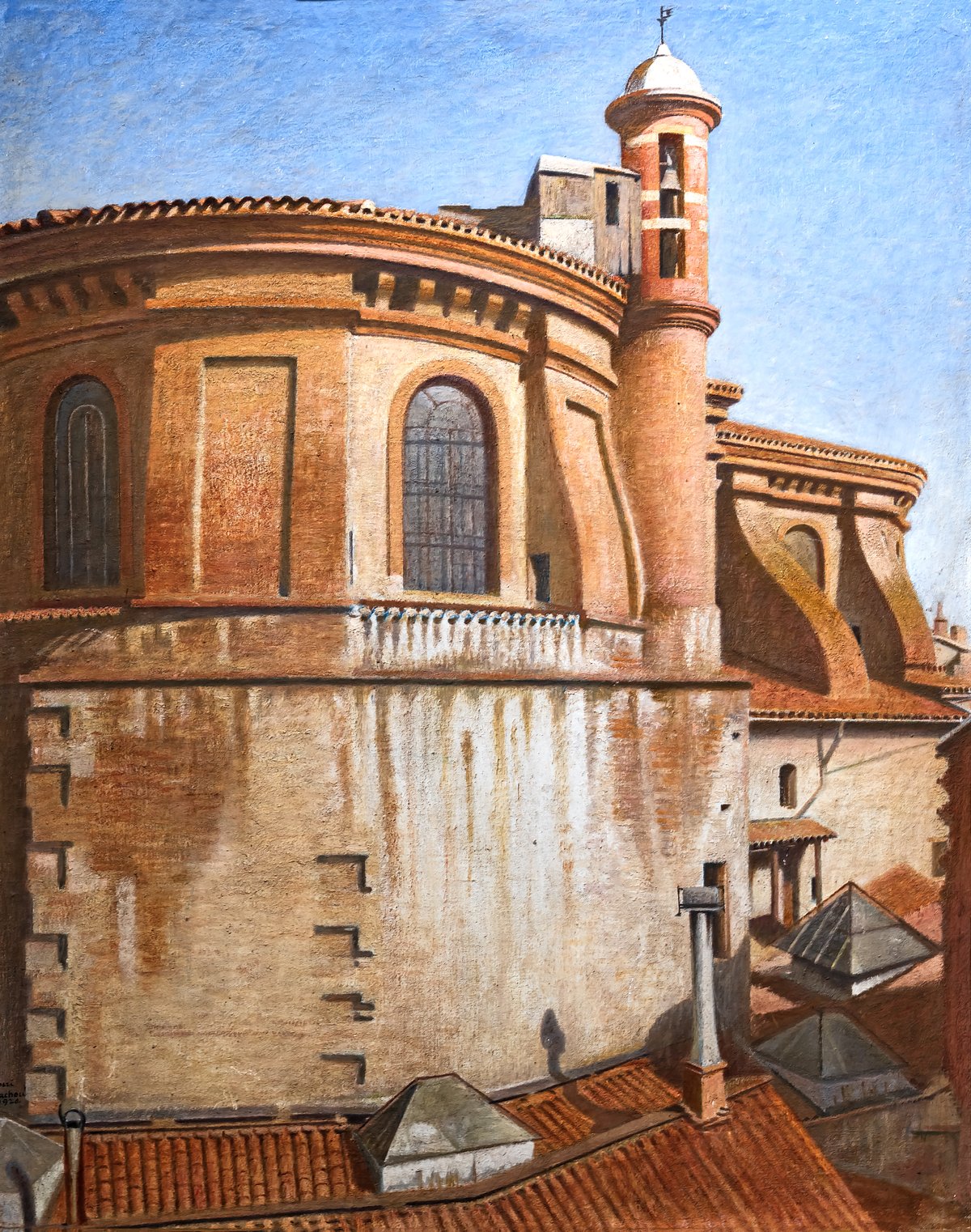
The Grand Séminaire is a prime example of Toulouse’s ecclesiastical architecture, blending 17th-century monastic structures with 19th-century neoclassical additions. The original cloister, with its four vaulted galleries and refectory featuring a traditional French wooden ceiling, remains at the heart of the complex. Later additions, such as the chapel and new educational wings, maintain the ensemble’s architectural coherence while reflecting changing functional needs (POP Culture Gouv).
Key Features
- Cloister and Conventual Buildings: The cloister is a serene, quadrilateral space ideal for contemplation, surrounded by monastic cellars and the refectory.
- Neoclassical Chapel: Built in the 1830s, the chapel features Pompeian-style painted vaults, a Renaissance-style wooden vault, and walnut choir stalls.
- 19th-Century Expansions: New wings and classrooms added in the late 1800s, particularly along rue des Teinturiers, expanded the complex’s educational capacity.
Artistic Elements
Artistic highlights include frescoes in the chapel, notably Despax’s depiction of the apotheosis of Saint Teresa, elaborate woodwork, and painted decorative schemes that blend classical and religious motifs (Gralon).
Heritage Status
The Grand Séminaire is a protected Monument Historique, with the cloister, chapel, cellars, and facades under official heritage listing. This status ensures preservation and public recognition of its architectural and historical value (Monumentum).
Urban Integration
Located at 9 rue des Teinturiers, in the historic Saint-Cyprien district, the seminary’s terracotta façade and tranquil gardens contribute to the cityscape. Its proximity to major sites such as the Basilique Saint-Sernin and Jacobins Convent underscores its importance within Toulouse’s historical and cultural network (Toulouse Tourisme).
Visiting Information
Location and Access
- Address: 9 rue des Teinturiers, Toulouse
- Public Transport: Metro (Carmes, Line A; François-Verdier, Line B), bus, and VélôToulouse bicycles all provide easy access (Toulouse Tourism).
- Parking: Public lots are available nearby, but public transport is recommended due to limited parking.
Visiting Hours
- Regular Access: The seminary is not open for daily public visits.
- Special Events: Open during European Heritage Days (Journées Européennes du Patrimoine) in September and select cultural events.
- Hours during Open Days: Typically 10:00 AM to 5:00 PM (confirm exact times via the official tourism website).
Tickets and Admission
- Admission: Free during public open days and heritage events.
- Guided Tours: Often available during special events; booking in advance is recommended.
- Private Visits: May be arranged through the diocesan office; fees may apply.
Guided Tours and Tips
- Languages: Tours are primarily in French; English tours may be available on request.
- Booking: Reserve ahead during peak times or for groups.
- Etiquette: Modest dress required; hats off in sacred spaces; maintain respectful silence.
- Photography: Allowed in most areas outside of services; always ask for permission.
Accessibility
- Mobility: Some areas are accessible, but historic architecture may pose challenges (steps, narrow corridors). Contact the site in advance for details.
- Facilities: Restrooms available during open days; no cafe or shop on-site.
Facilities and Amenities
- Restrooms: Limited, available during events.
- Food & Drink: None on-site; many cafes and restaurants nearby.
- Water: Bring your own, especially in warmer months.
Highlights and Unique Experiences
- Chapel Frescoes: Marvel at the neoclassical chapel’s painted vaults and woodwork.
- Cloister Walk: Experience the peaceful cloister and monastic gardens.
- Expert Tours: Learn about centuries of educational and religious history from knowledgeable guides.
- Photography: Capture the contrasts between austere exteriors and ornate interiors.
Events and Cultural Activities
The Grand Séminaire actively participates in Toulouse’s cultural life, holding concerts, exhibitions, and workshops during European Heritage Days and other special occasions. Consult the Toulouse Tourism website for current programming.
Nearby Historical Sites
Enrich your itinerary by visiting:
- Basilique Saint-Sernin: Largest Romanesque church in France (France-Voyage).
- Jacobins Convent: Southern Gothic masterpiece and the resting place of St. Thomas Aquinas (Toulouse Tourism).
- Place du Capitole: Vibrant central square.
- Musée Saint-Raymond: Archaeological museum.
- Other Sites: Bibliothèque Municipale, Tour Morand, and Cinematheque de Toulouse.
Safety and Photography
- Safety: Toulouse is generally safe; stay vigilant in crowded areas, especially during events.
- Photography: Allowed in most public spaces, but restricted in chapels during services or private functions. Professional filming requires advance permission.
Best Times to Visit
- European Heritage Days (September): Fullest access, guided tours, and cultural activities.
- Spring/Early Autumn: Pleasant weather, fewer crowds.
- Summer: Can be hot; visit early or late in the day.
Language and Communication
- French is the main language; English-speaking guides may be available during special events.
- Tourism Office: Multilingual support is available (Toulouse Tourism).
Frequently Asked Questions (FAQ)
Q: What are the Grand Séminaire de Toulouse’s public visiting hours?
A: Regular public access is not available; open during special events (e.g., European Heritage Days), typically from 10:00 AM to 5:00 PM.
Q: Is there an entrance fee?
A: Admission is usually free during open days; guided tours may require advance booking.
Q: Are guided tours available?
A: Yes, primarily during special events. Reserve through the tourism office or seminary.
Q: Is the seminary wheelchair accessible?
A: Some areas are accessible, but historic features may limit full access; contact the site for details.
Q: Is photography allowed?
A: Permitted in most public spaces but restricted during services and in private areas.
Q: Can I combine my visit with other sites?
A: Yes, the seminary is close to several major Toulouse historical attractions.
Listen to the full story in the app
The whole Grand Séminaire De Toulouse,
told well.
Audio guides for 1,100+ cities across 96 countries. History, stories, and local insight — offline ready.

Verified, and shown.
Researched and written by the Audiala editorial team from historical records, architectural archives, and local expertise.
Researched from Wikidata, Wikipedia & official sources · fact-checked · How we make our guides →