Plan and listen to Gare De Toulouse-Matabiau with Audiala.
Audio guide in your pocket, itinerary in your browser. Built for the way you actually visit.
Introduction: A Historical and Modern Gateway
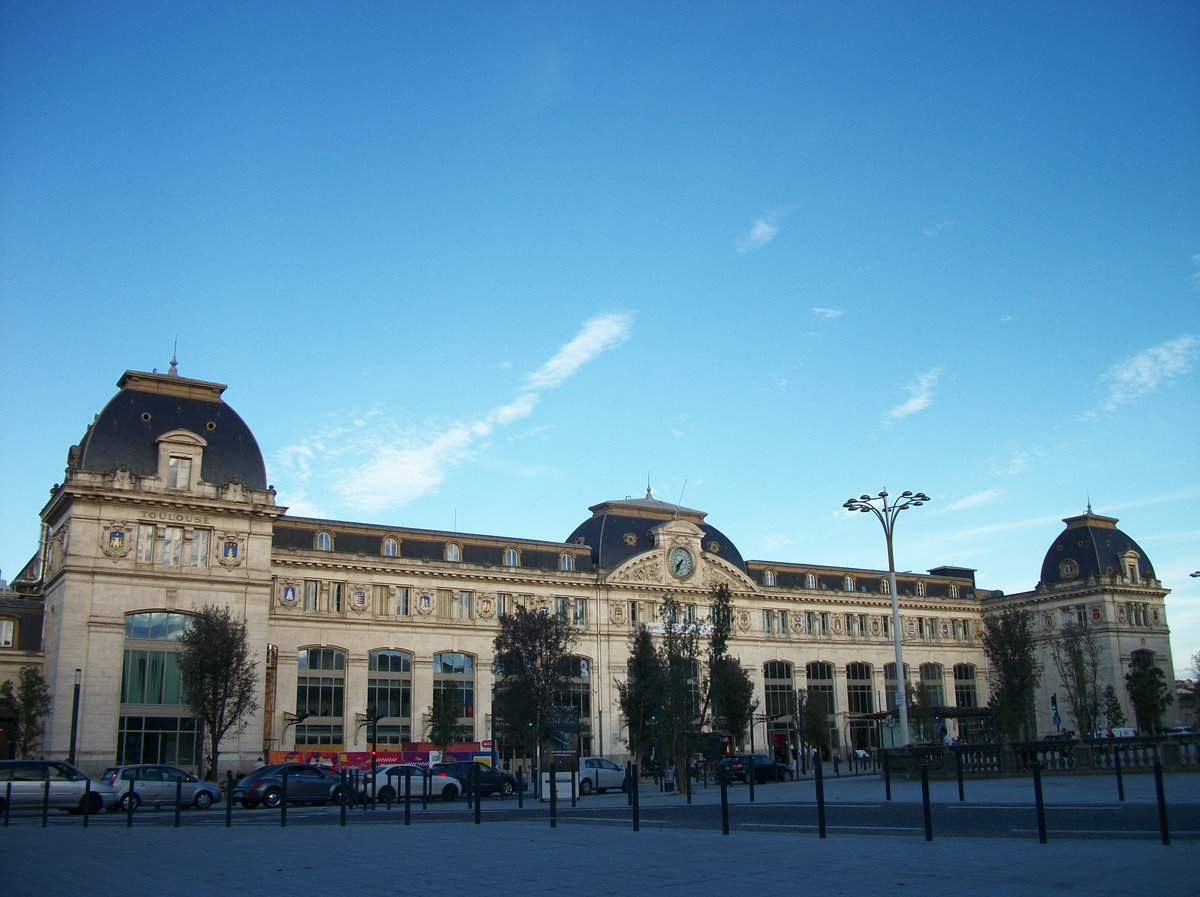
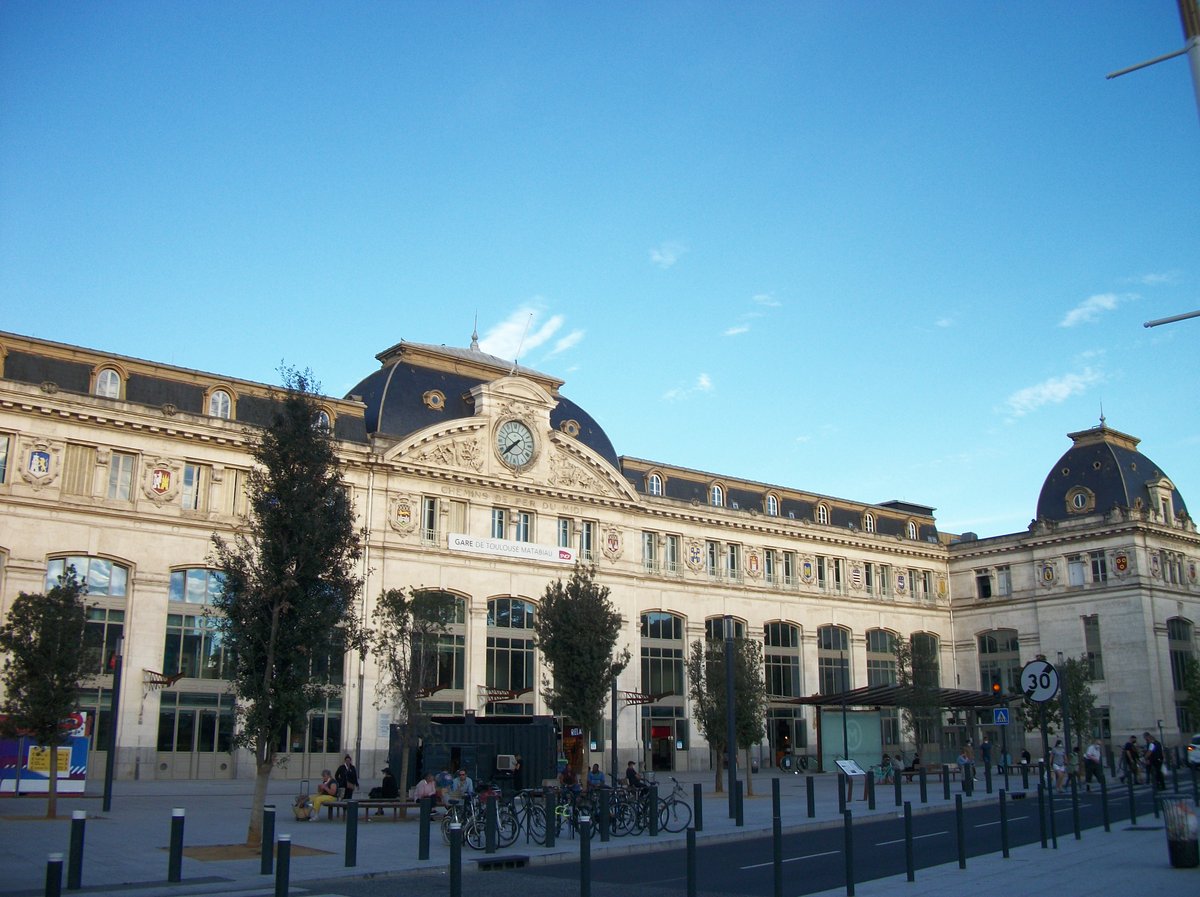
Gare de Toulouse-Matabiau stands at the confluence of Toulouse's history, architecture, and urban dynamism. Established in 1856 and dramatically expanded in the early 20th century, this iconic station is both a vital transportation hub and a monument that symbolizes the city’s transformation from medieval stronghold to modern metropolis. Designed by renowned architect Marius Toudoire, its classical façade, historic coats of arms, and ongoing modernization—such as the Halle des Mobilités—reflect a harmonious blend of heritage and innovation. For travelers and visitors, Toulouse-Matabiau offers extensive rail and urban connections, full accessibility, and immediate access to Toulouse’s celebrated landmarks (actu.fr; ladepeche.fr; Wikipedia; SNCF).

Origins and Historical Development
Before the arrival of the railway, Toulouse’s commerce and travel depended on the Canal du Midi, with journeys to Sète taking nearly 28 hours (actu.fr). The city’s push for modernization led to the inauguration of its first railway station in 1856, following the completion of the Agen-Toulouse line. Initially called the "débarcadère," this modest structure quickly became a focal point for the city. By 1857, the railway extended to Sète, integrating Toulouse into France’s national network and fueling the development of the Matabiau district (france3-regions.franceinfo.fr).
The current station building, designed by Marius Toudoire and constructed between 1903 and 1905, replaced the original with a grander edifice that reflected Toulouse’s growing importance as a regional capital (Wikipedia).
Architectural Significance
Marius Toudoire’s Classical Vision
Toudoire’s design, employing pale Saintonge stone, evokes a monumental classical style. The symmetrical façade is distinguished by 26 sculpted coats of arms, each representing a city once linked by rail to Toulouse, emphasizing the station’s regional role (Wikipedia; actu.fr).
Interior and Notable Features
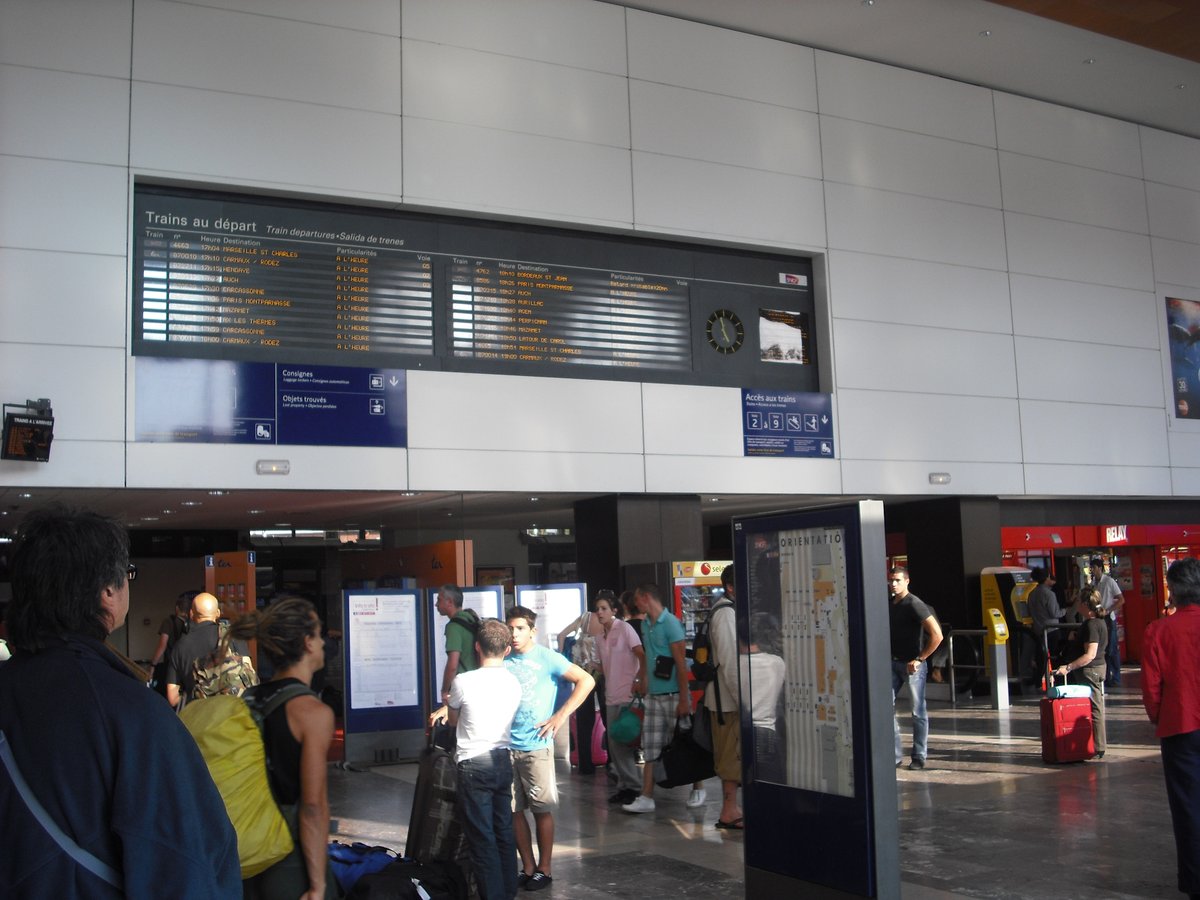
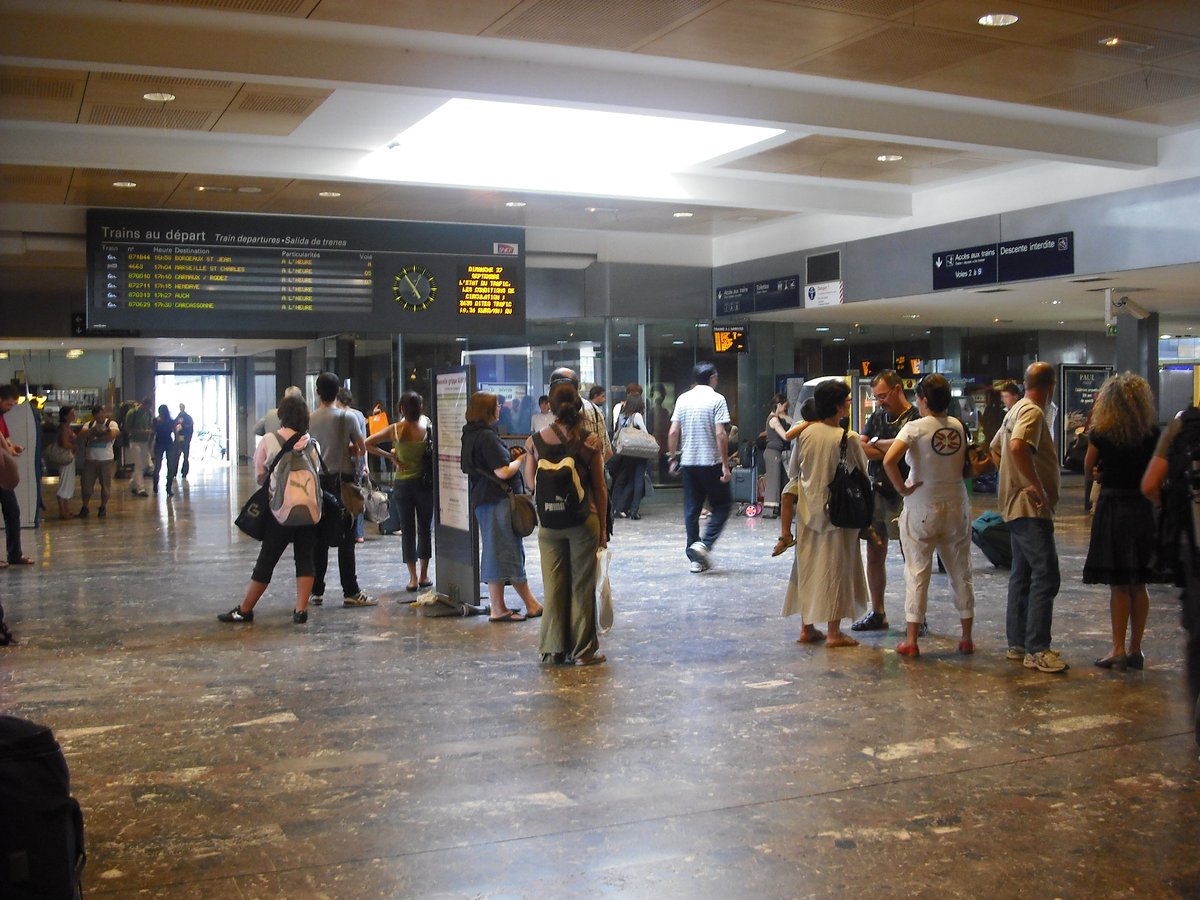
The station’s interior features two main concourses, underpasses to platforms, and both stairs and elevators for access. Amenities historically included a buffet, bazaar, and library, marking the station as a social as well as transport hub. Today, the layout ensures efficient passenger flow, with step-free access to many platforms (showmethejourney.com).
Preservation and Modernization
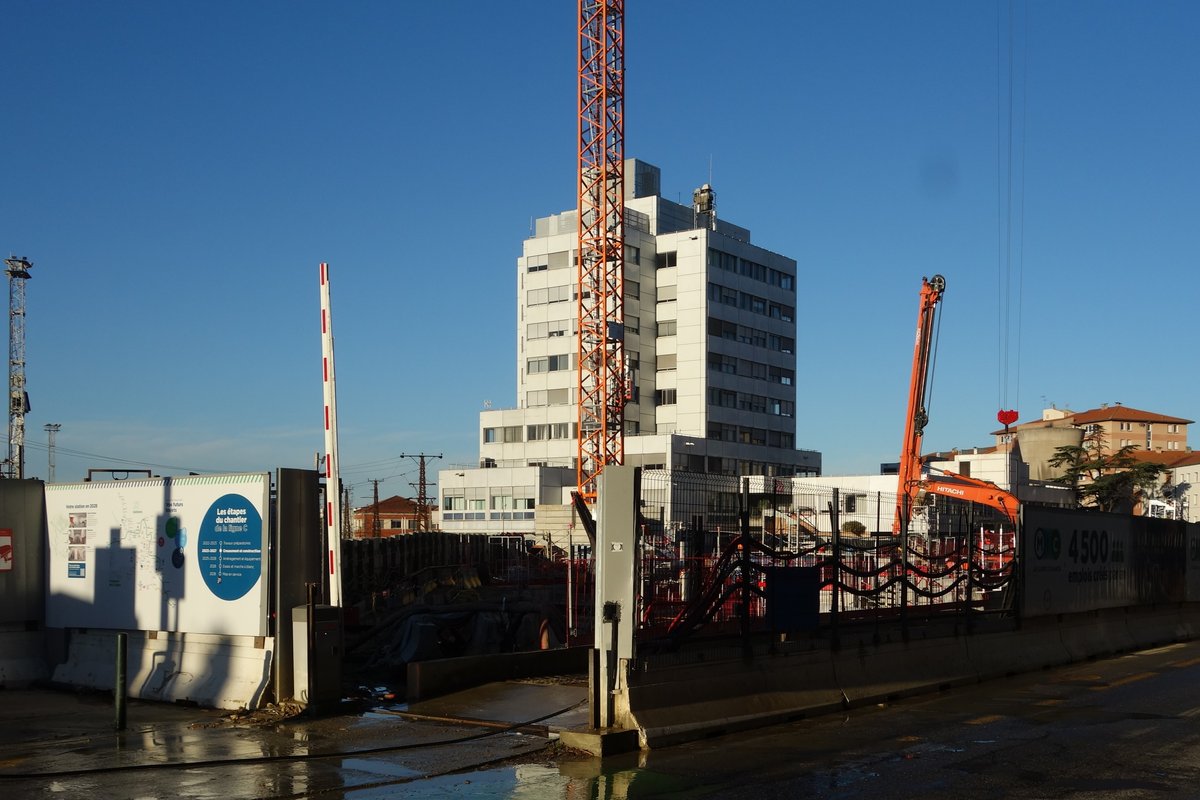
Listed as a historic monument in 1938, the station has seen careful restoration and modernization. The "Grand Matabiau" and "NeÔmatabiau" projects have restored the main halls, improved accessibility, and created new commercial and public spaces. The upcoming Halle des Mobilités, with its striking wood and glass design, will further integrate the station into Toulouse’s urban life (ladepeche.fr).
Symbolism and Urban Impact
The name "Matabiau" is rooted in local legend, referencing the martyrdom of Saint Saturnin ("mata-bios" or "kill the bull") (Wikipedia). The station’s construction spurred urban renewal, transforming Matabiau from a peripheral area into a vibrant city gateway. The TESO project and anticipated LGV high-speed line to Paris (expected by 2032) are projected to increase daily passenger flows to 150,000, reinforcing the station’s role as a regional anchor (ladepeche.fr).
Visiting Information: Hours, Tickets, Accessibility
- Visiting Hours: The station generally operates from 4:30 a.m. to midnight, with ticket offices open between 6:00 a.m. and 10:00 p.m. Self-service ticket machines are available 24/7 (SNCF).
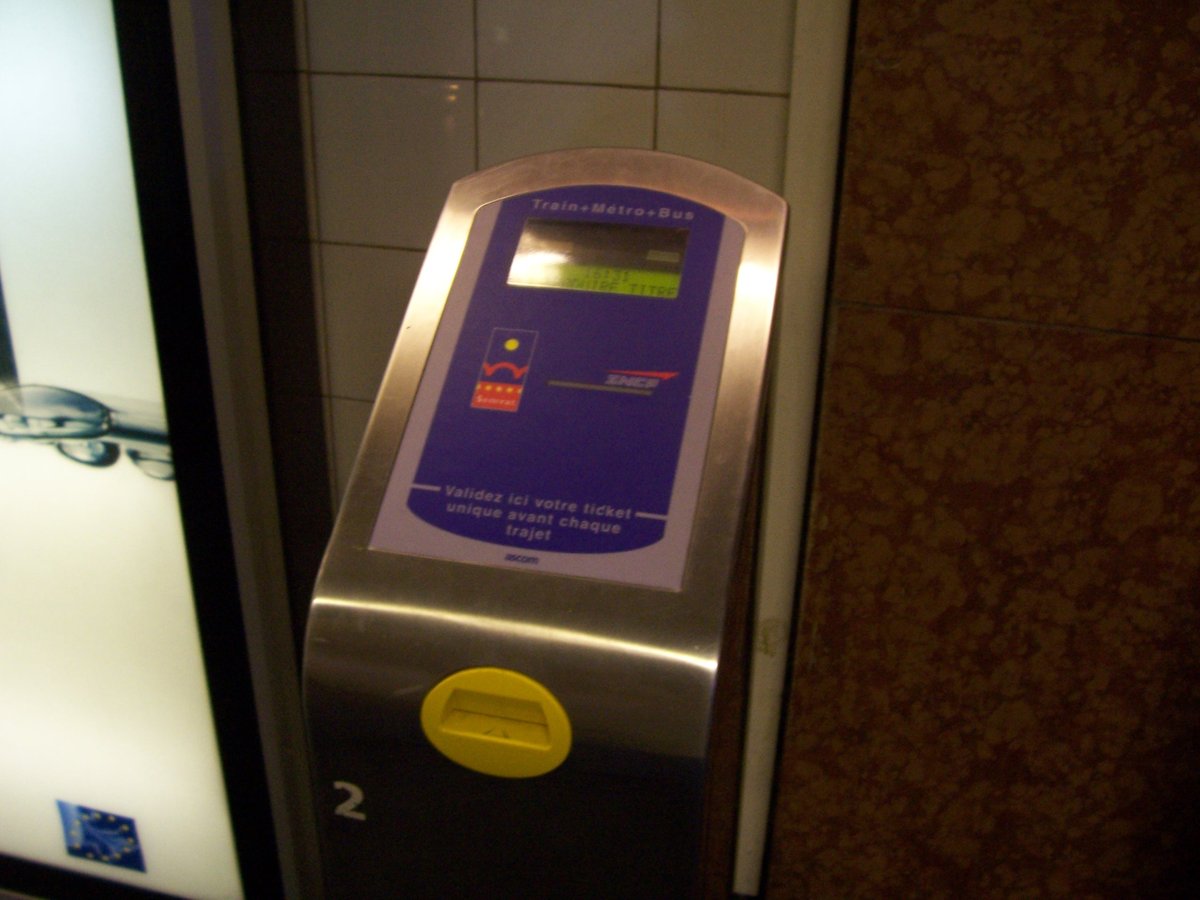
- Tickets: Purchase at staffed counters, ticket machines, online, or via the SNCF Connect app. Mobile and print-at-home tickets are accepted.
- Accessibility: Elevators, ramps, step-free access, and tactile paving support travelers with reduced mobility or visual impairments. The SNCF Accès Plus service offers dedicated assistance by prior arrangement.
Facilities and Services
- Shops & Dining: 15 shops and 4 restaurants, offering local and international cuisine, snacks, and travel essentials.
- Wi-Fi & Charging: Free Wi-Fi, charging stations, and comfortable waiting areas.
- Luggage Storage: Secure left-luggage lockers and a dedicated facility east of the main building.
- Restrooms: Clean and accessible, with baby-changing facilities.
- Tourist Information: Bilingual staff, information desks, and real-time travel updates.
- Parking & Bike Facilities: Short- and long-term parking, taxi ranks, and a 1,000-space bicycle station.
Integration with Urban and Regional Transport
Gare de Toulouse-Matabiau is seamlessly connected to the city:
- Metro: Direct access to Line A via Marengo-SNCF; Line C is planned by 2028.
- Buses & Tram: Multiple Tisséo lines, airport shuttles, and future tramway connections.
- Regional Trains: TER Occitanie, TGV inOui, Intercités, and international AVE (Renfe) to Barcelona (Renfe).
- Cycling: Proximity to the Canal du Midi cycle path and secure bicycle parking.
Nearby Attractions and Travel Tips
- Canal du Midi: UNESCO World Heritage site, ideal for walking, cycling, or boat tours.
- Historic Center: Place du Capitole, Basilica of Saint-Sernin, and Musée des Augustins are within easy reach.
- Carcassonne: Day trips by TER to the renowned medieval citadel.
- Toulouse Pass Tourisme: Offers discounts on transport and local attractions (Toulouse Tourisme).
Travel Tips:
- Arrive 20–30 minutes before departure, especially for long-distance or international trains.
- Book tickets online in advance during peak periods.
- Check baggage and bicycle transport policies before your journey.
- Use real-time boards for platform information, and allow extra time during weekday peak hours.
Ongoing and Future Developments
- Halle des Mobilités: By 2028, this new mobility hub will feature offices, shops, and advanced bicycle facilities (ladepeche.fr).
- Grand Projet du Sud-Ouest (GPSO): The new high-speed link to Paris and Bordeaux is set for 2032, projected to boost passenger volumes and economic activity.
- Urban Regeneration: The “Grand Matabiau, Quais d’Oc” initiative brings new green spaces, pedestrian plazas, and amenities to the station district.
Frequently Asked Questions (FAQ)
Q: What are the visiting hours for Gare de Toulouse-Matabiau?
A: Open from 4:30 a.m. to midnight; ticket offices 6:00 a.m.–10:00 p.m.; ticket machines 24/7.
Q: How do I buy train tickets?
A: At the station’s counters, automated machines, online, or via the SNCF Connect app.
Q: Is the station accessible for wheelchair users?
A: Yes, with elevators, ramps, step-free platform access, and assistance services.
Q: Can I store luggage at the station?
A: Yes, secure lockers and a left-luggage facility are available.
Q: What are the nearest attractions?
A: Place du Capitole, Canal du Midi, Basilica of Saint-Sernin, and Musée des Augustins.
Q: Are there direct trains to Barcelona?
A: Yes, direct AVE trains operate seasonally from 2025 (Renfe).
Visual and Media Suggestions
- Use images such as "Gare de Toulouse-Matabiau main entrance," "Interior ticket hall," and "Canal du Midi adjacent to station."
- Interactive maps showing urban transport and nearby attractions.
- Short videos or virtual tours highlighting the station’s architecture and amenities.
Discover More
Gare de Toulouse-Matabiau is the vibrant heart of Toulouse’s transport network and a living monument to its past and future. Whether your interest lies in architecture, history, or efficient travel, the station offers an enriching experience with seamless city and regional connections. For up-to-date information, ticketing, and travel inspiration, download the Audiala app and explore related content. Plan your visit today and discover why Toulouse-Matabiau is more than just a station—it’s your gateway to the heritage and dynamism of southern France.
Listen to the full story in the app
The whole Gare De Toulouse-Matabiau,
told well.
Audio guides for 1,100+ cities across 96 countries. History, stories, and local insight — offline ready.
Verified, and shown.
Researched and written by the Audiala editorial team from historical records, architectural archives, and local expertise.
Researched from Wikidata, Wikipedia & official sources · fact-checked · How we make our guides →