Plan and listen to Fontaine De La Place Saint-Étienne with Audiala.
Audio guide in your pocket, itinerary in your browser. Built for the way you actually visit.
Introduction
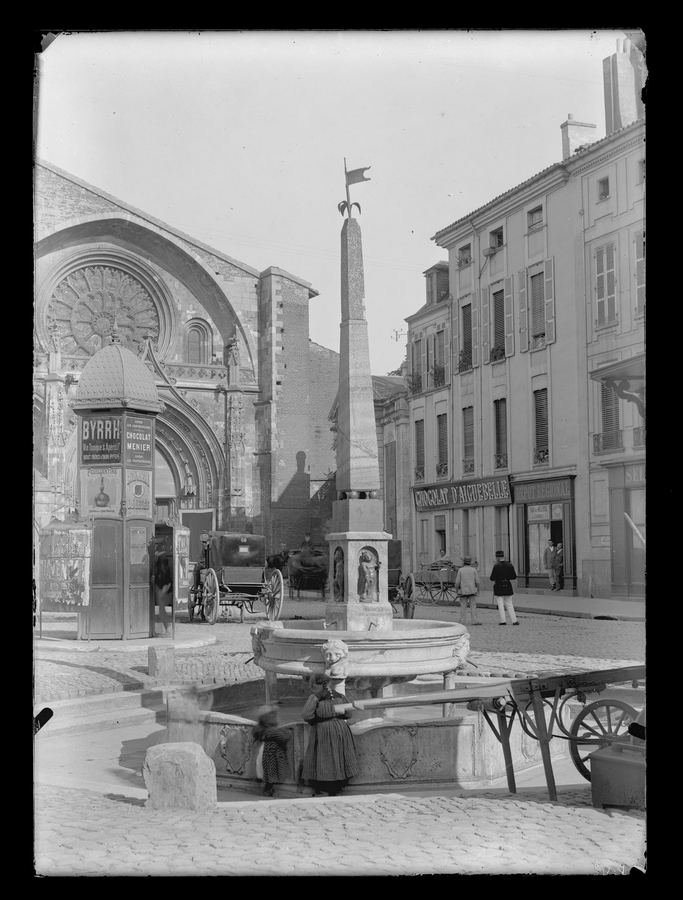
Located in the historic heart of Toulouse, the Fontaine de la Place Saint-Étienne, also known as the "Griffoul," is the city’s oldest public fountain and a prominent symbol of Toulouse’s Renaissance urban heritage. This guide provides a comprehensive overview of the fountain’s history, architectural highlights, visiting information, and cultural significance, ensuring you can make the most of your visit to one of Toulouse’s most cherished landmarks (Monumentum; Maïté-Infos).

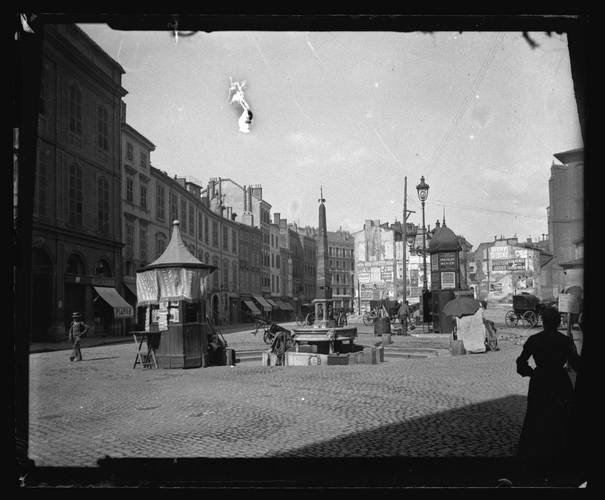
Historical Background
Renaissance Origins
Commissioned in 1523 and completed by the mid-16th century, the Fontaine de la Place Saint-Étienne is the earliest monumental public fountain in Toulouse. Its original function was to provide clean water to the community, sourced via an aqueduct from Guilhemery, and distributed through an ornate octagonal marble basin. The term "Griffoul" is Occitan for "spring" or "gushing source," emphasizing its vital role in urban life (Monumentum; Maïté-Infos).
Evolution and Restoration
The structure underwent key enhancements in 1593, with the addition of a marble basin, a central pedestal featuring four niches, and a pyramidal top. The niches originally housed sculpted "marmousets" (cherubic figures), a whimsical feature that became the subject of local legend and occasional scandal. Further significant restoration occurred in 1649 and again in 1720, with the latter introducing heraldic carvings of the city’s capitouls (municipal magistrates), as well as a new octagonal marble basin (Monumentum; La Dépêche). The fountain was listed as a Monument Historique in 1925.
Architectural Features and Artistic Details
- Octagonal Marble Basin: Crafted from Saint-Béat marble, the octagonal shape is characteristic of Renaissance design. The basin is detailed with mascarons—sculpted faces—serving as water spouts (Maïté-Infos).
- Central Pedestal and Pyramid: Designed by Jean Raincy and elevated by Antoine Bachelier, the pedestal showcases four niches that initially displayed bronze or stone figures. The pyramid, alternating white and red marble, adds a unique visual accent.
- Heraldic Carvings: The sides of the basin feature the coats of arms of the capitouls, commemorating the city’s governance during the early 18th century (Monumentum).
- Decorative Motifs: Today, water flows from a decorative fish motif, replacing the original "marmousets" (La Dépêche).
Cultural and Urban Significance
Positioned in front of the Cathédrale Saint-Étienne, the fountain is central to one of Toulouse’s most prestigious quarters. The square is lined with elegant hôtels particuliers, boutiques, and cafés, reflecting the city’s "Ville Rose" charm. The fountain’s continued presence highlights the evolution of public utilities in Toulouse, transitioning from a practical water source to a cherished monument and gathering place (Grizette; Toulouse City Archives).
Practical Visitor Information
Address and Access
- Location: Place Saint-Étienne, 31000 Toulouse, France (Monumentum)
- GPS: 43.6007° N, 1.4496° E
- Transport: Accessible via Toulouse metro (Esquirol, François Verdier stops) and several bus lines. Limited parking is available; public transport is recommended.
Visiting Hours
- Open: 24/7. The square and fountain are accessible at all times.
Tickets and Entry Fee
- Admission: Free. No ticket is required.
Accessibility
- Wheelchair Access: The square is paved and accessible, though some surrounding historic buildings may have limitations.
Tips for Visiting
- Best Times: Early morning or late afternoon for optimal light and fewer crowds.
- Photography: Capture the interplay between the fountain, cathedral, and historic facades.
- Combine Visits: Pair your visit with a tour of Cathédrale Saint-Étienne or nearby museums.
- Markets and Events: Saturdays feature a lively book market and regular art exhibitions (Cityzeum).
Frequently Asked Questions (FAQ)
Q: Is there an entrance fee to visit the fountain?
A: No, the site is free and open to the public.
Q: Are there guided tours available?
A: Yes, guided walking tours of the historic center often include the fountain (Toulouse Tourisme).
Q: Is the fountain accessible at night?
A: Yes, the area is illuminated and safe to visit after dark.
Q: Are there facilities nearby?
A: Yes, numerous cafés, shops, and restrooms are available in the vicinity.
Nearby Attractions
- Cathédrale Saint-Étienne: Adjacent to the fountain, renowned for its eclectic Gothic architecture (Toulouse Historical Sites).
- Musée des Augustins: Fine arts museum a short walk away.
- Capitole de Toulouse: The city’s iconic town hall and square.
- Musée Paul-Dupuy & Musée Saint-Raymond: Museums focusing on decorative arts and archaeology.
Events and Guided Tours
- Cultural Events: Place Saint-Étienne hosts concerts, art exhibitions, and regional markets throughout the year (Toulouse Events).
- Heritage Days: Special tours and events during the European Heritage Days in September.
- Guided Tours: Many local guides and tourism organizations offer themed walks including the fountain (Toulouse Tourisme).
Discover More
The Fontaine de la Place Saint-Étienne is much more than a historical water source; it is a living testament to Toulouse’s civic pride, Renaissance artistry, and urban charm. Its intricate design, central location, and cultural vibrancy make it an essential stop for anyone exploring the city’s historic center.
Plan your visit today:
Download the Audiala app for curated audio tours and real-time event updates. Share your experiences on social media with #ToulouseHistoricalSites, and immerse yourself in the rich history and lively atmosphere of Place Saint-Étienne.
Listen to the full story in the app
The whole Fontaine De La Place Saint-Étienne,
told well.
Audio guides for 1,100+ cities across 96 countries. History, stories, and local insight — offline ready.
Verified, and shown.
Researched and written by the Audiala editorial team from historical records, architectural archives, and local expertise.
Researched from Wikidata, Wikipedia & official sources · fact-checked · How we make our guides →